
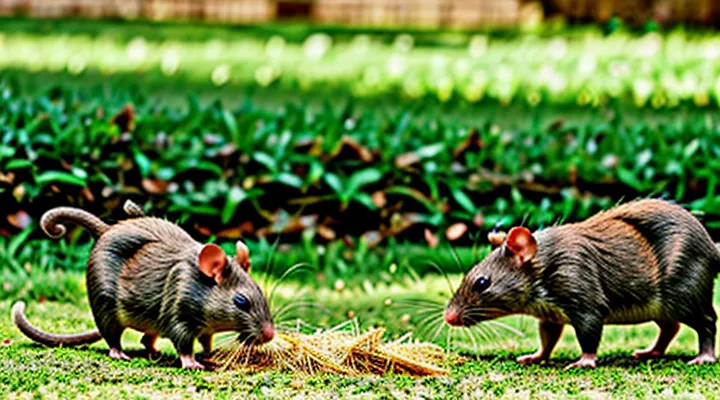
The Role of Hay in a Rat's Diet
Nutritional Value of Hay for Rats
Fiber Content and Digestive Health
Hay provides a high proportion of insoluble fiber, which promotes gastrointestinal motility in rodents. Rats possess a relatively short large intestine; the bulk of digestion occurs in the foregut, where fiber stimulates peristalsis and prevents fecal impaction. Adding a modest amount of hay to a rat’s diet can increase stool bulk, reduce transit time, and lower the risk of constipation.
Key considerations for hay inclusion:
- Choose species with low lignin content (e.g., timothy, orchard). High lignin reduces digestibility and may cause irritation.
- Offer no more than 5–10 % of total daily intake by weight. Excessive fiber can dilute essential nutrients and lead to weight loss.
- Provide fresh, dust‑free material. Mold or dust increases respiratory hazards.
- Monitor fecal consistency. Firm, well‑shaped pellets indicate adequate fiber; watery or hard stools suggest an imbalance.
Rats’ natural diet in the wild consists of seeds, grains, and occasional plant stems. While hay is not a primary food source, its fiber profile complements a grain‑based regimen by filling the bulk requirement. When combined with a balanced commercial pellet or seed mix, hay supports gut health without compromising caloric intake.
Veterinary guidance recommends a trial period of one to two weeks when introducing hay. Observe appetite, body condition, and stool characteristics. If adverse signs appear—such as reduced feed consumption, weight loss, or respiratory distress—remove hay immediately and reassess dietary composition.
Vitamins and Minerals
Rats may encounter hay when owners try to increase fiber intake, but the nutritional contribution of hay is limited. Hay delivers primarily cellulose and a modest amount of plant‑derived vitamins. The vitamin profile includes:
- Vitamin A (β‑carotene) in small quantities
- Vitamin E at trace levels
- Vitamin K in negligible amounts
- Minimal B‑complex vitamins
Mineral content of common hay varieties consists of:
- Calcium, often exceeding the rat’s recommended ratio to phosphorus
- Phosphorus, present in lower concentrations
- Magnesium and potassium at modest levels
- Trace elements such as zinc and copper, insufficient for daily requirements
The imbalance between calcium and phosphorus can predispose rats to urinary calculi, while the scarcity of B‑vitamins and essential trace minerals makes hay an inadequate sole source of micronutrients. For a balanced diet, hay should be offered only as a supplemental fiber source, paired with a commercially formulated rat feed that supplies complete vitamin and mineral profiles. If hay is included, monitor calcium‑phosphorus ratios and consider a targeted supplement to address any deficiencies.
Potential Benefits of Hay
Dental Health and Chewing
Rats require continuous tooth wear to prevent overgrowth of the incisors. Natural gnawing surfaces provide the abrasive action needed for this process. Hay, particularly long‑fiber varieties such as timothy or oat, offers a suitable texture that promotes regular chewing and stimulates the jaw muscles.
- Provides constant, low‑intensity abrasion that limits incisor elongation.
- Encourages mastication, which strengthens the masseter and temporalis muscles.
- Supplies dietary fiber that aids gastrointestinal transit and reduces the risk of dental malocclusion caused by soft‑food diets.
- Offers a safe, non‑toxic material that can be introduced gradually to avoid sudden dietary changes.
When offering hay, ensure it is fresh, free of mold, and cut into manageable lengths to prevent choking. Monitor the rat’s teeth weekly; excessive wear or uneven grinding indicates the need for adjustment in diet or supplemental chew toys. Combining hay with appropriate chew objects, such as wooden blocks or mineral chews, creates a balanced regimen that supports optimal dental health and overall well‑being.
Enrichment and Nesting Material
Hay can serve as both enrichment and nesting material for pet rats when introduced correctly. Its fibrous structure encourages natural foraging behavior, provides tactile stimulation, and offers a substrate for building nests. Rats typically chew and shred hay, which satisfies their instinct to gnaw and reduces the risk of dental overgrowth.
Key considerations for using hay with rats:
- Choose plain, pesticide‑free grass hay, such as timothy or orchard varieties; avoid scented or aromatic blends that may contain harmful additives.
- Offer small, manageable portions to prevent excessive ingestion that could lead to gastrointestinal blockage.
- Replace soiled or damp hay regularly to maintain hygiene and prevent mold growth.
- Monitor each rat’s response; some individuals may show little interest or develop sensitivities.
When hay is provided alongside other nesting supplies—paper towels, shredded tissue, or untreated wood shavings—it enhances nest quality without compromising health. Properly managed, hay contributes to a richer environment and supports the well‑being of domesticated rats.
Hay as a Dietary Supplement for Rats
Types of Hay Suitable for Rats
Timothy Hay
Timothy hay is a common forage for small herbivores and is sometimes considered for inclusion in a rat’s diet. Its composition consists mainly of fibrous material, low protein (approximately 8–12 % dry matter), and minimal fat. The high fiber content can aid gastrointestinal motility, while the low caloric density prevents excessive weight gain when offered in moderation.
Nutritional considerations
- Provides roughage that can promote dental wear, reducing the risk of overgrown incisors.
- Supplies modest amounts of vitamins A, D, E and minerals such as calcium and phosphorus, though levels are insufficient to meet a rat’s complete nutrient requirements.
- Lacks essential amino acids and fatty acids needed for growth, reproduction, and immune function; therefore it must complement a balanced rodent chow.
Safety aspects
- Must be fresh, free of mold, dust, or pesticide residues; contaminated hay can cause respiratory irritation or gastrointestinal upset.
- Should be stored in a dry, ventilated container to prevent spoilage; discard any damp or discolored strands.
- Introduce gradually, monitoring for signs of digestive disturbance (e.g., diarrhea, reduced appetite).
Practical usage
- Offer a small handful (approximately 1–2 grams) daily as a supplement, not a staple.
- Combine with a high‑quality commercial rat diet that provides adequate protein (14–18 %), fat (5–7 %), and essential micronutrients.
- Observe individual preferences; some rats may ignore hay, while others will readily chew it.
In summary, Timothy hay can be included as a supplemental source of fiber for rats, supporting dental health and digestive function, provided it is fresh, limited in quantity, and paired with a nutritionally complete primary diet.
Orchard Grass Hay
Orchard grass hay (Dactylis glomerata) offers a high fiber content that can aid digestive health in pet rats. The dry, coarse texture encourages natural chewing behavior, which helps wear down continuously growing incisors and reduces the risk of dental problems.
Nutritional profile includes primarily cellulose, hemicellulose, and small amounts of protein, minerals, and vitamins. Compared with seed-based diets, hay provides minimal calories, making it suitable as a supplemental forage rather than a primary food source.
Potential concerns involve dust and mold. Freshly harvested, low-dust hay reduces respiratory irritation; however, prolonged storage in humid conditions can promote fungal growth. Rats with compromised immune systems may be more susceptible to respiratory infections from contaminated hay.
Feeding recommendations:
- Offer a small bundle (5–10 g) daily, allowing rats to pull and gnaw at will.
- Replace uneaten hay every 24 hours to maintain freshness.
- Store in airtight containers at cool, dry temperatures to prevent spoilage.
- Observe each rat for signs of gastrointestinal distress or allergic reaction; discontinue if symptoms appear.
Overall, orchard grass hay can be incorporated safely into a rat’s diet when provided as a low‑calorie, high‑fiber supplement, with attention to quality, storage, and individual health status.
Alfalfa Hay (Considerations for Adult Rats)
Alfalfa hay can be offered to adult rats as an occasional supplement, not as a primary food source. Its high fiber content supports digestive motility, while the protein and calcium levels exceed the nutritional requirements of mature rodents. Excessive calcium may predispose rats to urinary calculi, so portion size must be limited.
When incorporating alfalfa hay, follow these guidelines:
- Provide no more than one teaspoon (approximately 2 g) per rat per day.
- Offer only fresh, pesticide‑free hay; discard any moldy or dusty portions.
- Present the hay in small, bite‑size bundles to encourage chewing without causing choking.
- Monitor each rat for changes in stool consistency, weight, or urinary health; discontinue if adverse signs appear.
Veterinarians recommend balancing alfalfa hay with a diet rich in low‑protein, low‑calcium vegetables and a high‑quality rat pellet. This approach supplies necessary fiber while preventing nutrient excesses that could affect kidney or bone health. Regular veterinary check‑ups will confirm that the hay supplement remains appropriate for the individual animal’s condition.
How to Offer Hay to Your Rats
Placement in the Cage
Providing hay to rats can enhance enrichment, but its placement in the cage must be strategic to prevent contamination and ensure safety. Position hay away from food bowls and water dispensers to avoid soaking and mold growth. Secure the bundle to the cage wall or a chew bar using zip ties or metal clips; this prevents the hay from drifting and becoming a choking hazard. Place hay at a height that encourages climbing, such as on a platform or hanging from the top of the cage, promoting natural foraging behavior. Keep hay out of the bedding area to maintain dry, clean nesting material.
Key considerations for effective hay placement:
- Ventilation: Choose a spot with good airflow to keep hay dry.
- Accessibility: Ensure all rats can reach the hay without overcrowding other enrichment items.
- Observation: Arrange hay where it is visible during daily checks, allowing prompt removal of spoiled material.
- Material: Use plain, pesticide‑free hay; avoid scented or treated varieties that may irritate respiratory passages.
Frequency of Offering
Feeding hay to pet rats can provide fiber, dental wear, and enrichment. The amount and timing must align with the animal’s natural foraging behavior and digestive capacity.
Rats typically consume small quantities of hay several times a day rather than a single large portion. Offering hay at each feeding session—morning, midday, and evening—ensures continuous access without overwhelming the stomach.
Practical schedule:
- Morning (07:00–09:00): Place a handful of timothy or oat hay in the cage.
- Midday (12:00–14:00): Refresh the hay supply, removing any soiled pieces.
- Evening (18:00–20:00): Provide a fresh portion for nighttime activity.
If a rat shows strong interest, a fourth offering before lights out (22:00) can be added. Conversely, if hay remains untouched for more than 24 hours, reduce the quantity to prevent waste and mold growth.
Monitor each rat’s consumption and adjust frequency accordingly. Consistent, moderate access supports gut health while avoiding overconsumption that could lead to gastrointestinal upset.
When Hay Might Be Detrimental
Mold or Dust Contamination
Hay can serve as an occasional source of roughage for pet rats, but its safety depends on the absence of mold and dust.
Mold growth on hay produces mycotoxins such as aflatoxin and ochratoxin, which can cause hepatic damage, immunosuppression, and gastrointestinal upset in rodents. Mycotoxin exposure may be subclinical at low levels but can rapidly become lethal when contaminated batches are consumed repeatedly.
Dust particles generated by dried hay irritate the upper respiratory tract, provoke sneezing, and increase the risk of bronchitis or pneumonia, especially in animals with pre‑existing respiratory sensitivity. Fine dust also carries spores that facilitate mold colonization after storage.
Inspection checklist
- Visual scan for discoloration, fuzzy growth, or slime.
- Smell for musty or sour odors indicating fungal activity.
- Lightly press a sample; excessive crumbling suggests high dust content.
Storage and handling practices
- Keep hay in airtight containers within a cool, dry environment (below 20 °C, humidity under 60 %).
- Rotate stock to use older batches first, discarding any that show signs of spoilage.
- Prior to feeding, sift hay through a fine mesh to remove loose dust and debris.
- Offer only small, fresh portions; discard leftovers after 24 hours to prevent moisture buildup.
Adhering to these measures minimizes the health hazards associated with mold and dust, ensuring that hay, when used, remains a safe supplemental fiber source for rats.
Allergenic Reactions
Feeding hay to pet rats introduces plant material that can trigger immune responses in some individuals. Rats possess a sensitive respiratory and dermal system; exposure to pollen, mold spores, or dust particles present in hay may lead to allergic reactions comparable to those observed in other small mammals.
Typical signs of an allergic response include:
- Sneezing or nasal discharge
- Itching, fur loss, or skin redness
- Labored breathing or wheezing
- Swelling around the eyes or muzzle
- Decreased activity or appetite
If any of these symptoms appear after introducing hay, discontinue the feed immediately and consult a veterinarian. Diagnostic steps often involve skin scrapings, blood tests for specific IgE antibodies, or a controlled exposure trial to identify the offending allergen.
Preventive measures reduce risk:
- Choose hay that is low in pollen and free from mold, such as kiln‑dried varieties.
- Store hay in a dry, well‑ventilated area to prevent fungal growth.
- Introduce small quantities gradually and monitor the rat’s behavior and health.
- Maintain clean bedding and cage environment to limit airborne particles.
When hay is deemed unsuitable, alternative fiber sources—such as shredded paper, untreated wood shavings, or commercially formulated chew toys—can provide the necessary roughage without the allergenic load.
Overconsumption and Gut Stasis
Rats may encounter hay when owners attempt to increase fiber intake. Excessive consumption can overwhelm the small intestine, leading to delayed gastric emptying and intestinal blockage. The bulk of dry hay expands in the stomach, creating a physical barrier that impedes peristalsis. When rats ingest more than a few grams per day, the risk of stasis rises sharply.
Key factors that amplify the danger include:
- Low moisture content of hay, which reduces lubrication of the gastrointestinal tract.
- Limited chewing time, resulting in larger particles that resist breakdown.
- Individual variation in digestive efficiency; some rats lack the enzymatic capacity to process high‑fiber material.
Clinical signs of gut stasis appear within 24–48 hours and may involve:
- Reduced food and water intake.
- Decreased fecal output, often dry and scant.
- Abdominal distension or palpable tension.
- Lethargy and reluctance to move.
Prompt intervention requires immediate removal of hay, provision of hydration, and administration of a high‑energy, easily digestible diet. In severe cases, veterinary assistance for gastric decompression and fluid therapy is essential. Preventive measures consist of limiting hay to occasional, small portions and monitoring each rat’s response closely.
Alternatives and Complements to Hay
Other Sources of Fiber
Vegetables and Fruits
Rats thrive on a diet that includes high‑quality protein, fiber, and moisture. While hay may provide roughage, vegetables and fruits supply essential vitamins, minerals, and hydration that support dental health and immune function.
- Leafy greens: kale, romaine lettuce, spinach, Swiss chard
- Root vegetables: carrots, sweet potatoes, beet greens (cooked, unseasoned)
- Fruit: apples (core removed), blueberries, strawberries, melon, banana (small portions)
Portion control is critical. Offer 1–2 teaspoons of fresh produce per 100 g of body weight daily. Introduce new items gradually to monitor tolerance. Wash all produce thoroughly, remove seeds and pits that may contain toxins, and serve at room temperature.
Avoid citrus skins, avocado, rhubarb, and raw beans, as they contain compounds harmful to rodents. Balance vegetable and fruit servings with a nutritionally complete pellet or lab‑mix to prevent deficiencies. Regularly rotate selections to provide a broad spectrum of nutrients and to keep the diet stimulating.
Commercial Rat Foods
Commercial rat foods are formulated to provide balanced nutrition for laboratory and pet rodents. They typically contain a blend of grains, seeds, protein sources, vitamins, and minerals in proportions that meet the dietary requirements established by rodent nutrition standards. The composition aims to support growth, reproduction, and overall health without the need for supplemental foraging material.
Key components of most commercial rat diets include:
- Grains and cereals (e.g., wheat, corn, oats) – supply carbohydrates and fiber.
- Protein meals (e.g., soy, fishmeal) – deliver essential amino acids.
- Vitamin and mineral premixes – ensure adequate micronutrient intake.
- Fats and oils – provide energy density and essential fatty acids.
- Additives (e.g., antioxidants, binders) – improve shelf life and palatability.
Hay is a high‑fiber, low‑energy forage commonly used for herbivorous species. Rats possess a digestive system adapted to omnivory; they derive most nutrients from protein‑rich and carbohydrate‑dense foods. Introducing hay into a rat’s diet does not contribute significant protein or fat, and excessive fiber can interfere with nutrient absorption. Consequently, commercial rat foods are designed to eliminate the need for hay as a primary feed component.
When owners consider offering hay alongside a commercial diet, the following points are relevant:
- Nutritional balance – ensure that hay does not displace the proportion of protein and fat required for the animal’s life stage.
- Digestive health – small amounts of high‑quality grass hay may aid gastrointestinal motility, but overuse can cause soft stools.
- Behavioral enrichment – hay can serve as a tactile stimulus, providing chewing opportunities that reduce boredom.
In practice, a well‑formulated commercial rat feed satisfies all essential dietary needs. Supplementary hay may be used sparingly for enrichment, provided the core diet remains unchanged. This approach maintains optimal nutrition while addressing the occasional desire to offer natural forage.
Enrichment Activities Without Hay
Shredded Paper
Rats occasionally encounter hay in mixed‑species environments, prompting owners to question its suitability as a dietary component. Hay supplies roughage, but rodents obtain most fiber from fresh vegetables and commercial pellets; excessive hay may displace nutritionally balanced foods.
Shredded paper, often present in cages as nesting material, can serve as a supplemental fiber source when hay is unavailable. Its characteristics include:
- High cellulose content, comparable to low‑grade hay.
- Low caloric value, reducing risk of over‑consumption.
- Minimal protein and essential vitamins; it does not replace fortified feed.
- Generally safe when derived from non‑glossy, non‑toxic paper; inked or chemically treated sheets pose health hazards.
When considering shredded paper as an alternative to hay, observe the following guidelines:
- Verify paper type: plain, uncoated printer or newspaper strips are acceptable; avoid glossy magazines, colored inks, and receipts.
- Offer in limited quantities: a few centimeters per day prevent blockage and maintain cage cleanliness.
- Monitor rat behavior: signs of gastrointestinal distress or reduced activity indicate intolerance.
- Replace regularly: damp or soiled paper encourages mold growth and bacterial proliferation.
In summary, shredded paper can provide a modest fiber supplement for rats, but it does not replicate the nutritional profile of hay. Primary diet should remain high‑quality pellets supplemented with fresh produce, while shredded paper serves only as an occasional adjunct.
Cardboard Tubes
Cardboard tubes serve as a practical delivery system for herbaceous material when providing rodents with roughage. The material’s rigidity holds loose hay, preventing spillage and allowing controlled portions.
- Cut tubes to a length that fits comfortably in a cage, typically 4–6 inches.
- Remove any tape, glue, or printed ink that could leach chemicals.
- Rinse the interior with warm water, dry thoroughly, and sterilize by baking at 180 °F for 15 minutes.
- Insert a measured amount of hay, securing the open end with a small clip to limit access.
Using tubes reduces the risk of hay becoming tangled in the animal’s teeth, which can cause dental wear. The confined space encourages gnawing behavior, supporting natural tooth maintenance. Additionally, the texture of cardboard offers supplemental chewing material, promoting dental health alongside the fibrous diet.
Potential drawbacks include mold growth if the tube remains damp and the possibility of ingestion of cardboard fragments if the tube deteriorates. Regular inspection for softening or fraying is essential; replace tubes weekly or sooner if damage appears.
In summary, cardboard tubes provide a safe, hygienic, and efficient method for presenting hay to pet rodents, combining dietary enrichment with oral health benefits when maintained according to the outlined protocol.
Consulting a Veterinarian
Dietary Concerns
Hay offers high fiber but lacks the protein, fat, vitamins, and minerals required for a balanced rodent diet. Veterinary nutritionists warn that relying on hay as a primary food source can lead to nutrient deficiencies, weight loss, and compromised immune function.
Key dietary concerns include:
- Insufficient protein and fat: Hay provides negligible amounts of essential amino acids and energy‑dense nutrients.
- Low caloric density: Rats may consume large volumes without meeting caloric needs, risking malnutrition.
- Potential contaminants: Dust, mold spores, and pesticide residues can irritate respiratory passages and cause gastrointestinal upset.
- Choking and impaction risk: Coarse or overly dry strands may obstruct the esophagus or accumulate in the gut.
- Imbalanced calcium‑phosphorus ratio: Certain hay varieties contain excess calcium, disrupting bone metabolism.
When hay is offered, it should serve only as supplemental roughage. Select fresh, pesticide‑free grass hay, trim to manageable lengths, and limit intake to a few grams per day. Pair with a formulated rodent pellet or fresh vegetables to ensure complete nutrition. Regular veterinary check‑ups can detect early signs of deficiency or digestive problems.
Health Issues Related to Diet
Feeding hay to pet rats raises several health concerns that must be evaluated before inclusion in their diet.
Hay provides primarily fiber and low caloric content, which differs markedly from the protein‑rich, carbohydrate‑moderate diet rats require for growth, reproduction, and immune function. The mismatch can create nutritional imbalances.
Potential health issues include:
- Digestive blockage: coarse fibers may accumulate in the gastrointestinal tract, leading to impaction and obstruction.
- Nutrient deficiency: hay lacks essential amino acids, vitamins (A, D, E, B‑complex), and minerals (calcium, phosphorus) needed for bone development and metabolic processes.
- Dental wear: while fiber can help maintain incisor length, overly hard or abrasive hay may cause excessive wear or fractures.
- Mold and mycotoxins: improperly stored hay can harbor fungal growth, introducing toxins that damage liver and respiratory systems.
- Allergic reactions: some rats develop hypersensitivity to pollen or dust particles present in hay, resulting in sneezing, nasal discharge, or skin irritation.
Veterinary guidance recommends limiting hay to a minimal amount, if any, and selecting a high‑quality, low‑dust product. Primary diet should consist of commercially formulated rat pellets, supplemented with fresh vegetables and occasional protein sources. Monitoring body weight, fecal consistency, and dental condition can detect adverse effects early. If signs of impaction, respiratory distress, or nutritional deficiency appear, discontinue hay immediately and seek professional care.