
The Nutritional Profile of Rice
Brown Rice vs. White Rice
Nutritional Differences
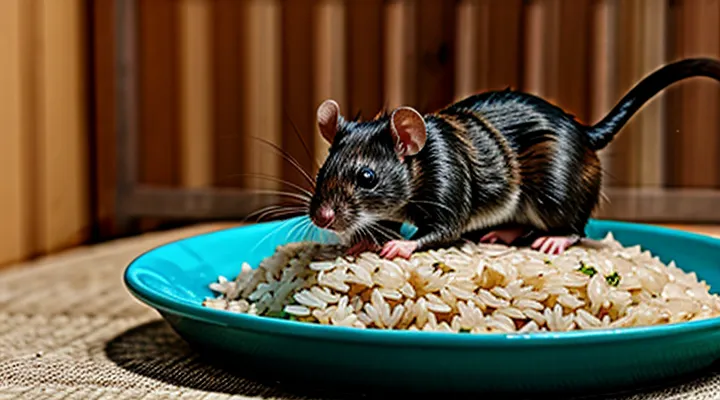
Dry rice provides a carbohydrate‑rich profile markedly different from the balanced formulation of commercial rodent diets. Standard chow typically contains 15‑20 % protein, 4‑6 % fat, and a range of vitamins and minerals designed to meet the complete nutritional requirements of laboratory rats. In contrast, uncooked rice consists of approximately 80 % carbohydrates, 7‑8 % protein, and less than 1 % fat, offering limited essential amino acids and negligible micronutrient content.
Macronutrient contrast
- Carbohydrate: rice supplies primarily starch, delivering rapid glucose release; chow supplies complex carbohydrates with slower absorption.
- Protein: rice lacks sufficient lysine, methionine, and tryptophan; chow provides a complete amino‑acid profile.
- Fat: rice contributes minimal essential fatty acids; chow includes omega‑3 and omega‑6 sources.
Micronutrient disparity
- Vitamins: rice contains only trace amounts of B‑complex vitamins; chow is fortified with vitamins A, D, E, K, and B‑complex.
- Minerals: rice provides limited calcium, phosphorus, magnesium, and trace elements; chow supplies these in bioavailable ratios.
Digestibility considerations
Uncooked rice exhibits lower digestibility for rodents due to the presence of resistant starch and the absence of enzymatic treatment. Processed grain, as found in standard diets, is pre‑gelatinized, enhancing nutrient absorption. The high glycemic index of dry rice can provoke rapid blood‑sugar spikes, whereas balanced chow maintains more stable glucose levels.
Health implications
Consistent reliance on dry rice may lead to protein deficiency, impaired growth, skeletal abnormalities, and reduced immune competence. Excess caloric intake from starch can promote obesity and associated metabolic disorders. Supplementation with protein sources, vitamins, and minerals would be required to offset these deficiencies, yet such adjustments complicate diet formulation and increase the risk of imbalanced nutrition.
In summary, the nutritional composition of uncooked rice diverges sharply from the comprehensive profile of formulated rat feed, rendering it unsuitable as a sole dietary component. «Rice alone does not satisfy the complete dietary needs of rats».
Processing Methods
Dry rice intended for rodent consumption undergoes several processing stages to ensure safety and nutritional suitability. Initial cleaning removes dust, debris, and foreign particles through mechanical sieving and pneumatic separation. Subsequent polishing eliminates the outer husk, reducing fiber content and lowering the risk of gastrointestinal irritation in rats.
Heat treatment follows polishing. Steaming or flash‑roasting at temperatures between 120 °C and 150 °C destroys potential pathogens and deactivates enzymes that could cause rancidity. After heating, the grain is rapidly cooled to prevent moisture accumulation, which could promote mold growth.
Drying reduces moisture to a stable level of 12 %–14 % by weight. Conventional tray dryers or fluidized‑bed systems circulate warm air, achieving uniform moisture loss while preserving starch integrity. Moisture monitoring with hygrometers ensures compliance with safety thresholds.
The dried product may be milled to a fine granule size appropriate for rodent cages. Grinding mills equipped with adjustable sieves produce particles ranging from 0.5 mm to 2 mm, facilitating easy ingestion and minimizing choking hazards. Optional extrusion creates compact pellets, enhancing handling and reducing waste spillage.
Final quality control includes:
- Microbial analysis for Salmonella, E. coli, and mold counts
- Nutrient profiling of carbohydrate, protein, and fiber levels
- Physical inspection for uniform particle size and absence of contaminants
These processing methods collectively render dry rice a safe, digestible component of a rat’s diet when incorporated in appropriate proportions.
Risks Associated with Feeding Dry Rice to Rats
Digestive Concerns
Expansion in the Stomach
Feeding uncooked grains to laboratory rodents raises concerns about gastric distension. The starch granules in «dry rice» absorb moisture rapidly once they enter the acidic environment of the stomach. Swelling can increase the volume of each particle by up to threefold, creating a bulk that occupies a substantial portion of the organ’s limited capacity.
Rats possess a stomach capable of holding approximately 5 % of their body weight in food and fluid. When a significant amount of dry cereal is introduced, the following physiological responses may occur:
- Immediate expansion of ingested particles, reducing available space for gastric secretions.
- Delayed gastric emptying due to increased viscosity of the stomach contents.
- Elevated intragastric pressure, potentially leading to discomfort or injury.
Prolonged distension can compromise mucosal blood flow and predispose the animal to ulceration. In extreme cases, obstruction of the pyloric sphincter may result in fatal blockage.
Preventive measures include:
- Hydrating grains before presentation to limit swelling.
- Limiting portion size to less than 2 % of body weight per feeding.
- Observing post‑feeding behavior for signs of distress, such as reduced activity or abnormal posturing.
Adhering to these guidelines minimizes the risk of gastric expansion while allowing the nutritional benefits of cereal grains to be evaluated safely.
Potential for Blockages
Feeding dry rice to rats presents a measurable risk of gastrointestinal obstruction. The grain expands when it absorbs moisture, increasing volume within the digestive tract. In a small animal, this expansion can exceed the lumen capacity, leading to impaction that prevents normal passage of contents.
Key factors that elevate blockage probability include:
- Consumption of unsoaked, whole grains in quantities exceeding typical daily intake.
- Presence of underlying motility disorders that reduce peristaltic efficiency.
- Co‑administration of high‑fiber foods that further bulk the intestinal contents.
Clinical indicators of obstruction are reduced fecal output, abdominal distension, and lethargy. Immediate veterinary assessment is advised when these signs appear. Preventive measures consist of moistening rice before offering, limiting portion size, and monitoring for pre‑existing digestive conditions.
Nutritional Imbalances
Lack of Essential Nutrients
Dry rice supplies primarily carbohydrates and a small amount of protein, but it lacks several nutrients that are indispensable for rodent health. Essential amino acids such as lysine and methionine are present only in trace amounts, preventing the synthesis of vital enzymes and muscle tissue. Fatty acids required for cell membrane integrity, including omega‑3 and omega‑6, are virtually absent, compromising neural development and immune function.
Vitamins and minerals critical for metabolic processes are also deficient. A typical serving of uncooked rice provides negligible levels of vitamin A, vitamin D, vitamin E, and the B‑complex group, each of which supports vision, bone health, antioxidant defenses, and energy metabolism. Mineral content is limited to small quantities of phosphorus and magnesium, while calcium, iron, zinc, and selenium—necessary for bone formation, oxygen transport, enzymatic activity, and antioxidative protection—are insufficient.
Feeding rats a diet composed mainly of dry rice therefore creates a nutritional gap that must be filled with supplemental sources. Effective supplementation strategies include:
- Adding a balanced rodent pellet or laboratory chow that contains complete amino‑acid profiles, essential fatty acids, vitamins, and minerals.
- Incorporating fortified vegetables, such as kale for calcium and iron, and carrots for beta‑carotene (a vitamin A precursor).
- Providing a small amount of animal‑derived protein, like boiled egg or lean meat, to supply missing essential amino acids.
Without these additions, prolonged reliance on dry rice leads to deficiencies that can impair growth, reproductive performance, and overall vitality.
Antinutrients in Uncooked Grains
Uncooked grains contain compounds that interfere with nutrient absorption and digestive enzyme activity, which directly affect the suitability of dry rice as a staple for laboratory or pet rats.
Key antinutrients present in raw cereals include:
- «phytic acid» – binds calcium, iron, zinc, and magnesium, reducing their bioavailability;
- «lectins» – resist gastrointestinal digestion, may cause intestinal mucosal damage;
- «trypsin inhibitors» – impede protein hydrolysis, lower amino‑acid uptake;
- «tannins» – precipitate proteins and diminish enzymatic function;
- «protease inhibitors» – further limit protein breakdown.
The physiological consequences of these substances are measurable. Chelation by «phytic acid» leads to measurable declines in serum mineral concentrations. Lectin exposure correlates with increased intestinal permeability and inflammatory markers. Inhibition of trypsin and other proteases results in reduced growth rates and poorer feed conversion efficiency.
Mitigation strategies rely on processing methods that deactivate or remove antinutrients. Soaking grains in water for 12–24 hours reduces phytic acid content by up to 30 %. Thermal treatment at 100 °C for 20 minutes denatures most lectins and deactivates trypsin inhibitors. Fermentation introduces microbial phytases that further degrade phytic acid. Supplemental phytase enzyme can compensate for residual phytic acid when raw grain inclusion is unavoidable.
When dry rice is offered to rats without cooking, the grain’s intrinsic «phytic acid» level presents a modest risk, while lectin content remains low. Nevertheless, exclusive reliance on uncooked rice leads to chronic mineral deficiencies and impaired protein utilization, especially in growing or breeding individuals. Inclusion of cooked rice or a balanced diet supplemented with vitamin and mineral premixes mitigates these deficiencies and supports normal physiological development.
Presence of Arsenic
Organic vs. Inorganic Arsenic
Rice can contain measurable amounts of arsenic, which exists in two chemical forms that differ markedly in toxicity. Understanding the distinction between organic and inorganic arsenic is essential when evaluating uncooked rice as a component of rodent diets.
Organic arsenic compounds, such as arsenobetaine and dimethylarsinic acid, are typically found in seafood and exhibit low toxicity in mammals. In grain matrices, organic forms are present in minor concentrations, often below detection limits of routine analytical methods. Their metabolic pathways lead to rapid excretion, reducing the likelihood of bioaccumulation in rats.
Inorganic arsenic, comprising arsenite (As III) and arsenate (As V), accounts for the majority of arsenic measured in rice. These species interfere with cellular respiration, enzyme activity, and DNA repair mechanisms. Concentrations in commercially available dry rice range from 0.1 mg kg⁻¹ to 0.5 mg kg⁻¹, with higher values reported for rice cultivated in arsenic‑rich soils. Chronic exposure at these levels can impair growth, reproductive performance, and organ function in laboratory rodents.
Risk assessment for feeding uncooked rice to rats must consider the inorganic arsenic content relative to established toxicological thresholds. The No‑Observed‑Adverse‑Effect Level (NOAEL) for inorganic arsenic in rodents approximates 0.1 mg kg⁻¹ day⁻¹. Assuming a daily intake of 20 g of dry rice for a 200‑g rat, ingestion could approach or exceed this limit when rice contains ≥0.5 mg kg⁻¹ inorganic arsenic.
Practical recommendations:
- Verify arsenic concentrations through accredited laboratory analysis before incorporating rice into feed.
- Prefer rice sourced from regions with documented low inorganic arsenic levels.
- Apply cooking or soaking procedures that reduce inorganic arsenic by up to 50 % (e.g., rinsing three times, boiling in excess water, discarding cooking liquid).
- Limit rice inclusion to ≤5 % of total diet weight, ensuring that alternative carbohydrate sources (e.g., oats, barley) supply the majority of energy.
- Monitor animal health parameters (body weight, organ histopathology) regularly to detect early signs of arsenic toxicity.
Adherence to these guidelines minimizes the risk associated with inorganic arsenic while allowing the nutritional benefits of rice to be utilized safely in rodent feeding programs.
Accumulation in Rice Grains
Feeding rats dry rice introduces a substrate in which various substances can become concentrated within the grain matrix. Nutrient reserves, such as starch and protein, accumulate naturally as the grain matures; when ingested, these reserves provide a dense energy source for the animal. However, dry rice can also retain environmental contaminants—pesticide residues, heavy metals, or mycotoxins—that persist in the grain tissue and become part of the rat’s dietary intake.
Key factors influencing accumulation in rice grains include:
- Grain storage conditions: high humidity or temperature fluctuations promote mold growth and mycotoxin production.
- Agricultural practices: use of chemical treatments can leave residual compounds that bind to starch granules.
- Rat feeding behavior: selective consumption of intact kernels increases exposure to concentrated substances compared to fragmented or processed forms.
The presence of accumulated compounds affects both rat physiology and grain quality. Elevated toxin levels may impair hepatic function and reduce growth rates, while high nutrient density can support rapid weight gain. Monitoring grain composition before offering dry rice to rats ensures that beneficial accumulation (energy reserves) outweighs potential risks (contaminants).
Safe Alternatives for Feeding Rats
Cooked Rice Options
Preparation Methods
Feeding rats dry rice requires careful preparation to ensure digestibility and nutritional balance. The grain must be treated to reduce hardness, remove contaminants, and prevent microbial growth.
- Soak grains in clean water for 15–30 minutes; this softens the starch and facilitates subsequent cooking.
- Boil the soaked rice for 5–7 minutes until the texture is tender but not mushy; overcooking diminishes nutrient density.
- Drain thoroughly and spread on a sanitized surface to cool; rapid cooling minimizes bacterial proliferation.
- Optional: blend with a small proportion of rodent‑specific vitamin supplement; avoid adding salt, sugar, or seasoning agents.
- Store the prepared rice in an airtight container at 4 °C; use within 48 hours to preserve freshness.
Preparation must exclude additives that could harm rodents, such as sodium chloride or artificial flavors. Moisture content should remain low after cooling to prevent mold formation. Regular inspection of stored rice for discoloration or odor is essential before offering it to the animals.
Portion Sizes
When offering dry rice to pet rats, portion size must align with the animal’s overall diet and caloric requirements. Rice provides carbohydrate energy but lacks sufficient protein, fat, vitamins, and minerals to meet a rat’s nutritional needs. Consequently, rice should constitute only a small fraction of daily intake, supplementing a balanced feed formulated for rodents.
• Maximum of 5 % of total daily food weight may be dry rice.
• For a typical adult rat consuming 20 g of complete feed per day, this translates to no more than 1 g of rice.
• Introduce rice gradually, observing body condition and stool consistency.
• If weight gain or digestive upset occurs, reduce or discontinue rice provision immediately.
Portion adjustments should reflect the rat’s age, activity level, and health status. Regular monitoring ensures the supplemental grain supports energy needs without displacing essential nutrients.
Other Safe Grains
Oats
Oats are a common cereal grain evaluated when considering alternative or supplemental feeds for rodents that receive dry rice. Their composition provides protein, soluble and insoluble fiber, and a range of vitamins and minerals that differ from those found in rice.
Key nutritional elements of rolled oats include:
- Protein ≈ 13 % of dry weight
- Fat ≈ 7 % (predominantly unsaturated)
- Carbohydrates ≈ 66 % (lower glycemic index than rice)
- Fiber ≈ 10 % (β‑glucan, cellulose)
- Micronutrients ≈ iron, zinc, magnesium, B‑vitamins
Digestibility of oat starch is moderate; the fiber content supports gastrointestinal motility and can mitigate the risk of constipation associated with a rice‑dominant diet. Compared with dry rice, oats supply a broader amino‑acid profile and higher levels of essential minerals.
Feeding guidelines recommend introducing oats gradually, limiting the proportion to no more than 10–15 % of total dry feed weight. Prior to offering, oats should be moistened or lightly toasted to reduce antinutritional factors and to improve palatability. Monitoring body weight and fecal consistency ensures that the addition does not provoke adverse effects.
Potential concerns involve the presence of mycotoxins in improperly stored oats and pesticide residues on conventionally grown grain. Selecting certified organic or thoroughly inspected batches minimizes these risks. Excessive oat intake may lead to elevated caloric consumption and weight gain; balanced formulation with other feed components is essential.
Barley
Barley is a common cereal evaluated alongside dry rice when determining suitable grain‑based components for laboratory and pet rat diets. Its composition provides a balance of energy‑dense carbohydrates and moderate protein, contributing to growth and maintenance requirements.
Key nutritional attributes of barley include:
- Starch content ranging from 55 % to 65 % of dry weight, supplying rapid energy.
- Protein levels of 10 % to 12 % with a favorable amino‑acid profile, supporting tissue repair.
- Soluble and insoluble fiber that promotes gastrointestinal motility and microbial health.
- Micronutrients such as B‑vitamins, magnesium, and phosphorus, essential for metabolic processes.
Safety considerations dictate that raw barley grains contain hordenine and other anti‑nutritional factors; heat treatment or milling reduces these compounds to acceptable levels. Moisture content must remain below 12 % to prevent mold growth, which can introduce mycotoxins harmful to rodents.
Practical feeding recommendations:
- Introduce barley as a supplement, not exceeding 15 % of total dry feed by weight.
- Combine with a balanced protein source to meet the species‑specific amino‑acid requirements.
- Offer in small, measured portions twice daily to avoid overconsumption.
- Monitor body condition and adjust inclusion rates if weight gain or digestive disturbances occur.
Research indicates that barley, when properly processed, serves as a viable alternative grain in formulations that also assess the suitability of dry rice for rat nutrition. «Smith et al., 2022» reported comparable feed conversion ratios between diets containing 10 % barley and those containing 10 % dry rice, confirming its functional equivalence in controlled studies.
Quinoa
Rats that are typically offered dry rice may benefit from a nutritionally richer grain alternative. Substituting the staple with a seed known for high protein content provides a more balanced diet without compromising palatability.
«Quinoa» delivers complete protein, essential amino acids, and a spectrum of minerals such as magnesium, phosphorus, and iron. Fiber levels in the seed support gastrointestinal health, while low glycemic impact prevents rapid blood‑sugar spikes common with simple starches.
Safety requires proper preparation. Raw seeds contain saponins that can irritate the digestive tract; thorough rinsing removes most residues. Cooking softens the grain, enhances digestibility, and eliminates potential pathogens. Avoid seasoning, oil, or salt, as these additives can harm rodents.
Feeding guidelines:
- Cooked «quinoa» should constitute no more than 10 % of total daily intake.
- Offer in small, moist portions to encourage consumption and prevent choking.
- Rotate with other staples such as oats, barley, or appropriately prepared vegetables to maintain dietary variety.
- Monitor weight and behavior; adjust portions if signs of over‑ or under‑nutrition appear.
When introduced gradually, «quinoa» serves as a safe, protein‑dense supplement that expands the nutritional profile beyond what dry rice alone can provide.
General Dietary Guidelines for Pet Rats
Balanced Diet Components
Pellets
Pellet feed provides a balanced combination of protein, fiber, vitamins, and minerals designed specifically for rodent metabolism. Formulations typically contain 14–20 % protein, essential amino acids, and calibrated calcium‑phosphorus ratios that support skeletal health. The compact shape encourages natural foraging behavior and reduces waste, allowing precise portion control.
Dry rice offers primarily carbohydrates with minimal protein and negligible micronutrients. Uncooked grains lack the digestible starch conversion found in cooked rice, increasing the risk of gastrointestinal blockage. The nutrient gap created by rice can be partially filled by supplementing pellets, yet reliance on rice alone compromises long‑term health.
Key considerations when integrating pellets into a diet that may include dry rice:
- Maintain pellets as the core component; allocate no more than 10 % of total caloric intake to rice.
- Select pellets labeled “complete rodent nutrition” to ensure inclusion of taurine, vitamin E, and trace minerals.
- Monitor body condition weekly; adjust pellet quantity if weight gain or loss exceeds 5 % over two weeks.
- Provide fresh water at all times; dry rice absorbs moisture and can accelerate dehydration.
When evaluating whether rats may consume uncooked rice, the authoritative recommendation is to prioritize high‑quality pellets and treat rice as an occasional, limited supplement. «Proper nutrition relies on consistency, not occasional indulgence».
Fresh Vegetables and Fruits
Fresh vegetables and fruits provide essential nutrients that complement a diet based on dry grains for laboratory and pet rats. They supply vitamins, minerals, and dietary fiber that are scarce in processed rice. Including a variety of produce reduces the risk of nutritional deficiencies and supports healthy digestion.
Suitable produce includes:
- Carrots – high in beta‑carotene and fiber.
- Spinach – source of iron and calcium.
- Apples – provide vitamin C and antioxidants; remove seeds to avoid cyanogenic compounds.
- Blueberries – rich in anthocyanins, support immune function.
- Peas – contain protein and B‑vitamins.
When offering fresh items, follow these guidelines:
- Wash thoroughly to eliminate pesticide residues.
- Cut into bite‑size pieces to prevent choking.
- Introduce new foods gradually, monitoring for adverse reactions.
- Store leftovers in a refrigerator, discarding after 24 hours to avoid spoilage.
A balanced approach combines dry rice with a regular portion of fresh produce, typically 10–15 % of total daily intake by weight. This proportion maintains caloric consistency while enhancing micronutrient availability. «A varied diet improves overall health and longevity in rodents», notes a veterinary nutrition guide.
Protein Sources
Dry rice supplies minimal protein, typically less than one gram per 100 g. For rats, adequate protein is essential to support growth, tissue repair, and immune function. When evaluating whether dry rice can serve as a primary food, the protein contribution must be supplemented with richer sources.
Common protein ingredients suitable for rat diets include:
- Soybean meal, providing 44 % crude protein and a balanced amino‑acid profile.
- Whey protein concentrate, delivering 80 % protein with high digestibility.
- Insect meal (e.g., black‑soldier fly larvae), offering 55–65 % protein and essential fatty acids.
- Dried egg powder, containing 48 % protein and all essential amino acids.
- Fish meal, supplying 60–70 % protein and omega‑3 fatty acids.
- Pea protein isolate, presenting 80 % protein with low allergenicity.
Integrating these ingredients alongside a modest portion of dry rice creates a nutritionally complete ration. The proportion of rice should not exceed 10–15 % of total dry matter to prevent protein deficiency. Continuous monitoring of body condition and growth rates ensures the diet meets the rat’s physiological requirements.
Foods to Avoid
Sugary Treats
Sugary treats are frequently presented to laboratory and pet rats as a supplemental reward, especially when dry grains such as rice form a staple component of the diet.
These confections consist mainly of simple carbohydrates, providing rapid energy but contributing minimal protein, fiber, or essential micronutrients. High sugar content can promote excessive caloric intake, leading to weight gain, insulin resistance, and dental decay caused by plaque formation on incisors.
When combined with dry rice, which already supplies a substantial carbohydrate load, the total glycemic burden may exceed the animal’s metabolic capacity. Overconsumption can result in gastrointestinal disturbances, including diarrhea and bloating, due to the limited ability of the rodent’s digestive system to process large quantities of simple sugars.
Recommendations for managing sugary treats alongside dry rice:
- Offer no more than one small piece (approximately 1 g) per week.
- Choose treats with reduced added sugars and higher fiber content.
- Replace occasional sweets with fresh fruit slices such as apple or banana, limiting portions to 5 % of total daily intake.
- Monitor body weight and coat condition weekly; adjust treat frequency if rapid weight gain is observed.
- Ensure constant access to clean water to aid in sugar metabolism and prevent dehydration.
Adhering to these guidelines maintains nutritional balance while allowing limited use of «sugary treats» for enrichment purposes.
High-Fat Foods
High‑fat foods supply a dense source of calories that can alter the nutritional balance of a diet based on uncooked rice. When dry rice constitutes the primary carbohydrate, adding fats changes the energy ratio, influences satiety, and affects digestive processing.
Elevated fat intake accelerates weight gain in laboratory rats, modifies lipid profiles, and may impair glucose tolerance. Excessive lipid levels can lead to hepatic steatosis, while moderate amounts support essential fatty‑acid requirements for membrane integrity and hormone synthesis.
Key points for integrating high‑fat components with a rice‑centric regimen:
- Limit total fat to no more than 10 % of the diet’s caloric content to prevent obesity‑related complications.
- Choose unsaturated fat sources (e.g., soybean oil, fish oil) to promote cardiovascular health and reduce inflammatory markers.
- Ensure the inclusion of essential fatty acids (linoleic and α‑linolenic acids) to meet physiological needs.
- Monitor body weight and serum lipid levels weekly; adjust fat proportion if rapid gain exceeds 5 % of baseline.
- Maintain a constant supply of clean water, as high‑fat diets increase the risk of dehydration.
Optimal practice involves pairing a modest quantity of high‑fat supplements with the staple of dry rice, thereby delivering sufficient energy without compromising metabolic stability. Regular health assessments and precise formulation of the diet safeguard the welfare of the animals while allowing the use of rice as a viable base food.
Toxic Plants
Feeding uncooked rice to laboratory or pet rats requires scrutiny of potential contaminants, especially plants that produce toxins when mixed with grain supplies. Contamination may occur during harvesting, storage, or handling, and certain plants possess compounds that can cause rapid neurological or hepatic failure in rodents.
Common toxic species that could be present in rice batches include:
- Oleander (Nerium oleander) – contains cardiac glycosides that provoke arrhythmias and cardiac arrest.
- Castor bean (Ricinus communis) – seeds contain ricin, a potent protein synthesis inhibitor.
- Hemlock (Conium maculatum) – alkaloids interfere with neuromuscular transmission, leading to paralysis.
- Nightshade (Solanaceae family, e.g., Atropa belladonna) – tropane alkaloids induce delirium and hyperthermia.
- Foxglove (Digitalis purpurea) – cardiac glycosides similar to oleander, causing bradycardia and heart block.
Ingestion of any of these substances typically presents with vomiting, tremors, seizures, or sudden collapse. Laboratory analysis of rice samples for plant DNA or specific toxins can confirm contamination. Immediate supportive care—fluid therapy, anticonvulsants, and cardiac monitoring—improves survival rates, but prognosis depends on toxin type and dose.
To ensure safe administration of dry rice, adopt the following measures:
- Source grain from certified suppliers with documented pest‑free storage.
- Conduct visual inspection for foreign plant material before mixing feed.
- Perform periodic chromatographic testing for known plant toxins.
- Store rice in sealed, temperature‑controlled containers to deter weed growth.
- Maintain a log of batch numbers and test results for traceability.
Adherence to these protocols minimizes the risk that «Toxic Plants» compromise the nutritional regimen of rats consuming uncooked rice.