
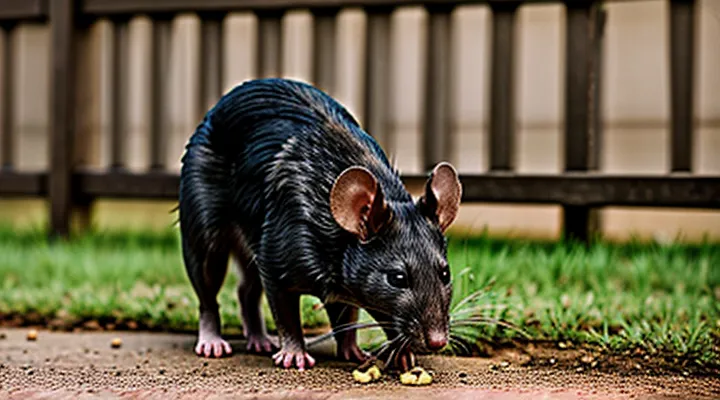
Nutritional Needs of Rats
Essential Nutrients for Rats
Rats require a balanced diet that supplies protein, fat, carbohydrates, fiber, vitamins, minerals, and water in specific proportions. Protein should constitute 16‑20 % of the diet and provide essential amino acids such as lysine, methionine, and taurine; these support growth, tissue repair, and immune function. Fat should account for 4‑7 % and include omega‑3 and omega‑6 fatty acids, which maintain cell membrane integrity and promote neurological health.
Carbohydrates supply energy but must be limited to 45‑55 % of total calories to prevent obesity and metabolic disorders. Dietary fiber, sourced from unprocessed grains, vegetables, and occasional fruit, aids gastrointestinal motility and prevents hairball formation. Adequate water intake is critical; rats should have continuous access to clean, fresh water.
Vitamins are indispensable in small quantities:
- Vitamin A – vision and epithelial maintenance
- Vitamin D3 – calcium absorption and bone health
- Vitamin E – antioxidant protection of cell membranes
- Vitamin K – blood clotting
- B‑complex (B1, B2, B3, B6, B12, folic acid) – energy metabolism and nervous system function
Mineral balance is equally vital. Calcium and phosphorus must be present in a ratio of approximately 1.5‑2 : 1 to support skeletal development; excess phosphorus can compromise calcium utilization. Magnesium, potassium, and sodium regulate nerve transmission and muscle contraction. Trace elements—iron, zinc, copper, selenium—participate in enzymatic reactions, immune response, and antioxidant defenses.
When evaluating dog food as a potential rat diet, compare its nutrient profile against these requirements. Commercial dog formulas often exceed protein levels, contain inappropriate fat ratios, and lack the precise calcium‑phosphorus balance needed by rodents. Substituting dog food without supplementation risks deficiencies or toxicities, particularly in vitamins A and D, which are fat‑soluble and can accumulate to harmful levels. Therefore, any inclusion of dog food must be supplemented with a rat‑specific nutrient mix that restores the correct proportions of each essential component.
What a Healthy Rat Diet Looks Like
A proper rat diet supplies balanced protein, fiber, fat, vitamins and minerals while mimicking natural foraging behavior. Commercial rodent pellets formulated for rats provide the core nutrition; they contain digestible protein (15‑20 % of the diet), essential amino acids, and calibrated calcium‑phosphorus ratios to support bone health. Fresh vegetables and fruits add soluble fiber, antioxidants and hydration. Suitable items include leafy greens (kale, romaine lettuce), carrots, broccoli, apples, and berries, offered in small, regularly varied portions to prevent nutrient excess. Whole grains such as oats, barley or quinoa contribute complex carbohydrates and additional fiber; these should be cooked or softened to aid digestion.
A supplemental protein source can be introduced a few times weekly. Options are boiled egg white, cooked lean chicken, or low‑fat cottage cheese, each limited to 1‑2 teaspoons per rat to avoid over‑protein. Healthy fats are supplied by small amounts of unsalted nuts, seeds (sunflower, pumpkin) or a teaspoon of olive oil, ensuring omega‑3 fatty acids for skin and coat condition.
Avoid feeding dog kibble as a primary food. Canine formulas are high in fat and contain additives tailored to dogs’ metabolic needs, which can lead to obesity, gastrointestinal upset, and nutrient imbalances in rats. If a rat consumes a piece of dog food accidentally, monitor for signs of diarrhea or lethargy and return to a rat‑specific diet promptly.
Key components of a balanced rat diet
- Commercial rat pellets (primary source)
- Fresh leafy greens and vegetables (daily)
- Seasonal fruits (moderate, 1‑2 times/week)
- Whole grains, cooked (regular)
- Limited animal protein (1‑2 times/week)
- Small quantities of healthy fats (occasional)
- Fresh water, changed daily
Consistent provision of these elements supports growth, reproduction, and longevity, while minimizing health risks associated with inappropriate foods.
Dog Food Composition
Main Ingredients in Dog Food
Dog food formulations focus on supplying balanced nutrition for canines, yet the same components often appear in products marketed for other pets. Understanding these components helps evaluate whether such food meets the dietary needs of rats.
Proteins dominate the ingredient list. Common sources include chicken, beef, lamb, fish, and animal meals derived from rendering processes. Protein levels typically range from 18 % to 30 % of the formula, providing essential amino acids for tissue growth and repair.
Fats supply concentrated energy and aid in the absorption of fat‑soluble vitamins. Animal fats, fish oil, and vegetable oils such as canola or sunflower are frequent inclusions. Fat content usually falls between 8 % and 15 % of the total mix.
Carbohydrates supply readily available energy. Grain‑based cereals (corn, rice, wheat, barley) and legumes (peas, lentils) are standard. Some diets replace grains with sweet potatoes or peas to reduce starch load.
Vitamins and minerals are added in precise amounts to prevent deficiencies. Vitamin A, D, E, K, B‑complex, and minerals such as calcium, phosphorus, zinc, and iron appear as synthetic premixes or natural extracts. These micronutrients support bone development, immune function, and metabolic processes.
Additives may include antioxidants (tocopherols), preservatives (mixed tocopherols, citric acid), and probiotics to promote gut health. Flavor enhancers such as natural meat broth or dried egg powder improve palatability.
When considering the suitability of dog food for rats, compare the nutrient ratios with the typical requirements of rodents: higher protein (20 %–25 %), lower fat (5 %–10 %), and a carbohydrate profile that favors digestible starches. Ingredients like onions, garlic, or excessive salt, common in some dog foods, can be toxic to rats and must be excluded.
Common Additives and Preservatives
Dog food frequently contains a range of additives and preservatives designed to maintain flavor, texture, and shelf life. When considering the suitability of such products for rats, each component must be evaluated for toxicity, digestive tolerance, and nutritional impact.
Common additives include:
- Artificial flavors – synthetic compounds that enhance palatability; many are formulated for canine taste receptors and may cause gastrointestinal upset in rodents.
- Colorants – food‑grade dyes such as Yellow #5 or Red #40; generally regarded as safe for dogs but lack specific safety data for rats, and some studies link certain dyes to behavioral changes in small mammals.
- Vitamin premixes – concentrated sources of vitamins A, D, E, and K; excess amounts can lead to hypervitaminosis in rats, especially vitamin D, which is more tightly regulated in rodent metabolism.
- Mineral blends – calcium, phosphorus, and trace elements; imbalances may affect rat bone development and kidney function if the ratio diverges from species‑specific requirements.
Preservatives commonly found in commercial canine formulas:
- BHA (butylated hydroxyanisole) – antioxidant that delays fat rancidity; classified as a possible carcinogen in rodents, with documented liver enzyme induction.
- BHT (butylated hydroxytoluene) – similar function to BHA; studies show variable tolerance in rats, but chronic exposure can affect reproductive health.
- Propylene glycol – humectant and solvent; metabolized differently in rats, potentially leading to hyperosmolar blood conditions at high intake levels.
- Sodium benzoate – antimicrobial agent; generally tolerated in low concentrations, yet may interact with vitamin C to form benzene under certain conditions, posing a risk for small mammals.
- Ethoxyquin – potent antioxidant; linked to liver toxicity in laboratory rats when administered above recommended doses for dogs.
Assessing these ingredients against rat dietary standards reveals several concerns. Artificial flavors and colorants lack specific safety evaluations for rodents, making their inclusion questionable. Vitamin and mineral premixes often exceed the recommended daily allowances for rats, increasing the risk of toxicity. Preservatives such as BHA, BHT, and ethoxyquin have documented adverse effects in rodent studies, suggesting that regular consumption could compromise health.
In practice, feeding dog food to rats should be limited to emergencies or short‑term supplementation, and only after verifying that the product is free of high‑risk additives and preservatives. Selecting a formula with minimal synthetic components, low‑level natural preservatives (e.g., mixed tocopherols), and balanced micronutrient concentrations reduces potential hazards. For routine nutrition, rat‑specific feeds remain the safest option.
Potential Problems with Feeding Dog Food to Rats
Nutritional Imbalances
Feeding a dog‑specific diet to rats introduces several nutrient mismatches that can compromise health.
Rats require a balanced profile of protein, fat, carbohydrates, fiber, vitamins, and minerals. Dog food is formulated for a carnivorous species with different metabolic demands, leading to the following imbalances:
- Protein: Levels often exceed 20 % of the diet, while rats thrive on 14–18 %; excess protein strains kidneys and may cause urinary calculi.
- Fat: Dog formulas typically contain 12–15 % fat; rats need only 5–7 %, making the diet hyper‑caloric and predisposing to obesity.
- Calcium‑Phosphorus Ratio: Dog food aims for a ratio near 1.2:1, whereas rats require 1:1 to 1.5:1; an elevated calcium content can cause skeletal demineralization, while low phosphorus impairs bone growth.
- Vitamin A: Dog diets supply higher retinol concentrations; rats are prone to hypervitaminosis A, leading to liver damage and skin lesions.
- Fiber: Dog kibble provides limited insoluble fiber; rats need at least 5 % to maintain gastrointestinal motility, risking constipation and gut dysbiosis.
- Trace Minerals: Deficiencies in zinc and selenium are common in canine formulations, potentially causing immune suppression and reproductive issues in rats.
The physiological effects of these imbalances include renal failure, hepatic toxicity, obesity, dental disease, impaired bone development, and compromised immunity. Chronic exposure accelerates morbidity and reduces lifespan.
Optimal feeding strategies involve commercially available rat pellets, supplemented with fresh vegetables, limited fruit, and occasional protein sources such as boiled egg or insects. Regular analysis of nutrient content ensures compliance with species‑specific requirements and prevents the adverse outcomes associated with canine‑oriented nutrition.
Toxic Ingredients for Rats
Dog food is formulated for canine metabolism, not for rodents. Several components commonly found in commercial dog kibble can cause acute or chronic toxicity in rats.
- Xylitol – artificial sweetener that induces rapid insulin release, leading to hypoglycemia and hepatic failure.
- Onion and garlic powders – contain organosulfur compounds that damage red blood cells, resulting in hemolytic anemia.
- Chocolate or cocoa derivatives – provide theobromine, a stimulant toxic to small mammals, causing cardiac arrhythmias and seizures.
- High levels of sodium – promote dehydration, hypertension, and renal stress.
- Preservatives such as BHA, BHT, and propylene glycol – can irritate the gastrointestinal tract and impair liver function.
- Excessive protein from meat meals – overloads the rat’s renal system, leading to nephropathy.
Ingestion of any of these substances may produce vomiting, lethargy, abnormal gait, or sudden death. Routine analysis of dog food ingredient lists is essential before offering it to a rat. If exposure occurs, immediate veterinary assessment is required. Safer alternatives include commercially available rodent diets or fresh vegetables with verified nutritional profiles.
Digestive Issues
Dog food is formulated for carnivorous metabolism, which differs markedly from the omnivorous digestive system of rats. The protein-to‑fat ratio, sodium content, and presence of preservatives can overwhelm a rat’s stomach and intestines, leading to immediate and delayed gastrointestinal disturbances.
Typical digestive reactions include:
- Diarrhea caused by excess fat and low‑grade fiber.
- Constipation resulting from inadequate roughage and altered gut motility.
- Gastric irritation due to high salt and spice additives.
- Dysbiosis, where the balance of intestinal microbes shifts, increasing susceptibility to infections.
Long‑term consumption may impair nutrient absorption, reduce weight gain efficiency, and predispose rats to ulceration of the gastric lining. Regular monitoring of stool consistency, appetite, and body condition is essential when evaluating any non‑species‑specific diet.
If digestive symptoms appear, discontinue the dog food immediately and provide a balanced rodent diet rich in fiber, moderate protein, and low sodium. Veterinary consultation is recommended for persistent or severe gastrointestinal issues.
When Dog Food Might Be Acceptable (and how)
As an Occasional Treat
Dog food can serve as an occasional treat for pet rats when chosen carefully. Most commercial dog formulas contain protein levels higher than a rat’s typical diet, which can be tolerated in small amounts without upsetting nutritional balance.
Suitable dog foods are plain, meat‑based varieties without added grains, vegetables, or artificial flavors. Avoid products that list corn, soy, or wheat as primary ingredients, as rats may be sensitive to these fillers. Treats should be limited to no more than one teaspoon per week, divided into several tiny bites to prevent overconsumption.
- Select a dog food that lists a single animal protein source (e.g., chicken, beef) as the first ingredient.
- Verify the product contains no onion, garlic, or chocolate derivatives, which are toxic to rodents.
- Offer the treat cold or at room temperature; heating can alter texture and encourage bacterial growth.
- Observe the rat for 24 hours after the first exposure; signs of digestive upset include loose stool, reduced activity, or loss of appetite.
If a rat shows any adverse reaction, discontinue the treat immediately and revert to a balanced rodent diet. Regular feeding of dog food is not recommended; it should remain a rare supplement rather than a staple.
In Emergency Situations
Dog kibble may serve as a stop‑gap nutrition source for pet rats when standard rodent feed is unavailable. The product is formulated for canines, so protein, fat, and carbohydrate ratios differ from those ideal for rodents. In a crisis, short‑term consumption (no more than 24‑48 hours) can prevent severe weight loss, but prolonged feeding risks nutritional imbalance, excessive calcium, and inadequate fiber.
Key considerations for emergency use:
- Verify that the kibble contains no artificial sweeteners, especially xylitol, which is toxic to many mammals.
- Choose a formula low in added salts and preservatives; plain meat‑based or grain‑free varieties are preferable.
- Offer small portions (approximately 1 g per 100 g of rat body weight) to avoid over‑feeding.
- Supplement with fresh water at all times, as dry kibble can increase dehydration risk.
- Provide a source of fiber, such as a few pieces of raw carrot or a small amount of oat bran, to support gastrointestinal health.
If dog food becomes the only option, monitor the rats closely for signs of digestive upset, lethargy, or abnormal behavior. Replace the temporary diet with appropriate rodent pellets as soon as they become accessible. Alternative emergency foods include boiled eggs, plain cooked chicken, or a mixture of oats and dried fruits, each offering a more balanced nutrient profile for rodents.
Safe Preparation Methods
Feeding canine kibble to rats requires strict preparation to avoid nutritional imbalances and toxicity.
Select a plain, grain‑free formula that lists meat as the primary ingredient and excludes onion, garlic, chocolate, artificial sweeteners, and high salt levels. Verify that the protein content falls within the 15‑20 % range typical for rodents; excess protein can strain the kidneys.
Before offering, grind the kibble into fine crumbs or soak it in warm water for 5–10 minutes to soften the texture and enhance digestibility. Rinse the softened pieces under running water to remove surface dust and potential contaminants. Pat dry with a clean paper towel, then mix with a small amount of fresh, unflavored vegetable puree (e.g., carrot or zucchini) to increase moisture and provide fiber.
Serve measured portions no larger than a teaspoon per 100 g of body weight, divided into two daily feedings. Observe the rat for signs of gastrointestinal distress; discontinue if vomiting, diarrhea, or lethargy occur.
Store prepared portions in a sealed container in the refrigerator for no more than 24 hours. Discard any leftovers that develop odor, mold, or discoloration. Regularly rotate the diet with a balanced rodent pellet to ensure comprehensive nutrient coverage.
Alternatives to Dog Food for Rats
Commercial Rat Foods
Commercial rat diets are formulated to meet the specific nutritional requirements of laboratory and pet rodents. The products contain a precise balance of protein, fat, carbohydrate, fiber, vitamins, and minerals that support growth, reproduction, and immune function.
Typical nutrient profile:
- Protein: 15–20 % of total weight, derived from soy, fishmeal, or whey.
- Fat: 4–6 %, primarily from vegetable oils.
- Fiber: 5–7 %, supplied by cellulose and beet pulp.
- Calcium‑phosphorus ratio: 1.2–1.5 : 1, essential for skeletal health.
- Added vitamins A, D, E, K and B‑complex, along with trace minerals such as zinc, copper, and selenium.
Dog food differs markedly in macronutrient distribution. Protein levels often exceed 25 %, fat content ranges from 10–15 %, and fiber is minimal. The calcium‑phosphorus balance is calibrated for canine bone metabolism, not the higher demand of rodents. Consequently, feeding dog kibble to rats can lead to obesity, dental wear, and mineral imbalances.
When evaluating commercial rat feeds, consider:
- Ingredient list free of artificial preservatives and excess fillers.
- Guaranteed analysis matching the nutrient ranges above.
- Formulation for the intended life stage (juvenile, adult, breeding).
A balanced feeding regimen combines the complete pellet with occasional fresh vegetables (e.g., carrots, leafy greens) and a limited amount of whole grains. Water must be available at all times. Monitoring body condition and adjusting portions prevents over‑ or under‑nutrition.
In summary, dedicated rat formulations provide the exact nutrient profile required for optimal health, whereas dog kibble lacks the precise balance and may cause physiological issues if used as a primary food source. Selecting a reputable commercial rat diet ensures dietary adequacy without the need for canine products.
Safe Human Foods for Rats
Rats can occasionally share human foods, but the selection must avoid nutritional imbalances and toxic ingredients. While some owners wonder if dog kibble could serve as a substitute, the composition of commercial dog food differs significantly from the dietary requirements of rodents. Therefore, offering safe human foods provides a reliable way to supplement a rat’s diet without the risks associated with pet‑food formulas.
Safe human foods for rats include:
- Fresh vegetables: carrots, broccoli, bell peppers, kale, spinach, cucumber, zucchini.
- Fresh fruits (in moderation): apple (seedless), banana, berries, melon, pear.
- Cooked grains: plain rice, oatmeal, quinoa, whole‑wheat pasta.
- Protein sources: boiled egg, plain cooked chicken, low‑fat cheese, tofu.
- Nuts and seeds (limited quantity): almonds, sunflower seeds, pumpkin seeds.
Each item should be washed, cut into bite‑size pieces, and offered in small amounts. Introduce new foods gradually to monitor for digestive upset. Avoid foods high in sugar, salt, or fat, and never provide chocolate, caffeine, citrus peels, raw beans, or processed snacks.
A balanced rat diet consists primarily of a high‑quality pellet formulated for rodents, supplemented with the safe human foods listed above. This approach ensures adequate vitamins, minerals, and fiber while preventing the health issues that can arise from feeding dog kibble or other unsuitable foods.
Ensuring a Balanced Diet for Pet Rats
Consulting a Veterinarian
Feeding a pet rat food formulated for dogs introduces nutrients, additives, and calorie levels that differ markedly from a species‑appropriate diet. A qualified veterinarian can evaluate these differences and determine whether occasional canine food poses a health risk or whether a balanced rat diet remains the safest option.
- Veterinarian assessment identifies protein, fat, and vitamin imbalances that could cause organ strain or obesity in rodents.
- Professional guidance clarifies legal and ethical responsibilities for owners who experiment with cross‑species feeding.
- Diagnostic testing (e.g., blood work, fecal analysis) detects early signs of digestive upset or metabolic disorders linked to inappropriate food.
- Expert recommendations provide alternative formulations or supplements that meet a rat’s specific nutritional requirements without compromising health.
When preparing for the consultation, bring a sample of the dog food, a detailed feeding schedule, and any observed symptoms such as weight changes, lethargy, or digestive issues. Request a written nutrition plan that references established rodent dietary standards and includes portion guidelines, frequency, and monitoring protocols. Follow the veterinarian’s instructions closely to ensure the rat’s diet supports optimal growth, immunity, and longevity.
Monitoring Rat Health
When a rat’s diet includes commercial dog food, systematic health monitoring becomes essential to detect nutritional imbalances early. Establish a baseline health profile before introducing the new diet: record body weight, coat condition, activity level, and dental status.
During the feeding trial, track the following parameters at least twice weekly:
- Body weight – measure to the nearest gram; significant loss (>10 % of baseline) signals inadequate nutrition or digestive upset.
- Fecal consistency – note color, moisture, and presence of mucus; watery or unusually hard stools indicate gastrointestinal distress.
- Food and water intake – compare daily consumption to pre‑trial averages; reduced appetite may precede weight loss.
- Behavioral cues – observe locomotion, grooming, and social interaction; lethargy or hyperactivity can reflect metabolic stress.
- Dental health – inspect incisors for overgrowth or wear; improper calcium‑phosphorus ratios in dog food often affect tooth development.
Schedule veterinary examinations at the start of the trial and after four weeks of continuous feeding. A veterinarian can perform blood chemistry panels to assess protein, fat, and mineral levels, and screen for liver or kidney strain that diet changes may provoke.
If any monitored metric deviates from normal ranges, adjust the diet promptly: reduce dog food proportion, supplement with rat‑specific nutrients, or revert to a validated rodent diet. Continuous documentation of observations enables precise correlation between dietary changes and health outcomes, ensuring that the rat’s welfare remains uncompromised.