
The Basics of Rat Diet
What Wild Rats Eat
Wild rats are opportunistic omnivores that consume a broad spectrum of natural and anthropogenic foods. Their diets vary with habitat, season, and resource availability, but common components include seeds, nuts, fruits, insects, carrion, and plant material such as leaves and stems.
Typical wild‑rat diet:
- Grains (wheat, barley, corn)
- Legume pods and seeds
- Seasonal fruits (berries, apples, grapes)
- Invertebrates (beetles, larvae, earthworms)
- Vegetative matter (grass blades, herb stems)
- Fungi and mold‑grown debris
- Human‑derived waste (scraps, bakery residues)
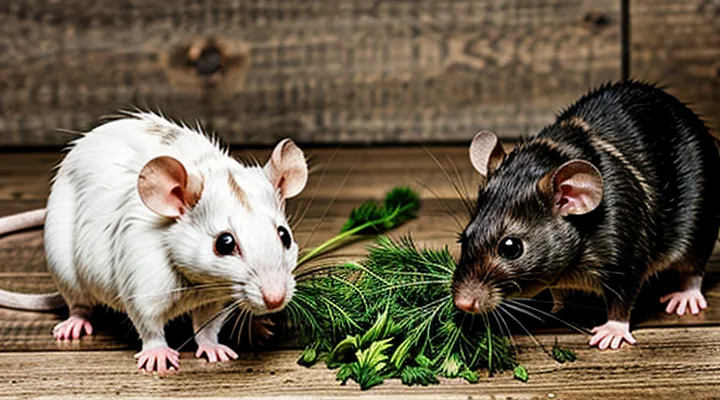
Herbaceous plants are regularly ingested, especially when other food sources are scarce. Dill and parsley belong to the Apiaceae family, offering aromatic foliage and modest nutritional value. Their low toxicity and high fiber content make them acceptable in small quantities, aligning with the plant portion of a wild rat’s intake. However, excessive consumption may cause digestive upset due to essential oil concentrations.
When evaluating whether to offer these herbs to captive or feral rats, consider the proportion of plant material in their natural diet—generally no more than 10‑15 % of total intake. Introducing dill or parsley as occasional supplements respects their dietary patterns without disrupting nutritional balance.
Essential Nutritional Requirements for Pet Rats
Pet rats require a balanced diet that supplies protein, fat, fiber, vitamins, minerals, and clean water. Each component serves a specific physiological function and must be present in appropriate quantities for growth, reproduction, and immune competence.
- Protein (15‑20 % of diet): Essential for tissue repair, enzyme synthesis, and hair growth. Sources include high‑quality rodent pellets, cooked eggs, and lean meat.
- Fat (4‑7 %): Provides energy and aids absorption of fat‑soluble vitamins. Include small amounts of vegetable oil or nuts, avoiding excessive seeds that can cause obesity.
- Fiber (5‑10 %): Promotes gastrointestinal motility and dental wear. Offer fresh hay, whole‑grain cereals, and leafy greens.
- Vitamin A, D, E, K: Support vision, calcium metabolism, antioxidant protection, and blood clotting. Commercial pellets are formulated to meet these needs; supplemental greens should not replace them.
- B‑complex vitamins: Required for metabolic pathways. Present in grains, legumes, and fortified feeds.
- Minerals (calcium, phosphorus, magnesium, potassium, zinc, iron): Regulate bone formation, nerve transmission, and enzymatic activity. Calcium‑rich foods such as plain yogurt or fortified cheese can balance the phosphorus‑heavy content of many pellets.
- Water: Must be fresh, filtered, and available at all times.
Herbs like dill and parsley contain vitamin C, vitamin K, and trace minerals, but they supply negligible protein, fat, and calcium. Including small quantities of these herbs can diversify flavor and provide antioxidant benefits, yet they cannot satisfy the core nutritional demands listed above. Relying on them as primary feed risks deficiencies in essential amino acids, essential fatty acids, and bone‑supporting minerals.
For optimal health, construct each meal around a complete, commercially formulated rat pellet, supplement with measured portions of fresh vegetables, limited fruit, and occasional protein treats. Herbs may be added for enrichment, but they must remain a minor component of the overall diet.
Dill for Rats
The Nutritional Profile of Dill
Vitamins in Dill
Dill (Anethum graveolens) contains a range of vitamins that contribute to the nutritional profile of a rat’s diet. The herb is especially rich in fat‑soluble vitamins A and K, and it also supplies notable amounts of vitamin C and several B‑complex vitamins.
- Vitamin A (β‑carotene) – approximately 1,500 IU per 100 g, supporting vision and cellular health.
- Vitamin K1 (phylloquinone) – about 500 µg per 100 g, essential for blood clotting and bone metabolism.
- Vitamin C (ascorbic acid) – roughly 30 mg per 100 g, acts as an antioxidant and aids tissue repair.
- Thiamine (B1) – 0.04 mg per 100 g, contributes to carbohydrate metabolism.
- Riboflavin (B2) – 0.12 mg per 100 g, involved in energy production.
- Niacin (B3) – 2.0 mg per 100 g, supports nervous system function.
- Pantothenic acid (B5) – 0.5 mg per 100 g, required for synthesis of co‑enzyme A.
- Pyridoxine (B6) – 0.1 mg per 100 g, participates in amino‑acid metabolism.
- Folate (B9) – 70 µg per 100 g, critical for DNA synthesis and cell division.
These vitamin levels are comparable to those found in many leafy greens, making dill a viable supplement when incorporated in moderate amounts. Excessive inclusion can lead to an imbalance of fat‑soluble vitamins; therefore, dill should comprise no more than 5 % of a rat’s total fresh‑food intake.
Minerals in Dill
Dill (Anethum graveolens) supplies a range of minerals that can affect the nutritional balance of pet rodents. The herb’s mineral density is modest compared to dedicated mineral supplements, yet it contributes measurable amounts of several essential elements.
- Calcium: ~150 mg per 100 g fresh dill
- Iron: ~2.1 mg per 100 g
- Magnesium: ~30 mg per 100 g
- Potassium: ~295 mg per 100 g
- Manganese: ~0.7 mg per 100 g
- Phosphorus: ~62 mg per 100 g
These values reflect typical fresh plant material; drying concentrates the mineral content proportionally.
For rats, calcium supports bone development, while iron participates in hemoglobin synthesis. Magnesium and potassium aid muscle function and electrolyte balance. Manganese contributes to enzyme activation. Excessive intake of calcium or phosphorus can disrupt the calcium‑phosphorus ratio, leading to skeletal issues. Dill also contains oxalates, which may bind calcium and reduce its absorption if consumed in large quantities. Therefore, dill should be offered as a minor component of a varied diet, ensuring that overall mineral intake remains within established rodent nutritional guidelines.
Benefits of Feeding Dill to Rats
Dill offers a range of nutrients that support rat health. The herb contains vitamins A, C, and K, as well as minerals such as calcium and iron, which contribute to bone development and immune function.
- High antioxidant content helps neutralize free radicals.
- Fiber promotes regular gastrointestinal motility.
- Mild sedative properties may reduce stress‑induced behaviors.
- Essential oils support a glossy coat and skin condition.
- Vitamin K assists in blood clotting and bone metabolism.
When incorporating dill into a rat’s diet, provide a small amount—approximately one teaspoon of fresh leaves per five rats—once or twice weekly. Rinse thoroughly, remove any wilted sections, and serve raw to preserve nutrient integrity. Avoid feeding large quantities, as excessive fiber can cause diarrhea.
Potential Risks and Considerations
Oxalates in Dill
Oxalates are organic acids that bind calcium and form insoluble crystals. Dill (Anethum graveolens) contains measurable amounts of oxalates, typically ranging from 50 to 120 mg per 100 g of fresh leaves. The concentration varies with cultivar, growth conditions, and plant maturity.
In rodents, high dietary oxalate intake can lead to calcium oxalate precipitation in the urinary tract, increasing the risk of kidney stone formation. Rats metabolize oxalates less efficiently than some other species, so excessive consumption may impair renal function and reduce calcium bioavailability.
Guidelines for safe inclusion of dill in a rat diet:
- Limit dill to no more than 5 % of total fresh‑herb intake per day.
- Rotate dill with low‑oxalate herbs (e.g., basil, cilantro) to prevent cumulative exposure.
- Monitor rats for signs of urinary distress, reduced water intake, or changes in urine pH.
- Provide ample calcium sources (e.g., fortified pellets, mineral blocks) to offset potential binding by oxalates.
When dill is offered as an occasional treat and balanced with adequate calcium, the oxalate load remains within the physiological tolerance of healthy adult rats. Chronic feeding at higher levels should be avoided to prevent renal complications.
Pesticide Concerns
Rats that receive fresh dill or parsley may be exposed to residues from agricultural chemicals. Pesticide contamination can affect health, behavior, and reproductive capacity.
Key considerations:
- Source verification – obtain herbs from organic growers or verify that conventional crops were treated with pesticides approved for rodent consumption.
- Residue testing – use laboratory analysis or certified low‑residue products to ensure levels stay below the acceptable daily intake established for mammals.
- Wash procedures – rinse thoroughly under running water; consider a brief soak in a food‑grade sanitizing solution to reduce surface residues.
- Storage – keep dried or fresh herbs in sealed containers away from treated areas to prevent cross‑contamination.
Monitoring for signs of toxicity, such as reduced activity, weight loss, or abnormal grooming, supports early detection of pesticide effects. Adjust diet promptly if residues exceed safety thresholds.
How to Offer Dill to Rats
Preparation
When offering dill and parsley to pet rodents, preparation must eliminate contaminants and control portion size. Fresh herbs should be rinsed under running water for at least 30 seconds to remove soil and pesticide residues. After washing, pat dry with a clean paper towel to reduce excess moisture that could cause spoilage.
- Trim stems to remove woody ends; only tender leaves are suitable.
- Roughly chop the leaves to pieces no larger than 1 cm, facilitating easy ingestion and preventing choking.
- Combine the chopped herbs with the regular pellet or seed mix at a ratio of 5 % fresh herb by weight; this maintains nutritional balance without overwhelming the diet.
- Introduce the mixture gradually, starting with a teaspoon per day for a single adult rat, and observe acceptance.
Store any unused portion in an airtight container in the refrigerator, using it within 48 hours. Discard any herb that shows wilting, discoloration, or odor. Before each feeding, verify that the batch is free of mold or insects, as rodents are highly sensitive to toxins.
These steps ensure that dill and parsley are safe, palatable, and nutritionally appropriate for rats.
Portion Size and Frequency
Rats can safely consume dill and parsley when these herbs are offered in modest amounts and with appropriate timing. Both plants are rich in vitamins and antioxidants, but their high fiber and volatile oil content can cause digestive upset if over‑fed.
Typical serving sizes for an adult laboratory or pet rat (approximately 250–300 g body weight) are:
- Dill: ¼ to ½ teaspoon of fresh leaves per day, or ¼ teaspoon of dried herb.
- Parsley: ¼ to ½ teaspoon of fresh leaves per day, or a pinch of dried herb.
These quantities represent roughly 0.5 %–1 % of the rat’s total daily food intake. Exceeding this range may lead to loose stools, loss of appetite, or reduced nutrient absorption.
Frequency guidelines:
- Offer fresh herbs no more than once daily. If using dried herbs, limit to three times per week to prevent accumulation of essential oil residues.
- Rotate between dill and parsley to provide variety and avoid overexposure to any single compound.
- Remove any uneaten herb after 30 minutes to prevent spoilage and bacterial growth.
Monitoring:
- Observe stool consistency and overall activity after each feeding. Adjust portion size downward if soft stools or reduced activity appear.
- Ensure the primary diet remains balanced grain‑based pellets, with herbs serving only as supplemental enrichment.
By adhering to the specified portion sizes and feeding schedule, dill and parsley can enhance a rat’s diet without compromising health.
Parsley for Rats
The Nutritional Profile of Parsley
Vitamins in Parsley
Parsley provides a concentrated source of micronutrients that can complement a rodent diet. Its vitamin profile contributes to metabolic functions, immune support, and skeletal health in rats when incorporated in appropriate quantities.
Key vitamins found in fresh parsley include:
- Vitamin K1 (phylloquinone): essential for blood clotting and calcium regulation.
- Vitamin C (ascorbic acid): antioxidant that aids collagen synthesis and immune response.
- Vitamin A (β‑carotene): precursor for visual pigment and epithelial maintenance.
- Folate (vitamin B9): supports DNA synthesis and red blood cell formation.
- Vitamin E (α‑tocopherol): protects cellular membranes from oxidative damage.
When evaluating the suitability of parsley for rodents, consider the following guidelines:
- Offer fresh, washed leaves in limited portions (no more than 1 g per 100 g body weight per day) to avoid excess vitamin K, which can interfere with anticoagulant medications.
- Combine with dill in a balanced mix, ensuring the total herb content does not exceed 5 % of the overall diet.
- Monitor for signs of gastrointestinal upset; discontinue if diarrhea or reduced feed intake occurs.
- Rotate with other leafy greens to prevent nutrient imbalances and maintain dietary diversity.
Incorporating parsley’s vitamins into a rat’s feeding regimen enhances nutritional completeness while respecting the species’ digestive tolerance.
Minerals in Parsley
Parsley (Petroselinum crispum) contains a range of essential minerals that contribute to the overall nutrient profile of a rodent diet. The most abundant mineral is potassium, typically present at 554 mg per 100 g of fresh leaves. Calcium follows, with concentrations around 180 mg per 100 g, providing a source of skeletal support. Magnesium, iron, and manganese are also present, averaging 21 mg, 1.5 mg, and 0.6 mg per 100 g respectively. Trace amounts of zinc, copper, and selenium complete the mineral spectrum.
- Potassium – supports nerve function and fluid balance.
- Calcium – necessary for bone development and muscle contraction.
- Magnesium – involved in enzymatic reactions and energy metabolism.
- Iron – essential for hemoglobin synthesis and oxygen transport.
- Manganese – co‑factor for antioxidant enzymes.
- Zinc, copper, selenium – contribute to immune function and metabolic regulation.
For laboratory or pet rats, the mineral contribution of parsley should be considered within the context of the complete diet. Excessive calcium can interfere with phosphorus absorption, while high potassium may affect renal load if supplied in large quantities. Moderation—approximately 5–10 g of fresh parsley per 100 g of total feed—delivers beneficial minerals without risking imbalance. Dried parsley concentrates mineral content; therefore, dosage should be reduced proportionally.
In summary, parsley supplies a diverse mineral profile valuable for rat health, provided that inclusion rates respect the overall nutritional balance and avoid overloading specific minerals.
Benefits of Feeding Parsley to Rats
Parsley offers several nutritional advantages for pet rodents. Its high vitamin C content supports immune function and reduces the risk of scurvy, a condition rats cannot synthesize on their own. The herb’s calcium and iron levels contribute to bone strength and hemoglobin formation, respectively. Antioxidants such as flavonoids help mitigate oxidative stress, promoting cellular health and longevity.
Additional benefits include:
- Digestive aid: Fiber in parsley stimulates peristalsis, preventing constipation and supporting a balanced gut microbiome.
- Detoxification: Chlorophyll binds toxins, facilitating their elimination through the kidneys and liver.
- Palatability: The fresh, slightly bitter flavor encourages voluntary consumption, increasing overall dietary variety.
When introducing parsley to a rat’s diet, start with a small amount (approximately one teaspoon of finely chopped leaves per day) and monitor for adverse reactions. Excessive intake may lead to kidney stone formation due to oxalates; therefore, limit servings to a few times per week. Combine parsley with other safe vegetables to maintain a well‑rounded nutritional profile.
Potential Risks and Considerations
Oxalates in Parsley
Parsley (Petroselinum crispum) contains oxalic acid, which forms oxalate salts. Typical fresh parsley contains 0.5–1.0 g of oxalates per 100 g of material, with higher values in mature leaves. Oxalates bind calcium, reducing its absorption and potentially leading to hypocalcemia if intake is excessive.
In rats, dietary oxalates can precipitate as calcium oxalate crystals in the kidneys, causing renal tubular obstruction and inflammation. Experimental studies show that a diet exceeding 2 % oxalates (by weight) produces measurable renal pathology within weeks. Lower concentrations (0.1–0.5 %) generally do not induce acute damage but may contribute to gradual mineral imbalance when combined with other oxalate‑rich foods.
Risk management for rats includes:
- Limiting parsley to no more than 5 % of total fresh‑herb intake per day.
- Providing a calcium‑rich diet (e.g., fortified pellets, dairy substitutes) to counteract oxalate binding.
- Monitoring urine for crystal formation during prolonged feeding trials.
- Rotating herbs to avoid cumulative oxalate exposure.
Processing methods affect oxalate levels. Blanching parsley for 2–3 minutes reduces soluble oxalates by up to 30 %, while drying concentrates them because water loss increases the proportion of oxalate per gram of dry matter.
Overall, parsley can be included safely in a rat’s diet when its oxalate contribution remains modest, calcium availability is sufficient, and intake is periodically reviewed.
Psoralens and Photosensitivity
Psoralens, also known as furocoumarins, are naturally occurring compounds found in several Apiaceae vegetables, including dill (Anethum graveolens) and parsley (Petroselinum crispum). These molecules absorb ultraviolet (UV) radiation and, when activated, form covalent bonds with cellular DNA and proteins, leading to a phototoxic reaction. In rodents, the reaction manifests as erythema, edema, and, in severe cases, necrosis of exposed skin.
When rats consume dill or parsley, the amount of ingested psoralens depends on plant part, growth stage, and preparation method. Fresh leaves contain higher concentrations than dried material, and the concentration can vary seasonally. Even modest daily intake may accumulate to a level that sensitizes the animal’s skin to ambient UV light, especially in housing environments with transparent cages or supplemental lighting.
Key considerations for feeding rats dill or parsley:
- Dose threshold: Phototoxic effects typically appear after cumulative intake of 0.1–0.5 mg psoralen per kilogram body weight.
- Exposure conditions: UV‑B intensity above 0.5 W/m², common in laboratory lighting, amplifies risk.
- Observation signs: Localized redness, swelling, or hair loss on exposed areas within 24–48 hours of feeding.
- Mitigation: Limit fresh herb portions to ≤5 g per 100 g of diet, rotate with psoralen‑free greens, and provide UV‑blocking cage covers.
If signs of photosensitivity emerge, discontinue dill and parsley, reduce ambient UV exposure, and monitor recovery. Veterinary intervention may include topical corticosteroids to reduce inflammation and supportive care to prevent secondary infection.
How to Offer Parsley to Rats
Preparation
When offering dill or parsley to pet rats, the preparation must eliminate contaminants and ensure safe portion sizes. Fresh herbs should be washed thoroughly under running water to remove soil, pesticide residues, and insects. After rinsing, pat dry with a clean paper towel or allow to air‑dry on a sterile surface.
The next step is to trim any tough stems. For dill, cut the feathery leaves from the woody base; for parsley, remove the thicker central ribs. Chop the edible portions into pieces no larger than 0.5 cm to prevent choking and to facilitate even consumption.
Portion control is essential. A single rat can safely ingest approximately 1 g of fresh herb per day. Measure the chopped herb with a kitchen scale and mix it into the regular diet, either sprinkled over pellets or blended into a small amount of softened water for a moist mash.
Store any unused herb in a sealed container in the refrigerator. Use within 24 hours to preserve freshness and prevent mold growth. Discard any wilted or discolored leaves before the next feeding.
Preparation checklist
- Rinse under running water.
- Dry completely.
- Trim stems and tough ribs.
- Chop into ≤0.5 cm pieces.
- Weigh 1 g per rat.
- Mix with regular feed or water.
- Refrigerate leftovers, use within 24 h.
Following these steps provides a hygienic, nutritionally appropriate way to incorporate dill and parsley into a rat’s diet.
Portion Size and Frequency
Dill and parsley may be added to a rat’s diet, but the quantity must remain modest to avoid digestive upset and nutrient imbalance.
- Fresh herbs should be offered in pieces no larger than 0.5 cm³ per rat.
- The total herb portion should not exceed 2 % of the animal’s daily food intake by weight.
- For a 30‑gram rat, this translates to roughly 0.6 g of combined dill and parsley per day.
These herbs are best given intermittently rather than daily. A schedule of two to three servings per week provides variety without overexposure. On non‑herb days, maintain the standard pellet or mash regimen.
Observe each rat after the first exposure. Look for signs of loose stools, reduced appetite, or changes in behavior. If adverse effects appear, reduce the portion or discontinue the herb entirely. Regular monitoring ensures that the occasional inclusion of dill and parsley supports a balanced diet without compromising health.
Other Safe Herbs and Vegetables for Rats
Safe Leafy Greens
Rats thrive on a diet that includes a variety of fresh vegetables. Leafy greens provide essential vitamins, minerals, and fiber, supporting digestion and overall health.
Dill and parsley are both safe for rats when offered in moderation. Both herbs are low in oxalates and contain antioxidants that can benefit the animal’s immune system. Introduce them gradually, monitoring for any signs of digestive upset.
Other leafy greens suitable for rats include:
- Romaine lettuce – rich in vitamin A and water content.
- Kale – high in calcium and vitamin C; limit to small portions to avoid excess calcium.
- Spinach – source of iron and folate; serve sparingly because of oxalic acid.
- Swiss chard – provides magnesium and potassium; feed in limited amounts.
- Arugula – adds a peppery flavor and vitamin K.
General guidelines for feeding leafy greens:
- Wash thoroughly to remove pesticides and contaminants.
- Cut into bite‑size pieces to prevent choking.
- Offer fresh greens daily; discard leftovers after a few hours to avoid spoilage.
- Balance greens with a base diet of high‑quality pellets, protein sources, and occasional fruit.
Providing a variety of safe leafy greens enhances nutritional completeness and encourages natural foraging behavior in pet rats.
Safe Root Vegetables
Root vegetables complement the herb component of a rat’s diet by providing carbohydrates, fiber, and essential micronutrients. Including appropriate tubers helps maintain energy levels and digestive health while avoiding the pitfalls of an unbalanced feed.
- Carrots – high in beta‑carotene; feed raw in small cubes.
- Sweet potatoes – rich in vitamin A and potassium; steam briefly, remove skin, serve in bite‑size pieces.
- Parsnips – source of folate and manganese; offer raw or lightly boiled, monitor for sweetness.
- Beets – contain iron and antioxidants; cook to reduce oxalic acid, serve in modest portions.
- Turnips – supply vitamin C and calcium; present raw or steamed, avoid excessive amounts.
Preparation guidelines: wash thoroughly, peel when skin is tough, cut into ½‑inch pieces, and limit each vegetable to no more than 10 % of daily intake. Introduce new items gradually, observing for loose stool or reduced appetite. Excessive root consumption can lead to obesity or nutrient imbalances, so rotate varieties and combine with protein sources, leafy greens, and the aforementioned herbs.
Herbs to Avoid
Rats tolerate dill and parsley when these herbs are fresh, washed, and offered in moderation. Both herbs provide vitamin C and antioxidants, but they must be balanced with other safe foods to prevent digestive upset.
Herbs that should be excluded from a rat’s diet include:
- Cilantro (coriander) leaves – can cause diarrhea and liver stress.
- Mint (peppermint, spearmint) – contains menthol that irritates the gastrointestinal tract.
- Oregano – high in essential oils that may damage liver cells.
- Thyme – concentrated phenols can be toxic in small doses.
- Sage – contains thujone, a neurotoxic compound.
- Rosemary – strong antioxidant content may interfere with nutrient absorption when overused.
- Bay leaves – contain compounds that are harmful to rodents.
Avoid feeding any herb that is wilted, moldy, or treated with pesticides. Provide only clean, fresh portions and monitor rats for changes in stool consistency or appetite. This approach ensures that dill and parsley remain beneficial components of a balanced rodent diet.
General Feeding Guidelines for Pet Rats
The Importance of a Balanced Diet
Rats require a diet that supplies protein, fiber, vitamins, and minerals in proportions that support growth, reproduction, and immune function. Introducing new vegetables must not disrupt this balance; each addition should complement the existing nutrient profile rather than create excesses or deficiencies.
Dill and parsley contain vitamins A, C, and K, as well as antioxidants and trace minerals. These nutrients can enhance ocular health, reduce oxidative stress, and contribute to bone maintenance when offered in moderation. However, both herbs are low in protein and calories, so they cannot replace staple feed items such as grain‑based pellets or formulated mixes.
When evaluating the suitability of herbs for rat nutrition, consider the following criteria:
- Nutrient density: Ensure the herb provides a measurable amount of essential vitamins or minerals relative to the serving size.
- Digestibility: Verify that the fiber content is appropriate; excessive roughage may cause gastrointestinal upset.
- Safety: Confirm the absence of toxic compounds or contaminants, and monitor for individual sensitivities.
A balanced rat diet may include a small portion of dill or parsley—approximately 1–2 % of total daily intake—combined with a high‑quality pellet, occasional fresh fruit, and a limited amount of other leafy greens. Regular observation of body condition and fecal consistency will indicate whether the inclusion maintains dietary equilibrium.
Introducing New Foods
Introducing fresh herbs such as dill and parsley into a rat’s diet requires careful assessment of nutritional value, potential toxicity, and gradual acclimation. Both plants are low‑calorie sources of vitamins (A, C, K) and minerals (calcium, iron). Their fiber content supports digestive health, but excessive intake can cause diarrhea or interfere with calcium absorption.
When adding these herbs, follow a structured protocol:
- Identify quality – use organic, pesticide‑free leaves; wash thoroughly.
- Measure portion – limit to no more than 5 % of total daily food weight.
- Start small – offer a pinch of finely chopped herb mixed with regular feed.
- Observe – monitor for changes in appetite, stool consistency, or behavior for 48 hours.
- Adjust – increase quantity incrementally only if no adverse effects appear.
Potential concerns include the presence of oxalic acid in parsley, which may contribute to kidney stone formation if over‑consumed, and the volatile oils in dill that can irritate sensitive gastrointestinal tracts. Rats with existing renal issues or a history of digestive upset should receive these herbs only after veterinary consultation.
Overall, dill and parsley can be safely incorporated as occasional supplements, provided that portion sizes remain modest, the herbs are introduced gradually, and health indicators are regularly reviewed.
Monitoring Your Rat's Health
Monitoring your rat’s health is essential when introducing new herbs such as dill and parsley into its diet. Observe any changes in behavior, appetite, and stool consistency within the first 48 hours. Sudden lethargy, loss of appetite, or diarrhea may indicate an adverse reaction and require immediate veterinary assessment.
Key indicators to track include:
- Weight: Weigh the rat weekly; a loss of more than 5 % of body weight signals a problem.
- Activity level: Reduced exploration or grooming suggests discomfort.
- Respiratory signs: Sneezing, wheezing, or labored breathing can result from irritation or infection.
- Gastrointestinal health: Monitor for mucus, blood, or abnormal coloration in feces.
- Skin and coat: Dull fur, hair loss, or lesions may reflect nutritional imbalance or allergic response.
Record observations in a log, noting the amount of dill or parsley offered, the method of preparation (fresh, chopped, or dried), and any symptoms that appear. Consistent documentation enables early detection of issues and provides valuable information for veterinary consultations.
If adverse signs emerge, discontinue the herb immediately and replace it with a proven safe treat. Re‑introduce the herb only after veterinary clearance, using a gradual increase in quantity while continuing close observation.