
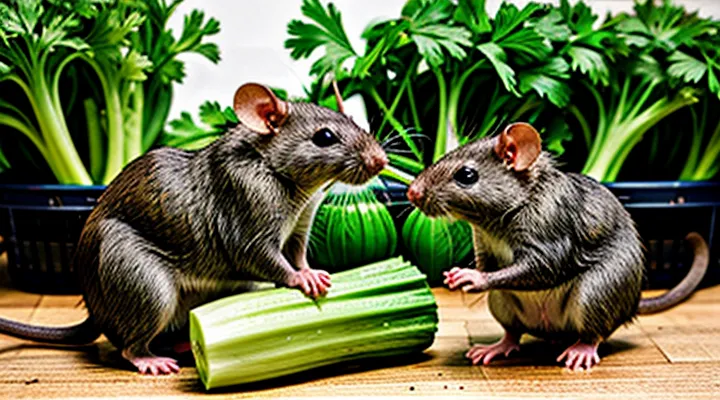
The Nutritional Profile of Celery
Vitamins and Minerals in Celery
Celery delivers a modest spectrum of micronutrients that can contribute to a rodent’s dietary balance when offered in limited quantities. The stalk contains water‑soluble vitamins such as vitamin K 1 (approximately 30 µg per 100 g), vitamin C (about 3 mg per 100 g), and small amounts of B‑complex vitamins, including thiamine, riboflavin, and folate. Fat‑soluble vitamin A is present as provitamin β‑carotene, though at low concentrations.
Key minerals supplied by celery include:
- Sodium: ~30 mg / 100 g
- Potassium: ~260 mg / 100 g
- Calcium: ~40 mg / 100 g
- Magnesium: ~11 mg / 100 g
- Phosphorus: ~24 mg / 100 g
- Iron: ~0.2 mg / 100 g
These nutrients support physiological functions such as blood coagulation (vitamin K), antioxidant activity (vitamin C), and electrolyte regulation (potassium, sodium). However, celery’s overall nutrient density is low; its high fiber and water content provide bulk without substantial caloric value. When incorporated into a rat’s diet, celery should complement a balanced feed formulated to meet species‑specific requirements for protein, fat, and essential micronutrients. Excessive celery can introduce disproportionate sodium and reduce overall nutrient intake, so serving sizes should remain modest—no more than a few small pieces per day.
Fiber Content and its Implications
Celery contains approximately 1.6 g of dietary fiber per 100 g, primarily composed of insoluble cellulose and a smaller proportion of soluble pectin. In rodents, insoluble fiber adds bulk to the gastrointestinal tract, promoting peristalsis and preventing fecal impaction. Soluble pectin can be fermented by colonic bacteria, producing short‑chain fatty acids that support mucosal health.
Rats process fiber differently from obligate herbivores. Their cecum harbors microbes capable of fermenting soluble fibers, yet the overall capacity for fiber digestion remains limited. Excessive insoluble fiber may accelerate transit time, reducing nutrient absorption and potentially leading to watery stools. Conversely, modest fiber inclusion can aid in maintaining normal bowel movements and prevent constipation, especially in older or sedentary individuals.
Practical implications for feeding celery to rats:
- Limit raw celery to 5–10 % of the total daily diet by weight to avoid overloading the digestive system.
- Offer finely chopped pieces to reduce the risk of choking and to increase surface area for microbial fermentation.
- Monitor fecal consistency; a shift toward loose stool indicates the need to reduce fiber intake.
- Combine celery with other low‑fiber vegetables (e.g., cucumber, bell pepper) to balance the overall fiber load.
In summary, celery’s fiber contributes to gastrointestinal motility and microbial activity when provided in controlled quantities, but excessive consumption can disrupt nutrient absorption and stool quality. Careful portion control and observation ensure the benefits of fiber are realized without adverse effects.
Can Rats Safely Eat Celery?
Potential Benefits of Feeding Celery to Rats
Hydration and Water Content
Celery contains approximately 95 % water, making it one of the most hydrating vegetables available for rodents. When offered to a rat, the vegetable contributes a measurable portion of daily fluid intake, which can complement the water provided in a bottle. The high moisture level also supplies electrolytes such as potassium and sodium in small amounts, supporting normal cellular function.
Key considerations for incorporating celery into a rat’s diet:
- Quantity – limit to 1–2 small stalks per week; excessive intake may cause loose stools due to fiber and water load.
- Preparation – wash thoroughly, remove any pesticide residues, and cut into bite‑size pieces to prevent choking.
- Balance – ensure the rat still has unrestricted access to fresh drinking water; celery should not replace the primary water source.
- Monitoring – observe the animal for changes in hydration status, urine output, and stool consistency after introduction.
Overall, the vegetable’s water content can enhance overall fluid consumption, but it must be offered sparingly and as part of a varied diet to avoid digestive disturbances.
Enrichment and Chewing Opportunities
Celery’s crisp fibers provide a novel texture that stimulates a rat’s natural foraging instincts, making it a useful component of environmental enrichment. The vegetable’s high water content also encourages hydration, which can be beneficial when fresh water sources are limited.
Rats require continuous gnawing to maintain dental health; the hardness of celery stems offers limited resistance compared to dedicated chew toys. While the vegetable can momentarily occupy the incisors, it does not replace the need for durable materials such as untreated wood blocks, mineral chews, or sisal ropes.
Practical guidelines for incorporating celery into a rat’s enrichment program:
- Cut stalks into 1‑2 inch pieces to prevent choking.
- Offer fresh pieces no more than once daily; discard leftovers after two hours.
- Rotate celery with other fibrous foods (e.g., carrot tops, broccoli stems) to avoid monotony.
- Provide permanent chew objects alongside celery to ensure constant dental wear.
When used correctly, celery enhances sensory variety and promotes natural chewing behavior, but it should complement, not substitute, long‑lasting chew items.
Risks and Considerations
Choking Hazards and Texture
Celery presents a distinct risk of airway obstruction for rats because its fibrous strings can become lodged in the trachea or esophagus. Small, stiff fibers break off when the rodent bites, and the animal’s limited ability to chew thoroughly increases the chance of a piece remaining too large to pass safely.
The vegetable’s texture contributes to the hazard. Celery is crisp, low‑density, and contains long, stringy veins that are difficult for a rat’s incisors to fragment completely. When offered whole stalks, the rat may swallow sections whole, bypassing the natural chewing process that reduces choking potential.
Key considerations for safe inclusion:
- Cut celery into pieces no larger than 0.5 cm in length and remove all visible strings.
- Offer only a few bite‑size fragments per feeding session.
- Observe the rat while eating; intervene immediately if the animal coughs or shows labored breathing.
- Provide alternative high‑water‑content foods with softer textures, such as cucumber or lettuce, to satisfy hydration needs without the choking risk.
Pesticides and Contaminants
Celery sold for human consumption often carries pesticide residues from conventional farming practices. These chemicals include organophosphates, pyrethroids, and chlorpyrifos, each capable of causing neurotoxic effects in small mammals. Rats, with a high metabolic rate, absorb contaminants more quickly than larger animals, increasing the risk of acute toxicity or chronic health issues such as liver dysfunction.
Contamination can also arise from environmental sources. Soil heavy metals, such as lead or cadmium, may be taken up by celery roots and accumulate in the stalks. Additionally, post‑harvest handling introduces microbial pathogens if the vegetable is not washed properly. Both chemical and microbial hazards reduce the nutritional value of celery and may compromise a rat’s immune system.
To minimize exposure when offering celery to pet rats, follow these procedures:
- Purchase organic celery certified free of synthetic pesticides.
- Rinse the stalk under running water for at least 30 seconds; use a brush to remove surface debris.
- Soak in a dilute vinegar solution (1 part white vinegar to 4 parts water) for 2 minutes, then rinse again.
- Trim the outer leaves, which retain the highest pesticide concentrations.
- Serve only small, bite‑size pieces; limit frequency to a few times per week to avoid cumulative intake.
Monitoring the rat’s health after introducing celery is essential. Observe for signs of gastrointestinal upset, lethargy, or abnormal behavior, and discontinue feeding if any adverse reactions occur. Proper sourcing and preparation reduce the likelihood that pesticide residues and other contaminants will affect the animal’s well‑being.
Oxalates and Other Antinutrients
Oxalic acid in celery forms oxalate salts that bind calcium, reducing its absorption. Rats consuming raw celery can ingest 200–300 mg oxalate per kilogram of body weight, a level that may precipitate calcium oxalate crystals in the urinary tract. Chronic exposure increases the risk of renal stone formation and can impair bone mineralization.
Other compounds that limit nutritional value include:
- Nitrates: converted by gut microbes to nitrite, which can interfere with hemoglobin function.
- Phenolic acids: may inhibit digestive enzymes such as amylase and protease, lowering carbohydrate and protein digestibility.
- Phytates: chelate magnesium, zinc, and iron, decreasing their bioavailability.
Mitigation strategies for rat diets:
- Blanching: reduces oxalate content by 30–50 % and partially deactivates nitrate‑reducing bacteria.
- Fermentation: microbial activity breaks down phytates and phenolics, improving mineral uptake.
- Portion control: limiting celery to no more than 5 % of total diet weight keeps oxalate intake below the threshold associated with renal complications.
When celery is introduced as a treat, monitor urine for crystalluria and assess serum calcium levels regularly. Adjust dietary composition accordingly to maintain mineral balance and prevent antinutrient‑related pathology.
How to Feed Celery to Rats (If at All)
Preparation Guidelines
Washing and Cutting Techniques
Proper preparation of celery for rats ensures safety and palatability. Clean, fresh stalks must be free of pesticides, soil, and microbial contamination before offering them to rodents.
- Rinse under cool, running water for 30 seconds, turning the stalk to expose all surfaces.
- Submerge in a bowl of cold water for 1–2 minutes, gently agitating to dislodge hidden particles.
- Use a soft vegetable brush to scrub the outer layer, focusing on the base where soil accumulates.
- Rinse again briefly, then pat dry with a clean paper towel or allow air‑dry on a sterile surface.
Cutting techniques affect the rat’s ability to chew and digest the vegetable. Use a sanitized knife or kitchen scissors. Cut the stalk into uniform pieces no larger than 1 cm in diameter and 2–3 cm in length; this size prevents choking and encourages natural gnawing behavior. For variety, dice the leaf ribs into 0.5 cm cubes, ensuring each piece is easily grasped. Store prepared pieces in a sealed container in the refrigerator, using them within 24 hours to maintain freshness.
Removing Strings
When researchers record rodent dietary trials, raw entries often contain extraneous characters that impede analysis. Eliminating unwanted substrings ensures numerical values, such as the amount of celery offered to rats, are correctly interpreted by statistical software.
Typical operations include:
- Trimming leading and trailing whitespace.
- Removing unit symbols (e.g., “g”, “mg”) after conversion to a standard metric.
- Deleting non‑numeric delimiters like commas or quotation marks.
- Replacing textual qualifiers (“approx.”, “~”) with empty strings.
Implementation frequently relies on regular expressions. A pattern that matches any character outside the set [0‑9.] can be replaced with an empty string, leaving a clean numeric token. For example, applying the expression [^0-9.] to the entry “ 150g ” yields “150”.
After cleansing, the dataset can be aggregated to answer the central inquiry: whether rats accept celery as a viable food source. Accurate string removal eliminates parsing errors, producing reliable consumption metrics for subsequent nutritional assessment.
Moderation and Frequency
Celery can be offered to pet rats as a low‑calorie vegetable, but it must be introduced sparingly to avoid nutritional imbalance.
Guidelines for serving size and schedule:
- Offer a single thin stalk (approximately 2–3 cm) once or twice a week.
- Ensure the piece is washed, cut into bite‑size strips, and presented without leaves that may contain higher fiber.
- Monitor the animal for any signs of digestive discomfort after each feeding.
Excessive celery may cause:
- Diarrhea due to high water and fiber content.
- Reduced intake of essential protein‑rich foods.
- Potential electrolyte disturbances if offered daily.
Optimal practice combines occasional celery treats with a balanced diet of commercial pellets, fresh fruits, and protein sources. Adjust frequency based on individual tolerance and health status.
Observing Your Rat’s Reaction
When introducing celery to a pet rat, immediate observation is essential. Monitor the animal for the first few minutes after the bite is offered. Look for signs of acceptance, hesitation, or distress.
- Chewing and swallowing indicate willingness to eat.
- Sniffing without biting suggests curiosity but possible dislike.
- Rapid breathing, squeaking, or frantic movement may signal discomfort.
- Dropping the piece, avoiding the bowl, or excessive grooming of the mouth can denote aversion.
If the rat consumes the stalk without abnormal behavior, note the amount eaten and repeat the test after 24 hours to confirm tolerance. Should any of the negative indicators appear, discontinue celery and consult a veterinarian. Record observations in a log to track patterns and adjust the diet accordingly.
Alternatives to Celery for Rat Diets
Safe and Nutritious Vegetable Options
Leafy Greens
Leafy greens provide essential vitamins and minerals for pet rats, complementing a diet that includes a modest amount of celery. When introducing any new vegetable, observe the animal for signs of digestive upset and adjust portions accordingly.
Nutrient contributions of common greens include:
- Spinach – high in vitamin A and iron; limit to small servings due to oxalate content.
- Kale – rich in calcium and vitamin C; avoid excessive amounts to prevent calcium imbalance.
- Romaine lettuce – low‑calorie source of fiber and folate; suitable for regular inclusion.
- Swiss chard – supplies magnesium and potassium; monitor for oxalates similar to spinach.
Guidelines for feeding leafy greens alongside celery:
- Offer fresh, washed greens in quantities not exceeding 10 % of total daily intake.
- Rotate varieties to ensure a balanced nutrient profile and prevent over‑reliance on a single source.
- Remove any wilted or discolored leaves before presentation to reduce the risk of mold growth.
- Combine greens with a small piece of celery as a treat, not as a staple, to maintain appropriate caloric balance.
Properly managed, leafy greens enhance the overall health of rats while supporting the occasional inclusion of celery in their diet.
Other Crunchy Vegetables
Rats thrive on a variety of crunchy vegetables that complement a balanced diet. These foods supply fiber, vitamins, and hydration while encouraging natural foraging behavior.
Carrots, sliced into bite‑size sticks, deliver beta‑carotene and moderate sugar. Bell peppers, raw and diced, provide vitamin C and antioxidants without excess calories. Cucumber slices add moisture and potassium, but limit intake to prevent watery stools. Zucchini, cut into thin strips, offers vitamin B6 and low‑calorie bulk. Broccoli florets, offered in small portions, supply calcium and vitamin K, though excessive amounts may cause gas.
When introducing any new vegetable, follow these guidelines:
- Offer no more than one to two teaspoons per day per rat.
- Wash thoroughly to remove pesticides; consider organic produce.
- Remove seeds, stems, or tough outer layers that could cause choking.
- Observe for digestive upset; discontinue any item that triggers diarrhea or reduced appetite.
Incorporating a rotating selection of these crunchy vegetables maintains nutritional diversity and keeps rats engaged with their diet.
Fruits in Moderation
Rats may receive celery as a snack, but the broader dietary principle governing fruit treats applies equally. Fruit should be offered in limited quantities because of natural sugars and potential digestive sensitivity.
- Serve fruit no more than two to three small pieces per week.
- Choose low‑sugar varieties such as berries, apple slices (seedless), or kiwi.
- Remove skins, cores, and pits that could cause obstruction.
- Introduce new fruit gradually, observing for diarrhea or changes in appetite.
- Store fresh fruit in the refrigerator and discard any that becomes moldy or overly soft.
Celery aligns with these guidelines: it contains minimal sugar, is high in water, and provides fiber. A single stalk, cut into bite‑size segments, can be given once or twice weekly without exceeding the recommended fruit allowance. Excessive celery may cause loose stools due to its fiber content, so moderation remains essential.
Commercial Rat Food as a Primary Diet
Commercial rat chow is formulated to meet the complete nutritional requirements of domesticated rats. It supplies protein, fat, fiber, vitamins, and minerals in ratios that support growth, reproduction, and immune function. The protein content typically ranges from 18 % to 22 % of the diet, providing essential amino acids for tissue development. Fat levels stay between 3 % and 5 % to furnish energy without promoting obesity. Fiber, usually derived from wheat bran or oat hulls, aids gastrointestinal health and prevents constipation.
Vitamins and minerals are added in bioavailable forms. Calcium and phosphorus are balanced to maintain skeletal integrity; vitamin A, D3, E, and B‑complex support vision, bone metabolism, antioxidant defenses, and metabolic processes. Trace elements such as zinc, copper, and selenium are included at concentrations that prevent deficiency while avoiding toxicity.
Feeding guidelines recommend offering commercial pellets as the staple diet, with fresh water available at all times. Portion sizes depend on the rat’s age, weight, and activity level, but a typical adult requires approximately 15 g to 20 g of dry food per day. Over‑supplementation with treats, including raw vegetables like celery, should not exceed 10 % of total caloric intake to avoid nutrient imbalances.
Advantages of using commercial rat food as the primary source include:
- Consistent nutrient profile across batches.
- Reduced risk of accidental deficiencies.
- Simplicity of storage and preparation.
- Minimal waste compared with perishable produce.
When introducing occasional vegetables, verify that they are washed, cut into bite‑size pieces, and monitored for signs of digestive upset. Celery, while low in calories, contains limited protein and essential fatty acids; it cannot replace the balanced composition of commercial chow. Therefore, the primary diet should remain a nutritionally complete pellet, supplemented sparingly with fresh produce for enrichment.