
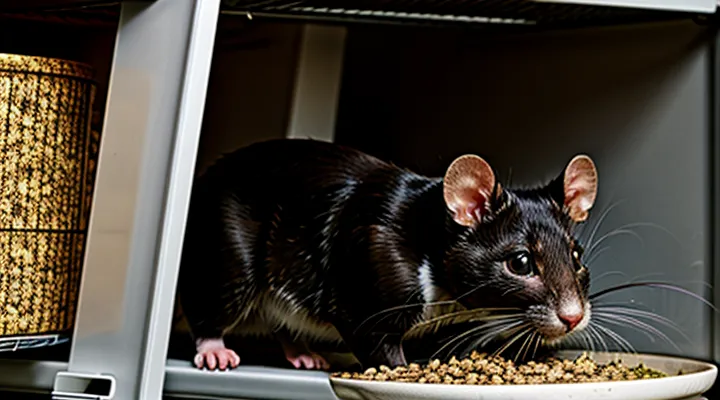
Nutritional Needs of Rats
Essential Nutrients for Rats
Protein Requirements
Rats require a diet that supplies approximately 14‑20 % protein on a dry‑matter basis, with essential amino acids such as lysine, methionine, and tryptophan in specific ratios. Their growth phase demands the upper end of this range, while adult maintenance can be satisfied at the lower end.
Commercial cat food typically contains 30‑40 % protein, exceeding the minimum requirement for rats. However, protein quality matters as well as quantity. Cat formulas are designed for obligate carnivores and often emphasize taurine, arachidonic acid, and high levels of animal‑derived proteins, which may not align with the balanced amino‑acid profile preferred by rodents.
Key considerations when evaluating cat food for rats:
- Protein level – Sufficient for growth, but may be excessive for long‑term maintenance, potentially stressing kidneys.
- Amino‑acid balance – Rat diets need a specific ratio of essential amino acids; cat food may be skewed toward taurine, which rats cannot synthesize efficiently.
- Fat content – Cat food often contains 15‑20 % fat, higher than the 5‑10 % optimal for rats, leading to obesity if fed exclusively.
- Micronutrients – Vitamins A and D are present in cat formulations at levels toxic to rats; calcium‑phosphorus ratios are also higher than recommended for rodents.
A practical approach:
- Offer cat food only as an occasional supplement, not as the primary source.
- Ensure the main diet meets the 14‑20 % protein target with a balanced amino‑acid profile, such as a high‑quality rodent pellet.
- Monitor body condition, renal function, and signs of nutrient excess (e.g., hypercalcemia, weight gain).
In summary, cat food provides ample protein but deviates from the ideal composition for rats. Use it sparingly and supplement with a nutritionally complete rodent diet to satisfy protein requirements without exposing rats to excess fat, inappropriate vitamins, or imbalanced amino acids.
Fat Requirements
Rats require a specific amount of dietary fat to maintain energy balance, support cell membrane integrity, and facilitate the absorption of fat‑soluble vitamins. The National Research Council recommends that laboratory rats obtain 4–6 % of their total caloric intake from fat, with higher percentages tolerated during growth or lactation periods. Excessive fat can lead to obesity, hepatic lipidosis, and reduced lifespan, while insufficient fat compromises thermoregulation and reproductive performance.
When considering feline kibble as a potential feed for rats, the following points are critical:
- Fat concentration – Commercial cat foods typically contain 10–15 % fat on a dry‑matter basis, exceeding the optimal range for most adult rats.
- Fat source – Animal‑derived fats dominate cat diets; these are rich in long‑chain saturated fatty acids, which rats metabolize less efficiently than the polyunsaturated fats found in grain‑based rodent feeds.
- Caloric density – Higher fat levels increase overall energy density, raising the risk of over‑consumption if rats have unrestricted access.
- Vitamin balance – Elevated fat may alter the ratio of fat‑soluble vitamins (A, D, E, K), potentially causing hypervitaminosis without careful formulation adjustments.
In practice, feeding rats cat food introduces a fat load that surpasses their physiological requirements. To avoid metabolic disturbances, any inclusion of feline feed should be limited to a small proportion of a balanced rodent diet, with total fat contribution monitored to remain within the 4–6 % caloric window.
Vitamin and Mineral Needs
Rats require a balanced supply of vitamins and minerals to maintain metabolic functions, skeletal health, and immune competence. The spectrum of nutrients includes:
- Vitamin A – essential for vision and epithelial integrity; excess can cause liver damage.
- Vitamin D – regulates calcium absorption; deficiency leads to rickets, excess causes hypercalcemia.
- Vitamin E – antioxidant protecting cell membranes.
- Vitamin K – necessary for blood clotting.
- B‑complex (B1, B2, B3, B5, B6, B7, B9, B12) – co‑enzymes in carbohydrate, protein, and lipid metabolism.
- Vitamin C – rats synthesize it, but dietary sources aid stress response.
Key minerals include:
- Calcium – bone formation and neuromuscular signaling; ratio to phosphorus should stay near 1:1.
- Phosphorus – bone mineralization and energy transfer.
- Magnesium – enzyme activation and nerve function.
- Potassium – cellular osmotic balance.
- Sodium – fluid regulation; excess raises blood pressure.
- Iron – hemoglobin synthesis; deficiency causes anemia.
- Zinc – DNA synthesis and immune function.
- Copper – iron metabolism and connective‑tissue development.
- Selenium – antioxidant enzyme co‑factor.
Commercial cat food typically provides high levels of protein, fat, and taurine, with calcium concentrations often exceeding the 0.5 %–1 % range recommended for rats. Vitamin A and vitamin D amounts are formulated for felines and may surpass safe thresholds for rodents, risking toxicity. Mineral balances, especially calcium‑phosphorus ratios, are frequently skewed toward feline needs, potentially inducing skeletal abnormalities in rats.
When evaluating cat food as a supplemental source for rats, compare label values with the following approximate requirements per 100 g of rat diet:
- Vitamin A: 2 000–3 000 IU
- Vitamin D: 300–500 IU
- Vitamin E: 5–10 IU
- Calcium: 0.5–1 % (dry matter)
- Phosphorus: 0.5–0.8 % (dry matter)
- Magnesium: 0.1–0.2 %
If cat food exceeds these limits, dilution with a rodent‑specific base diet or supplementation with appropriate mineral mixes is necessary to avoid deficiencies or toxicities. Continuous monitoring of body condition, coat quality, and clinical signs (e.g., lethargy, bone deformities) provides practical feedback on nutrient adequacy.
Dietary Restrictions for Rats
Rats require a diet that is low in fat, moderate in protein, and rich in fiber. Commercial rodent mixes are formulated to meet these ratios, whereas cat food typically contains high levels of animal protein and fat that exceed safe limits for rodents. Excessive fat can lead to obesity, hepatic lipidosis, and cardiovascular strain in rats. Elevated protein may cause kidney overload, dehydration, and urinary tract issues. Additionally, many cat foods include additives such as taurine, preservatives, and flavor enhancers that have no nutritional benefit for rats and may be toxic at high concentrations.
Key dietary restrictions for rats include:
- Fat content not exceeding 5 % of total calories.
- Protein levels capped at 14–16 % of the diet.
- Fiber intake of at least 2–3 % to promote gastrointestinal health.
- Absence of artificial sweeteners, especially xylitol, which is lethal to rodents.
- No exposure to high‑sodium formulas common in many pet foods for felines.
Feeding a rat cat food violates these parameters and introduces nutrients in quantities that the species cannot process safely. For optimal health, provide a balanced rodent pellet, fresh vegetables, and occasional treats specifically designed for rats.
Cat Food Composition
Key Ingredients in Cat Food
Protein Sources
Protein in commercial feline diets derives primarily from animal tissues, supplemented by plant-derived ingredients. Rats require high‑quality protein for growth, reproduction, and tissue maintenance, but their nutritional needs differ from felines.
Animal‑based proteins in cat food typically include:
- Chicken, turkey, or other poultry meat
- Beef, pork, or lamb muscle tissue
- Fish (salmon, tuna, whitefish)
- Egg white or whole egg
These sources supply complete amino acid profiles, high digestibility, and essential nutrients such as lysine and methionine. Rats can metabolize these proteins efficiently, provided the overall diet is balanced.
Plant‑derived proteins appear in many feline formulas:
- Soy isolate or soy meal
- Pea protein concentrate
- Wheat gluten
These ingredients lack certain amino acids in sufficient quantities for rats and may contain antinutritional factors. When used alone, they do not meet rat protein requirements; they must be complemented by animal proteins.
Supplementary protein contributors often listed on cat food labels:
These additives increase total protein content but may introduce lactose or high levels of specific amino acids that exceed rat tolerances. Excessive dairy proteins can cause gastrointestinal upset in rodents.
Key considerations for offering feline protein sources to rats:
- Ensure the diet provides a minimum of 14 % crude protein on a dry‑matter basis; most cat foods exceed this threshold.
- Verify that the protein source is free of excessive sodium, preservatives, or flavor enhancers that can be harmful to rodents.
- Adjust portion size to avoid over‑consumption of calories, fat, and phosphorus, which are higher in cat diets.
In summary, animal proteins present in cat food are biologically suitable for rats, while plant‑based proteins require careful supplementation. Proper evaluation of ingredient composition and portion control determines whether feline protein sources can safely support rat nutrition.
Fat Sources
Cat food often contains high levels of fat to meet feline energy requirements. When considering this diet for rodents, the type and amount of fat become critical factors.
Typical fat sources in commercial cat formulas include:
- Rendered poultry fat – readily digestible, high in saturated fatty acids.
- Fish oil – provides omega‑3 fatty acids, prone to oxidation if not stabilized.
- Beef tallow – rich in saturated fats, contributes to calorie density.
- Vegetable oil blends (e.g., soybean, corn) – supply polyunsaturated fatty acids but may contain antinutritional compounds.
Rats metabolize fats differently from cats. Essential fatty acids such as linoleic and α‑linolenic acid are necessary, yet excessive saturated fat can lead to obesity, hepatic lipidosis, and cardiovascular stress. The proportion of each fat source influences the balance between energy provision and health risk.
When evaluating cat food for rodent consumption:
- Verify that total fat content does not exceed 10 % of the diet on a dry‑matter basis.
- Prefer sources rich in omega‑3 and omega‑6 fatty acids, such as fish oil, but ensure antioxidants are present to prevent rancidity.
- Avoid formulas where animal tallow dominates, as the high saturated‑fat load may overwhelm the rat’s digestive capacity.
- Consider supplementing with a small amount of rodent‑specific oil to correct any imbalance in essential fatty acid ratios.
In summary, the fat composition of feline diets can be compatible with rat nutrition only if the sources are carefully selected, the overall fat percentage remains moderate, and the formula includes adequate antioxidant protection. Unchecked inclusion of high‑saturated‑fat ingredients poses a significant health risk for rodents.
Carbohydrates and Fillers
Cat food is formulated for obligate carnivores; its carbohydrate proportion usually ranges from 10 % to 30 % of the dry matter. Common sources include corn, wheat, rice, and barley, each providing starches that supply energy but are not primary nutrients for rodents. The carbohydrate level exceeds the natural intake of wild rats, which obtain most calories from grains and seeds with lower glycemic impact.
Fillers such as cellulose, soy protein isolate, and powdered milk appear in many dry cat diets to bulk the product and reduce cost. These ingredients add bulk without delivering essential amino acids or vitamins required by rats. Some fillers, particularly soy, contain phytoestrogens that may disrupt endocrine function in small mammals.
Potential effects on rats:
- Excessive starch can cause rapid blood‑glucose spikes, leading to insulin resistance over time.
- High filler content may result in reduced digestibility, causing soft stools or constipation.
- Nutrient imbalances—low calcium‑phosphorus ratio and insufficient vitamin C—are typical in cat formulas and can precipitate skeletal and metabolic disorders in rats.
Because cat food supplies carbohydrates and fillers at levels unsuitable for rodent physiology, regular feeding is likely to impair growth, reproductive performance, and overall health. Occasional, small amounts may be tolerated, but a diet formulated specifically for rats remains the safest nutritional choice.
Additives and Preservatives
Cat food typically contains protein‑rich meat meals, taurine, and a blend of vitamins designed for felines. Alongside these nutrients, manufacturers add preservatives and flavor enhancers to extend shelf life and improve palatability. Common preservatives include:
- BHA (butylated hydroxyanisole) – antioxidant that prevents fat oxidation; linked to liver enzyme induction in rodents.
- BHT (butylated hydroxytoluene) – similar function to BHA; studies show mixed toxicity results, with high doses causing hepatic stress in rats.
- Ethoxyquin – synthetic antioxidant; chronic exposure in rats can lead to kidney lesions.
- Sodium benzoate – antimicrobial agent; generally recognized as safe at low concentrations, but may alter gut microbiota when consumed excessively.
Flavor enhancers such as monosodium glutamate (MSG) and artificial sweeteners are also present. MSG can stimulate appetite in rodents but may cause excitotoxic effects at high levels. Artificial sweeteners like sucralose are poorly metabolized by rats and can disrupt glucose regulation.
When considering cat food for rats, the cumulative load of these additives often exceeds the levels recommended for rodent diets. Regulatory guidelines for laboratory rat feed limit antioxidant additives to 100 ppm, whereas commercial cat food may contain up to 500 ppm. Excessive preservative intake can impair liver function, interfere with nutrient absorption, and provoke gastrointestinal irritation.
If a rat consumes cat food occasionally, the short‑term risk remains low provided the product lacks high‑dose preservatives. Regular feeding, however, introduces chronic exposure to compounds not formulated for rodent physiology. Opt for rodent‑specific feeds that meet established additive thresholds to avoid potential health complications.
Nutritional Differences from Rat Diet
Rats thrive on a diet that supplies moderate protein, low fat, and a balance of carbohydrates, fiber, vitamins, and minerals. Standard rodent chow contains approximately 14–18 % protein, 4–6 % fat, and added fiber to promote gut health. Essential nutrients such as vitamin C, calcium, and phosphorus are present in ratios that support rapid growth and skeletal development.
Cat food is formulated for obligate carnivores and typically provides 30–40 % protein, 10–20 % fat, and minimal carbohydrate content. Levels of taurine, arachidonic acid, and vitamin A are markedly higher than in rodent feeds. Calcium‑phosphorus ratios are often skewed toward calcium, which can predispose rats to urinary stone formation. Excess fat can lead to obesity and hepatic lipidosis in rodents.
Key nutritional contrasts:
- Protein: rat chow ≈ 15 % vs. cat food ≥ 35 %
- Fat: rat chow ≈ 5 % vs. cat food ≈ 15 %
- Fiber: rat chow ≥ 5 % vs. cat food ≈ 0 %
- Taurine: negligible in rat chow; abundant in cat food
- Calcium‑phosphorus ratio: balanced in rodent diets; often calcium‑heavy in feline diets
- Vitamin C: required in rats; absent in cat food (rats synthesize it)
Feeding cat food to rats introduces nutrient imbalances that can impair digestion, renal function, and metabolic health. A diet that matches the species‑specific requirements of rats remains the safest and most effective approach for maintaining optimal physiological condition.
Risks of Feeding Cat Food to Rats
Imbalanced Nutrition
Excess Protein and Fat
Cat food typically contains protein levels ranging from 30 % to 45 % and fat content of 10 % to 20 %. These concentrations exceed the nutritional requirements of most laboratory‑bred rats, which thrive on diets containing approximately 15 % protein and 5 % fat. When rats consume cat food, the surplus nutrients can produce several physiological problems.
- Elevated protein imposes additional workload on the kidneys, accelerating renal stress and potentially leading to chronic kidney disease.
- Excess fat promotes rapid weight gain, increasing the risk of obesity‑related complications such as insulin resistance and cardiovascular strain.
- High caloric density may cause hyperphagia, as rats attempt to regulate intake, resulting in gastrointestinal upset and diarrhoea.
- Imbalanced amino‑acid profiles in feline formulations can create deficiencies in essential nutrients for rodents, despite the overall protein abundance.
Long‑term exposure to these imbalances reduces lifespan and impairs reproductive performance. For these reasons, rat owners should avoid substituting cat food for a rodent‑specific diet.
Deficiencies in Essential Nutrients
Feeding a diet intended for felines to laboratory or pet rodents creates a mismatch between the nutritional profile of the food and the physiological requirements of the animal. Cat formulas emphasize high animal‑protein content, elevated levels of taurine, and a specific calcium‑phosphorus ratio, while omitting or limiting nutrients that are vital for rodent health.
Typical shortfalls in a feline‑based ration for rats include:
- Taurine: essential for cardiac function in cats, but rats synthesize it endogenously; excess can disrupt metabolic balance.
- Vitamin C: rats obtain it from plant sources; cat food often contains negligible amounts, risking oxidative stress.
- Dietary fiber: low fiber content impairs gastrointestinal motility and cecal fermentation, leading to constipation.
- Essential fatty acids (ω‑3/ω‑6): ratios designed for cats may not meet the optimal requirements for rodent cell membrane integrity.
- Micronutrients such as zinc, copper, and manganese: quantities calibrated for felines can be insufficient for rodents, affecting enzyme activity and immune competence.
- Calcium‑phosphorus balance: cat diets favor a higher calcium level, which can precipitate renal calcification in rats.
Consequences of these deficiencies manifest as stunted growth, reduced fertility, compromised immunity, and skeletal abnormalities. Chronic fiber deficiency predisposes to gastrointestinal blockage, while inadequate essential fatty acids impair neural development.
To prevent nutrient gaps, supplement the primary diet with a commercially formulated rat chow or a balanced homemade mixture that provides appropriate levels of fiber, vitamin C, trace minerals, and fatty‑acid profiles. Use cat food only as an occasional treat, never as the sole source of nutrition.
Digestive Issues
Gastrointestinal Upset
Feeding a rodent a diet formulated for felines can disturb the digestive system. Cat food is high in protein and fat, contains taurine, and often includes additives that a rat’s gastrointestinal tract cannot process efficiently. The resulting imbalance may lead to irritation, malabsorption, and rapid transit through the intestine.
Typical manifestations of digestive disturbance in rats exposed to feline kibble include:
- Loose or watery stools
- Abdominal cramping evident by hunched posture
- Reduced food intake and lethargy
- Occasional vomiting, though rare in rodents
The underlying mechanisms involve excessive dietary fat overwhelming the pancreas, while the protein profile may lack the essential amino acids rats require. Moreover, preservatives and flavor enhancers can irritate the mucosal lining, increasing permeability and triggering inflammation.
Preventive measures are straightforward. Offer a nutritionally complete rodent feed that meets the species‑specific requirements for protein, fiber, and fat. If cat food is unintentionally consumed, monitor the animal closely for the symptoms listed above and provide fresh water and a bland diet (e.g., boiled chicken and plain rice) until normal stool consistency returns. In severe cases, veterinary intervention with fluid therapy and gastrointestinal protectants may be necessary.
Long-Term Health Problems
Feeding cat food to rats introduces nutrients designed for obligate carnivores, which can cause chronic physiological disturbances. The formulation typically contains high levels of animal protein, fat, and taurine, while lacking the fiber and specific vitamins essential for rodent metabolism.
- Obesity and metabolic syndrome – excess calories and fat promote weight gain, insulin resistance, and elevated blood lipids, leading to reduced lifespan.
- Renal strain – high protein load increases glomerular filtration pressure, accelerating kidney degeneration and predisposition to chronic kidney disease.
- Dental wear – softened, protein‑rich diet reduces the natural abrasion needed for incisors, resulting in overgrowth and malocclusion.
- Nutrient deficiencies – absence of essential micronutrients such as vitamin C, B‑complex vitamins, and certain minerals causes deficiencies, weakening immune response and bone health.
- Gastrointestinal dysbiosis – low fiber content disrupts gut flora balance, promoting inflammation, diarrhea, and reduced nutrient absorption.
- Behavioral alterations – altered satiety signals and nutrient imbalances can increase aggression, anxiety, and abnormal foraging behavior.
Potential Toxic Ingredients
Certain Spices and Flavorings
Rats may encounter a variety of herbs, spices, and flavor enhancers when offered cat food. Understanding the toxicological profile of each additive determines whether the diet supports rodent health or introduces risk.
- Garlic powder – contains organosulfur compounds that can cause hemolytic anemia in rodents; avoid.
- Onion powder – similar to garlic, induces oxidative damage to red blood cells; avoid.
- Paprika and cayenne – capsaicin irritates the gastrointestinal tract and may trigger excessive salivation; avoid.
- Cinnamon – high concentrations can lead to liver stress; small amounts are generally tolerated but not recommended as a regular additive.
- Nutmeg – myristicin produces neurotoxic effects at modest doses; avoid.
- Artificial sweeteners (e.g., xylitol) – highly toxic, causing rapid hypoglycemia and hepatic failure; avoid.
- Salt – excessive sodium disrupts fluid balance and can precipitate hypertension; limit to trace amounts naturally present in the food.
- Herbs such as parsley or dill – low‑dose inclusion poses minimal risk and may provide mild antioxidant benefit; acceptable in limited quantities.
Flavor enhancers derived from animal proteins (e.g., hydrolyzed fish or meat extracts) are not inherently harmful, but they increase the overall protein load, which can strain a rat’s renal system if the diet lacks balance.
When evaluating cat food for rodent consumption, prioritize products with minimal or no added spices, and verify that any included flavorings fall within the safe range outlined above. Selecting a formulation that excludes the listed toxic additives reduces the likelihood of acute toxicity and supports long‑term physiological stability.
Preservatives Harmful to Rodents
Cat food often contains chemical preservatives designed to extend shelf life for feline diets. Those additives can pose significant health risks to rodents that might ingest the product.
Common preservatives found in commercial cat food include:
- BHA (butylated hydroxyanisole) and BHT (butylated hydroxytoluene). Both function as antioxidants but have been linked to liver enlargement, tumor formation, and reproductive issues in laboratory rats.
- Ethoxyquin. Used to prevent oxidation of fats, it can cause gastrointestinal irritation, liver damage, and immunosuppression in rodents at concentrations typical for pet foods.
- Sodium benzoate and potassium sorbate. Though approved for human consumption, they can disrupt gut microbiota in rats, leading to reduced nutrient absorption and increased susceptibility to infection.
- Propylene glycol. Serves as a humectant; excessive intake may result in metabolic acidosis and renal impairment in small mammals.
Toxicity thresholds for these compounds are lower in rats than in larger animals. Even sub‑lethal exposure can produce chronic organ stress, altered growth rates, and behavioral changes. Because cat food formulations are optimized for felines, protein ratios, fat content, and vitamin levels differ markedly from rodent nutritional requirements, the presence of preservatives compounds the mismatch.
When considering whether to offer feline meals to rats, the safest approach is to avoid products containing the listed preservatives. Selecting preservative‑free, grain‑based rodent chow eliminates the risk of inadvertent toxin exposure and ensures dietary balance tailored to murine physiology.
Appropriate Alternatives for Rat Diets
Commercial Rat Food Options
Formulated Pellets
Formulated pellets marketed as cat food are dense, protein‑rich kibble designed to meet felines’ obligate carnivore requirements. Their composition typically includes animal muscle meat, organ extracts, fish meal, and added taurine, along with fats, vitamins, and minerals calibrated for a cat’s metabolic profile.
Rats have omnivorous digestive systems that process grains, seeds, fruits, and modest animal protein. Compared with a rat’s dietary needs, cat pellets present several mismatches:
- Protein level: often 30‑40 % of the formula, exceeding the 15‑20 % optimal range for rats and risking kidney strain.
- Taurine: added in amounts unnecessary for rats, offering no health benefit and potentially interfering with nutrient balance.
- Fat content: higher than typical rat chow, which can lead to obesity and hepatic lipidosis when consumed regularly.
- Fiber: low insoluble fiber, reducing gut motility and increasing the likelihood of gastrointestinal blockage.
Short‑term exposure to cat pellets does not cause immediate toxicity, but chronic feeding can produce weight gain, renal stress, and nutrient deficiencies. Rats may accept the texture and taste, yet their long‑term health depends on a balanced diet containing adequate fiber, moderate protein, and species‑specific micronutrients.
Practical guidance for owners considering cat pellets as occasional treats:
- Limit intake to no more than 5 % of total daily calories.
- Supplement with high‑fiber rodent chow or fresh vegetables to maintain digestive health.
- Monitor body condition, water consumption, and stool consistency weekly.
- Replace regular cat pellet feeding with a nutritionally complete rat diet for sustained health.
In summary, formulated cat pellets are not a suitable primary food source for rats. They can be used sparingly as an occasional supplement, provided that overall diet quality and health indicators are closely observed.
Blocks and Mixes
Feeding rats a feline diet raises concerns about nutrient balance, ingredient safety, and texture. Cat food is formulated for obligate carnivores, not for omnivorous rodents, so its composition differs markedly from rodent‑specific feeds.
Block‑type cat food (dry kibble) presents a high protein concentration, often derived from animal by‑products, and includes added taurine, arachidonic acid, and vitamin A. These nutrients are essential for cats but can be excessive for rats, leading to liver strain or hypervitaminosis. The hard texture also poses a chewing challenge for small rodents, increasing the risk of dental wear.
Mix‑type cat food (wet or semi‑moist formulations) contains higher moisture, lower carbohydrate density, and a softer consistency. While the softer matrix eases ingestion, the elevated fat and salt content may cause gastrointestinal upset in rats. Preservatives and flavor enhancers common in wet mixes can be irritating to a rodent’s sensitive digestive tract.
Key considerations when evaluating feline blocks and mixes for rat consumption:
- Protein source – Predominantly animal tissue; rats require a balanced mix of plant and animal proteins.
- Taurine level – Essential for cats; rats synthesize it internally, excess amounts are unnecessary.
- Fat percentage – Cat food often exceeds 20 % fat; rats thrive on diets with 5‑10 % fat.
- Sodium concentration – Higher in feline products; rats are prone to hypertension at elevated intake.
- Additives – Artificial flavors, preservatives, and colorants may trigger allergic reactions in rodents.
If a rat receives cat food, the safest approach is to limit exposure to a minimal, occasional supplement, ensuring that the primary diet remains a nutritionally complete rodent formulation. Continuous reliance on either block or mix cat food compromises health, with the risk of nutrient imbalances and physical complications.
Safe Human Foods for Rats
Fruits and Vegetables
Rats require a diet high in protein, fiber, and essential vitamins. Commercial cat food typically contains excessive protein, fat, and taurine levels designed for felines, which can lead to obesity, kidney strain, and nutrient imbalances in rodents. Substituting cat food with appropriate plant matter addresses these risks while supplying necessary micronutrients.
Safe fruit options include:
- Apple (core removed, skin optional)
- Blueberries
- Strawberries
- Pear (seedless)
- Banana (small portions)
Acceptable vegetables comprise:
- Carrot (raw or lightly steamed)
- Broccoli florets
- Spinach (limited due to oxalates)
- Peas
- Sweet potato (cooked, unseasoned)
These items provide vitamin C, antioxidants, and dietary fiber that support immune function and digestive health. Introduce fresh produce gradually, limiting total fruit intake to no more than 10 % of daily calories to prevent sugar overload. Combine vegetables with a high‑quality rodent pellet to meet protein requirements without the hazards associated with feline formulations.
Grains and Proteins
Cat food typically contains high‑quality animal proteins and varying amounts of grains. Protein concentrations range from 30 % to 45 % of the dry matter, providing essential amino acids such as taurine, lysine, and methionine. Rats require roughly 15 %–20 % protein, with a balanced amino‑acid profile; the excess protein in cat food can be metabolized but may stress renal function if consumed continuously.
Grain components in most commercial cat diets include corn, wheat, rice, or barley, contributing 20 %–40 % carbohydrates. Rats efficiently digest simple carbohydrates but are prone to obesity and digestive upset when carbohydrate intake exceeds their metabolic needs. The high glycemic load of grain‑rich cat food can lead to rapid blood‑sugar spikes in rodents.
Key nutritional differences:
- Protein level: cat food 30 %–45 % vs. rat requirement 15 %–20 %
- Taurine: mandatory for cats, non‑essential for rats, excess may be excreted
- Grain content: cat food 20 %–40 % carbs vs. optimal rat diet ≤15 % carbs
- Fat content: cat food 10 %–20 % vs. rat diet 5 %–10 %
Feeding cat food to rats introduces protein well above their needs and a carbohydrate load that can compromise health. Occasional small portions may be tolerated, but a diet formulated for rodents—featuring moderate protein, low grain, and appropriate fiber—is preferable for long‑term welfare.
Homemade Rat Food Recipes
Homemade rat food offers balanced nutrition, avoids the high protein and fat levels typical of feline diets, and reduces the risk of digestive upset. Preparing meals at home allows precise control of ingredient quality and portion size, ensuring that rats receive the nutrients they need for growth, reproduction, and activity.
A basic starter formula includes:
- 50 % fresh vegetables (e.g., kale, carrots, bell peppers) finely chopped.
- 30 % whole grains (e.g., cooked quinoa, oatmeal, barley) softened in water.
- 15 % protein source (e.g., boiled egg white, cooked lentils, low‑fat cottage cheese).
- 5 % fruit (e.g., apple, blueberry) diced for occasional sweetness.
Mix ingredients until uniform, serve at room temperature, and store leftovers in the refrigerator for up to two days.
For a high‑energy variant suitable for breeding or winter months, adjust the ratios to:
- 40 % mixed greens.
- 35 % complex carbohydrates (e.g., sweet potato, brown rice).
- 20 % lean protein (e.g., cooked chicken breast, tofu).
- 5 % nuts or seeds (e.g., sunflower seeds) for essential fats.
Add a calcium supplement (e.g., powdered cuttlebone) at 1 % of the total weight to support bone health.
A seasonal supplement blend can be prepared by drying and grinding:
- Dried herbs (parsley, dill) – 2 % of diet.
- Powdered kelp – 1 % for trace minerals.
- Vitamin E oil – a few drops per kilogram of food.
All recipes should be prepared without added salt, sugar, or artificial flavorings. Regularly rotate vegetable and protein selections to prevent nutrient deficiencies and maintain palate variety. Monitoring body condition and adjusting portions ensures optimal health without reliance on commercial cat food alternatives.