
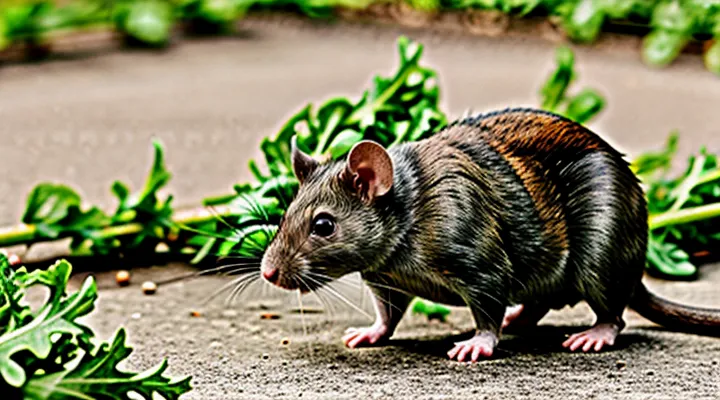
Arugula and Rat Diet: An Overview
Nutritional Profile of Arugula
Vitamins and Minerals in Arugula
Arugula provides a dense array of nutrients that can complement the dietary needs of laboratory and pet rodents. The leafy green is low in calories yet rich in vitamins and minerals that support growth, bone health, and metabolic functions.
- Vitamin K ≈ 108 µg per 100 g – essential for blood clotting and calcium regulation.
- Vitamin A ≈ 475 µg retinol activity equivalents per 100 g – contributes to vision and immune competence.
- Vitamin C ≈ 15 mg per 100 g – antioxidant that aids tissue repair and iron absorption.
- Folate ≈ 97 µg per 100 g – required for DNA synthesis and cellular division.
Mineral content further enhances the nutritional profile:
- Calcium ≈ 160 mg per 100 g – supports skeletal development and muscle contraction.
- Magnesium ≈ 20 mg per 100 g – cofactor in enzymatic reactions and energy production.
- Potassium ≈ 370 mg per 100 g – maintains electrolyte balance and nerve function.
- Iron ≈ 1.5 mg per 100 g – crucial for hemoglobin formation and oxygen transport.
The combination of fat‑soluble vitamins (K, A) and water‑soluble nutrients (C, folate) supplies a balanced spectrum of micronutrients. When incorporated in moderation, arugula can diversify a rat’s diet without exceeding safe limits for oxalic acid, which remains low compared with many other leafy greens. Regular monitoring of overall feed composition ensures that the addition of arugula contributes positively to health outcomes without displacing essential protein or fiber sources.
Fiber Content
Arugula supplies approximately 1.6 g of dietary fiber per 100 g of fresh leaves, composed mainly of insoluble cellulose and a smaller proportion of soluble pectin. This fiber profile is comparable to other leafy greens such as spinach and kale.
Rats possess a hindgut fermentation system that extracts nutrients from both soluble and insoluble fiber. Insoluble fiber promotes bulk formation and accelerates transit through the colon, while soluble fiber serves as a substrate for microbial fermentation, generating short‑chain fatty acids that support gut health.
Typical adult rats require about 3–5 % of their diet as crude fiber, equating to roughly 1–2 g of fiber per 100 g of total food intake. Incorporating arugula at 10–15 % of a mixed diet delivers 0.16–0.24 g of fiber per 100 g of the complete ration, contributing meaningfully to the target range without exceeding tolerable limits.
Key considerations for feeding arugula to rats:
- Introduce gradually; sudden increases in fiber may cause loose stools.
- Balance with low‑fiber protein sources to maintain overall dietary ratio.
- Monitor for signs of gastrointestinal distress, adjusting portion size accordingly.
- Rotate with other vegetables to provide a diverse nutrient profile and prevent excessive intake of oxalates present in arugula.
When used as part of a varied, balanced regimen, the fiber supplied by arugula supports normal digestive function and can enhance the nutritional quality of a rat’s diet.
Potential Oxalates and Goitrogens
Arugula contains notable levels of oxalates, compounds that bind calcium and may precipitate as calcium oxalate crystals. In rodents, excessive oxalate intake can lead to renal deposition, reduced calcium absorption, and potential urinary tract irritation. Monitoring dietary proportion is essential to avoid surpassing the tolerable oxalate threshold for laboratory‑bred rats, which is approximately 0.5 % of dry matter.
Goitrogenic substances, primarily glucosinolates, are also present in arugula. Upon hydrolysis, these compounds generate isothiocyanates that interfere with thyroid hormone synthesis by inhibiting iodine uptake. Rats exhibit sensitivity to dietary goitrogens, especially when iodine intake is marginal. Chronic exposure may result in thyroid enlargement and altered metabolic rate.
Key considerations for including arugula in a rat diet:
- Limit arugula to ≤5 % of total fresh‑food portion to keep oxalate and glucosinolate intake within safe margins.
- Ensure adequate dietary iodine (≥0.5 mg kg⁻¹) to counteract goitrogenic effects.
- Rotate arugula with low‑oxalate greens (e.g., romaine lettuce, kale) to diversify nutrient profile and reduce cumulative exposure.
- Observe urine for signs of crystalluria and monitor thyroid function in long‑term feeding trials.
Balancing arugula’s nutritional benefits against its oxalate and goitrogen content enables safe incorporation into rat feeding regimens.
Is Arugula Safe for Rats?
Benefits of Arugula for Rats
Arugula, also known as rocket, offers a range of nutrients that complement the typical diet of laboratory and pet rats. The leafy green supplies high levels of vitamin K, vitamin C, folate, calcium, and potassium, while providing antioxidants such as glucosinolates and flavonoids.
Key advantages for rats include:
- Enhanced bone mineralization from calcium and vitamin K.
- Strengthened immune response due to vitamin C and antioxidant compounds.
- Improved gastrointestinal motility aided by dietary fiber.
- Support for healthy weight management because of low caloric density.
When incorporating arugula, limit portions to approximately one teaspoon per 100 g of body weight, offered two to three times weekly. Rinse thoroughly to remove pesticides, and present raw or lightly steamed leaves to preserve nutrient integrity. Avoid mixing with high‑fat foods, as excessive fat may counteract the benefits of the green.
Potential Risks and Concerns
Oxalic Acid Content
Oxalic acid is a naturally occurring organic compound found in many leafy greens, including arugula. In rodents, high concentrations of oxalic acid can interfere with calcium absorption, potentially leading to hypocalcemia and the formation of calcium oxalate crystals in the urinary tract. Arugula typically contains 0.3–0.5 % oxalic acid by fresh weight, a level comparable to that of spinach and Swiss chard.
Key considerations for incorporating arugula into a rat’s diet:
- Oxalic acid threshold: Research indicates that dietary oxalate exceeding 0.5 % of total intake may increase the risk of renal stone formation in rats.
- Calcium balance: Adequate calcium supplementation can mitigate oxalate‑induced calcium loss; a calcium‑to‑oxalate ratio of at least 2:1 is recommended.
- Feeding frequency: Limiting arugula to occasional treats (no more than 5 % of the total daily food volume) reduces cumulative oxalic acid exposure.
- Monitoring: Regular observation of urine clarity and kidney health is advisable when arugula is part of the regimen.
Overall, the oxalic acid content of arugula does not preclude its use as a supplemental garnish for rats, provided that intake is controlled, calcium levels are balanced, and health indicators are monitored.
Goitrogenic Compounds
Arugula contains several naturally occurring goitrogenic compounds that can interfere with thyroid hormone synthesis in mammals. The primary agents are glucosinolates, which hydrolyze into isothiocyanates and thiocyanates during digestion. In arugula, glucoraphanin and glucobrassicin are the most abundant glucosinolates; their breakdown products include sulforaphane and indole-3-carbinol, both classified as goitrogenic agents.
These substances affect rats by reducing iodine uptake in the thyroid gland, potentially leading to decreased production of thyroxine (T4) and triiodothyronine (T3). Chronic exposure to high levels of goitrogenic compounds may result in compensatory thyroid enlargement (goiter) and altered metabolic rate.
Key considerations for feeding arugula to rats:
- Monitor iodine intake; supplementation can offset goitrogenic effects.
- Limit arugula proportion in the diet to less than 5 % of total feed weight to avoid excessive glucosinolate exposure.
- Observe thyroid hormone levels periodically in long‑term feeding trials.
- Select young, fresh arugula leaves; older foliage accumulates higher glucosinolate concentrations.
Scientific studies on rodent models show that moderate inclusion of arugula does not produce clinically significant thyroid dysfunction when dietary iodine is adequate. Excessive consumption, especially in iodine‑deficient conditions, increases the risk of hypothyroidism and related metabolic disturbances.
Pesticide Residues
Arugula is occasionally offered to rats as a source of vitamins and fiber, yet the presence of pesticide residues determines its suitability for consumption. Residues originate from conventional farming practices, persist through post‑harvest handling, and may accumulate in the gastrointestinal tract of rodents, potentially influencing experimental outcomes or animal health.
Typical residues include organophosphates, pyrethroids, and synthetic fungicides. Regulatory agencies establish Maximum Residue Limits (MRLs) to protect human consumers; however, these thresholds are not always directly applicable to small mammals. Rats possess a higher metabolic rate, which can both detoxify and amplify certain chemicals, leading to variable toxicokinetic profiles.
Practical measures:
- Source arugula from certified organic producers or suppliers that provide residue testing reports.
- Conduct periodic laboratory analysis using gas chromatography–mass spectrometry to verify compliance with rodent‑specific safety margins.
- Implement a wash protocol with distilled water followed by a brief dip in a food‑grade sanitizer to reduce surface residues.
- Limit arugula inclusion to no more than 5 % of total diet weight, ensuring balanced nutrient intake while minimizing exposure risk.
Adhering to these guidelines mitigates the impact of pesticide residues, supporting both animal welfare and the integrity of scientific data.
How to Feed Arugula to Rats
Preparation Guidelines
Washing Arugula
Washing arugula before offering it to rats eliminates soil, pesticides, and microbial contaminants that could cause gastrointestinal distress. Residual chemicals may accumulate in a rodent’s diet, leading to toxicity; thorough cleaning reduces this risk.
Effective cleaning procedure:
- Separate leaves from stems; discard wilted or discolored portions.
- Submerge leaves in a bowl of cool water; gently agitate to release trapped particles.
- Replace water with fresh, cold water; repeat agitation.
- Transfer leaves to a colander; allow excess water to drain for at least two minutes.
- Pat dry with a clean kitchen towel or use a salad spinner set to low speed; ensure leaves are free of moisture that could promote mold growth.
After drying, store arugula in a perforated container within the refrigerator, maintaining a temperature between 1 °C and 4 °C. Use within three to five days to preserve nutritional value, especially the high levels of vitamin K, calcium, and antioxidants beneficial for rodent health.
Proper Portion Sizes
Arugula can be incorporated into a rat’s diet, but the amount must be controlled to prevent digestive upset and nutrient imbalances. A typical adult rat weighing 300–350 g tolerates no more than 0.5 g of fresh arugula per day, equivalent to a small leaf or a few torn pieces. Younger rats or those with a history of gastrointestinal sensitivity should receive half that quantity.
Guidelines for portion sizing:
- Offer fresh arugula once or twice weekly; avoid daily feeding.
- Measure the leaf by weight rather than volume to ensure consistency.
- Combine arugula with a balanced staple diet of commercial pellets, fresh water, and occasional protein sources.
- Observe the rat for signs of loose stool or reduced appetite; reduce or discontinue arugula if adverse effects appear.
Gradual introduction is essential. Begin with a fragment no larger than 0.1 g, monitor the animal’s response for 48 hours, then increase to the recommended maximum if no issues arise. Regularly rotate leafy greens to provide variety while maintaining the overall limit of fresh vegetables at 10 % of total daily intake.
Feeding Frequency and Introduction
Gradual Introduction to Diet
Introducing a new leafy green to a rat’s diet requires careful pacing. Sudden inclusion of arugula can cause digestive upset; a measured approach reduces risk.
- Begin with a pinch of finely chopped leaves mixed into regular food.
- Observe the animal for 24 hours, noting appetite, stool consistency, and activity level.
- If no adverse reaction occurs, repeat the small portion for three consecutive days.
- Increase the amount by 10–15 % each week, maintaining close observation.
Signs of intolerance include loose stools, reduced feeding, or lethargy. At the first appearance of any symptom, revert to the previous tolerated amount and extend the observation period before further escalation.
A balanced schedule limits arugula to no more than 5 % of the total daily intake, offered two to three times per week. This proportion supplies beneficial nutrients while preserving the overall dietary equilibrium required for healthy rodents.
Recommended Frequency
Arugula can be incorporated into a rat’s diet as an occasional vegetable source of vitamins A, C, and K, as well as calcium and fiber. Excessive consumption may lead to digestive upset or interfere with calcium absorption due to oxalic acid content. Therefore, the feeding schedule must balance nutritional benefit with potential risks.
Recommended frequency for offering arugula to pet rats:
- Provide fresh arugula no more than twice per week.
- Limit each serving to approximately one teaspoon per adult rat, finely chopped to facilitate chewing.
- Observe the animal for signs of loose stool or reduced appetite; if symptoms appear, suspend arugula for at least one week before reintroducing a smaller portion.
Regularly rotate arugula with other leafy greens such as kale, romaine lettuce, or spinach to ensure a varied nutrient profile while preventing over‑reliance on a single vegetable source.
Alternative Safe Leafy Greens for Rats
Spinach
Spinach is a nutrient‑dense leafy vegetable frequently offered to laboratory and pet rodents as a source of vitamins, minerals, and dietary fiber. The plant delivers high levels of vitamin A, vitamin K, folate, iron, and calcium, all of which contribute to healthy vision, blood clotting, and bone development in rats. Its low caloric density makes it suitable for inclusion in a balanced diet without excessive energy intake.
Safety considerations require washing spinach thoroughly to remove pesticide residues and soil particles. Fresh leaves should be chopped into bite‑size pieces to prevent choking. Introduce spinach gradually, monitoring for signs of gastrointestinal upset or changes in stool consistency, as rapid increases in fiber can cause diarrhea. Limit daily portions to approximately 5 % of total food mass to avoid excess oxalate accumulation, which may predispose rats to kidney stone formation.
Key nutritional attributes of spinach for rats:
- Vitamin A: supports retinal function.
- Vitamin K: essential for coagulation pathways.
- Folate: involved in DNA synthesis.
- Iron: contributes to hemoglobin formation.
- Calcium: aids skeletal mineralization.
Kale
Kale is a nutrient‑dense leafy vegetable that provides vitamins A, C, K, and calcium. Its fiber content supports digestive health, while glucosinolates offer antioxidant benefits. When evaluating kale as a supplement for rodent diets, consider the following points.
- Raw kale should be washed thoroughly to remove pesticide residues.
- Introduce small portions (approximately ½ teaspoon per 100 g of body weight) to monitor tolerance.
- Observe for signs of gastrointestinal upset, such as loose stools or reduced appetite.
- Limit intake to no more than 10 percent of the total daily diet to prevent excess oxalates, which can contribute to kidney stone formation.
Compared with arugula, kale contains higher levels of calcium and vitamin K but lower concentrations of the peppery compounds that give arugula its distinctive flavor. Both greens are low in calories and can be incorporated into a balanced feeding regimen for rats, provided that portion sizes remain modest and the animals are observed for adverse reactions.
Romaine Lettuce
Romaine lettuce is a common leafy vegetable offered to pet rats as part of a varied diet. Its composition includes high moisture, dietary fiber, and essential micronutrients such as vitamin A, vitamin K, and folate. The low caloric density makes it suitable for small mammals that require nutrient‑dense, low‑energy foods.
Safety considerations focus on freshness and hygiene. Leaves must be rinsed thoroughly to remove pesticide residues and soil particles. Wilted or moldy portions should be discarded, as they can introduce pathogens. The vegetable’s oxalic acid content is modest, posing minimal risk of kidney stone formation when served in moderate amounts.
Compared with arugula, romaine provides a milder flavor and lower nitrate levels. Arugula’s peppery taste can stimulate appetite, but its higher glucosinolate concentration may cause digestive upset if overfed. Both greens contribute vitamin C and potassium, yet romaine delivers a more balanced fiber profile.
Feeding guidelines:
- Offer a small handful of chopped romaine once or twice weekly.
- Limit each serving to approximately 1‑2 grams per 100 grams of body weight.
- Combine with a base diet of high‑quality rodent pellets and occasional protein sources.
- Monitor for changes in stool consistency or appetite after introduction.
When integrated with a balanced pellet regimen, romaine lettuce supplies valuable nutrients without compromising health, supporting the broader inquiry into the suitability of leafy greens for rats.
Observing Your Rat After Feeding Arugula
Signs of Digestive Upset
Rats introduced to arugula may experience gastrointestinal irritation if the vegetable is offered in excess or without gradual adaptation. The plant contains glucosinolates and oxalic acid, compounds that can stimulate excess bile production and alter gut flora, potentially leading to digestive upset.
Typical indicators of such disturbance include:
- Watery or loose feces, sometimes containing mucus
- Reduced food intake and refusal of familiar foods
- Lethargy or diminished activity levels
- Abdominal distension or palpable tension
- Excessive flatulence or audible rumbling sounds from the abdomen
- Occasional regurgitation or vomit‑like expulsion, though rare in rodents
Observation of these signs should prompt immediate reduction or cessation of arugula in the diet, followed by consultation with a veterinarian experienced in small‑animal care. Monitoring stool consistency and overall behavior provides essential feedback on the rat’s tolerance to this leafy green.
Allergic Reactions
Arugula provides rats with vitamin K, calcium, and antioxidants, making it a nutritionally valuable addition to a balanced diet. However, like any novel food, it can trigger immune‑mediated hypersensitivity in susceptible individuals.
Signs of an allergic response in rodents include:
- Rapid swelling of the face or paws
- Excessive scratching or grooming of the oral region
- Hives or erythematous patches on the skin
- Respiratory distress, such as wheezing or labored breathing
- Diarrhea accompanied by blood or mucus
Allergic mechanisms involve IgE antibodies binding to specific arugula proteins, leading to mast‑cell degranulation and release of histamine. Genetic predisposition, previous exposure to related Brassicaceae species, and compromised gut barrier function increase the likelihood of sensitisation.
To minimise risk, introduce arugula gradually, starting with a single leaf per rat and observing for any adverse reaction over 24–48 hours. If no symptoms appear, increase the portion incrementally while maintaining a varied diet that includes other leafy greens. Should any of the listed signs emerge, discontinue arugula immediately and consult a veterinarian for appropriate treatment, which may involve antihistamines or corticosteroids. Alternative greens such as kale or romaine lettuce provide comparable nutrients without the specific protein profile that triggers «allergy» in some rats.
When to Consult a Veterinarian
Feeding arugula to pet rats can be safe, but certain conditions require professional veterinary assessment. Recognize the following indicators and act promptly.
- Persistent vomiting or diarrhea after consumption.
- Loss of appetite lasting more than 24 hours.
- Lethargy, unsteady gait, or tremors.
- Swelling, redness, or ulceration around the mouth, eyes, or paws.
- Signs of respiratory distress, such as rapid breathing or audible wheezing.
- Unexplained weight loss or failure to gain weight in growing individuals.
Additional circumstances that merit consultation include:
- Introduction of a new food source for the first time, especially if the rat has a history of gastrointestinal sensitivity.
- Observation of allergic reactions, such as itching, swelling, or hives.
- Presence of underlying health issues (e.g., renal disease, metabolic disorders) that could be aggravated by the oxalic acid content of arugula.
When any of these symptoms appear, contact a veterinarian experienced with small mammals without delay. Early intervention improves outcomes and helps maintain optimal health for the animal.