
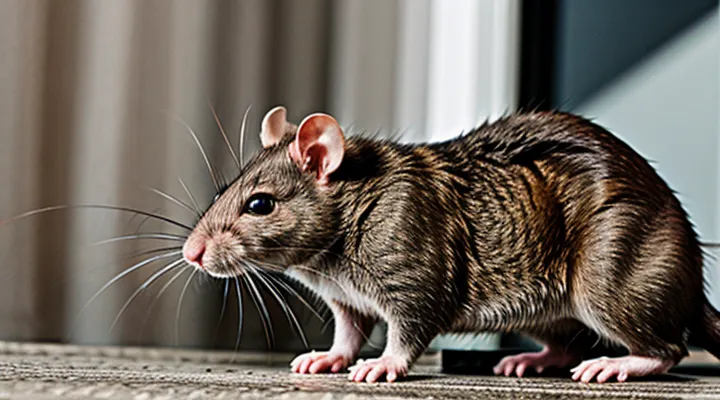
Understanding Rat Dentition
The Anatomy of Rat Teeth
Incisors: The Continuously Growing Teeth
Rat incisors grow throughout the animal’s life because the enamel is present only on the outer edge. Continuous eruption compensates for constant wear from gnawing, maintaining a functional length for food handling and nest building. Without sufficient abrasion, the teeth can elongate, leading to malocclusion, difficulty eating, and facial injury.
Effective dental management relies on regular monitoring and, when necessary, careful trimming. Trimming must be performed with precision instruments, under anesthesia or strong restraint, to avoid damaging the pulp cavity. Excessive removal can cause sensitivity and infection; insufficient reduction leaves the risk of overgrowth.
Practical recommendations for trimming rat incisors:
- Assess tooth length weekly; ideal protrusion is approximately 2 mm beyond the gum line.
- Use a fine‑grit dental file or rotary bur designed for small mammals.
- Remove no more than 0.5 mm of enamel per session; repeat sessions until desired length is achieved.
- Apply a sterile saline rinse after each cut to clear debris.
- Observe the rat for signs of distress, bleeding, or altered chewing within 24 hours; intervene promptly if abnormalities appear.
Molars: The Grinding Teeth
Molars are the posterior teeth designed for crushing and grinding food. Their broad occlusal surfaces and multiple cusps enable rats to break down seeds, nuts, and fibrous material efficiently. Enamel on molars is harder than that on incisors, and the teeth grow continuously at a slower rate, relying on natural abrasion to maintain proper length.
In rats, molar length remains stable when the animal consumes a diet that provides sufficient mechanical wear. Unlike incisors, molars do not require manual trimming; attempting to shorten them can damage the enamel and compromise chewing ability. Veterinary assessment confirms that routine trimming of molars is unnecessary and potentially harmful.
Recommendations for preserving healthy molars:
- Provide a high‑fiber diet containing raw vegetables, whole grains, and chewable objects such as wooden blocks.
- Monitor chewing behavior daily; reduced gnawing may indicate dental discomfort.
- Schedule regular veterinary examinations to detect overgrowth, malocclusion, or wear abnormalities.
- Avoid soft, processed foods that reduce natural abrasion and increase the risk of molar overgrowth.
Adhering to these practices supports natural molar wear, maintains optimal chewing function, and eliminates the need for invasive dental trimming.
Why Rats Need to Chew
Natural Wear and Tear
Rats experience continuous enamel loss as their incisors gnaw on hard surfaces. This natural abrasion maintains a functional length and sharp edge, preventing overgrowth that could impede eating. The rate of wear depends on diet composition, cage material, and frequency of gnawing activity.
- High‑fiber or hard‑seed diets increase abrasion.
- Stainless‑steel bars or chew toys provide consistent wear surfaces.
- Limited access to gnawable objects slows enamel loss.
When natural wear is insufficient, the incisors may elongate beyond the normal range. Overgrown teeth can curve, cause oral injury, and impede food intake. Regular visual inspection of the dental arc is essential; signs of inadequate wear include:
- Visible length exceeding the lower lip margin.
- Curvature toward the palate or cheek.
- Redness or ulceration around the gum line.
If any of these indicators appear, manual trimming becomes necessary. Trimming should be performed with a specialized rodent dental file or small rotary tool, applying light, steady pressure to avoid enamel fracture. Post‑procedure observation for bleeding or infection is mandatory.
In practice, maintaining an environment that supplies ample gnawing opportunities reduces the frequency of trimming interventions. However, routine monitoring remains a non‑negotiable component of rat husbandry to ensure dental health.
Consequences of Overgrown Teeth
Malocclusion
Malocclusion refers to the misalignment of the incisors and molars in rats, resulting in uneven wear patterns. The condition often develops when the animal’s natural gnawing behavior is restricted, when diet lacks sufficient hardness, or when genetic factors affect jaw growth. Visible signs include overgrown front teeth that curve outward, difficulty chewing, drooling, and weight loss.
Improper tooth alignment interferes with trimming procedures. Overgrown incisors can break during clipping, leading to painful fractures or infection. Uneven molar surfaces may cause the animal to bite the trimming instrument, increasing the risk of injury. Addressing malocclusion before or during a trimming session reduces complications and promotes recovery.
Recommendations for managing malocclusion while trimming rat teeth:
- Provide daily access to chewable materials such as untreated wood blocks, mineral sticks, or hard vegetables to encourage natural wear.
- Conduct weekly visual inspections of the incisors; intervene promptly when curvature or length exceeds normal limits.
- Use a pair of fine‑point, sterilized forceps or rat‑specific dental scissors; apply gentle, steady pressure to shorten only the protruding portion.
- Trim in short sessions (no more than five minutes) to limit stress; allow the rat to recover between cuts if multiple teeth require adjustment.
- After trimming, monitor the animal for signs of bleeding, swelling, or altered eating behavior; seek veterinary care if abnormalities persist.
Preventive care, including a suitable diet and regular dental checks, minimizes the occurrence of malocclusion and simplifies any necessary trimming. Consistent application of the above practices supports healthy oral function and reduces the likelihood of emergency dental interventions.
Difficulty Eating
Difficulty eating is a common sign that a rat’s incisors have become overgrown or misaligned. Overgrown teeth can interfere with the ability to grasp, gnaw, and process food, leading to weight loss, reduced activity, and potential secondary health issues. Early detection relies on observing changes in feeding behavior, such as prolonged chewing, dropping food, or reluctance to approach the feeder.
Effective management of dental overgrowth centers on regular trimming of the incisors. Professional trimming should be performed by a qualified veterinarian or a trained technician using sterile, calibrated tools. The procedure involves:
- Assessing tooth length and alignment under light sedation.
- Removing excess enamel with a high‑speed rotary cutter or fine dental file.
- Smoothing the edges to restore a sharp, functional bite.
- Monitoring for signs of pulp exposure or infection after the session.
Owners can support dental health between veterinary visits by providing appropriate chew items that promote natural wear. Recommended materials include untreated wood blocks, mineral-rich chew sticks, and safe fiber bundles. These objects should be refreshed regularly to maintain abrasive effectiveness.
If a rat continues to exhibit eating difficulty despite routine trimming, further evaluation is required. Possible underlying conditions include malocclusion, periodontal disease, or nutritional deficiencies. Diagnostic imaging, blood work, and a detailed dietary review help identify and address the root cause, ensuring the animal regains normal feeding function.
Pain and Infection
Trimming a rat’s incisors can provoke pain and create a pathway for bacterial invasion if performed incorrectly. Recognizing the early signs of discomfort and infection is essential for maintaining oral health and preventing systemic complications.
Signs of pain include reduced chewing activity, vocalization when the mouth is touched, reluctance to eat, and facial tension. Behavioral changes such as increased grooming of the mouth area or prolonged periods of inactivity may also indicate distress.
Indicators of infection comprise swelling of the gums or surrounding tissue, discharge that is pus‑like or foul‑smelling, redness that spreads beyond the immediate tooth site, and fever. Persistent loss of appetite, weight loss, or lethargy often accompany severe infections.
Preventive measures:
- Use a properly sized, sharp, and sterilized trimming tool.
- Restrain the animal gently but securely to avoid sudden movements.
- Trim only the exposed portion of the incisors, leaving enough enamel to protect the pulp.
- Perform the procedure in a clean environment, wearing disposable gloves.
- Schedule regular dental checks to monitor growth and intervene before overgrowth occurs.
If pain or infection is suspected, act immediately:
- Stop the trimming session and assess the mouth for obvious injuries.
- Apply a cold compress to reduce swelling.
- Contact a veterinarian experienced in small‑animal dentistry for evaluation.
- Administer prescribed analgesics or antibiotics as directed; do not use over‑the‑counter medications without professional guidance.
- Keep the rat hydrated and offer soft foods until veterinary care is obtained.
Assessing the Need for Trimming
Signs of Overgrown Teeth
Drooling and Wet Chin
Drooling and a wet chin frequently signal dental problems in pet rats, particularly when incisors become overgrown. Excess saliva results from impaired mastication; the animal cannot process food efficiently, causing saliva to accumulate and seep from the mouth onto the chin.
Overgrown incisors create uneven bite surfaces, leading to gum irritation and reduced ability to grasp food. The resulting stress on the oral cavity stimulates salivary glands, producing a noticeable wetness that may stain fur and cause skin irritation.
Practical steps for managing drooling and wet chin:
- Inspect the chin daily for dampness, crust, or discoloration; clean affected areas with a soft, damp cloth to prevent infection.
- Examine the teeth visually; healthy incisors should display a sharp, evenly worn edge with a slight gap between upper and lower pairs.
- If teeth appear elongated, blunt, or misaligned, schedule a professional trim within 24‑48 hours to reduce saliva production.
- Provide chewable enrichment (e.g., untreated wood blocks) to promote natural wear and reduce the likelihood of overgrowth.
- Maintain a dry, clean habitat; moisture buildup can exacerbate skin irritation caused by constant drooling.
Regular monitoring of salivation patterns enables early detection of dental issues, allowing timely trimming and preventing secondary complications such as skin infection or weight loss. Consistent dental care, combined with proper environmental hygiene, minimizes drooling episodes and maintains overall rat health.
Weight Loss
Weight management significantly influences the condition of a rat’s incisors. Excess body fat reduces the animal’s ability to chew efficiently, leading to uneven wear and increased risk of overgrowth. Maintaining an appropriate caloric intake ensures regular gnawing activity, which naturally files the teeth and diminishes the need for frequent trimming.
Effective weight‑loss strategies for pet rats include:
- Calculating daily energy requirements based on the rat’s target weight and activity level.
- Providing a measured portion of high‑protein, low‑fat pellets; avoid unlimited access to seed mixes and fatty treats.
- Incorporating fresh vegetables such as broccoli, kale, and carrots to increase fiber intake and promote satiety.
- Scheduling short, daily exercise sessions with safe chew toys and climbing structures to stimulate natural gnawing behavior.
- Monitoring body condition weekly; adjust food portions when visible weight loss exceeds 5 % of the target weight.
Regular assessment of body condition score, combined with controlled feeding and enrichment, reduces the incidence of dental overgrowth. When weight loss is achieved, the frequency of dental trimming typically decreases, allowing natural abrasion to maintain optimal tooth length.
Facial Swelling
Facial swelling is a common complication after attempting to shorten a rat’s incisors. Swelling indicates tissue irritation, infection, or trauma and may interfere with normal eating and respiration. Prompt identification and appropriate care reduce the risk of severe outcomes.
Signs of swelling include puffiness around the cheek, reddened skin, and a noticeable increase in facial volume. The rat may exhibit reduced appetite, altered grooming behavior, or audible distress when chewing. If any of these symptoms appear within 24–48 hours after a dental procedure, immediate veterinary evaluation is required.
Management steps:
- Inspect the site – gently palpate the affected area to assess firmness and temperature.
- Clean the region – use a sterile saline solution to remove debris; avoid harsh chemicals that could exacerbate irritation.
- Apply a cold compress – a brief, 5‑minute application of a chilled, wrapped pack can lessen inflammation; do not exceed 10 minutes to prevent tissue damage.
- Administer prescribed medication – follow the veterinarian’s dosage of anti‑inflammatory drugs or antibiotics; do not substitute over‑the‑counter products.
- Monitor progress – record changes in size, color, and the rat’s behavior twice daily for at least three days.
Preventive measures focus on technique and aftercare. Use a fine‑grit dental file or a specially designed rodent tooth‑trimmer rather than forceful clipping. Limit the session to a few minutes to minimize tissue stress. Provide a soft‑food diet for 48 hours post‑procedure to reduce chewing pressure on the treated teeth.
If swelling persists beyond three days, worsens, or is accompanied by discharge, seek professional veterinary assistance without delay. Early intervention prevents secondary infections and promotes faster recovery.
Difficulty Grooming
Rats possess continuously growing incisors, so maintaining appropriate length is a routine health requirement. The small size of the animal and the rapid pace of dental development create practical obstacles for owners and caregivers attempting to trim the teeth.
- The teeth are positioned deep within the oral cavity, limiting visual access.
- Rodents often react with stress or aggression when restrained, increasing the risk of accidental injury.
- Standard grooming tools lack the precision needed for the fine curvature of rat incisors.
- Over‑trimming can expose dentin, leading to pain, infection, or compromised chewing ability.
Veterinary experts advise a systematic approach to reduce these challenges. Secure the rat using a gentle but firm holder designed for small mammals, and employ a high‑grade, narrow‑diameter dental file or rotary burr specifically manufactured for rodent dentistry. Conduct trimming sessions at regular intervals—typically every two to three weeks—to prevent excessive growth and to monitor for signs of wear or damage. Document each procedure, noting the amount removed and the animal’s response, to refine technique and ensure consistent outcomes.
When to Seek Veterinary Advice
Rats experience rapid dental growth; excessive length can cause pain, difficulty eating, and injury. Owners should contact a veterinarian when any of the following conditions appear:
- The rat shows reduced food intake or weight loss.
- The animal exhibits visible swelling, discharge, or bleeding around the incisors.
- Chewing behavior becomes abnormal, such as persistent gnawing on soft objects or self‑mutilation.
- The teeth appear uneven, fractured, or misaligned upon visual inspection.
- The rat displays signs of distress, including vocalization, aggression, or lethargy.
Prompt professional assessment prevents complications such as abscess formation, tooth root infection, or permanent jaw deformation. Early intervention allows safe trimming or corrective procedures under anesthesia, ensuring the rat’s oral health and overall well‑being.
Professional Tooth Trimming for Rats
The Procedure
Anesthesia Considerations
Effective pain management and immobilization are essential when performing dental trimming on laboratory rats. Anesthetic protocols must address the animal’s small size, rapid metabolism, and susceptibility to hypothermia.
- Pre‑procedure assessment: Record weight, health status, and recent medications. Conduct a brief physical exam to identify respiratory or cardiovascular abnormalities.
- Induction agents: Isoflurane inhalation provides rapid onset and easy titration; dosage typically ranges from 2–3 % in oxygen for induction, reduced to 1–1.5 % for maintenance. Injectable options such as ketamine‑xylazine (30 mg/kg ketamine, 5 mg/kg xylazine) are acceptable when inhalation equipment is unavailable, but monitor for prolonged recovery.
- Dosage calculation: Base all drug calculations on exact body weight measured to the nearest 0.1 g. Adjust doses for juveniles or compromised individuals.
- Monitoring: Continuously observe respiratory rate, heart rate, and body temperature. Use a rectal probe or infrared thermometer to maintain temperature above 37 °C with a warming pad.
- Analgesia: Administer a non‑steroidal anti‑inflammatory drug (e.g., meloxicam 1 mg/kg subcutaneously) pre‑emptively to reduce postoperative discomfort.
- Recovery: Place the rat in a quiet, temperature‑controlled area until normal gait and righting reflex return. Provide supplemental heat until the animal regains thermoregulation.
Adhering to these guidelines minimizes anesthetic risk and supports humane handling during dental procedures.
Tools and Techniques
Trimming a rat’s incisors requires equipment that provides precision, safety, and control. Suitable instruments include high‑grade stainless‑steel nail clippers, small rotary dental burrs, specialized rodent tooth files, and a low‑speed hand‑piece with a detachable bur. Each tool must be sterilized before use and inspected for sharpness to prevent accidental injury.
- Stainless‑steel nail clippers: allow quick reduction of overgrown tips.
- Rotary dental burr (0.5 mm): suitable for shaping and smoothing edges.
- Rodent tooth file: enables gradual filing without excessive force.
- Low‑speed hand‑piece: offers steady rotation for detailed work.
Effective technique begins with gentle restraint, using a soft cloth or a dedicated handling tube to limit movement. Position the rat’s head so the incisors are visible and accessible. Apply the chosen tool at a shallow angle, removing no more than 1 mm per session to avoid exposing the pulp. After each cut, inspect the tooth surface for smoothness; use the file or burr to eliminate sharp edges. Conclude by cleaning the mouth with a saline rinse and monitoring the animal for signs of discomfort over the following 24 hours. Regular trimming intervals, typically every two to four weeks, maintain proper dental alignment and prevent health complications.
Post-Procedure Care
After trimming a rat’s incisors, immediate care focuses on preventing infection, managing pain, and ensuring proper healing.
- Observe the animal for signs of bleeding. Apply gentle pressure with a clean gauze pad for up to two minutes; if bleeding persists, seek veterinary assistance.
- Keep the cage environment clean. Replace bedding and disinfect surfaces to reduce bacterial exposure.
- Offer soft, moist food for the first 24‑48 hours. Wet pellets, baby food, or soaked vegetables minimize chewing stress on the fresh edges.
- Provide a source of hydration that does not require vigorous gnawing. Use a shallow water dish or a syringe‑fed saline solution if the rat refuses to drink.
- Administer analgesics only as prescribed by a veterinarian. Do not use over‑the‑counter human medications without professional guidance.
- Monitor the teeth daily. Look for uneven regrowth, sharp points, or signs of over‑growth that may require another trimming session.
- Limit cage enrichment that encourages excessive gnawing for the first few days. Remove hard chew toys and replace them with softer alternatives once the rat resumes normal activity.
If any abnormal swelling, discharge, or behavioral changes appear, contact a veterinarian promptly. Consistent observation and a controlled diet support rapid recovery and maintain dental health.
Preventing Overgrown Teeth: Recommendations
Providing Appropriate Chewing Materials
Safe Chew Toys
Rats experience continuous growth of their incisors, requiring regular wear to prevent overgrowth that could impair eating and cause injury. Providing appropriate chew objects supplies the necessary abrasion, reducing the likelihood that dental trimming will be needed.
Safe chew toys must meet several criteria.
- Constructed from non‑toxic materials such as untreated wood, natural fibers, or food‑grade silicone.
- Hardness sufficient to wear enamel without cracking teeth; medium‑firm textures are optimal.
- Size large enough to discourage swallowing; pieces should be at least twice the diameter of the rat’s mouth.
- Free of sharp edges, splinters, or loose paint that could cause oral trauma.
Commonly recommended items include untreated pine or apple wood blocks, natural hemp rope, mineral‑based chew sticks, and silicone chew rings designed for small rodents. Each product should be inspected weekly for damage; compromised pieces must be replaced immediately.
Integrating a variety of textures—smooth, ridged, and fibrous—encourages natural chewing behavior and promotes even tooth wear. Rotate toys every few days to maintain interest and ensure consistent abrasion across the incisors.
Regular observation of chewing activity, combined with the use of vetted chew toys, supports dental health and minimizes the need for professional trimming procedures.
Hay and Hard Foods
Hay and hard foods serve as natural tools for maintaining healthy rat incisors. Continuous gnawing on fibrous material wears down enamel, reducing the need for manual trimming. Provide a daily supply of fresh timothy, orchard, or meadow hay; each stalk encourages consistent chewing activity.
Hard foods supplement this effect. Suitable options include:
- Unsalted, unflavored nuts (e.g., almonds, walnuts) broken into bite‑size pieces.
- Whole grain cereal pellets with a dense texture.
- Small, raw carrots or parsnips, sliced lengthwise.
- Mineral blocks specifically designed for rodents, offering a firm surface for gnawing.
When selecting hay, prioritize low‑dust, pesticide‑free varieties to prevent respiratory irritation. Rotate hay brands periodically to maintain novelty and stimulate prolonged chewing sessions.
Monitor consumption patterns. A decline in hay or hard‑food intake may signal dental discomfort, prompting a veterinary inspection. Regular observation combined with appropriate dietary choices minimizes the frequency of professional tooth trimming and supports overall oral health.
Dietary Considerations
Balanced Nutrition for Dental Health
Balanced nutrition directly influences the integrity of rodent incisors. Adequate calcium, phosphorus, and vitamin D levels maintain enamel hardness and prevent excessive wear. Sources such as fortified pellets, low‑fat cheese, and small amounts of cooked egg provide these minerals in bioavailable forms.
Protein quality affects dentin formation. Animal‑derived proteins—lean chicken, turkey, or fish—supply essential amino acids that support rapid tooth growth. Complementary plant proteins, like soy or lentils, can be included without compromising calcium balance.
Essential fatty acids contribute to gum health and inflammation control. Inclusion of omega‑3‑rich oils (flaxseed, fish oil) at 0.5 % of daily caloric intake reduces periodontal issues that can obscure trimming procedures.
Practical feeding guidelines:
- Offer a constant supply of fresh, dry rodent pellets formulated for dental health.
- Provide daily portions of raw vegetables (e.g., kale, broccoli) for fiber and vitamin C.
- Limit sugary treats to less than 5 % of total diet to avoid enamel demineralization.
- Ensure clean water is available at all times; hydration supports saliva production, which buffers oral pH.
Regular monitoring of weight and dental condition confirms nutritional adequacy. Adjustments should be made promptly when signs of malnutrition or dental abnormalities appear.
Regular Veterinary Check-ups
Regular veterinary examinations are a central component of effective rat dental care. Rats experience continuous tooth growth; without professional monitoring, overgrowth can lead to malocclusion, difficulty eating, and secondary infections.
During a check‑up, a veterinarian will:
- Inspect incisor length and alignment.
- Assess gum health and detect lesions.
- Evaluate overall body condition and weight.
- Provide guidance on safe trimming techniques or perform trimming when necessary.
Scheduling guidelines:
- Perform an exam at least once every three months for adult rats.
- Increase frequency to monthly for young rats or individuals with a history of dental problems.
Owner responsibilities between visits include:
- Observing chewing behavior and food intake.
- Checking for visible tooth overgrowth or uneven edges.
- Maintaining a diet rich in fibrous materials to promote natural wear.
Early detection through routine examinations reduces the likelihood of severe dental complications, minimizes the need for emergency procedures, and supports long‑term health.