
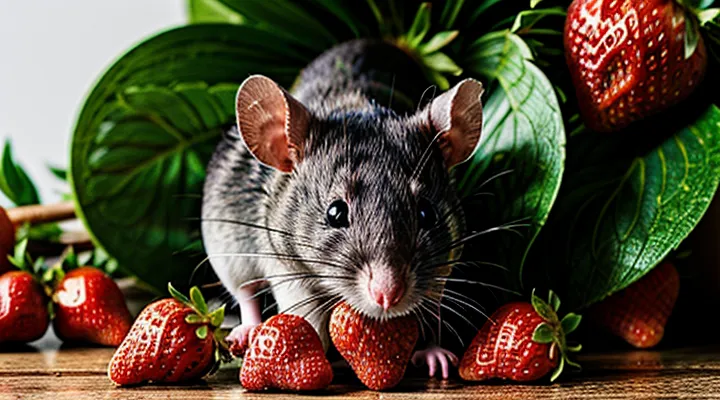
The Sweet Truth About Strawberries and Pet Rats
Nutritional Benefits of Strawberries for Rats
Vitamins and Minerals
Strawberries provide a range of micronutrients that can complement a rat’s standard diet when offered in moderation. The fruit supplies vitamin C, a potent antioxidant that supports immune function and tissue repair. Rats synthesize vitamin C endogenously, so the additional amount from strawberries does not replace dietary requirements but can enhance overall antioxidant capacity.
Key minerals present in strawberries include potassium, which assists in maintaining fluid balance and nerve transmission, and manganese, a cofactor for enzymes involved in carbohydrate metabolism. The fruit also contains small amounts of magnesium and iron, contributing to bone health and oxygen transport, respectively. These minerals are beneficial when integrated into a balanced feeding regimen, yet they should not constitute the primary source of any essential element.
Potential concerns relate to the fruit’s natural sugar content and acidity. Excessive sugar may disrupt gut flora, while high acidity could irritate the oral cavity or gastrointestinal lining. To mitigate risks, limit strawberry portions to no more than a few bite‑sized pieces per week and monitor the animal for signs of digestive upset.
Nutrient summary for strawberries (per 100 g):
- Vitamin C: ~59 mg
- Potassium: ~153 mg
- Manganese: ~0.4 mg
- Magnesium: ~13 mg
- Iron: ~0.4 mg
- Total sugars: ~4.9 g
- Dietary fiber: ~2 g
Incorporating strawberries as an occasional treat can enrich a pet rat’s intake of vitamins and minerals without compromising health, provided the quantity remains limited and the fruit is washed to remove pesticide residues. Regular observation ensures that the supplement aligns with the animal’s overall nutritional plan.
Antioxidants
Strawberries contain a range of antioxidant compounds, notably vitamin C, anthocyanins, and ellagic acid. These molecules neutralize free radicals, reducing oxidative stress that can damage cellular structures. In rodents, including domesticated rats, oxidative stress is linked to accelerated aging, immune decline, and metabolic disorders; therefore, dietary antioxidants may support overall health.
When evaluating strawberry consumption for pet rats, consider the following factors:
- Nutrient density – A single medium strawberry provides approximately 7 mg of vitamin C, exceeding the daily requirement for an average adult rat (≈2 mg). Excess vitamin C is excreted, but chronic oversupply can lead to gastrointestinal upset.
- Fiber content – Strawberries supply soluble fiber, which can aid digestive motility. Excessive fiber may cause loose stools in small animals.
- Sugar level – Natural fructose in strawberries contributes to caloric intake. A rat weighing 300 g should receive no more than 2–3 g of added sugars per day; a few bite‑sized pieces of strawberry fall within this limit.
- Pesticide residue – Residues may introduce toxicants that overwhelm antioxidant defenses. Use organic fruit or wash thoroughly before offering.
Safety guidelines for incorporating strawberries into a rat’s diet:
- Offer only fresh, ripe fruit; discard stems and leaves, which contain low levels of toxic compounds.
- Limit servings to 1–2 small pieces (approximately 5 g) per feeding, no more than three times weekly.
- Observe the animal for signs of digestive disturbance after the first exposure; discontinue if diarrhea or reduced appetite occurs.
- Combine strawberries with a balanced commercial pellet diet that already supplies essential vitamins and minerals.
Research on rodent models indicates that regular, moderate intake of antioxidant‑rich fruits can improve markers of oxidative damage, such as reduced malondialdehyde levels, and enhance immune cell function. However, the benefit is dose‑dependent; excessive fruit can displace protein and fat sources critical for growth and reproduction.
In summary, strawberries provide antioxidants that are biochemically compatible with rat physiology. Controlled, occasional feeding aligns with nutritional requirements and minimizes health risks, making the fruit a suitable occasional treat for pet rats.
Are Strawberries Safe for Pet Rats?
Potential Risks and Concerns
Sugar Content and Diabetes
Strawberries contain measurable amounts of natural sugars, which can affect a rat’s blood‑glucose regulation. A standard 100‑gram serving provides roughly 4.9 g of sucrose, fructose, and glucose combined. For a typical pet rat weighing 250 g, this portion represents a substantial caloric contribution relative to its daily intake of 15–20 g of food.
Rats metabolize carbohydrates rapidly; excess glucose enters the bloodstream, prompting insulin release. Persistent high‑sugar diets increase the risk of insulin resistance, a primary factor in the development of diabetes mellitus in rodents. Laboratory studies show that diets exceeding 10 % of total calories from simple sugars elevate fasting glucose levels and impair glucose tolerance in rats.
Guidelines for offering strawberries to pet rats:
- Limit fresh fruit to no more than 5 g per week, equivalent to a single small slice.
- Monitor body weight and activity; weight gain above 20 % of baseline warrants diet adjustment.
- Provide a balanced diet rich in fiber, protein, and complex carbohydrates; replace fruit treats with vegetables low in sugar, such as broccoli or kale.
- Observe for signs of hyperglycemia—excessive thirst, increased urination, lethargy—and consult a veterinarian promptly if they appear.
Oxalates and Kidney Stones
Strawberries are occasionally offered to pet rats as a sweet snack, but they contain oxalic acid, which the animal converts to oxalate ions after digestion. Oxalate binds calcium in the urinary tract, forming calcium‑oxalate crystals that can aggregate into stones. Rats, like other mammals, excrete most oxalate via the kidneys; excessive intake overwhelms renal clearance and raises stone‑formation risk.
Oxalate absorption in rats occurs primarily in the small intestine. Once absorbed, the compound circulates bound to calcium, magnesium, or iron, reducing its solubility. When urinary supersaturation of calcium‑oxalate exceeds a threshold, nucleation begins, leading to crystal growth. Repeated exposure to high‑oxalate foods accelerates this process, especially in animals with limited water intake or pre‑existing renal stress.
Risk assessment should consider fruit portion size, frequency, and overall diet composition. A single small strawberry (approximately 5 g) contributes roughly 0.1 g of oxalate, a level that most healthy adult rats can tolerate if water is plentiful and calcium sources are adequate. Repeated feeding of larger quantities can push oxalate intake above safe limits.
Guidelines for safe strawberry feeding
- Offer no more than one half‑to‑whole small strawberry per week.
- Ensure constant access to fresh water to dilute urinary solutes.
- Pair strawberries with calcium‑rich foods (e.g., fortified pellets, leafy greens) to reduce free oxalate.
- Monitor for signs of urinary distress: frequent urination, blood‑tinged urine, or reduced output.
When these precautions are followed, occasional strawberry treats do not pose a significant threat of calcium‑oxalate kidney stones in pet rats. Continuous high‑oxalate feeding should be avoided to maintain renal health.
Pesticides and Washing Importance
Pet rats may be offered strawberries as an occasional treat, but the presence of pesticide residues poses a health risk. Insecticides, fungicides, and herbicides applied during cultivation can remain on the fruit surface even after harvest. When a rat ingests these chemicals, possible effects include gastrointestinal irritation, liver strain, and neurological disturbances, especially in young or immunocompromised animals.
Washing strawberries reduces residue levels dramatically. Effective cleaning involves:
- Rinsing under cool, running water for at least 30 seconds.
- Gently agitating the berries with hands or a soft brush to dislodge particles.
- Soaking in a solution of one part white vinegar to three parts water for five minutes, then rinsing again.
- Patting dry with a clean paper towel before serving.
If washing is omitted, pesticide concentrations can exceed safe thresholds for small mammals. Regularly cleaning fruit also removes dirt, mold spores, and insects that could introduce additional pathogens. For pet rat owners, the combination of thorough washing and limited portion sizes ensures that strawberries remain a safe, nutritious supplement without compromising the animal’s well‑being.
How to Safely Feed Strawberries to Your Rat
Proper Preparation
Strawberries can be a safe treat for domestic rats when they are prepared correctly. Fresh fruit must be free of pesticides, mold, or bruises that could harbor bacteria. Wash the berries thoroughly under running water, then pat dry with a clean cloth or paper towel. Remove the green tops and any damaged sections before offering the fruit.
Proper portion control prevents digestive upset. A single, small slice—approximately one‑quarter of a medium strawberry—provides flavor without excess sugar. Introduce the treat gradually, observing the animal for signs of intolerance such as diarrhea or loss of appetite.
When serving, cut the fruit into bite‑size pieces that a rat can grasp easily. Avoid adding sweeteners, syrups, or sauces, as these introduce unnecessary sugars and artificial ingredients. Store any unused portions in a sealed container in the refrigerator and discard after 24 hours to maintain freshness.
Key steps for safe preparation:
- Rinse thoroughly, remove tops, discard spoiled parts.
- Dry completely to eliminate residual moisture.
- Portion to a quarter‑slice per rat, adjust based on size and health.
- Cut into manageable pieces, no additives.
- Refrigerate leftovers, use within one day.
Following these guidelines ensures that strawberries serve as a nutritious, low‑risk supplement to a rat’s regular diet.
Serving Size Recommendations
Strawberries provide vitamin C, fiber, and natural sugars, making them a suitable occasional treat for domesticated rats when offered in controlled amounts. Rats’ digestive systems tolerate the fruit’s acidity, but excessive intake can cause diarrhea or disrupt balanced nutrition.
- Maximum daily portion: 2–3 grams of fresh strawberry flesh per 100 grams of body weight (approximately one to two small bite‑sized pieces for an average adult rat).
- Frequency: No more than three servings per week to prevent overconsumption of sugar.
- Preparation: Remove stems and leaves, wash thoroughly, and cut into uniform cubes to ensure consistent dosing.
- Monitoring: Observe the animal for changes in stool consistency or appetite after the first exposure; discontinue if adverse effects appear.
When integrating strawberries into a rat’s diet, combine the fruit with a staple of high‑quality rodent pellets and fresh vegetables to maintain overall nutrient balance.
Frequency of Feeding
Strawberries can be offered to pet rats as an occasional treat, but the feeding schedule must respect their dietary balance. A single small slice (approximately ½ cm thick) is sufficient for an adult rat; younger or smaller individuals require even less.
- Maximum frequency: once or twice a week
- Minimum interval between servings: at least three days
- Portion control: limit to 2–3 g of fresh fruit per serving
Excessive fruit intake introduces unnecessary sugars, which may lead to obesity, dental decay, or gastrointestinal upset. Observe the animal after each feeding; signs such as loose stools, decreased activity, or weight gain indicate that the frequency should be reduced.
Integrate strawberries into a varied diet that primarily consists of high‑quality rodent pellets, fresh water, and a modest amount of leafy greens. By adhering to the outlined schedule, owners ensure that the occasional strawberry enhances enrichment without compromising health.
Alternative Fruit Treats for Rats
Safe and Healthy Options
Strawberries can be offered to pet rats as an occasional treat when prepared correctly. The fruit’s natural sugars are moderate, and its vitamin C content supports immune function, but rats require limited portions to avoid digestive upset. Cut the berry into small cubes, remove the stem, and rinse thoroughly to eliminate pesticide residues. One to two bite‑size pieces per week suffice for an adult rat weighing 300–400 g.
When selecting safe fruit options, prioritize those with low acidity and minimal seed content. Recommended alternatives include:
- Blueberries, halved and rinsed
- Apple slices, core removed, thinly sliced
- Pear wedges, skin removed
- Small pieces of banana, no more than a few millimeters thick
All fresh produce should be introduced gradually, monitoring the animal for signs of diarrhea or reduced appetite. Discard any uneaten fruit after 24 hours to prevent mold growth. Store fresh strawberries in the refrigerator, sealed in a breathable container, and use within two days of purchase.
If a rat shows intolerance, replace the fruit with a vegetable such as carrot or cucumber, which provide fiber and hydration without excessive sugar. Balanced nutrition for rats remains centered on a high‑quality commercial pellet diet, supplemented by occasional fresh foods that meet the criteria of safety, digestibility, and nutritional value.
Fruits to Avoid
Pet rats can enjoy strawberries in moderation, but several fruits pose health risks and should be excluded from their diet.
- Citrus fruits (orange, lemon, lime, grapefruit): high acidity can cause stomach irritation and renal stress.
- Grapes and raisins: contain toxins that can lead to acute kidney failure.
- Avocado: persin in the flesh and pit is cardiotoxic to rodents.
- Cherries (including pits): cyanogenic glycosides in pits release cyanide; flesh may cause digestive upset.
- Tomato fruit (ripe): solanine levels can be neurotoxic; leaves and stems are more hazardous.
- Mango skin and pit: contain urushiol, a skin irritant, and the pit is a choking hazard.
- Pineapple core: tough fibers may cause intestinal blockage; high bromelain activity can irritate the mucosa.
These fruits should never be offered, even in small amounts. When providing fruit treats, choose low‑sugar, low‑acid options such as strawberries, apple slices (without seeds), or blueberries, and limit portions to no more than 10 % of the rat’s total daily intake. Regular monitoring for signs of digestive distress ensures safe consumption.