
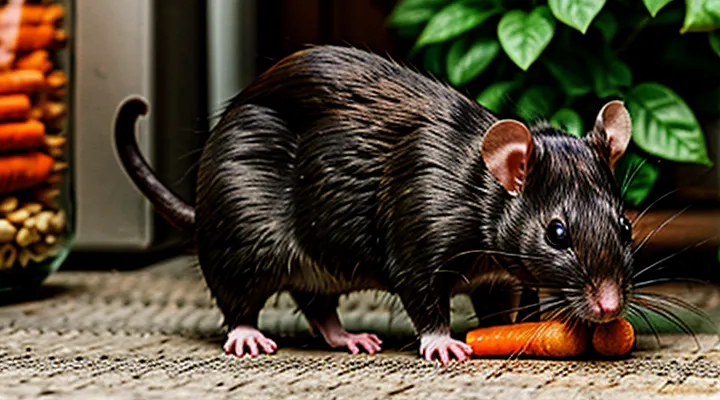
Carrots and Pet Rats: The Short Answer
Pet rats may consume carrots, but only as a supplemental treat.
Carrots offer beta‑carotene, fiber, and vitamin A, which can benefit a rat’s diet when presented in limited quantities. Raw carrots must be washed thoroughly to remove pesticide residues and cut into bite‑size pieces to prevent choking.
Guidelines for feeding carrots to pet rats:
- Offer no more than one to two small carrot sticks per week.
- Ensure pieces are no larger than a fingertip.
- Monitor the rat for signs of loose stool or reduced appetite after introduction.
- Avoid canned or glazed carrots, which contain added sugars and preservatives.
Excessive carrot intake can lead to elevated blood sugar levels and digestive upset. Incorporating carrots occasionally, alongside a balanced commercial rat diet, provides nutritional variety without compromising health.
Nutritional Benefits of Carrots for Rats
Vitamins and Minerals
Carrots supply a range of micronutrients that can complement a rat’s diet when offered in moderation. The root vegetable contains beta‑carotene, which the animal’s metabolism converts to vitamin A, supporting retinal health and immune function. Vitamin C is present in small amounts; rats synthesize this vitamin endogenously, so dietary contribution is not essential but does not cause harm at typical serving sizes.
Key minerals found in carrots include:
- Potassium: assists in maintaining cellular electrolyte balance.
- Calcium: contributes to bone formation, though rats obtain the majority of this mineral from fortified pellets.
- Phosphorus: works with calcium to support skeletal development.
- Magnesium: participates in enzymatic reactions and nerve transmission.
Excessive carrot intake may lead to an imbalance of sugar and fiber, potentially causing gastrointestinal upset or weight gain. A serving of ¼–½ teaspoon of grated raw carrot per day for a standard adult laboratory rat provides beneficial micronutrients without surpassing caloric limits. For juvenile or pregnant rats, reduce portions to avoid unnecessary caloric load.
When integrating carrots, ensure the primary diet remains a nutritionally complete rat pellet formulated to meet all essential amino acids, fatty acids, vitamins, and minerals. Carrots should function as a supplemental source of beta‑carotene and trace minerals, not as a staple component.
Fiber Content
Carrots provide a notable amount of dietary fiber, typically 2.8 g per 100 g of raw product. This fiber consists mainly of soluble pectin and insoluble cellulose, both of which influence gastrointestinal transit in rodents.
- Soluble pectin forms a gel-like matrix that can moderate blood glucose spikes after a meal.
- Insoluble cellulose adds bulk, promoting regular bowel movements and reducing the likelihood of fecal impaction.
Pet rats require fiber to maintain gut motility, but excessive intake may lead to loose stools or dehydration. A safe serving size for an average adult rat (≈250 g body weight) is roughly ¼ – ½ g of raw carrot, equivalent to a small bite. This portion contributes less than 1 % of the recommended daily fiber intake for the species, ensuring digestive benefits without overwhelming the system.
When offering carrots, remove any tops or leaves, as they contain higher concentrations of oxalates, which can precipitate kidney stones. Serve the vegetable fresh, cut into bite‑size pieces, and monitor fecal consistency for the first 24 hours. Adjust the frequency if stool softens beyond normal consistency.
In summary, the fiber in carrots supports normal intestinal function in pet rats when provided in modest amounts, complements a balanced diet, and should be introduced gradually to observe individual tolerance.
Potential Risks and Considerations
Choking Hazard
Carrots are a popular treat for domesticated rats, but their firm texture and potential size present a choking risk. Rats have small throats and incisors that can break off fragments, which may obstruct the airway if the vegetable is offered in large or hard pieces.
The danger increases when carrots are given raw and cut into chunks larger than a pea. Sharp edges can slip past the molars, and the dense core may not be softened enough for safe swallowing. Even softened carrots can form compact masses that block the trachea if the rat bites aggressively.
Safe presentation requires:
- Cutting the carrot into strips no wider than 0.5 cm and no longer than 1 cm.
- Steaming or boiling the pieces for 2–3 minutes to reduce hardness.
- Allowing the cooled pieces to dry slightly, preventing excess moisture that encourages rapid chewing.
- Offering only one or two small pieces per feeding session.
- Observing the rat while it eats and removing any uneaten fragments promptly.
Monitoring the rat’s response and adjusting portion size eliminates the primary choking hazard while preserving the nutritional benefit of carrots.
Oxalate Content
Carrots contain oxalates, organic acids that can bind calcium and form crystals in the urinary tract. In rats, excessive oxalate intake may increase the risk of kidney stones and reduce calcium absorption, potentially leading to skeletal issues.
Typical raw carrot pieces contain approximately 0.1 g of oxalates per 100 g of flesh. For a common pet rat weighing 250 g, the tolerable daily oxalate intake is estimated at 0.02 g. Feeding a whole carrot exceeds this limit, while a small slice (about 5 g) remains within safe parameters.
Guidelines for occasional carrot treats:
- Offer no more than 5 g of raw carrot per rat per day.
- Provide the carrot in bite‑size pieces to ensure even consumption.
- Rotate with low‑oxalate vegetables (e.g., cucumber, lettuce) to maintain dietary balance.
Monitoring urine color and frequency can reveal early signs of oxalate‑related problems. If a rat shows signs of discomfort, reduced drinking, or abnormal urine, discontinue carrot feedings and consult a veterinarian.
Sugar Content
Carrots contain approximately 4.7 grams of sugars per 100 grams of raw product, primarily glucose, fructose, and sucrose. This level is modest compared to many fruits but exceeds the typical sugar intake of a standard laboratory rat diet, which averages 2–3 grams of total carbohydrates per 100 grams of feed.
- A single baby‑carrot (≈15 g) supplies about 0.7 g of sugar, representing roughly 30 % of the daily carbohydrate allowance for an adult pet rat.
- Excessive sugar can lead to gastrointestinal upset, obesity, and dental decay in rodents.
- Introducing carrots gradually allows the rat’s digestive system to adapt and reduces the risk of diarrhea.
- Combining carrots with high‑fiber, low‑sugar foods (e.g., leafy greens, hay) balances overall carbohydrate intake.
When carrots are offered as an occasional treat—no more than two small pieces per week—they contribute nutritional vitamins without surpassing safe sugar thresholds. Regular monitoring of weight and stool consistency confirms that the carbohydrate load remains within acceptable limits for healthy pet rats.
Feeding Carrots to Pet Rats: Best Practices
Raw vs. Cooked Carrots
Pet rats may include carrots in a balanced diet, but the form of the vegetable influences nutritional value and safety. Raw carrots retain most of their fiber, beta‑carotene, and vitamin C, which support digestive health and immune function. However, the high cellulose content can be tough for a rat’s small incisors and gastrointestinal tract, especially for younger or dental‑compromised individuals. Offering raw carrot in small, bite‑sized pieces reduces choking risk and allows the animal to chew, promoting dental wear.
Cooked carrots become softer, making them easier to ingest and digest. Heat breaks down some cellulose, increasing the availability of sugars and certain nutrients such as provitamin A. Overcooking, however, destroys vitamin C and can create a mushy texture that lacks the tactile stimulation rats obtain from chewing raw produce. Steaming or boiling carrots briefly—no more than five minutes—preserves most nutrients while softening the texture.
Feeding guidelines:
- Offer raw carrot in moderation, no more than one to two small cubes per day.
- Provide cooked carrot as an occasional supplement, ensuring it is cooled and unsalted.
- Avoid adding butter, oil, or seasoning; plain preparation prevents gastrointestinal upset.
- Rotate carrot with other vegetables to maintain a varied nutrient profile.
Both raw and cooked carrots are safe when introduced gradually and monitored for signs of digestive distress. Selecting the appropriate form depends on the individual rat’s age, dental health, and preference.
Preparation Methods
Pet rats can safely consume carrots when the vegetable is prepared correctly. Proper preparation removes potential contaminants, reduces choking hazards, and makes the nutrient content more accessible.
- Wash the carrot thoroughly under running water to eliminate soil and pesticide residues. Use a vegetable brush if the surface is rough.
- Peel the outer layer only if the carrot is not organic or if the skin feels tough. The skin contains fiber and vitamins; removing it unnecessarily reduces nutritional value.
- Cut the carrot into bite‑size pieces, approximately ¼‑inch cubes or thin sticks. Small portions prevent the rat from swallowing large chunks that could obstruct the airway.
- Offer raw pieces as a treat, limiting the amount to no more than 5 % of the rat’s daily calorie intake. Overfeeding may cause digestive upset.
- For rats that prefer softer textures, steam the carrot for 3–4 minutes until just tender. Do not add salt, butter, or seasoning; these additives can be harmful.
- Cool the cooked carrot to room temperature before serving to avoid burns.
Prepared carrot portions should be stored in an airtight container in the refrigerator and used within 24 hours. Discard any leftover pieces that have become soggy or develop mold. Following these steps ensures that carrots provide a healthy, safe supplement to a pet rat’s diet.
Portion Control
Pet rats may safely consume carrots when the amount is carefully managed. Carrots provide vitamin A, fiber, and a modest source of carbohydrates, but they lack the protein and fat required for a balanced rodent diet. Excessive carrot intake can displace essential nutrients and lead to digestive upset.
A typical portion for an adult rat consists of a bite‑sized piece, roughly ¼ of a medium carrot, offered two to three times per week. Younger rats or those with a lower body weight should receive even smaller pieces, such as a thin slice no larger than a fingertip. Overfeeding carrots more frequently than this schedule can cause loose stools and weight gain.
Guidelines for portion control:
- Measure the carrot piece by eye; it should not exceed the size of the rat’s head.
- Limit carrot servings to a maximum of three times weekly.
- Observe the rat after each feeding; any signs of diarrhea or reduced appetite indicate the portion is too large.
- Rotate carrots with other low‑calorie vegetables to maintain nutritional variety.
Consistent monitoring of portion size ensures carrots contribute beneficial nutrients without compromising the overall health of pet rats.
Frequency of Feeding
Carrots can be part of a balanced diet for domesticated rats, but they should be offered in limited quantities and on a regular schedule to avoid digestive upset and excess sugar intake. A typical feeding plan includes carrots no more than two to three times per week, with each serving not exceeding a half‑inch slice (approximately 5 g). This frequency provides nutritional variety while keeping calorie intake within safe limits.
When carrots are presented, follow these guidelines:
- Offer fresh, washed carrot pieces; discard any that are wilted or moldy.
- Limit each session to a single small piece; avoid giving whole carrots.
- Observe the rat’s reaction; cease feeding if loose stools or reduced appetite occur.
- Adjust the schedule if the rat shows signs of weight gain or loss, consulting a veterinarian for personalized advice.
Consistent timing—such as providing carrots on Mondays, Wednesdays, and Fridays—helps maintain predictable nutrient intake and simplifies monitoring of the animal’s health.
Other Safe Vegetables for Pet Rats
Pet rats thrive on a varied vegetable diet that supplements their standard pellet and occasional fruit intake. Including a range of greens and root vegetables supplies essential vitamins, minerals, and fiber while keeping meals interesting.
- Leafy greens: kale, spinach, romaine lettuce, arugula, Swiss chard
- Cruciferous vegetables: broccoli florets, cauliflower, Brussels sprouts (in small portions)
- Root vegetables: sweet potato (cooked, unseasoned), beetroot, radish (peeled)
- Other vegetables: bell pepper, cucumber, zucchini, green beans, peas, corn kernels
All vegetables should be washed thoroughly, cut into bite‑size pieces, and offered in moderation. Introduce new items one at a time, observing the rat for any signs of digestive upset. Avoid feeding raw potatoes, nightshades, or heavily processed produce, as these can be toxic or cause gastrointestinal distress. Rotate selections regularly to ensure balanced nutrient intake and to prevent picky eating habits.
Vegetables to Avoid Giving to Pet Rats
Pet rats require a balanced diet rich in protein, fiber, and low‑fat vegetables. Certain vegetables contain compounds that can harm a rat’s digestive system, interfere with nutrient absorption, or cause toxicity. Avoid offering these items to keep the animal healthy.
- Potatoes (raw or green): contain solanine, a glycoalkaloid toxin that can lead to vomiting, diarrhea, and neurological symptoms.
- Onions and garlic: contain thiosulfates that damage red blood cells, potentially causing hemolytic anemia.
- Rhubarb leaves: high in oxalic acid, which can precipitate calcium oxalate crystals and result in kidney damage.
- Avocado (especially skin and pit): contains persin, a fungicidal toxin that may cause respiratory distress and cardiac issues in rodents.
- Tomato leaves and stems: also rich in solanine; the fruit itself is safe in small amounts, but the green parts are not.
- Cabbage family (raw broccoli, cauliflower, kale): excessive amounts produce goitrogens that can disrupt thyroid function and cause gas or bloating.
- Spinach (large quantities): high oxalate content may contribute to urinary stone formation.
Providing a diet focused on safe vegetables—such as carrots, bell peppers, and leafy greens in moderation—supports proper digestion and overall well‑being. Regularly rotate approved foods to ensure nutritional variety while strictly excluding the listed vegetables.