
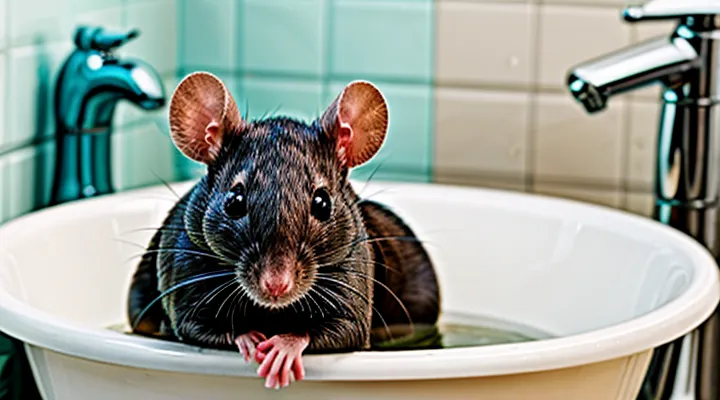
Can Pet Rats Be Bathed: An Overview
The Natural Grooming Habits of Rats
Self-Grooming Behavior
Pet rats devote a substantial portion of their daily activity to self‑grooming. This behavior serves to remove debris, distribute natural oils, and maintain the integrity of the fur and skin. When a rat engages in meticulous nibbling and licking, it reduces the need for external cleaning procedures.
Self‑grooming includes several distinct actions:
- Fore‑paws washing – the animal dips its paws in saliva before cleaning the face.
- Facial licking – rapid strokes over the eyes, ears, and snout remove irritants.
- Body grooming – alternating left‑right motions along the back and sides, often accompanied by gentle scratching with hind limbs.
- Tail maintenance – careful nibbling to keep the tail hair free of mats.
These routines create a natural barrier against pathogens. Introducing a bath that interferes with this process can strip essential oils, leading to dry skin and increased susceptibility to infection. If a bath becomes necessary—such as after exposure to toxic substances—mimicking the rat’s own techniques can mitigate adverse effects. Recommended steps:
- Use lukewarm water (approximately 30 °C) to avoid shock.
- Apply a small amount of rat‑safe, unscented shampoo, allowing the animal to spread it with its paws.
- Rinse thoroughly, ensuring no residue remains that could hinder the rat’s grooming.
- Dry gently with a soft towel; keep the rat in a warm environment until fur is completely dry.
- Encourage the rat to resume its own grooming by providing a clean, dry hide and a sand‑papered surface for scratching.
Observing the animal’s natural grooming patterns before and after a bath provides insight into its comfort level and skin health. Consistent self‑grooming reduces the frequency of full‑body baths, reinforcing the principle that external cleaning should complement, not replace, the rat’s intrinsic maintenance behavior.
When a Bath Might Be Considered
Bathing a pet rat is not routine; it is reserved for specific conditions that cannot be resolved by regular grooming.
Situations that justify a bath include:
- Presence of sticky substances such as glue, sap, or oil that cling to the fur and resist removal with a damp cloth.
- Severe skin irritation caused by parasites, allergic reactions, or chemical exposure, where a gentle wash helps soothe the area before veterinary treatment.
- Accidental immersion in contaminated water, leading to potential infection or odor that persists despite spot cleaning.
Each instance requires careful preparation: use lukewarm water, a mild rodent‑safe shampoo, and limit exposure to one to two minutes. Dry the rat promptly with a soft towel and keep it in a warm, draft‑free environment until fully dry.
If none of the above conditions apply, regular cage cleaning and occasional fur brushing remain the preferred maintenance methods.
Deciding When to Bathe Your Pet Rat
Indicators That a Bath Might Be Necessary
Unpleasant Odor
Unpleasant odor in domesticated rats often originates from accumulated urine, feces, and skin secretions. These substances adhere to the fur and cage surfaces, creating a persistent smell that can affect the animal’s environment and the owner’s comfort.
Regular grooming reduces odor without excessive bathing. A soft, damp cloth removes surface grime; a brief, lukewarm bath using a mild, rodent‑safe cleanser eliminates deeper residues. Rinse thoroughly, then pat dry with a lint‑free towel; avoid hair dryers, which can cause stress and skin irritation. Bathing more than once a month is unnecessary and may disrupt the natural protective oils of the coat.
Cage hygiene complements bathing efforts. Remove soiled bedding daily, replace with fresh material, and clean food dishes with hot, soapy water after each use. Provide absorbent, dust‑free litter to minimize urine splatter. Monitoring diet—reducing protein‑rich foods that increase waste output—further curbs odor development.
Visible Dirt or Grime
Visible dirt on a pet rat appears as discoloration, oily patches, or debris adhering to the fur, especially around the head, tail base, and hindquarters. Grime may accumulate from bedding, food residue, or environmental dust, reducing coat insulation and potentially causing skin irritation.
Identifying the need for a bath involves observing the following signs:
- Darkened or yellowish fur patches
- Sticky or greasy texture when touched
- Unusual odor emanating from the coat
- Excessive scratching or grooming attempts
When these indicators are present, a controlled cleaning routine helps maintain hygiene without compromising the animal’s natural oil balance. The recommended procedure includes:
- Preparing a shallow basin with lukewarm water (approximately 30 °C) and adding a few drops of a rodent‑safe, unscented shampoo.
- Gently immersing the rat, supporting its body to prevent stress, and using a soft fingertip or cotton swab to loosen visible grime.
- Rinsing thoroughly with clean water to remove all soap residues, ensuring no film remains on the fur.
- Patting the animal dry with a low‑lint towel, followed by a brief period in a warm, draft‑free environment to complete drying.
Regular visual checks for dirt, combined with occasional targeted baths, preserve coat health and reduce the risk of dermatological issues.
Health-Related Issues Requiring Cleaning
Pet rats accumulate debris, urine, and feces that can lead to dermatological and respiratory problems. Regular cleaning mitigates these risks.
Key health concerns that justify bathing include:
- Skin irritation caused by buildup of oils and waste, which may progress to dermatitis.
- Parasite infestations such as mites or lice, detectable by excessive scratching or visible nits.
- Persistent odor indicating bacterial overgrowth on the coat.
- Respiratory distress resulting from inhaled dust and dander trapped in fur.
- Urine stains that foster mold growth, potentially affecting ear canals and eyes.
Effective cleaning requires lukewarm water, a mild rodent‑safe shampoo, and thorough rinsing to prevent residue. Immediate drying with a low‑heat source eliminates chill risk. Post‑bath observation should focus on coat condition, breathing patterns, and behavior to confirm resolution of the identified issues.
Situations Where Bathing is Unnecessary or Harmful
Routine Bathing
Routine bathing of pet rats requires careful planning to avoid stress and skin irritation.
Bathing frequency depends on individual health and environment; most rats benefit from occasional cleaning rather than regular immersion. Over‑bathing can strip natural oils and predispose to dermatitis.
Preparation steps:
- Select a shallow, non‑slippery container filled with lukewarm water (approximately 30 °C).
- Use a mild, unscented rodent shampoo formulated for small mammals.
- Gather a soft cloth, towel, and a hair dryer with a low‑heat setting.
- Ensure the room is warm and free of drafts.
Bathing procedure:
- Gently place the rat in the water, allowing it to stand on its hind legs to keep the head above the surface.
- Apply a small amount of shampoo to the back, avoiding the face, ears, and genital area.
- Lather lightly, then rinse thoroughly with clean lukewarm water to remove all residue.
- Immediately wrap the rat in a dry towel, patting to remove excess moisture.
Post‑bath care:
- Use the low‑heat dryer at a safe distance to finish drying, keeping the airflow gentle.
- Return the rat to a warm enclosure and monitor for signs of shivering or distress.
- Inspect the coat for dryness or irritation before allowing normal activity.
Adhering to these steps maintains coat health while minimizing the risks associated with excessive bathing.
Stress or Fear of Water
Pet rats often exhibit stress when introduced to water, manifesting as frantic movement, vocalizations, or attempts to escape the bathing area. Recognizing these signs early prevents escalation into panic, which can compromise health and hinder future grooming sessions.
Minimizing anxiety begins with environmental control. A calm, quiet room reduces external stimuli; a temperature‑stable surface prevents shock from cold floors. Limiting the volume of water to a shallow tray (approximately one inch deep) allows the animal to keep paws above the surface, preserving a sense of security.
Effective desensitization follows a gradual exposure protocol:
- Place a dry towel in the tray, let the rat explore for several minutes.
- Add a few drops of lukewarm water to the towel, observe the reaction.
- Increase moisture incrementally, maintaining a calm voice and slow movements.
- Introduce a brief, gentle dip only if the rat remains composed; limit duration to 30 seconds.
If signs of distress appear at any stage—rapid breathing, frantic scrabbling, or attempts to flee—immediately withdraw the animal, dry thoroughly, and resume the process after a rest period of at least 24 hours. Consistent, low‑stress exposure gradually builds tolerance, enabling safe and effective cleaning without triggering fear of water.
Health Conditions Advising Against Bathing
Pet rats with respiratory infections, such as pneumonia or sinusitis, should not be bathed. Moisture can exacerbate airway inflammation and increase the risk of hypothermia. Skin disorders, including dermatitis, fungal infections, or open wounds, also contraindicate bathing because water can spread pathogens and delay healing. Rats recovering from surgery or invasive procedures require a dry environment to prevent suture rupture and infection. Animals with compromised immune systems—due to chronic disease, advanced age, or recent antibiotic treatment—are vulnerable to stress‑induced immunosuppression caused by sudden temperature changes.
Conditions that advise against bathing include:
- Active respiratory infection or coughing
- Dermatitis, fungal infection, or any skin lesion
- Post‑operative recovery period (typically 7–10 days)
- Immunodeficiency or recent systemic illness
When any of these health issues are present, alternative grooming methods—such as spot cleaning with a damp cloth, regular cage cleaning, and providing chew toys—maintain hygiene without exposing the rat to the hazards of a full bath.
Proper Bathing Techniques for Pet Rats
Preparing for a Rat Bath
Essential Supplies
Bathing a pet rat requires a specific set of items to ensure safety, comfort, and effective cleaning. Selecting appropriate supplies minimizes stress and prevents injury.
Essential supplies include:
- Shallow, non‑slip basin made of plastic or stainless steel, sized to allow the rat to stand without submerging its head.
- Warm water maintained at approximately 30 °C, measured with a thermometer to avoid temperature extremes.
- Mild, rodent‑safe shampoo formulated without harsh chemicals, fragrance, or detergents.
- Soft, lint‑free towels for gentle drying and absorption of excess moisture.
- Hairdryer with adjustable low‑heat setting, positioned at a safe distance to prevent overheating.
- Disposable gloves to protect the handler’s hands and reduce the transfer of scents.
- Clean, disinfected grooming brush with soft bristles for post‑bath coat inspection.
- Pet‑grade ear cleaning solution applied with a dropper for ear hygiene, if needed.
Each item serves a distinct purpose: the basin provides a controlled environment; temperature regulation prevents hypothermia; the specialized shampoo cleans without irritating skin; towels and low‑heat airflow expedite drying; gloves maintain hygiene; the brush detects parasites or skin issues; and ear solution maintains auditory health. Assembling these supplies before the bath streamlines the process and promotes consistent, humane care.
Creating a Safe and Calm Environment
A calm setting reduces stress during a rat’s bath and supports effective cleaning. Choose a quiet room, eliminate sudden noises, and keep the space free of predators or unfamiliar animals. Maintain ambient temperature between 20 °C and 24 °C to prevent chill.
- Prepare a shallow basin with lukewarm water; depth should not exceed the animal’s belly height.
- Place a non‑slippery mat at the bottom to give secure footing.
- Use a soft, pet‑safe shampoo diluted according to manufacturer instructions.
- Handle the rat gently, supporting the body from behind the shoulders; avoid gripping the tail.
- Limit exposure time to two minutes or less; monitor breathing and movement continuously.
After washing, wrap the rat in a dry towel and place it in a warm, draft‑free enclosure. Provide a brief period of quiet observation before returning the animal to its regular habitat. This routine promotes a secure atmosphere and minimizes anxiety associated with bathing.
The Bathing Process
Water Temperature and Depth
Bathing pet rats requires precise control of water temperature and careful selection of water depth. Water that is too cold induces stress, while excessively hot water risks burns. The optimal temperature range lies between 30 °C and 35 °C (86 °F–95 °F). Use a calibrated thermometer to verify temperature immediately before each bath.
Depth must allow the rat to remain upright without submerging its head. Recommended depth varies with the animal’s size:
- Small adult rats: 1–2 cm (0.4–0.8 in) of water, enough to wet the body while keeping the head above the surface.
- Larger or juvenile rats: up to 3 cm (1.2 in) if the animal can comfortably keep its head clear.
Maintain a shallow bowl or sink that prevents accidental slipping. After bathing, promptly dry the rat with a soft towel and keep it in a warm, draft‑free environment until completely dry.
Gentle Washing Methods
Gentle washing of pet rats requires a calm environment, lukewarm water, and a mild, unscented cleanser designed for small mammals. The process should minimize stress and protect the animal’s delicate skin and fur.
Prepare a shallow container with water no higher than the rat’s belly, maintaining a temperature between 30 °C and 35 °C. Place a soft towel at the bottom to prevent slipping. Moisten a cotton ball or soft cloth with the cleanser, then gently dab the fur, avoiding the face, ears, and eyes. Rinse with a separate cloth dampened with clean water to remove all soap residue. Pat the rat dry with a clean, absorbent towel, then keep the animal in a warm, draft‑free area until fully dry.
Key points for a safe, gentle wash:
- Use a cleanser labeled safe for rodents; avoid shampoos containing fragrances or harsh chemicals.
- Limit exposure to water to 2–3 minutes; prolonged soaking can lead to hypothermia.
- Handle the rat with a secure but gentle grip, supporting the body to prevent injury.
- After drying, inspect the coat for signs of matting or skin irritation and address any issues promptly.
Regular grooming, combined with occasional gentle washes, maintains coat health and reduces the risk of odor or skin problems without compromising the rat’s well‑being.
Appropriate Shampoos and Soaps
Appropriate shampoos and soaps for bathing pet rats must meet specific safety criteria. Formulations should be mild, free of harsh detergents, and lack strong fragrances that could irritate sensitive skin. Products designed for small mammals, laboratory rodents, or reptile care are generally suitable because they are low‑pH and non‑toxic. Human shampoos, especially those containing sulfates, parabens, or essential oils, can disrupt the natural oil balance and cause dermatitis.
Key characteristics of suitable cleansers:
- Unscented or lightly scented with hypoallergenic ingredients
- pH near neutral (6.5‑7.5) to match rodent skin
- Free of dyes, alcohol, and aggressive surfactants
- Formulated for small animals or veterinary use
Commonly recommended options include:
- Veterinary‑grade rodent shampoo, often labeled “for rats, mice, and hamsters”
- Diluted baby shampoo (1 part shampoo to 4 parts warm water) when a pet‑specific product is unavailable
- Calcium‑based soap flakes dissolved in water, providing gentle cleansing without residue
Before use, perform a spot test on a small area of the rat’s fur to confirm tolerance. Rinse thoroughly to eliminate any soap residue, which can lead to skin dryness. Dry the animal with a soft towel; avoid using hair dryers, as high heat may cause stress or burns. Regular bathing should be limited to situations where the rat is visibly dirty or has a medical condition requiring cleaning; excessive washing can strip protective oils.
Drying Your Rat After a Bath
Towel Drying
Towel drying completes the cleaning routine for a pet rat and prevents prolonged exposure to moisture, which can lead to hypothermia and skin irritation.
Select a clean, soft, lint‑free towel; cotton or microfiber works best. Place the rat on the towel and gently press to absorb excess water. Avoid vigorous rubbing, which can damage delicate fur and skin.
Key actions for effective drying:
- Wrap the animal loosely, allowing airflow while retaining warmth.
- Pat the body, tail, and paws with light pressure until the surface feels dry to the touch.
- Inspect for residual dampness, especially in the ear folds and under the tail, and address any spots with a fresh towel segment.
- Monitor the rat’s body temperature; if shivering occurs, provide a warm environment for a few minutes before returning to the cage.
Consistent towel drying, performed promptly after each bath, supports healthy coat condition and reduces the risk of temperature‑related complications.
Avoiding Drafts and Cold Exposure
When bathing a pet rat, protecting the animal from drafts and cold air is essential for preventing stress and illness.
Maintain a stable ambient temperature in the bathing area; a room heated to 20‑22 °C provides a comfortable environment. Close windows, doors, and vents that could generate airflow. If heating is unavailable, use a portable heater set on low, ensuring it does not blow directly on the rat.
Position the bathing container on a stable, insulated surface such as a silicone mat. Avoid placing the container near air‑conditioning vents or fans.
After the bath, wrap the rat promptly in a soft, dry towel. Gently pat the fur to remove excess moisture, then place the animal in a warm, draft‑free enclosure. Provide a heat source, such as a low‑intensity heating pad covered with a towel, to maintain body temperature until the fur is completely dry.
Regularly check the enclosure for gaps that could admit cold air. Seal any openings with weather‑stripping or fabric.
Key practices for minimizing exposure to drafts and cold:
- Keep the bathing room temperature constant.
- Eliminate direct airflow from vents, fans, and open windows.
- Use insulated surfaces and towels to retain heat.
- Provide a warm recovery area immediately after bathing.
Adhering to these measures ensures the rat remains comfortable and reduces the risk of hypothermia during and after the bathing process.
Alternative Drying Methods
Bathing small rodents requires prompt and effective drying to prevent hypothermia and skin irritation. Traditional towel drying can be supplemented with methods that maintain gentle warmth while removing moisture.
- Use a low‑heat hair dryer set to the coolest or warmest setting below 30 °C; keep the nozzle at least 15 cm from the animal’s fur.
- Place the rat in a pre‑warmed enclosure (≈28 °C) with low humidity; a small heating pad on low will provide consistent warmth.
- Provide a layer of absorbent bedding such as paper‑based pellets; the rat can nest and air‑dry while remaining comfortable.
- Direct a gentle stream of filtered air from a fan positioned at a safe distance; airflow accelerates evaporation without chilling.
- Insert desiccant packets (silica gel, food‑grade) into a breathable pouch placed near the rat’s resting area; the packets draw moisture from the surrounding air.
Safety measures are mandatory. Monitor ambient temperature continuously; excessive heat can cause burns. Observe the rat for signs of stress, such as rapid breathing or frantic movement, and pause the drying process if needed. Avoid direct contact of the dryer with the skin to prevent localized overheating.
Implementation steps:
- After rinsing, pat the fur lightly with an absorbent cloth to remove excess water.
- Select one alternative method based on available equipment and the rat’s tolerance.
- Initiate the method for a maximum of five minutes, then reassess dryness by gently feeling the coat.
- Continue with short intervals until the fur feels dry to the touch, ensuring the animal remains active and warm throughout.
These techniques provide reliable moisture removal while minimizing handling stress and supporting the health of pet rats after bathing.
Post-Bathing Care and Considerations
Ensuring Your Rat's Comfort and Health
Monitoring for Stress or Discomfort
Bathing a pet rat requires vigilant observation for any indication of stress or discomfort. Immediate signs include rapid breathing, vocalizations, excessive grooming, attempts to escape the water, and sudden immobility. Secondary cues involve changes in posture such as hunching, tail twitching, or a flattened ear position.
Effective monitoring relies on consistent assessment before, during, and after the bath. Steps include:
- Conduct a brief health check prior to immersion; note baseline behavior and coat condition.
- Observe the animal’s reaction within the first few seconds of water contact; record any avoidance or agitation.
- Maintain a calm environment with minimal noise and gentle handling; any abrupt movements can amplify distress.
- After the bath, watch for signs of shivering, lethargy, or loss of appetite; these may indicate lingering discomfort.
If any of the listed behaviors appear, discontinue the bathing process immediately and provide a warm, dry area for recovery. Re‑evaluation after a short interval determines whether future baths are advisable or if alternative cleaning methods should replace water immersion.
Skin and Coat Health After Bathing
Bathing a pet rat removes surface oils that protect the skin and coat; without proper after‑care the animal may develop dryness, irritation, or loss of fur quality.
Immediately after rinsing, gently pat the body with a lint‑free towel to remove excess water. Avoid vigorous rubbing, which can damage delicate fur. Transfer the rat to a warm, draft‑free area and allow natural evaporation; direct heat sources such as hairdryers can cause burns and should not be used.
To restore moisture, apply a thin layer of a rodent‑safe, hypoallergenic conditioner or a few drops of a mineral oil formulated for small mammals. The product must be free of fragrances and harsh chemicals, as these can exacerbate skin sensitivity.
Observe the skin for signs of redness, swelling, or flaky patches within 24 hours. Persistent abnormalities warrant veterinary examination to rule out dermatitis, fungal infection, or allergic reaction.
Best practices for maintaining skin and coat health after a bath
- Pat dry with a soft towel; do not rub.
- Provide a warm, still environment for 15–30 minutes.
- Use a veterinarian‑approved conditioner or mineral oil sparingly.
- Inspect the fur and skin daily for irritation.
- Limit bathing frequency to every 4–6 weeks, unless a specific medical need dictates otherwise.
Consistent adherence to these steps supports a healthy integumentary system and preserves the natural sheen of the rat’s coat.
Alternatives to Full Baths
Spot Cleaning
Spot cleaning offers a targeted approach to maintain a rat’s hygiene without the stress of a full immersion. The technique focuses on removing localized dirt, urine stains, or minor skin debris while preserving the animal’s natural coat oils.
Essential supplies include a soft, lint‑free cloth, a mild rodent‑safe cleanser (e.g., a dilute solution of unscented baby shampoo or a commercial small‑animal grooming product), warm water, and a disposable towel for drying. All items should be free of strong fragrances or harsh chemicals.
- Dampen the cloth with the cleanser‑water mixture; excess liquid must be wrung out to avoid soaking the skin.
- Gently wipe the affected area, moving in the direction of hair growth to prevent matting.
- Inspect the spot for residual debris; repeat the wipe if necessary.
- Pat the cleaned region with the disposable towel until moisture is removed.
- Observe the rat for signs of irritation; if redness persists, consult a veterinarian.
Following spot cleaning, provide a dry, warm environment to allow the coat to air‑dry completely. Regular brief spot cleaning sessions, combined with periodic full‑body grooming, support overall coat health and reduce the need for complete baths.
Dust Baths
Dust baths offer a practical alternative to water bathing for domestic rats, allowing them to cleanse fur and skin while preserving natural oils. The method replicates the behavior observed in wild rodents, where fine particulate material removes debris and parasites without the stress of immersion.
The primary function of a dust bath is to absorb excess sebum, dislodge loose hair, and reduce the risk of mite infestations. By rolling in the substrate, rats achieve a self‑cleaning effect that maintains coat condition and skin health.
Materials required
- Fine, non‑toxic sand (e.g., play sand, chinchilla sand)
- Shallow, stable container with low sides
- Soft bedding for surrounding area (to prevent slipping)
- Small hand‑held brush (optional, for post‑bath grooming)
Setup procedure
- Fill the container with 1–2 inches of sand, ensuring the surface remains level.
- Place the container on a stable surface within the cage, away from food and water dishes.
- Introduce the rat to the sand, allowing it to explore and roll voluntarily.
- Observe for 10–15 minutes; if the rat shows disinterest, remove the sand and replace after a day.
- After the session, gently brush the fur to remove excess particles and inspect for skin irritation.
Dust baths should be offered two to three times per week, depending on the rat’s activity level and coat condition. Excessive exposure may lead to dryness; monitor fur texture and adjust frequency accordingly.
Safety considerations include selecting sand free of chemicals, silica, or sharp particles, and regularly cleaning the container to prevent bacterial buildup. Replace sand weekly or when it becomes visibly soiled. Ensure the rat cannot ingest large quantities, as this may cause gastrointestinal blockage.
«Dust baths mimic natural behavior», reinforcing the principle that environmental enrichment contributes directly to hygienic maintenance and overall well‑being.
Professional Grooming Considerations
Professional grooming of pet rats demands strict adherence to health‑focused protocols. Water temperature must remain between 30 °C and 34 °C to prevent thermal shock; cooler temperatures risk hypothermia, while hotter water can cause burns. Only rodent‑specific, fragrance‑free shampoos should be employed, as human or feline products contain irritants that damage delicate skin. Bath frequency should not exceed once per month, unless a medical condition necessitates more frequent cleaning; excessive bathing disrupts natural oil production and compromises coat integrity.
Key considerations include:
- Gentle handling to minimize stress; use a calm, steady grip and avoid sudden movements.
- Short immersion periods, typically no longer than two minutes, to limit exposure to moisture.
- Immediate, thorough rinsing to eliminate residual soap that may cause dermatitis.
- Controlled drying with a low‑speed, low‑heat blower or soft towels; avoid high‑temperature devices that can scorch fur.
- Post‑bath observation for signs of respiratory distress, lethargy, or skin irritation.
Appropriate equipment enhances safety and efficiency. A shallow, non‑slip basin prevents accidental drowning. Soft, natural‑bristle brushes facilitate detangling without harming skin. Absorbent, lint‑free towels accelerate moisture removal. A quiet, adjustable‑speed dryer reduces auditory stress while delivering adequate airflow. Grooming gloves with fingertip protection allow precise manipulation without risking bite injuries.
After bathing, the rat should be returned to a warm, draft‑free environment until body temperature normalizes. Cage bedding must be checked for moisture; replace damp material to avoid fungal growth. Regular inspection of coat condition, nail length, and ear cleanliness supports overall well‑being and informs future grooming schedules.