
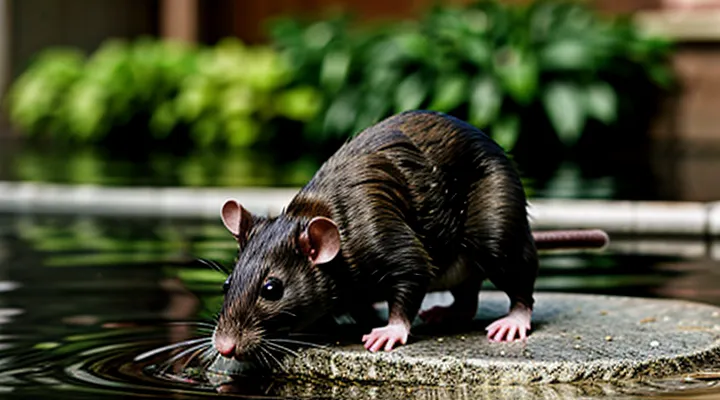
Understanding Rat Hygiene
Do Rats Need Baths?
Natural Grooming Habits
Pet rats maintain coat condition through self‑grooming. They lick fur with their tongues, use forepaws to clean hard‑to‑reach areas, and spread natural oils produced by skin glands. This routine removes debris, controls parasites, and preserves insulation.
Self‑grooming accomplishes three objectives:
- Elimination of dirt and loose hair.
- Distribution of sebaceous secretions that keep fur flexible and water‑repellent.
- Stimulation of circulation in skin and muscles.
Introducing external water interferes with the lipid layer that rats rely on for thermoregulation. Prolonged exposure can lead to skin irritation, hypothermia, and heightened stress. Consequently, routine bathing is unnecessary for healthy rats.
If a bath becomes unavoidable because of severe contamination, follow these steps:
- Use lukewarm water (≈30 °C).
- Apply a small amount of a rodent‑safe, unscented soap.
- Limit immersion to a few seconds, focusing on the affected area.
- Rinse thoroughly to remove all soap residue.
- Dry the animal with a soft towel and keep it in a warm, draft‑free environment until completely dry.
Relying on the animal’s innate grooming behavior eliminates the risks associated with frequent water baths while preserving coat health.
When a Bath Might Be Considered
Bathing a pet rat should be limited to specific conditions where the benefits outweigh the risks. Rats naturally groom themselves; water exposure can stress the animal, remove protective oils, and increase susceptibility to respiratory infections. Therefore, a bath is justified only when external factors compromise the rat’s health or hygiene.
Situations that may warrant a water bath include:
- Presence of substances that cannot be removed by spot cleaning, such as oil, paint, or toxic chemicals.
- Severe skin irritation or localized infection that requires thorough rinsing before veterinary treatment.
- Accidental immersion in a contaminated environment where immediate decontamination is necessary to prevent disease transmission.
In all other cases, use a damp cloth or specialized grooming wipes to maintain cleanliness without exposing the rat to full immersion. Consult a veterinarian before initiating a water bath to ensure the procedure aligns with the animal’s medical needs.
Risks and Benefits of Bathing Rats
Potential Dangers of Water Baths
Stress and Anxiety
Bathing pet rats influences their stress levels and anxiety responses. Water exposure triggers a physiological stress reaction, marked by elevated cortisol and increased heart rate. Rats perceive sudden temperature changes and unfamiliar sensations as threats, which can heighten anxiety if the experience is not gradual and controlled.
Key factors that affect stress during a bath:
- Temperature control – water should be lukewarm (approximately 30 °C); cold or hot water induces shock.
- Duration – limit immersion to 30 seconds to prevent prolonged discomfort.
- Acclimation – introduce the rat to a shallow, moist surface before full immersion; repeated short sessions reduce fear over time.
- Handling technique – support the animal securely, avoid restraining movements that could cause panic.
- Post‑bath environment – provide a warm, dry area for immediate drying; abrupt exposure to drafts prolongs stress.
When these conditions are met, bathing can become a neutral or mildly positive activity, allowing the rat to associate water with safety rather than danger. Conversely, neglecting temperature, duration, or proper handling leads to chronic anxiety, manifested as increased grooming, avoidance of handling, or aggression.
Implementing a structured bathing protocol minimizes stress hormones, supports skin health, and maintains the animal’s overall well‑being. Regular, brief, and predictable sessions are essential for keeping anxiety at a baseline level while preserving hygiene.
Respiratory Issues
Bathing a pet rat introduces moisture to the nasal passages and alveoli, which can provoke inflammation and fluid accumulation. Rats rely on a delicate balance of airway humidity; excess water disrupts mucosal clearance and encourages bacterial growth. Even brief exposure to standing water may trigger bronchial irritation, leading to coughing, labored breathing, or nasal discharge.
The primary respiratory complications associated with wet grooming include:
- Upper‑respiratory infection – pathogens proliferate in damp nasal tissue, causing sinusitis and rhinitis.
- Pneumonia – aspirated water or mucus can enter the lungs, resulting in inflammatory infiltrates and reduced gas exchange.
- Chronic bronchitis – repeated wetting irritates bronchial epithelium, producing persistent cough and mucus hypersecretion.
Preventive measures focus on dry cleaning methods, using damp cloths to remove debris without submerging the animal. If a rat shows signs of respiratory distress after a bath, immediate veterinary assessment is required to address potential infection or inflammation.
Skin Problems
Bathing pet rats in water can affect their skin integrity. Direct exposure to water removes natural oils, potentially leading dryness, irritation, and secondary infections. Rats groom themselves with saliva, which helps maintain a protective barrier; excessive washing disrupts this balance.
Common skin problems associated with improper bathing include:
- Dry patches: flaking or rough areas where moisture loss is pronounced.
- Redness and inflammation: localized swelling caused by irritation or allergic reaction to soaps.
- Fungal or bacterial lesions: moist environments foster microbial growth, producing pustules or ulcerated spots.
- Hair loss: traction or skin damage leads to alopecia, especially around the neck and tail base.
Prevention relies on limiting water contact to emergencies, using scent‑free, rat‑safe cleansers, and drying the animal thoroughly with a low‑heat source. If skin abnormalities appear, isolate the rat, evaluate the affected area, and apply a veterinarian‑approved topical antiseptic or antifungal agent. Regular health checks and a clean cage environment reduce the likelihood of skin complications without resorting to routine baths.
When a Water Bath Can Be Beneficial
Medical Necessity
Bathing a pet rat is justified only when a medical condition requires it. Normal grooming behavior eliminates most dirt, so routine immersion offers no health benefit and may cause stress, hypothermia, or skin irritation.
Clinical situations that warrant a water bath include:
- Severe external parasites resistant to topical treatments.
- Dermatological infection with crusted lesions that cannot be softened with wipes.
- Persistent fecal contamination that compromises wound hygiene.
- Accidental exposure to toxic substances that are water‑soluble.
In each case, the decision must be based on a veterinarian’s assessment. The practitioner will confirm the diagnosis, prescribe the appropriate bathing solution (e.g., mild antiseptic or hypoallergenic shampoo), and specify temperature (approximately 30 °C) and duration (no longer than two minutes). Post‑bath care involves thorough drying with a low‑heat source, monitoring for signs of hypothermia, and applying any prescribed topical medication.
If a rat exhibits any of the following signs, immediate veterinary consultation is recommended before considering a bath:
- Excessive scratching or biting of the skin.
- Visible sores, swelling, or discharge.
- Unusual odor indicating infection.
- Inability or reluctance to groom independently.
When medical necessity is established, the procedure should be performed in a controlled environment: a shallow, non‑slip container, minimal water depth, and a calm handling technique. Failure to follow these guidelines increases the risk of respiratory complications and stress‑induced immunosuppression.
Excessive Soiling
Excessive soiling occurs when a rat’s coat becomes heavily saturated with urine, feces, or damp bedding, leading to skin irritation, odor, and increased risk of infection. The condition often results from inadequate cage hygiene, insufficient litter changes, or the animal’s inability to keep itself clean after elimination.
Bathing a rat with water can temporarily remove surface contaminants, but it does not address the underlying cause of excessive soiling. Frequent wet baths may strip the natural oils that protect the skin, prolong drying time, and create a moist environment favorable to fungal and bacterial growth. Consequently, water baths should be limited to emergencies, such as severe matting that cannot be resolved by grooming, and followed by thorough drying with a low‑heat hair dryer or a warm, dry environment.
Practical steps to manage excessive soiling without resorting to water baths:
- Replace soiled bedding daily; use absorbent, dust‑free material.
- Provide a separate, easily cleaned area for elimination, such as a litter box with a soft, non‑absorbent surface.
- Perform regular coat inspections; trim overgrown fur that traps waste.
- Offer grooming assistance using a soft brush to remove debris and distribute natural oils.
- Monitor health for signs of dermatitis or infection; seek veterinary care if symptoms persist.
Heat Relief in Extreme Cases
Pet rats can suffer from rapid temperature rises when ambient conditions exceed 30 °C or when they are confined without ventilation. In such extreme situations, a brief immersion in water provides immediate heat dissipation, buying time until the environment can be corrected.
A safe cooling bath requires water at approximately 20–22 °C—cool enough to lower body temperature but not so cold as to induce shock. The animal should be placed gently in a shallow container, fully submerged for no longer than 30 seconds. After removal, dry the rat with a soft towel and monitor breathing and activity for at least five minutes. If signs of lethargy, trembling, or abnormal respiration appear, cease the procedure and seek veterinary assistance.
Risks include stress‑induced panic, potential aspiration of water, and rapid onset of hypothermia if the bath exceeds the recommended duration. To mitigate these hazards, limit exposure, keep the environment quiet, and handle the rat with calm, steady movements.
When water immersion is unsuitable, employ alternative heat‑relief methods:
- Position a low‑speed fan at a safe distance to promote airflow.
- Apply a damp, room‑temperature cloth to the dorsal surface for brief periods.
- Provide a ceramic cooling tile or chilled pet pad, ensuring the surface does not become too cold.
Immediate heat relief through controlled water exposure can prevent severe hyperthermia, but it must be executed with precise temperature control, time limits, and vigilant post‑bath observation.
Safe Bathing Practices for Pet Rats
Preparing for a Bath
Water Temperature
When cleaning a pet rat with water, temperature is the primary factor affecting safety and comfort. Water that is too hot can cause burns to delicate skin and respiratory distress, while water that is too cold can induce hypothermia and shock. The optimal range lies between 30 °C (86 °F) and 35 °C (95 °F). This temperature mimics the warmth of the rat’s natural nest environment and allows the animal to maintain its body heat without excessive effort.
- Use a thermometer to verify water temperature before the bath.
- Adjust the temperature gradually if the water is outside the target range.
- Test the water with a fingertip; it should feel warm, not hot.
Rats should be introduced to the water swiftly and removed promptly after cleaning. Prolonged exposure, even at the correct temperature, can lower body temperature. After the bath, dry the rat with a soft towel and keep it in a warm, draft‑free enclosure until it is completely dry. Monitoring the animal’s behavior—such as shivering, lethargy, or excessive grooming—provides immediate feedback on whether the temperature was appropriate.
Choosing the Right Products
Bathing a pet rat requires products that protect delicate skin and respiratory health. Choose items formulated specifically for small rodents or other gentle‑pet species; human or canine shampoos are unsuitable.
- Shampoo: Unscented, hypo‑allergenic, pH‑balanced (around 7). Look for labels indicating “for small animals” or “rodent‑safe.”
- Conditioner (optional): Water‑based, free of oils that can clog fur. Apply only if coat appears dry.
- Grooming wipes: Alcohol‑free, fragrance‑free, containing mild moisturizers such as aloe or chamomile.
- Towels: Soft, absorbent, preferably microfiber. Avoid rough fabrics that may irritate skin.
- Bathing bowl: Plastic or stainless‑steel container, depth no more than 2 cm, with non‑slip surface.
When evaluating a product, verify the ingredient list. Acceptable components include glycerin, oat extract, and mild surfactants like coco‑betaine. Exclude parabens, sulfates, essential oils, and artificial dyes. Confirm that the manufacturer provides a safety statement for rodents.
Store all items in a clean, dry area away from direct sunlight. Use only the recommended amount of shampoo; excess foam can enter the nasal passages and cause distress. Rinse thoroughly with lukewarm water, then pat dry with a towel before returning the rat to its enclosure.
Safe Environment
Bathing pet rats requires a controlled environment to prevent injury and stress. The area should be level, free of sharp objects, and equipped with a non‑slip surface such as a silicone mat. Water temperature must remain between 30 °C and 35 °C; colder water can cause hypothermia, while hotter water risks burns. Use a shallow container no deeper than 2 cm to limit the animal’s exposure and allow easy retrieval.
Maintain hygiene by rinsing the container before each session. Replace water if it becomes cloudy or contains soap residue. Avoid detergents; a small amount of pet‑safe, fragrance‑free shampoo diluted in water is sufficient. After cleaning, gently pat the rat with a soft, absorbent towel and place it in a warm, draft‑free enclosure until completely dry. A heating pad set to low temperature or a heated cage can accelerate drying without overheating.
Key safety measures:
- Secure the rat with a gentle grip, avoiding pressure on the tail.
- Monitor breathing; stop the bath immediately if the rat shows signs of distress.
- Keep the bathing duration under three minutes to reduce stress.
- Ensure the surrounding area is quiet and free of sudden movements.
A safe bathing environment minimizes health risks and supports the well‑being of pet rats. Regular assessment of the setup and adherence to these guidelines ensure consistent, humane care.
The Bathing Process
Gentle Handling
Gentle handling is crucial when washing a pet rat to prevent stress and injury. Approach the rat calmly, support its body with both hands, and keep movements smooth. Avoid sudden grabs or excessive pressure on the limbs.
Preparation steps:
- Fill a shallow basin with lukewarm water (approximately 30 °C).
- Place a non‑slippery mat or towel at the bottom to give the rat traction.
- Have a soft cloth or pet‑safe shampoo within reach.
During the bath:
- Gently lower the rat into the water, allowing it to feel the temperature before fully submerging.
- Use the cloth to wet the fur lightly; apply a few drops of shampoo if necessary, avoiding the eyes and ears.
- Massage the fur briefly, then rinse with clean water, ensuring no residue remains.
After rinsing, wrap the rat in a dry, absorbent towel and hold it securely while patting the fur dry. Keep the animal in a warm environment until completely dry.
Handling techniques that reduce risk:
- Keep the rat's back supported at all times.
- Use a fingertip grip on the tail only for guidance, not restraint.
- Maintain eye contact and speak softly to reassure the animal.
Consistent use of these practices minimizes trauma and promotes a positive bathing experience for both the rat and its caretaker.
Limiting Exposure
Bathing a pet rat requires strict control of water contact. Prolonged immersion increases the risk of hypothermia, skin irritation, and respiratory distress.
Rats lack natural waterproofing; their fur becomes saturated quickly, reducing insulation. Even brief exposure to cool water can lower body temperature below safe limits. Excess moisture also creates an environment for bacterial growth, which can lead to skin infections.
Limit exposure by following these parameters:
- Duration: keep the bath under two minutes.
- Frequency: bathe only when necessary, typically no more than once a month.
- Temperature: use lukewarm water, approximately 30‑32 °C (86‑90 °F).
- Volume: use a shallow container that allows the rat to stand without submerging the entire body.
- Drying: towel dry immediately, then place the animal in a warm, draft‑free area until fur is fully dry.
After each bath, observe the rat for signs of shivering, lethargy, or abnormal breathing. Promptly return the animal to a heated environment if any of these symptoms appear. Maintaining these limits preserves the rat’s health while allowing occasional cleaning when necessary.
Post-Bath Care
After a rat finishes a water bath, the first priority is to remove excess moisture. Gently pat the animal with a soft, lint‑free towel, applying pressure just enough to absorb water without irritating the skin. Avoid rubbing, which can cause hair breakage.
Allow the rat to air‑dry in a warm, draft‑free area. A temperature between 22 °C and 25 °C (72 °F–77 °F) promotes rapid drying while preventing hypothermia. Do not place the animal near direct heat sources such as radiators or hair dryers; excessive heat can scorch delicate skin.
Once the coat is dry, inspect for signs of irritation, redness, or lingering dampness. Trim any matted fur with clean, rounded scissors, and check the ears and whiskers for debris. Apply a small amount of a veterinarian‑approved, fragrance‑free moisturizer if the skin appears dry, but limit use to avoid residue buildup.
Finally, observe the rat for at least 24 hours. Record changes in behavior, appetite, or activity level. If lethargy, sneezing, or excessive scratching occur, consult a qualified veterinarian promptly.
Post‑bath care checklist
- Pat dry with a lint‑free towel; avoid rubbing.
- Place in a warm, draft‑free environment (22 °C–25 °C).
- Keep away from direct heat sources.
- Inspect coat and skin; trim matted fur if needed.
- Apply veterinarian‑approved moisturizer only when necessary.
- Monitor health and behavior for 24 hours; seek professional advice if abnormalities appear.
Alternatives to Full Water Baths
Spot Cleaning
Spot cleaning allows targeted hygiene without submerging a rat in a tub of water. A brief, damp cloth or cotton swab removes contaminants from the fur, paws, and tail while preserving the animal’s natural coat oils.
When cleaning a specific area, use lukewarm water and a mild, pet‑safe cleanser. Apply the solution to the cloth, not directly to the rat, to prevent excess moisture. Gently rub the soiled spot, then wipe with a clean, damp cloth to remove residue. Pat the area dry with a soft towel before returning the rat to its enclosure.
Key considerations for spot cleaning a pet rat:
- Limit exposure to moisture; the skin should not stay wet for more than a few seconds.
- Avoid harsh chemicals; enzymatic cleaners formulated for small mammals are suitable.
- Observe the rat’s reaction; signs of stress or discomfort indicate the need to stop immediately.
- Perform the procedure in a warm, draft‑free environment to prevent chilling.
Spot cleaning reduces the need for full‑body baths, which can be stressful and risky for rats. Regularly inspecting the coat for dirt, urine stains, or debris and addressing problems promptly maintains hygiene while minimizing water use.
Damp Cloth Wipes
Pet rats require regular grooming, but full immersion in water can cause stress and hypothermia. Damp cloth wipes provide a safe method for cleaning the fur and skin without submerging the animal.
A properly moistened, lint‑free cloth removes dirt, saliva and mild odors. The cloth should be saturated with lukewarm water, wrung out until only a thin film remains, and free of soaps or chemicals that could irritate the skin. Gently rub each body segment, paying special attention to the tail, hindquarters and the area around the ears where debris accumulates.
Benefits of using damp wipes include:
- Minimal temperature fluctuation, reducing risk of shock.
- Immediate drying, preventing prolonged moisture exposure.
- Ability to target specific spots, avoiding unnecessary handling of the entire body.
After wiping, inspect the coat for signs of parasites or skin lesions. If any abnormalities are observed, consult a veterinarian promptly. Regular use of damp cloth wipes, combined with a balanced diet and a clean cage, maintains coat condition and overall health without the hazards associated with full baths.
Professional Grooming Advice
Professional grooming for pet rats requires a clear understanding of safe cleaning methods. Direct immersion in water is generally discouraged because rats’ dense fur traps moisture, leading to hypothermia and skin irritation. Instead, use a damp cloth or specialized grooming wipes to remove debris and excess oils.
Key practices:
- Spot cleaning: Moisten a soft, lint‑free cloth with lukewarm water, add a drop of mild, rodent‑safe soap if needed, and gently rub the fur. Avoid soaking the body.
- Drying: Pat the fur with a clean towel immediately after cleaning. Allow the rat to remain in a warm, draft‑free environment until completely dry.
- Frequency: Perform spot cleaning only when the coat is visibly dirty or smells. Routine baths are unnecessary and increase stress.
- Tools: Use a fine‑tooth comb to detangle before cleaning. A grooming brush with soft bristles helps distribute natural oils and reduces matting.
- Health checks: Inspect ears, eyes, and skin during grooming. Look for redness, sores, or parasites; address any issues promptly with a veterinarian.
If a full immersion is unavoidable—such as after exposure to hazardous substances—follow these steps:
- Fill a shallow container with water no deeper than the rat’s abdomen; temperature should be 37 °C (98.6 °F).
- Submerge only the hindquarters for a maximum of 30 seconds.
- Immediately wrap the animal in a dry towel, apply gentle pressure to remove excess water, and place the rat in a pre‑heated enclosure until fully dry.
- Monitor respiration and behavior; discontinue if the rat shows signs of distress.
Adhering to these guidelines ensures a clean coat while preserving the animal’s thermoregulation and overall wellbeing.