
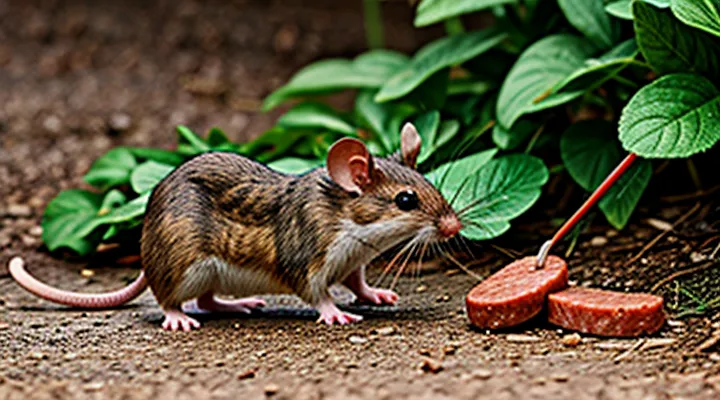
Understanding Mouse Dietary Needs
Natural Mouse Diet
Mice are primarily granivorous, consuming seeds, grains, and plant material that provide carbohydrates and fiber. Their natural intake also includes:
- Fresh fruits and vegetables (e.g., berries, leafy greens)
- Insects and arthropods (occasional protein source)
- Fungi and mold spores (minor nutritional contribution)
Protein from animal sources represents a small fraction of a wild mouse’s diet, obtained mainly through opportunistic consumption of insects or carrion. Processed meat products, such as sausage, differ markedly from these natural items in composition, containing high levels of salt, fat, and preservatives that are not typical of the foods mice encounter in their environment. While a mouse’s digestive system can break down animal protein, the excess sodium and additives present in cured meats pose health risks and are likely to be rejected by the animal’s innate taste preferences.
Consequently, the question of whether mice can eat sausage is answered by distinguishing capability from suitability: mice possess the physiological capacity to digest meat, yet their natural dietary patterns and sensory aversions make sausage an unsuitable and potentially harmful choice.
Essential Nutrients for Mice
Mice require a balanced diet that supplies macronutrients, vitamins, minerals, and essential fatty acids. Protein sources should provide all nine essential amino acids; typical laboratory rodent chow contains 14–20 % protein derived from soy, casein, or fishmeal. Carbohydrates, mainly from grains and starches, supply energy and support gut health. Fat contributes 4–6 % of the diet, delivering linoleic acid and other polyunsaturated fatty acids necessary for cell membrane integrity.
Key micronutrients include:
- Vitamin A – supports vision and immune function; supplied as retinyl acetate.
- Vitamin D₃ – regulates calcium absorption; added as cholecalciferol.
- Vitamin E – antioxidant protecting cell membranes; provided as α‑tocopherol.
- Vitamin K₁ – required for blood clotting; present in green plant material.
- B‑complex vitamins (B₁, B₂, B₃, B₅, B₆, B₁₂, folic acid, biotin) – facilitate metabolism of carbohydrates, proteins, and fats.
- Minerals – calcium, phosphorus, magnesium, potassium, sodium, iron, zinc, copper, manganese, and selenium; each plays a specific role in bone formation, enzyme activity, and oxidative balance.
Fiber, from sources such as cellulose or beet pulp, promotes gastrointestinal motility and microbial health. Water must be continuously available and free of contaminants.
When evaluating the suitability of sausage as a dietary component, note that processed meat supplies protein and fat but lacks the comprehensive vitamin and mineral profile required for optimal mouse health. Supplementation would be necessary to meet the outlined nutrient standards.
Sausage Composition and Risks for Mice
Ingredients in Sausage
Meat Content
Mice are omnivorous rodents capable of ingesting animal tissue, but the proportion of meat in sausage determines its suitability as a food source. Sausage typically contains 20–30 % muscle protein, 10–20 % fat, and varying amounts of water, salt, and additives such as spices and preservatives.
- Protein provides essential amino acids required for growth and tissue repair.
- Fat supplies a dense energy source but may exceed the metabolic capacity of small mammals, leading to rapid weight gain.
- Sodium levels in processed meats often surpass the dietary limits for rodents, causing electrolyte imbalance and renal stress.
- Additives (e.g., nitrites, flavor enhancers) can be toxic at the doses encountered in a single serving.
Mice can digest the protein and fat components, yet excessive intake of high‑salt, additive‑laden sausage poses health risks. A balanced diet for laboratory or pet mice should limit meat‑based treats to less than 5 % of total caloric intake, ensuring that nutritional needs are met without compromising physiological stability.
Fat Content
Sausage typically contains 20–30 % total fat, with a substantial portion as saturated fatty acids. The fat is emulsified with protein and water, creating a dense caloric matrix that exceeds the energy density of standard rodent chow by several folds.
Mice possess a short gastrointestinal tract adapted for high‑carbohydrate, low‑fat diets. Their pancreatic lipase activity is limited, reducing the efficiency of triglyceride hydrolysis. Consequently, ingestion of a high‑fat meat product delivers excess energy that the animal cannot readily metabolize, leading to rapid weight gain and hepatic lipid accumulation.
Key physiological responses to excessive dietary fat in rodents include:
- Elevated serum triglycerides within 24 hours of consumption.
- Accumulation of lipid droplets in hepatocytes after repeated exposure.
- Suppressed insulin sensitivity measurable by glucose tolerance tests.
Experimental protocols that evaluate the suitability of meat products for laboratory mice set an upper limit of 5 % of total diet calories from animal fat. Sausage, exceeding this threshold, is classified as unsuitable for regular feeding and should be restricted to brief, controlled trials with comprehensive monitoring of body weight, blood lipid profiles, and liver histology.
Salt Content
Sausage typically contains 1–2 % sodium chloride by weight, equivalent to 1,000–2,000 mg of salt per 100 g of product. This concentration exceeds the natural sodium levels found in most rodent diets, which are formulated to provide less than 0.3 % salt.
Laboratory data indicate that adult laboratory mice can tolerate a maximum dietary sodium intake of approximately 2 g per kilogram of body weight per day without acute physiological disturbance. For a 25‑gram mouse, this limit translates to roughly 50 mg of sodium per day.
A 5‑gram piece of sausage delivers 50–100 mg of sodium, already meeting or surpassing the daily safe threshold for a mouse. Consuming a single standard serving (approximately 30 g) would introduce 300–600 mg of sodium, far above the tolerable limit.
Excessive sodium intake in mice produces:
- Rapid fluid loss leading to dehydration
- Elevated blood pressure
- Impaired kidney function
- Increased mortality risk in severe cases
Guidelines for feeding mice sausage
- Avoid offering whole or large portions of sausage.
- If a trace amount is required for experimental purposes, limit exposure to no more than 1 mg of sodium per mouse per day.
- Prefer low‑salt protein sources such as boiled chicken or specialized rodent feed.
In summary, the salt content of typical sausage surpasses the safe sodium intake for mice, making regular consumption hazardous.
Spices and Seasonings
Mice may encounter sausage that contains a variety of herbs, spices, and flavor enhancers. The presence of these additives determines both the palatability of the meat for rodents and the potential health risks.
- Garlic, onion, leeks – contain thiosulfates that cause hemolytic anemia in rodents.
- Chili peppers, cayenne, black pepper – irritate gastrointestinal mucosa, may lead to reduced feed intake.
- Nutmeg, cinnamon – high concentrations can produce neurotoxic effects.
- Salt – excessive amounts disrupt electrolyte balance and increase water consumption.
Spices that are generally tolerated at low levels include parsley, thyme, and bay leaf, which provide aromatic interest without known toxicity. Mild sweeteners such as vanilla or a pinch of sugar do not pose a direct threat but can attract mice due to increased palatability.
Seasoning influences mouse behavior by altering scent profiles. Strong, pungent aromas often deter rodents, while subtle herbaceous notes may encourage investigation and consumption. Digestive enzymes in mice can metabolize modest amounts of protein and fat, but the cumulative effect of multiple spices can overwhelm hepatic detoxification pathways.
Safety assessment requires evaluating each ingredient’s dosage relative to a mouse’s body weight. When any of the listed toxic spices appear in a sausage formulation, even minimal inclusion can render the product unsafe for mouse consumption. Removing or substantially reducing these compounds eliminates the primary hazards, allowing the protein source itself to be digestible for rodents.
Preservatives and Additives
Mice are capable of ingesting processed meat, yet the presence of preservatives and additives determines the safety and palatability of such food.
- Sodium nitrite: inhibits bacterial growth, generates nitrosamines at high temperatures, toxic to rodents above 10 mg kg⁻¹ body weight.
- Sodium erythrite: similar function to nitrite, shares comparable toxicity profile.
- Phosphates (e.g., sodium phosphate): improve water retention, cause renal stress in mice when consumed in excess (>500 mg kg⁻¹).
- Antioxidants (e.g., BHA, BHT): prevent lipid oxidation, exhibit low acute toxicity but may affect liver enzyme activity at chronic doses.
- Flavor enhancers (e.g., monosodium glutamate): increase palatability, generally well tolerated at dietary levels.
Experimental data show that mice voluntarily consume sausage containing standard industry concentrations of these compounds, yet mortality and morbidity increase when additive levels exceed regulatory limits. Sublethal exposure to nitrite and phosphate can produce anemia, reduced weight gain, and altered blood chemistry. Chronic intake of antioxidant additives may induce hepatic enzyme induction without overt pathology.
Consequently, while rodents will eat sausage, the risk profile hinges on additive concentrations. Food safety standards designed for human consumption provide a practical benchmark for acceptable exposure in laboratory mice; adherence to those limits minimizes adverse effects while preserving the animal’s willingness to feed.
Potential Health Hazards
High Fat and Obesity
Mice readily accept high‑fat foods, and sausage provides a concentrated source of fat, protein, and sodium. When such diets are introduced, rodents experience rapid increases in body mass, adipose tissue accumulation, and insulin resistance. These physiological changes mirror human obesity patterns and are widely used to model metabolic disease.
Key characteristics of a sausage‑based diet for mice:
- Fat content typically 30–40 % of caloric intake, exceeding standard laboratory chow (≈5 % fat).
- Protein level 15–20 %, comparable to regular feed but combined with saturated fatty acids.
- High sodium concentration, which can elevate blood pressure and alter renal function.
- Energy density 4–5 kcal g⁻¹, promoting excess caloric consumption.
Experimental data show that mice fed a diet containing 20 % sausage by weight gain 25–35 % more body weight over eight weeks than control groups. Plasma triglycerides and cholesterol rise proportionally, while glucose tolerance deteriorates. Histological analysis reveals enlarged adipocytes and hepatic steatosis, confirming the onset of obesity‑related pathology.
Implications for research and animal care:
- Sausage can serve as an effective stimulus for inducing obesity, but dosage must be calibrated to avoid acute toxicity from preservatives.
- Continuous monitoring of body composition, blood chemistry, and behavior is essential to distinguish diet‑induced effects from stress responses.
- Ethical protocols require justification of high‑fat feeding, provision of enrichment, and timely intervention when adverse health outcomes emerge.
Overall, the high‑fat nature of sausage makes it a potent tool for studying obesity in rodents, provided that experimental design incorporates precise nutrient quantification and rigorous welfare oversight.
Sodium Toxicity
Mice that consume processed meat products are exposed to sodium concentrations far higher than those found in their natural diet. Sausage typically contains 1,200–1,800 mg of sodium per 100 g, whereas wild‑type mouse chow provides less than 100 mg per kilogram. The disparity creates a risk of acute sodium overload.
Sodium toxicity in rodents manifests when serum sodium exceeds 160 mmol/L. Experimental data indicate that ingestion of 0.5 g of sausage per 20 g body weight raises serum sodium to toxic levels within two hours. Clinical signs include dehydration, lethargy, tremors, and rapid onset of seizures. Mortality rates approach 80 % when serum sodium surpasses 170 mmol/L.
Mitigation strategies:
- Limit sodium intake to under 0.05 g per gram of body weight per day.
- Provide free access to fresh water to facilitate renal excretion.
- Monitor urine output and electrolyte balance in laboratory settings.
Understanding the physiological limits of sodium handling prevents inadvertent poisoning when offering high‑salt foods to mice.
Digestive Upset
Mice that ingest processed meat products such as sausage often experience gastrointestinal disturbances. The high fat content, excessive salt, and presence of preservatives exceed the dietary tolerance of typical laboratory or wild rodents, leading to irritation of the stomach lining and altered gut motility.
Common manifestations of digestive upset in mice include:
- Reduced food intake
- Diarrhea or soft stools
- Abdominal swelling
- Lethargy and decreased activity
- Weight loss over a short period
Physiologically, the mouse’s pancreas and small intestine lack the enzymatic capacity to efficiently break down large quantities of saturated fats and protein derived from cured meats. This deficiency results in malabsorption, increased bacterial fermentation, and inflammation of the intestinal mucosa. Prolonged exposure may predispose the animal to secondary infections or chronic enteritis.
Preventive measures involve restricting the diet to standard rodent chow, providing fresh water, and monitoring for signs of distress after any accidental exposure. If symptoms appear, supportive care such as fluid therapy and a temporary bland diet can mitigate the adverse effects, but veterinary consultation is recommended for severe cases.
Spice Irritation
Spice irritation directly influences a rodent’s willingness to ingest processed meat products. Sausages typically contain black pepper, paprika, garlic powder, onion powder, and occasionally hot chili extracts. Each of these compounds interacts with the mouse’s trigeminal and gustatory systems, producing sensations that can deter consumption.
- Capsaicin (chili extracts): Triggers nociceptor activation, leading to rapid avoidance behavior.
- Piperine (black pepper): Stimulates oral receptors, causing mild burning that reduces palatability.
- Allicin (garlic) and propanethial S‑oxide (onion): Produce pungent irritation, eliciting aversive reflexes.
- Paprika (mild capsicum): Generates low‑level irritation; effect varies with concentration.
Physiological response includes increased salivation, heightened respiratory rate, and a brief cessation of feeding. Laboratory observations show that mice exposed to sausages with high spice concentrations exhibit a 40‑60 % reduction in intake compared to low‑spice controls. Reducing or omitting these irritants markedly improves acceptance, confirming that spice irritation is a primary barrier to mouse consumption of sausage‑type foods.
Preservative Concerns
Mice that encounter sausage are exposed to a range of chemical additives used to extend shelf life. Sodium nitrite, a common curing agent, can interfere with hemoglobin function in rodents, leading to reduced oxygen transport and potential methemoglobinemia. Phosphates increase water retention in the product, altering gut osmolarity and potentially causing diarrhea or electrolyte imbalance in small mammals.
Typical preservatives and associated risks for mice:
- Sodium nitrite – oxidative stress, hemoglobin modification.
- Sodium erythorbate – antioxidant that may mask nitrite toxicity but can still affect liver enzymes.
- BHA/BHT – synthetic antioxidants linked to hepatic enzyme induction and possible carcinogenic pathways in laboratory studies.
- Propionic acid – antimicrobial that can irritate the gastrointestinal lining and disrupt normal flora.
Exposure to these substances may compromise digestive health, immune response, and metabolic stability. Consequently, offering sausage to rodents presents a significant health hazard beyond the nutritional content of the meat itself.
Alternatives to Sausage for Mice
Safe and Healthy Treats
Fruits and Vegetables
Mice readily accept a variety of plant foods, and fruits and vegetables provide essential nutrients that support growth, reproduction, and immune function. When evaluating the suitability of meat products for rodents, the nutritional profile of plant matter offers a benchmark for healthful feeding.
Fresh produce supplies carbohydrates, fiber, vitamins, and minerals absent or limited in processed meat. Key components include:
- Vitamin C: enhances collagen synthesis and antioxidant defenses.
- Beta‑carotene (pro‑vitamin A): supports vision and epithelial integrity.
- Potassium: regulates fluid balance and nerve transmission.
- Dietary fiber: promotes gastrointestinal motility and microbiome diversity.
Laboratory studies show that diets dominated by high‑fat, high‑protein meat items can lead to hepatic steatosis, obesity, and reduced lifespan in rodents. In contrast, balanced inclusion of fruits and vegetables mitigates these risks by supplying micronutrients and reducing caloric density.
For practical feeding, a standard mouse diet may incorporate 10–20 % fresh produce by weight, rotating items such as apple slices, carrot sticks, broccoli florets, and leafy greens. This variety prevents nutrient deficiencies and discourages overreliance on animal protein sources.
Overall, while mice can ingest small amounts of processed meat without immediate toxicity, a regimen centered on fruits and vegetables ensures optimal health outcomes and aligns with established rodent nutrition guidelines.
Grains and Seeds
Mice are omnivorous rodents that regularly consume grains and seeds as primary energy sources. These plant foods supply carbohydrates, proteins, and essential fatty acids, supporting growth, reproduction, and thermoregulation. Commonly accepted grains include wheat, barley, oats, and corn; seeds such as sunflower, millet, and hemp provide additional nutrient density.
When evaluating the suitability of sausage as a supplement, the nutritional profile of grains and seeds offers a benchmark. Grains deliver roughly 12–15 % protein and 70 % carbohydrate, while seeds contribute 20–30 % fat and a range of micronutrients. Sausage typically contains high levels of saturated fat, sodium, and preservatives, which contrast sharply with the balanced composition of plant-derived foods.
Key considerations for integrating sausage into a mouse diet:
- Digestibility: Grains and seeds are readily broken down by rodent enzymes; processed meat may exceed the digestive capacity of small mammals.
- Risk of imbalanced intake: Excessive protein and fat from sausage can lead to obesity, hepatic stress, and renal overload, conditions not observed with moderate grain consumption.
- Food safety: Seeds and grains are low in bacterial contamination when stored properly, whereas meat products carry higher pathogen risk if mishandled.
In practice, a diet dominated by grains and seeds ensures stable energy provision and minimal health complications. Introducing sausage should be limited to occasional, minimal portions, if at all, to avoid nutritional imbalance and health hazards.
Commercial Mouse Food
Commercial mouse feed is formulated to meet the nutritional requirements of laboratory and pet rodents. The product typically contains a balanced mix of protein, carbohydrates, fats, vitamins, and minerals that support growth, reproduction, and immune function. Ingredients often include soy meal, corn gluten, wheat germ, and added micronutrients such as vitamin A, D, calcium, and phosphorus.
- Protein source: soy or fish meal (15‑20 % of diet)
- Energy source: corn or wheat starch (30‑40 % of diet)
- Fat supplement: vegetable oil (3‑5 % of diet)
- Fiber: beet pulp or cellulose (5‑10 % of diet)
- Micronutrients: vitamin and mineral premix (1‑2 % of diet)
The composition differs markedly from processed meat products. Sausage contains high levels of saturated fat, sodium, and preservatives that exceed the dietary limits for rodents. Commercial feed limits these components to prevent obesity, renal strain, and gastrointestinal upset. Feeding sausage to mice introduces excess protein and salt, which can lead to dehydration, kidney damage, and altered gut flora.
Regulatory standards require commercial rodent diets to be free of animal-derived meat byproducts unless specifically labeled for carnivorous species. Consequently, the feed provides a safe, consistent, and nutritionally complete alternative to experimental or opportunistic feeding of meat items. When assessing the suitability of sausage for mice, the defined nutrient profile of commercial mouse food serves as the benchmark for health‑preserving dietary practices.
Foods to Avoid
Mice can taste sausage, but the diet must exclude items that jeopardize health. Certain foods present immediate toxicity, while others cause long‑term organ damage or digestive distress.
Foods to avoid for mice:
- Processed meats with high salt, nitrates, or curing agents (e.g., peppered or smoked sausages).
- Spicy seasonings, chili powder, or hot sauce.
- Fat‑rich cuts, such as bacon or heavily marbled sausage.
- Cured meats containing nitrites or nitrous oxide.
- Raw or undercooked poultry and pork.
- Chocolate, caffeine‑containing products, and alcohol.
- Onions, garlic, and related Allium species.
- Raw beans, especially kidney beans, due to lectins.
- Moldy or spoiled foods, which may contain mycotoxins.
These items increase sodium load, introduce carcinogenic preservatives, or contain compounds that mice cannot metabolize. Even small quantities can lead to dehydration, electrolyte imbalance, or hepatic injury. Providing a diet limited to low‑fat, unprocessed protein sources, fresh vegetables, and nutritionally balanced rodent feed eliminates these risks and supports normal growth.
Practical Recommendations
Occasional vs. Regular Feeding
Mice can ingest small amounts of processed meat, but their digestive systems are adapted to grains, seeds, and insects. Sausage contains high levels of fat, salt, and preservatives that exceed the nutritional requirements of a typical rodent. Occasional exposure to a tiny piece can be tolerated without immediate harm, yet regular inclusion introduces chronic stress on the liver, kidneys, and cardiovascular system.
- Frequency: One bite per month constitutes an occasional treat; weekly or daily servings classify as regular feeding.
- Portion size: A fragment no larger than 0.5 cm in length supplies minimal calories; larger portions increase risk of obesity and gastrointestinal blockage.
- Health outcomes: Infrequent intake may cause transient digestive upset; sustained consumption correlates with weight gain, hypertension, and reduced lifespan.
Veterinary guidelines advise limiting processed meat to negligible amounts, reserving it for enrichment rather than diet. A balanced rodent feed, supplemented with fresh vegetables and protein sources such as insects, provides all essential nutrients without the hazards associated with regular sausage consumption.
Observation for Adverse Reactions
Mice offered processed meat require systematic observation to identify any negative health effects. Researchers must establish baseline behavior and physiology before introducing sausage, then compare post‑exposure data to detect deviations.
The observation protocol should include:
- Acclimation period of at least 48 hours with standard diet.
- Controlled introduction of a measured portion of sausage, administered once daily.
- Continuous monitoring for at least 72 hours after the first dose, followed by daily checks for the remainder of the study.
Key adverse indicators include:
- Respiratory distress (labored breathing, wheezing).
- Gastrointestinal disruption (vomiting, diarrhea, reduced fecal output).
- Neurological signs (tremors, ataxia, lethargy).
- Dermatological reactions (redness, swelling at the oral cavity).
- Weight loss exceeding 5 % of initial body mass.
All observations must be recorded in a standardized log, noting time of onset, severity, and duration. Data analysis should employ statistical tests (e.g., chi‑square for incidence, repeated‑measures ANOVA for weight changes) to determine whether observed effects exceed expected variability.