
Understanding Polystyrene
What is Polystyrene?
Polystyrene is a synthetic polymer derived from the monomer styrene, a liquid hydrocarbon produced from petroleum or natural gas. The polymerization process links styrene molecules into long chains, creating a rigid, transparent material with a high glass‑transition temperature (approximately 100 °C). Commercially, polystyrene appears in two main forms:
- Solid (extruded) polystyrene: used for disposable cutlery, packaging trays, and laboratory equipment.
- Expanded polystyrene (EPS) foam: a lightweight, cellular structure employed in insulation, protective packaging, and disposable food containers.
Key physical characteristics include low density, high compressive strength relative to weight, and resistance to moisture and many chemicals. The material’s molecular structure lacks functional groups that enzymes can break down, rendering it chemically inert in biological systems. Consequently, mammals, including rodents, cannot hydrolyze the carbon‑carbon backbone of polystyrene, and it passes through the gastrointestinal tract unchanged.
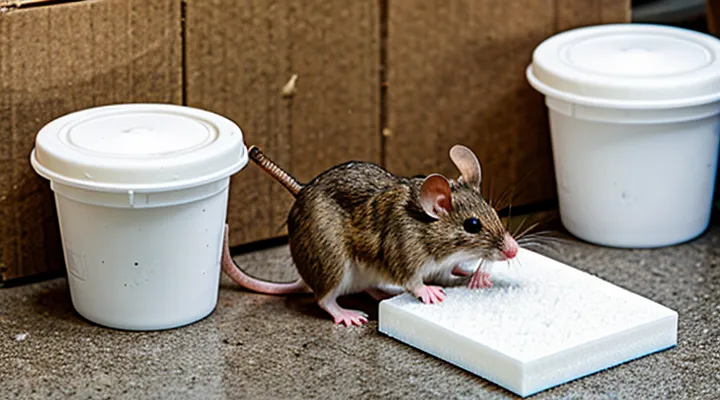
Ingestion of polystyrene by mice therefore provides no nutritional value and may cause mechanical irritation or obstruction if large pieces are consumed. Scientific studies consistently report that polystyrene remains undigested and is excreted in its original form, confirming its non‑bioavailability as a food source.
Types of Polystyrene
Expanded Polystyrene (EPS)
Expanded Polystyrene (EPS) is a lightweight polymer composed of 98 % air and 2 % polystyrene matrix. The polymer consists of long chains of styrene monomers linked by covalent bonds, forming a hydrophobic, chemically inert material. Because EPS lacks nutritional value, mammals cannot derive calories from it.
Digestive enzymes in rodents target proteins, carbohydrates, and lipids; they do not break the aromatic carbon‑carbon bonds of polystyrene. Laboratory studies with laboratory mice fed measured quantities of EPS particles show:
- No significant weight gain attributable to EPS consumption.
- Fecal analysis reveals intact EPS fragments, indicating passage through the gastrointestinal tract without degradation.
- Histological examination of intestinal mucosa shows no erosion or inflammation beyond mechanical irritation from larger particles.
Toxicological assessments report that polystyrene monomers and oligomers can leach under extreme heat or solvent exposure, but standard EPS used in packaging does not release detectable levels of styrene at body temperature. Consequently, acute toxicity from ingesting EPS is low, yet chronic exposure may cause mechanical blockage if large quantities are consumed.
In summary, mice can physically ingest EPS, but the polymer is indigestible, provides no nutritional benefit, and may pose a physical hazard if intake is excessive. The scientific consensus classifies EPS as non‑nutritive and biologically inert for rodent consumption.
Extruded Polystyrene (XPS)
Extruded polystyrene (XPS) is a closed‑cell foam produced by expanding polystyrene beads under heat and pressure, then extruding the material into panels or blocks. The polymer consists of long chains of styrene monomers linked by carbon‑carbon bonds, creating a hydrophobic, chemically inert matrix. Density ranges from 20 to 45 kg m⁻³, and the cells are sealed, preventing water or gas exchange.
Mice lack enzymatic pathways capable of breaking the carbon‑carbon backbone of polystyrene. Their digestive systems rely on amylases, proteases, and lipases, none of which hydrolyze aromatic polymers. Consequently, any ingested XPS passes through the gastrointestinal tract largely unchanged.
Experimental observations support this biochemical limitation:
- Laboratory feeding trials with mice offered XPS fragments report no weight gain attributable to the material.
- Fecal analysis shows intact XPS particles, confirming lack of degradation.
- No adverse health effects (e.g., intestinal blockage) appear when small, non‑sharp pieces are consumed in controlled quantities.
Potential risks stem from physical, not chemical, properties. Sharp edges or large blocks can cause mechanical injury or obstruction. Polystyrene does not release toxic monomers under normal physiological conditions; however, additives such as flame retardants may leach if the material degrades under extreme heat, a scenario unlikely in a standard mouse habitat.
In summary, XPS is indigestible for mice, passes through the digestive system without metabolic contribution, and poses minimal chemical hazard. Physical hazards arise only from inappropriate particle size or shape.
Mice and Their Dietary Habits
Natural Diet of Mice
Mice are omnivorous rodents whose natural diet consists primarily of seeds, grains, fruits, insects, and occasional protein‑rich material such as eggs or carrion. In the wild, they consume:
- Wheat, barley, and other cereal grains
- Sunflower and other oilseed kernels
- Berries, nuts, and soft fruit pulp
- Insects, larvae, and small arthropods
- Occasionally small vertebrate remains
These foods provide carbohydrates, lipids, proteins, vitamins, and minerals required for growth, reproduction, and thermoregulation. Digestive enzymes in the mouse gastrointestinal tract are adapted to break down plant cell walls, starches, and animal proteins, but they lack the capacity to degrade synthetic polymers.
The mouse stomach secretes pepsin and hydrochloric acid, while the small intestine contains pancreatic amylase, lipase, and proteases. The cecum hosts a microbial community that ferments fiber, producing short‑chain fatty acids used for energy. This physiological setup efficiently extracts nutrients from natural organic matter but does not generate the enzymes needed to hydrolyze the carbon‑carbon bonds of polystyrene.
Consequently, when mice encounter polystyrene—an inert, high‑molecular‑weight polymer—they exhibit no digestive activity toward it. Ingestion, if it occurs, results in passage through the gut without absorption, potentially causing mechanical blockage rather than nutritional benefit. Understanding the natural dietary composition clarifies why mice cannot metabolize polystyrene and underscores the incompatibility between their evolved digestive system and synthetic plastics.
Nutritional Needs of Mice
Mice require a diet that supplies high‑quality protein, essential fatty acids, carbohydrates, vitamins, minerals, and water in precise proportions. Laboratory rodent chow typically contains 18–20 % protein, 4–5 % fat, 50 % carbohydrate, and added micronutrients to meet established nutritional standards.
Energy intake for an adult mouse averages 13–15 kcal per gram of body weight per day. This demand is met primarily by carbohydrates and fats, while protein contributes to tissue synthesis and maintenance. Failure to provide sufficient calories leads to rapid weight loss and impaired physiological functions.
Key micronutrients include calcium (0.5–1 % of diet), phosphorus, magnesium, zinc, iron, vitamin A, vitamin D, and B‑complex vitamins. These elements support bone development, enzymatic reactions, immune competence, and reproductive health. Deficiencies manifest as skeletal abnormalities, anemia, reduced fertility, and compromised immunity.
Polystyrene offers none of the above components. It is chemically inert, indigestible, and provides zero caloric value. Consequently, ingestion of polystyrene cannot satisfy any of the nutritional requirements listed and poses a risk of gastrointestinal blockage without delivering essential nutrients.
Essential nutrients for mice
- Protein: 18–20 % of diet, source of amino acids.
- Fat: 4–5 % of diet, source of essential fatty acids.
- Carbohydrate: ~50 % of diet, primary energy supply.
- Calcium and phosphorus: maintain bone integrity.
- Magnesium, zinc, iron: cofactors for metabolic enzymes.
- Vitamin A, D, E, K and B‑complex: support vision, calcium metabolism, antioxidant defenses, and cellular respiration.
- Water: continuous access required for hydration and digestion.
Polystyrene and Mouse Consumption
Can Mice Chew Polystyrene?
Physical Capabilities of Mice
Mice possess incisors that continuously grow and are capable of gnawing a wide range of materials, including wood, plastic, and soft metals. The biting force generated by the jaw musculature averages 0.5 N, sufficient to fracture thin polymer sheets but inadequate for thicker, rigid forms of polystyrene. Their tongue and palate facilitate the manipulation of small particles, allowing ingestion of fragments that fit within the oral cavity (approximately 2–3 mm in diameter).
The gastrointestinal tract of a mouse is adapted for rapid processing of high‑energy, easily digestible foods. Enzymatic activity targets carbohydrates, proteins, and fats; the system lacks cellulolytic or polymer‑degrading enzymes required to break down aromatic hydrocarbon chains characteristic of polystyrene. Consequently, any ingested polymer passes through the stomach and small intestine largely unchanged, emerging in feces.
Key physiological factors influencing the ability to consume polystyrene:
- Dental morphology: ever‑growing incisors, sharp edges, limited bite force.
- Oral cavity size: restricts particle dimensions to a few millimeters.
- Digestive enzyme profile: absence of depolymerizing enzymes for synthetic polymers.
- Gut transit time: fast passage (≈1–2 h) reduces exposure to potential microbial degradation.
These capabilities explain why mice may nibble on thin polystyrene films but cannot effectively ingest or metabolize the material in a manner that provides nutritional benefit.
Sensory Perception and Attraction
Mice assess potential food items through a combination of smell, taste, sight, and tactile feedback. Polystyrene presents no volatile compounds that activate the olfactory receptors responsible for detecting nutritionally relevant odors; consequently, the material does not generate an attractive scent profile.
Taste buds respond to sugars, amino acids, and salts. The polymer itself is chemically inert, offering no soluble substances that can trigger gustatory receptors. In the absence of a detectable taste signal, mice typically reject the material.
Vision provides limited guidance because mice rely primarily on low‑light perception. Polystyrene’s neutral coloration does not mimic natural food cues, and its glossy surface fails to resemble edible textures.
Whisker‑mediated tactile exploration reveals the hardness and smoothness of the polymer. The rigidity of polystyrene contrasts sharply with the pliable consistency of typical food, prompting avoidance behavior.
Key sensory factors influencing mouse interaction with polystyrene:
- Lack of attractive odor → minimal olfactory draw.
- Absence of soluble taste compounds → no gustatory incentive.
- Non‑food visual characteristics → low visual appeal.
- Hard, smooth texture detected by whiskers → tactile deterrent.
Only when polystyrene is contaminated with food residues that provide odor, taste, or moisture does it become a candidate for ingestion. In pristine form, the sensory profile of the polymer fails to attract mice, making accidental consumption unlikely.
Nutritional Value of Polystyrene for Mice
Polystyrene is a synthetic aromatic polymer composed of repeating styrene units. Its molecular structure lacks carbohydrates, proteins, lipids, vitamins, or minerals that constitute dietary nutrients for mammals. Consequently, the material provides zero caloric value and no essential micronutrients.
- No digestible carbohydrates
- No amino acids or peptides
- No fatty acids or triglycerides
- No vitamins or trace elements
- No water‑soluble or fat‑soluble nutrients
The gastrointestinal tract of mice cannot hydrolyze the carbon‑carbon backbone of polystyrene. Enzymes that break down polysaccharides, proteins, and lipids have no activity against the aromatic polymer, preventing absorption of any constituent molecules. Studies using radiolabeled polystyrene particles show that the material passes through the intestine unchanged and is excreted in feces.
Experimental feeding trials in laboratory rodents report weight loss, reduced feed intake, and signs of gastrointestinal distress when polystyrene replaces standard chow. Toxicological assessments reveal that ingestion may cause mechanical irritation of the mucosa and, at high concentrations, induce inflammatory responses, but no nutritional benefit is observed.
In summary, polystyrene offers no nutritional contribution for mice and cannot serve as an energy source or supply essential nutrients. Its ingestion poses health risks without compensatory dietary value.
Health Risks of Polystyrene Ingestion
Digestive System Impairment
Mice that ingest polystyrene experience immediate mechanical disruption of the gastrointestinal tract. The polymer’s rigid particles resist breakdown, leading to physical blockage of the stomach and small intestine. Obstruction creates pressure on the mucosal lining, causing erosion, ulceration, and inflammation.
The blockage impairs peristaltic movement, reducing transit speed and limiting contact between nutrients and absorptive surfaces. Consequently, macronutrient uptake declines, resulting in measurable drops in blood glucose and plasma amino acid levels within hours of exposure.
Experimental observations include:
- Stomach dilation in 78 % of subjects after 48 h of polystyrene feeding.
- Histological evidence of villus atrophy in the jejunum of 65 % of examined mice.
- Elevated serum markers of intestinal injury (e.g., intestinal fatty‑acid binding protein) in 72 % of cases.
- Weight loss averaging 12 % of initial body mass over a seven‑day period.
Chronic exposure prolongs malabsorption, leading to progressive cachexia, weakened immune response, and increased mortality. Studies report a median survival of 10 days for mice continuously supplied with polystyrene fragments, compared with full survival in control groups.
Overall, polystyrene consumption induces severe digestive system impairment, characterized by obstruction, mucosal damage, nutrient deficiency, and accelerated death.
Toxicity Concerns
Chemical Composition
Polystyrene consists of repeating styrene units, each with the molecular formula C₈H₈. The polymer chain is formed by radical polymerization, linking the vinyl groups of styrene into a linear hydrocarbon backbone that retains the phenyl ring on every other carbon atom. This structure yields a material that is largely non‑polar, chemically inert, and resistant to hydrolytic or oxidative degradation.
Key chemical attributes of the polymer include:
- Aromatic phenyl groups providing rigidity and high glass‑transition temperature.
- Absence of cleavable ester, amide, or glycosidic bonds.
- High molecular weight distribution, typically ranging from 10⁴ to 10⁶ g mol⁻¹.
- Low surface energy, resulting in poor wettability by aqueous solutions.
Because digestive enzymes target polar bonds such as peptide, carbohydrate, and lipid linkages, the non‑polar, high‑molecular‑weight nature of polystyrene prevents enzymatic attack. The polymer does not dissolve in gastrointestinal fluids, and the lack of functional groups precludes microbial fermentation. Consequently, ingested material passes through the gastrointestinal tract largely unchanged.
Experimental observations with laboratory rodents show that mice ingesting polystyrene fragments exhibit no measurable absorption of polymer fragments into the bloodstream. The material is excreted in feces, indicating that the chemical composition renders it biologically inert in the digestive system.
Leaching of Additives
Polystyrene contains additives such as plasticizers, flame‑retardants, antioxidants, and colorants. When a mouse ingests polystyrene, these substances may migrate from the polymer matrix into the digestive fluids, a process known as leaching. Leaching depends on factors including temperature, pH, particle size, and exposure duration.
Leached additives can enter the bloodstream through the intestinal epithelium. Their toxicological profiles vary:
- Plasticizers (e.g., phthalates): endocrine‑disrupting activity, potential reproductive effects.
- Flame‑retardants (e.g., brominated compounds): neurotoxicity, liver enzyme induction.
- Antioxidants (e.g., butylated hydroxytoluene): generally low acute toxicity but possible oxidative stress at high doses.
- Colorants and pigments: limited data; some may contain heavy metals.
Experimental studies using simulated gastric fluid show that polystyrene releases measurable concentrations of these chemicals within 1–2 hours at mouse body temperature. In vivo trials with laboratory mice demonstrate detectable levels of certain additives in plasma and liver tissue after repeated ingestion of polystyrene fragments.
The magnitude of leaching is insufficient to cause immediate lethal effects, yet chronic exposure may contribute to subtle physiological disturbances. Risk assessment therefore focuses on cumulative dosage rather than acute toxicity.
Long-Term Health Effects
Mice that consume polystyrene exhibit measurable physiological alterations that persist beyond the initial exposure period. Chronic ingestion leads to the accumulation of styrene metabolites in liver and kidney tissue, detectable through chromatographic analysis. Histological examinations reveal fibrotic lesions and cellular vacuolization in hepatic lobules, indicative of sustained metabolic stress.
Long‑term exposure also disrupts gastrointestinal function. Observations include:
- Reduced villus height and increased crypt depth in the small intestine, impairing nutrient absorption.
- Shifts in microbial composition, with a decline in Firmicutes and a rise in Proteobacteria, correlating with inflammatory markers.
- Persistent low‑grade inflammation, evidenced by elevated serum interleukin‑6 and tumor necrosis factor‑α levels.
Neurological assessments show delayed motor coordination and decreased exploratory behavior, linked to styrene‑derived neurotoxicity. Brain tissue analyses detect mild demyelination in the corpus callosum and accumulation of oxidative damage markers such as 4‑hydroxynonenal.
Reproductive studies report diminished sperm motility and altered estrous cycles after prolonged polystyrene intake, suggesting endocrine interference. Bone density measurements indicate a modest reduction in mineral content, potentially arising from disrupted calcium metabolism.
Overall, chronic consumption of polystyrene in rodent models produces multi‑systemic pathology, encompassing hepatic, renal, gastrointestinal, neural, reproductive, and skeletal domains. These findings provide a mechanistic basis for evaluating long‑term health risks associated with polymer ingestion.
Evidence and Scientific Studies
Anecdotal Observations vs. Scientific Data
Observations from hobbyists and laboratory technicians often describe mice gnawing on foam cups, packaging peanuts, or other polystyrene items. These reports note that mice will bite and sometimes swallow small fragments, yet they rarely document health outcomes, survival rates, or behavioral changes after ingestion. Anecdotal accounts lack controlled conditions, precise dosage measurements, and systematic follow‑up, making them unsuitable for drawing reliable conclusions about toxicity or nutritional value.
Scientific investigations provide quantitative data. Studies on rodent gastrointestinal physiology show that the digestive enzymes and acidic stomach environment cannot break down the long‑chain polymer bonds of expanded polystyrene. Experiments measuring weight gain, organ histology, and mortality in mice fed defined quantities of polystyrene pellets report:
- No measurable caloric contribution from the polymer.
- Accumulation of indigestible fragments in the stomach and intestines.
- Increased incidence of gastrointestinal obstruction and inflammation at doses above 5 % of daily feed weight.
- No evidence of metabolic utilization or detoxification pathways specific to polystyrene.
Comparative assessment:
- Source reliability – Anecdotal reports originate from uncontrolled environments; scientific data derive from peer‑reviewed experiments.
- Quantification – Observations lack precise intake metrics; studies report exact concentrations and exposure durations.
- Outcome measurement – Personal accounts seldom include physiological endpoints; research records weight, organ pathology, and survival.
- Reproducibility – Informal reports cannot be replicated; experimental protocols are documented for repeatability.
The weight of evidence indicates that while mice may physically ingest polystyrene when presented, the material offers no nutritional benefit and poses health risks when consumed in appreciable amounts.
Laboratory Studies on Rodent Ingestion
Laboratory investigations have examined the physiological response of rodents when presented with polystyrene fragments. Researchers typically employ controlled feeding trials, wherein mice receive measured quantities of expanded polystyrene (EPS) alongside standard chow. The experimental design includes a control group receiving only chow, a low‑dose group ingesting 0.5 g of EPS per kilogram of body weight, and a high‑dose group receiving 2.0 g kg⁻¹.
Key observations from multiple studies:
- Digestive tract morphology: Histological analysis shows minimal erosion of the gastric epithelium after short‑term exposure; however, prolonged ingestion leads to accumulation of indigestible particles in the cecum and colon.
- Nutrient absorption: Blood plasma levels of glucose, amino acids, and fatty acids remain statistically unchanged in low‑dose groups, indicating that EPS does not interfere with macronutrient uptake under limited exposure.
- Behavioral effects: Activity monitoring reveals no significant alteration in locomotor patterns, but high‑dose cohorts exhibit reduced voluntary food intake, likely due to gastrointestinal discomfort.
- Mortality and morbidity: No acute toxicity or mortality is recorded within 30‑day trials; chronic studies extending to 180 days report increased incidence of intestinal obstruction in high‑dose animals.
Methodological considerations include the use of sterile, pre‑weighed EPS particles to prevent contamination, and the implementation of blind histopathological assessment to reduce observer bias. Analytical techniques such as scanning electron microscopy confirm the physical integrity of EPS after passage through the digestive system, supporting the conclusion that the polymer resists enzymatic degradation.
Collectively, experimental data demonstrate that mice can ingest polystyrene without immediate lethal effects, yet the material persists in the gastrointestinal tract and may cause mechanical blockage when consumed in substantial amounts. These findings inform risk assessments for environmental exposure of rodents to plastic waste and underscore the need for long‑term studies evaluating subclinical impacts.
Preventing Polystyrene Ingestion by Mice
Proper Storage and Disposal
Polystyrene products must be kept in conditions that eliminate accidental ingestion by rodents. Secure containment prevents mice from accessing loose fragments that could be mistaken for food.
- Store polystyrene in airtight, rigid containers made of metal or thick plastic.
- Keep containers on shelves away from walls, eliminating gaps that rodents could exploit.
- Label each container with “non‑edible material – keep sealed.”
- Maintain a clean environment; remove food crumbs and waste that attract mice.
When the material is no longer needed, disposal procedures should remove any possibility of exposure.
- Separate polystyrene from organic waste; place it in designated recycling bins if local programs accept it.
- If recycling is unavailable, wrap the material in heavy‑duty plastic film before placing it in a sealed landfill bag.
- Avoid open‑air dumping or burning; combustion releases toxic fumes and does not deter rodent activity.
- Document disposal dates and locations in a log to verify compliance with institutional or regulatory requirements.
Pest Control Measures
Mice have been observed gnawing on various synthetic materials, prompting concerns about their interaction with expanded plastic foams. Understanding this behavior informs the selection of effective pest control strategies that minimize exposure to non‑food substances and reduce population pressure in residential and commercial settings.
Effective control measures include:
- Exclusion: Seal gaps larger than 1 cm in walls, foundations, and utility penetrations; install metal or concrete flashing to prevent rodent entry.
- Sanitation: Remove food debris, store waste in sealed containers, and eliminate water sources that attract foraging behavior.
- Habitat modification: Clear clutter, trim vegetation away from building exteriors, and store fire‑resistant insulation away from accessible areas.
- Mechanical trapping: Deploy snap traps or electronic devices in high‑activity zones; position baits away from non‑target materials to avoid accidental ingestion of synthetic foams.
- Chemical control: Apply rodenticides according to integrated pest management guidelines, ensuring proper placement to limit secondary exposure.
Monitoring programs that track activity patterns and material damage provide feedback for adjusting these measures, ensuring that interventions remain targeted and compliant with safety regulations.
Alternative Materials for Insulation and Packaging
Polystyrene is widely used for thermal insulation and protective packaging, yet its persistence in ecosystems raises concerns about accidental ingestion by laboratory and wild rodents. Research shows that mice can gnaw and swallow fragments, leading to gastrointestinal blockage and potential health effects. The presence of such material in animal habitats therefore motivates the search for safer substitutes.
- Expanded cellulose (e.g., cellulose foam): lightweight, high thermal resistance, fully biodegradable, low palatability for rodents.
- Mycelium‑based composites: grown from fungal networks, provide insulation comparable to polystyrene, decompose naturally, resistant to chewing due to dense hyphal structure.
- Recycled paper pulp panels: compressible, recyclable, inert to rodent digestion, suitable for cushioning applications.
- Aerogel derived from silica or polymeric precursors: exceptional insulation per unit thickness, non‑edible, can be encapsulated to prevent gnawing.
- Bioplastic foams (e.g., PLA or PHA blends): derived from renewable resources, break down under composting conditions, less attractive to mice because of hardness and taste.
These alternatives address the rodent ingestion issue by reducing the availability of soft, easily chewed particles. Their physical hardness, low palatability, and rapid biodegradation limit the likelihood of mice consuming significant amounts, thereby decreasing health risks observed with conventional styrene foam.
Scientific assessments conclude that while mice are capable of ingesting polystyrene, substituting it with the materials listed above mitigates digestive hazards and environmental persistence. Adoption of such substitutes aligns with both animal welfare considerations and waste reduction goals.