
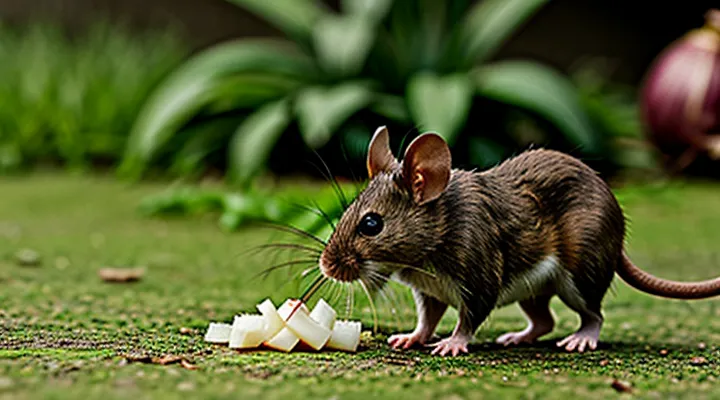
The Dangers of Onions for Mice
Why Onions Are Toxic to Mice
Thiosulphates and Their Impact
Onions contain thiosulphates, a class of organosulfur compounds that release volatile sulfur species upon tissue disruption. These substances act as potent oxidizing agents, converting hemoglobin iron from the ferrous to the ferric state and inducing methemoglobinemia. The resulting impairment of oxygen transport triggers hemolytic anemia in susceptible mammals.
Rodent exposure to thiosulphates produces a rapid onset of clinical signs: pallor, lethargy, dyspnea, and dark‑colored urine. Experimental data indicate a median lethal dose (LD₅₀) of approximately 30 mg kg⁻¹ body weight for laboratory mice, markedly lower than that for larger mammals. Sublethal ingestion leads to:
- Oxidative damage to erythrocyte membranes
- Formation of Heinz bodies and subsequent cell rupture
- Gastrointestinal irritation and reduced feed intake
- Disruption of hepatic detoxification pathways
These effects arise from the interaction of thiosulphates with cellular thiol groups, depletion of glutathione reserves, and the propagation of free‑radical cascades. The severity of toxicity correlates with both the concentration of thiosulphates in the onion tissue and the duration of exposure.
Safety assessments for rodent diets therefore exclude raw onion material. When onion derivatives are employed for experimental purposes, strict dosage limits and monitoring protocols must be implemented to prevent hemolytic crises. The presence of thiosulphates provides a clear biochemical explanation for the adverse outcomes observed in mice that ingest onions.
Oxidative Damage to Red Blood Cells
Rodent studies investigating the dietary inclusion of onions have revealed measurable effects on erythrocyte integrity. When mice ingest onion material, the sulfur‑rich constituents interact with cellular redox systems, potentially shifting the balance toward oxidative stress.
Key manifestations of oxidative injury to red blood cells include:
- Lipid peroxidation of the plasma membrane, evidenced by elevated malondialdehyde levels;
- Oxidation of hemoglobin, resulting in methemoglobin formation;
- Depletion of intracellular antioxidants such as reduced glutathione;
- Increased membrane fragility leading to hemolysis.
High‑dose onion exposure amplifies these processes. Organosulfur compounds can act as pro‑oxidants under certain metabolic conditions, while flavonoid concentrations may be insufficient to counteract radical generation. Consequently, biochemical assays frequently record:
- Rising concentrations of reactive oxygen species;
- Declining activity of glutathione peroxidase and superoxide dismutase;
- Progressive loss of erythrocyte deformability.
These findings suggest that while modest onion consumption may be tolerated, excessive intake poses a risk of «oxidative damage to red blood cells». Further dose‑response investigations are required to define safe inclusion levels for laboratory mouse diets.
Symptoms of Onion Poisoning in Mice
Anemia and Its Manifestations
Anemia refers to a reduction in circulating red blood cells or hemoglobin concentration, impairing oxygen delivery to tissues. In laboratory rodents, dietary variables can modify hematologic parameters, making the assessment of anemia sensitive to feed composition.
Common classifications include:
- Iron‑deficiency anemia: low serum ferritin, reduced mean corpuscular volume.
- Megaloblastic anemia: elevated mean corpuscular volume, impaired DNA synthesis.
- Hemolytic anemia: increased reticulocyte count, elevated lactate dehydrogenase.
- Anemia of chronic disease: normocytic, normochromic, low serum iron with normal or high ferritin.
Clinical manifestations present as:
- Pallor of mucous membranes and skin.
- Fatigue and reduced activity levels.
- Tachycardia and increased respiratory rate.
- Dizziness or loss of balance.
- Glossitis and angular cheilitis.
Studies investigating rodent consumption of Allium species have demonstrated that organosulfur compounds can affect iron absorption and erythropoiesis. Inclusion of onion‑derived nutrients in feed may alleviate iron‑deficiency anemia by enhancing intestinal uptake, while excessive intake could interfere with heme synthesis through oxidative mechanisms. Consequently, precise control of onion content in experimental diets is essential for reliable interpretation of anemia‑related outcomes.
Gastrointestinal Distress
Onions contain organosulfur compounds, notably thiosulphates, which irritate the gastrointestinal lining of rodents. When a mouse ingests onion tissue, these chemicals stimulate excessive secretion of gastric acid and disrupt mucosal integrity, leading to rapid onset of digestive upset.
The irritation triggers a cascade of physiological responses: increased motility, heightened fluid secretion, and inflammation of the intestinal epithelium. The combined effect reduces nutrient absorption and can precipitate dehydration if fluid loss is not compensated.
Typical manifestations of this condition include:
- Profuse watery diarrhea
- Abdominal cramping and distension
- Vomiting of partially digested material
- Reduced food intake and lethargy
- Signs of dehydration such as sunken eyes and skin tenting
Prevention relies on eliminating onion exposure from the animal’s diet. If accidental ingestion occurs, immediate measures should involve:
- Withholding food for a short interval to limit further irritation.
- Providing access to fresh water to counteract fluid loss.
- Monitoring for escalation of symptoms; veterinary intervention is warranted if vomiting persists beyond several hours or if dehydration becomes evident.
Lethargy and Weakness
Onion ingestion by laboratory rodents frequently results in observable lethargy and weakness. The primary cause is the presence of organosulfur compounds, particularly «thiosulfate», which induce hemolytic anemia. Reduced red‑cell integrity diminishes oxygen delivery to tissues, leading to decreased motor activity and diminished strength.
Experimental data indicate a rapid onset of symptoms. Within two to four hours after exposure, mice display:
- Slowed locomotion and prolonged periods of inactivity
- Decreased grip force measured on standard forelimb strength tests
- Pale mucous membranes reflecting compromised blood oxygenation
These physiological changes correlate with elevated plasma bilirubin and lowered hematocrit values. The toxic effect is dose‑dependent; even modest quantities of raw onion material can trigger the described condition.
Preventive measures include eliminating onion components from feed formulations and conducting immediate health assessments following accidental exposure. Monitoring of blood parameters and behavioral activity provides early detection of adverse effects.
Safe Alternatives and General Dietary Guidelines
Acceptable Foods for Mice
Vegetables and Fruits
Mice are attracted to many plant foods, yet the suitability of each varies according to nutritional composition and potential toxicity. Onions belong to the Allium genus, containing organosulfur compounds that can cause hemolytic anemia in rodents. Consequently, regular consumption of onion tissue is unsafe for mouse health.
Other vegetables and fruits present a broader range of tolerances:
- Safe vegetables: carrots, broccoli, lettuce, cucumber, zucchini, spinach (in moderate amounts).
- Potentially hazardous vegetables: raw potatoes, tomato leaves, rhubarb stalks, garlic, leeks (similar to onions).
- Safe fruits: apples (core removed), berries, grapes (seedless), melons, peaches (pit removed).
- Problematic fruits: citrus peels, avocado flesh, cherries (pit), grapes with seeds (due to cyanogenic glycosides).
Nutritional guidelines for laboratory or pet mice recommend a diet primarily composed of formulated rodent chow, supplemented occasionally with fresh produce from the safe categories. Introducing any Allium species, including onions, should be avoided to prevent subclinical or acute toxic effects. Monitoring for signs of lethargy, pallor of mucous membranes, or dark urine can indicate early onset of hemolysis.
In summary, while mice can ingest a variety of vegetables and fruits, onions and related Allium members are contraindicated due to their hemolytic properties. Selecting appropriate plant foods supports optimal growth and prevents avoidable health risks.
Grains and Seeds
Mice readily consume a variety of grains and seeds, which provide essential carbohydrates, proteins, and fatty acids. Commonly accepted items include wheat, corn, barley, oats, millet, sunflower seeds, and sesame. These foods support growth, reproduction, and energy maintenance without adverse effects when offered in appropriate quantities.
When assessing the suitability of onions for rodents, the nutritional profile of grains and seeds serves as a benchmark. Onions contain sulfur‑based compounds that can cause hemolytic anemia in small mammals, a risk not present in the typical grain‑seed diet. Consequently, the safe inclusion of onions in a mouse’s regimen is contraindicated, whereas grains and seeds remain reliable staples.
Key considerations for a balanced rodent diet:
- Provide a mix of whole grains to ensure fiber intake.
- Include seed varieties rich in essential fatty acids.
- Limit fresh produce to items proven non‑toxic, excluding allium family members.
Adhering to these guidelines maintains health while avoiding the hazards associated with onion consumption.
Commercial Mouse Food
Commercial mouse feed is formulated to meet the nutritional requirements of laboratory and pet rodents. Protein sources, such as soymeal or casein, supply essential amino acids; grain-derived carbohydrates provide energy; added vitamins and minerals ensure balanced growth. The product is pelletized to promote consistent intake and reduce waste.
Onion-derived compounds are recognized as toxic to rodents. Thiosulphates present in onions can cause hemolytic anemia, even at low concentrations. Consequently, manufacturers exclude all Allium species from ingredient lists and conduct routine screening to verify absence. Regulatory guidelines in major markets require documented testing for prohibited substances, and quality‑control protocols enforce strict segregation of raw materials.
Key safety practices in commercial mouse feed production:
- Ingredient verification through supplier certification and analytical testing.
- Batch‑level testing for thiosulphate residues.
- Documentation of compliance with animal‑feed safety standards.
These measures ensure that the final product delivers optimal nutrition while eliminating the risk associated with onion consumption.
What to Avoid Feeding Mice
Other Toxic Foods
Mice that can ingest onions also have a limited diet that excludes several other substances known to cause severe health problems. Toxic items for rodents include:
- Chocolate and cocoa products – contain theobromine, which leads to cardiac arrhythmia and seizures.
- Caffeine‑containing beverages and foods – stimulate the central nervous system and can result in hyperactivity and death.
- Alcohol – depresses respiration and may cause fatal intoxication.
- Avocado flesh and pit – contain persin, a toxin that induces respiratory distress.
- Grapes and raisins – associated with acute kidney failure.
- Raw or undercooked beans – contain phytohaemagglutinin, causing gastrointestinal hemorrhage.
- Garlic and related Allium species – produce hemolytic compounds that damage red blood cells.
Feeding practices should rely on commercially formulated rodent diets, supplemented only with fresh water and occasional safe vegetables such as carrots or broccoli. Any introduction of the listed items must be avoided to prevent rapid onset of clinical signs and potential mortality.
Processed Human Foods
Mice can ingest onion‑containing products that have been altered for human consumption, but the safety of such foods depends on processing methods and ingredient concentrations. Raw onion compounds, particularly thiosulphates, cause hemolytic anemia in rodents; heat treatment reduces toxicity but does not eliminate it completely. Consequently, processed items with onion flavoring should be evaluated individually.
Relevant processed human foods include:
- Cooked soups and stews where onions are simmered for extended periods; thermal degradation lowers harmful compounds, yet residual levels may remain.
- Snack items such as onion‑flavored chips; seasoning mixes contain powdered onion, which retains a significant portion of thiosulphates.
- Prepared sauces and gravies; commercial formulations often combine onion extracts with preservatives, potentially masking toxicity.
- Canned vegetable mixes; high‑temperature sterilization diminishes thiosulphate activity, making these products comparatively safer.
Guidelines for offering processed onion foods to mice:
- Verify that the product label indicates thorough cooking or sterilization.
- Limit portions to minimal amounts to reduce exposure risk.
- Observe mice for signs of anemia, such as pallor or lethargy, after consumption.
- Prefer alternatives without onion ingredients when nutritional adequacy can be met.
Overall, processed human foods containing onion may be presented to mice only after confirming that processing has sufficiently reduced toxic agents and that intake remains limited. Continuous monitoring ensures that adverse health effects do not develop.
Promoting a Healthy Mouse Diet
Balanced Nutrition
Mice require a diet that supplies protein, essential fatty acids, vitamins, and minerals in proportions that support growth, reproduction, and immune function. Onions belong to the Allium family and contain compounds such as thiosulphates, which can cause hemolytic anemia in small mammals when consumed in significant amounts. Consequently, inclusion of onion material in a rodent feed formulation must be limited to trace levels that do not exceed the toxicity threshold.
Key considerations for a balanced rodent diet that may contain minute quantities of allium vegetables:
- Protein sources: soy, fish meal, or insect protein provide amino acids required for tissue synthesis.
- Fat sources: vegetable oils deliver essential fatty acids without excess saturated fat.
- Carbohydrate base: grains and tubers supply energy while maintaining low glycemic impact.
- Micronutrients: fortified premixes ensure adequate levels of vitamin B complex, vitamin E, and trace minerals such as selenium.
- Allium content: maintain inclusion below 0.1 % of total feed weight to avoid adverse hematologic effects.
Research indicates that mice can tolerate negligible amounts of onion-derived flavoring without observable health impairment, provided that the overall nutrient profile remains within established dietary standards. Regular monitoring of blood parameters, particularly red blood cell integrity, is advisable when any allium component is present in the feed.
In practice, formulating a nutritionally complete diet for laboratory or pet mice should prioritize proven safe ingredients. Any experimental addition of onion-derived material must be justified by a clear nutritional benefit and accompanied by rigorous safety assessment.
Hydration
Mice that ingest onion tissue encounter a food source with a relatively high moisture fraction. Fresh onion bulbs contain approximately 89 % water, providing a modest supplemental fluid load when consumed in small quantities.
The additional water contributes to the animal’s overall fluid balance, yet the net effect depends on accompanying compounds. Onion-derived thiosulfinates and sulfides can stimulate gastrointestinal motility, potentially increasing fluid loss through accelerated transit. Moreover, volatile sulfur substances possess mild diuretic properties that may offset the water contributed by the vegetable itself.
Key hydration considerations when evaluating onion consumption by rodents:
- Onion water content supplies roughly 0.9 g of fluid per gram of edible tissue.
- Sulfur compounds may enhance urinary output, reducing retained fluid volume.
- Excessive intake can provoke mild gastro‑intestinal irritation, leading to vomiting or diarrhea, both of which elevate dehydration risk.
- Small, occasional portions generally maintain fluid equilibrium if unrestricted access to clean water is available.
Adequate hydration for mice consuming onions requires monitoring of water intake and observation for signs of fluid deficit. Providing continuous access to fresh drinking water mitigates potential dehydration caused by the vegetable’s bioactive constituents.
Monitoring Food Intake
Monitoring food intake in laboratory rodents requires precise quantification to evaluate the effects of allium vegetables on health. Accurate assessment distinguishes between voluntary consumption and avoidance, which influences interpretation of toxicity data.
Standard procedures include:
- Daily measurement of food disappearance from pre‑weighed portions; calculation of average intake per animal.
- Weekly body‑weight recording; correlation with consumption trends reveals compensatory feeding or weight loss.
- Use of metabolic cages equipped with automated feeders; provides real‑time data on meal size, frequency, and duration.
- Video surveillance of feeding behavior; identifies selective ingestion or rejection of onion‑containing diets.
- Chemical analysis of feed residues; confirms nutrient composition and verifies onion concentration.
Critical variables affecting intake measurements are:
- Palatability of onion‑enriched pellets; bitterness may reduce acceptance.
- Odor intensity; volatile compounds can deter feeding.
- Nutrient density; high fiber content may alter satiety signals.
- Environmental factors such as lighting and cage enrichment; influence activity and feeding patterns.
Data interpretation must consider baseline consumption of control diets. Comparative analysis between onion‑supplemented and standard feeds isolates the specific impact of the vegetable. Statistical evaluation typically employs repeated‑measures ANOVA to detect significant differences over time.
Implementing these monitoring techniques ensures reliable determination of whether rodents can incorporate onions into their diet without adverse effects, thereby supporting rigorous toxicological assessment.