
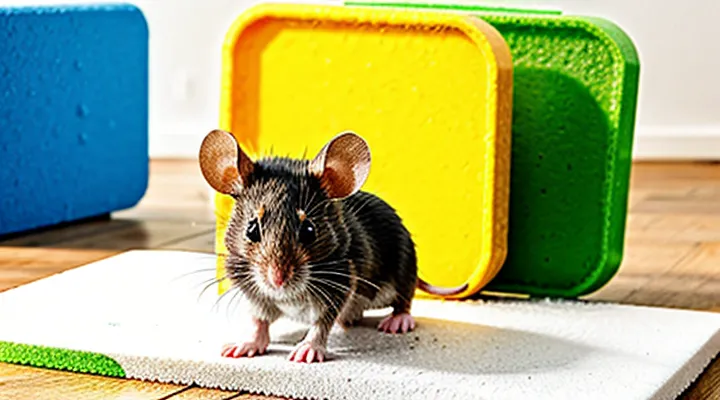
Understanding Foam Board
What is Foam Board?
Composition of Foam Board
Foam board consists of a lightweight core sandwiched between two paper facings. The core is typically expanded polystyrene (EPS), a polymer made from polymerized styrene monomers that form a cellular structure with densities ranging from 10 to 30 kg m⁻³. EPS provides rigidity, insulation, and low weight, and its closed‑cell matrix resists moisture absorption.
The outer layers are usually kraft or coated paper. These facings are bonded to the EPS core with an adhesive layer, often a starch‑based or acrylic emulsion that cures to create a durable bond. In some variants, the facings may be polypropylene or polyethylene film, offering greater resistance to moisture and tearing.
Key components of foam board:
- Expanded polystyrene (EPS) core – polymeric styrene, gas‑filled cells, low density.
- Paper or plastic facings – kraft paper, coated paper, or polymer film.
- Adhesive layer – starch‑based, acrylic, or other polymeric binder.
- Optional additives – fire retardants, UV stabilizers, pigments for color.
Understanding this composition clarifies the material’s physical properties and informs assessments of its suitability for consumption by rodents.
Common Uses of Foam Board
Foam board consists of a lightweight polystyrene core sandwiched between two layers of paper. The material combines rigidity with ease of cutting, making it suitable for applications that require a stable yet portable surface.
Common uses include:
- Architectural models and presentation boards
- Exhibition displays and signage
- Photo mounting and framing
- Prototyping of product designs
- Educational projects such as science fair displays
In contexts where rodents encounter foam board, its primary function remains structural and visual; it is not formulated as a consumable material. The board’s composition resists degradation, discouraging ingestion by small mammals.
The Dangers of Foam Board for Mice
Why Mice Might Chew Foam Board
Exploratory Behavior
Mice approach unfamiliar objects through a sequence of exploratory actions that include sniffing, whisker contact, and nibbling. When presented with a sheet of lightweight composite material, the animal first detects odor cues, then evaluates texture with its vibrissae, and finally tests edibility by taking small bites. This pattern reflects innate foraging strategies that balance nutrient acquisition against the risk of ingesting non‑nutritive substances.
Key factors shaping this behavior include:
- Sensory profile of the material – low odor and smooth surface increase the likelihood of investigation.
- Previous exposure – mice with prior experience of similar substrates may exhibit reduced hesitation.
- Physiological state – hunger intensifies probing and bite frequency.
- Material composition – the presence of binders or additives can trigger aversive taste receptors, limiting consumption.
Laboratory observations show that brief gnawing on foam‑type boards occurs, but sustained ingestion is rare because the material lacks palatable nutrients and may elicit gag reflexes. Consequently, exploratory biting does not translate into meaningful dietary intake, although accidental ingestion of small fragments remains possible.
Nesting Instincts
Mice construct nests to protect offspring, regulate temperature, and conceal themselves from predators. Their instinct drives them to gather readily available, pliable materials such as shredded paper, fabric fibers, or soft insulation. Foam board, composed of compressed wood fibers sandwiched between thin layers of polystyrene, meets the criteria of lightweight and easily manipulable, making it an attractive option for nest building.
When mice incorporate foam board into a nest, they typically cut or tear the material rather than ingest it. The fibers are not digestible; the digestive system lacks enzymes to break down the lignocellulosic composition and the polystyrene coating. Consequently, any ingestion is accidental and may cause gastrointestinal blockage or irritation.
Key considerations for evaluating the risk of consumption:
- Material composition – wood fiber core is indigestible; polystyrene layers are inert and non‑nutritive.
- Behavioral pattern – mice prefer to chew for nest shaping, not for nutrition.
- Health impact – accidental ingestion can lead to obstruction, requiring veterinary intervention.
If foam board is present in an environment where mice are active, they will likely use it for structural purposes while avoiding ingestion. Providing alternative nesting substrates such as cotton, shredded paper, or sterile bedding reduces the chance of accidental consumption and supports healthy nest construction.
Health Risks Associated with Ingesting Foam Board
Digestive Blockages
Mice that chew on foam board are at risk of developing gastrointestinal obstructions. The material is dense, non‑digestible, and can become lodged in the stomach or intestines, preventing the normal passage of food and fluids.
Obstruction typically presents with:
- Reduced food intake
- Decreased fecal output or presence of soft, watery stools
- Abdominal swelling or palpable masses
- Lethargy and weight loss
Physiological consequences include rapid accumulation of gastric secretions, bacterial overgrowth, and compromised blood flow to the affected segment. If untreated, the blockage can lead to perforation, peritonitis, and death within hours to days, depending on the size of the foreign body.
Prevention relies on eliminating access to foam board and providing appropriate chewing materials such as untreated wood or safe chew toys. Regular inspection of cages for torn or exposed foam reduces accidental ingestion. In cases where ingestion is suspected, immediate veterinary assessment and imaging are required to confirm blockage and determine whether surgical removal is necessary.
Toxicity of Materials
Mice that gnaw on foam board are exposed to the chemical composition of the material. Standard foam board consists of a polystyrene core sandwiched between paper or coated surfaces. The core itself is chemically inert for rodents, but the surrounding layers often contain additives that can be hazardous.
Potential toxic agents include:
- Adhesives used to bond the paper faces, frequently based on phenol‑formaldehyde resins or water‑based glues containing volatile organic compounds.
- Ink or print pigments applied to the surface, which may contain heavy metals such as cadmium, lead, or chromium.
- Flame‑retardant treatments that incorporate brominated or chlorinated compounds.
- Residual solvents from manufacturing processes, including toluene, xylene, or acetone.
Ingestion of these substances can cause acute symptoms such as gastrointestinal irritation, vomiting, or diarrhea. Chronic exposure may lead to organ toxicity, neurobehavioral changes, or carcinogenic effects, depending on the specific chemical profile. Rodent studies have demonstrated that phenol‑formaldehyde resins can impair liver function, while brominated flame retardants have been linked to endocrine disruption.
Safety recommendations for laboratory or pet environments:
- Remove foam board from areas accessible to mice.
- Store the material in sealed containers to prevent accidental chewing.
- Replace foam board with non‑toxic alternatives, such as untreated cardboard or natural fiber boards, when enclosure construction is required.
Overall, the risk of toxicity arises from the non‑polystyrene components of foam board rather than the foam itself. Exposure to these additives can compromise mouse health, making the material unsuitable for consumption or direct contact.
Potential for Internal Injuries
Mice that gnaw on foam board risk damage to the gastrointestinal tract. The material’s dense, fibrous structure can create a physical blockage that prevents normal passage of food, leading to gastric dilation, vomiting, and eventual starvation if the obstruction is not resolved promptly.
Sharp edges formed when the board is cut or torn act as abrasive surfaces inside the esophagus and stomach. These edges can lacerate mucosal lining, causing bleeding, inflammation, and infection. Even minor cuts can become portals for bacterial invasion, accelerating systemic illness.
Foam board contains adhesives, fire‑retardant chemicals, and plasticizers. Ingestion introduces these substances to the digestive system, where they may irritate the intestinal wall, disrupt normal flora, and provoke toxic reactions. Chronic exposure can erode epithelial cells, compromising barrier function and facilitating translocation of pathogens.
Typical internal injuries observed in rodents that consume this material include:
- Mechanical obstruction of the stomach or intestines
- Lacerations of the esophageal and gastric mucosa
- Chemical irritation leading to ulceration
- Secondary bacterial infection from breached tissue
Veterinary assessment should focus on signs of abdominal pain, reduced food intake, and abnormal fecal output. Imaging techniques such as radiography or ultrasound can confirm the presence of a foreign body. Early intervention—removal of the material and supportive care—reduces the likelihood of permanent organ damage and improves survival prospects.
Protecting Your Home from Rodents and Foam Board Damage
Identifying Signs of Mouse Activity
Droppings and Gnaw Marks
Mice that have accessed foam board leave characteristic signs that can be identified without visual inspection of the material itself.
Droppings provide the most reliable evidence of recent activity. Typical mouse feces are 1‑3 mm long, dark brown, and possess a tapered shape. When collected from the surface of foam board or nearby fixtures, they confirm that the animal has been present long enough to ingest material or explore the area. A concentration of droppings near edges or corners of the board indicates frequent movement and a higher likelihood of chewing.
Gnaw marks reveal the precise interaction with the substrate. Mice produce shallow, parallel grooves about 1 mm wide, with a clean, smooth finish that differs from the ragged edges left by larger rodents. On foam board, gnaw marks appear as uniform, shallow channels that may expose the inner cellulose layers. Repeated gnawing creates a series of overlapping lines, often oriented toward the board’s edge where the animal can grip and apply bite force.
Key indicators that mice are consuming foam board:
- Dark, tapered droppings found on or adjacent to the board
- Uniform, shallow grooves 1 mm wide with smooth edges
- Overlapping gnaw patterns directed toward board edges
- Presence of tiny, chewed fibers lodged in the grooves
These observations allow accurate assessment of mouse activity on foam board, supporting decisions about pest control and material preservation.
Nests and Runways
Mice commonly use soft, lightweight materials to construct nests and to line runways. Foam board, composed mainly of expanded polystyrene, offers the required pliability but lacks the fibrous texture mice typically seek for insulation. Because the board is chemically inert and provides no nutritional value, mice will not consume it as a food source. Their gnawing instinct may cause occasional bite marks, yet the material’s hardness reduces the likelihood of extensive damage.
Key considerations for using foam board in rodent environments:
- Nest construction: Mice prefer shredded paper, fabric, or plant fibers. Foam board can serve as a structural frame, but additional soft bedding is necessary for comfort and thermal regulation.
- Runway lining: Thin foam board strips can create smooth passages that facilitate movement, but rodents may avoid surfaces that feel overly slick or lack traction. Adding a layer of textured material improves acceptance.
- Safety: Polystyrene fragments generated by gnawing pose inhalation risks and may cause digestive blockages if ingested. Monitoring for chew marks and replacing compromised sections mitigates health hazards.
Overall, foam board functions effectively as a supportive substrate for nests and runways when combined with appropriate bedding, while its consumption by mice remains unlikely.
Effective Rodent Control Strategies
Exclusion Techniques
Mice are capable of gnawing foam board because the material is soft enough for their incisors to cut. The resulting damage can compromise insulation, create pathways for contaminants, and undermine structural integrity. Effective exclusion prevents access, reduces chewing incidents, and protects the surrounding environment.
Practical exclusion techniques include:
- Sealing all openings larger than ¼ inch with steel wool, copper mesh, or cement.
- Installing door sweeps and weatherstripping on entry points.
- Applying rodent‑proof foam or silicone caulk around vents, pipes, and conduit penetrations.
- Using metal flashing to cover gaps in walls, ceilings, and floor joists.
- Conducting regular inspections to identify and repair breaches before rodents exploit them.
Implementation of these measures creates a continuous barrier that deters mice from reaching foam board, thereby preserving material performance and maintaining safety standards.
Trapping Methods
Mice may gnaw foam board when it is accessible, making it a potential vector for damage in storage areas. Effective control relies on selecting traps that limit exposure to such materials while ensuring humane capture.
-
Snap traps: metal plates with a spring mechanism deliver rapid lethal force. Placement near foam board edges increases likelihood of contact. Bait can be standard rodent attractants; avoid using foam fragments as bait to prevent reinforcing the behavior.
-
Live‑catch traps: cage‑style devices enclose the mouse without injury. Position the entrance toward the foam board surface. Check traps at least twice daily to prevent prolonged starvation and to remove captured animals promptly.
-
Glue boards: adhesive surfaces immobilize mice on contact. Use sparingly on surfaces adjacent to foam board, as removal may damage the material. Dispose of trapped rodents according to local regulations.
-
Electronic traps: high‑voltage plates cause instantaneous death. Install units in concealed locations near foam board to reduce visual disruption. Battery life typically supports several weeks of operation.
Key considerations for all methods include: sealing entry points to prevent re‑infestation, maintaining cleanliness to reduce attractants, and monitoring trap effectiveness weekly. Selecting the appropriate trap type, positioning it strategically, and adhering to regular inspection schedules minimize the risk of mice consuming foam board and reduce overall damage.
Professional Pest Control
Mice often gnaw on a wide range of materials to create pathways, secure food, or build nests. Foam board, composed of lightweight polystyrene, is soft enough for rodent incisors to bite through, especially when moisture softens the surface. Evidence from field inspections shows that mice can create holes in foam board, compromising insulation and providing hidden routes into structures.
When foam board is breached, visual signs of infestation become harder to detect. Damage may appear as small perforations, shredded edges, or displaced panels. These indicators are frequently missed during routine visual checks, allowing populations to expand unnoticed.
Professional pest control services address this risk through systematic evaluation and preventive measures:
- Conduct thorough inspections of all foam board installations, focusing on seams, joints, and exposed edges.
- Replace compromised panels with rodent‑resistant materials such as metal sheeting or reinforced insulation.
- Apply sealants or mesh barriers at entry points to block gnawing paths.
- Install monitoring stations near foam board locations to detect activity early.
- Educate occupants on proper waste management and food storage to reduce attractants.
Adopting these practices reduces the likelihood that mice will exploit foam board as a passage, limits structural damage, and supports long‑term infestation control.
Alternative Materials and Prevention
Mouse-Proofing Foam Board Installations
Mice are capable of gnawing through many lightweight materials, including certain types of foam board. When foam board is used in construction or display projects, it must be treated as a potential entry point for rodents. Failure to address this risk can lead to damage, contamination, and loss of structural integrity.
Effective mouse-proofing begins with material selection. Choose foam board with a high-density core and a hard, resin‑coated surface. These characteristics increase resistance to bite marks and reduce the likelihood of penetration. Verify that the product specifications list a minimum compressive strength of 300 psi or higher.
Installation techniques further reduce vulnerability:
- Seal all seams with rodent‑grade silicone caulk; avoid standard latex or acrylic sealants that mice can chew through.
- Attach the foam board to framing members using metal screws or stainless‑steel staples rather than plastic fasteners, which rodents can easily break.
- Apply a thin layer of copper‑based mesh (0.8 mm gauge) over exposed edges before finishing. Copper’s taste deters gnawing, and the mesh provides a physical barrier.
- Install a continuous perimeter of steel wool or copper mesh around the entire foam board assembly, overlapping joints by at least 2 inches to eliminate gaps.
Maintenance measures sustain protection over time:
- Conduct quarterly visual inspections for bite marks, frayed sealant, or displaced mesh.
- Replace compromised sections immediately; re‑seal any reopened joints.
- Keep the surrounding area free of food debris and nesting materials, which attract rodents and increase pressure on the foam board.
By integrating dense, coated foam board, robust fastening, comprehensive sealing, and periodic inspection, installations become resistant to mouse intrusion while preserving the material’s intended aesthetic and functional qualities.
Selecting Rodent-Resistant Building Materials
Mice can gnaw through many lightweight panels, including typical foam board used for insulation and signage. When selecting building materials to limit rodent damage, prioritize substances that combine hardness, low palatability, and structural integrity under repeated chewing.
Key characteristics of rodent‑resistant materials:
- High compressive strength (≥ 30 MPa) reduces bite penetration.
- Low moisture absorption prevents softening that encourages chewing.
- Chemical additives such as borates or bittering agents deter gnawing without compromising fire ratings.
- Certified resistance to rodent testing (e.g., ASTM E1087) provides documented performance.
Commonly employed options include:
- Fiber‑reinforced cement board – dense matrix, minimal chewability, suitable for exterior cladding.
- Metal sheathing (steel or aluminum) – virtually impervious to gnawing, requires proper sealing at joints.
- High‑density polyurethane panels – formulated with hard cores and deterrent additives, effective for interior partitions.
- Pressure‑treated lumber with rodent‑resistant coatings – offers structural support where metal is impractical.
Implementation guidelines:
- Install a continuous barrier at seams and penetrations; gaps larger than ¼ inch allow entry.
- Combine material selection with physical deterrents such as steel mesh or concrete trim around vulnerable edges.
- Conduct periodic inspections to detect early signs of gnawing and replace compromised sections promptly.
Choosing materials that meet these criteria substantially reduces the likelihood that mice will consume foam board or similar substrates, preserving building integrity and limiting infestation spread.