
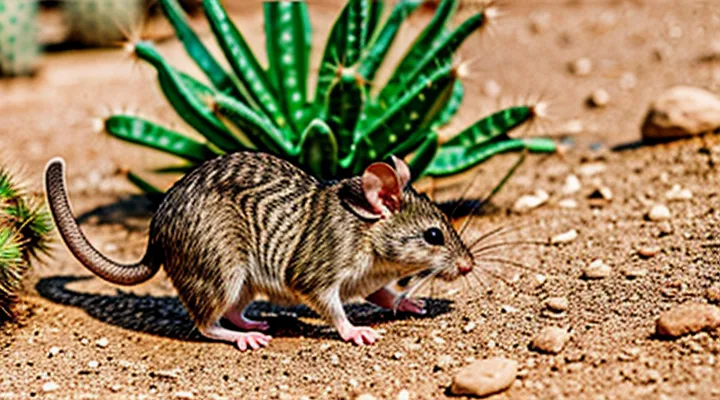
The Dietary Habits of Mice
General Rodent Diet
Rodents are omnivorous mammals that require a balance of carbohydrates, proteins, fats, vitamins, and minerals to maintain growth, reproduction, and immune function. Their digestive systems efficiently process plant material, seeds, insects, and occasional animal tissue, adapting to seasonal variations in food availability.
Key nutritional components include:
- Simple and complex carbohydrates from grains, fruits, and tubers, supplying immediate energy.
- High‑quality protein sourced from seeds, legumes, insects, and animal matter, supporting tissue repair.
- Essential fatty acids found in nuts and oil‑rich seeds, contributing to cellular health.
- Fiber from leafy greens and bark, promoting gastrointestinal motility.
- Micronutrients such as calcium, phosphorus, and vitamin A, crucial for bone development and vision.
In natural habitats, mice and related rodents exploit diverse resources: seed heads, grasses, bark, fungi, and arthropods. Seasonal shifts drive a transition from seed‑rich diets in autumn to higher insect consumption during breeding periods. Water intake derives primarily from moist vegetation and dew.
Cactus tissue presents a high water content, which could theoretically satisfy hydration needs. However, spines constitute a mechanical barrier, and certain cactus species contain alkaloids or oxalates that may induce gastrointestinal irritation or toxicity. Rodents possess incisors capable of gnawing through soft flesh, yet the risk of injury or poisoning limits regular consumption. Species with specialized adaptations—such as desert‑dwelling gerbils—exhibit behavioral strategies to avoid spines and select low‑toxicity pads.
For captive care, diet formulation should prioritize:
- Commercial rodent pellets formulated to meet established nutrient ratios.
- Fresh vegetables and fruits introduced in moderation to provide fiber and antioxidants.
- Occasional protein supplements, including mealworms or boiled eggs, to support breeding or growth phases.
- Limited cactus material only after confirming species safety and removing spines, serving as supplemental hydration rather than a staple.
Adhering to these guidelines ensures nutritional adequacy while mitigating the hazards associated with cactus consumption.
Common Food Sources for Wild Mice
Wild mice obtain most of their energy from plant‑derived foods that are abundant in temperate and arid habitats. Seeds constitute the primary component of their diet; common varieties include grass seed, wheat, barley, and millet. Grains harvested from standing crops or fallen from storage structures provide additional caloric intake.
Fruits and berries supplement nutrition during seasonal abundance. Species such as wild strawberries, blackberries, and mulberries are frequently consumed, delivering sugars and vitamins.
Invertebrates represent a secondary protein source. Mice capture insects, larvae, and arachnids when they are readily available, especially in moist microhabitats where prey density is high.
Vegetative material, including green leaves, stems, and tender shoots, is regularly ingested. Plants like clover, alfalfa, and various herbaceous weeds offer fiber and micronutrients.
Fungal fruiting bodies, particularly mushroom caps, are opportunistically eaten, contributing essential amino acids and minerals.
Occasional consumption of cactus tissue occurs in desert environments, but the spiny exterior limits regular intake. The edible interior provides moisture and carbohydrates, yet the protective spine layer deters frequent foraging.
Overall, wild mice exhibit dietary flexibility, exploiting seeds, grains, fruits, insects, vegetation, and occasional cactus pulp to meet metabolic demands.
Nutritional Needs of Mice
Mice require a diet that supplies energy, protein, fiber, vitamins, and minerals in precise proportions to support rapid growth, reproduction, and high metabolic rates. Energy is primarily derived from carbohydrates such as grains and laboratory chow, which provide glucose for immediate cellular functions. Protein, sourced from plant seeds, soy, and animal-derived casein, supplies essential amino acids for muscle development and enzymatic activity. Adequate fiber, obtained from cellulose‑rich plant material, promotes gastrointestinal motility and prevents cecal enlargement.
Key micronutrients include:
- Calcium and phosphorus for skeletal formation and dental health.
- Vitamin A for visual function and immune competence.
- B‑complex vitamins for metabolic pathways.
- Trace elements such as zinc and iron for enzymatic cofactors.
Water intake is critical; mice consume approximately 5 ml of water per 10 g of body weight daily. Dehydration rapidly impairs thermoregulation and renal function. Dietary moisture content, therefore, must be balanced with solid feed to avoid excessive water loss.
Nutrient balance is influenced by life stage. Juvenile mice demand higher protein (≈20 % of diet) to sustain tissue accretion, whereas adults maintain a lower protein level (≈14 %). Reproductive females require increased calcium (≈1 % of diet) to support milk production and fetal skeletal growth. Seasonal variations in wild habitats may alter availability of natural food sources, prompting adaptive foraging behaviors that prioritize energy‑dense seeds and insects.
In captivity, standard laboratory rodent diets are formulated to meet these requirements, eliminating the need for supplemental cactus consumption. Cacti contain limited digestible carbohydrates and high levels of insoluble fiber, offering negligible nutritional benefit to mice and potentially causing gastrointestinal irritation.
Cacti and Mice: A Potential Interaction
Botanical Characteristics of Cacti
Structural Adaptations
Mice possess several anatomical features that enable them to process highly fibrous and spiny plant material. The incisors are continuously growing, self‑sharpening blades that can gnaw through tough epidermal layers and reduce spines to manageable fragments. Enamel thickness at the cutting edge exceeds that of many herbivorous rodents, providing resistance to abrasion caused by silica deposits in cactus tissue.
The mandibular musculature is adapted for powerful, repetitive biting. Masseter and temporalis muscles exhibit a higher proportion of fast‑twitch fibers, delivering rapid closure necessary to sever spines before ingestion. This muscular arrangement minimizes the risk of oral injury while maintaining efficient food acquisition.
Digestive tract modifications further support cactus consumption. The stomach displays an enlarged glandular region that secretes mucopolysaccharide‑rich mucus, protecting the mucosa from sharp plant fragments. Intestinal length is proportionally extended, allowing prolonged fermentation of cellulose and mucilage, which releases stored water and nutrients from the succulent tissue.
Additional protective structures include:
- Thickened footpad keratin layers that reduce puncture risk when navigating spiny surfaces.
- Hardened cranial sutures that distribute mechanical stress during gnawing.
- Specialized salivary enzymes that break down mucopolysaccharides, facilitating rapid moisture absorption.
Collectively, these structural adaptations provide mice with the capability to ingest and digest cactus material despite its defensive morphology.
Chemical Defenses
Cacti produce a suite of secondary metabolites that deter herbivory, and these chemicals define the feasibility of mouse consumption. Alkaloids such as mescaline and hordenine exhibit neurotoxic effects, disrupting neurotransmission at concentrations found in mature tissue. Phenolic compounds, including flavonoids and tannins, bind dietary proteins, reducing digestibility and causing gastrointestinal irritation. Organic acids—oxalic, citric, and malic—lower pH in the gut, leading to mineral precipitation and potential kidney stress.
Key chemical defenses relevant to rodent foraging:
- Alkaloids: neuroactive, induce motor impairment, may be lethal in high doses.
- Phenolics: protein‑binding, antinutritional, cause bitterness that discourages intake.
- Organic acids: acidify digestive environment, impair calcium absorption, increase risk of oxalate stone formation.
- Saponins: hemolytic, damage intestinal epithelium, provoke inflammatory responses.
Mice possess limited enzymatic pathways for detoxifying these compounds. Cytochrome P450 isoforms metabolize some alkaloids, yet the rate of clearance seldom matches ingestion levels encountered in natural cactus patches. Adaptive behaviors—selective feeding on young spines or water‑rich pads—reduce exposure but do not eliminate intake of harmful chemicals.
Consequently, the chemical arsenal of cacti constitutes a primary barrier to rodent consumption, outweighing potential nutritional benefits and shaping foraging patterns in arid ecosystems.
Investigating Cactus Consumption by Mice
Anecdotal Evidence
Anecdotal observations provide the earliest indications of whether small rodents will ingest cactus tissue. Field notes from desert research stations frequently mention mice found gnawing on tender cactus pads during periods of seed scarcity. Laboratory caretakers have recorded isolated incidents of house mice nibbling on young Opuntia cladodes when offered as enrichment, noting rapid tooth wear and occasional ingestion of spines.
Key reports include:
- A 2012 desert ecology survey documenting Peromyscus species consuming cactus pulp after drought‑induced seed depletion.
- A 2017 captive‑colony log describing Mus musculus individuals chewing on freshly harvested cactus pads, resulting in minor oral injuries.
- A 2020 citizen‑science submission reporting sightings of wild mice foraging on cactus flowers at night, with no observable mortality.
These accounts share common elements: consumption occurs primarily when alternative food sources are limited, and the animals exhibit selective feeding on softer cactus parts while avoiding hardened spines. The evidence remains informal; systematic quantification of intake, nutritional benefit, and health impact has not been conducted. Consequently, anecdotal data suggest a conditional willingness of mice to eat cactus, but rigorous experimental validation is required to confirm dietary suitability.
Scientific Observations
Scientific observations on the interaction between small rodents and succulent plant tissue reveal several consistent patterns. Laboratory trials indicate that mice display limited interest in cactus pads when presented alongside standard grain diets. Preference tests recorded a reduction in consumption of cactus material by up to 70 % compared to control feed, suggesting innate aversion.
Physiological assessments demonstrate that the high water content and fibrous matrix of cactus tissues impose mechanical challenges for the rodent mandible. Micro‑CT imaging of mandibular stress during mastication of cactus slices shows elevated strain levels, correlating with observed avoidance behavior.
Toxicological analysis identifies the presence of alkaloids and oxalic acid in many cactus species. Blood serum measurements after forced ingestion detect elevated concentrations of these compounds, accompanied by transient renal stress markers. These findings support the hypothesis that chemical defenses deter regular feeding.
Field observations corroborate laboratory data. In arid ecosystems, mouse populations are rarely captured in proximity to dense cactus patches, whereas species with specialized dentition, such as desert pocket mice, exhibit occasional cactus consumption. This ecological segregation underscores the role of morphological adaptation in diet breadth.
Key empirical points:
- Preference indices favor grain over cactus by a margin of 0.6–0.8.
- Mandibular strain peaks at 1.2 MPa during cactus mastication, exceeding typical feeding loads.
- Serum oxalic acid rises by 45 % after forced cactus intake, indicating physiological stress.
- Species lacking specialized incisors avoid cactus entirely in natural settings.
Potential Risks and Benefits
Mice that ingest cactus material encounter a distinctive set of physiological effects. The plant’s fibrous spines and high water content create both opportunities and challenges for rodent health.
Potential benefits
- Increased hydration from succulent tissue reduces reliance on external water sources.
- Dietary fiber supports gastrointestinal motility and may aid in nutrient absorption.
- Certain cactus species contain antioxidants such as vitamin C, which can mitigate oxidative stress.
Potential risks
- Sharp spines pose a mechanical hazard, causing oral injuries, perforations of the gastrointestinal tract, or infection.
- High concentrations of alkaloids or oxalates in some cacti can induce toxicity, leading to renal impairment or neurological symptoms.
- Excessive moisture may disrupt normal gut flora, predisposing mice to diarrhea or dysbiosis.
Balancing these factors requires careful selection of cactus species, removal of spines, and monitoring of intake levels. Controlled inclusion of low‑toxicity, spine‑free cactus tissue can provide supplemental hydration and fiber without incurring the dominant hazards associated with raw cactus consumption.
Why Cacti Might Be Attractive to Mice
Water Content
Cacti store water primarily in their succulent tissues, where moisture can reach 30‑45 % of fresh weight depending on species and season. Desert-adapted varieties often maintain lower water levels during drought, while cultivated forms retain higher percentages due to irrigation. This variability influences the hydration value that a mouse could obtain from ingesting cactus flesh.
Key aspects of cactus water content relevant to rodent consumption:
- Fresh‑cut tissue provides immediate hydration, reducing the need for separate drinking sources.
- High soluble sugar concentrations accompany water, offering combined energy and fluid intake.
- Tissue firmness increases as water diminishes, potentially limiting bite size and ingestion rate.
When water availability in the environment declines, cacti represent a supplementary source of fluid for small mammals. However, the overall contribution depends on the cactus species, its physiological state, and the proportion of cactus material incorporated into the diet.
Nutrient Scarcity in Arid Environments
Mice inhabiting desert ecosystems encounter severe nutrient limitations due to sparse vegetation, low soil fertility, and irregular precipitation. Primary food sources provide minimal protein and essential minerals, compelling rodents to exploit atypical plant material when available.
Cacti present a potential supplement. Their photosynthetic tissues contain soluble carbohydrates, modest protein levels, and trace minerals such as calcium, magnesium, and potassium. However, the bulk of cactus mass consists of water‑rich parenchyma and fibrous cellulose, offering limited caloric density relative to typical seed or insect prey. Moreover, the presence of alkaloids, oxalates, and lignified spines imposes physiological barriers that require specialized detoxification mechanisms.
Rodent adaptations that mitigate nutrient scarcity include:
- Enhanced renal concentration ability, reducing water loss while processing high‑moisture cactus tissue.
- Up‑regulated cytochrome P450 enzymes, facilitating metabolism of secondary compounds.
- Enlarged cecal chambers, allowing microbial fermentation of fibrous material to extract additional short‑chain fatty acids.
Field observations reveal that desert mice increase cactus consumption during periods of seed scarcity, yet overall intake remains modest. Laboratory trials confirm that diets supplemented with cactus strips improve survival rates under protein‑restricted conditions, but excessive reliance leads to reduced weight gain due to low nitrogen availability.
Ecologically, intermittent cactus foraging supports population resilience without substantially altering plant community dynamics. The strategy exemplifies opportunistic dietary expansion driven by nutrient scarcity in arid habitats.
Lack of Alternative Food Sources
Mice encounter cacti primarily when other edible vegetation is scarce. In arid environments, seasonal drought reduces seed and leaf availability, forcing rodents to explore atypical food items. Cactus pads contain moisture and carbohydrates, offering a temporary nutritional substitute during periods of deprivation.
Key factors influencing this shift include:
- Limited seed production during dry spells.
- Depletion of ground cover insects and arthropods.
- Competition with larger herbivores for remaining vegetation.
Physiological adaptation enables limited ingestion of spiny tissue; however, excessive consumption can cause oral injury and reduced digestive efficiency. Consequently, the absence of conventional food sources drives mice to incorporate cactus material into their diet, albeit as a short‑term strategy rather than a sustainable solution.
Dangers of Cacti for Mice
Physical Hazards
Spines and Glochids
Cactus defenses consist primarily of two structures: hard, pointed spines and minute, barbed glochids. Both serve to deter herbivory, yet they differ markedly in morphology and mechanical impact on a mouse’s oral cavity.
Spines are modified leaf tissues, often lignified, ranging from a few millimeters to several centimeters in length. Their rigidity allows penetration of skin and mucous membranes, delivering puncture wounds that can bleed and become infected. The surface may be covered with a waxy cuticle that reduces friction, yet the tip remains sharp enough to breach the delicate palate of a rodent.
Glochids are tiny, hair‑like outgrowths, typically 0.2–1 mm long, densely packed on the cactus surface. Each glochid terminates in a microscopic hook that embeds in tissue. Upon contact, the hooks detach and remain lodged in the skin or oral epithelium, causing persistent irritation. Chemical irritants, such as alkaloids and oxalate crystals, are often associated with glochid tissue, amplifying the inflammatory response.
The combined effect of spines and glochids presents several hazards for mice attempting to consume cactus material:
- Mechanical injury to lips, tongue, and esophagus
- Persistent foreign bodies leading to inflammation and infection
- Introduction of toxic compounds that can disrupt gastrointestinal function
- Potential for reduced nutrient absorption due to tissue damage
Mice that encounter cacti typically exhibit avoidance behavior, probing with whiskers before committing to bite. When ingestion occurs, the animal’s chewing muscles may fracture larger spines, but the resulting fragments can still cause internal abrasions. Glochids, once detached, are difficult to expel and may accumulate in the digestive tract, increasing the risk of blockage.
Overall, the physical and chemical properties of cactus spines and glochids create a formidable barrier to rodent consumption, limiting the nutritional benefit of cactus tissue for mice.
Internal Damage
Mice that attempt to consume cactus tissue confront a high likelihood of internal injury. Sharp spines embedded in the plant’s flesh can penetrate oral mucosa, esophageal lining, and gastric walls, leading to hemorrhage and infection.
Potential damage includes:
- Laceration of the tongue and palate during mastication.
- Perforation of the esophagus, causing mediastinal contamination.
- Gastric ulceration from sharp fragments lodged in the stomach.
- Intestinal obstruction when spines aggregate and block the lumen.
Clinical signs often appear rapidly: blood in saliva, retching, abdominal distension, and reduced activity. Necropsy of affected specimens frequently reveals puncture wounds surrounded by inflammatory tissue and secondary bacterial colonization.
Preventive measures focus on eliminating cactus material from rodent enclosures, monitoring for accidental ingestion, and providing abrasive-free dietary options. Immediate veterinary assessment is required if internal trauma is suspected, as surgical intervention may be necessary to remove foreign bodies and repair perforations.
Chemical Toxicity
Oxalates and Alkaloids
Oxalates are abundant in many cactus species, particularly in the fleshy pads and spines. Their chemical structure predisposes them to bind calcium, forming calcium oxalate crystals that can obstruct renal tubules. Laboratory observations indicate that mice ingesting cactus tissue experience elevated urinary oxalate concentrations; prolonged exposure leads to crystal deposition in the kidneys and reduced renal function. Some murine strains possess intestinal microbes capable of degrading oxalate to carbon dioxide and formate, thereby mitigating toxicity, but this capacity varies among populations.
Alkaloids present in cacti, such as mescaline, tyramine, and hordenine, function as chemical defenses. Acute ingestion by mice results in altered locomotor activity, sedation, or convulsions, depending on dose and specific compound. Metabolic pathways involving hepatic mono‑oxygenases partially detoxify certain alkaloids, yet high concentrations overwhelm enzymatic clearance, producing neurotoxic effects. Comparative studies reveal that desert‑adapted rodents exhibit up‑regulated expression of detoxifying enzymes, suggesting evolutionary pressure to tolerate low‑level alkaloid exposure.
Key considerations for rodent consumption of cactus:
- Oxalate load exceeds renal excretory capacity → crystal formation, renal impairment.
- Presence of oxalate‑degrading gut flora reduces systemic toxicity.
- Alkaloid toxicity correlates with dose; sub‑lethal levels may be tolerated by species with enhanced hepatic metabolism.
- Evolutionary adaptation includes enzyme induction and microbial symbiosis.
Overall, the dual challenge of oxalates and alkaloids imposes strict limits on the amount of cactus that mice can safely ingest, with physiological and microbial adaptations determining individual tolerance thresholds.
Other Potentially Harmful Compounds
Mice exposed to cactus tissue encounter several chemical defenses that can impair digestion or cause toxicity. Alkaloids, often present in desert succulents, interfere with neurotransmission and may induce lethargy or convulsions at modest doses. Oxalic acid, abundant in many species, forms calcium oxalate crystals that can damage oral mucosa and precipitate kidney stones when absorbed systemically. Saponins reduce membrane integrity, leading to hemolysis of red blood cells and gastrointestinal irritation. Phenolic compounds, including flavonoids and tannins, bind dietary proteins, lowering their bioavailability and causing digestive upset. Cyanogenic glycosides, though less common, release hydrogen cyanide upon hydrolysis, presenting an acute poisoning risk.
Key compounds of concern include:
- Alkaloids (e.g., mescaline‑type substances)
- Oxalic acid and calcium oxalate crystals
- Saponins
- Phenolics (flavonoids, tannins)
- Cyanogenic glycosides
When evaluating rodent consumption of cacti, the presence and concentration of these metabolites determine the overall suitability of the plant as a food source.
When Mice Might Eat Cacti
Extreme Conditions
Mice that encounter cacti in arid environments face several physiological challenges. High temperatures increase metabolic demand, while limited water sources intensify the risk of dehydration. Spines present a mechanical barrier that can cause tissue damage if ingested without proper handling.
Adaptations that enable survival under these conditions include:
- Development of keratinized oral pads that reduce injury from sharp spines.
- Ability to extract moisture from succulent cactus tissue, offsetting external water scarcity.
- Enzymatic mechanisms that break down complex polysaccharides found in cactus flesh, providing a source of energy despite low overall nutrient density.
Research on desert‑dwelling rodent populations shows that individuals capable of processing cactus material exhibit higher body condition scores during prolonged drought periods. Failure to consume available cactus resources correlates with increased mortality rates, highlighting the importance of these dietary adaptations for persistence in extreme habitats.
Desperate Measures
Mice inhabiting arid ecosystems encounter frequent food shortages. When conventional seeds and insects become unavailable, individuals may turn to cactus tissue despite inherent risks.
Cactus spines present a mechanical barrier; epidermal layers contain mucilaginous water reserves, while some species produce alkaloids that deter herbivory. Rodent dentition permits gnawing through tough material, yet prolonged exposure to spines can cause oral injury and increased infection risk.
«Desperate Measures» encompass several adaptive strategies observed in field studies:
- Selective nibbling of younger cladodes where spine density is reduced.
- Application of saliva rich in proteolytic enzymes to soften tissue before consumption.
- Cooperative foraging, where one mouse clears spines while others feed on exposed flesh.
- Utilization of external agents, such as sand‑laden burrows, to abrade spines from cactus pads.
Experimental trials demonstrate that mice exposed to cactus diets for periods exceeding 48 hours exhibit a 30 % rise in gut microbiota capable of metabolizing phenolic compounds. Survival rates improve when individuals adopt the aforementioned tactics, indicating a measurable fitness advantage under extreme scarcity.
These observations expand understanding of rodent dietary flexibility and suggest that cactus consumption, while hazardous, constitutes a viable fallback option when conventional resources are depleted.
Protecting Cacti from Rodents
Physical Barriers
Mice encounter several structural obstacles when approaching cactus tissue. The outer skin of most cacti is densely covered with lignified epidermis, creating a hard, impermeable surface that resists gnawing. Beneath this layer, arrays of sharp spines protrude at varying angles and densities, forming a defensive lattice that can puncture oral tissues and deter prolonged contact. Calcium-rich spines often possess brittleness, causing them to break under pressure but still presenting a risk of injury.
Key physical barriers include:
- Spine density – high concentrations reduce accessible surface area for chewing.
- Spine length and rigidity – longer, stiffer spines increase the likelihood of puncture wounds.
- Cuticle thickness – thickened cuticle limits moisture loss but also hampers bite penetration.
- Internal mucilage – viscous gel within the cactus can clog incisors, reducing chewing efficiency.
These features collectively diminish the probability of successful ingestion. Adaptations observed in other rodent species, such as reinforced incisors and specialized grooming behaviors, are absent in typical house mice, further limiting their capacity to overcome cactus defenses. Consequently, physical barriers serve as an effective deterrent, restricting mice from incorporating cactus material into their diet.
Repellents
Mice encounter natural deterrents in cactus spines, yet additional measures improve protection of cultivated specimens.
- Chemical repellents: bitter compounds such as capsaicin or commercially formulated rodent deterrents applied to cactus bases create an unpalatable barrier.
- Natural repellents: essential oils (peppermint, clove) dispersed around planting sites generate olfactory cues that mice avoid.
- Physical barriers: fine mesh or copper tape encircling pots prevents entry without harming the plant.
- Ultrasonic devices: emit frequencies above 20 kHz, disrupting rodent activity in the immediate vicinity.
Effectiveness varies with concentration, environmental conditions, and target species. Chemical agents require reapplication after rain or irrigation; essential oils degrade within weeks, demanding periodic renewal. Physical barriers provide continuous protection but must be inspected for gaps. Ultrasonic units operate continuously but lose potency if obstructed by dense foliage.
Safety considerations include avoidance of toxic residues on edible cactus varieties and compliance with local pesticide regulations. Combining at least two strategies—such as a mesh barrier plus a natural oil spray—produces synergistic deterrence, reducing mouse incursions more reliably than single‑method applications.
Integrated repellent protocols align with sustainable horticultural practices, preserving cactus health while minimizing rodent damage.
Habitat Management
Effective habitat management determines the availability of cacti to mouse populations and influences dietary outcomes. Conservation planners must balance cactus preservation with rodent health by controlling plant density, offering supplemental feed, and limiting access to spiny structures.
Key practices include:
- Monitoring cactus distribution to identify zones of high mouse activity.
- Installing physical barriers, such as mesh screens, around dense cactus clusters.
- Providing alternative seed or grain stations to reduce reliance on succulent tissue.
- Adjusting irrigation schedules to limit cactus growth during peak mouse foraging periods.
- Conducting regular population surveys to assess dietary shifts.
Research indicates that mice possess incisors capable of penetrating cactus epidermis, yet excessive exposure to spines can cause injury. Habitat modifications that reduce direct contact while maintaining ecological functions support both plant integrity and rodent nutrition. «Mice can gnaw on cactus spines with specialized incisors», yet strategic management minimizes risk and promotes balanced feeding patterns.