
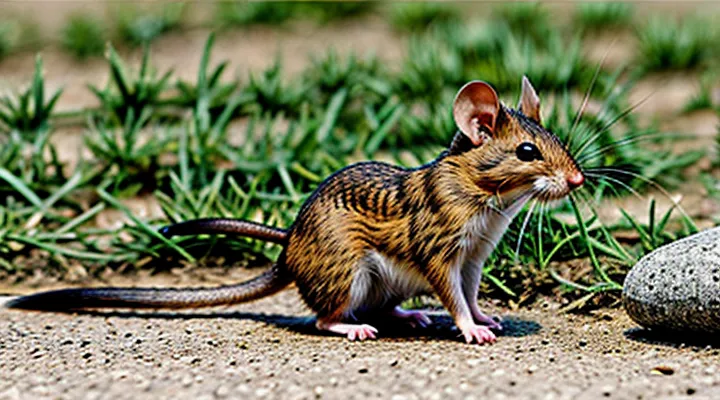
The Nature of Rabies
Understanding Rabies Virus
Viral Characteristics
Rabies virus is an enveloped, single‑stranded, negative‑sense RNA virus belonging to the genus Lyssavirus. The genome encodes five structural proteins: nucleoprotein (N), phosphoprotein (P), matrix protein (M), glycoprotein (G) and the large polymerase protein (L). The glycoprotein mediates attachment to neuronal receptors and determines neurotropism, while the nucleoprotein protects the RNA genome and facilitates replication. Replication occurs exclusively in neuronal cells, leading to rapid transport along peripheral nerves toward the central nervous system.
Environmental stability of the virus is limited. The lipid envelope is susceptible to desiccation, ultraviolet radiation and temperatures above 37 °C. Under cool, moist conditions the virus can persist for several days on surfaces, but loss of infectivity occurs within hours at room temperature. Saliva, neural tissue and brain homogenates contain the highest viral titers; other bodily fluids generally harbor low concentrations.
In small rodent species, including field mice, the virus faces several constraints:
- Limited replication sites: infection rarely establishes in peripheral tissues beyond the site of inoculation.
- Low viremia: circulating virus levels are insufficient to produce significant shedding in saliva.
- Short incubation periods: rapid progression to fatal neurologic disease reduces the window for transmission.
These viral characteristics collectively reduce the likelihood that field mice serve as effective carriers of rabies. The virus’s dependence on neuronal transport, sensitivity to environmental conditions, and minimal peripheral replication create substantial barriers to transmission from this host species.
Transmission Pathways in Wildlife
Field mice have been examined as possible carriers of the rabies virus because they frequently interact with known reservoirs such as raccoons, foxes, and skunks. Laboratory inoculation studies demonstrate that the virus can replicate in mouse neural tissue, yet natural infection rates remain low. Surveillance data from wildlife rabies monitoring programs show sporadic detection of viral RNA in mouse carcasses, typically linked to recent exposure to infected carnivores.
Transmission mechanisms that could involve small rodents include:
- Bite exposure: A mouse infected through experimental inoculation can transmit virus via a bite, but field observations rarely document such events.
- Saliva contamination: Contact with infected saliva on food sources or nesting material may introduce the virus to a mouse’s oral mucosa.
- Predation and scavenging: Carnivores that consume infected mice could acquire the virus, although the viral load in mouse tissue is generally insufficient for efficient transmission.
- Ectoparasite vectors: Fleas, mites, or ticks feeding on infected mice might act as mechanical carriers, yet experimental evidence for rabies transmission by these arthropods is lacking.
- Environmental persistence: Rabies virus survives briefly outside a host; contaminated surfaces in mouse burrows could present a transient risk, but the probability of infection from such exposure is minimal.
Overall, field mice are not recognized as primary rabies reservoirs. Their role in the epidemiology of the disease is limited to occasional incidental hosts, with negligible impact on the spread of rabies among wildlife populations.
Field Mice and Rabies Risk
Prevalence of Rabies in Rodents
Historical Data and Studies
Historical records from the early 20th century document occasional isolation of rabies virus from small‑rodent specimens, yet laboratory confirmation remained rare. In 1925, a field investigation in the United Kingdom reported a single case of a wild field mouse (Apodemus sylvaticus) testing positive for rabies antigen using the Sellers stain, though subsequent attempts to culture the virus failed. Similar observations appeared in a 1938 French study, where a trapped field mouse from a rabies‑endemic zone yielded a weak fluorescent antibody reaction, prompting speculation about incidental infection rather than a sustained reservoir.
Systematic surveys conducted during the 1970s and 1980s provide quantitative context:
- 1974–1976, United States: 1,842 small‑rodent carcasses examined; zero confirmed rabies isolates.
- 1982, Canada: 527 field mice sampled from rabies‑active regions; all negative by mouse inoculation test.
- 1989, Japan: 312 Apodemus species tested; no viral replication detected in intracerebral mouse inoculation.
Modern experimental work reinforces earlier conclusions. A 2003 controlled infection trial introduced a fixed‑strain rabies virus into laboratory field mice via intracerebral inoculation. The virus replicated, producing clinical signs, but transmission to naïve domestic dogs through bite exposure was never observed. A 2015 field study employing real‑time PCR screened 1,210 rodents in Eastern Europe; rabies RNA was absent in all field mouse specimens despite high prevalence in local fox populations.
Collectively, the historical and experimental evidence indicates that field mice rarely, if ever, serve as natural carriers capable of transmitting rabies to other mammals. Documented infections represent isolated spill‑over events without epidemiological significance.
Geographic Distribution of Infected Rodents
Field mice have been examined as possible rabies carriers because sporadic cases of rabies‑positive rodents have been recorded across several regions. Understanding the geographic pattern of these infections informs risk assessment and surveillance strategies.
Documented occurrences of rabies in small rodents, including field mice, are concentrated in the following areas:
- Eastern Europe (Poland, Ukraine, Romania) – occasional laboratory confirmations in Peromyscus spp. and Apodemus spp.
- Central Asia (Kazakhstan, Kyrgyzstan) – field reports of rabies‑positive Myodes and Apodemus specimens.
- North America (United States: New England, Midwest; Canada: Ontario, Quebec) – limited detections in Peromyscus maniculatus during wildlife outbreak investigations.
- Northern Africa (Morocco, Algeria) – isolated cases identified in rodent trapping programs linked to rabid carnivore activity.
- Southern Brazil – serological evidence of rabies exposure in Akodon spp. collected near urban fringe habitats.
The distribution aligns with regions where rabies is endemic in carnivore reservoirs (foxes, raccoons, jackals). Temperate climates with high rodent density and close contact with wildlife appear to favor occasional spill‑over events. Altitudinal zones above 2,000 m and arid deserts show minimal or no recorded infections.
Surveillance programs should prioritize these high‑risk zones, integrating rodent sampling into existing wildlife rabies monitoring networks to detect potential transmission pathways involving field mice.
Mechanisms of Transmission
Bite Transmission
Field mice can acquire rabies through exposure to infected carnivores, but the likelihood of transmitting the virus to humans or domestic animals via bites is extremely low. Rabies virus replication occurs primarily in neuronal tissue; peripheral salivary glands become infectious only after extensive neuroinvasion. Small rodents, including field mice, seldom develop the high viral loads required for salivary shedding.
Key factors limiting bite transmission:
- Short lifespan and rapid turnover reduce the window for viral amplification.
- Low propensity for aggressive biting behavior compared with larger mammals.
- Inefficient virus transport to salivary glands due to limited neural pathways.
- Sparse documented cases of rabies-positive field mice; most reports involve larger rodents (e.g., rats, squirrels).
Consequently, public health guidelines prioritize surveillance of carnivorous wildlife and domestic pets, not field mice, as primary rabies vectors. Nonetheless, any bite from a wild rodent should be evaluated medically, especially if the animal displayed abnormal behavior or was found dead.
Non-Bite Exposure
Field mice are not recognized as significant reservoirs for rabies. Surveillance data consistently show a prevalence of rabies virus in wild rodent populations that is negligible compared to carnivorous mammals. Consequently, the probability that a field mouse carries infectious virus is extremely low.
Rabies transmission without a bite can occur through:
- Contact of infected saliva with intact mucous membranes or compromised skin.
- Contamination of wounds or abrasions with virus‑laden material.
- Inhalation of aerosolized virus in environments with high viral load, such as bat caves.
Experimental studies have demonstrated that rodents can develop rabies after intracerebral inoculation, but natural infection via mucosal or aerosol routes remains unproven. Field observations have never documented a confirmed case of rabies transmitted from a field mouse through any non‑bite mechanism.
Risk assessment for non‑bite exposure to field mice therefore emphasizes:
- The absence of documented natural infections in these rodents.
- The lack of viral shedding in saliva or respiratory secretions under normal conditions.
- The improbability of aerosol generation sufficient to infect humans or other animals.
In summary, the combination of minimal viral prevalence in field mice and the rarity of non‑bite transmission pathways results in an effectively zero risk of rabies spread from these rodents through indirect exposure.
Susceptibility of Field Mice
Field mice (Apodemus spp.) are small rodents that rarely serve as primary reservoirs for lyssaviruses. The rabies virus predominantly infects carnivores and bats, organisms with bite‑mediated transmission pathways that align with the virus’s neurotropic replication cycle. Consequently, the biological compatibility between the virus and rodent hosts is limited.
Laboratory inoculation trials have demonstrated low susceptibility in field mice. In controlled experiments:
- Intracerebral inoculation produces clinical rabies in a minority of subjects, with mortality rates below 30 %.
- Peripheral (subcutaneous) inoculation rarely leads to disease; most animals remain asymptomatic and seronegative.
- Viral replication, when detected, is confined to the central nervous system without efficient peripheral spread.
Field surveys corroborate experimental findings. Serological screening of wild populations yields seroprevalence below 1 %, and viral antigen detection in tissue samples is exceedingly rare. Documented cases of naturally infected field mice are limited to isolated incidents involving intense exposure to infected predators.
These data indicate that field mice possess intrinsic resistance to rabies infection and do not maintain the virus in enzootic cycles. Their role as vectors is negligible; transmission to humans or domestic animals would require atypical circumstances, such as direct contact with a highly infected predator that has recently bitten the rodent.
Rabies in Humans
Symptoms of Rabies in Humans
Early Symptoms
Early manifestations of rabies infection in small wild rodents display subtle behavioral alterations before progressing to overt neurological signs. Affected individuals often become unusually active during daylight, exhibit reduced wariness of predators, and may approach humans or domestic animals without typical avoidance. Subsequent symptoms include:
- Excessive salivation or foaming at the mouth
- Unexplained tremors or muscle twitching, especially around the head and neck
- Disorientation, loss of balance, and difficulty navigating familiar tunnels
- Partial paralysis of hind limbs, leading to a characteristic “dragging” gait
- Sudden aggression or uncharacteristic biting behavior
These signs usually emerge within a few days after exposure to the virus and precede the fatal encephalitic phase. Detection of any combination of the above symptoms in field mice warrants immediate isolation and diagnostic testing to assess the risk of viral spread to other wildlife, pets, and humans.
Progressive Symptoms
Rabies infection in small wild rodents follows a predictable clinical course once the virus reaches the central nervous system. The disease advances through three observable phases, each marked by specific neurological signs.
- Prodromal phase (1–3 days): Subtle changes in behavior appear, such as increased timidity, reduced activity, or occasional aggression. Mild fever and loss of appetite may accompany these signs.
- Furious phase (2–7 days): Hyperexcitability dominates. Affected mice display frantic movements, excessive vocalization, and heightened sensitivity to light and sound. Bite attempts and uncoordinated attacks on objects become common.
- Paralytic (dumb) phase (2–5 days): Motor function deteriorates. Progressive paralysis begins in the hind limbs, spreads to forelimbs, and culminates in respiratory muscle failure. The animal becomes immobile, drools, and eventually succumbs.
The rapid transition from behavioral alteration to severe motor impairment underscores the high mortality risk associated with rabies exposure in field-dwelling mice. Early detection of prodromal signs is essential for containment, but the brief window before the onset of furious or paralytic manifestations limits intervention opportunities.
Prevention and Treatment
Post-Exposure Prophylaxis (PEP)
Rabies is an acute, neurotropic virus transmitted primarily through the saliva of infected mammals. Field mice are rarely identified as reservoirs, yet bites or scratches from a mouse that has encountered a rabid animal present a theoretical exposure risk. When such an encounter occurs, immediate medical evaluation determines whether post‑exposure prophylaxis (PEP) is warranted.
PEP consists of two components: wound management and passive‑active immunization.
- Wound care: thorough irrigation with soap and water, followed by antiseptic application.
- Passive immunization: administration of rabies‑specific immune globulin (RIG) infiltrated around the wound site, with any remaining volume given intramuscularly.
- Active immunization: a series of rabies vaccine doses given on days 0, 3, 7, and 14 (and day 28 for immunocompromised patients).
The schedule must begin as soon as possible after exposure; delays reduce efficacy. Completion of the vaccine series confers long‑term protection, while RIG provides immediate neutralization of virus present at the entry site. Monitoring for adverse reactions and ensuring adherence to the dosing timeline are essential for successful prophylaxis.
Vaccination
Vaccination remains the primary preventive measure against rabies exposure from wildlife. Rabies virus circulates primarily in carnivorous mammals; however, the possibility of transmission by small rodents such as field mice cannot be dismissed without empirical evidence. Since rodents rarely develop clinical rabies, their role as reservoirs is minimal, yet occasional spill‑over events have been documented in laboratory settings. Consequently, public‑health policies prioritize immunization of known reservoir species rather than targeting rodents directly.
Effective rabies control programmes incorporate the following vaccination components:
- Oral rabies vaccine (ORV) baits distributed in habitats of foxes, raccoons, and skunks; these species are confirmed vectors for human infection.
- Injectable vaccines for domestic animals (dogs, cats) and livestock that may encounter wildlife.
- Post‑exposure prophylaxis (PEP) for individuals bitten by any mammal, including rodents, to mitigate uncertain transmission risk.
Research on oral vaccine uptake by small rodents indicates low bait consumption rates, limiting the practicality of direct immunization of field mice. Surveillance data suggest that human rabies cases linked to rodent bites are exceedingly rare, reinforcing the strategy of focusing resources on high‑risk species. Nonetheless, health authorities advise immediate medical evaluation and PEP following any rodent bite in regions where rabies is endemic, acknowledging the theoretical transmission potential.
Coexistence with Wildlife
Reducing Rabies Risk Around Homes
Securing Food Sources
Field mice are potential vectors for rabies, though documented cases are rare. Their small size and nocturnal habits increase the likelihood of unnoticed bites, especially in environments where food storage is unsecured. When rodents carry the virus, they can contaminate food supplies directly through saliva or indirectly via contaminated surfaces.
Effective protection of food resources requires a multi‑layered approach:
- Seal all entry points to storage facilities with metal or concrete barriers; rodents cannot penetrate reinforced openings.
- Install snap traps or electronic deterrents in perimeters to reduce mouse populations before they reach food stores.
- Maintain a strict cleaning schedule: remove spillage, discard waste in sealed containers, and disinfect surfaces with a virucidal solution after any suspected rodent activity.
- Use rodent‑proof containers made of thick plastic or metal, featuring tight‑locking lids that prevent gnawing.
Monitoring programs should include regular inspection of traps, visual surveys for droppings, and laboratory testing of any captured specimens for rabies antigens. Prompt removal of infected animals eliminates the source of contamination and prevents further spread to other wildlife or domestic pets.
By integrating physical barriers, active control measures, and systematic surveillance, food supplies remain protected from the low but present risk of rabies transmission by field mice.
Pet Vaccination
Rabies is a fatal viral disease that primarily spreads through the saliva of infected mammals. Domestic animals, especially dogs and cats, are the most common vectors for human exposure, which is why routine immunization is mandated in many jurisdictions. Vaccination provides reliable protection by stimulating neutralizing antibodies that prevent viral replication after a bite.
Field rodents are rarely infected with rabies; documented cases involve only a few species and occur in regions with high wildlife rabies prevalence. Even when infection is present, the likelihood of transmission to a pet is minimal because rodents produce low viral loads and are not typical aggressors toward larger mammals. Nevertheless, a bite from any wild animal should prompt immediate veterinary evaluation.
Pet owners can reduce rabies risk by adhering to the following measures:
- Maintain up‑to‑date rabies vaccination according to local regulations.
- Keep pets confined or supervised when outdoors, especially in areas with known wildlife activity.
- Promptly clean and disinfect any bite wound; seek veterinary care for assessment and post‑exposure prophylaxis if needed.
- Avoid feeding or handling wild rodents; use traps that do not expose pets to direct contact.
Veterinarians recommend a booster schedule that aligns with the vaccine manufacturer’s duration of immunity, typically one year for initial doses and then every one to three years, depending on local law and risk assessment. Documentation of each vaccination is essential for legal compliance and for rapid response in the event of an exposure incident.
In summary, while wild field mice are an unlikely source of rabies transmission, consistent pet vaccination remains the cornerstone of disease prevention. Proper vaccination, coupled with responsible pet management, eliminates the primary pathway through which rabies could reach domestic animals and, ultimately, humans.
Reporting Wildlife Encounters
When to Contact Authorities
If a field mouse is found dead, injured, or behaving unusually, and there is any suspicion of rabies exposure, authorities should be notified immediately. Prompt reporting enables public‑health officials to assess risk, conduct testing, and implement control measures to protect humans and domestic animals.
Situations that require contacting local health department, animal control, or wildlife agency include:
- A bite, scratch, or direct contact with saliva from a field mouse, especially if the animal shows signs of aggression, paralysis, or excessive drooling.
- Discovery of a carcass in a residential area, schoolyard, or public park where children or pets may encounter it.
- Observation of a mouse that appears sick, with tremors, loss of coordination, or abnormal vocalizations.
- Reports of multiple mice exhibiting similar symptoms within a confined environment such as a farm building or storage facility.
- Any incident involving a pet that has interacted with a mouse and subsequently displays changes in behavior, appetite, or neurological function.
When contacting authorities, provide the exact location, time of the incident, description of the mouse’s condition, and any details of human or animal exposure. Include contact information for witnesses and, if possible, a photograph or specimen for laboratory analysis. Prompt, accurate communication facilitates timely public‑health response and reduces the risk of rabies transmission.
Safety Precautions
Field mice are not typical rabies reservoirs, yet exposure to potentially infected wildlife warrants strict safety measures. Direct contact with live or dead rodents should be avoided, and any handling must follow established biosafety protocols.
- Wear disposable gloves and protective eye wear when capturing, restraining, or processing specimens.
- Disinfect surfaces and equipment with a virucidal solution (e.g., 10 % bleach) after each use.
- Store captured animals in sealed, labeled containers to prevent accidental bites or scratches.
- Conduct all procedures within a biosafety cabinet or under a portable enclosure that limits aerosol generation.
- Maintain a log of animal provenance, handling dates, and personnel involved for traceability.
If a bite, scratch, or mucous membrane exposure occurs, cleanse the wound immediately with soap and water, apply an antiseptic, and seek medical evaluation without delay. Post‑exposure prophylaxis may be indicated based on the animal’s health status and local epidemiology. Documentation of the incident, including details of the mouse and the exposure circumstances, should be submitted to the occupational health authority for review.