
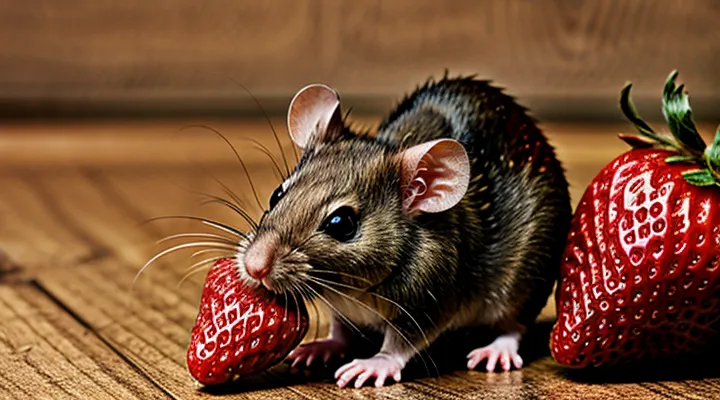
The Nutritional Value of Strawberries
Vitamins and Minerals in Strawberries
Strawberries provide a range of micronutrients that can support the health of pet rats when offered in moderation.
-
Vitamin C – approximately 58 mg per 100 g; supports immune function and collagen synthesis.
-
Vitamin A (β‑carotene) – about 1 µg RAE per 100 g; contributes to vision and skin integrity.
-
Folate (Vitamin B9) – 24 µg per 100 g; essential for DNA synthesis and cellular division.
-
Vitamin K – 2.2 µg per 100 g; involved in blood clotting mechanisms.
-
Potassium – 153 mg per 100 g; regulates nerve impulses and fluid balance.
-
Magnesium – 13 mg per 100 g; participates in enzymatic reactions and muscle function.
-
Calcium – 13 mg per 100 g; required for bone development and neuromuscular signaling.
-
Iron – 0.4 mg per 100 g; necessary for oxygen transport.
Rats can metabolize these nutrients, but the high natural sugar content of strawberries warrants careful portion control. A single small slice (no more than 5 g) per day satisfies vitamin needs without exceeding recommended carbohydrate limits. Excessive intake may lead to gastrointestinal upset or weight gain.
When incorporating strawberries into a rat’s diet, ensure the fruit is fresh, washed, and free of pesticides. Remove stems and leaves, which contain compounds that can irritate the digestive tract. Regular monitoring of the animal’s health and body condition will confirm that the added fruit contributes positively to nutrition without adverse effects.
Antioxidants and Other Beneficial Compounds
Strawberries contain a range of phytochemicals that can contribute to the health of domesticated rats kept on a premium diet. The fruit’s profile includes high concentrations of vitamin C, which functions as a water‑soluble antioxidant, protecting cells from oxidative damage caused by free radicals. Anthocyanins, the pigments responsible for the red hue, belong to the flavonoid class and exhibit strong radical‑scavenging activity. Additional flavonoids such as quercetin and kaempferol add to the antioxidant capacity.
Other nutrients present in strawberries support physiological processes relevant to rats:
- Dietary fiber: promotes gastrointestinal motility and stabilizes gut microbiota.
- Folate (vitamin B9): participates in nucleic acid synthesis and methylation pathways.
- Potassium: assists in maintaining electrolyte balance and nerve function.
- Small amounts of manganese and vitamin K: contribute to enzyme activation and blood clotting mechanisms.
When incorporated into a rat’s diet, these compounds can aid in reducing oxidative stress, enhancing immune responsiveness, and supporting skeletal and cardiovascular health. However, the natural sugar content of strawberries warrants moderation; excessive intake may lead to weight gain or dysbiosis. A practical feeding guideline recommends offering no more than one to two small berries per week for an adult rat weighing 250 g, ensuring the fruit is washed thoroughly and free of pesticides.
Overall, the antioxidant and nutrient profile of strawberries aligns with the nutritional goals of a refined rodent diet, provided that portion size and frequency are managed to avoid excess sugars.
Can Rats Eat Strawberries?
The Safety of Strawberries for Fancy Rats
Potential Health Benefits for Rats
Strawberries provide a range of nutrients that can support the well‑being of domesticated rats. The fruit’s natural composition aligns with several dietary needs common to these animals.
- Vitamin C: enhances immune function and aids collagen synthesis.
- Antioxidants (anthocyanins, ellagic acid): mitigate oxidative stress, which contributes to cellular aging.
- Dietary fiber: promotes gastrointestinal motility and helps maintain a balanced gut microbiome.
- Water content: contributes to overall hydration without increasing caloric intake.
- Low fat and protein: fits within the typical macronutrient profile for a rat’s balanced diet.
Excessive sugar in strawberries can disrupt glucose regulation and provoke digestive upset. Introducing the fruit gradually, limiting portions to no more than a quarter of a fresh berry per day, minimizes these risks. Monitoring for signs of diarrhea or reduced appetite ensures early detection of adverse reactions.
When incorporated responsibly, strawberries can enrich a rat’s diet with vitamins, antioxidants, and fiber, supporting immune health, digestive efficiency, and overall vitality.
Risks and Considerations
Fancy rats can consume strawberries, but several health factors require careful assessment.
- Sugar content – Fresh strawberries contain natural sugars that may contribute to weight gain or dental decay if offered in excess. Monitor portion size to keep caloric intake within the rat’s daily requirement.
- Fiber load – The fruit’s fiber supports gastrointestinal motility, yet abrupt increases can cause soft stools or diarrhea. Introduce small amounts gradually and observe stool consistency.
- Pesticide residues – Commercial strawberries often carry surface chemicals. Wash thoroughly, peel if necessary, and prefer organic produce to minimize toxic exposure.
- Allergic potential – Individual rats may develop hypersensitivity to fruit proteins. After the first serving, watch for sneezing, itching, or respiratory distress; discontinue if symptoms appear.
- Seasonal availability – Fresh strawberries are seasonal; frozen or processed varieties may contain added sugars, preservatives, or artificial flavors that are unsuitable for rodents. Use only fresh, unprocessed fruit.
Overall, strawberries can be a safe occasional treat when introduced modestly, prepared hygienically, and monitored for adverse reactions.
How to Feed Strawberries to Your Fancy Rat
Preparation Guidelines
Washing Strawberries
Strawberries intended for consumption by pet rats must be free of surface contaminants. Residues from pesticides, soil particles, and microbial colonies can cause digestive upset or illness in small mammals.
- Rinse under cool, running water for 30 seconds.
- Gently rub each berry with fingertips or a soft brush to dislodge adherent matter.
- Submerge berries in a bowl of water mixed with one teaspoon of food‑grade vinegar; stir for one minute.
- Rinse again under running water to remove vinegar traces.
- Pat dry with a clean paper towel or allow to air‑dry on a sterile rack.
The vinegar soak lowers bacterial load without leaving harmful chemicals. Thorough rinsing eliminates any remaining acid, preventing sour taste that might deter the rat.
After washing, store strawberries in a sealed container in the refrigerator, no longer than 24 hours. Offer only a small portion—approximately one to two berries per 100 g of body weight—to avoid excess sugar intake. Remove any bruised or moldy pieces before serving.
Proper cleaning ensures the fruit is safe, palatable, and nutritionally beneficial for fancy rats that are permitted to eat strawberries.
Cutting Strawberries for Rats
When providing strawberries to pet rats, the fruit must be prepared to prevent choking and reduce sugar load. Cut the berries into uniform pieces small enough to fit comfortably in a rat’s mouth; a size comparable to a pea or slightly smaller is ideal.
Preparation steps:
- Wash the strawberry thoroughly under running water to remove pesticide residues.
- Remove the green calyx and any bruised sections.
- Slice the fruit lengthwise, then halve each slice to achieve a bite‑size piece.
- Optional: Pat the pieces dry with a paper towel to eliminate excess moisture that could cause mold.
Feeding guidelines:
- Offer no more than one or two bite‑size pieces per day, adjusting the amount based on the rat’s weight and overall diet.
- Observe the animal for signs of digestive upset; discontinue if loose stool or reduced appetite occurs.
- Store unused portions in an airtight container in the refrigerator and discard after 24 hours to maintain freshness.
Proper cutting and portion control ensure that strawberries serve as a safe, occasional treat without compromising the nutritional balance required for healthy pet rats.
Serving Recommendations
Quantity and Frequency
Fancy rats can safely consume strawberries when portions are limited and feeding intervals are spaced. A single medium strawberry (approximately 12 g) provides about 4 g of sugar and a modest amount of vitamin C, which fits within a rat’s daily nutritional requirements.
Recommended quantity
- One slice (≈ 3 g) per feeding for a rat weighing 200 g.
- No more than two slices (≈ 6 g) per day for larger individuals (250 g+).
- Whole strawberries should be avoided; cut into bite‑size pieces to prevent choking.
Suggested frequency
- Offer strawberry pieces no more than three times per week.
- Allow at least 48 hours between strawberry feedings to maintain balanced carbohydrate intake.
- Observe the rat for digestive tolerance; discontinue if loose stools or reduced appetite occur.
These limits ensure strawberries remain a treat rather than a staple, preserving overall diet quality and preventing metabolic strain.
Introducing Strawberries to Your Rat's Diet
Strawberries may be added to a pet rat’s menu when prepared correctly and offered in limited amounts. Veterinary nutritionists confirm that the fruit supplies vitamin C, fiber, and antioxidants, which complement the protein‑rich staple diet of commercial pellets and fresh vegetables.
Preparation requires thorough washing to remove pesticide residues, removal of the stem and any bruised sections, and cutting the fruit into pieces no larger than a pea. Offering whole berries or large chunks increases choking risk and may lead to overconsumption of natural sugars.
- Wash under running water.
- Trim stem and discard damaged areas.
- Slice into ¼‑inch cubes.
- Store in a sealed container for no more than 24 hours in the refrigerator.
A single small cube (approximately 2–3 grams) constitutes a safe serving for an adult rat. Frequency should not exceed two servings per week; daily inclusion can cause gastrointestinal upset and weight gain. Begin with one piece, observe the animal for 24 hours, and adjust the amount only if no adverse reaction occurs.
Signs of intolerance include loose stools, reduced appetite, or excessive licking of the mouth. Should any of these symptoms appear, discontinue strawberry feedings immediately and consult a veterinarian. Regular monitoring ensures the fruit remains a beneficial supplement rather than a health hazard.
Potential Side Effects and What to Watch For
Digestive Upset
Strawberries contain natural sugars, water, fiber, and vitamin C. These nutrients are appealing to ornamental rats, yet the same components can trigger digestive disturbances when introduced without caution.
High sugar levels increase osmotic pressure in the gut, drawing water into the intestines and producing loose stools. Fiber, while beneficial in moderate amounts, may overwhelm the short digestive tract of a rat, leading to gas and abdominal discomfort. The fruit’s mild acidity can irritate the stomach lining, especially after a sudden dietary change.
Typical indicators of gastrointestinal upset include watery feces, reduced food intake, lethargy, and a visibly distended abdomen. Persistent symptoms may progress to dehydration and weight loss, requiring veterinary assessment.
Immediate response involves removing the fruit, providing fresh water, and monitoring stool consistency. If diarrhea continues for more than 24 hours, a veterinarian should be consulted for rehydration therapy and possible probiotic supplementation. A bland diet—such as boiled chicken and plain rice—supports recovery while the gut stabilizes.
Preventive practices:
- Offer strawberries no more than once weekly.
- Limit each serving to a single, small slice (approximately 2–3 mm in size).
- Introduce gradually, observing the animal for any adverse reaction.
- Wash thoroughly to eliminate pesticide residue; discard stems and leaves.
- Pair with a balanced staple diet to maintain overall nutritional equilibrium.
Adhering to these guidelines minimizes the risk of digestive upset while allowing occasional enjoyment of strawberries by fancy rats.
Allergic Reactions
Strawberries are a common treat offered to domesticated rats with elaborate coat varieties, yet the potential for hypersensitivity must be evaluated before regular inclusion in their diet.
Allergic responses in rats manifest through distinct clinical signs:
- Dermal erythema or localized swelling
- Excessive scratching or grooming of affected areas
- Respiratory difficulty, including rapid or labored breathing
- Gastrointestinal disturbances such as vomiting or watery diarrhea
Observation of any of these symptoms after initial exposure warrants immediate cessation of the fruit and veterinary consultation. A prudent introduction protocol involves offering a minute fragment (approximately 1 mm³) and monitoring for at least 24 hours. If no adverse reaction occurs, the portion may be gradually increased, but the total fruit intake should remain below 5 % of daily caloric consumption.
Veterinarians may recommend antihistamines or corticosteroids for confirmed cases, alongside a diet free of the offending allergen. Alternative low‑allergen fruits—such as blueberries or peeled apples—provide comparable nutritional benefits without the same risk profile.
Alternative Fruits for Fancy Rats
Safe Fruit Options
Pet rats may include fruit in their diet, but selections must meet nutritional and safety criteria. Fruit should be offered sparingly, no more than 5 % of total intake, to avoid excess sugars and digestive upset.
Safe fruit choices include:
- Apple (core removed, seeds discarded) – low‑acid, provides fiber and vitamin C.
- Blueberries – rich in antioxidants, serve as occasional treat.
- Strawberries – high water content, source of vitamin C; remove stems and wash thoroughly.
- Kiwi – soft texture, supplies vitamin K and potassium; feed in small pieces.
- Pear (skin removed, seeds discarded) – gentle on the stomach, supplies fiber.
Fruits to avoid:
- Citrus (orange, lemon, grapefruit) – high acidity can irritate the gastrointestinal tract.
- Grapes and raisins – associated with renal toxicity in small mammals.
- Stone fruits with pits (peach, plum, cherry) – pits contain cyanogenic compounds and pose choking hazards.
- Avocado – contains persin, which is toxic to many rodents.
When introducing any fruit, observe the rat for signs of diarrhea or loss of appetite. Fresh fruit must be washed, peeled when necessary, and served in bite‑size portions. Uneaten pieces should be removed within two hours to prevent mold growth. Consistent monitoring ensures that fruit enhances the diet without compromising health.
Fruits to Avoid
Fancy rats may enjoy strawberries in moderation, but many fruits present health risks. Their metabolic systems lack the enzymes needed to process certain natural compounds, leading to gastrointestinal distress, renal strain, or toxic reactions.
Fruits to avoid include:
- Citrus fruits (oranges, lemons, limes, grapefruits) – high acidity irritates the stomach and can cause enamel erosion on teeth.
- Grapes and raisins – contain unidentified toxins that can induce acute kidney failure in rodents.
- Avocado – persin, a fatty acid derivative, is cardiotoxic and may cause respiratory distress.
- Cherries, apricots, and plums – pits and skins contain cyanogenic glycosides that release cyanide when metabolized.
- Tomatoes (green or unripe) – solanine levels are harmful to rodent nervous systems.
- Unripe bananas – excess starch converts to sugars that ferment in the gut, producing gas and diarrhea.
Feeding only safe, low‑sugar fruits and monitoring portion sizes reduces the likelihood of adverse effects. Regular veterinary consultation ensures dietary plans remain appropriate for the specific breed and health condition.