
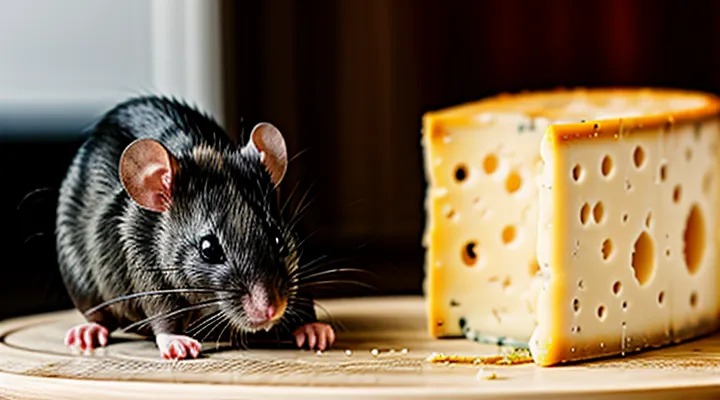
Can Fancy Rats Eat Cheese? The Short Answer
Fancy rats can eat cheese, but the practice requires careful moderation. Cheese supplies protein and fat, yet it also contains lactose, which many rodents digest poorly. Excessive consumption may cause digestive upset, obesity, or dental problems.
Key points to consider:
- Choose low‑lactose varieties such as cheddar, mozzarella, or Swiss.
- Offer only a tiny piece (no larger than a pea) once or twice a week.
- Observe the rat for signs of diarrhea or reduced appetite after feeding.
- Balance the diet with high‑fiber pellets, fresh vegetables, and clean water.
If the rat tolerates the occasional cheese piece without adverse effects, it can be a safe, occasional treat. Regular feeding is unnecessary and potentially harmful.
Nutritional Value of Cheese for Rats
Macronutrients
Proteins
Proteins provide the building blocks for tissue growth, repair, and enzymatic activity in fancy rats. Adequate protein intake supports healthy fur, skeletal development, and immune function.
Rats require roughly 14‑16 % protein on a dry‑matter basis. A typical diet of commercial pellets meets this target; supplemental foods must be balanced to avoid excess. Over‑protein can strain kidneys and promote obesity when paired with high‑fat items.
Cheese contains casein and whey, both high‑quality proteins with a complete amino‑acid profile. However, protein concentration varies by type:
- Hard cheeses (e.g., cheddar, parmesan): 25‑30 % protein, low moisture.
- Soft cheeses (e.g., mozzarella, cream cheese): 8‑12 % protein, higher moisture.
- Processed cheeses: variable protein, often diluted with fillers.
The high protein content of cheese can satisfy a portion of a rat’s daily requirement, but the accompanying lactose and saturated fat present additional concerns. Lactose intolerance is common in adult rats; undigested lactose may cause diarrhea and dysbiosis. Saturated fat contributes to weight gain and cardiovascular strain.
Practical guidance for offering cheese to fancy rats:
- Limit to a maximum of one teaspoon (≈5 g) per week.
- Choose low‑lactose options such as aged cheddar or parmesan.
- Pair with a balanced pellet diet to maintain overall protein percentage.
- Monitor body condition and stool consistency after each serving.
When protein needs are met through a nutritionally complete base diet, occasional cheese serves as a palatable supplement rather than a primary source.
Fats
Cheese is a high‑fat food; its fat composition influences how it affects domesticated rats that are kept as pets. Rat metabolism processes dietary lipids differently from humans, relying on bile secretion and pancreatic lipases to emulsify and hydrolyze triglycerides. Excessive intake of saturated fats, which dominate in many cheeses, can lead to obesity, hepatic steatosis, and cardiovascular strain in rodents.
Key considerations for feeding cheese to pet rats include:
- Total fat content – cheeses range from 10 % to over 30 % fat by weight; lower‑fat varieties reduce caloric load.
- Fatty‑acid profile – saturated fatty acids (palmitic, stearic) increase lipid accumulation; monounsaturated (oleic) and polyunsaturated (linoleic) acids are metabolically gentler.
- Portion size – a single bite (≈0.5 g) provides roughly 2–4 kcal; regular feeding quickly exceeds the recommended 10 % of daily energy intake from fats.
- Frequency – occasional treats lessen chronic exposure; daily inclusion raises risk of metabolic disorders.
When cheese is offered, monitor body condition, liver enzymes, and activity level. Replace frequent cheese treats with low‑fat protein sources (e.g., cooked egg whites, lean poultry) to satisfy enrichment without overloading the rat’s lipid metabolism.
Carbohydrates
Cheese contains a modest amount of carbohydrates, primarily lactose. Lactose is a disaccharide that requires the enzyme lactase for digestion; lactase activity decreases in rats after the weaning period, limiting their capacity to process large lactose loads. Excess lactose can lead to osmotic diarrhea, bloating, and disruption of the gut microbiota.
Typical carbohydrate content in common cheeses (by weight):
- Cheddar: 0.5 % lactose
- Mozzarella (fresh): 1.0 % lactose
- Swiss: 0.1 % lactose
- Processed cheese spreads: up to 3 % lactose
When feeding fancy rats, the carbohydrate fraction should remain a small proportion of the overall diet. A safe approach limits cheese to occasional treats, ensuring that the total lactose intake does not exceed the animal’s digestive tolerance. Monitoring for signs of gastrointestinal distress after cheese consumption confirms whether the carbohydrate load is acceptable for a particular rat.
Micronutrients
Calcium
Calcium is a mineral required for skeletal development, dental maintenance, and neuromuscular function in rats. Adult fancy rats need approximately 0.5 % calcium in their dry diet; growing individuals require slightly higher levels to support rapid bone formation. Deficiencies manifest as weak bones, malformed incisors, and impaired muscle contraction.
Cheese supplies calcium in concentrations ranging from 200 mg to 800 mg per 100 g, depending on variety. It also contributes protein, fat, and lactose. The high fat content can increase caloric intake, while lactose may cause digestive upset in rats that lack sufficient lactase activity. Therefore, cheese is not a balanced source of calcium on its own.
Guidelines for offering cheese to fancy rats:
- Limit portions to 5–10 g per serving, no more than twice weekly.
- Choose low‑fat varieties (e.g., part‑skim mozzarella) to reduce excess calories.
- Monitor body weight and urinary health; discontinue if signs of obesity or urinary crystals appear.
- Complement cheese with a staple diet formulated to meet the 0.5 % calcium requirement, ensuring overall mineral balance.
Adhering to these limits provides a safe calcium supplement without compromising nutritional equilibrium.
Vitamins (A, D, B12)
Cheese contains measurable amounts of vitamins A, D, and B12, nutrients that influence the health of pet rats. The dietary requirement for each vitamin in rats is limited; excess intake can disrupt metabolic balance and lead to toxicity.
Vitamin A is present in many cheeses, especially those made from whole milk. Rats need a modest supply for vision and epithelial maintenance. Typical cheese portions provide more than the recommended daily allowance for a small rat, risking hypervitaminosis A, which manifests as skeletal deformities and liver enlargement.
Vitamin D is fat‑soluble and aids calcium absorption. Full‑fat cheeses supply vitamin D in quantities that can exceed the rat’s physiological need. Chronic oversupply may cause hypercalcemia, resulting in kidney calcification and weakened bone structure.
Vitamin B12 supports red blood cell formation and neurological function. Cheese contributes B12, but the amount is generally below the rat’s minimal requirement. Supplemental B12 is often necessary when cheese is a primary protein source, yet reliance on cheese alone does not meet the species‑specific demand.
Guidelines for offering cheese to fancy rats:
- Limit cheese to no more than 5 % of total daily caloric intake.
- Choose low‑fat varieties to reduce vitamin D and A load.
- Complement cheese with a balanced rodent diet that includes formulated pellets rich in B12.
- Monitor rats for signs of vitamin toxicity: weight loss, abnormal gait, or changes in fur condition.
- Adjust portion size based on individual weight and health status.
Potential Risks of Feeding Cheese to Rats
Lactose Intolerance
Symptoms of Lactose Intolerance
Feeding cheese to pet rats can trigger lactose intolerance, a condition in which the animal lacks sufficient lactase to digest dairy sugars. When a rat consumes cheese containing lactose, undigested sugar remains in the gastrointestinal tract, leading to observable discomfort.
Typical signs of lactose intolerance in rats include:
- Soft, watery stools or diarrhea
- Bloating and abdominal cramping
- Excessive gas production
- Decreased appetite or refusal to eat
- Lethargy and reduced activity levels
If any of these symptoms appear after offering cheese, discontinue dairy immediately. Provide water, a bland diet of plain rodent pellets, and monitor for improvement. Persistent issues warrant veterinary evaluation to rule out secondary infections or other digestive disorders.
High Fat Content
Obesity
Feeding cheese to show-quality rats introduces a dense source of calories that can quickly shift energy balance toward storage. Cheese contains 30–40 g of fat per 100 g and provides approximately 350–400 kcal, far exceeding the typical daily energy intake of a 100‑g rat (about 15 kcal). Regular inclusion of such a nutrient‑dense treat raises the likelihood of excess adipose accumulation.
Rats maintain a high basal metabolic rate, yet their capacity to oxidize surplus energy is limited. When caloric intake surpasses expenditure, lipids are deposited in subcutaneous and visceral depots. The small body mass amplifies the effect: a 5‑gram increase represents a 5 % rise in weight and can trigger metabolic disturbances within weeks.
Obesity manifests as:
- Visible enlargement of the torso and hindquarters
- Reduced agility and slower response to handling
- Increased respiratory effort during activity
- Elevated blood glucose and lipid levels, predisposing to diabetes and cardiovascular strain
Management requires precise control of treat frequency and portion size. A practical protocol includes:
- Offer cheese no more than twice per week.
- Limit each serving to 0.5 g of low‑fat cheese, equivalent to roughly 2 kcal.
- Replace the treat with fresh vegetables (e.g., cucumber, bell pepper) on other days to maintain fiber intake.
- Weigh rats weekly; intervene when body mass exceeds 20 % above the breed standard.
Consistent monitoring and adherence to the outlined limits prevent the rapid weight gain that cheese can provoke while allowing occasional enrichment for fancy rats.
Pancreatitis
Feeding cheese to domesticated rats may trigger pancreatitis, an acute inflammation of the pancreas that impairs digestion and metabolism. The condition arises when the organ is exposed to excessive dietary fats, which are abundant in many dairy products. In rats, the pancreas secretes enzymes that break down nutrients; overloading this system leads to premature activation of enzymes within the gland, causing tissue damage.
Typical clinical signs include:
- Reduced appetite
- Lethargy
- Abdominal swelling
- Vomiting or regurgitation
- Diarrhea with oily appearance
Prevention focuses on dietary management:
- Limit high‑fat foods, especially cheese, to occasional, minimal portions.
- Provide a balanced rodent diet formulated for low fat content.
- Monitor body weight and adjust portions to avoid obesity.
- Ensure fresh water is always available.
If pancreatitis is suspected, immediate veterinary assessment is required. Diagnostic steps involve blood analysis for elevated pancreatic enzymes and imaging to evaluate gland enlargement. Treatment protocols generally consist of:
- Fluid therapy to correct dehydration
- Analgesics for pain control
- Antiemetics to suppress vomiting
- Nutritional support with easily digestible, low‑fat formulas
Early intervention improves prognosis; delayed care increases risk of necrosis, infection, and mortality. Owners who wish to offer cheese as an occasional treat should adhere to strict portion limits and observe any adverse reactions closely. Regular health checks help detect subclinical pancreatic issues before they progress to severe disease.
High Sodium Content
Kidney Issues
Cheese is rich in sodium, phosphorus, and saturated fat, nutrients that place a significant load on a rat’s renal system. Excess sodium raises blood pressure, which can accelerate glomerular damage. Elevated phosphorus levels force the kidneys to excrete more mineral waste, potentially leading to nephrocalcinosis. High fat content contributes to obesity, a risk factor for chronic kidney disease.
Rats with compromised kidneys exhibit polyuria, polydipsia, weight loss, and lethargy. Laboratory analysis typically shows increased blood urea nitrogen and creatinine, along with reduced urine specific gravity. When a rat shows any of these signs, dietary calcium and phosphate should be tightly regulated, and cheese should be eliminated.
Safe protein sources for rats with renal concerns include:
- Cooked, skin‑free chicken breast
- Low‑fat cottage cheese (limited quantity)
- Egg whites (cooked)
If cheese is offered, limit portions to less than 0.5 g per 100 g body weight, ensure the product is low‑salt, and monitor renal markers weekly. Continuous access to fresh water mitigates the dehydrating effect of sodium and supports kidney function.
In summary, cheese can exacerbate renal stress in fancy rats. Restricting or avoiding it, especially in animals with known kidney issues, protects renal health and extends lifespan.
Additives and Preservatives
Artificial Colors
Artificial colors are added to many cheese varieties to enhance visual appeal. Their presence introduces compounds that differ from the natural pigments of milk proteins. When evaluating cheese as a treat for ornamental rats, the color additives become a variable in nutritional safety.
Regulatory agencies define maximum permissible concentrations for each synthetic dye. Limits are expressed in milligrams per kilogram of product and are based on chronic toxicity studies. Exceeding these thresholds can lead to organ stress, particularly in small mammals with higher metabolic rates.
Rats metabolize azo dyes through hepatic enzymes. Rapid conversion can produce aromatic amines, some of which exhibit mutagenic properties. Studies on laboratory rodents show dose‑dependent changes in liver enzyme activity and occasional histopathological alterations when exposed to high levels of certain dyes.
Guidelines for offering cheese to fancy rats:
- Choose cheese labeled “no artificial colors” or “naturally colored.”
- Verify ingredient list for names such as FD&C Red No. 40, Yellow 5, or similar synthetic dyes.
- Limit portion size to less than 5 % of daily caloric intake.
- Observe the animal for signs of gastrointestinal upset or behavioral changes after consumption.
- Rotate cheese types to avoid repeated exposure to the same dye.
Adhering to these practices minimizes the risk associated with synthetic pigments while allowing occasional cheese treats for ornamental rats.
Flavor Enhancers
Flavor enhancers are compounds that intensify or modify the taste profile of foods. They include natural ingredients such as monosodium glutamate, yeast extracts, and amino acids, as well as synthetic agents like ethyl maltol and disodium inosinate. The primary function is to increase palatability without adding significant nutritional value.
Rats possess a keen sense of taste and often show a preference for fatty, salty, and umami flavors. Cheese already contains proteins, fats, and lactose, which appeal to rodent gustatory receptors. Adding a modest amount of an umami enhancer can make cheese more attractive to sophisticated pet rats, encouraging consumption of a balanced snack.
Safety considerations require strict adherence to veterinary guidelines and food‑safety regulations. Acceptable enhancers must be non‑toxic at the concentrations used, free of allergens, and listed as safe for small mammals by authorities such as the FDA or EFSA. Overuse can lead to hypernatremia, gastrointestinal irritation, or altered feeding behavior.
Practical recommendations for incorporating flavor enhancers into cheese offered to pet rats:
- Monosodium glutamate (MSG): 0.1 %–0.3 % of the cheese weight; improves umami perception.
- Yeast extract: 0.2 %–0.5 %; provides a natural savory boost.
- Lactose‑free whey protein concentrate: 1 %–2 %; adds protein without excess lactose.
- Herb powders (e.g., basil, oregano): 0.05 %–0.1 %; introduce mild aromatic notes.
Each additive should be mixed thoroughly, the cheese portion limited to 5–10 g per rat per day, and the diet monitored for adverse reactions. Regular veterinary checks ensure that flavor enhancement supports, rather than disrupts, overall health.
Safe Cheese Options and Feeding Guidelines
Types of Cheese to Consider
Hard, Aged Cheeses
Hard, aged cheeses contain high levels of protein, calcium, and saturated fat. These nutrients can be beneficial in small amounts but also present health risks for pet rats with delicate digestive systems.
Veterinary recommendations for feeding hard, aged cheeses to domesticated rats include:
- Offer no more than 0.5 g per 100 g of body weight per week.
- Select low-salt varieties such as aged Gouda or mild cheddar; avoid blue‑veined or heavily salted cheeses.
- Present cheese in small cubes to prevent choking.
- Observe the animal for signs of gastrointestinal upset, such as loose stool or reduced appetite, and discontinue use if symptoms appear.
Excessive consumption may lead to obesity, kidney strain, and mineral imbalances. Rats that are overweight, have renal disease, or are prone to dental issues should not receive hard, aged cheeses at all.
In summary, limited, carefully monitored portions of low‑salt, aged cheeses can be incorporated into a rat’s diet, provided the animal’s health status is considered and veterinary guidance is followed.
Small Quantities Only
Cheese may be included in a fancy rat’s diet, but the amount must remain minimal. High fat and lactose content make cheese a potential source of digestive upset and rapid weight gain, which can compromise health.
- Portion size: no more than ¼ teaspoon per rat, once or twice weekly.
- Types suitable for limited feeding: low‑fat varieties such as mozzarella, mild cheddar, or cottage cheese.
- Preparation: cut into tiny cubes, remove any rind, and offer at room temperature to encourage acceptance.
Excessive cheese introduces unnecessary calories and can trigger lactose intolerance symptoms, including diarrhea and bloating. Monitoring body condition after each serving helps prevent obesity. If a rat shows adverse reactions, discontinue cheese immediately and replace with safer treats such as fresh vegetables or small pieces of fruit.
How to Offer Cheese
As a Treat
Cheese can serve as an occasional treat for fancy rats when selected and administered correctly.
Rats possess a limited ability to digest lactose; most adult rodents lack sufficient lactase enzyme, making unprocessed dairy products potentially problematic. Therefore, only low‑lactose varieties should be considered, and portions must remain small.
Suitable cheese options
- Hard cheeses (e.g., cheddar, parmesan) – low moisture, reduced lactose.
- Aged cheeses (e.g., gouda, Swiss) – further lactose degradation during aging.
- Fresh, low‑fat cottage cheese – minimal lactose, high protein, but limit to a teaspoon.
Guidelines for feeding
- Offer no more than a ½‑gram piece per rat, roughly the size of a pea.
- Limit frequency to once or twice a week to prevent digestive upset.
- Observe the animal after ingestion; signs of diarrhea or bloating require immediate cessation.
- Store cheese in airtight containers at refrigeration temperature to avoid bacterial contamination.
Alternatives with comparable reward value
- Small pieces of plain, unsalted cooked egg.
- Tiny portions of fresh fruit (apple, banana) without seeds.
- Commercially formulated rodent treats that meet nutritional standards.
When incorporated sparingly and with attention to lactose content, cheese provides a protein‑rich indulgence that enhances enrichment without compromising health.
Infrequent Feeding
Providing cheese to ornamental rats on an occasional basis requires careful consideration of feeding frequency, nutritional balance, and digestive tolerance. Cheese is high in fat and protein but low in essential vitamins and minerals that rats need daily. When offered infrequently, cheese can serve as a novel treat without displacing the core diet of formulated pellets, fresh vegetables, and safe grains.
Key points for intermittent cheese feeding:
- Offer a small piece (no larger than a pea) once or twice a month.
- Choose low‑lactose varieties such as mild cheddar, mozzarella, or Swiss to reduce the risk of gastrointestinal upset.
- Observe the rat for signs of diarrhea, bloating, or reduced appetite after the treat; discontinue if any adverse reaction occurs.
- Maintain constant access to fresh water, as cheese’s salt content can increase thirst.
Infrequent exposure limits the accumulation of excess calories and saturated fats, which can lead to obesity and liver strain in rodents. It also prevents the development of a preference that might cause the animal to reject its balanced staple diet. By restricting cheese to a rare treat, owners preserve nutritional stability while satisfying the animal’s curiosity and providing enrichment.
Cheeses to Avoid
Soft Cheeses
Soft cheeses, such as brie, camembert, goat cheese, and cream cheese, possess a high moisture content and a mild flavor profile that many domesticated rodents find appealing. Their texture allows easy chewing, reducing the risk of dental strain in small mammals.
Nutritional composition of soft cheeses includes protein, fat, and calcium, but the fat proportion often exceeds that of a balanced rodent diet. Providing a limited portion—no more than 5 % of the daily caloric intake—prevents excessive weight gain and lipid accumulation.
Suitable soft cheeses for occasional feeding
- Fresh goat cheese, low in salt and additives
- Cream cheese, plain, without herbs or fruit
- Ricotta, mild and low‑sodium
Potential concerns
- High sodium levels in certain varieties can lead to dehydration or renal stress.
- Unpasteurized cheeses may contain pathogens harmful to immunocompromised rodents.
- Mold‑rippled cheeses (e.g., blue‑veined brie) may introduce mycotoxins.
To incorporate soft cheese safely, introduce a single, small piece (approximately 0.2 g per 30 g of body weight) and observe the animal for any digestive upset. If tolerance is confirmed, maintain the same frequency—once or twice a week—while monitoring overall health indicators.
Blue Cheeses
Blue cheeses present a distinct set of characteristics that influence their suitability for small, domesticated rodents. Their strong aroma stems from Penicillium cultures, which also generate the characteristic veining. The resulting flavor ranges from mildly tangy to intensely sharp, depending on aging duration and milk source. These sensory properties affect a rat’s willingness to consume the product and may trigger digestive responses.
Key factors to assess before offering blue cheese to a pet rat include:
- Salt content – blue varieties often contain 1.5–2 g of sodium per 100 g; excessive intake can lead to electrolyte imbalance.
- Fat level – high fat percentages (up to 30 %) increase caloric density, risking obesity if fed regularly.
- Mold tolerance – while the Penicillium strains are harmless to humans, rodents may react to the live cultures with gastrointestinal irritation.
- Portion size – a fragment no larger than 0.5 g provides a taste test without overwhelming the animal’s system.
When a rat shows interest, a one‑time, tiny sample of a milder blue cheese such as Gorgonzola Dolce or a fresh Danish blue can be offered under supervision. Monitor for signs of discomfort, reduced activity, or abnormal stool. If any adverse reaction occurs, discontinue the cheese immediately and consult a veterinarian. Regular inclusion of blue cheese in a rat’s diet is not recommended; it should remain an occasional novelty, not a staple.
Highly Processed Cheeses
Highly processed cheeses are manufactured by blending natural cheese with emulsifiers, stabilizers, salts, flavor enhancers, and preservatives. The production line typically incorporates milk proteins, vegetable oils, and synthetic additives to achieve uniform meltability and extended shelf life.
Nutritional composition differs markedly from traditional cheeses. Protein content is reduced, while sodium levels often exceed 1 g per 30 g serving. Emulsifying salts such as sodium phosphate and sodium citrate dominate the mineral profile, and artificial colorants or flavor compounds may be present in trace amounts.
Rats that consume these products face several physiological challenges. Elevated sodium intake can precipitate hypertension and renal strain. Emulsifiers and preservatives may irritate the gastrointestinal tract, leading to diarrhea or reduced nutrient absorption. Synthetic flavorings have been linked to altered gut microbiota, which can affect immune function.
Guidelines for feeding pet rats:
- Offer natural, low‑salt cheeses (e.g., fresh cottage cheese) instead of processed varieties.
- If processed cheese is used, limit portions to no more than 0.5 g per 100 g body weight per week.
- Monitor for signs of dehydration, excessive thirst, or digestive upset.
- Provide ample fresh water and a balanced diet of grains, vegetables, and protein sources.
Overall, highly processed cheeses present unnecessary health risks for domesticated rats. Selecting minimally processed dairy products ensures adequate calcium and protein without exposing the animal to harmful additives.
Alternative Healthy Treats for Fancy Rats
Fruits
Fancy rodents often receive cheese as a treat, yet their diet can be supplemented with fruit without compromising health. Fruit provides carbohydrates, vitamins, and fiber that balance the high‑fat content of cheese, supporting weight management and digestive function.
Suitable fruits for these pets include:
- Apples, cored and sliced thinly; skin removed to prevent pesticide exposure.
- Blueberries, washed thoroughly; a handful supplies antioxidants.
- Pears, peeled and diced; low in acidity, gentle on stomach.
- Strawberries, hulled and quartered; rich in vitamin C.
- Bananas, sliced thin; high potassium, offered sparingly due to sugar content.
When introducing fruit alongside cheese, follow these guidelines:
- Offer fruit in small portions, no more than 5 % of total daily intake.
- Serve fresh, pesticide‑free produce; discard any bruised or moldy pieces.
- Monitor the rodent for signs of digestive upset, such as soft stool or reduced appetite.
- Rotate fruit types to provide a varied nutrient profile and avoid monotony.
Combining cheese with the listed fruits creates a balanced snack that satisfies taste preferences while delivering essential micronutrients. Regular assessment of body condition ensures the diet remains appropriate for the animal’s metabolic needs.
Vegetables
The question of offering cheese to pet rats with a refined appearance raises dietary‑balance concerns; vegetables supply nutrients that counteract the high fat and protein content of dairy.
Vegetables appropriate for such rats include:
- Leafy greens (kale, spinach, romaine) – rich in calcium, vitamin K, and antioxidants.
- Cruciferous vegetables (broccoli, cauliflower) – provide fiber and glucosinolates that support gut health.
- Root vegetables (carrot, beet) – deliver beta‑carotene and moderate sugars.
- Bell peppers – supply vitamin C and low‑calorie bulk.
When pairing cheese with vegetables, observe the following guidelines:
- Limit cheese to no more than 5 % of total daily caloric intake.
- Offer a variety of vegetables daily to ensure balanced micronutrient intake.
- Introduce new vegetables gradually, monitoring for digestive upset.
- Provide fresh water at all times to aid fiber digestion.
Adhering to these practices maintains nutritional equilibrium, prevents obesity, and supports the health of aesthetically enhanced rats.
Grains
Grains constitute a primary energy source for domesticated rats, including those kept for aesthetic purposes. Their carbohydrate profile supplies readily metabolizable glucose, supporting active metabolism and thermoregulation. Unlike cheese, which delivers high levels of saturated fat and lactose, grains provide low‑fat, fiber‑rich nutrition that promotes healthy gut flora and regular bowel movements.
Commonly used grains for rat diets include:
- Oats: high in soluble fiber, moderate protein, low in fat.
- Barley: balanced amino acid profile, source of beta‑glucan.
- Wheat bran: abundant insoluble fiber, aids in digestive transit.
- Rice (whole grain): easy digestibility, minimal antinutrients.
When assessing the suitability of cheese as a treat, consider the following comparative points:
- Fat content: cheese exceeds recommended rat fat intake by a factor of three to five.
- Lactose tolerance: adult rats lack sufficient lactase activity, leading to potential gastrointestinal upset.
- Mineral balance: excessive calcium from cheese can disrupt phosphorus homeostasis, whereas grains supply calcium in proportion to phosphorus.
Incorporating a measured portion of grains into a rat’s daily ration ensures stable blood glucose levels, supports musculoskeletal health, and reduces the risk of obesity associated with frequent cheese consumption. Supplementary protein sources, such as legumes, may be added to achieve a balanced amino acid profile without relying on dairy products.