
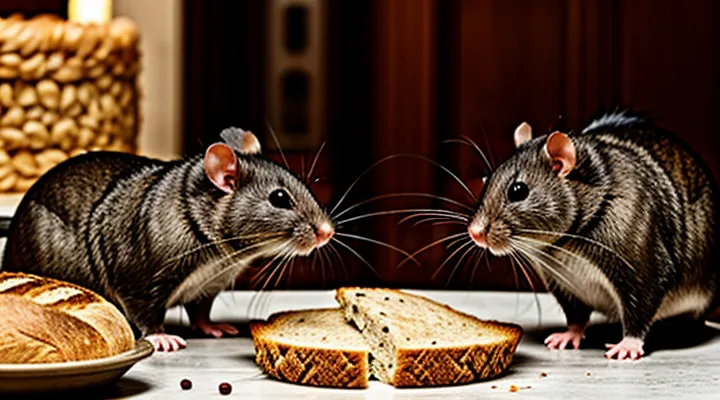
Nutritional Aspects of Bread for Rats
Carbohydrates and Energy
Bread contains primarily starch, a complex carbohydrate that rats convert to glucose for immediate energy and to glycogen for short‑term storage. The rapid digestion of wheat‑based loaves raises blood glucose within minutes, providing a quick caloric boost but also creating a spike that can stress metabolic regulation in small mammals.
Rats metabolize glucose through glycolysis, the citric acid cycle, and oxidative phosphorylation, yielding ATP that fuels locomotion, thermoregulation, and cellular processes. Excess carbohydrate intake beyond the animal’s energy requirements is stored as fat, increasing the risk of obesity and related cardiovascular strain.
Practical considerations for offering bread to ornamental rats:
- Limit to a maximum of one teaspoon of soft, unseasoned bread per week.
- Choose whole‑grain varieties with lower glycemic impact; avoid sweetened, flavored, or raisin‑containing loaves.
- Observe the animal for signs of digestive upset, such as loose stools or reduced appetite, after each offering.
- Supplement the diet with high‑fiber pellets, fresh vegetables, and occasional protein sources to maintain balanced nutrition.
In summary, carbohydrate‑rich bread can serve as an occasional energy source for fancy rats when administered in controlled, minimal amounts and paired with a nutritionally complete base diet. Excessive or frequent feeding compromises metabolic health and should be avoided.
Yeast and Digestive Concerns
Bread can be offered to pet rats only if its composition aligns with their digestive physiology. Commercial loaves often contain baker’s yeast, a living microorganism that continues to ferment carbohydrates after baking. In a small rodent’s gut, residual yeast may proliferate, producing excess gas and short‑chain fatty acids that irritate the intestinal lining.
Key digestive risks associated with yeast‑laden bread include:
- Gas accumulation: Fermentation by surviving yeast generates carbon dioxide and hydrogen, leading to abdominal distension and discomfort.
- Diarrhea: Rapid carbohydrate breakdown overwhelms enzymatic capacity, resulting in loose stools and electrolyte loss.
- Nutrient imbalance: Yeast cells compete with the rat’s own microbiota for sugars, potentially displacing beneficial bacteria and impairing nutrient absorption.
- Allergic reactions: Some rats develop hypersensitivity to yeast proteins, manifesting as skin irritation or respiratory signs.
Mitigation strategies:
- Select breads with minimal or no added yeast, such as unleavened flatbreads or specially formulated rodent treats.
- Offer only small, infrequent portions—no more than a teaspoon per week—to limit fermentable substrate.
- Observe fecal consistency and behavior after each feeding; discontinue if signs of gastrointestinal distress appear.
- Provide a balanced diet of high‑quality pellets, fresh vegetables, and occasional protein sources to meet nutritional requirements without relying on bread.
In summary, yeast present in most baked goods poses measurable digestive challenges for ornamental rats. Careful product selection, portion control, and vigilant monitoring are essential to prevent adverse gastrointestinal effects.
Salt Content Risks
Bread is a common treat for pet rats, but its sodium level can threaten health. Commercial loaves often contain 150–300 mg of sodium per slice, exceeding safe daily intake for a 30‑gram rat, which should not receive more than 50 mg of sodium from all sources.
Risks associated with excessive salt in bread include:
- Dehydration caused by increased fluid loss through the kidneys.
- Elevated blood pressure, leading to cardiovascular strain.
- Kidney overload, reducing filtration efficiency and accelerating organ damage.
- Electrolyte imbalance, which can impair nerve function and muscle coordination.
- Appetite suppression, resulting in reduced consumption of nutritionally balanced foods.
To minimize danger, limit bread to occasional, low‑sodium varieties. Verify sodium content on packaging; choose products with less than 100 mg per serving. Offer alternatives such as plain whole‑grain crackers or fresh vegetables, which provide texture without excessive salt. Monitoring water intake and observing signs of lethargy, excessive drinking, or swelling will help detect early adverse effects.
Preservatives and Additives
Bread is a common component of human diets, yet its suitability for ornamental rats depends on the chemical substances added during production. Preservatives such as calcium propionate, sorbic acid, and sodium benzoate inhibit mold growth but can irritate the gastrointestinal tract of small mammals when consumed regularly. Additives including emulsifiers (mono‑ and diglycerides), dough conditioners (azodicarbonamide), and artificial colors are not nutritionally required and may accumulate in the liver, potentially leading to hepatic stress.
When evaluating bread for pet rats, consider the following criteria:
- Absence of synthetic preservatives or use of minimal, food‑grade alternatives (e.g., ascorbic acid).
- No added artificial colors or flavor enhancers.
- Limited inclusion of emulsifiers and dough conditioners; preferably whole‑grain or plain varieties.
- Freshness without mold; stale bread increases the risk of mycotoxin exposure.
If a bread product meets these standards, occasional feeding in small quantities can serve as a treat without compromising health. Regular inclusion of preservative‑rich or heavily processed loaves should be avoided to prevent digestive upset, nutrient imbalance, and long‑term organ strain.
Potential Hazards of Feeding Bread
Choking Hazards
Bread can be offered to pet rats, but its physical properties create a real risk of airway obstruction. Rats have a small oral cavity and a delicate larynx; any food that expands, dissolves slowly, or forms a firm crust can become lodged.
Key factors that increase choking danger:
- Size of the piece – fragments larger than ½ cm may block the trachea.
- Moisture content – dry crusts harden quickly, while moist bread can swell after ingestion, enlarging the obstruction.
- Texture – dense, chewy sections resist breakdown by the rat’s incisors and molars.
- Shape – irregular edges can catch on the epiglottis or pharyngeal walls.
Safe feeding practices:
- Cut bread into cubes no larger than 2–3 mm.
- Offer only soft, freshly moistened pieces that dissolve within seconds.
- Supervise each feeding session; remove uneaten portions promptly.
- Prefer alternative treats (e.g., small pieces of fruit, commercial rodent biscuits) that lack the swelling and hard‑crust characteristics of bread.
If a rat exhibits gagging, labored breathing, or sudden silence during a meal, intervene immediately and seek veterinary assistance. Prompt removal of the obstruction can prevent fatal outcomes.
Nutritional Imbalance
Feeding specialty rats bread introduces a disproportionate ratio of carbohydrates to protein and fat, which can quickly destabilize their dietary balance. Rats require a diet where protein supplies roughly 15‑20 % of caloric intake, while bread typically offers less than 5 % protein and a high glycemic load. The excess starch is converted to glucose, prompting rapid insulin spikes and subsequent hypoglycemia, a condition that compromises energy stability and can lead to lethargy.
Key nutritional disturbances caused by regular bread consumption include:
- Protein deficiency – insufficient amino acids for tissue repair and growth.
- Elevated carbohydrate intake – excessive simple sugars that overload the digestive system.
- Reduced fiber – lack of roughage impairs gut motility and microbiome health.
- Vitamin and mineral shortfall – bread lacks essential micronutrients such as vitamin C, B‑complex vitamins, calcium, and phosphorus required for skeletal and immune function.
Long‑term reliance on bread may precipitate obesity, dental wear, and metabolic disorders. A balanced rodent diet should prioritize formulated pellets, fresh vegetables, and occasional protein sources, reserving bread for occasional, minimal treats only when its nutritional impact is carefully accounted for.
Allergic Reactions
Bread may contain proteins and additives that trigger immune responses in pet rats. Wheat gluten, yeast extracts, and certain preservatives are recognized allergens for rodents. When a rat ingests bread containing these substances, the immune system can produce antibodies that mistakenly attack its own tissues, leading to observable symptoms.
Common allergic manifestations include:
- Skin redness, hair loss, or scratching lesions.
- Sneezing, nasal discharge, or labored breathing.
- Diarrhea, vomiting, or reduced appetite.
Veterinary assessment typically involves:
- Detailed dietary history to identify potential triggers.
- Physical examination focusing on dermatological and respiratory signs.
- Laboratory tests such as serum IgE measurement or skin prick testing, when available.
Management strategies consist of:
- Immediate cessation of bread and any other suspect foods.
- Introduction of a hypoallergenic diet formulated for rodents.
- Administration of antihistamines or corticosteroids under veterinary supervision for severe reactions.
- Gradual re‑introduction of foods, monitoring for recurrence, to confirm the offending ingredient.
Owners should prioritize treats made from low‑allergen ingredients, such as plain cooked vegetables or specially formulated rat snacks, to reduce the risk of immune‑mediated adverse events. Regular monitoring for subtle changes in behavior or appearance remains essential for early detection of allergic responses.
Obesity and Related Health Issues
Bread is a dense source of simple carbohydrates and provides minimal protein, fiber, or essential micronutrients for domesticated rats. When offered regularly, the excess calories are readily stored as adipose tissue, leading to rapid weight gain in animals with naturally high metabolic rates.
Obesity in pet rats predisposes them to several health complications:
- Cardiovascular strain resulting from increased blood pressure and heart workload.
- Impaired glucose regulation, raising the risk of insulin resistance and diabetes mellitus.
- Joint stress that accelerates osteoarthritis, especially in larger or older individuals.
- Respiratory difficulty due to excess fat accumulation around the thorax.
To prevent these outcomes, limit or eliminate bread from a rat’s diet. Preferred nutritional strategies include:
- High‑quality rodent pellets formulated to meet species‑specific protein and fiber requirements.
- Fresh vegetables such as kale, bell pepper, and carrots, offered in moderate portions.
- Occasional protein treats like boiled egg whites or lean cooked chicken, measured to avoid caloric excess.
Monitoring body condition scores weekly and adjusting portions accordingly will maintain a healthy weight and reduce the likelihood of obesity‑related disease.
Alternatives to Bread for Rat Treats
Healthy Vegetable Options
Feeding gourmet pet rats bread raises concerns about nutritional balance. Vegetables deliver essential vitamins, minerals, and fiber without the high carbohydrate load of bread, supporting dental health and digestive function.
Recommended vegetables include:
- Carrots – rich in beta‑carotene, low in sugar; offer raw or lightly steamed pieces.
- Broccoli florets – source of vitamin C and calcium; provide in small, bite‑size portions.
- Spinach leaves – supply iron and folate; serve fresh, washed, and trimmed of thick stems.
- Bell pepper strips – contain vitamin A and antioxidants; choose red or yellow for higher nutrient density.
- Zucchini slices – provide moisture and potassium; feed raw or gently warmed.
- Cucumber rounds – high water content, low calories; suitable for hydration support.
Preparation guidelines:
- Wash thoroughly to remove pesticide residues.
- Cut into pieces no larger than a rat’s head to prevent choking.
- Introduce one new vegetable at a time; monitor for adverse reactions over 48 hours.
- Limit total vegetable intake to 10‑15 % of the rat’s daily diet to avoid excess fiber.
Avoid vegetables that are toxic to rats, such as raw potatoes, onions, and garlic. Incorporating these healthy options reduces reliance on bread and promotes overall well‑being in fancy rats.
Fruit Choices for Occasional Treats
When considering alternatives to bread for pet rats with a refined diet, fruit can serve as a suitable occasional treat. Fruit supplies natural sugars, vitamins, and fiber, but should be introduced sparingly to avoid digestive upset.
Suitable options include:
- Apple (core removed, skin optional).
- Blueberries (whole, washed).
- Pear (seedless, sliced thin).
- Strawberries (hull removed, quartered).
- Kiwi (peeled, diced).
Fruits to avoid because of high acidity or toxicity are citrus segments, grapes, and raisins. High‑sugar varieties such as bananas should be limited to a few small pieces per week.
Preparation guidelines:
- Wash thoroughly to eliminate pesticide residues.
- Remove seeds, pits, and stems that could cause choking or contain toxins.
- Offer only a bite‑size portion—approximately ½ teaspoon per rat—once or twice weekly.
Monitoring is essential. Observe the rat for signs of diarrhea or reduced appetite after introduction. If adverse reactions occur, discontinue the specific fruit and consult a veterinarian.
In the broader context of a balanced diet, fruit complements a staple of high‑quality rodent pellets, fresh vegetables, and occasional protein sources, providing a safe and enjoyable supplement when bread is deemed unsuitable.
Commercial Rat Treats and Their Role
Bread offers limited nutritional value for pet rats and can introduce excess carbohydrates that strain digestion. A balanced diet for these animals relies on protein, fiber, and essential vitamins, which are supplied primarily through specially formulated commercial rat treats.
Commercial rat treats are produced with a blend of rodent‑appropriate proteins (such as soy, whey, or insect meal), soluble and insoluble fibers, and fortified vitamins and minerals. The ingredient list typically excludes fillers that lack digestible nutrients. Caloric density is calibrated to provide energy without overfeeding, and texture is designed to encourage natural gnawing behavior.
Treats serve three functions in a rat’s regimen: they add micronutrients absent from a standard pellet base, they provide sensory enrichment that stimulates foraging instincts, and they act as positive reinforcement during training. They are not intended to replace staple feed, but to complement it in measured amounts.
Bread differs markedly from these products. It contains primarily refined flour and simple sugars, offering minimal fiber and no targeted vitamins. Regular inclusion of bread can displace nutrient‑dense foods, leading to weight gain and gastrointestinal upset. Commercial treats, by contrast, deliver balanced nutrients and avoid the high glycemic impact of bread.
Guidelines for incorporating commercial treats:
- Offer treats no more than 5 % of total daily caloric intake.
- Limit portions to one to two small pieces per feeding session.
- Select products with transparent ingredient lists and no artificial preservatives.
- Rotate flavors to maintain novelty while preventing dietary monotony.
Adhering to these practices ensures that treats enhance health and behavior without compromising the nutritional foundation required for fancy rats.
Protein-Rich Snacks
Fancy rats require a diet that supplies approximately 18‑20 % protein to support growth, tissue repair, and reproductive health. Protein deficiencies manifest as poor coat condition, lethargy, and reduced immunity; excess protein may strain the kidneys. Consequently, owners must prioritize high‑quality protein sources while limiting low‑protein staples.
- Cooked chicken breast, shredded, no seasoning
- Hard‑boiled egg, finely chopped
- Low‑fat cottage cheese, small cubes
- Cooked lentils or split peas, rinsed and cooled
- Commercial rat treats labeled “high protein” (minimum 20 % protein)
These items deliver essential amino acids without excess fat or sodium. Portion sizes should not exceed 1 g of protein per 10 g of body weight per day.
Bread offers primarily carbohydrates, negligible protein, and often contains added sugars or salts. Regular inclusion displaces nutrient‑dense foods, may promote obesity, and can irritate the gastrointestinal tract. Small, occasional pieces—no larger than a thumbnail—pose minimal risk but do not contribute meaningfully to the rat’s protein quota.
Feeding protocol: offer protein‑rich snacks once or twice daily, combined with a balanced base diet of commercial rat pellets (minimum 18 % protein). Reserve bread for rare treats, ensuring total daily carbohydrate intake remains below 15 % of caloric consumption. Monitor weight and coat condition to adjust quantities promptly.
Best Practices for Rat Nutrition
Balanced Diet Essentials
Bread may be offered to fancy rats, but it cannot serve as a primary food source. A nutritionally complete regimen for these pets must include protein, fiber, essential fatty acids, vitamins, minerals, and adequate water.
Key components of a balanced rat diet:
- Protein: Commercial rat pellets, cooked lean meat, or boiled eggs provide the amino acids needed for growth and tissue repair. Aim for 15‑20 % of daily caloric intake.
- Fiber: Fresh vegetables such as kale, carrots, and broccoli supply roughage that supports gastrointestinal motility. Include 5‑10 % of the diet by weight.
- Healthy fats: Small amounts of unsalted nuts, seeds, or a drizzle of fish oil deliver omega‑3 and omega‑6 fatty acids critical for coat health and neurological function.
- Vitamins and minerals: A high‑quality pellet mix is formulated to meet micronutrient requirements; occasional supplementation with a calcium‑phosphorus balanced powder prevents deficiencies.
- Hydration: Fresh, clean water must be available at all times; a water bottle with a stainless‑steel spout reduces contamination risk.
Bread considerations:
- Offer only small, plain pieces of whole‑grain or white bread as a treat, limited to no more than 5 % of total caloric intake per week.
- Avoid bread containing seeds, nuts, raisins, chocolate, or added sugars, as these can introduce toxins or digestive upset.
- Monitor the rat’s weight and stool consistency after any bread exposure; discontinue if signs of obesity or diarrhea appear.
In practice, construct each day’s feed plan around a measured portion of pellets, supplemented with fresh produce, a protein source, and a controlled treat of bread. Regular veterinary check‑ups confirm that nutrient levels remain optimal and that occasional bread consumption does not compromise overall health.
Frequency of Treats
Bread can be offered to fancy rats as an occasional treat, not as a staple. Its carbohydrate content is high, and excess consumption may lead to weight gain, digestive upset, or dental problems. Therefore, treat frequency must balance enrichment with health preservation.
Recommended frequency
- Maximum: one small piece (approximately ½ cm³) once every 3–4 days.
- Minimum: at least one week between servings for each individual rat.
- Adjustment: increase interval if the rat shows signs of obesity, reduced activity, or stool changes.
Implementation tips
- Present the bread piece on a clean surface separate from the main diet.
- Observe the rat for 15–20 minutes; remove uneaten portions promptly.
- Record each treat in a log to maintain consistent intervals and monitor any health effects.
Consistent adherence to the outlined schedule provides mental stimulation without compromising nutritional balance.
Importance of Fresh Water
Fresh water is a non‑negotiable requirement for the health of any domesticated rat, especially when owners consider adding bread to the diet. Rats obtain most of their hydration from water; solid foods, including bread, provide only minimal moisture. Without constant access to clean water, dehydration can occur rapidly, leading to kidney strain, reduced appetite, and impaired digestion.
Key points for maintaining optimal water intake while offering bread:
- Provide a leak‑proof bottle or bowl that is refilled at least twice daily.
- Use filtered or distilled water to avoid contaminants that could exacerbate gastrointestinal issues.
- Monitor the water level and cleanliness; biofilm or debris can deter drinking.
- Observe the rat’s consumption patterns; a sudden drop may indicate illness or an unsuitable diet addition.
When bread is introduced, the rat’s overall fluid balance must be reassessed. Bread’s low water content can increase the animal’s need for drinking, making vigilant water provision essential to prevent health complications.
Consulting a Veterinarian
When deciding to introduce bread into a fancy rat’s diet, professional guidance is essential. A veterinarian can assess the animal’s overall health, identify potential nutritional gaps, and determine if bread aligns with the pet’s specific dietary requirements.
The assessment typically includes: current weight and body condition, existing medical conditions, previous dietary intolerances, and the composition of the proposed bread (type of grain, added sugars, preservatives, and any toppings). The vet will also consider the appropriate portion size and feeding frequency to avoid excess carbohydrates or calorie overload.
- Is bread safe for my rat’s breed and age?
- Which ingredients should be avoided?
- What maximum serving size is recommended?
- How often can bread be offered without disrupting a balanced diet?
- Should the bread be toasted, softened, or served plain?
Watch for immediate adverse reactions after the first exposure: vomiting, diarrhea, lethargy, or changes in stool consistency. Any of these signs warrants prompt veterinary examination.
Consulting a veterinarian ensures that bread, if deemed appropriate, becomes a controlled supplement rather than a nutritional risk, preserving the rat’s health and longevity.