
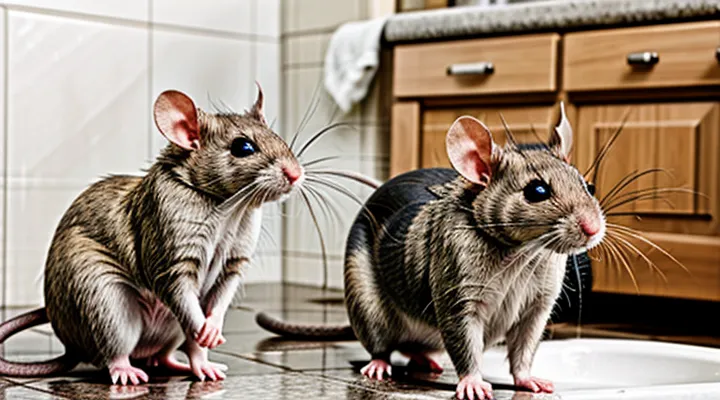
«Understanding Rat Hygiene: The Basics»
«Are Baths Necessary for Pet Rats?»
«Natural Grooming Habits»
Domestic rats maintain coat condition through self‑grooming, a behavior that reduces the need for external washing. They use their forepaws and teeth to comb fur, remove debris, and spread natural oils that protect skin and fur integrity.
Key aspects of rat grooming:
- Forelimb manipulation: Rats rub each side of the body, reaching difficult areas such as the neck and tail base. This action distributes sebum, preventing dryness.
- Dental cleaning: Incisor movements dislodge particles from the coat, especially around the head and whisker region.
- Reciprocal grooming: Group-living rats often groom each other, targeting spots the individual cannot reach, which enhances social bonding and hygiene.
- Frequency: Rats groom several times per hour, adjusting intensity according to activity level and environmental conditions.
Because these mechanisms supply continuous maintenance, routine baths are unnecessary and can disrupt the protective oil layer, leading to skin irritation or increased susceptibility to infection. When a bath becomes unavoidable—e.g., severe soiling or medical treatment—use lukewarm water, a mild, unscented cleanser formulated for small rodents, and limit exposure to a few minutes. Dry the animal promptly with a soft towel and keep it in a warm, draft‑free area until fur is fully dry.
Understanding natural grooming habits allows owners to evaluate whether a bath is truly required, favoring minimal intervention and preserving the rat’s innate hygiene system.
«When a Bath Might Be Considered»
Bathing a pet rat should be limited to specific circumstances that truly require moisture cleaning. The following conditions justify a bath:
- Excessive soil or bedding clinging to the coat – when loose particles cannot be removed by brushing or a gentle wipe.
- Visible oil or grease buildup – particularly after the rat has rolled in oily substances that cause the fur to become sticky.
- Medical treatment – when a veterinarian prescribes a medicated soak to address skin infections, parasites, or wounds that need thorough rinsing.
- Post‑illness recovery – after severe illness that left the animal’s fur matted or soiled, a brief, lukewarm soak can aid in restoring normal grooming behavior.
- Preparation for a show or exhibition – if a clean, well‑groomed appearance is required for judging standards.
In each case, the bath must be brief, using water at approximately 30 °C (86 °F) and a rat‑safe shampoo. After soaking, the animal should be dried promptly with a soft towel and kept in a warm, draft‑free environment until fully dry. Failure to meet these criteria increases the risk of hypothermia, stress, and skin irritation.
«Safe Bathing Practices for Rats»
«Preparation Before Bathing»
«Gathering Supplies»
When preparing to bathe a pet rat, collect all necessary items before beginning the session. Having everything within reach reduces stress for both the animal and the caretaker.
- Mild, rodent‑safe shampoo formulated without harsh chemicals or strong fragrances.
- Two soft, absorbent towels: one for initial drying, another for final polishing.
- A shallow, non‑slipping basin or sink that holds enough warm water to cover the rat’s body without submerging its head.
- A digital thermometer to verify water temperature stays between 95°F and 100°F (35–38°C).
- A soft brush or silicone grooming pad to remove debris from the fur after the bath.
- Disposable gloves, if preferred, to maintain hygiene and protect hands from potential scratches.
- A small container of clean, lukewarm water for rinsing residual shampoo.
Place the basin on a stable surface, arrange towels nearby, and keep the thermometer visible. Ensure the shampoo bottle is labeled for rodent use to avoid accidental substitution. Prepare the rinse water in advance to prevent prolonged exposure to soap. Having these supplies organized eliminates interruptions and supports a safe, efficient grooming routine.
«Creating a Calm Environment»
A calm environment is essential for a successful bath and reduces the risk of injury. Prepare the space before introducing the rat. Use a shallow, non‑slippery container filled with lukewarm water (approximately 30 °C). Ensure the room is quiet, free of sudden noises, and maintain a stable temperature to prevent chills.
Handle the animal gently but securely. Support the rat’s body with both hands, keeping the head above water at all times. Limit the exposure to 2–3 minutes; longer periods increase stress and can lead to hypothermia. After the bath, wrap the rat in a soft, absorbent towel and keep it in a warm, draft‑free area until fully dry.
Key actions for a tranquil setting include:
- Dim lighting to avoid startling the rat.
- Soft background noise such as white noise or calm music, keeping volume low.
- Removal of other pets or children from the immediate area.
- Placement of a familiar object (e.g., a piece of bedding) nearby to provide a sense of security.
Consistent routine reinforces confidence. Conduct baths at the same time of day and follow the same preparation steps each session. Predictability helps the rat associate bathing with a safe, controlled process rather than a random stressor.
«The Bathing Process»
«Water Temperature and Depth»
When bathing pet rats, use water that feels warm to the touch but does not cause sweating. Aim for a temperature between 30 °C and 35 °C (86 °F–95 °F). Cooler water may trigger shivering, while hotter water risks burns and stress.
Maintain a shallow level that reaches only the animal’s paws and lower legs. A depth of 1–2 cm (0.4–0.8 in) provides enough contact for cleaning without submerging the torso. Ensure the container’s base is non‑slippery to prevent slipping.
Key points:
- Temperature: 30‑35 °C (86‑95 °F)
- Depth: 1‑2 cm (0.4‑0.8 in)
- Container: stable, with a textured surface
These parameters allow effective cleaning while preserving the rat’s thermoregulation and minimizing stress.
«Using Rat-Safe Shampoo»
When selecting a shampoo for a pet rat, choose a product formulated specifically for small rodents or labeled as “rat‑safe.” The formula must be mild, free of harsh detergents, and devoid of fragrances, dyes, or essential oils that can irritate delicate skin. A pH balanced between 6.5 and 7.0 matches the natural acidity of rat fur and minimizes disruption of the skin barrier.
Application steps:
- Prepare lukewarm water (approximately 30 °C) in a shallow basin; ensure the rat can stand without difficulty.
- Wet the coat briefly, avoiding the eyes and ears.
- Dispense a few drops of shampoo onto the paws; lather gently with fingertips, working the foam through the fur from head to tail.
- Rinse thoroughly with clean lukewarm water until no suds remain; residual cleanser can cause dermatitis.
- Pat dry with a soft, absorbent towel; do not use hair dryers or direct heat sources.
- Allow the animal to warm up in a draft‑free environment before returning it to its cage.
Frequency recommendations: limit full baths to once every 4–6 weeks unless the rat becomes visibly soiled. Spot cleaning with a damp cloth is sufficient for minor messes and reduces stress.
Storage guidelines: keep the shampoo sealed in a cool, dry place away from direct sunlight. Replace after six months or if the product changes color or odor.
By adhering to these practices, owners maintain rat hygiene without compromising skin health or causing unnecessary stress.
«Gentle Washing Techniques»
Domestic rats occasionally require cleaning to remove debris, urine residue, or skin irritants that can compromise health. Direct immersion in water is risky; a controlled, gentle approach minimizes stress and prevents hypothermia.
- Prepare a shallow basin with lukewarm water (approximately 30 °C). The depth should allow the rat’s paws to touch the surface without full submersion.
- Add a few drops of a pet‑safe, fragrance‑free cleanser formulated for small mammals. Dilute according to the product’s guidelines to avoid skin irritation.
- Place the rat on a silicone mat within the basin. Use a soft, damp cloth to wipe the dorsal fur, avoiding the face, ears, and tail base.
- Gently massage the limbs and ventral area with the cloth, focusing on areas where urine may accumulate. Do not scrub; light strokes are sufficient to lift dirt.
- Rinse briefly with clean, lukewarm water poured from a cup, ensuring all cleanser residues are removed. Limit exposure to no more than 30 seconds total.
After washing, immediately dry the rat with a low‑noise hair dryer set to cool or warm air, keeping the nozzle at a safe distance. Transfer the animal to a pre‑warmed enclosure with absorbent bedding to maintain body temperature. Monitor for signs of stress or respiratory distress; if observed, cease the procedure and consult a veterinarian.
Avoid using soaps intended for humans, abrasive tools, or full‑body immersion. Regular grooming with a soft brush reduces the need for water baths and supports coat health. When a bath is necessary, follow the outlined gentle technique to ensure safety and hygiene.
«After the Bath Care»
«Thorough Drying Methods»
After a rat bath, immediate and complete drying prevents skin irritation, fungal growth, and hypothermia. Begin with a soft, lint‑free towel; gently press to absorb surface moisture without rubbing, which can damage the delicate fur. Follow with a low‑heat, low‑speed hair dryer held at least six inches from the animal; maintain a temperature comparable to a warm room (around 24–26 °C) and monitor the rat for signs of stress. If a dryer is unavailable, place the rat in a pre‑warmed enclosure (heated by a ceramic heat emitter or a thermostatically controlled pad) for 10–15 minutes, ensuring airflow to avoid overheating.
Effective drying can also incorporate the following practices:
- Use an absorbent, dust‑free bedding layer beneath the rat to draw residual moisture away from the paws and tail.
- Apply a small amount of unscented, pet‑safe powder (e.g., cornstarch) to the fur if it remains damp after towel and air drying; brush gently to distribute evenly.
- Keep the ambient humidity below 50 % during the drying period; a dehumidifier can maintain optimal conditions.
Conclude the process by inspecting the coat for any remaining damp spots. Any persistent moisture warrants an additional brief towel press or a repeat of the low‑heat drying cycle. This systematic approach ensures the rat remains comfortable and healthy after cleaning.
«Keeping Your Rat Warm»
Maintaining appropriate body temperature is essential for the health of a pet rat, especially after a wash. Wet fur loses insulating properties, so immediate steps are required to prevent hypothermia.
- Remove excess water by gently patting the coat with a soft, lint‑free towel. Avoid vigorous rubbing that could damage delicate skin.
- Place the rat in a warm, draft‑free area. A temperature of 24‑26 °C (75‑79 °F) is optimal for recovery.
- Offer a heated, but not scorching, surface such as a low‑wattage heating pad set on low, covered with a towel. Ensure the animal can move away if it becomes too warm.
- Provide a dry nesting material (e.g., shredded paper or fleece) for the rat to burrow into. This adds insulation and reduces stress.
- Monitor the rat’s behavior for signs of chill, such as shivering, lethargy, or curled posture. If any of these appear, increase ambient warmth and seek veterinary advice promptly.
Consistent access to a cozy enclosure, regular cleaning of bedding, and minimal exposure to cold environments further support temperature regulation. By following these measures, owners can safely bathe their rats without compromising thermal comfort.
«Post-Bath Comfort»
After a rat is rinsed, immediate drying prevents hypothermia. Use a low‑speed hair dryer on a warm (not hot) setting, keeping the nozzle at least 15 cm from the animal’s fur. Gently pat the coat with a soft towel before applying airflow; this reduces moisture and shortens exposure to warm air.
Provide a warm, draft‑free enclosure for at least one hour. Maintain ambient temperature between 24‑27 °C (75‑81 °F). Place a heat‑proof pad or a low‑intensity heating lamp on one side of the cage so the rat can move away if it becomes too warm. Ensure fresh bedding is dry and clean to avoid dampness.
Monitor the rat for signs of discomfort:
- Shivering or huddling → increase ambient warmth.
- Excessive grooming or licking → check for residual moisture.
- Lethargy or rapid breathing → seek veterinary advice.
Offer a small amount of fresh water and a familiar treat after the recovery period to encourage normal activity and hydration.
«Alternatives to Full Baths»
«Spot Cleaning and Wipes»
Full baths can stress small rodents; targeted cleaning reduces risk while maintaining coat condition. Spot cleaning focuses on areas that become soiled during daily activities, such as the ventral surface, paws, and around the tail base.
Effective wipes for rats meet three criteria: they are fragrance‑free, contain no alcohol or harsh solvents, and are formulated for sensitive animal skin. Products labeled “pet‑safe grooming wipes” or “unscented baby wipes with hypoallergenic ingredients” satisfy these requirements. Avoid wipes with essential oils, chlorhexidine, or any antimicrobial agents not approved for rodents.
Procedure for spot cleaning:
- Inspect the rat for visible dirt, urine stains, or debris.
- Moisten a single wipe; excess liquid should be squeezed out to prevent saturation.
- Gently rub the affected area in a single direction, avoiding vigorous scrubbing.
- Allow the skin to air‑dry for a few seconds before returning the animal to its enclosure.
- Discard the used wipe; do not reuse on another animal.
Frequency depends on the individual’s activity level and enclosure cleanliness. In a well‑maintained habitat, spot cleaning is typically needed once or twice weekly. Increase the interval if the rat shows signs of excess grooming, skin irritation, or odor. Regular observation ensures that spot cleaning complements, rather than replaces, routine cage cleaning and occasional full‑body baths when medically indicated.
«Cage Hygiene and Environmental Factors»
Maintaining a clean cage directly influences the need for bathing domestic rats and the safety of any water exposure. Accumulated urine, feces, and food residue create a moist environment that encourages skin irritation and fungal growth; regular removal of these contaminants reduces the likelihood that a rat will require a bath for hygiene purposes.
Key cage‑maintenance actions include:
- Daily spot‑cleaning of soiled areas.
- Weekly complete substrate change.
- Routine cleaning of water bottles and food dishes with mild, non‑toxic detergent.
- Monthly disinfection of the cage interior using a diluted, rodent‑safe solution.
Environmental conditions affect both the rat’s skin health and the effectiveness of a bath. Stable ambient temperature (20‑24 °C) prevents hypothermia during and after water exposure. Relative humidity should remain below 60 % to avoid prolonged dampness on fur and skin. Adequate ventilation removes excess moisture and reduces odor buildup, limiting bacterial proliferation.
When a bath is deemed necessary, ensure the cage is prepared beforehand: remove all bedding, provide a warm, dry recovery area, and limit bath duration to a few minutes. Immediate drying with a low‑heat source, followed by a return to a clean, well‑ventilated enclosure, prevents secondary skin problems.
«Addressing Specific Issues»
«Flea and Mite Treatment»
Pet rats commonly encounter fleas and mites, which cause itching, skin irritation, and potential secondary infections. Effective control requires accurate detection and targeted therapy.
Typical signs include excessive scratching, visible specks on the fur, hair loss, and reddened skin. Microscopic examination of skin scrapings confirms the presence of parasites.
Treatment options comprise:
- Topical acaricides: Apply a veterinarian‑approved product directly to the skin, avoiding the eyes and mucous membranes. Repeat application follows the product’s specified interval, usually 7‑10 days.
- Oral medications: Administer a systemic antiparasitic drug according to the prescribed dosage. Observe the animal for adverse reactions during the treatment course.
- Environmental decontamination: Clean cages, bedding, and accessories with a disinfectant safe for rodents. Replace all soft materials that cannot be sterilized. Vacuum the surrounding area to remove residual eggs and larvae.
Preventive measures include regular health checks, maintaining low humidity, and limiting contact with wild rodents. Routine grooming with a fine‑toothed comb helps identify early infestations. Consistent application of a veterinarian‑recommended preventive product reduces the risk of recurrence.
«Medical Conditions Requiring Cleaning»
Domestic rats may develop several health issues that necessitate targeted cleaning procedures. Prompt, appropriate hygiene can prevent complications and support recovery.
Skin infections, such as bacterial dermatitis or fungal overgrowth, often present with redness, hair loss, or scabs. Cleaning the affected area with a mild antiseptic solution (e.g., diluted chlorhexidine) followed by thorough rinsing reduces microbial load and alleviates irritation. Avoid harsh soaps that disrupt the skin’s natural barrier.
Urinary tract infections can cause wetting of the perineal region and odor. Regularly wiping the genital area with a damp, non‑irritating cloth removes urine residue and minimizes bacterial proliferation. In severe cases, a veterinarian‑prescribed topical antiseptic may be applied after cleaning.
Respiratory conditions, including nasal discharge and sinus congestion, may lead to crusted secretions around the nose and whiskers. Gently moistening the fur with warm water and a soft applicator removes crusts without forcing air into the nasal passages. After drying, a brief exposure to a low‑humidity environment helps prevent re‑accumulation.
External parasites, such as mites or lice, create visible debris and skin irritation. A thorough bath using a veterinary‑approved parasite shampoo eliminates adult insects and eggs. Rinse completely and dry the animal in a warm, draft‑free area to avoid hypothermia.
General grooming after illness should follow these steps:
- Prepare a shallow container with lukewarm water (approximately 30 °C).
- Add a small amount of gentle, rodent‑safe cleanser; avoid fragrances and detergents.
- Submerge the rat briefly, supporting the body to prevent stress.
- Use a soft fingertip or cloth to massage the fur, focusing on affected zones.
- Rinse thoroughly to eliminate all soap residues.
- Pat dry with a lint‑free towel; maintain body temperature until fully dry.
When cleaning is required, monitor the rat for signs of distress, excessive shivering, or prolonged lethargy. Immediate veterinary consultation is advised if symptoms worsen after hygiene interventions. Consistent, condition‑specific cleaning supports recovery and reduces the likelihood of recurrence.
«Potential Risks and Considerations»
«Stress and Anxiety in Rats»
Bathing domestic rats can provoke stress responses that manifest as heightened anxiety, reduced activity, and altered grooming patterns. Rats are prey animals with a strong aversion to sudden water exposure; the sensory shock of immersion triggers the release of corticosterone, the primary stress hormone in rodents. Elevated corticosterone impairs cognitive function, weakens immune defenses, and may lead to chronic anxiety if bathing is performed frequently or without proper habituation.
Observable signs of stress during or after a bath include rapid breathing, trembling, attempts to escape the container, excessive vocalizations, and a refusal to eat or explore. Post‑bath behaviors such as over‑grooming, self‑mutilation of fur, or prolonged hiding indicate lingering anxiety. Monitoring these indicators helps determine whether a bathing routine is detrimental to the animal’s welfare.
To minimize stress and anxiety when cleaning a pet rat, follow these evidence‑based practices:
- Introduce water gradually: start with a shallow, lukewarm tray and allow the rat to explore without forced immersion.
- Use a scent‑free, mild antiseptic solution diluted to no more than 0.5 % concentration; rinse thoroughly with clean water.
- Limit bath duration to 30 seconds to two minutes, depending on the individual’s tolerance.
- Perform the procedure in a quiet, low‑light environment to reduce external stimuli.
- Provide a warm, dry enclosure immediately after bathing, with soft bedding and a hidden retreat to encourage recovery.
- Offer a favorite treat or nest material post‑bath to reinforce a positive association.
Regular health checks should include assessment of stress markers, such as coat condition and behavior, to ensure that hygiene measures do not compromise psychological well‑being. If a rat consistently exhibits anxiety after bathing, alternative cleaning methods—spot cleaning with a damp cloth, using unscented wipes, or increasing cage cleaning frequency—should replace full immersion.
«Skin and Coat Problems»
Domestic rats rely on a delicate balance of skin oils and fur structure to maintain health. Disruption of this balance can lead to dermatitis, alopecia, and secondary infections, which compromise comfort and longevity.
Common skin and coat issues associated with improper bathing include:
- Excessive drying – hot water or harsh detergents strip natural oils, leaving the epidermis flaky and irritated.
- Chemical irritation – soaps not formulated for rodents contain surfactants that can cause erythema and pruritus.
- Fur matting – frequent immersion without proper drying promotes clumping of whiskers and guard hairs, creating niches for parasites.
- Microbial overgrowth – residual moisture fosters bacterial or fungal proliferation, especially in the ventral region.
Preventive measures focus on minimizing water exposure while preserving cleanliness:
- Spot‑clean with a damp cloth or unscented baby wipe, targeting soiled areas only.
- If a full bath is necessary, use lukewarm water (approximately 30 °C) and a rodent‑safe, pH‑neutral cleanser in a concentration no greater than 0.5 %.
- Rinse thoroughly to eliminate all soap residue; any remaining film can act as an irritant.
- Pat the animal dry with a low‑lint towel, then place it in a warm, draft‑free environment for 10–15 minutes to ensure complete evaporation.
- Inspect the coat daily for signs of matting or hair loss; address problems promptly with a soft brush or a professional groomer experienced with small rodents.
When skin abnormalities appear—persistent redness, scabs, or excessive shedding—consult a veterinarian familiar with exotic pets. Early intervention with topical antimicrobials or dietary adjustments can restore barrier function and prevent escalation. Maintaining a routine that emphasizes gentle cleaning, adequate drying, and regular health checks preserves the integrity of a rat’s skin and coat without unnecessary bathing.
«Respiratory Issues»
Bathing domestic rats can provoke respiratory problems if water enters the nasal passages or the lungs. Moisture in the upper airway irritates the mucosa, leading to inflammation, sneezing, and potential secondary infections. Young, elderly, or previously ill rats are especially vulnerable.
Typical signs of respiratory distress after a bath include rapid breathing, audible wheezing, nasal discharge, and reduced activity. Persistent symptoms warrant veterinary evaluation to rule out pneumonia or other complications.
To minimize respiratory risk, follow these practices:
- Use a shallow container with warm (not hot) water, no deeper than the rat’s belly.
- Keep the head above water at all times; support the body to prevent submersion.
- Limit exposure to 30 seconds or less, then dry the animal immediately.
- Apply a soft, absorbent towel and use a low‑heat hair dryer on a distant setting if needed.
- Perform baths only when necessary (e.g., severe soiling) and avoid routine washing.
If a rat shows any respiratory signs after cleaning, isolate the animal, keep the environment dry and well‑ventilated, and consult a veterinarian promptly.