
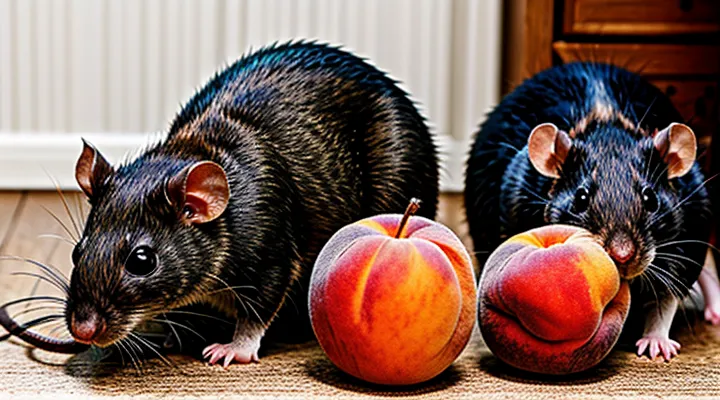
Nutritional Composition of Peaches
Sugars and Fiber
Peaches are occasionally offered to ornamental rats as a treat, but their nutritional profile demands careful consideration. Two primary components influence suitability: simple sugars and dietary fiber.
Simple sugars in peach flesh consist mainly of fructose, glucose and small amounts of sucrose, together providing roughly 9 g of sugar per 100 g of fruit. Rats metabolize glucose efficiently, yet excessive fructose can overwhelm hepatic pathways, leading to rapid blood‑sugar spikes and increased risk of insulin resistance. To avoid metabolic disruption, total daily sugar intake from treats should not exceed 5 % of a rat’s caloric budget, which translates to no more than 2–3 g of fruit‑derived sugar for an average adult decorative rat.
Dietary fiber in peaches appears as both soluble pectin and insoluble cellulose, totaling about 2 g per 100 g. Soluble fiber moderates glucose absorption, while insoluble fiber promotes gut motility and prevents constipation. However, sudden increases in fiber can cause gastrointestinal upset, including bloating and diarrhea. Introduce peach fiber gradually, limiting total fiber from treats to 1 g per day.
Guidelines for peach feeding
- Offer no more than 10 g of fresh peach flesh per serving.
- Restrict servings to 2–3 times per week.
- Monitor weight and stool consistency after each introduction.
- Prefer peeled, seed‑free portions to eliminate cyanogenic compounds.
Adhering to these parameters ensures that sugar and fiber from peaches contribute positively to the diet without compromising health.
Vitamins and Minerals
Peaches contain several nutrients that influence the health of ornamental rats. The fruit supplies water, sugars, and a range of micronutrients that can complement a standard rodent diet when offered in moderation.
Key vitamins present in peaches include:
- Vitamin A (beta‑carotene) – supports vision and epithelial tissue.
- Vitamin C – acts as an antioxidant and aids collagen synthesis.
- Vitamin E – contributes to membrane stability.
Important minerals found in the flesh are:
- Potassium – regulates fluid balance and nerve function.
- Magnesium – participates in enzymatic reactions and muscle relaxation.
- Phosphorus – essential for bone mineralization.
Potential concerns:
- Sugar content may promote obesity if peaches constitute a large portion of daily intake.
- The pit contains cyanogenic compounds; removal before feeding is mandatory.
- Excess vitamin C can cause mild gastrointestinal upset in rodents accustomed to low‑vitamin diets.
Guidelines for inclusion:
- Offer only a small slice (no more than 5 % of total daily calories).
- Ensure the fruit is fresh, washed, and free of pesticide residues.
- Combine with a balanced commercial rat chow that already supplies the majority of required vitamins and minerals.
- Monitor body condition and stool consistency after introduction.
When these precautions are observed, peaches can provide supplemental vitamins and minerals without compromising the nutritional integrity of decorative rats’ diets.
Potential Risks of Feeding Peaches to Rats
Cyanide in Pits
Peach kernels contain amygdalin, a glycoside that releases hydrogen cyanide when hydrolyzed. The concentration of cyanide varies with species, ripeness, and kernel size, typically ranging from 0.5 to 3 mg per gram of dry weight.
Ingestion of even small amounts can cause rapid onset of toxicity in mammals. Rats, including ornamental varieties, metabolize cyanide similarly to other rodents; a dose of 2 mg kg⁻¹ body weight may produce lethal effects. Therefore, any inclusion of whole pits in a rat’s diet poses a serious health risk.
Safety guidelines for offering peach flesh to decorative rodents should include:
- Remove all pits before presenting the fruit.
- Inspect the fruit for any cracked or damaged pits that could be accidentally ingested.
- Limit peach portions to a few small slices per week to avoid excessive sugar intake.
If a rat accidentally consumes a pit, immediate veterinary intervention is required. Antidotes such as hydroxocobalamin or sodium thiosulfate can neutralize cyanide, but prompt treatment improves survival chances.
High Sugar Content
Peaches contain a considerable amount of simple sugars, primarily fructose and glucose. A single medium peach provides approximately 15 g of total sugars, representing a substantial portion of the recommended daily carbohydrate intake for a small rodent.
High sugar intake can overwhelm the limited capacity of a rat’s pancreas to regulate blood glucose. Excessive glucose leads to rapid spikes in blood sugar, followed by compensatory insulin release. Persistent elevation of insulin may cause hypoglycemia after the surge subsides, impairing energy balance and neurological function. Additionally, chronic exposure to high‑sugar diets is linked to increased adiposity, hepatic lipid accumulation, and a higher incidence of dental caries in rodents.
Practical guidelines for offering peaches to ornamental rats:
- Limit to one small slice (no more than 5 g of fruit) per week.
- Observe the animal for signs of gastrointestinal upset or changes in activity level after consumption.
- Provide fresh water immediately to aid dilution of sugars in the digestive tract.
- Complement occasional peach treats with a balanced, low‑sugar pellet diet to maintain nutritional adequacy.
Adhering to these limits minimizes the risk of metabolic disturbances while allowing occasional enrichment from the fruit’s texture and flavor.
Digestive Upset
Feeding ornamental rats peach slices can trigger gastrointestinal disturbance. Peaches contain high levels of sugar, fiber, and a small amount of cyanogenic glycosides in the pit; the latter may irritate the intestinal lining if ingested inadvertently. Even without pit exposure, the rapid influx of fructose may overwhelm the rat’s limited enzymatic capacity, leading to osmotic diarrhea and abdominal cramping.
Typical signs of digestive upset in these small mammals include:
- Loose, watery feces or sudden increase in stool volume
- Reduced appetite or complete refusal of food
- Visible abdominal distension or tenderness when palpated
- Lethargy accompanied by rapid weight loss
Management steps:
- Remove all peach material from the enclosure immediately.
- Offer a bland diet—plain boiled chicken, low‑fat cottage cheese, or a commercial rat recovery formula—at small, frequent intervals.
- Provide unrestricted access to fresh water; consider adding an electrolyte solution if dehydration appears imminent.
- Monitor fecal output and body condition for 24–48 hours; if symptoms persist or worsen, seek veterinary care for possible fluid therapy and diagnostic testing.
Preventive measures include limiting fruit treats to less than 5 % of total daily intake, ensuring pits are discarded, and introducing new foods gradually to observe tolerance.
Safe Preparation of Peaches for Rats
Removing the Pit
Feeding peach flesh to ornamental rats requires eliminating the stone to prevent choking and gastrointestinal obstruction. The seed contains cyanogenic compounds and a hard core that rodents cannot chew safely. Removing the pit before offering the fruit eliminates these hazards and ensures the snack remains nutritionally beneficial.
Procedure for pit removal
- Slice the peach longitudinally with a sharp knife.
- Use a small paring knife or fingertip to pry the pit from the flesh, taking care not to crush the stone.
- Inspect the fruit for any residual seed fragments; discard any that remain.
- Rinse the sliced fruit under cool water to remove surface pesticide residues, if present.
After the pit is extracted, cut the flesh into bite‑size pieces appropriate for the rat’s jaw capacity. Serve the pieces fresh, and store any leftovers in a sealed container in the refrigerator for no more than 24 hours to prevent spoilage.
Washing the Fruit
When preparing peach slices for ornamental rodents, the first step is to remove surface contaminants that could compromise health. Effective cleaning eliminates pesticide residues, dust, and microbial agents without damaging the fruit’s delicate skin.
- Rinse under cool, running water for 30 seconds; use a gentle stream to avoid bruising.
- Apply a food‑grade produce brush, moving in short, linear strokes to dislodge stubborn particles.
- Submerge in a solution of one part white vinegar to three parts water for two minutes; this reduces bacterial load and neutralizes residual chemicals.
- Rinse again under running water to clear any remaining acid.
- Pat dry with a clean, lint‑free cloth or allow to air‑dry on a sanitized rack before offering the fruit to the rats.
The described protocol ensures that the peaches are safe for consumption by decorative rats, preserving both nutritional value and texture.
Portion Control
Portion control is essential when offering peach pieces to ornamental rats. Fresh peach provides natural sugars, vitamin C, and fiber, but excessive amounts can cause digestive upset and weight gain.
A single serving should not exceed 2 grams of flesh, roughly the size of a pea. This quantity delivers a modest nutrient boost without overwhelming the animal’s small stomach. Feed the portion once or twice weekly, spacing servings at least three days apart to prevent carbohydrate overload.
Guidelines for safe peach feeding:
- Measure the piece with a kitchen scale before offering.
- Remove the pit and skin to eliminate choking hazards and pesticide residues.
- Observe the rat for signs of diarrhea or reduced activity after the meal; discontinue if symptoms appear.
- Adjust portion size for juveniles or underweight individuals, reducing to 1 gram per serving.
- Balance the diet with standard rodent pellets, fresh vegetables, and limited treats to maintain overall nutritional equilibrium.
Consistent adherence to these parameters prevents excess calorie intake while allowing decorative rats to enjoy occasional peach flavor.
Alternative Safe Fruits for Rats
Berries
Berries provide essential nutrients for ornamental rodents that are often considered when evaluating fruit options such as peach. Their high water content, natural sugars, and antioxidants support hydration and energy balance without overloading the digestive system.
Key characteristics of berries relevant to decorative rats include:
- Low acidity, reducing risk of gastrointestinal irritation.
- Small size, allowing easy handling and minimal choking hazard.
- Presence of vitamin C and fiber, contributing to immune function and gut motility.
When comparing berries to peach, berries offer a more controlled sugar load and fewer large seeds, which can be problematic for small mammals. Incorporating a moderate portion of safe varieties—such as blueberries, strawberries, and raspberries—into the diet can complement or replace peach servings, ensuring balanced nutrition while maintaining the aesthetic appeal of feeding colorful fruit to decorative rats.
Apples
Apples are a viable fruit option for ornamental rats when assessing dietary suitability alongside stone fruits. Their crisp texture and natural sweetness provide a palatable supplement without the high acidity found in many peach varieties.
- Fiber content supports gastrointestinal health; a single medium apple yields approximately 4 g of dietary fiber.
- Simple sugars supply quick energy; a 150‑gram serving contains about 19 g of carbohydrates.
- Vitamin C and potassium contribute to immune function and electrolyte balance.
- The skin retains most nutrients; however, pesticide residues may require thorough washing or organic sourcing.
Feeding recommendations:
- Offer only small, bite‑size pieces to prevent choking; a typical serving for a 150‑gram rat should not exceed 10 g of apple flesh.
- Remove seeds entirely, as they contain amygdalin, a compound that can release cyanide upon digestion.
- Limit frequency to two to three times weekly to avoid excessive sugar intake and potential digestive upset.
- Observe individual tolerance; any signs of diarrhea or reduced appetite warrant immediate discontinuation.
When integrated responsibly, apples complement a balanced rodent diet, providing nutritional variety without compromising health.
Melons
Melons provide a high water content, natural sugars, and vitamins that can complement the diet of ornamental rodents when offered in moderation. The fruit’s low fat and protein levels mean it does not replace the staple grain‑based feed required for proper growth and dental health.
Key nutritional points:
- Approximately 90 % water, supporting hydration.
- Vitamin C and beta‑carotene contribute to immune function and visual health.
- Simple sugars supply quick energy but may cause digestive upset if overfed.
Potential concerns:
- Seeds of many melons contain trace cyanogenic compounds; removal is essential.
- High sugar load can lead to obesity or dental plaque if given daily.
- Some individuals exhibit intolerance, resulting in loose stool.
Feeding protocol:
- Select ripe, pesticide‑free melons; wash thoroughly.
- Remove rind, seeds, and any fibrous core.
- Cut into bite‑size cubes no larger than ½ inch.
- Offer 1–2 cubes per 100 g body weight, no more than twice weekly.
- Observe for adverse reactions; discontinue if diarrhea or behavioral changes occur.
When integrated with a balanced pellet diet, melons enrich the palate of decorative rats without compromising health, provided the guidelines above are followed.
General Dietary Guidelines for Pet Rats
Balanced Diet Essentials
Balanced nutrition for ornamental rats hinges on macronutrient ratios, micronutrient diversity, and safe treat inclusion. A diet that meets these criteria supports coat health, activity levels, and longevity.
A base diet should consist of:
- High‑quality laboratory or formulated rodent pellets providing protein (18‑20 % of calories), complex carbohydrates, and essential vitamins.
- Fresh leafy greens such as kale, romaine, and dandelion leaves for fiber and vitamin K.
- Small portions of root vegetables (carrot, sweet potato) for beta‑carotene and potassium.
Treats must complement, not replace, the staple diet. When considering peach flesh as an occasional indulgence, evaluate the following factors:
- Sugar content: Fresh peach contains 9–13 g of natural sugars per 100 g, which can disrupt glucose balance if offered excessively.
- Fiber: Peach skin supplies soluble fiber, aiding digestion, but must be washed thoroughly to remove pesticide residues.
- Vitamin C and A: Peach provides modest amounts of vitamin C and beta‑carotene, beneficial in small doses.
- Pit risk: Peach pits contain cyanogenic compounds; they must be removed entirely before any exposure to the rat.
Guidelines for peach inclusion:
- Offer no more than a ½‑inch slice (≈5 g) once or twice a week.
- Observe the rat for signs of digestive upset, such as soft stools or reduced appetite, after each exposure.
- Rotate peach with other low‑sugar fruits (blueberry, apple core) to maintain nutritional variety.
Overall, a balanced diet for decorative rats integrates a stable pellet foundation, regular vegetables, and carefully measured fruit treats. Peaches can be part of this regimen when administered in limited, pit‑free portions, ensuring the diet remains nutritionally complete and safe.
Foods to Avoid
Decorative rats require a diet that excludes items known to cause toxicity, digestive distress, or nutritional imbalance. Peaches, while occasionally offered in very small, seed‑free portions, belong to a broader category of foods that should generally be avoided.
- Chocolate and cocoa products – contain theobromine, fatal to rodents.
- Caffeine‑containing beverages and foods – stimulate heart rate and can lead to seizures.
- Grapes and raisins – associated with acute kidney failure.
- Citrus fruits, including oranges and lemons – high acidity irritates the gastrointestinal tract.
- Onions, garlic, and related Allium species – cause hemolytic anemia.
- Raw potatoes and green tomato skins – contain solanine, a neurotoxin.
- High‑fat snacks such as chips, nuts, and processed meats – predispose to obesity and hepatic lipidosis.
- Sugary treats, including candy and sugary fruit preparations – promote dental disease and metabolic disorders.
- Seeds and pits from fruits – present choking hazards and may contain cyanogenic compounds.
Providing only safe, balanced staples—commercial rat pellets, fresh vegetables, limited lean protein, and occasional seed‑free fruit—ensures optimal health while allowing cautious, limited exposure to peach flesh when fully prepared.