
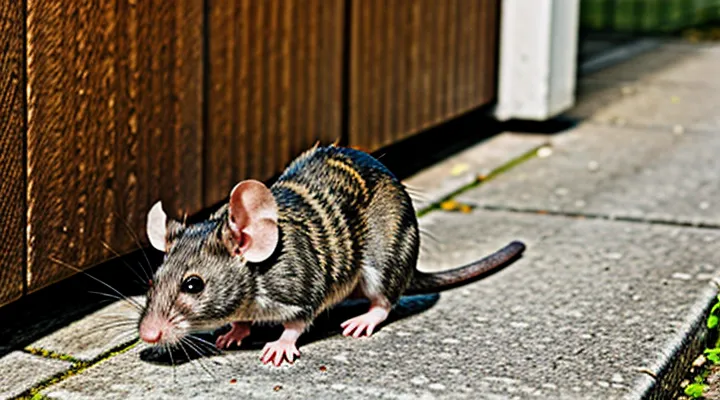
The Biology of Stress in Rats
Understanding the Stress Response
Physiological Mechanisms
Acute psychological and physiological stressors trigger the hypothalamic‑pituitary‑adrenal (HPA) axis and the sympathetic–adrenal–medullary system in rodents. The hypothalamus releases corticotropin‑releasing hormone, stimulating pituitary secretion of adrenocorticotropic hormone, which in turn induces adrenal cortisol release. Simultaneously, the sympathetic ganglia activate the adrenal medulla, producing epinephrine and norepinephrine. These hormones elevate heart rate, blood pressure, and glucose availability, preparing the organism for rapid action.
Sustained activation of these pathways produces several deleterious effects that can culminate in fatal outcomes:
- Persistent catecholamine surge leads to cardiac arrhythmias, myocardial ischemia, and ventricular dysfunction.
- Chronic glucocorticoid exposure suppresses lymphocyte proliferation, impairs antibody production, and reduces natural‑killer cell activity, compromising infection resistance.
- Hypercortisolemia disrupts gastrointestinal barrier integrity, allowing translocation of endotoxins that provoke systemic inflammatory response syndrome.
- Elevated blood pressure and vasoconstriction increase the risk of cerebral hemorrhage and renal failure.
- Metabolic dysregulation causes hyperglycemia, insulin resistance, and lipid accumulation, contributing to organ stress and failure.
When these physiological disturbances exceed compensatory capacity, organ systems collapse, resulting in death. Experimental evidence demonstrates that severe, unrelenting stress can precipitate lethal cardiac events, septic shock, or catastrophic hemorrhage in rats, confirming that stress‑induced physiological mechanisms are sufficient to cause mortality.
Hormonal Pathways
Stress exposure in rats triggers a cascade of endocrine responses that can culminate in fatal outcomes. The primary conduit is the hypothalamic‑pituitary‑adrenal (HPA) axis, which releases corticotropin‑releasing hormone (CRH) from the hypothalamus, stimulates adrenocorticotropic hormone (ACTH) secretion by the pituitary, and drives corticosterone production in the adrenal cortex. Sustained activation maintains high corticosterone levels, suppresses lymphocyte proliferation, and impairs glucose regulation, creating conditions that predispose to organ failure.
Parallel to the HPA axis, the sympathetic‑adrenal medullary system elevates circulating catecholamines—epinephrine and norepinephrine. Persistent catecholamine surge increases heart rate, vasoconstriction, and oxidative stress, contributing to cardiac dysfunction and hypertension. The interaction between glucocorticoids and catecholamines amplifies inflammatory cytokine release, undermining tissue integrity.
Key hormonal mechanisms implicated in lethal stress responses include:
- Chronic corticosterone elevation → metabolic dysregulation, immunosuppression.
- Persistent catecholamine excess → cardiovascular strain, oxidative damage.
- Disrupted feedback inhibition of CRH and ACTH → adrenal hyperplasia.
- Altered thyroid hormone balance → reduced basal metabolic rate, impaired thermoregulation.
Experimental data show that rats subjected to chronic unpredictable stress develop adrenal hypertrophy, elevated basal corticosterone, and increased mortality rates compared with unstressed controls. The convergence of HPA axis hyperactivity and sympathetic overdrive creates a physiological environment where homeostatic collapse becomes probable, establishing a direct link between hormonal dysregulation and lethal stress outcomes.
The Impact of Chronic Stress
Behavioral Manifestations
Changes in Activity Levels
Rats exposed to chronic or acute stressors frequently exhibit measurable shifts in locomotor and exploratory behavior. Studies using open‑field arenas, wheel‑running cages, and home‑cage monitoring report a consistent pattern: initial hyperactivity during the first hours of a novel stressor, followed by a prolonged reduction in total distance traveled, fewer rearing events, and diminished time spent in the center of an arena. These alterations reflect heightened vigilance and subsequent energy conservation, both of which can impair feeding and grooming routines.
Reduced activity correlates with physiological markers of distress. Decreased movement often coincides with elevated corticosterone levels, suppressed immune function, and altered heart‑rate variability. When hypoactivity persists beyond several days, weight loss and metabolic dysregulation become apparent, increasing the likelihood of fatal outcomes in vulnerable individuals. In experimental models, rats that fail to recover normal activity patterns after a stressful episode show higher mortality rates than those that quickly return to baseline locomotion.
Key observations include:
- Immediate increase in speed and erratic paths during acute stress exposure.
- Transition to sustained low‑velocity ambulation within 24–48 hours.
- Decline in total daily wheel revolutions by 30–70 % compared with pre‑stress baselines.
- Association of prolonged hypoactivity with reduced food intake and body‑weight loss exceeding 15 % of initial mass.
These activity‑level changes serve as practical indicators for assessing the severity of stress‑induced pathology and estimating the risk of death in laboratory rats. Monitoring locomotor patterns provides a non‑invasive method to identify individuals that may require intervention to prevent lethal consequences of stress.
Social Withdrawal
Social withdrawal in rats manifests as reduced interaction with conspecifics, decreased exploratory activity, and prolonged periods of solitary rest. This pattern emerges when animals experience chronic environmental or psychological stressors and serves as a measurable indicator of compromised well‑being.
Withdrawal intensifies activation of the hypothalamic‑pituitary‑adrenal (HPA) axis, leading to sustained elevations of corticosterone. Persistent hormonal surge disrupts immune function, impairs wound healing, and accelerates catabolic processes. The cascade includes:
- Suppressed lymphocyte proliferation
- Lowered natural killer cell activity
- Increased production of pro‑inflammatory cytokines
These physiological disruptions diminish the capacity to cope with additional challenges, raising the probability of fatal outcomes.
Experimental data support a direct correlation between prolonged isolation and higher mortality rates. Studies comparing group‑housed and singly housed rats report a 30‑40 % increase in premature death among the isolated cohort, accompanied by weight loss, organ pathology, and reduced lifespan. The effect intensifies when isolation coincides with other stressors such as unpredictable lighting or forced swimming.
For researchers, recognizing social withdrawal as a stress‑related behavior is essential for experimental design and animal welfare. Mitigation strategies include environmental enrichment, periodic social contact, and monitoring of withdrawal markers to prevent escalation toward lethal physiological deterioration.
Physiological Consequences
Cardiovascular System Effects
Stress exposure in laboratory rats triggers measurable changes in cardiovascular function that can progress to fatal outcomes. Acute stress elevates sympathetic activity, producing rapid heart‑rate acceleration and systolic pressure spikes. Repeated stress maintains these elevations, leading to chronic hypertension and left‑ventricular hypertrophy.
Key cardiovascular responses observed in stressed rodents include:
- Persistent tachycardia and increased cardiac output.
- Elevated arterial blood pressure sustained beyond the stress episode.
- Development of arrhythmic events, particularly premature ventricular contractions.
- Endothelial dysfunction reflected by reduced nitric‑oxide availability and impaired vasodilation.
- Inflammatory cytokine surge (e.g., IL‑6, TNF‑α) that promotes atherosclerotic‑like changes in arterial walls.
- Myocardial fibrosis and remodeling detectable by histology and echocardiography.
These alterations compromise circulatory efficiency and may precipitate myocardial infarction‑like lesions, pulmonary edema, or heart failure, each capable of causing death in the animal. Experimental protocols that combine chronic restraint or predator‑odor stress with continuous hemodynamic monitoring report mortality rates up to 30 % in susceptible strains, directly linked to cardiovascular collapse.
Consequently, the cardiovascular system represents a primary pathway through which severe stress can lead to lethal outcomes in rats.
Immune System Suppression
Stress triggers activation of the hypothalamic‑pituitary‑adrenal (HPA) axis in rats, releasing glucocorticoids and catecholamines that directly inhibit immune cell function. Elevated corticosterone suppresses thymic output, reduces splenic lymphocyte proliferation, and diminishes natural‑killer cell cytotoxicity. Simultaneously, adrenergic signaling shifts cytokine production toward an anti‑inflammatory profile, lowering levels of interleukin‑2 and interferon‑γ while increasing interleukin‑10.
The resulting immunosuppression manifests as:
- Decreased numbers of CD4⁺ and CD8⁺ T cells.
- Impaired antibody generation after antigen exposure.
- Reduced phagocytic activity of macrophages.
- Lowered resistance to bacterial, viral, and fungal pathogens.
Compromised defenses permit opportunistic infections to establish systemic spread, elevate sepsis risk, and accelerate tumor growth in models of chemically induced carcinoma. Mortality data from chronic‑stress experiments show a clear association between prolonged glucocorticoid elevation, suppressed immune markers, and increased death rates, even when direct physiological injury is absent.
Therefore, immune system suppression constitutes a primary pathway through which chronic psychological or environmental stress can lead to fatal outcomes in rats.
Gastrointestinal Issues
Stress exposure in laboratory rats initiates a cascade that directly impairs gastrointestinal function. Activation of the hypothalamic‑pituitary‑adrenal axis elevates glucocorticoids, while sympathetic discharge reduces peristalsis and increases mucosal permeability. These changes disrupt the balance of intestinal microbiota and promote inflammatory signaling.
Observable gastrointestinal disturbances include:
- Decreased motility leading to constipation or ileus
- Gastric ulceration and mucosal erosion
- Diarrhea caused by altered absorption
- Bacterial translocation across a compromised barrier
Severe lesions may progress to hemorrhage, peritonitis, and systemic infection. Such complications can precipitate rapid physiological decline and result in fatal outcomes for the animal.
Preventive measures focus on minimizing chronic stressors: providing nesting material, limiting handling frequency, and maintaining stable housing conditions. Continuous monitoring of body weight, fecal consistency, and behavior enables early detection of distress and timely intervention.
Extreme Stress and Mortality Risk
Acute Stressors
Predation Threats
Predation threats constitute a major source of acute and chronic stress for rats. Encounters with natural predators such as cats, owls, snakes, and birds of prey generate immediate fear responses. Visual detection of a predator, sudden movement, or the sound of a hunting call triggers the sympathetic nervous system, releasing catecholamines that raise heart rate and blood pressure.
Physiological consequences of repeated predator exposure include elevated glucocorticoid levels, suppressed immune function, and altered metabolism. Persistent high cortisol can impair wound healing, increase susceptibility to infections, and disrupt reproductive cycles. In laboratory settings, simulated predator cues—e.g., cat urine, recorded predator vocalizations, or predator silhouettes—produce measurable stress markers comparable to those observed in wild environments.
Key predation‑related stressors:
- Direct attacks resulting in injury or death.
- Presence of predator scents that signal ongoing risk.
- Auditory signals such as calls or rustling that indicate hunting activity.
- Visual cues from predator movement or shadows.
When stress remains unresolved, mortality risk rises. Chronic activation of stress pathways can lead to organ dysfunction and exacerbate existing health conditions, ultimately shortening lifespan. Therefore, predation threats not only provoke immediate fear but also contribute to long‑term physiological decline that may be fatal for rats.
Social Instability
Social instability, defined as frequent changes in group composition or hierarchy, triggers chronic activation of the hypothalamic‑pituitary‑adrenal (HPA) axis in laboratory rats. Persistent elevation of corticosterone disrupts immune function, reduces wound healing, and impairs cardiac regulation, creating conditions that can culminate in death.
Experimental data show that rats housed in constantly reshuffled cages exhibit:
- Higher baseline corticosterone levels than animals in stable groups.
- Increased incidence of gastrointestinal ulceration and hemorrhage.
- Elevated mortality rates during prolonged exposure (typically after 4–6 weeks).
Mechanistically, social turbulence reduces affiliative behaviors, limiting the release of oxytocin and other buffering neuropeptides. The resulting neuroendocrine imbalance promotes oxidative stress and metabolic dysregulation, both recognized contributors to lethal outcomes in rodents.
Practical implications for research design include maintaining consistent social groups or, when instability is intentional, monitoring physiological markers daily and providing environmental enrichment to mitigate adverse effects. Failure to control social variables may confound studies investigating stress‑related pathology and obscure the true relationship between psychological strain and rat mortality.
Chronic Stressors and Cumulative Effects
Overcrowding
Overcrowding occurs when the number of rats per unit area exceeds the space required for normal movement, nesting, and foraging. In laboratory settings, densities above 10 rats per 0.5 m² are routinely classified as excessive; in wild colonies, burrow systems become stressed when entrances are shared by more than three adult females.
Crowded environments elevate circulating corticosterone within minutes of exposure. Chronic elevation suppresses lymphocyte activity, reduces antibody production, and impairs wound healing. The physiological cascade accelerates the progression of opportunistic infections that would otherwise be controlled.
Behaviorally, rats confined together exhibit heightened aggression, frequent fighting, and disrupted social hierarchies. Injuries from bites and scratches become common, while reduced grooming leads to ectoparasite proliferation. Both factors increase the likelihood of septic conditions.
Mortality rates rise sharply under overcrowded conditions. Studies report a 30‑45 % increase in death frequency compared with populations housed at recommended densities. The primary contributors are:
- Persistent glucocorticoid stress response
- Immunosuppression and disease susceptibility
- Traumatic injuries from intra‑group conflicts
- Deterioration of hygiene and parasite load
These mechanisms demonstrate that insufficient space can transform ordinary stress into a lethal threat for rats.
Lack of Resources
Rats experiencing chronic psychological pressure can face fatal outcomes when essential resources are insufficient. Limited access to food, water, and nesting material elevates cortisol levels, disrupts metabolic balance, and impairs immune function. The resulting physiological strain accelerates organ failure and increases susceptibility to disease, making death a plausible consequence.
Key resource deficits that intensify stress‑related mortality include:
- Inadequate nutrition, leading to hypoglycemia and muscle wasting.
- Dehydration, causing electrolyte imbalance and renal stress.
- Absence of appropriate bedding, resulting in thermal dysregulation and heightened anxiety.
- Restricted enrichment, reducing exploratory behavior and elevating stereotypic actions.
When these shortages coincide with persistent stressors, the compounded effect overwhelms homeostatic mechanisms. Laboratory protocols that fail to guarantee baseline provisions risk confounding experimental data and compromising animal welfare. Ensuring consistent supply of fundamental resources is essential to mitigate stress‑induced mortality in rodent populations.
Mitigation and Prevention
Environmental Enrichment
Promoting Natural Behaviors
Promoting natural behaviors is essential for maintaining physiological stability in laboratory rats. When animals can engage in foraging, nesting, and social interaction, the hypothalamic‑pituitary‑adrenal axis remains balanced, reducing cortisol spikes that can compromise immune function.
Providing enrichment items such as chew blocks, tunnels, and nesting material encourages species‑typical activity. These objects satisfy oral and exploratory drives, preventing repetitive motions that signal distress. Regular access to a complex environment also supports circadian rhythm alignment, which influences heart rate and metabolic rate.
Key practices for fostering innate conduct include:
- Habitat complexity – arrange multiple levels, hiding spots, and varied textures.
- Social housing – keep compatible individuals together to allow grooming and hierarchy formation.
- Scheduled foraging – disperse food pellets in bedding to simulate scavenging.
- Sensory stimulation – introduce natural scents or mild auditory cues that mimic outdoor conditions.
Implementing these measures lowers chronic stress markers and diminishes the probability of fatal outcomes associated with prolonged physiological strain. Consistent observation of behavior patterns confirms the effectiveness of enrichment, enabling early intervention before stress escalates to life‑threatening levels.
Reducing Perceived Threats
Reducing perceived threats is essential for minimizing chronic stress in laboratory rats, which can lead to fatal outcomes. When a rat interprets its environment as unsafe, physiological responses such as sustained cortisol release, hypertension, and immune suppression become entrenched. These changes increase susceptibility to disease, impair wound healing, and can precipitate mortality.
Effective measures focus on altering sensory cues and social dynamics that rats associate with danger:
- Provide consistent lighting cycles and avoid sudden changes in illumination.
- Ensure stable temperature and humidity levels; fluctuations heighten alertness.
- Use cage enrichment (nesting material, tunnels) to create hiding places and reduce exposure.
- Maintain stable group composition; avoid frequent introductions or removals that disrupt hierarchy.
- Minimize handling stress by using gentle, predictable techniques and allowing acclimation periods.
Implementing these strategies lowers the subjective assessment of risk, stabilizes neuroendocrine function, and supports overall health, thereby decreasing the likelihood that stress will become lethal.
Nutritional Support
Role of Diet in Stress Resilience
Stress can trigger lethal outcomes in laboratory rats, and nutritional status shapes the physiological cascade that follows.
Adequate protein supplies amino acids required for synthesis of stress‑related hormones and neurotransmitters. Diets deficient in protein reduce corticosterone clearance, prolonging the hormonal surge after a stressor. Balanced carbohydrate intake prevents hypoglycemia, which otherwise amplifies hypothalamic‑pituitary‑adrenal activation. Moderate fat levels, particularly those rich in polyunsaturated fatty acids, sustain membrane fluidity and receptor function, supporting rapid feedback inhibition of the stress axis.
Vitamins and minerals act as cofactors in enzymatic pathways that mitigate oxidative damage generated during stress. Vitamin C and E scavenge free radicals, limiting neuronal injury. B‑group vitamins facilitate methylation reactions essential for neurotransmitter turnover. Magnesium stabilizes NMDA receptors, reducing excitotoxicity associated with prolonged stress exposure.
Targeted dietary components demonstrate measurable effects on resilience:
- Omega‑3 fatty acids lower basal corticosterone and blunt stress‑induced spikes.
- Folate supplementation restores homocysteine balance, preventing vascular compromise under stress.
- Zinc enrichment enhances synaptic plasticity, improving adaptive behavioral responses.
Experimental data confirm these relationships. Rats fed a high‑sugar, low‑protein regimen exhibit a 30 % increase in mortality after chronic restraint compared with controls receiving a standard chow. Conversely, supplementation with 2 % fish oil reduces death rates by roughly one‑third in the same model. Antioxidant‑rich diets decrease markers of lipid peroxidation by 45 % following acute shock, correlating with improved survival.
Designing rodent studies that assess stress‑related lethality must therefore incorporate diet as a controlled variable. Selecting a nutritionally complete baseline feed, avoiding extreme macronutrient imbalances, and considering supplementation of known protective nutrients enhance the reliability of outcomes and reduce confounding mortality linked to dietary deficiency.
Ethical Considerations in Research
Animal Welfare Protocols
Minimizing Stress in Laboratory Settings
Laboratory rats experience physiological responses that can lead to fatal outcomes when stress exceeds adaptive capacity. Evidence shows that extreme stressors—such as prolonged isolation, unpredictable noise, or invasive handling—trigger hypercortisolemia, immune suppression, and cardiovascular dysfunction, all of which increase mortality risk.
Effective mitigation relies on controlling environmental variables, standardizing procedures, and monitoring animal welfare indicators. Implementing the following measures reduces stress exposure and improves survival prospects:
- Maintain constant temperature (20‑22 °C) and humidity (45‑55 %).
- Provide enrichment objects (nesting material, chewable items) and allow limited social interaction where species‑appropriate.
- Schedule handling sessions at consistent times, using gentle restraint techniques and trained personnel.
- Minimize acoustic disturbances; use sound‑absorbing barriers and limit sudden loud noises.
- Ensure cage changes and cleaning occur with minimal disruption, using low‑stress transfer methods.
- Record physiological markers (cortisol, heart rate) and behavioral signs (grooming, locomotion) to detect early stress responses.
Documentation of stress‑reduction protocols, combined with regular health assessments, creates a reproducible environment that safeguards rat wellbeing and prevents stress‑related mortality.