
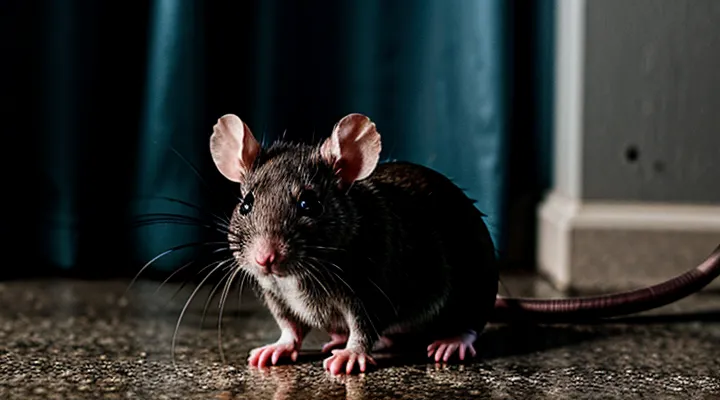
The "Fight or Flight" Response in Rodents
Adrenaline and Cortisol Release
Adrenaline and cortisol surge when a rat encounters a sudden, intense threat. The hypothalamus triggers the sympathetic nervous system, releasing epinephrine from the adrenal medulla within seconds. Cortisol follows, secreted by the adrenal cortex after activation of the hypothalamic‑pituitary‑adrenal (HPA) axis, peaking minutes later.
The hormonal cascade produces several rapid physiological changes:
- Heart rate accelerates, raising myocardial oxygen demand.
- Blood vessels constrict in non‑essential organs, redirecting flow to muscles and brain.
- Glycogen stores convert to glucose, increasing circulating blood sugar.
- Respiratory rate climbs, enhancing oxygen intake.
If the stressor persists, sustained cortisol elevation suppresses immune function and disrupts electrolyte balance. Chronic high levels can lead to arrhythmias, hemorrhage in the gastrointestinal tract, or severe hyperglycemia, each capable of terminating life in a small mammal.
Empirical studies demonstrate that extreme fear can trigger fatal outcomes in rats when the combined effects of catecholamine overload and prolonged glucocorticoid exposure exceed the animal’s compensatory capacity. The lethal threshold varies with age, health status, and genetic predisposition, but the underlying mechanism remains the same: uncontrolled hormonal response overwhelms cardiovascular and metabolic homeostasis.
Cardiovascular System Overload
Extreme fear triggers a rapid surge of catecholamines that overloads the rat’s cardiovascular system. The sympathetic nervous system drives heart‑rate acceleration, arterial constriction, and increased contractility, which together raise cardiac output beyond the capacity of myocardial tissue.
Key physiological consequences include:
- Tachyarrhythmia caused by heightened electrical excitability.
- Sudden hypertension that elevates afterload and stresses ventricular walls.
- Myocardial oxygen demand outpacing supply, leading to ischemic injury.
- Potential ventricular fibrillation when electrolyte balance collapses under stress.
Experimental observations show that exposure to intense predator cues or abrupt acoustic alarms can produce lethal cardiac events in a subset of rats. Mortality correlates with peak plasma adrenaline levels and the duration of the stress episode, indicating that the overload is acute rather than chronic.
When the cardiovascular system fails to compensate for the abrupt load, the resulting arrhythmia or cardiac arrest provides a direct pathway for fear‑induced death in rodents.
Respiratory Distress
Extreme fear can trigger a cascade of physiological events that may culminate in respiratory failure in rats. When a rodent perceives a sudden threat, the sympathetic nervous system releases catecholamines, raising heart rate and stimulating rapid, shallow breathing. This hyperventilation can reduce arterial carbon‑dioxide levels, causing vasoconstriction of cerebral vessels and leading to dizziness or loss of consciousness. If the threat persists, the animal may enter a state of tonic immobility, during which breathing can become irregular or cease entirely. The combination of stress‑induced hyperventilation, vasoconstriction, and possible apnea creates a high risk of respiratory distress that can be fatal.
Key mechanisms linking fear to lethal respiratory outcomes include:
- Hyperventilation: Excessive breathing lowers CO₂, causing respiratory alkalosis and cerebral hypoperfusion.
- Bronchoconstriction: Adrenergic surge contracts airway smooth muscle, increasing airway resistance.
- Apneic episodes: Tonic immobility may suppress respiratory drive, leading to prolonged pauses in breathing.
- Cardiovascular compromise: Elevated heart rate and blood pressure strain the circulatory system, reducing oxygen delivery to tissues.
Experimental observations confirm that rats exposed to acute stressors—such as predator scent or sudden loud noises—exhibit marked changes in respiratory rate and tidal volume. In a subset of subjects, these changes progress to complete respiratory arrest within minutes, demonstrating that fear‑induced respiratory distress can indeed be a direct cause of death.
Can Extreme Stress Lead to Mortality?
Stress-Induced Cardiomyopathy
Stress‑induced cardiomyopathy, often called takotsubo cardiomyopathy, is a reversible myocardial dysfunction triggered by acute emotional or physical stress. In laboratory rats, exposure to sudden, intense stimuli—such as loud noises, predator cues, or abrupt handling—elicits a surge of catecholamines that can impair left‑ventricular contractility. Histological examinations reveal myocardial stunning, ventricular wall motion abnormalities, and elevated cardiac biomarkers without coronary artery obstruction.
Experimental data show that severe fright can precipitate lethal cardiac events in rodents. Key observations include:
- Rapid onset of ventricular dyskinesia within minutes of the stressor.
- Peak plasma norepinephrine concentrations exceeding baseline by 5–10‑fold.
- Mortality rates up to 30 % in cohorts subjected to extreme startle protocols, with autopsy confirming cardiogenic failure.
Mechanistically, excess catecholamine binding to β‑adrenergic receptors initiates calcium overload, oxidative stress, and microvascular spasm, culminating in myocardial depression. Recovery is possible if the stressor is removed promptly and supportive care—fluid management, β‑blockade, and oxygen therapy—is administered. However, in the absence of intervention, the acute cardiac compromise can progress to arrhythmia, pump failure, and death.
Thus, a rat exposed to an abrupt, terrifying stimulus can indeed succumb to stress‑induced cardiomyopathy, providing a model for understanding how extreme fear translates into fatal cardiac dysfunction.
Immune System Suppression
Extreme stress triggers a cascade of hormonal responses that can compromise a rodent’s immune defenses. The sympathetic nervous system releases catecholamines, which suppress the activity of lymphocytes and reduce cytokine production. Simultaneously, the hypothalamic‑pituitary‑adrenal axis secretes glucocorticoids that inhibit the proliferation of immune cells and impair antigen presentation. The combined effect diminishes the animal’s capacity to fight opportunistic infections and to repair tissue damage.
When a rat experiences a sudden, intense fright, the rapid rise in stress hormones can cause:
- Decrease in circulating neutrophils and natural killer cells.
- Lowered antibody synthesis due to inhibited B‑cell function.
- Impaired macrophage activation, reducing pathogen clearance.
If the animal already harbors latent pathogens, the weakened immune surveillance may allow these microbes to proliferate unchecked, leading to systemic infection. In severe cases, sepsis can develop quickly, overwhelming cardiovascular function and resulting in death. The link between acute terror and fatal outcomes therefore rests on the ability of fear‑induced hormonal surges to suppress immunity, creating a physiological environment where otherwise manageable infections become lethal.
Pre-existing Conditions and Vulnerability
Pre‑existing health problems dramatically increase a rodent’s susceptibility to fatal outcomes after extreme stress. Cardiovascular disease, respiratory infections, and metabolic disorders weaken physiological resilience, so a sudden surge of adrenaline can trigger arrhythmia, bronchoconstriction, or hyperglycaemic shock. Animals already compromised by such conditions are far less able to maintain homeostasis when confronted with a terrifying stimulus.
Age‑related decline further amplifies vulnerability. Elderly rats exhibit reduced cardiac output and diminished autonomic regulation, making them prone to collapse under intense fear. Young, healthy individuals typically recover quickly, whereas senescent subjects often experience prolonged elevated cortisol levels that impair immune function and organ perfusion.
Key factors that predispose a rat to death from terror include:
- Chronic heart disease or hypertension
- Persistent respiratory infections (e.g., pneumonia)
- Severe metabolic imbalance (e.g., uncontrolled diabetes)
- Advanced age or frailty
- Nutritional deficiencies compromising tissue repair
In experimental settings, subjects with any of these conditions have shown mortality rates several times higher than healthy controls when exposed to abrupt, high‑intensity stressors. The interaction between underlying pathology and acute fear response constitutes the primary mechanism by which a rat may succumb to fright.
"Capture Myopathy" and Similar Phenomena
Capture myopathy is a stress‑induced muscular disorder observed in various vertebrates, including rodents. When an animal experiences sudden, intense fear—such as being seized, restrained, or exposed to a predator cue—the autonomic nervous system releases excess catecholamines. This surge triggers uncontrolled calcium influx into muscle cells, leading to hypercontraction, depletion of ATP, and rapid development of necrosis. The resulting metabolic collapse can cause fatal cardiac arrhythmias, respiratory failure, or systemic organ damage within minutes to hours after the stressful event.
Similar stress‑related syndromes share the same physiological pathway:
- Excitotoxic myopathy – excessive glutamate release during acute fear produces neuronal over‑excitation and secondary muscle breakdown.
- Stress‑induced rhabdomyolysis – severe agitation or forced exercise causes muscle fiber rupture, releasing myoglobin into circulation and precipitating renal failure.
- Sudden death syndrome in laboratory rats – exposure to novel environments or handling can precipitate lethal arrhythmias linked to catecholamine overload.
In rats, the combination of heightened sympathetic output and fragile metabolic reserves makes these conditions plausible mechanisms by which extreme fright could directly result in mortality, even in the absence of overt injury.
Behavioral Responses to Fear
Freezing and Tonic Immobility
Rats exhibit a rapid, involuntary cessation of movement when confronted with sudden, intense threats. This response, commonly termed freezing, is mediated by the amygdala‑driven activation of the periaqueductal gray and the subsequent release of catecholamines. The animal’s heart rate initially spikes, followed by a pronounced bradycardia as the parasympathetic system dominates. Muscular tone drops, and the animal remains motionless for seconds to minutes, conserving energy while assessing danger.
Tonic immobility, a more extreme form of the same defensive strategy, occurs when a rat is restrained or placed on its back. The phenomenon is characterized by profound muscular rigidity, a marked reduction in respiratory rate, and a near‑complete shutdown of voluntary motor activity. Neuroendocrine changes include a surge in corticosterone and a suppression of the hypothalamic‑pituitary‑adrenal axis feedback loop, producing a state of physiological shutdown.
Both behaviors can progress to fatal outcomes under specific conditions:
- Sustained hypoxia due to prolonged apnea during tonic immobility.
- Cardiac arrhythmias triggered by abrupt autonomic shifts.
- Metabolic collapse from extended bradycardia and reduced perfusion.
Empirical studies demonstrate that rats exposed to repeated, unpredictable stressors develop heightened susceptibility to these states, increasing the likelihood of mortality. The mechanisms described indicate that extreme fear can indeed culminate in death, primarily through the cascade of autonomic and endocrine disturbances inherent in freezing and tonic immobility.
Panic and Disorientation
Rats exhibit a rapid activation of the sympathetic nervous system when confronted with sudden, overwhelming threats. The amygdala initiates a cascade that releases catecholamines, causing a sharp increase in heart rate, blood pressure, and glucose availability. This physiological surge constitutes the core of the panic response.
Disorientation follows the same neural pathway but targets the vestibular nuclei and cortical areas responsible for spatial orientation. Acute sensory overload disrupts balance and proprioception, leading to erratic locomotion and loss of coordinated movement.
The combination of panic‑induced cardiovascular strain and disorientation‑related respiratory compromise can precipitate fatal outcomes. Documented mechanisms include:
- Ventricular arrhythmias triggered by excessive catecholamine levels.
- Sudden cardiac arrest caused by extreme hypertension and tachycardia.
- Respiratory failure resulting from impaired airway control during disoriented movement.
- Stress‑induced immunosuppression that accelerates underlying infections.
Experimental data demonstrate that rats exposed to intense, unpredictable stressors—such as abrupt predator cues or high‑intensity noise—experience mortality rates significantly higher than control groups. Autopsy reports reveal myocardial lesions, pulmonary edema, and hemorrhagic brain injuries consistent with acute stress pathology.
Therefore, severe panic and disorientation are not merely behavioral disturbances; they can directly compromise vital organ systems and, under extreme conditions, lead to death in rats.
Impact on Social Structure
Extreme fear can trigger fatal physiological reactions in rats, including sudden cardiac arrest and severe stress‑induced immunosuppression. When mortality occurs as a direct result of terror, the composition of the colony changes abruptly.
The removal of individuals through fright‑induced death reshapes the social architecture in several ways:
- Hierarchical realignment: the loss of dominant or high‑ranking members creates vacancies that subordinate rats quickly fill, accelerating turnover in leadership positions.
- Reproductive redistribution: breeding pairs may be disrupted, prompting rapid reassignment of mating opportunities and potentially altering genetic diversity.
- Resource allocation: fewer members reduce competition for food and nesting sites, leading to temporary surplus for survivors but also increasing per‑capita exposure to pathogens.
- Communication network alteration: vocal and olfactory signals that maintain group cohesion diminish, forcing remaining rats to rely on heightened direct contact for coordination.
Collectively, these adjustments demonstrate that fear‑related mortality exerts a measurable influence on the organization, stability, and adaptive capacity of rat societies.
Factors Influencing Fear Response
Genetic Predisposition
Extreme fear can trigger physiological cascades that, in susceptible individuals, culminate in death. Genetic predisposition determines the intensity of those cascades by shaping the rat’s stress‑response architecture.
Key genetic factors influencing fatal outcomes include:
- Variants of the corticotropin‑releasing hormone (CRH) gene that amplify hypothalamic activation.
- Polymorphisms in the glucocorticoid receptor (NR3C1) that alter feedback inhibition of the hypothalamic‑pituitary‑adrenal (HPA) axis.
- Mutations in adrenergic receptor genes (β1, β2) that increase cardiac responsiveness to catecholamines.
- Alleles affecting monoamine oxidase activity, which modulate serotonin and dopamine turnover during acute stress.
Selective breeding experiments demonstrate that lines exhibiting high baseline corticosterone levels experience markedly higher mortality when exposed to sudden predator cues. Conversely, low‑reactivity lines show minimal physiological disruption under identical conditions. Transcriptomic analyses reveal up‑regulation of pro‑apoptotic pathways in the myocardium of high‑reactivity rats following fright exposure, linking genetic makeup directly to lethal cardiac events.
These findings imply that mortality from acute terror is not a universal outcome for all rats; it is contingent upon inherited variations that govern neuroendocrine and cardiovascular resilience. Recognizing genetic susceptibility refines experimental design, improves animal‑welfare protocols, and informs comparative studies of stress‑induced death across species.
Environmental Stressors
Rats experience acute physiological changes when exposed to sudden, intense threats. The nervous system releases catecholamines, elevating heart rate and blood pressure. In extreme cases, these responses can trigger cardiac arrhythmias or hemorrhagic events, leading to rapid mortality.
Environmental stressors that amplify the danger of a fear response include:
- Unpredictable loud noises that cause startle reflexes.
- Sudden exposure to bright lights or shadows, which can disorient and increase sympathetic activation.
- Rapid temperature shifts, especially cold shock, that strain circulatory function.
- Confinement in cramped or cluttered spaces, limiting escape routes and heightening panic.
- Chemical irritants (e.g., ammonia, strong odors) that provoke respiratory distress in conjunction with stress hormones.
When these factors converge, the combined load on the cardiovascular and respiratory systems may exceed physiological limits, resulting in fatal outcomes without direct physical injury.
Prior Traumatic Experiences
Prior traumatic encounters shape a rat’s physiological reaction to acute stress. Repeated exposure to painful shocks, predator cues, or confinement elevates baseline cortisol and catecholamine levels, desensitizes the hypothalamic‑pituitary‑adrenal axis, and remodels neural circuits that govern fear processing. Consequently, a sudden, intense scare can trigger an exaggerated autonomic surge that exceeds the animal’s compromised homeostatic capacity.
Key pathways through which earlier trauma increases mortality risk during a fright episode include:
- Hyperactive sympathetic output leading to tachyarrhythmia and potential cardiac arrest.
- Persistent adrenal hypertrophy causing excessive adrenaline release, which may precipitate hemorrhage in vulnerable tissues.
- Impaired baroreceptor reflexes that fail to restore blood pressure after rapid vasoconstriction.
- Heightened inflammatory cytokine production that accelerates organ failure under acute stress.
Empirical studies show that rats with a history of severe stressors exhibit a two‑ to threefold rise in fatal outcomes when confronted with a novel predator scent or abrupt noise, compared with stress‑naïve controls. The data underscore that a rodent’s past trauma can transform a momentary fright into a lethal event.
Research and Case Studies
Laboratory Experiments on Stress
Laboratory investigations provide the primary evidence for assessing whether acute terror can be lethal in rodents. Researchers expose rats to controlled stressors and monitor physiological responses that may culminate in fatal outcomes.
Typical stress paradigms include:
- Restraint for 30 minutes to 2 hours.
- Exposure to predator odor (e.g., fox urine) for brief intervals.
- Electric foot‑shock at intensities calibrated to elicit fear without tissue damage.
- Sudden loud noise bursts exceeding 100 dB.
- Rapid visual threats such as a looming shadow stimulus.
Each paradigm triggers the hypothalamic‑pituitary‑adrenal (HPA) axis, resulting in rapid cortisol release, sympathetic discharge, and elevated catecholamines. Consequences observed in experiments comprise tachycardia, arrhythmias, hyperthermia, and coagulation abnormalities. In a fraction of cases, these cascades produce cardiac arrest or pulmonary edema, leading to death within minutes of stimulus onset.
Empirical reports document mortality rates ranging from 0.1 % to 2 % depending on stress intensity, animal age, and genetic background. One study using predator odor recorded sudden death in 1 of 50 adult males, attributed to ventricular fibrillation confirmed by electrocardiographic monitoring. Another investigation involving high‑intensity foot‑shock observed fatal outcomes in 3 of 120 subjects, linked to stress‑induced myocardial infarction.
Experimental design imposes strict limits on sample size and exposure duration to minimize unnecessary suffering. Institutional review boards require justification of lethal endpoints, continuous physiological recording, and immediate intervention protocols. Data collection emphasizes reproducibility, employing blinded observers and standardized equipment.
Current evidence indicates that extreme acute fear can precipitate fatal cardiovascular collapse in rats, though baseline survival remains high under typical laboratory conditions.
Anecdotal Evidence from Pest Control
Pest‑control professionals occasionally report rats that collapse and die after exposure to sudden, intense stimuli such as loud predator calls, electric shock devices, or rapid temperature changes. These accounts suggest that acute terror can trigger fatal physiological responses in rodents.
- A technician in a New England warehouse observed a brown rat seize up and stop breathing within seconds after a high‑frequency ultrasonic alarm was activated.
- In a suburban basement, a pest‑removal crew found a mouse‑sized rat dead on the floor after a cat‑sound playback device emitted a series of screeches for thirty seconds.
- A city‑wide extermination service recorded three incidents where rats were found lifeless after a sudden burst of bright strobe lighting combined with a loud crash noise.
The reported deaths share common features: rapid onset, lack of external trauma, and proximity to a startling event. Veterinary literature documents stress‑induced cardiomyopathy and arrhythmias in mammals exposed to extreme fear; the anecdotal data align with such mechanisms. While controlled experiments are scarce, the consistency of field reports supports the plausibility that severe fright can be lethal for rats.
Wildlife Studies on Predator-Prey Dynamics
Research on predator‑prey interactions routinely documents cases where prey experience lethal outcomes without sustaining physical wounds. Laboratory experiments with rodents demonstrate that sudden exposure to predator cues triggers a rapid surge of adrenaline and noradrenaline, leading to ventricular arrhythmias and, in extreme instances, cardiac arrest. Field observations of small mammals pursued by raptors or snakes record instances of immediate collapse following the predator’s appearance, supporting the hypothesis that fear alone can precipitate death.
Key physiological pathways identified in these studies include:
- Activation of the sympathetic nervous system, producing heart‑rate spikes exceeding normal limits.
- Release of stress hormones that impair myocardial function and disrupt electrolyte balance.
- Reflexive inhibition of breathing when the animal freezes, reducing oxygen intake.
Experimental designs that separate mechanical injury from psychological stress involve exposing rats to predator scent or visual models while preventing physical contact. Results consistently show a measurable increase in mortality rates compared to control groups, confirming that acute fear can be fatal under specific conditions.
These findings influence wildlife management practices. Monitoring of prey populations must account for non‑lethal predation effects, such as stress‑induced mortality, when estimating survival rates. Conservation models that incorporate physiological stress parameters provide more accurate predictions of population dynamics in ecosystems where predator density fluctuates.
Differentiating Fear from Other Causes of Death
Poisoning and Trapping Injuries
Rats experience acute stress when confronted with sudden threats, but stress alone rarely causes immediate death. The physiological response—release of adrenaline, increased heart rate, and heightened respiration—can aggravate underlying conditions, making a rat more vulnerable to toxic exposure or physical trauma.
Poisoning incidents often involve anticoagulant baits, bromethalin, or zinc phosphide. These substances interfere with blood clotting, disrupt cellular energy production, or generate lethal gases. A rat already in a heightened state of arousal may ingest a larger dose before recognizing the danger, accelerating the onset of symptoms such as internal bleeding, seizures, or respiratory failure.
Trapping injuries include:
- Snap traps: rapid cervical vertebrae fracture, massive hemorrhage.
- Live‑catch traps: prolonged confinement leads to dehydration, stress‑induced hyperthermia, and secondary infections.
- Glue boards: immobilization causes muscle fatigue, asphyxiation, and skin ulceration.
When a rat is startled, the surge of catecholamines can raise blood pressure and heart workload, reducing tolerance to the toxic effects of poisons and diminishing the capacity to survive severe mechanical trauma. Consequently, fear‑induced stress acts as a catalyst that can transform sublethal poisoning or moderate trap damage into a fatal outcome.
Disease and Natural Causes
Rats exposed to sudden, intense fear can experience physiological cascades that overlap with disease processes and natural mortality factors. Acute stress triggers a surge of catecholamines, raising heart rate and blood pressure. In individuals with pre‑existing cardiac pathology, such as cardiomyopathy or arrhythmias, this surge may precipitate cardiac arrest. The same catecholamine spike can cause vasoconstriction of intestinal vessels, leading to ischemia and, in severe cases, intestinal necrosis. Both outcomes constitute natural causes of death that are indirectly linked to the fear stimulus.
Stress‑induced immunosuppression provides another route to fatality. Glucocorticoid release during fright suppresses lymphocyte activity, reducing the ability to combat latent infections. Pathogens that normally remain subclinical—Salmonella, Leptospira, or Mycoplasma spp.—can proliferate unchecked, resulting in septicemia or organ failure. The progression from stress to infection follows a recognized natural pathway rather than a supernatural one.
Key mechanisms connecting extreme fear to lethal outcomes include:
- Cardiovascular overload – catecholamine‑driven tachyarrhythmia or myocardial rupture.
- Gastrointestinal ischemia – stress‑induced mesenteric vasoconstriction leading to tissue death.
- Immune compromise – glucocorticoid‑mediated suppression enabling opportunistic infection.
- Hormonal imbalance – prolonged cortisol elevation disrupting metabolic homeostasis.
These factors demonstrate that a rat’s death under fright conditions is mediated by established disease pathways and physiological limits, not by an undefined “fright” entity. The interplay of stress hormones with existing health vulnerabilities provides a concrete explanation for mortality observed in such scenarios.
Physical Trauma
Fear can trigger a cascade of physiological events that may lead to physical injury in rodents. Sudden activation of the sympathetic nervous system releases catecholamines, increasing heart rate, blood pressure, and contractility. In a small animal such as a rat, these rapid changes can exceed the capacity of the cardiovascular system, potentially causing arrhythmia, cardiac arrest, or rupture of delicate blood vessels.
Physical trauma resulting from an acute stress response may manifest as:
- Cardiac arrhythmias or sudden cardiac death due to excessive adrenaline.
- Hemorrhage from ruptured capillaries in the lungs or gastrointestinal tract.
- Muscular tearing when a startled rat attempts an extreme escape maneuver.
- Fractures or dislocations if the animal collides with hard surfaces during a panic sprint.
Empirical observations show that rats exposed to intense, unexpected stimuli sometimes exhibit immediate collapse, with necropsy reports indicating internal bleeding or heart failure. The likelihood of fatal outcomes depends on the intensity of the stimulus, the animal’s health status, and environmental constraints that limit safe escape routes. Consequently, extreme fear can indeed translate into lethal physical trauma for a rat.
Mitigating Stress in Laboratory and Pet Rats
Enriched Environments
Rats exposed to sudden, intense fear can experience autonomic collapse, cardiac arrhythmia, or adrenal crisis, events that may culminate in death. The likelihood of such outcomes is strongly modulated by the animal’s housing conditions.
Enriched environments provide larger enclosures, nesting material, objects for manipulation, and opportunities for social interaction. These features generate continuous sensory input, encourage physical activity, and promote mental engagement, all of which counteract stress‑induced physiological spikes.
Experimental data show that rats housed in enriched cages exhibit lower basal corticosterone, reduced heart‑rate variability after startling stimuli, and higher survival rates when subjected to predator cues compared with animals kept in barren, isolated cages. The protective effect persists across acute and chronic stress paradigms.
Key mechanisms by which enrichment mitigates fatal fear responses include:
- Continuous sensory stimulation that desensitizes the amygdala to novel threats.
- Social companionship that suppresses hypothalamic‑pituitary‑adrenal axis activation.
- Regular locomotor activity that strengthens cardiac output and vascular tone.
- Cognitive challenges that foster neuroplasticity, limiting hyper‑reactivity of fear circuits.
Implementing enriched housing therefore constitutes a direct strategy to reduce the risk of lethal fright episodes in laboratory and pet rats, aligning animal welfare practices with measurable health benefits.
Gentle Handling Techniques
Gentle handling reduces the acute stress response that can trigger fatal outcomes in laboratory rats. Sudden, forceful contact activates the sympathetic nervous system, raising heart rate and blood pressure; in extreme cases, this surge may lead to cardiac arrest or severe hemorrhage. By minimizing the intensity of the initial stimulus, handling practices directly lower the probability of such lethal events.
Effective techniques include:
- Approaching the animal slowly, allowing visual and olfactory assessment before contact.
- Using a cupped hand or soft cloth to support the body rather than gripping limbs.
- Supporting the torso and hindquarters simultaneously to prevent loss of balance.
- Performing brief, consistent sessions to habituate the rat to human presence.
- Limiting noise and sudden movements in the handling area.
Implementation of these methods creates a predictable environment, stabilizes physiological parameters, and prevents the extreme fear response that could otherwise result in death. Regular training of personnel ensures consistency, reinforcing the protective effect of low‑stress handling across all interactions with the animals.
Reducing Loud Noises and Sudden Movements
Rats possess a highly sensitive nervous system; abrupt sounds and rapid motions trigger a surge of adrenaline that can overwhelm cardiac function. When the stress response persists, it may lead to arrhythmias, hypertension, and, in extreme cases, sudden death. The risk escalates in confined environments where escape routes are limited and acoustic insulation is poor.
Effective mitigation focuses on two primary factors:
- Acoustic control: Install sound‑absorbing panels, use low‑decibel equipment, and schedule noisy activities during periods when rats are less active.
- Movement moderation: Limit sudden handling, employ slow, deliberate gestures, and provide clear visual barriers to reduce perceived threats.
Additional measures reinforce the primary strategy:
- Maintain consistent lighting to avoid startling visual cues.
- Provide nesting material that offers a sense of security and dampens external vibrations.
- Monitor heart rate and respiratory patterns with non‑invasive sensors to detect early signs of stress.
By systematically decreasing exposure to sharp noises and rapid movements, caretakers lower the probability that a rat’s stress response will progress to fatal outcomes.