
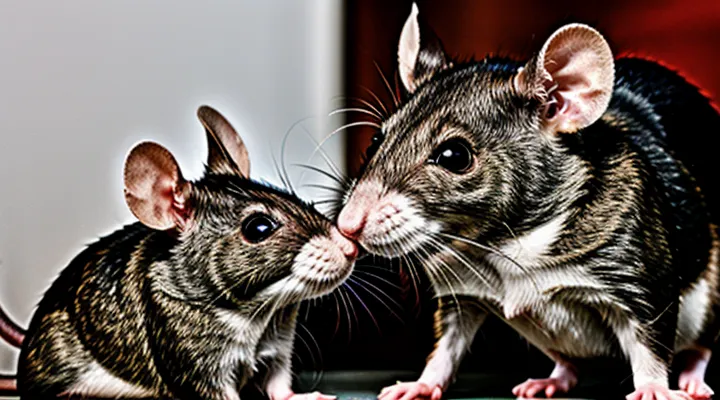
The Rat's Unique Anatomy and Swallowing Process
Anatomy of the Rat Esophagus
The rat esophagus is a short, muscular tube that connects the pharynx to the stomach, serving as the primary conduit for swallowed material. Its length averages 3–4 cm, with a lumen diameter of approximately 2 mm, allowing rapid transit of food particles.
Four concentric layers compose the wall. The innermost mucosa consists of a stratified squamous epithelium that protects against mechanical injury. Beneath the mucosa lies the submucosa, rich in connective tissue and blood vessels that supply the overlying epithelium. The muscularis externa contains an inner circular layer and an outer longitudinal layer of smooth muscle fibers, providing coordinated peristaltic contractions. The outermost adventitia anchors the esophagus to surrounding structures.
Peristalsis is driven by the coordinated activity of the circular and longitudinal muscle layers, generating wave-like motions that propel contents toward the stomach. Two sphincters regulate flow: the upper esophageal sphincter (UES) maintains closure during swallowing, while the lower esophageal sphincter (LES) prevents gastric reflux. Both sphincters exhibit tonic contraction interspersed with brief relaxation periods to permit bolus passage.
Key anatomical features influencing obstruction risk:
- Small lumen diameter restricts passage of objects larger than 2 mm.
- Strong circular muscle layer can generate high intraluminal pressure, forcing lodged material deeper.
- UES and LES act as functional bottlenecks; failure to relax fully can trap foreign bodies.
- Lack of a protective cartilaginous framework makes the esophageal wall more pliable, allowing external compression to narrow the passage.
Understanding these structural characteristics clarifies how inappropriate items can become lodged, highlighting the importance of monitoring rat diets and environments to reduce choking incidents.
How Rats Ingest Food
Rats capture food with their incisors, which grow continuously and are self‑sharpening. After seizing an item, the animal positions it against the palate and performs rapid, alternating jaw movements that reduce the material to bite‑sized fragments. Whiskers detect texture and size, prompting the rat to adjust grip with its forepaws before mastication.
Typical diets—seeds, grains, vegetables, and insects—are naturally broken down by the animal’s instinct to gnaw. Rats preferentially select pieces that fit within the oral cavity, avoiding objects larger than the distance between the incisors. Molars grind the softened material, forming a slurry that can be swallowed safely.
When food exceeds the rat’s oral capacity or contains hard, irregular components, the risk of airway blockage increases. Objects that slip past the incisors may lodge in the trachea, producing sudden cessation of breathing, coughing, or audible distress.
Preventive actions:
- Offer food items no larger than 1 cm in any dimension.
- Provide softened or pre‑cut portions for dense foods such as nuts or hard fruits.
- Eliminate small, sharp fragments that could become aspirated.
- Monitor feeding sessions, especially when introducing novel foods.
These practices reduce the likelihood of choking by aligning the size and texture of consumables with the rat’s natural ingestion mechanics.
Common Causes of Choking in Rats
Inappropriate Food Items
Rats are prone to airway obstruction when presented with foods that exceed the size of their oral cavity or possess hard, sharp textures. Small, soft items pass through the esophagus without incident; larger or rigid pieces can become lodged in the trachea, leading to rapid respiratory distress.
Typical food categories that pose choking risks include:
- Whole nuts, seeds, and kernels larger than ¼ inch in diameter
- Raw vegetable sticks such as carrot or celery pieces exceeding ½ inch in length
- Hard candy, popcorn kernels, and dried fruit skins
- Unchewed meat chunks, especially bone fragments or gristle
- Large pieces of cheese or processed snack bars not broken into bite‑size portions
Preventive measures focus on modifying the diet to eliminate these hazards. Recommended practices are:
- Cut all solid foods into pieces no larger than the width of a rat’s head (approximately ¼ inch).
- Soak hard items in water or broth to soften texture before offering.
- Replace high‑risk foods with soft alternatives, such as mashed pumpkin, finely shredded lettuce, or cooked egg.
- Supervise feeding sessions, removing uneaten pieces after a few minutes to avoid accidental ingestion.
Monitoring for signs of obstruction—silent choking, gasping, or sudden collapse—allows immediate intervention. Prompt removal of the offending item or veterinary assistance can prevent fatal outcomes.
Swallowing Too Quickly
Swallowing too quickly occurs when a rat ingests food or liquid before adequate mastication and saliva mixing, increasing the likelihood that material enters the airway instead of the esophagus. Rapid intake reduces the time available for the epiglottis to close, creating a direct pathway for particles to reach the trachea.
The physiological risk stems from the small size of a rat’s oral cavity and the limited coordination of swallowing muscles. Insufficient chewing leaves larger fragments that can obstruct the larynx, while a hurried swallow bypasses the protective reflexes that normally prevent aspiration.
- Offer food in small, manageable pieces to encourage thorough chewing.
- Provide water in shallow dishes to limit gulping volume.
- Schedule multiple, brief feeding sessions rather than large, infrequent meals.
- Observe each rat during feeding; intervene if the animal pauses, coughs, or exhibits labored breathing.
Immediate response to a choking incident includes gently restraining the rat, tilting the head downward, and applying light pressure to the abdomen to expel the obstructing material. If the airway remains blocked, seek veterinary assistance without delay.
Underlying Health Conditions
Rats with certain medical conditions are more likely to experience airway obstruction when consuming food or bedding material. Identifying these predispositions enables targeted prevention strategies.
- Respiratory infections — Inflammation of nasal passages and throat reduces airway diameter, making accidental blockage easier.
- Dental malocclusion — Overgrown incisors impair chewing efficiency, producing larger fragments that can lodge in the trachea.
- Neurological disorders — Loss of coordination diminishes the gag reflex, allowing foreign material to enter the airway unchecked.
- Gastrointestinal motility disorders — Delayed gastric emptying increases the volume of material in the oral cavity, raising the chance of accidental aspiration.
- Obesity — Excess fatty tissue around the neck compresses the airway, limiting clearance of obstructive particles.
Routine health assessments should include evaluation of respiratory sound, dental alignment, neurological status, and body condition. Early detection of the listed conditions permits dietary adjustments, bedding selection, and environmental modifications that lower choking risk. Regular monitoring of eating behavior and prompt veterinary intervention when abnormalities appear further reduce the likelihood of fatal airway events.
Recognizing the Signs of Choking in Rats
Behavioral Indicators
Rats exhibit distinct behavioral changes when airway obstruction begins. Early detection relies on recognizing these signs before respiratory distress escalates.
- Rapid, shallow breathing replaces normal rhythmic respiration.
- Audible wheezing or gagging sounds emerge during attempts to inhale.
- Head tilting toward the side of obstruction, accompanied by repeated pawing at the mouth.
- Sudden cessation of grooming activities, indicating preoccupation with breathing difficulty.
- Loss of balance or unsteady gait, often resulting in frequent falls or clumsy movements.
Observation of these indicators enables prompt intervention, such as clearing the oral cavity or providing emergency veterinary assistance, thereby reducing the risk of fatal choking events.
Physical Symptoms
Rats that experience airway obstruction display distinct physical cues that differentiate normal behavior from an emergency. Immediate identification of these cues enables timely intervention and reduces the risk of fatal outcomes.
- Sudden cessation of breathing accompanied by audible gasps or wheezing
- Involuntary muscle contractions in the neck or throat area
- Unusual posture, such as arching the back and extending the head upward
- Excessive salivation or frothy discharge from the mouth
- Rapid, shallow movements of the limbs without coordinated locomotion
- Loss of consciousness indicated by unresponsiveness to stimuli
These manifestations develop rapidly after the obstruction occurs. Absence of normal respiration and the presence of audible distress signals warrant immediate corrective measures, such as back blows or careful removal of the offending material. Continuous monitoring after the incident confirms the restoration of a clear airway and the return to normal activity.
Immediate Actions During a Choking Incident
Assessing the Situation
Assessing the risk of airway obstruction in a rat requires systematic observation and objective criteria. Immediate focus lies on detecting physical signs, behavioral changes, and environmental factors that could introduce foreign material into the respiratory tract.
Key indicators include:
- Labored breathing or audible wheezing
- Sudden cessation of normal activity
- Unusual head positioning, such as tilting backward or forward
- Presence of visible debris near the mouth or nostrils
- Rapid weight loss or reduced food intake suggesting chronic obstruction
Evaluation of the surrounding environment should address:
- Availability of small objects (e.g., bedding fragments, chew toys) that can be ingested
- Type of diet, emphasizing size and texture of food particles
- Cage design that may restrict proper chewing or promote accidental swallowing
- Cleaning regimen that could leave residual chemicals or sharp particles
When any indicator manifests, a stepwise response is warranted:
- Isolate the individual to prevent further exposure.
- Perform a gentle examination of the oral cavity using appropriate lighting.
- Attempt to clear visible obstruction with calibrated forceps, avoiding excessive pressure.
- If obstruction persists or breathing remains compromised, seek immediate veterinary intervention.
Accurate assessment hinges on consistent monitoring, rapid identification of warning signs, and prompt execution of corrective measures. The combination of vigilant observation and controlled environment management reduces the likelihood of airway blockage in small rodents.
Gentle Intervention Techniques
Gentle intervention techniques reduce the risk of airway obstruction in laboratory and pet rats by addressing the underlying causes of choking without causing stress. These methods focus on careful handling, environmental management, and immediate response strategies that preserve the animal’s natural reflexes.
Key components include:
- Slow, steady grip that supports the torso while allowing the head to remain free, preventing accidental compression of the trachea.
- Gradual introduction of food items with appropriate texture and size; soft foods are offered before transitioning to harder pellets to encourage proper chewing.
- Regular inspection of cage bedding and enrichment objects for small, detachable pieces that could be inhaled.
- Immediate, calm removal of a foreign object using a fine-tipped, lubricated instrument while monitoring respiratory rhythm.
- Post‑intervention observation period of at least fifteen minutes to ensure normal breathing resumes and no delayed obstruction occurs.
Consistent application of these practices maintains airway patency, minimizes emergency situations, and supports overall health in rat populations.
When to Seek Veterinary Help
Rats that experience choking or airway compromise require prompt veterinary assessment when specific clinical signs appear. Recognizing these indicators prevents progression to severe respiratory distress and possible fatality.
Key signs that demand professional intervention include:
- Persistent coughing or gagging episodes that do not resolve within a few minutes
- Labored or noisy breathing, especially if accompanied by wheezing or stridor
- Inability or reluctance to eat or drink, suggesting obstruction or pain
- Visible swelling of the throat, neck, or oral cavity
- Bluish discoloration of the gums or tongue, indicating hypoxia
- Unresponsiveness, lethargy, or collapse after an apparent choking event
If any of the above symptoms are observed, immediate contact with a veterinarian is essential. Complete airway blockage, evident by sudden cessation of breathing, constitutes an emergency; transport the animal to an emergency clinic without delay. For partial obstructions or milder signs, arrange a veterinary visit within the next few hours to allow diagnostic evaluation and treatment.
During transport, keep the rat in a secure, well‑ventilated container, minimize handling to reduce stress, and maintain a stable temperature. Provide the veterinarian with a concise description of the incident, timing of symptom onset, and any observed behaviors. Early professional care maximizes the likelihood of successful airway management and recovery.
Preventing Choking in Rats
Dietary Considerations for Rats
Rats are prone to airway obstruction when food particles exceed the size of the tracheal passage or possess excessive hardness. Selecting appropriate diet components reduces this risk significantly.
- Soft fruits such as banana, peeled apple, and ripe berries; cut into pieces no larger than 5 mm in diameter.
- Cooked vegetables, including carrots, peas, and spinach; steamed briefly to increase pliability, then diced into 3–4 mm chunks.
- Commercial rat pellets formulated with balanced nutrition; ensure pellets are intact, not broken into irregular shards.
- Protein sources like boiled egg white or lean chicken; shredded finely to avoid clumps.
Avoid whole nuts, seeds, and dried legumes; their sharp edges and low moisture content create choking hazards. When offering treats, immerse small pieces in water or broth for 30 seconds to soften texture. Monitor consumption; any hesitation, coughing, or gagging indicates a potential obstruction and warrants immediate veterinary assessment.
Regularly rotate diet items to prevent overreliance on a single food type, which can lead to dental wear and altered chewing patterns. Maintain water availability at all times; adequate hydration supports saliva production, facilitating safe swallowing. Adjust portion sizes according to the rat’s weight and activity level to prevent overeating, which can increase the likelihood of regurgitation and subsequent airway compromise.
Safe Food Choices
Choosing food that minimizes choking risk is fundamental for the health of pet rats. Small mammals cannot process large, hard particles, and improper diet quickly leads to airway obstruction.
Safe food guidelines include:
- Size: Pieces must be no larger than a pea, preferably smaller than a grain of rice.
- Texture: Soft, moist items reduce the chance of blockage; dry, brittle foods increase risk.
- Preparation: Soaking hard vegetables until pliable, then cutting into appropriate dimensions, prevents accidental aspiration.
Foods that present a choking hazard:
- Whole nuts, seeds, and kernels.
- Large chunks of raw carrots or apples.
- Uncooked pasta or rice grains.
Safer alternatives:
- Cooked oatmeal, finely shredded cheese, and soft fruit purées.
- Small pieces of boiled sweet potato or pumpkin.
- Commercial rodent pellets formulated to disintegrate in the mouth.
Feeding practices that further reduce danger:
- Offer food on a flat surface to limit rapid ingestion.
- Observe each feeding session; intervene if the animal attempts to swallow oversized pieces.
- Rotate diet to maintain nutritional balance while keeping portion size consistent.
Implementing these measures protects rats from choking incidents and supports overall well‑being.
Appropriate Food Size and Texture
Rats can experience airway obstruction when food particles exceed the capacity of the oral cavity or possess unsuitable consistency. Selecting appropriate dimensions and textures for each feeding item reduces this hazard.
Food size should not surpass the rat’s gape, typically 5–7 mm in diameter for adult specimens. Pieces larger than this measurement can become lodged in the pharynx. For pellets, crumble the portion into fragments roughly the size of a grain of rice. Whole fruits or vegetables must be sliced into strips no wider than 3 mm, allowing easy passage through the esophagus.
Texture influences the ability of the animal to manipulate and swallow safely. Soft, moist foods dissolve or compress during mastication, minimizing the risk of blockage. Hard, dry items such as nuts or seeds should be offered only after being soaked or ground to a crumbly consistency. Excessively sticky foods can adhere to oral tissues, creating a choking scenario; therefore, avoid substances that form a tenacious film.
Recommendations
- Cut solid vegetables into 2–3 mm strips.
- Soak hard seeds for at least 30 minutes before serving.
- Provide commercially produced rat pellets in a size labeled “small” or “fine”.
- Offer fresh water alongside dry foods to aid lubrication.
- Replace uneaten portions after 24 hours to prevent spoilage and texture changes.
Adhering to these size and texture guidelines supports safe ingestion and lowers the probability of respiratory blockage in pet rodents.
Environmental Enrichment for Safe Feeding
Environmental enrichment directly reduces choking incidents during rat feeding by encouraging natural foraging behaviors and slowing ingestion. Structured habitats that mimic burrows, tunnels, and climbing surfaces compel animals to manipulate food, decreasing the likelihood of large pieces being swallowed whole.
Key enrichment elements include:
- Multiple feeding stations spaced throughout the cage to promote movement and staggered consumption.
- Elevated platforms or ramps that require rats to approach food from different angles, fostering bite‑size handling.
- Puzzle feeders or hide‑away dispensers that release small portions only after manipulation, ensuring gradual intake.
- Varied substrate layers such as shredded paper, coconut fiber, or cloth strips, providing tactile stimulation and encouraging gnawing before swallowing.
Implementing these measures aligns with physiological needs, supports dental health, and creates a feeding environment where accidental airway obstruction is minimized. Regular assessment of food size, texture, and dispenser function maintains safety standards and adapts to the colony’s evolving preferences.
Supervising Meal Times
Supervision of rat feeding sessions minimizes the risk of airway obstruction. Continuous observation allows immediate response if a piece of food becomes lodged, preventing prolonged hypoxia.
Effective monitoring includes:
- Placing the animal on a stable surface where the handler can see the mouth and throat.
- Offering appropriately sized food items; pieces larger than the rat’s cheek pouch capacity should be avoided.
- Keeping emergency tools such as tweezers and a small suction device within reach.
- Recording any signs of distress—gagging, pawing at the mouth, or irregular breathing—to refine feeding practices.
Prompt intervention, such as gentle removal of the obstruction or applying suction, restores normal respiration and reduces the likelihood of fatal outcomes. Consistent vigilance during meals constitutes a primary safeguard against choking incidents in pet rodents.
Regular Health Check-ups
Regular health examinations are essential for identifying conditions that increase choking risk in pet rodents. Veterinarians assess dental alignment, oral tissue health, and respiratory function during each visit. Early detection of overgrown incisors, oral masses, or respiratory infections allows timely intervention, reducing the likelihood of airway obstruction.
Key components of a comprehensive check‑up include:
- Dental inspection: measurement of incisor length, evaluation of enamel wear, and identification of malocclusion.
- Respiratory assessment: observation of breathing patterns, auscultation for abnormal sounds, and inspection for nasal discharge.
- Nutritional review: analysis of diet composition, feeding habits, and body condition score to prevent excessive weight that may impair swallowing.
- Environmental evaluation: verification that cage bedding and enrichment items do not pose choking hazards.
Scheduling examinations at four‑to‑six‑week intervals for young rats and semi‑annual visits for adults maintains continuous monitoring. Documentation of findings creates a health baseline, facilitating comparison over time and enabling rapid response to emerging problems.
Implementing systematic health checks directly supports choking prevention strategies for rodents, ensuring that potential threats are recognized and addressed before they compromise airway safety.
Debunking Myths About Rat Choking
Common Misconceptions
Rats are capable of airway obstruction, yet several widely held beliefs obscure proper prevention. Misunderstandings often lead to delayed intervention or unnecessary panic.
- «Rats cannot choke because they chew continuously» – Continuous gnawing does not guarantee an open airway; small particles can still become lodged in the trachea.
- «Only large food items cause choking» – Fine debris, seed husks, or broken cage accessories can block the airway as effectively as larger objects.
- «Choking is rare in laboratory strains» – All rat populations, regardless of genetic background, share similar anatomy that permits obstruction.
- «If a rat stops eating, the problem must be dental» – Reduced intake may result from a partial blockage that limits breathing, not solely from tooth overgrowth.
- «Squeezing the throat clears the blockage» – Manual compression can cause injury and does not reliably remove an obstruction; professional techniques are required.
Correct understanding emphasizes that any foreign material, regardless of size, may compromise respiration. Regular inspection of food, bedding, and cage components reduces exposure to hazardous particles. Immediate response to signs such as labored breathing, audible distress, or sudden cessation of movement should involve gentle head elevation and, if trained, the Heimlich-like maneuver adapted for rodents. Prompt veterinary evaluation remains essential when obstruction is suspected.
Evidence-Based Information
Rats possess a flexible trachea and a small airway diameter, making them susceptible to obstruction when solid objects exceed the lumen size. Veterinary case reports document incidents of mortality caused by ingestion of bedding fragments, food pellets, or foreign materials that become lodged in the upper respiratory tract. Epidemiological surveys of laboratory colonies indicate a choking incidence of approximately 0.3 % per year, comparable to that observed in other small mammals.
Anatomical studies demonstrate that the epiglottic closure mechanism in rodents is less robust than in larger species, reducing the ability to expel obstructive particles. Experimental trials using radiopaque markers have quantified the critical size threshold for obstruction at 2–3 mm in diameter for adult rats. These findings support the conclusion that objects larger than this dimension present a significant choking hazard.
Preventive measures derived from peer‑reviewed research include:
- Provision of shredded paper or wood bedding with particle size below 2 mm.
- Selection of pellet diets formulated with a maximum diameter of 1 mm.
- Routine inspection of cages for loose debris, especially after cleaning.
- Implementation of environmental enrichment items designed to fragment safely when gnawed.
In emergency situations, the recommended protocol, based on veterinary guidelines, consists of:
- Immediate gentle restraint to expose the oral cavity.
- Visual assessment for visible obstruction; removal with tweezers if present.
- Application of back‑blows and abdominal thrusts adapted for rodent size, performed in rapid succession.
- Prompt transport to a veterinary clinic for airway evaluation and supportive care.
Adherence to these evidence‑based practices reduces the likelihood of respiratory obstruction and improves outcomes when choking events occur.