
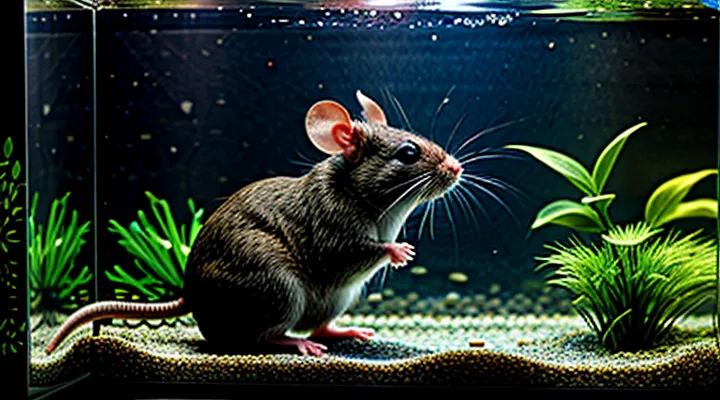
Understanding Rat Physiology and Water
Rat Adaptations to Water
Natural Swimming Abilities of Rats
Rats possess innate swimming capability that enables them to navigate aquatic environments for short periods. Muscular hind limbs generate propulsion through alternating strokes, while a flexible torso provides balance and direction. Their dense fur traps air, creating buoyancy that reduces effort required to stay afloat.
Key characteristics of rat swimming performance:
- Duration: Typical laboratory rats sustain continuous swimming for 1–2 minutes before fatigue; trained individuals can extend this to 5 minutes or more.
- Speed: Average surface speed ranges from 0.2 to 0.5 m s⁻¹, sufficient for crossing modest tank dimensions.
- Thermoregulation: Fur insulation slows heat loss, but prolonged exposure to cold water leads to hypothermia; water temperature above 20 °C mitigates this risk.
- Respiratory control: Rats instinctively surface for breath every 5–10 seconds, coordinating limb movement with inhalation cycles.
When considering placement of a rat in an aquarium, these biological limits dictate safe conditions. The tank should provide:
- Water depth no greater than the animal’s shoulder height to prevent drowning.
- Temperature maintained between 22 °C and 28 °C to preserve core body temperature.
- Easy access to a dry platform for rest and recovery.
- Continuous observation to intervene if signs of distress appear, such as frantic paddling or loss of buoyancy.
In practice, rats can survive brief immersion and limited swimming within a controlled aquarium setting, but they lack the specialized adaptations of true aquatic mammals. Any prolonged confinement in water without appropriate environmental controls violates their physiological thresholds and poses severe welfare concerns.
Limitations of Prolonged Submersion
Rats cannot endure extended immersion in an aquarium environment. Their biology imposes several constraints that become fatal when water exposure exceeds brief intervals.
- Respiratory function collapses within minutes; mammals require air, and water obstructs the nasal passages and larynx, leading to hypoxia.
- Thermoregulation fails rapidly because rodents lose heat 4‑5 times faster than larger mammals; prolonged contact with water induces hypothermia even in warm water.
- Skin integrity deteriorates; prolonged wetness softens the fur, reduces insulation, and promotes bacterial invasion, causing dermatitis and systemic infection.
- Stress response spikes; immersion triggers a catecholamine surge, resulting in cardiac arrhythmia and metabolic acidosis.
- Energy reserves deplete quickly; swimming demands high oxygen consumption, exhausting glycogen stores and accelerating fatigue.
These physiological limits define the maximum safe duration of submersion, typically under one minute for a healthy adult rat. Any attempt to keep a rat in an aquarium for longer periods violates its fundamental survival requirements.
Health Risks of Aquatic Environments for Rats
Hypothermia and Respiratory Issues
Placing a rodent in a typical aquarium subjects it to water temperatures far below its thermoneutral zone (approximately 28‑30 °C). Immersion quickly reduces core temperature; within minutes, body heat drops to levels that impair metabolic processes. Hypothermia depresses cardiac output, slows enzymatic activity, and diminishes the ability to generate heat through shivering. As temperature falls further, the animal loses coordination, exhibits reduced consciousness, and may progress to fatal arrhythmias.
The aquatic environment also threatens the respiratory system. Rats breathe air; submersion blocks airway access and forces rapid, shallow breathing. Even brief exposure to humid air can cause mucosal edema, reducing oxygen exchange. Water droplets entering the nasal passages increase the risk of aspiration pneumonia. Stress‑induced hyperventilation may lead to respiratory alkalosis, while prolonged oxygen deprivation results in hypoxemia and tissue damage.
Typical clinical signs of these conditions include:
- Cold, rigid limbs
- Pale or cyanotic mucous membranes
- Decreased responsiveness
- Labored or irregular breathing
- Audible wheezing or bubbling sounds from the nose
Immediate removal from the water, gentle warming, and veterinary assessment are required to prevent irreversible injury.
Skin and Fur Conditions
Rats possess a thin epidermis and a dense coat of fur that require a dry environment to maintain structural integrity. Immersion in water for extended periods leads to maceration of the outer skin layer, reducing its barrier function and increasing susceptibility to bacterial and fungal invasion. Fur loses its insulating properties when saturated, causing rapid heat loss and hypothermia.
Key physiological effects include:
- Skin softening: prolonged wetness disrupts keratinocyte cohesion, resulting in flaking and ulceration.
- Fur matting: water causes fibers to clump, trapping debris and moisture, which further impedes airflow to the skin surface.
- Thermoregulatory failure: saturated fur cannot retain body heat, leading to a drop in core temperature within minutes.
- Increased infection risk: compromised skin permits opportunistic pathogens such as Pseudomonas and Candida to colonize more readily.
Observable signs of distress are:
- Rough, discolored patches on the dorsal and ventral areas.
- Persistent shivering or lethargy despite ambient warmth.
- Excessive grooming attempts that fail to restore fur condition.
- Presence of foul odor indicating bacterial growth.
Mitigation strategies, if brief exposure is unavoidable, involve immediate drying with a low‑heat source, application of a veterinary‑approved antiseptic, and monitoring for temperature decline. Long‑term housing of a rat in a water‑filled enclosure is incompatible with the species’ dermatological and thermoregulatory requirements.
The Aquarium Environment for Rats
Why an Aquarium Is Not Suitable for Rats
Lack of Proper Ventilation
Placing a rodent in a water‑filled enclosure creates an environment where air exchange is often insufficient. Aquariums are designed for aquatic species; their sealed tops and limited surface area restrict the flow of fresh air. When a rat is confined in such a tank, the following problems arise:
- Oxygen levels drop as the animal respire, leading to hypoxia.
- Carbon dioxide accumulates, causing respiratory distress.
- Moisture builds up on glass and walls, fostering mold and bacterial growth.
- Temperature regulation becomes erratic because stagnant air cannot carry heat away efficiently.
These factors combine to produce a hostile habitat that compromises the animal’s health and violates basic welfare standards. Adequate ventilation requires open top designs, active airflow devices, or perforated lids—features absent in typical aquarium constructions. Consequently, the lack of proper ventilation makes the practice unsafe and unsuitable for rodents.
Inadequate Space for Terrestrial Living
A terrestrial rodent requires a solid substrate, climbing structures, and a dry area large enough for natural behaviors such as nesting, foraging, and exercise. A typical aquarium designed for aquatic species provides only a shallow water column and limited floor space, often less than 30 cm in depth and 60 cm in length. This volume cannot accommodate the three‑dimensional movement patterns of a rat, which routinely traverses several meters per day in a properly sized cage.
Key spatial deficiencies include:
- Insufficient floor area – rats need at least 0.5 m² per individual to explore and maintain muscle tone. Aquariums usually offer less than 0.2 m².
- Lack of vertical enrichment – climbing platforms, tunnels, and bedding layers are absent, restricting natural locomotion and causing stress.
- Absence of a dry zone – continuous exposure to water leads to hypothermia, skin maceration, and respiratory complications.
Consequently, the limited dimensions and unsuitable environment of a water tank render it incapable of meeting the spatial and physiological needs of a land‑based rat.
Dangers of High Humidity
Placing a rodent in a water‑filled tank creates an environment where relative humidity frequently exceeds 90 %. Such levels impose immediate physiological stress on the animal.
- Skin maceration develops within hours, compromising the protective barrier and increasing susceptibility to bacterial invasion.
- Respiratory passages become flooded with moisture, impairing gas exchange and precipitating bronchitis or pneumonia.
- Fungal spores proliferate on damp surfaces; contact leads to dermatophytosis and systemic mycoses.
- Thermoregulation deteriorates as evaporative cooling is ineffective, raising core temperature and risking heatstroke.
- Auditory canals remain moist, fostering otitis media and chronic inflammation.
Sustained exposure to these conditions shortens lifespan, reduces activity, and compromises experimental reliability. Mitigation requires controlling ambient humidity, providing dry nesting material, and ensuring regular ventilation.
Alternatives for Rat Habitats
Appropriate Cages and Enclosures
A rat cannot be kept in a typical aquarium designed for fish because the environment lacks essential features for rodent health. Proper housing must provide solid flooring, adequate ventilation, and escape‑proof construction. Materials such as stainless steel or heavy‑gauge wire mesh prevent chewing damage and allow easy cleaning.
Key requirements for a suitable enclosure include:
- Minimum floor area of 0.5 sq ft per animal, with additional space for enrichment.
- Mesh size no larger than ¼ inch to prevent escape.
- Solid base made of plastic, wood, or metal to avoid water accumulation and mold.
- Adjustable ventilation panels to maintain airflow and control humidity.
- Secure lid with latch mechanism to eliminate accidental openings.
If a water‑filled container is considered for short‑term observation, the following safeguards are mandatory:
- Water depth shall not exceed 1 inch to prevent drowning risk.
- Surface must be covered with a non‑slip material, such as textured silicone.
- Temperature must remain within the rat’s thermoneutral zone (20‑24 °C).
- Duration of exposure limited to a few minutes, with immediate return to a dry cage.
Overall, dedicated rodent cages fulfill all welfare criteria, whereas an aquarium designed for aquatic species fails to meet the structural and environmental standards required for safe rat housing.
Enrichment for Pet Rats
Pet rats kept in glass aquariums require enrichment that mimics their natural behaviors while respecting the limitations of a sealed environment. Without appropriate stimuli, rats may develop stereotypies, reduced activity, and health issues.
- Multi‑level platforms for climbing and perching
- PVC or wooden tunnels that allow exploration and nesting
- Natural‑sized chew blocks to satisfy dental wear
- Foraging containers that hide treats, encouraging problem‑solving
- Rope or sisal hammocks to provide suspension and balance challenges
Temperature should remain between 18 °C and 24 °C; sudden fluctuations increase stress. Humidity levels near 40 % prevent respiratory problems. Water dishes must be shallow, securely anchored, and cleaned daily to avoid contamination. If a shallow water feature is added, ensure rats cannot become trapped and that the substrate remains dry.
Routine rotation of enrichment items prevents habituation. Introduce new objects gradually, observe the rat’s interaction, and remove any that cause injury. Regular handling and brief out‑of‑aquarium sessions enhance social engagement and reinforce trust.
Ethical Considerations of Keeping Rats in Aquariums
Animal Welfare Concerns
Stress and Discomfort
Rats possess a highly developed respiratory system that relies on air‑filled burrows and moderate humidity. Submerging them in a water‑filled tank deprives the lungs of adequate ventilation, leading to rapid onset of hypoxia and elevated cortisol levels. The constant exposure to liquid surfaces also disrupts thermoregulation, forcing the animal to expend extra energy to maintain body temperature.
Behaviorally, rats exhibit agitation when confined to an environment lacking solid footing and shelter. They attempt to escape, display repetitive grooming, and produce high‑frequency vocalizations. These responses indicate acute psychological distress and an inability to perform natural foraging and nesting activities.
Key physiological and behavioral markers of stress in this setting include:
- Increased heart rate and respiratory frequency
- Elevated blood glucose and corticosterone concentrations
- Persistent circling or frantic swimming
- Excessive self‑grooming and vocalizations
- Failure to locate dry areas for rest
The combination of respiratory compromise, thermal imbalance, and behavioral agitation demonstrates that placing a rat in an aquarium filled with water creates severe stress and discomfort. Ethical handling protocols therefore prohibit such placement and require provision of dry, enriched habitats that support the species’ natural behaviors.
Psychological Impact of Confinement
Placing a rodent in an aquatic tank creates a confinement environment that differs markedly from typical laboratory housing. The animal experiences a sudden loss of terrestrial mobility, which triggers acute stress responses observable through elevated corticosterone levels and increased heart rate. Behavioral signs include frantic swimming, frequent attempts to escape, and reduced grooming, indicating heightened anxiety.
The prolonged absence of opportunities for burrowing, climbing, and nesting leads to chronic stress. Rats subjected to such conditions often develop stereotypic movements, such as repetitive circling, reflecting a coping mechanism for sensory deprivation. Cognitive effects manifest as impaired spatial learning in subsequent maze tests, suggesting that the confinement hampers neural plasticity.
Physiological consequences encompass:
- Suppressed immune function, increasing susceptibility to infections.
- Altered metabolism, with weight loss despite ad libitum feeding.
- Gastrointestinal dysmotility, resulting in constipation or diarrhea.
Ethical considerations arise from the mismatch between the animal’s natural behavior repertoire and the imposed aquatic setting. Welfare guidelines recommend providing enrichment that simulates terrestrial habitats; failure to do so violates standards for humane treatment.
Mitigation strategies include:
- Limiting exposure duration to brief observational periods.
- Incorporating floating platforms that allow the animal to rest out of water.
- Providing scent cues from familiar bedding to reduce disorientation.
Implementing these measures can reduce the psychological burden while preserving the experimental objectives associated with aquatic confinement.
Legal and Ethical Responsibilities of Pet Owners
Providing a Suitable Environment
A rat can survive in an aquarium only if the enclosure replicates terrestrial conditions while preventing water‑related hazards. The container must be sealed to stop leaks, and a solid, non‑slippery substrate should cover the floor. Provide a dry nesting area elevated above any moisture source; wooden blocks or ceramic platforms work well.
Essential parameters for the habitat include:
- Temperature maintained between 18 °C and 24 °C; avoid sudden fluctuations.
- Humidity below 60 % to reduce respiratory risk.
- Fresh water available in a spill‑proof bottle, not directly in the tank.
- Adequate ventilation through filtered air holes to supply oxygen and remove ammonia.
Enrichment items such as chew sticks, tunnels, and climbing structures must be made of safe, water‑resistant materials. Regular cleaning schedules remove waste and prevent bacterial growth. Monitoring weight, coat condition, and activity levels identifies stress early; any signs of dehydration or respiratory distress require immediate relocation to a proper rodent cage.
Understanding Species-Specific Needs
Rats require dry nesting areas, solid flooring, and regular access to food and water containers. Their skin is sensitive to prolonged moisture; constant immersion leads to skin maceration, hypothermia, and respiratory infections. An aquarium provides a sealed, predominantly aquatic environment, which conflicts with these physiological requirements.
Key species‑specific considerations:
- Thermoregulation – Rats maintain body temperature through fur and behavior; water temperatures below 20 °C cause rapid heat loss.
- Respiratory health – High humidity and stagnant water foster bacterial growth, increasing the risk of pneumonia.
- Locomotion – Rats are terrestrial climbers; they lack webbed feet or buoyancy adaptations, making swimming stressful and inefficient.
- Sanitation – Waste deposited in water contaminates the habitat, demanding filtration systems beyond typical aquarium equipment.
- Enrichment – Rats need chewable objects, tunnels, and elevated platforms; these are absent in a standard aquarium setup.
If a rat is placed in a water tank, immediate corrective actions must include:
- Removing the animal from the water.
- Providing a dry, ventilated enclosure with appropriate bedding.
- Monitoring for signs of dermatitis or respiratory distress.
- Consulting a veterinarian experienced with rodents.
In summary, the biological and environmental needs of rats are fundamentally incompatible with a primarily aquatic enclosure. Proper housing must prioritize dry substrate, temperature control, and enrichment rather than water immersion.