
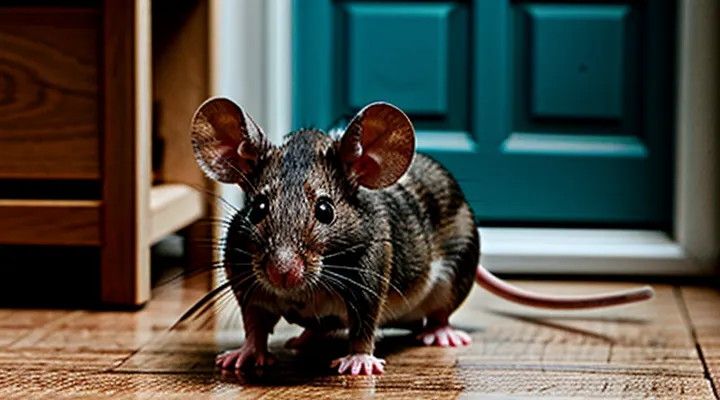
Understanding Fear in Mammals
Physiological Responses to Stress
Mice exposed to acute psychological stress exhibit a cascade of physiological changes that can compromise survival. The immediate response involves activation of the hypothalamic‑pituitary‑adrenal (HPA) axis, releasing corticotropin‑releasing hormone, adrenocorticotropic hormone, and cortisol. Simultaneously, the sympathetic nervous system floods the bloodstream with catecholamines (epinephrine, norepinephrine), raising heart rate and blood pressure.
Key systemic effects include:
- Cardiac tachyarrhythmias caused by rapid catecholamine spikes.
- Peripheral vasoconstriction leading to reduced tissue perfusion.
- Hyperglycemia driven by gluconeogenic hormones.
- Suppression of immune cell activity, increasing vulnerability to infection.
- Activation of the coagulation cascade, raising the risk of microthrombi.
When stress intensity exceeds the animal’s capacity for homeostatic compensation, these alterations can progress to fatal outcomes such as shock, myocardial infarction, or lethal arrhythmias. Experimental models have demonstrated that predator‑derived cues or sudden confinement can trigger mortality in a small percentage of laboratory mice, confirming that extreme fear can be lethal.
The lethal potential hinges on the balance between stress‑induced activation and the organism’s adaptive reserves. Genetic background, age, and prior exposure to stress modulate susceptibility, explaining why not every mouse exposed to fear dies, yet the physiological pathway exists for fatal consequences.
Behavioral Indicators of Extreme Fear
Mice exposed to life‑threatening stimuli exhibit a distinct set of behaviors that signal extreme fear. Observers can differentiate ordinary stress responses from potentially lethal fear by noting the following indicators:
- Complete immobility (tonic freezing) lasting several seconds to minutes, often coupled with a rigid posture and reduced breathing rate.
- Rapid, erratic locomotion characterized by high‑frequency darting, wall‑climbing, and attempts to escape through any opening, reflecting a panic‑driven flight response.
- Vocalizations at ultrasonic frequencies, sometimes accompanied by audible squeaks, that increase in amplitude and frequency during acute threat exposure.
- Self‑directed grooming or biting that escalates to self‑injury when escape is impossible, indicating heightened arousal.
- Physiological signs observable through indirect measures: pronounced pupil dilation, elevated heart rate, and spikes in corticosterone levels detectable in blood or saliva samples.
When these behaviors occur simultaneously and persist, they suggest activation of the sympathetic nervous system at maximal intensity. Prolonged sympathetic discharge can trigger arrhythmias, myocardial ischemia, and, in extreme cases, sudden cardiac arrest. Empirical studies have recorded mortality in laboratory mice subjected to inescapable predator cues, with death occurring after a cascade of the above behavioral and physiological responses.
Therefore, the presence of multiple extreme‑fear indicators serves as a reliable predictor of fatal outcomes in rodents confronted with overwhelming threats.
The "Sudden Death" Phenomenon
Adrenaline and Cardiac Function
Acute fear triggers a rapid release of adrenaline (epinephrine) from the adrenal medulla. The hormone binds β‑adrenergic receptors on cardiac myocytes, increasing intracellular cyclic AMP. Elevated cAMP enhances calcium influx through L‑type channels, which accelerates depolarization, raises heart rate, and strengthens contraction. The net effect is a marked rise in cardiac output within seconds of the stressor.
In mice, this catecholamine surge can exceed the physiological buffering capacity of the myocardium. Excessive β‑adrenergic stimulation may produce:
- Tachyarrhythmias caused by afterdepolarizations
- Ventricular fibrillation due to heterogeneous repolarization
- Myocardial oxygen demand that outpaces supply, leading to ischemia
- Direct catecholamine‑induced cardiomyocyte injury (catecholaminergic necrosis)
Experimental models demonstrate that exposure to predator odor or sudden restraint can elevate plasma adrenaline three‑ to five‑fold, accompanied by a 30–50 % increase in heart rate. In genetically susceptible strains, these changes precipitate fatal cardiac events within minutes. Pharmacological blockade of β‑receptors markedly reduces mortality, confirming the causal link between adrenaline‑driven cardiac dysfunction and fear‑induced death.
Thus, the lethal potential of extreme fear in mice resides in adrenaline’s capacity to destabilize cardiac electrophysiology and metabolism, leading to rapid, fatal heart failure.
Vagal Nerve Stimulation and Syncope
Vagal nerve stimulation (VNS) activates parasympathetic fibers that lower heart rate, reduce cardiac output, and cause peripheral vasodilation. Intense activation can trigger a sudden drop in blood pressure and cerebral perfusion, a condition known as syncope. In rodents, acute stressors—including extreme fear—can provoke a surge of autonomic activity that mimics VNS, leading to bradycardia and hypotension severe enough to cause loss of consciousness or death.
Key physiological steps:
- Fear stimulus → amygdala activation → hypothalamic release of corticotropin‑releasing hormone.
- Hypothalamic output → vagal efferent discharge.
- Vagal discharge → acetylcholine release at cardiac SA node → heart‑rate reduction (bradycardia).
- Simultaneous vasodilatory response → systemic blood‑pressure fall.
- Cerebral hypoperfusion → syncope, possible fatal outcome if compensatory mechanisms fail.
Experimental observations show that mice exposed to predator odor or sudden visual threats exhibit rapid heart‑rate deceleration and transient loss of posture, consistent with vagally mediated syncope. Pharmacological blockade of muscarinic receptors or surgical vagotomy attenuates these responses, confirming the central role of the vagal pathway.
Therefore, extreme fear can induce lethal vagal overactivity in mice, producing syncope that may culminate in death when autonomic compensation is insufficient.
Anecdotal Evidence and Scientific Scrutiny
Folkloric Accounts and Popular Beliefs
Folklore across continents contains vivid stories of rodents collapsing when confronted with sudden terror. In ancient Greek anecdotes, a mouse is said to have perished after witnessing the roar of a lion, while medieval European ballads recount laboratory mice that froze and ceased breathing during a thunderstorm. Chinese folklore describes a field mouse that dropped dead after a sudden encounter with a ghostly apparition during the Mid‑Autumn Festival. These narratives consistently portray fear as a direct, lethal force for small mammals.
- Greek myth: mouse dies from lion’s roar, symbolizing the power of predatory sound.
- Medieval Europe: laboratory mouse stops heart during thunder, emphasizing atmospheric shock.
- Chinese legend: field mouse collapses at ghost sighting, linking supernatural fear to physical demise.
- Native American tales: mouse succumbs after a sudden hunt, illustrating the impact of predator presence.
Popular belief reinforces these stories through proverbs and superstitions. Rural communities often warn that a startled mouse may “die of fright,” using the phrase to caution against abrupt disturbances in grain stores. Pet owners occasionally report mice that cease movement after exposure to loud noises, interpreting the reaction as fear‑induced death rather than temporary immobilization. Social media posts spread anecdotes of laboratory rodents allegedly dying after sudden alarms, further entrenching the notion in contemporary discourse.
Scientific explanations focus on the physiological stress response. Extreme fright can trigger a surge of adrenaline, leading to cardiac arrhythmia or respiratory arrest in small mammals with limited cardiovascular reserves. Experimental data show that intense acoustic or visual shocks can cause rapid heart rate spikes, sometimes resulting in fatal outcomes. While empirical evidence remains limited, the convergence of mythic accounts and observed stress effects sustains the belief that terror can be fatal for mice.
Challenges in Researching Fear-Related Deaths
Research into whether acute terror can directly cause mortality in laboratory rodents faces several methodological obstacles.
First, ethical regulations limit exposure to extreme stressors. Institutional review boards require justification for any protocol that may induce severe anxiety, and often mandate humane endpoints that truncate experiments before lethal outcomes can be observed. This restriction reduces the range of stress intensities that can be ethically applied, complicating attempts to replicate naturalistic fear scenarios.
Second, quantifying fear without conflating it with other physiological states is problematic. Behavioral indicators—such as freezing, escape attempts, or ultrasonic vocalizations—provide indirect measures, while autonomic markers (heart rate, cortisol levels) fluctuate with metabolic activity and environmental conditions. Isolating a signal that unequivocally represents fear demands multimodal monitoring and sophisticated data integration.
Third, distinguishing death caused by fear from death caused by secondary complications requires precise timing and cause‑of‑death assessment. Autopsy findings may reveal cardiac arrhythmias, adrenal hemorrhage, or respiratory collapse, yet these pathologies can also result from unrelated stressors, infection, or genetic predisposition. Establishing a causal link thus necessitates controlled baseline groups and rigorous post‑mortem protocols.
Fourth, inter‑individual variability hampers statistical power. Genetic background, age, sex, and prior handling experience influence both fear responsiveness and vulnerability to stress‑induced organ failure. Small sample sizes typical of rodent studies increase the risk of type II errors, making it difficult to detect subtle lethal effects.
Fifth, reproducibility suffers from inconsistencies in experimental design. Variations in apparatus (e.g., predator odor delivery, looming visual stimuli), duration of exposure, and habituation procedures generate divergent fear intensities across laboratories. Standardizing protocols would improve comparability but may conflict with the need for ecological validity.
Key challenges can be summarized:
- Ethical constraints limit maximal stress exposure.
- Ambiguous behavioral and physiological markers of fear.
- Difficulty attributing mortality to fear rather than confounding factors.
- High biological variability reduces statistical reliability.
- Lack of standardized fear‑induction methods hampers reproducibility.
Addressing these issues requires interdisciplinary collaboration, refined ethical frameworks, and advanced monitoring technologies to produce reliable evidence on whether terror can directly precipitate death in mice.
The Role of Underlying Health Conditions
Pre-existing Cardiac Issues
Pre‑existing cardiac conditions dramatically increase a mouse’s susceptibility to fatal outcomes during intense stress. Elevated baseline heart rate, arrhythmias, or structural defects reduce the margin between normal physiological response and lethal cardiac failure. When a mouse perceives a threat, the sympathetic nervous system triggers catecholamine release, causing tachycardia and vasoconstriction. In a healthy animal, these changes are transient; in one with compromised myocardium, they can precipitate:
- Ventricular fibrillation or tachyarrhythmia
- Acute myocardial ischemia due to increased oxygen demand
- Sudden cardiac arrest triggered by autonomic imbalance
Experimental observations show that mice with genetically induced cardiomyopathy or chemically induced hypertension experience mortality rates up to three times higher than controls when exposed to predator odors or sudden loud noises. The stress‑induced surge in cortisol further impairs cardiac contractility, exacerbating the risk. Consequently, the presence of underlying heart disease is a decisive factor in whether an extreme fright can become lethal for a mouse.
Exacerbation by Acute Stress
Acute stress triggers rapid activation of the sympathetic nervous system, releasing high concentrations of catecholamines such as adrenaline and noradrenaline. In mice, this surge can produce tachycardia, hypertension, and myocardial electrical instability, increasing the likelihood of fatal arrhythmias.
The hypothalamic‑pituitary‑adrenal (HPA) axis responds simultaneously, elevating glucocorticoid levels. Elevated corticosterone suppresses immune function, reduces platelet aggregation thresholds, and impairs vascular integrity, all of which can compound the cardiovascular strain imposed by catecholamine excess.
When a mouse perceives an extreme threat, the combined effect of these endocrine responses may push physiological limits beyond survivable thresholds. Evidence from laboratory studies shows that exposure to intense, short‑lasting stressors—such as predator odor or sudden loud noises—can precipitate sudden cardiac death in otherwise healthy rodents.
Key mechanisms by which acute stress intensifies mortality risk include:
- Catecholamine‑induced cardiac dysfunction: arrhythmogenic potential, contractile failure, and coronary vasoconstriction.
- Glucocorticoid‑mediated immunosuppression: reduced cytokine production, compromised wound healing, and heightened susceptibility to opportunistic infections.
- Coagulatory disturbances: hypercoagulability leading to microthrombi formation, especially under endothelial stress.
- Neurogenic inflammation: release of substance P and other neuropeptides that exacerbate vascular leakage and edema.
Collectively, these pathways illustrate how a brief, intense fear response can amplify physiological stress to a lethal degree in mice, confirming that acute stress is a potent exacerbating factor in fear‑related mortality.
Survival Mechanisms and Adaptation
Evolutionary Context of Fear
Fear is a conserved response that evolved to increase survival by triggering rapid physiological changes. In rodents, detection of predator cues activates the amygdala, which releases catecholamines and glucocorticoids. These hormones raise heart rate, redirect blood flow to muscles, and suppress nonessential functions such as digestion. The cascade prepares the animal for fight‑or‑flight, a behavior that historically reduced predation risk.
The same mechanisms can become maladaptive when the threat is perceived but not present. Excessive sympathetic activation can cause arrhythmias, severe hypertension, and cardiac arrest. Laboratory observations show that acute stressors—intense noise, sudden predator scent, or restraint—can lead to fatal outcomes in mice lacking robust cardiovascular regulation. Genetic strains with impaired stress‑response pathways exhibit higher mortality under comparable conditions.
Key evolutionary aspects of fear in mice include:
- Rapid sensory integration of visual, auditory, and olfactory danger signals.
- Immediate hormonal surge that mobilizes energy stores.
- Suppression of immune and reproductive functions to prioritize survival.
- Plasticity allowing habituation to repeated non‑lethal stimuli, reducing chronic stress exposure.
Understanding these evolutionary traits clarifies how a mouse might die from an extreme fear reaction. The physiological emergency system, while advantageous against real predators, can trigger lethal cardiac events when activated without an actual escape opportunity.
Resilience to Predatory Threats
Mice exposed to predator cues exhibit a rapid activation of the sympathetic nervous system, resulting in elevated heart rate, increased circulating catecholamines, and heightened alertness. These physiological changes prepare the animal for immediate escape or defensive action.
Resilience to predatory threats relies on several mechanisms. Rapid visual and olfactory detection triggers neural circuits that prioritize motor responses over prolonged stress. The hypothalamic‑pituitary‑adrenal axis releases glucocorticoids, which modulate energy metabolism and suppress nonessential functions during danger. After the threat passes, negative feedback loops restore baseline hormone levels, preventing chronic stress accumulation.
Empirical studies show that lethal outcomes directly attributable to fear are uncommon in laboratory and field settings. Mortality linked to predator exposure typically involves secondary effects such as cardiac arrhythmias or exhaustion after prolonged chase, rather than fear alone. Controlled experiments demonstrate that mice can survive repeated predator simulations without measurable decline in survival rates, indicating robust stress‑recovery capacity.
Key adaptive traits that enhance survival under predatory pressure:
- Acute sensory processing for early threat detection.
- Efficient locomotor burst capability for rapid escape.
- Hormonal regulation that limits duration of stress response.
- Behavioral plasticity allowing habituation to non‑lethal cues.
These attributes collectively confer a high degree of resilience, reducing the likelihood that fear itself proves fatal.