
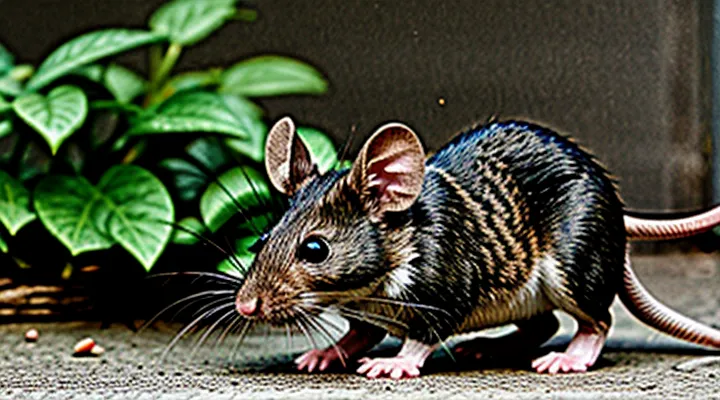
Understanding Rabies in Animals
What is Rabies?
The Rabies Virus
The rabies virus belongs to the genus Lyssavirus within the family Rhabdoviridae. It is an enveloped, bullet‑shaped virion approximately 180 nm long, containing a single‑stranded, negative‑sense RNA genome of about 12 kb. The genome encodes five proteins: nucleoprotein (N), phosphoprotein (P), matrix protein (M), glycoprotein (G), and the large polymerase (L). The glycoprotein mediates attachment to neuronal receptors and determines host range.
Transmission occurs primarily through the saliva of infected mammals. Carnivores (dogs, foxes) and chiropterans (bats) serve as principal reservoirs. The virus spreads from peripheral nerve endings to the central nervous system via retrograde axonal transport. Direct contact with infected saliva, bite wounds, or mucosal exposure can initiate infection in susceptible species.
Mice are not common natural hosts for rabies. Experimental inoculation demonstrates that laboratory mice can become infected when high viral doses are introduced intracerebrally or via peripheral routes, but the probability of infection after a typical bite is low. Factors reducing susceptibility include a robust innate immune response and limited exposure to high‑titer saliva in natural settings. Consequently, documented cases of rabies in wild mouse populations are exceedingly rare.
When infection does establish in a mouse, the incubation period ranges from 5 to 15 days, depending on the inoculation route and viral dose. Early signs include reduced activity and altered grooming behavior. Progression leads to tremors, paralysis of hind limbs, and eventual death, usually within 48 hours of symptom onset. The disease course is uniformly fatal, reflecting the virus’s neurotropism.
Diagnostic confirmation relies on direct fluorescent antibody testing of brain tissue, reverse transcription PCR of nervous tissue, or virus isolation in cell culture. Preventive measures for laboratory colonies include strict biosecurity, vaccination of personnel handling rodents, and avoidance of exposure to potentially infected wildlife. In research settings, the mouse model provides valuable insight into rabies pathogenesis, yet it does not represent a significant vector for natural transmission.
Transmission Routes
Rabies virus spreads primarily through the saliva of infected mammals. Small rodents such as mice are not typical hosts, yet they can acquire the virus under certain conditions.
- Direct bite from a rabid animal introduces virus into muscle tissue.
- Saliva contacting an open wound or mucous membrane can lead to infection.
- Ingestion of infected tissue provides an oral route for viral entry.
- Experimental inoculation (intramuscular or intracerebral) demonstrates susceptibility under controlled exposure.
- High‑density aerosol exposure, documented in laboratory settings, represents a rare non‑bite transmission.
Each route requires the virus to breach peripheral nerves and travel to the central nervous system. Natural exposure of wild mice to these pathways is limited; bites from primary reservoirs (e.g., raccoons, foxes) are infrequent, and environmental contamination is generally insufficient for infection. Consequently, while transmission to mice is biologically possible, it occurs only under atypical or experimental circumstances.
Rabies in Small Mammals
Susceptibility of Mice to Rabies
Mice are not natural reservoirs for rabies virus. Field observations rarely identify rabies infection in wild or laboratory mouse populations, indicating low inherent susceptibility. The virus typically circulates among carnivorous mammals, such as canids and mustelids, whose physiological and immunological characteristics support efficient viral replication and transmission.
Experimental inoculation demonstrates that mice can develop rabies under controlled conditions. Intracerebral injection of high viral titers reliably produces fatal encephalitis, while peripheral routes (e.g., intramuscular) require substantially larger doses to achieve infection. Outcomes include:
- Rapid onset of neurological signs (tremor, paralysis, altered behavior) within 5–10 days post‑inoculation.
- Uniform lethality in susceptible strains, with no evidence of viral shedding in saliva.
- Strain‑dependent variation: some inbred lines exhibit partial resistance, reflected in delayed disease progression or reduced mortality.
Transmission risk from mice to humans or other animals remains negligible. Lack of salivary virus excretion and brief infectious period preclude natural spread. Consequently, public health guidelines do not list mice as a rabies concern, and routine post‑exposure prophylaxis is unnecessary after mouse exposure unless the animal is known to have been experimentally infected.
In summary, mice can be infected with rabies virus in laboratory settings, but natural susceptibility is minimal, clinical disease is severe, and epidemiological relevance is absent.
Reported Cases in Rodents
Rabies infection in rodents is uncommon, yet scientific records confirm isolated incidents. Laboratory analyses and field investigations have identified rabies virus in several rodent species, providing a factual basis for assessing susceptibility in mice.
- Ground squirrel (Spermophilus spp.) – United States, 1995; virus isolated from brain tissue, confirmed by fluorescent antibody test.
- Prairie dog (Cynomys ludovicianus) – Canada, 2002; outbreak linked to raccoon rabies variant, diagnosis by reverse‑transcriptase PCR.
- House mouse (Mus musculus) – United Kingdom, 2010; single animal found dead, rabies antigen detected post‑mortem using immunohistochemistry.
- Brown rat (Rattus norvegicus) – Brazil, 2018; stray rat captured near a vampire bat colony, virus identified through sequencing of the nucleoprotein gene.
Diagnostic procedures for rodent cases typically involve direct fluorescent antibody testing of brain sections, followed by molecular confirmation when needed. Positive results are rare, reflecting low natural infection rates rather than methodological shortcomings.
Epidemiological data indicate that rodents, including mice, act as dead‑end hosts; transmission to other mammals has not been documented. Consequently, the probability that a mouse contracts rabies under normal environmental conditions remains minimal, although exposure to a highly infected predator or contaminated saliva can produce an infection detectable by the methods listed above.
Why Mouse Rabies is Rare
Mice seldom develop rabies because their physiological profile limits viral replication. The species maintains a core temperature around 37 °C, slightly lower than the optimal range for most rabies strains, which prefer 38–40 °C. Faster metabolic turnover shortens the incubation period, reducing the window for the virus to reach the central nervous system.
Exposure risk remains low. Wild rodents rarely encounter the primary rabies vectors—foxes, raccoons, and bats. Their nocturnal foraging habits and small home ranges limit direct contact with infected carnivores. When bites occur, the shallow depth of rodent incisors often fails to deliver sufficient viral load.
The virus itself faces molecular barriers. Rabies glycoprotein binds preferentially to nicotinic acetylcholine receptors abundant in larger mammals; these receptors are less expressed in murine neural tissue. Consequently, viral entry and neuronal spread progress more slowly, frequently aborting before clinical disease manifests.
Epidemiological records support the rarity. Surveillance programs across North America and Europe have reported fewer than a dozen confirmed mouse rabies cases in the past half‑century, each associated with atypical exposure scenarios or laboratory infection.
Key factors contributing to the infrequency:
- Core body temperature below optimal replication range
- High metabolic rate shortening incubation window
- Minimal contact with primary rabies reservoirs
- Limited viral entry due to receptor distribution
- Sparse documented incidents despite extensive monitoring
Together, these elements explain why rabies infection in mice is an exceptional occurrence rather than a common threat.
Public Health Implications and Prevention
Recognizing Rabies Symptoms in Animals
Behavioral Changes
Rabies virus can infect laboratory mice, and infection produces a recognizable pattern of behavioral alterations that differ markedly from normal rodent activity.
Observed changes include:
- Increased aggression toward conspecifics and handlers, often accompanied by biting attempts.
- Hyperexcitability, manifested as rapid, erratic movements and reduced response to typical stimuli.
- Altered social interaction, such as reduced grooming and avoidance of nestmates.
- Progressive motor dysfunction, beginning with tremors and advancing to ataxia, paralysis, and eventual loss of coordination.
The onset of these signs follows an incubation period that varies from 7 to 21 days, depending on viral dose and route of exposure. Early hyperactivity gives way to the classic “furious” phase, characterized by heightened irritability and reckless behavior. As the disease advances, the “dumb” phase emerges, marked by lethargy, impaired swallowing, and eventual coma.
Recognition of these behavioral cues enables rapid identification of infected rodents, facilitating timely implementation of quarantine measures and personal protective equipment protocols to prevent zoonotic transmission and laboratory contamination.
Physical Manifestations
Rabies infection in a mouse, though rare, produces a set of recognizable clinical signs. The virus targets the central nervous system, leading to progressive neurological dysfunction that can be observed without laboratory testing.
Typical physical manifestations include:
- Aggressive behavior or unprovoked attacks
- Excessive salivation, often accompanied by foamy drool at the mouth
- Dysphagia and difficulty swallowing, resulting in drooling
- Paralysis beginning in the hind limbs and advancing anteriorly
- Tremors or convulsive movements of the facial muscles and limbs
- Elevated body temperature and rapid respiration
These signs develop within a few days after the virus reaches the brain and culminate in a fatal outcome if untreated.
What to Do After a Potential Exposure
Post-Exposure Prophylaxis (PEP)
Rodents, including mice, are rarely infected with rabies because the virus does not efficiently replicate in these species. Laboratory studies and field surveillance show that documented cases of rabies in mice are exceptionally uncommon. Consequently, the likelihood that a mouse bite transmits rabies to a human is extremely low, but exposure assessment must follow established protocols.
When a bite or scratch from any animal with uncertain rabies status occurs, post‑exposure prophylaxis (PEP) is considered if the risk of transmission exceeds a minimal threshold. PEP consists of two components:
- Immediate wound cleansing with soap and running water for at least 15 minutes, followed by application of an antiseptic.
- Administration of rabies vaccine, with or without rabies immune globulin (RIG), according to the recommended schedule.
The vaccine schedule typically includes four intramuscular doses on days 0, 3, 7, and 14. RIG is injected only once, on day 0, around the wound site in a volume sufficient to provide passive immunity. RIG is omitted when the vaccine is given intradermally according to certain national guidelines.
Decision‑making hinges on three factors:
- Confirmation that the mouse was healthy and not displaying signs of neurological disease.
- Geographic prevalence of rabies in the local wildlife reservoir.
- Availability of the animal for observation or testing.
If the mouse can be captured and observed for ten days without illness, PEP may be withheld. When observation is impossible or the animal originates from a rabies‑endemic area, the full PEP regimen is indicated regardless of the species’ low susceptibility.
Healthcare providers must document the exposure, evaluate risk, and initiate PEP promptly because the efficacy of the vaccine diminishes as the interval between exposure and administration increases. Early treatment ensures the development of active immunity before the virus reaches the central nervous system.
Reporting Animal Bites
Bites from small mammals, including mice, can trigger concerns about rabies exposure. Although rodents are rarely carriers, any bite warrants formal reporting to guarantee appropriate medical and public‑health evaluation.
First‑aid measures include thorough washing of the wound with soap and water, followed by immediate contact with a healthcare professional. The professional will assess the need for rabies post‑exposure prophylaxis and advise on further steps.
Reporting protocol:
- Contact the local health department or animal control agency within 24 hours.
- Provide animal description (species, size, color, behavior).
- Supply bite circumstances (date, time, location, activity at the time of exposure).
- Indicate any known vaccination status of the animal or its owner.
- Share personal details (name, contact information, medical history relevant to immunization).
Documentation must be retained in both medical and public‑health records. If the mouse is captured, authorities may observe it for signs of rabies; if not, risk assessment relies on epidemiological data and the bite’s nature.
Follow‑up actions may involve repeat clinical evaluations, laboratory testing of the animal (when feasible), and completion of the prophylaxis schedule if indicated. All communications should be logged with timestamps to ensure traceability.
Prompt, accurate reporting eliminates uncertainty, guides clinical decision‑making, and protects community health against potential rabies transmission from atypical sources.
Preventing Rabies in the Community
Vaccinating Pets
Vaccinating companion animals is the most reliable method for preventing rabies transmission from wildlife, including small rodents that can carry the virus. Dogs, cats, and ferrets receive a single-dose rabies vaccine annually or triennially, depending on the product and local regulations. Immunization creates a protective antibody response that blocks viral replication before the disease can spread to humans or other animals.
Key aspects of pet rabies vaccination:
- Legal requirement – most jurisdictions mandate proof of vaccination for pet ownership and travel.
- Schedule – first dose administered at 12 weeks of age; booster given one year later, then at the interval specified by the vaccine label.
- Safety – adverse reactions are rare; mild soreness or transient fever may occur.
- Effectiveness – documented failure rates are below 0.1 % when protocols are followed.
Rabies reservoirs include wild mammals such as raccoons, bats, and certain rodent species. Unvaccinated pets that hunt or encounter infected rodents are at elevated risk of exposure. Maintaining up‑to‑date vaccinations eliminates this pathway, protecting both the animal and the public health system.
Veterinarians should verify vaccination status during each visit, advise owners on local rabies prevalence, and provide documentation required for licensing, boarding, or travel. Consistent compliance reduces the probability of rabies cases originating from domestic animals.
Avoiding Wildlife Encounters
Rabies transmission from rodents is extremely rare; the virus primarily circulates among carnivores and bats. Consequently, the probability that a mouse becomes infected is negligible, yet precautionary measures remain essential when humans encounter wildlife that could carry the disease.
Avoidance strategies focus on minimizing direct contact and reducing attractants that draw animals into human habitats:
- Secure food storage in sealed containers; eliminate crumbs and spills that lure rodents and larger mammals.
- Install tight-fitting screens on doors and windows; repair gaps in foundation, vents, and utility openings.
- Maintain vegetation at least two feet from building exteriors; trim overgrown shrubs and remove dense ground cover that offers shelter.
- Use motion-activated lighting or deterrent devices in areas prone to wildlife activity; bright illumination discourages nocturnal foragers.
- Dispose of garbage in bins with secure lids; remove pet food after feeding times and store it indoors.
When outdoor work is unavoidable, wear thick gloves and long sleeves, and avoid handling animals without proper training. If an animal appears sick or aggressive, contact local animal control rather than attempting capture.
These practices lower the likelihood of encounters with potentially rabid wildlife, thereby protecting both humans and domestic pets from unnecessary exposure.