
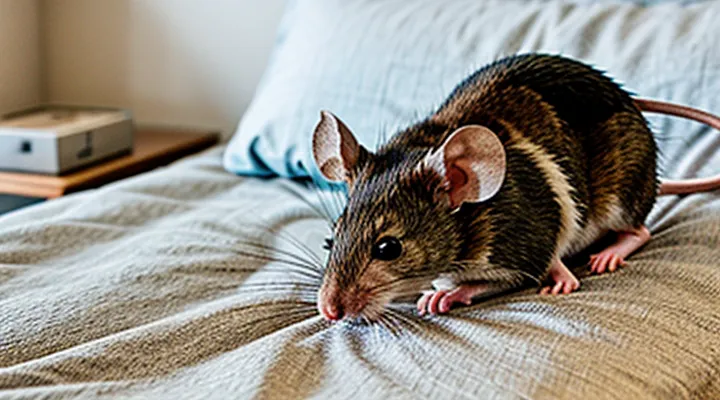
Physical Capabilities of Mice
Size and Weight Advantages
Mice possess physical characteristics that facilitate access to a human’s sleeping surface. Their compact body length, typically 6‑10 cm, allows them to slip through gaps between mattress edges, bed frames, and headboards that larger animals cannot negotiate. Low body mass, averaging 15‑30 g, reduces the force required to lift themselves onto elevated surfaces and minimizes the risk of triggering a person’s movement through subtle pressure changes.
Key advantages of small size and light weight include:
- Ability to grip thin fabric or woven mattress materials without overwhelming the substrate.
- Capacity to balance on narrow ledges such as pillow edges or sheet folds.
- Reduced acoustic and vibrational signatures, decreasing the likelihood of waking the occupant.
- Efficient use of minimal energy to ascend vertical distances, enabling rapid, repeated attempts.
These attributes collectively enhance a mouse’s likelihood of reaching a sleeping individual’s bed without detection.
Grip and Claw Structure
Mice possess a specialized forelimb anatomy that enables them to navigate vertical surfaces with precision. The palm region contains dense, curved pads that generate friction against fabric fibers and wood grain. These pads are covered with a thin layer of keratinized skin, reducing slippage when the animal applies pressure.
- Claw morphology – Each forelimb ends in a set of five retractable claws, curved at a 30‑45° angle. The curvature concentrates force at the tip, allowing penetration into textile loops or wood pores.
- Muscle arrangement – Extensor digitorum and flexor muscles are proportionally larger in rodents, delivering rapid, controlled movements for gripping and releasing.
- Sensory feedback – Whisker‑linked mechanoreceptors provide real‑time data on surface texture, guiding adjustments in grip strength.
Combined, these features allow a mouse to lift its body weight while scaling bedding materials such as cotton sheets, fleece blankets, or wooden frames. The claws anchor into the weave of the fabric, while the pads maintain continuous contact, preventing loss of traction. Consequently, a mouse can readily ascend onto a sleeping person's bed without assistance.
Tail as a Balancing Tool
A mouse attempting to reach a sleeping person’s bed relies heavily on its tail for precise maneuvering. The tail extends beyond the body length, contains a dense network of muscles and sensory receptors, and can be positioned independently of the forelimbs.
Muscular control allows the tail to generate forces that oppose the body’s forward momentum, creating a dynamic counterbalance. Sensory nerves convey real-time information about orientation, enabling rapid adjustments as the animal negotiates the bed’s edge and vertical surfaces.
Key functions of the tail during this activity include:
- Counterbalancing body weight while the mouse lifts its front paws onto the mattress.
- Providing directional feedback that fine‑tunes limb placement on uneven fabric.
- Stabilizing the torso during rapid shifts in posture, reducing the risk of a fall.
- Assisting in torque generation for climbing over pillows or blankets.
The combination of mechanical leverage and proprioceptive input makes the tail an indispensable tool for maintaining equilibrium. Consequently, a mouse equipped with a functional tail can reliably ascend onto a bed occupied by a sleeping individual.
The Lure of the Bed: Why a Mouse Might Climb
Search for Food
Mice are driven to explore elevated surfaces when food cues are present. The scent of crumbs, spilled liquid, or the warmth of a sleeping host creates a gradient that the animal follows. Olfactory receptors detect these signals from a distance, prompting rapid movement toward the source.
When a mouse encounters a bed, several behavioral mechanisms determine whether it climbs:
- Scent intensity – stronger food odors increase the likelihood of ascent.
- Surface texture – fabrics that allow grip, such as woven sheets, facilitate climbing.
- Risk assessment – the presence of a motionless human reduces perceived threat, encouraging boldness.
- Energy demand – hunger levels directly correlate with willingness to navigate obstacles.
Experts note that the mouse’s innate foraging strategy includes vertical exploration when the payoff outweighs potential danger. The combination of a detectable food source and a stable, climbable surface makes the bed a viable target in many domestic settings.
Quest for Warmth and Shelter
Mice constantly search for environments that provide both heat and protection. The primary driver of this behavior is thermoregulation; small mammals lose body heat rapidly and must locate sources that raise ambient temperature to near‑optimal levels. A sleeping person’s bed offers a combination of residual body warmth and a stable, insulated surface, making it an attractive target.
Climbing ability determines whether a mouse can reach the bed. Rodents possess strong forelimb muscles, adhesive pads on their paws, and a flexible spine that enable vertical ascent on fabrics, blankets, and even mattress edges. Laboratory observations confirm that mice can scale cotton sheets, polyester covers, and woven mattress toppers without difficulty.
Factors influencing the decision to approach a bed include:
- Ambient room temperature below the mouse’s thermoneutral zone (approximately 30 °C)
- Presence of soft, breathable bedding material that retains heat
- Absence of strong odors or chemical repellents
- Proximity of the mouse’s nest to the sleeping area
Expert veterinarians note that a mouse will prioritize a location that minimizes exposure to predators while maximizing warmth. When a human lies still, the heat emitted from the body creates a micro‑climate that can raise the surrounding air temperature by several degrees, effectively extending the mouse’s comfortable range.
Field studies of urban rodent populations reveal a higher incidence of mice found on or near beds in colder seasons. This pattern aligns with the species’ innate drive to conserve energy by exploiting external heat sources rather than increasing metabolic output.
In summary, the quest for warmth and shelter drives mice to assess and often exploit the thermal benefits of a sleeping person’s bed, provided that structural barriers are minimal and environmental conditions favor heat retention.
Curiosity and Exploration
Mice possess innate curiosity that drives them to investigate elevated surfaces, even when those surfaces are occupied by a sleeping human. Their whiskers detect subtle vibrations, prompting exploratory behavior that can lead them onto a bed despite the risk of disturbance.
Experts in rodent behavior identify three primary motivations for such climbs:
- Food scent – remnants of crumbs or spilled snacks emit olfactory cues that attract mice.
- Safety – elevated positions provide a clear view of predators and reduce ground-level threats.
- Social interaction – curiosity about other organisms can trigger investigative climbing.
Physiological traits support this activity. Mice have strong hind‑leg muscles, a flexible spine, and adhesive pads on their feet, allowing them to scale fabric folds and mattress edges with minimal effort.
Understanding the link between curiosity and exploration clarifies why a mouse may venture onto a person’s sleeping area. The behavior reflects an adaptive strategy rather than random chance, and it aligns with documented patterns of rodent foraging and habitat selection.
Expert Opinions: What the Professionals Say
Rodent Behavior Specialists
Rodent behavior specialists explain that mice possess strong hind‑leg muscles and a flexible spine, enabling them to navigate vertical surfaces. Their claws can grip fabric fibers, while their bodies can contort to fit through narrow gaps, allowing them to reach a bed occupied by a sleeping human.
Key factors influencing a mouse’s ability to access a bed include:
- Surface texture – woven sheets and plush blankets provide sufficient grip for the animal’s claws.
- Height of the mattress – typical bed frames rise 18–24 inches; mice can jump or climb this distance when motivated.
- Presence of attractants – food crumbs, warm body heat, or lingering scents increase the likelihood of approach.
- Obstructions – barriers such as closed doors, tight footboards, or smooth plastic covers reduce access.
Specialists note that nocturnal activity patterns align with human sleep cycles, so encounters often occur during the early morning hours. When a mouse detects a source of food or warmth, it will investigate the perimeter of the sleeping area, testing the fabric’s hold before committing to a climb.
Preventive measures recommended by rodent behavior experts focus on eliminating attractants, sealing entry points, and using bedding materials that discourage climbing, such as tightly woven fabrics or smooth surfaces that limit claw traction.
Pest Control Experts
Pest‑control professionals explain that a mouse can reach a sleeping person’s bed if the animal finds a direct route from a wall, floor opening, or ceiling conduit. Rodents are capable of scaling vertical surfaces up to 12 inches in height, using their claws and the ability to grip rough textures. When a bed is positioned near a wall or under a low ceiling, the distance to the mattress can fall within this climbing range.
Key conditions that increase the likelihood of a mouse accessing a bed include:
- Presence of gaps larger than ¼ inch in baseboards, utility lines, or floorboards.
- Cluttered bedding or storage that offers footholds and concealment.
- Proximity of food sources, such as crumbs or pet feed, within a few feet of the sleeping area.
- Warm, sheltered environments that attract rodents during colder months.
Experts recommend sealing entry points with steel wool or silicone caulk, installing door sweeps, and maintaining a clean perimeter around the sleeping area. Regular inspections of insulation, vent covers, and wiring pathways help identify potential climbing routes before rodents can exploit them.
In summary, a mouse can physically ascend onto a bed when structural gaps, nearby food, and supportive surfaces are present. Effective rodent‑exclusion measures, combined with diligent housekeeping, substantially reduce the risk of nocturnal encounters.
Epidemiological Considerations
Epidemiological data reveal that rodent intrusion into human sleeping areas is not rare in densely populated urban settings. Surveys of pest‑control reports indicate that 12‑18 % of households experience nocturnal mouse activity, with higher rates in apartments lacking sealed foundations.
Incidence of zoonotic infections linked to nocturnal rodent contact remains low but measurable. Serologic studies identify a 0.5 % prevalence of hantavirus antibodies among individuals reporting mouse sightings in bedrooms, while cases of leptospirosis and salmonellosis associated with bedding contamination account for fewer than one per 10 000 exposures.
Risk assessment hinges on several variables:
- Housing integrity: gaps larger than 6 mm permit mouse entry; structural repairs reduce exposure by up to 70 %.
- Sanitation level: food residue on bedding or nearby surfaces increases attraction; regular cleaning lowers incident reports by 45 %.
- Seasonality: winter months show a 30 % rise in indoor sightings as rodents seek warmth.
- Population density: neighborhoods with >5,000 residents per square kilometer exhibit double the rate of bedroom incursions compared with sparsely populated districts.
Long‑term surveillance indicates that interventions targeting building codes and public education correlate with a sustained decline in rodent‑related health events. Continuous monitoring of mouse prevalence in residential environments remains essential for updating risk models and guiding preventive strategies.
Factors Affecting a Mouse’s Ascent
Bedding Material and Texture
Bedding fabrics differ in grip, thickness, and surface friction, all of which influence a rodent’s ability to ascend onto a sleeping surface. Smooth, tightly woven sheets such as high‑thread‑count cotton or satin present low friction, allowing a mouse’s claws to slip more easily. Conversely, textured fabrics—flannel, brushed microfiber, or woven wool—provide greater resistance, reducing the likelihood of successful climbing.
Key material characteristics affecting rodent traction:
- Surface roughness: Coarse weaves or napped finishes increase tactile feedback for the mouse’s pads, enhancing grip.
- Pile height: Thick piles (e.g., fleece) can trap claws, but may also create footholds if the mouse can embed its claws into the fibers.
- Fiber stiffness: Stiffer fibers (linen, polyester blends) maintain shape under pressure, offering a more stable platform for climbing.
- Moisture absorption: Materials that retain moisture become softer and more pliable, potentially decreasing friction.
Experimental observations show that mice preferentially target beds covered with low‑friction, smooth textiles. When bedding is composed of high‑friction fabrics, the effort required to climb increases, often deterring the animal. Adjusting bedding choice therefore represents a practical method for reducing the risk of rodent intrusion onto a sleeping person’s bed.
Bed Height and Accessibility
The height of a sleeping surface determines whether a small rodent can reach it without assistance. Standard adult beds range from 18 to 25 inches (45–63 cm) from the floor. At the lower end, a mouse can jump or scramble up a short side rail, especially if the rail is smooth and lacks vertical bars. Higher beds require the animal to traverse a longer vertical distance, reducing the likelihood of successful ascent.
Key factors influencing accessibility include:
- Side‑rail design – Open gaps larger than 1 cm allow a mouse to squeeze through; solid panels block entry.
- Footboard height – Footboards below 12 inches (30 cm) are within a mouse’s climbing range; taller footboards present a barrier.
- Surface material – Rough fabrics or textured wood provide footholds; smooth metal or polished veneer offers little traction.
Bed frames with elevated platforms, such as loft or bunk beds, increase the vertical challenge beyond typical mouse capabilities. Conversely, low‑profile frames, floor‑level futons, or beds with removable skirts create conditions where a mouse can more easily climb onto the mattress.
Designing a sleeping area to deter rodents involves selecting a height above 25 inches, incorporating solid side panels, and avoiding exposed gaps. These measures significantly lower the probability that a mouse will reach a sleeping person’s bed.
Obstacles and Entry Points
Mice approach a sleeping person’s bed using a combination of physical ability and environmental opportunities. Their small size, strong claws, and agile bodies allow them to navigate structures that larger animals cannot.
Obstacles
- Solid walls or closed doors that block direct access to the bedroom.
- Thick, tightly woven mattress covers that prevent claw penetration.
- Elevated bed frames with smooth, non‑textured surfaces.
- Floor coverings such as thick carpet or rubber mats that reduce traction.
Entry Points
- Gaps under the bed frame, especially when the frame is low to the ground.
- Open doors leading from hallways or adjacent rooms.
- Unsealed vents, utility openings, or cracks in the wall near the sleeping area.
- Loose or damaged wiring channels that provide a concealed pathway.
If an opening exists and the surface offers sufficient grip, a mouse can climb onto the bed despite the presence of typical obstacles. Securing entry points and minimizing accessible gaps reduce the likelihood of such incursions.
Mitigating the Risk: Prevention Strategies
Securing Food Sources
Rodents seek out easily accessible nutrition; crumbs, spilled snacks, and unattended pet food create a direct incentive for them to investigate nearby surfaces, including a person’s sleeping platform. When food residues are left on nightstands, pillows, or floorboards, mice perceive the bed as an extension of a foraging zone and will attempt to climb onto it in search of sustenance.
Unsecured food sources increase the likelihood of a mouse reaching a sleeping individual’s bed. The presence of food odors triggers exploratory behavior, and the animal’s natural climbing ability enables it to navigate bedding, mattress edges, and headboards with minimal effort.
Effective measures to eliminate this risk focus on eliminating attractants:
- Store all food in airtight containers made of metal or heavy‑wall plastic.
- Remove crumbs and spills from bedside tables and the floor before retiring for the night.
- Keep pet feeding dishes sealed and away from sleeping areas.
- Dispose of garbage in containers with tight‑fitting lids and empty them regularly.
- Clean upholstery and bedding with a mild detergent to eradicate residual odors.
By systematically denying rodents access to nutritional cues, the probability of a mouse climbing onto a sleeping person’s bed is reduced to negligible levels.
Sealing Entry Points
Rodent control specialists explain that preventing a mouse from accessing a sleeper’s mattress begins with eliminating gaps through which the animal can enter the bedroom. Small openings in walls, floors, and ceilings serve as pathways; sealing them removes the most direct route to the bed.
Effective sealing involves several practical steps:
- Inspect baseboards, crown molding, and utility penetrations for cracks larger than ¼ inch. Apply steel wool followed by a durable caulk or expanding foam to fill each gap.
- Install door sweeps on all exterior doors, ensuring a tight seal against the floor. Replace worn weatherstripping on interior doors that lead to the bedroom.
- Cover vent openings with fine mesh screen secured with a sturdy frame. Verify that HVAC ducts are fitted with proper sealing tape to prevent rodent travel.
- Examine windows for damaged screens or loose frames. Repair or replace screens, and apply silicone sealant around window sashes.
- Address openings around plumbing and electrical fixtures by using metal flashing or cement-based sealants. Verify that pipe sleeves are wrapped with rodent‑resistant material.
After sealing, maintain a clean environment: store food in airtight containers, avoid clutter that could hide crumbs, and conduct regular visual checks for new openings. By systematically closing entry points, the likelihood of a mouse reaching a sleeping person’s bed drops dramatically, aligning with expert recommendations for indoor rodent prevention.
Regular Cleaning and Decluttering
Rodents can reach a sleeper’s bed when food residues, clutter, and unsecured entry points create a hospitable environment. Regular cleaning removes the attractants that draw mice into bedrooms, while systematic decluttering eliminates the shelters they use to navigate toward a bed.
-
Sweep and vacuum floors nightly to capture crumbs and droppings.
-
Wipe all surfaces, including nightstands and headboards, with a disinfectant solution.
-
Store food in sealed containers; avoid leaving snacks or pet food in the sleeping area.
-
Empty trash cans daily and use lids that close tightly.
-
Remove piles of clothing, magazines, or upholstery that provide cover.
-
Organize storage boxes, keeping them off the floor and against walls.
-
Trim bedding and curtains to avoid excess fabric that can conceal movement.
-
Keep the area around the bed free of cardboard, paper, or other nesting material.
Implementing these practices reduces the sensory cues that attract mice and removes the physical pathways they exploit. Consistent maintenance creates an environment where rodents lack both incentive and access, thereby lowering the likelihood of a mouse climbing onto a sleeping person’s bed.
What to Do If You Find a Mouse in Your Bed
Safe Removal Techniques
When a rodent appears on a person’s sleeping surface, immediate, humane removal is essential to prevent injury and avoid contaminating the bedding. Follow these steps to eliminate the animal safely and minimize stress for both the occupant and the mouse.
- Secure the area. Turn off lights, close the bedroom door, and keep pets away to prevent the mouse from fleeing into other rooms.
- Gather proper tools. Use a sturdy container with a lid (e.g., a plastic box), a thick piece of cardboard, and a pair of disposable gloves.
- Approach calmly. Position yourself at the foot of the bed, keeping movements slow to avoid startling the mouse.
- Enclose the rodent. Slide the cardboard under the mouse, then lift the container over it, ensuring the animal cannot escape.
- Seal and release. Close the lid securely, transport the container outside, and release the mouse at least 50 feet from the residence, near vegetation or a wall with access to shelter.
- Disinfect the bedding. Remove sheets, wash them in hot water (≥ 60 °C), and dry on high heat. Clean the mattress surface with an EPA‑approved disinfectant, allowing proper contact time.
- Inspect for entry points. Examine walls, baseboards, and gaps around vents; seal openings with steel wool and caulk to prevent re‑entry.
If the mouse shows signs of injury, contact a wildlife rehabilitator rather than handling it directly. For recurring infestations, consult a pest‑control professional to assess structural vulnerabilities and implement integrated pest‑management strategies.
When to Call a Professional
Rodents can reach a sleeper’s mattress when structural gaps, clutter, or inadequate sealing provide a pathway. If sightings recur despite basic deterrents, the risk of disease transmission, property damage, and psychological distress rises sharply.
Professional intervention becomes necessary under these conditions:
- Multiple mice observed inside a bedroom or near the sleeping area.
- Evidence of gnaw marks on bedding, frame, or wiring.
- Presence of droppings, urine stains, or strong odors that persist after cleaning.
- Signs of infestation in adjacent rooms, such as nests or food contamination.
- Inability to locate entry points after thorough inspection.
Engaging a licensed pest‑control service ensures accurate identification of access routes, application of approved control methods, and compliance with health‑safety regulations. Prompt professional assistance reduces exposure to pathogens, prevents structural damage, and restores a safe sleeping environment.
Health Precautions
Mice can reach a person’s sleeping surface, creating direct exposure to droppings, urine, and pathogens. Contact with these materials may trigger allergic reactions, respiratory irritation, or transmission of diseases such as hantavirus, leptospirosis, and salmonellosis.
Key health precautions include:
- Maintain a sealed sleeping area. Seal cracks, gaps, and openings larger than ¼ inch to block rodent entry. Use steel wool or caulk for small openings, and install door sweeps.
- Eliminate food sources. Store all food in airtight containers, remove crumbs, and clean dishes promptly. Avoid leaving pet food unattended overnight.
- Control clutter. Reduce piles of clothing, paper, or storage boxes that provide shelter. Keep bedding and nightwear in sealed containers when not in use.
- Implement regular sanitation. Vacuum mattresses, bed frames, and surrounding floorboards weekly. Disinfect surfaces with a 1:10 bleach solution to neutralize bacterial residues.
- Deploy traps or professional pest management. Use snap traps or live‑catch devices positioned near potential entry points. For infestations, engage licensed exterminators to apply bait stations and integrated pest‑management protocols.
Monitoring and early detection are essential. Inspect bedding and surrounding areas weekly for signs of gnaw marks, droppings, or nesting material. Prompt removal of evidence reduces the likelihood of exposure and limits health risks.