
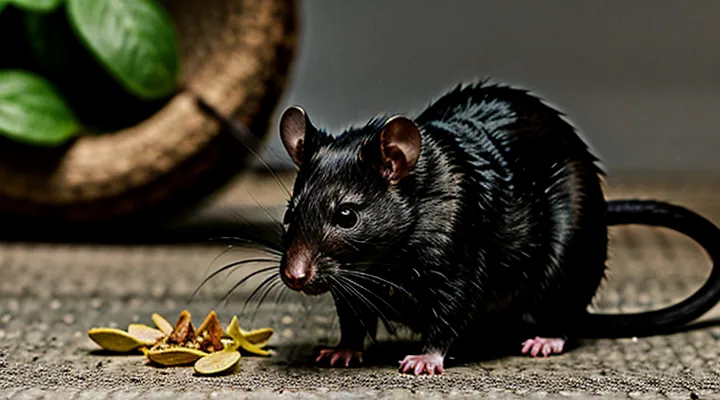
What are Rat Poisons? «Rodenticides»
Common Types and Their Mechanisms
Rodent toxic blends designed for brittle applications rely on a limited number of active ingredients, each targeting a specific physiological pathway. Understanding these agents helps professionals select the appropriate formulation and anticipate potential hazards.
-
Anticoagulant compounds (e.g., warfarin, brodifacoum) – inhibit vitamin K epoxide reductase, preventing regeneration of clotting factors II, VII, IX, and X. Resulting internal bleeding leads to death after several days, allowing secondary consumption by other rats.
-
Bromethalin – interferes with mitochondrial oxidative phosphorylation by uncoupling electron transport. Energy depletion in nerve and muscle cells produces paralysis and respiratory failure within hours.
-
Zinc phosphide – reacts with gastric acid to release phosphine gas (PH₃). Phosphine inhibits cytochrome c oxidase, halting cellular respiration and causing rapid multi‑organ collapse.
-
Cholecalciferol (vitamin D₃) – induces hypercalcemia by increasing intestinal calcium absorption and bone resorption. Elevated calcium levels trigger renal failure, cardiac arrhythmias, and eventual mortality.
-
Strychnine – blocks glycine receptors in the spinal cord, removing inhibitory control over motor neurons. Unchecked excitatory signaling produces convulsions and asphyxiation.
Each agent possesses distinct onset times, lethality profiles, and environmental considerations. Selection should balance speed of action, risk of secondary poisoning, and regulatory compliance.
How Rodenticides Affect Rats
Rodenticides designed for rats deliver toxic agents that interfere with physiological processes essential for survival. Anticoagulant compounds inhibit vitamin K recycling, preventing blood clot formation and causing internal hemorrhage. Acute neurotoxic agents block neurotransmitter receptors, leading to rapid loss of coordination, paralysis, and respiratory failure. Metabolic poisons disrupt cellular respiration by uncoupling oxidative phosphorylation, resulting in energy depletion and organ failure.
The mode of action determines the onset of symptoms:
- Delayed-acting anticoagulants – symptoms appear 2–5 days after ingestion; death results from uncontrolled bleeding.
- Fast-acting neurotoxins – signs emerge within minutes; mortality occurs within hours due to respiratory collapse.
- Metabolic disruptors – clinical signs develop over several hours; death follows multi‑organ failure.
Resistance mechanisms include enhanced liver enzymes that accelerate detoxification and altered target site sensitivity. Repeated low‑dose exposure can select for resistant populations, reducing overall efficacy.
Environmental factors influence potency. Moisture degrades certain active ingredients, lowering toxicity. Temperature affects rodent metabolism, altering absorption rates and symptom progression. Proper storage preserves chemical stability and ensures consistent performance.
Effective use requires precise dosing, placement in tamper‑resistant stations, and monitoring of mortality. Post‑mortem examination confirms cause of death and detects potential resistance. Integration with sanitation and exclusion measures enhances control outcomes.
The Dangers of Rat Poisons
Risks to Non-Target Animals «Secondary Poisoning»
Brittle rat bait containing anticoagulant or neurotoxic agents poses a measurable danger to animals that are not the intended target. When a predator or scavenger consumes a poisoned rat, the toxin can transfer through the digestive system and enter the secondary host’s bloodstream. This process, known as secondary poisoning, may result in clinical signs ranging from internal bleeding to neurological impairment, depending on the active ingredient.
Key pathways for non‑target exposure include:
- Direct ingestion of a dead or dying rodent.
- Contact with contaminated carcasses during grooming or nest building.
- Consumption of contaminated prey remains left in the environment.
- Accidental ingestion of bait fragments by pets or wildlife.
Species most frequently affected are birds of prey (e.g., hawks, owls), carnivorous mammals (e.g., foxes, feral cats), and domestic animals that scavenge. Even small herbivores can be impacted if they ingest carcasses or contaminated material while foraging.
Mitigation strategies:
- Deploy bait within secure, tamper‑proof stations that restrict access to non‑target fauna.
- Position stations away from known feeding sites for birds and mammals.
- Use bait formulations with reduced palatability for wildlife while maintaining attractiveness to rats.
- Conduct regular monitoring of bait consumption and carcass removal to limit environmental persistence.
- Integrate alternative control methods—such as habitat modification and exclusion devices—to lower reliance on chemical baits.
Documentation of secondary poisoning incidents should include species identification, toxin type, dose estimates, and observed clinical outcomes. This data supports risk assessment models and informs regulatory decisions aimed at protecting ecological health while managing rodent populations.
Risks to Humans and Pets
Brittle rodent bait poses immediate danger if a person or a domestic animal handles it without protection. Contact with the powdered or granular surface can cause skin irritation, respiratory distress, or systemic toxicity when ingested. Children and elderly individuals are especially vulnerable because of reduced awareness of the product’s hazards.
Secondary poisoning occurs when a pet, typically a dog or cat, consumes a rodent that has fed on the bait. The toxin concentrates in the predator’s tissues, leading to vomiting, seizures, cardiac arrhythmias, or death. Even a single contaminated meal can be fatal.
Key exposure pathways include:
- Direct ingestion of loose bait or contaminated surfaces.
- Inhalation of dust generated during application or cleaning.
- Dermal absorption through cuts, abrasions, or mucous membranes.
- Indirect ingestion via grooming after contact with contaminated fur or paws.
Mitigation requires sealed storage, placement of bait in tamper‑resistant stations, and immediate decontamination of any spilled material. Personal protective equipment—gloves, masks, and eye protection—must be worn during handling, and pets should be kept away from treated areas until the product is fully secured or removed.
Safe Handling and Application of Rat Poisons
Proper Storage and Disposal
Proper storage of a brittle rodent toxic formulation requires airtight, sealed containers made of non‑reactive material such as high‑density polyethylene or glass. Keep containers in a cool, dry location away from direct sunlight; temperatures above 25 °C can accelerate degradation, while humidity above 60 % may cause the product to soften and lose potency. Store the product on a dedicated shelf that is inaccessible to children, pets, and non‑authorized personnel. Label each container with the product name, concentration, hazard symbols, and a date of receipt; replace labels if they become illegible.
When handling the poison, use disposable gloves and a mask to prevent accidental ingestion or inhalation. Do not transfer the material to unmarked containers; cross‑contamination can lead to unintended exposure. Separate the poison from food, feed, and cleaning supplies by at least one meter and by using a locked cabinet if possible.
Disposal of unused or expired product must follow hazardous‑waste regulations. Do not pour the poison into sinks, toilets, or storm drains, as it can contaminate water supplies. Follow these steps:
- Place the remaining poison and any contaminated packaging into a sealable, puncture‑resistant bag.
- Contact the local environmental protection agency or waste‑management authority for approved collection points.
- Transport the sealed bag in a secondary container to prevent leaks during transit.
- Obtain a disposal receipt or documentation confirming proper handling.
If a spill occurs, isolate the area, evacuate non‑essential personnel, and apply an approved absorbent material. Collect the absorbent and contaminated surface, then treat them as hazardous waste following the same disposal procedure.
Maintain a logbook documenting storage conditions, inventory changes, and disposal actions. Regular audits of the log ensure compliance with safety standards and facilitate rapid response in case of an emergency.
Bait Station Design and Placement
Effective bait stations for brittle rodent poison require durable construction, secure closure, and materials resistant to moisture. The housing should be made of heavy‑gauge plastic or metal to prevent tampering by non‑target animals and to protect the poison from weather. Interior compartments must accommodate the brittle matrix without crushing it, preserving the intended release rate.
Key design elements include:
- Lockable lid with a one‑way entry slot that allows rats to enter but blocks exit for larger species.
- Internal perch or ramp to guide rodents toward the bait.
- Transparent or semi‑transparent panels for visual inspection without opening the unit.
- Weather‑sealed seams and gaskets to maintain efficacy in rain or high humidity.
Placement guidelines focus on rat behavior and environmental factors. Stations should be positioned along established runways, near walls, behind objects, or within concealed cavities where rodents travel. Install units at a height of 4–6 inches above the ground to align with rat movement patterns. Maintain a minimum distance of 10 feet between stations to avoid overlapping territories and to ensure comprehensive coverage.
Regular monitoring is essential. Check each station weekly for bait consumption, damage, or moisture intrusion. Replace depleted units promptly and record locations to track infestation progress and adjust placement strategy as needed.
Alternatives to Chemical Rat Poisons
Trapping Methods
Effective control of rodent populations that involve a brittle toxin blend requires complementary trapping techniques to reduce exposure risk and verify efficacy. Mechanical traps provide immediate removal; snap traps deliver rapid lethality, while live‑catch cages allow relocation or humane disposal. Glue boards capture without ingestion, useful for monitoring activity in concealed areas. Each device should be positioned along established runways, near walls, and close to food sources, where rats exhibit predictable movement patterns.
When integrating a brittle poison, bait placement must avoid contaminating trap mechanisms. Use a small amount of the toxin mixed with a preferred food attractant, applied to the trap trigger surface rather than the interior chamber. This approach minimizes accidental poisoning of non‑target species and reduces the likelihood of the poison being dispersed by the captured animal. Regular inspection—preferably twice daily—ensures timely removal of dead rodents, prevents secondary ingestion, and maintains trap functionality.
Safety protocols include wearing disposable gloves, sealing captured specimens in labeled containers, and disposing of them according to local hazardous waste regulations. Documentation of trap locations, capture counts, and bait quantities supports ongoing assessment and adjustment of the control program.
Natural Deterrents
Natural deterrents offer a non‑chemical approach to managing rat infestations, serving as a complementary tactic to brittle rodent poison blends. These agents exploit rats’ sensory aversions, reducing the likelihood of entry and nesting without introducing toxic substances into the environment.
Commonly employed natural repellents include:
- Peppermint oil: strong menthol scent disrupts rodent olfactory cues; apply a few drops on cotton balls placed near suspected pathways.
- Ammonia solution: volatile ammonia mimics predator urine, prompting avoidance; dilute one part ammonia to three parts water and spray around entry points.
- Cayenne pepper or crushed red pepper flakes: capsaicin irritates mucous membranes; scatter around burrows or mix with bedding material.
- Garlic cloves: sulfur compounds emit an odor rats find repulsive; position whole cloves in cabinets and crawl spaces.
- Vinegar: acetic acid creates an acidic atmosphere that deters rodents; wipe surfaces with a 1:1 vinegar‑water mixture.
Effectiveness depends on regular reapplication, as volatile compounds dissipate within hours to days. Integrating natural deterrents with strategic placement of brittle poison stations can lower bait consumption, limiting secondary poisoning risks to non‑target species. Monitoring rodent activity through tracking boards or motion sensors informs adjustments to deterrent density and placement, ensuring sustained control while minimizing chemical exposure.
Integrated Pest Management «IPM» Approaches
Integrated Pest Management (IPM) treats rat control as a systematic process that balances prevention, monitoring, and targeted action. When brittle rodenticide formulations are considered, IPM begins with an inspection of building structures, waste management practices, and food storage to identify conditions that attract rats. Reducing food sources, sealing entry points, and maintaining cleanliness lower the population pressure before any chemical agent is applied.
A structured IPM program incorporates several complementary tactics:
- Cultural measures: regular waste removal, proper food container sealing, and vegetation trimming around premises.
- Mechanical barriers: steel‑mesh screens, snap traps, and live‑catch cages positioned at known travel routes.
- Biological options: predatory birds or feral cats, where legal and appropriate, to add natural pressure on rat numbers.
- Chemical control: limited use of brittle bait mixtures, applied only after threshold levels are confirmed and positioned to minimize non‑target exposure.
- Monitoring: weekly placement of tracking stations or motion‑activated cameras to verify activity levels and assess treatment efficacy.
Thresholds define when chemical intervention is justified; typically, multiple active signs in a confined area trigger bait deployment. Bait stations should be tamper‑resistant, placed out of reach of children and pets, and inspected daily for consumption rates. Rotating active ingredients within the brittle formulation reduces the risk of resistance development, while maintaining records of product types and application dates ensures compliance with regulatory standards.
Evaluation concludes each cycle by comparing pre‑ and post‑treatment activity data. Declines in tracking evidence confirm success; persistent signs prompt reassessment of sanitation practices, trap placement, or bait potency. This iterative approach sustains long‑term rat management while limiting reliance on toxic substances.
Emergency Procedures for Poisoning Incidents
Recognizing Symptoms of Poisoning
Rats exposed to brittle poison mixtures exhibit distinct physiological changes that signal acute toxicity. Early signs include rapid respiration, pronounced tremors, and sudden loss of coordination. As the toxin progresses, observable effects expand to include excessive salivation, seizures, and paralysis of the hind limbs. Gastrointestinal distress manifests as vomiting, diarrhea, or a marked reduction in food intake. Blood discoloration, particularly a darkening of the mucous membranes, indicates severe hemolysis or organ failure. Unexplained lethargy, followed by a swift decline in activity, often precedes fatal outcomes.
Key indicators to monitor:
- Unsteady gait or inability to balance
- Uncontrolled shaking or muscle twitching
- Profuse drooling or foaming at the mouth
- Convulsive episodes lasting several seconds to minutes
- Inability to move the hindquarters
- Pale or bluish skin and gums
- Rapid, shallow breathing
Observation of any combination of these symptoms warrants immediate intervention and professional pest control assistance. Prompt identification reduces the risk of prolonged suffering and limits secondary contamination within the environment.
First Aid and Veterinary Care
When a rodent ingests a brittle poison blend, rapid response determines survival odds. Immediate steps focus on preventing further absorption and stabilizing the animal.
- Remove the rat from the contaminated area.
- Wear disposable gloves to avoid secondary exposure.
- If the poison is still present in the mouth, gently wipe away residues with a damp cloth; do not force chewing.
- Offer a small amount of fresh water to dilute residual toxin, but avoid excessive fluid that may induce vomiting.
- Conduct a brief physical check: note breathing rate, pulse, level of consciousness, and any signs of tremors or seizures.
- Contact a licensed veterinarian without delay; provide details about the toxin type, amount suspected, and observed symptoms.
Veterinary intervention typically includes:
- Administration of activated charcoal (1 g/kg) to bind remaining toxin in the gastrointestinal tract.
- Antidotal therapy specific to the poison class (e.g., vitamin K1 for anticoagulant agents, atropine for cholinergic compounds).
- Intravenous fluid therapy to maintain circulatory volume and support renal clearance.
- Monitoring of coagulation parameters, hepatic enzymes, and electrolyte balance at regular intervals.
- Seizure control with benzodiazepines if neurologic signs develop.
- Supportive care such as oxygen supplementation and temperature regulation.
After stabilization, the veterinarian may recommend a follow‑up schedule to assess organ function and detect delayed toxicity. Owners should retain the product label for reference and store all rodenticides securely to prevent accidental exposure.