
Understanding the Black Rat
Physical Characteristics
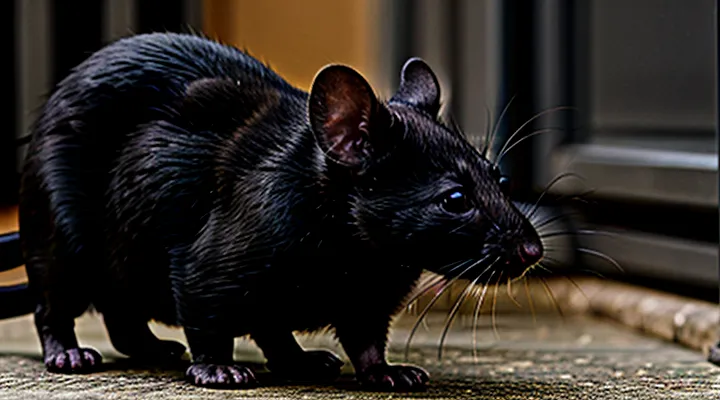
Black rats (Rattus rattus) are medium‑sized murids with adult body lengths ranging from 16 cm to 22 cm, not including the tail. Typical body mass falls between 120 g and 250 g, though individuals in abundant food environments may exceed this range.
Key physical traits include:
- Coat: Glossy, dense fur uniformly dark, ranging from deep brown to almost black; occasional lighter patches may appear on the ventral surface.
- Tail: Long, slender, and laterally compressed, extending 1.5 to 2 times the head‑body length; scales are fine and lack the pronounced hair covering seen in some other rodent species.
- Ears: Large, rounded, and proportionally larger than those of the Norway rat; ears are covered with sparse hair and exhibit a thin, translucent membrane.
- Eyes: Prominent, dark, and positioned high on the skull, providing a wide field of vision adapted for nocturnal activity.
- Feet: Four‑toed forepaws and five‑toed hind paws; pads are soft, facilitating agile climbing on vertical surfaces.
Sexual dimorphism is minimal; males may be marginally larger but weight differences rarely exceed 10 %. Skeletal structure reveals a slender skull with an elongated rostrum, contributing to the species’ reputation as an adept climber. Lifespan under optimal conditions averages 1.5 to 2 years, with maximum recorded ages approaching three years.
Natural Habitat and Distribution
Black rats (Rattus rattus) thrive in environments offering shelter, abundant food, and proximity to human activity. Typical habitats include underground sewer systems, abandoned structures, agricultural storage facilities, and densely populated urban districts. The species adapts to both temperate and tropical climates, exploiting gaps in building foundations, roof voids, and cluttered debris piles.
Geographic distribution extends across most continents, reflecting the species’ close association with human commerce and transport routes. Current presence includes:
- Europe: United Kingdom, France, Germany, Italy, Spain, and Scandinavia
- North America: United States (coastal and inland cities), Canada (southern provinces)
- South America: Brazil, Argentina, Colombia, and Chile
- Africa: Egypt, South Africa, Kenya, and Nigeria
- Asia: India, China, Japan, Thailand, and the Middle East
- Oceania: Australia (particularly Queensland) and New Zealand
The rat’s capacity to colonize new areas is facilitated by its reproductive efficiency, opportunistic feeding habits, and tolerance of varied microclimates. Human-mediated transport of goods remains the primary vector for range expansion, enabling rapid establishment in ports and trade hubs worldwide.
Behavioral Traits
Black rats exhibit a complex social hierarchy dominated by dominant individuals that assert control through scent marking and occasional aggression. Their activity peaks during twilight and night, allowing efficient foraging while minimizing exposure to predators. Grooming serves both hygienic and social functions, reinforcing group cohesion and reducing parasite load.
Key behavioral characteristics include:
- Territoriality – scent glands on the flank and genital area deposit pheromones that delineate personal space.
- Exploratory drive – high curiosity leads to rapid assessment of novel objects, facilitating adaptation to varied environments.
- Problem‑solving ability – capacity to navigate mazes and manipulate simple mechanisms demonstrates advanced learning potential.
- Burrowing and nesting – construction of intricate tunnel systems provides shelter and temperature regulation.
- Communication – ultrasonic vocalizations convey alarm, mating intent, and social status within the colony.
These traits collectively shape the species’ success in urban and rural habitats, influencing population dynamics and interaction with human environments. Proper care strategies should accommodate nocturnal habits, provide enrichment that stimulates exploration, and respect established social structures to reduce stress and aggression.
Care and Maintenance
Housing Requirements
A suitable enclosure for black rats must provide ample space for movement, exploration, and exercise. Minimum dimensions of 24 × 18 × 18 inches (length × width × height) are recommended for a pair; larger groups require proportionally larger cages. Wire mesh should have openings no larger than ½ inch to prevent escape while allowing ventilation. Solid flooring covered with absorbent bedding such as shredded paper or aspen shavings reduces odor and supports natural digging behavior.
Key environmental parameters include:
- Temperature: maintain between 65 °F and 75 °F (18 °C–24 °C).
- Humidity: keep relative humidity at 40 %–60 % to prevent respiratory issues.
- Lighting: provide a regular light‑dark cycle of approximately 12 hours each; avoid direct sunlight that can cause overheating.
Enrichment items improve mental health and encourage activity. Include climbing structures, tunnels, chewable toys, and hideouts made from untreated wood or safe plastics. Rotate accessories regularly to sustain interest.
Cleaning protocols are essential for disease prevention. Spot‑clean soiled bedding daily, replace the entire substrate weekly, and disinfect the cage with a mild, rodent‑safe solution every two weeks. Ensure all food and water dispensers are refreshed daily to maintain hygiene.
Location of the cage influences stress levels. Place the enclosure in a quiet area away from drafts, loud noises, and sudden temperature fluctuations. Avoid direct exposure to kitchen fumes or strong scents that may irritate the animals.
By adhering to these specifications, owners create a stable, healthy environment that supports the physical and behavioral needs of black rats.
Cage Size and Type
Choosing an appropriate enclosure directly influences the health and behavior of black rats.
A cage must provide sufficient floor area for movement, climbing, and nesting. Recommended minimum dimensions are 30 × 30 × 45 cm for a single adult; each additional rat requires an extra 15 × 15 cm of floor space. Height should allow vertical activity, with at least 45 cm of clearance.
The enclosure type should meet the following criteria:
- Bar spacing no greater than 0.5 cm to prevent escape and injuries.
- Construction from stainless steel or coated wire to resist corrosion and withstand gnawing.
- Solid base or wire mesh with a removable, chew‑resistant lining for easy cleaning.
- Adequate ventilation without drafts; multiple openings positioned opposite each other promote airflow.
Additional features enhance welfare. Provide a secure hideout, a solid‑surface wheel, and chewable items such as untreated wood blocks. Ensure the cage includes a lockable door to maintain security during handling. Regular cleaning of the substrate and accessories reduces disease risk and maintains a pleasant environment.
Bedding and Enrichment
Appropriate bedding provides a hygienic substrate, absorbs moisture, and supports dental health. Choose material that is low‑dust, non‑toxic, and easily replaceable; common options include paper‑based sheets, untreated wood shavings, and fleece blankets. Regular replacement prevents odor buildup and reduces the risk of respiratory irritation.
Enrichment promotes natural foraging, climbing, and gnawing behaviors, preventing boredom and stereotypies. Effective items fall into three categories:
- Chewing supplies such as untreated wooden blocks, cardboard tubes, and mineral‑rich sticks.
- Climbing structures including woven hammocks, rope ladders, and vertical PVC pipes.
- Foraging challenges that hide treats in paper rolls, puzzle boxes, or layered bedding.
Rotate objects weekly to maintain novelty and monitor wear for safety. Clean all accessories with mild, unscented detergent and rinse thoroughly before returning to the cage.
Diet and Nutrition
Black rats require a balanced diet that supplies protein, fat, carbohydrates, vitamins, and minerals in proportions that support rapid growth, high activity levels, and robust immune function. Protein should compose 18‑20 % of the total caloric intake, derived primarily from animal sources such as lean meat, boiled eggs, and commercially formulated rodent pellets. Fat content of 5‑7 % supplies essential fatty acids for coat health and energy reserves. Complex carbohydrates from whole grains and vegetables provide steady glucose release, while fiber aids gastrointestinal motility.
- Lean cooked chicken, turkey, or fish (no seasoning)
- Hard‑boiled egg, finely chopped
- High‑quality laboratory rat pellets (primary staple)
- Whole‑grain oats, barley, or brown rice (cooked, unsalted)
- Fresh vegetables: carrots, broccoli, kale, spinach (wash thoroughly)
- Fresh fruits in moderation: apple slices, berries, banana (remove seeds and cores)
- Calcium source: plain, unsweetened yogurt or powdered calcium supplement (follow manufacturer dosage)
Feeding frequency should align with the animal’s metabolic rate. Offer fresh food twice daily, dividing the total daily portion into morning and evening servings. Maintain a constant supply of clean water, refreshed at least once every 24 hours. Monitor body condition regularly; adjust portions if weight gain or loss exceeds 5 % of target body mass over a two‑week period.
Common nutritional deficiencies include calcium shortage, leading to skeletal abnormalities, and vitamin C deficiency, which can cause scurvy in susceptible individuals. Supplement calcium with a calibrated powder or fortified food, and provide a source of vitamin C such as a small amount of citrus pulp or a commercial supplement. Avoid high‑sugar treats, processed foods, and anything containing sodium or artificial additives, as these increase the risk of obesity, renal strain, and gastrointestinal upset.
Recommended Food
Black rats require a balanced diet that supplies energy, protein, vitamins, and minerals for growth, reproduction, and overall health. A core component should be a commercially formulated pellet or mash designed for rodents, providing consistent nutrition and preventing selective feeding.
- High‑quality rodent pellets or mash (minimum 18 % protein, fortified with vitamins and minerals)
- Fresh leafy greens such as kale, romaine lettuce, and spinach (offered daily, washed thoroughly)
- Non‑citrus fruits in moderation: apple slices, blueberries, and banana chunks (limit to a few pieces per week)
- Protein sources: boiled egg white, cooked chicken breast, or mealworms (small portions, 2–3 times weekly)
- Small amounts of whole grains: oats, barley, or cooked rice (serve as supplementary energy)
- Treats: unsalted nuts, plain cheese, or commercial rat treats (use sparingly to avoid excess fat)
Water must be available at all times, preferably in a hanging bottle with a metal spout to maintain cleanliness. Food should be refreshed daily, and leftovers removed to prevent spoilage and bacterial growth. Regular observation of appetite and body condition will guide adjustments to portion sizes and food variety.
Feeding Schedule
A consistent feeding routine supports the health and behavior of black rats. Adult individuals require two meals per day, spaced approximately twelve hours apart, to maintain stable blood glucose levels. Juvenile rats benefit from three smaller portions, delivered at six‑hour intervals, to accommodate rapid growth.
Nutritional composition should include a balanced commercial rodent pellet as the primary source, supplemented with fresh vegetables such as carrots, broccoli, and leafy greens. Protein enrichment may be provided twice weekly with cooked egg, lean meat, or mealworms, ensuring each supplement does not exceed 10 % of total caloric intake. Fresh water must be available at all times, and containers should be cleaned daily to prevent contamination.
Adjustments are necessary when rats are pregnant, lactating, or recovering from illness. In such cases, increase the frequency to three meals and raise the proportion of protein‑rich foods by 15 % while monitoring body condition. Overfeeding leads to obesity, which predisposes to hepatic lipidosis; therefore, portion sizes must be measured with a kitchen scale and recorded.
Typical feeding schedule
- 07:00 – Morning pellet portion (≈ 15 g) + vegetable mix (≈ 5 g)
- 12:00 – Midday protein supplement (optional, ≤ 3 g)
- 19:00 – Evening pellet portion (≈ 15 g) + vegetable mix (≈ 5 g)
Consistency, portion control, and appropriate nutrient balance form the foundation of an effective feeding schedule for black rats.
Health and Wellness
Health and wellness of black rats demand vigilant monitoring and systematic care. Recognizing signs of distress, maintaining optimal living conditions, and providing balanced nutrition form the core of a robust health program.
Common ailments include respiratory infections, skin parasites, and dental overgrowth. Early identification relies on observation of respiratory sounds, fur condition, and chewing behavior. Prompt veterinary consultation prevents escalation.
Preventive measures:
- Regular cleaning of cages and bedding to eliminate pathogens.
- Scheduled health checks focusing on weight, coat quality, and activity level.
- Routine dental trimming or provision of chewable enrichment to curb overgrowth.
- Vaccination against prevalent viral agents where available.
Nutritional balance supports immune function and organ health. A diet comprising high‑quality pellets, fresh vegetables, and occasional protein sources meets energy requirements without excess fat. Hydration must be ensured through clean water sources refreshed daily.
Environmental enrichment reduces stress, which correlates with disease susceptibility. Incorporating tunnels, climbing structures, and safe nesting material encourages natural behaviors and promotes physiological resilience.
Common Health Issues
Black rats frequently experience health conditions that can compromise their well‑being and lifespan. Early identification of clinical signs facilitates prompt veterinary care and improves outcomes.
- Respiratory infections: commonly linked to Mycoplasma pulmonis; symptoms include nasal discharge, sneezing, and labored breathing.
- Gastrointestinal parasites: include Hymenolepis spp. and cestodes; manifestations are weight loss, diarrhea, and anemia.
- Dental overgrowth: continuous incisor growth may result in malocclusion, causing difficulty eating and facial deformities.
- Skin mites: Myobia musculi infestations produce itching, hair loss, and crusted lesions.
- Metabolic bone disease: calcium or vitamin D deficiency leads to weakened bones, fractures, and reduced mobility.
Routine health examinations, balanced nutrition, clean housing, and environmental enrichment reduce the incidence of these ailments and support overall vitality.
Veterinary Care
Black rats require regular veterinary attention to maintain optimal health and longevity. Professional assessment identifies early signs of disease, guides nutritional adjustments, and ensures environmental safety.
Preventive care includes:
- Annual health examinations performed by a qualified exotic‑animal veterinarian.
- Vaccination protocols when available, tailored to regional disease prevalence.
- Routine parasite control covering ectoparasites (fleas, mites) and endoparasites (worms, protozoa).
- Dental monitoring to prevent overgrowth, a common issue in continuously chewing rodents.
Common health problems encompass respiratory infections, gastrointestinal disturbances, and skin conditions. Prompt diagnosis relies on clinical observation, laboratory testing, and imaging when indicated. Treatment regimens follow evidence‑based guidelines, utilizing appropriate antimicrobial agents, fluid therapy, and supportive care.
Routine examinations should assess weight, coat condition, eye clarity, and behavior. Blood work and urinalysis provide insight into organ function. Emergency situations—such as traumatic injuries or sudden respiratory distress—demand immediate veterinary intervention to improve survival prospects.
Hygiene and Grooming
Hygiene for black rats requires a systematic approach to cage sanitation, water quality, and diet management. Daily removal of uneaten food prevents bacterial growth. Fresh water should be supplied in a sealed bottle, with the bottle cleaned and refilled at least twice weekly. Bedding material must be changed completely every seven days; partial spot cleaning should occur every two to three days to eliminate droppings and urine stains.
Grooming focuses on coat health, nail maintenance, and parasite control. Brushing with a soft pet brush removes loose hair and distributes natural oils, reducing the risk of matting. Nails should be inspected weekly and trimmed when they extend beyond the foot pads, using small animal nail clippers. Monthly examinations for external parasites, such as mites or fleas, enable prompt treatment with veterinarian‑approved products.
A concise checklist supports routine care:
- Clean cage surfaces with a mild, unscented disinfectant; rinse thoroughly before reuse.
- Replace bedding entirely weekly; spot‑clean intermediate days.
- Refresh water bottle and clean its nozzle twice per week.
- Remove and discard spoiled food daily; provide fresh portions each morning.
- Brush coat two to three times weekly; increase frequency during shedding periods.
- Trim nails when they protrude beyond the pads; handle gently to avoid stress.
- Conduct monthly parasite inspections; apply approved treatments as needed.
Consistent adherence to these practices sustains a healthy environment, minimizes disease risk, and promotes the well‑being of black rats.
Socialization and Handling
Socialization of black rats begins with gentle exposure to human presence during the first weeks of life. Regular, brief interactions encourage confidence and reduce fear responses. Handling should be consistent, using calm movements and steady grip to prevent stress.
Key practices for effective handling:
- Approach the cage from the side, allowing the rat to see the hand before reaching in.
- Support the animal’s hindquarters with one hand while the other steadies the chest, avoiding pressure on the spine.
- Limit sessions to five‑ten minutes for newly socialized individuals; extend gradually as tolerance increases.
- Rotate handling techniques—lifting, gentle cradling, and brief pauses on the palm—to build adaptability.
- Observe body language: flattened ears, rapid breathing, or attempts to escape indicate discomfort and require immediate cessation of contact.
Routine interaction, combined with positive reinforcement such as treats offered from the hand, strengthens the bond and promotes a calm demeanor during routine care activities. Regular handling also facilitates health inspections, grooming, and enclosure maintenance without causing undue anxiety.
Taming and Bonding
Taming black rats requires consistent, gentle handling. Begin with short, daily sessions in a calm environment. Offer a familiar food reward while keeping the hand steady; the animal learns to associate contact with positive outcomes. Gradually increase the duration of contact, allowing the rat to explore the hand and climb onto the forearm. Patience prevents stress and encourages voluntary interaction.
Bonding strengthens after trust is established. Observe body language: relaxed posture, whisker forward movement, and quiet vocalizations indicate comfort. Respond to these cues by providing soft grooming strokes along the back and neck, which mimic natural social behavior. Regular grooming sessions reinforce the relationship and reduce fear responses.
Effective training relies on clear, repeatable signals. Use a distinct sound, such as a click, paired with a treat, to mark desired actions. Consistency in timing ensures the rat connects the cue with the reward. Over time, the animal will perform simple tasks—such as coming when called or navigating a small obstacle—demonstrating increased confidence and attachment.
Key practices for sustained bonding:
- Daily, brief handling sessions in a quiet space.
- Immediate, high‑value food rewards during initial contact.
- Observation of relaxed body signals before extending interaction.
- Gentle grooming along preferred body regions.
- Consistent auditory cue paired with treat for basic commands.
Adhering to these methods cultivates a cooperative, affectionate companion, enhancing both the animal’s welfare and the caretaker’s experience.
Interaction with Other Pets
Black rats can coexist with a variety of domestic animals when introductions follow structured protocols. Compatibility depends on species, individual temperament, and environmental conditions.
Successful integration begins with a thorough health assessment of both the rat and the resident pet. Veterinary screening for parasites, respiratory infections, and zoonotic diseases reduces the risk of cross‑species transmission. Quarantine the rat for a minimum of two weeks before any direct contact, observing for signs of illness.
Interaction strategies include:
- Gradual visual exposure through secure barriers such as mesh partitions.
- Controlled scent exchange by swapping bedding materials for short periods.
- Supervised, brief physical meetings in a neutral enclosure, with escape routes available for the rat.
- Immediate separation if aggressive behavior, excessive stress signals, or predatory instincts manifest.
Specific pet categories require distinct considerations. Cats and dogs often exhibit predatory drives; even well‑behaved individuals may instinctively chase a small rodent. Monitoring body language—flattened ears, stiff tail, rapid breathing—helps identify escalating tension. Birds and reptiles generally tolerate passive proximity but may experience stress if the rat attempts to explore their cages.
Long‑term cohabitation thrives on environmental enrichment for the rat, ensuring adequate hiding places, climbing structures, and foraging opportunities. Providing these resources minimizes territorial disputes and encourages natural behaviors, fostering a stable relationship with other household companions.