
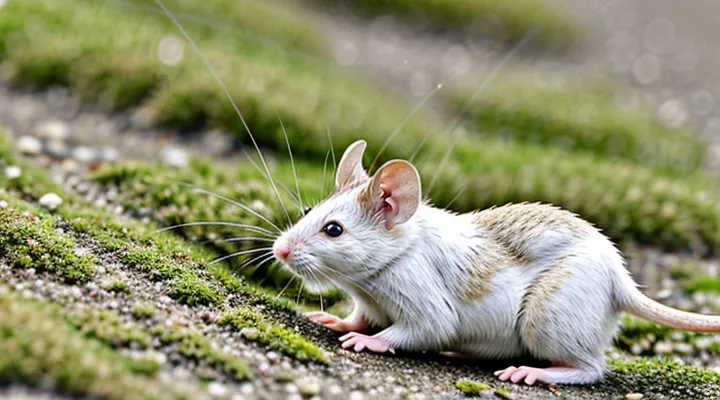
Habitat and Distribution
Geographic Range and Preferred Environments
The white field mouse (Apodemus sylvaticus) occupies a broad swath of the Palearctic region, extending from the Iberian Peninsula across Western and Central Europe to the western foothills of the Ural Mountains. Its distribution reaches northward into southern Scandinavia and southward into the Mediterranean basin, including the Balkans, Anatolia, and parts of the Near East. Isolated populations occur in the British Isles and on several Atlantic islands.
Within this range the species selects habitats that provide dense ground cover and abundant seed resources. Preferred environments include:
- Deciduous and mixed woodlands with understory vegetation, especially oak‑hornbeam and beech forests.
- Hedgerows and scrubby field margins that connect larger forest patches.
- Agricultural landscapes featuring cereal fields, pasture edges, and fallow plots where seed grains are plentiful.
- Rocky slopes and shrub‑dominated clearings that offer shelter from predators and harsh weather.
The mouse demonstrates flexibility in altitude, inhabiting lowland plains up to montane zones around 1,500 m where suitable vegetation persists. Its presence correlates strongly with areas of moderate humidity and temperate climate, avoiding extreme aridity or permanently frozen ground.
Microhabitat Selection
The white field mouse occupies heterogeneous grassland matrices where individuals discriminate among microhabitats that differ in shelter, food availability, and exposure. Selection of a particular patch is driven by measurable environmental gradients rather than random choice.
Key drivers of microhabitat choice include:
- Vegetation height and density, which affect concealment from aerial and terrestrial predators.
- Soil moisture and litter depth, providing reliable sources of seeds, insects, and fungal spores.
- Ambient temperature and solar exposure, influencing thermoregulatory efficiency during active periods.
- Proximity to conspecific burrows, offering rapid refuge and opportunities for social interaction.
Behavioral adjustments align with these drivers. During the breeding season, mice concentrate in areas with abundant seed heads and moderate cover, maximizing offspring nutrition while maintaining predator evasion. In winter, individuals favor deeper litter and moist soils that retain heat and support invertebrate prey. Nocturnal foraging routes are adjusted daily according to predator activity patterns, with individuals shifting to denser cover when predator detections increase.
Microhabitat selection directly impacts demographic parameters. Access to high‑quality patches correlates with higher body condition scores, increased litter sizes, and reduced mortality rates. Conversely, occupation of suboptimal microhabitats elevates stress hormone levels and predisposes individuals to disease transmission.
Overall, the white field mouse demonstrates a finely tuned decision‑making process that integrates abiotic and biotic cues to optimize survival and reproductive output within a dynamic landscape.
Physical Characteristics
Morphological Features
Size and Weight
The white field mouse typically measures 70–95 mm from nose to the base of the tail, with the tail adding an additional 70–95 mm. Adult individuals weigh between 15 and 30 g, a range that reflects seasonal fluctuations in food availability and reproductive status.
- Body length: 70–95 mm (head‑body)
- Tail length: 70–95 mm, often slightly longer than the body
- Weight: 15–30 g
- Sexual dimorphism: males average 2–3 g heavier than females
Individuals from northern or high‑altitude populations tend toward the larger end of the size spectrum, while those inhabiting arid grasslands are generally smaller. Growth rates are rapid during the spring breeding season, with juveniles reaching adult size within six weeks. Accurate measurements require calipers for linear dimensions and a precision balance for mass, ensuring repeatable data across ecological studies.
Fur Coloration and Texture
The white field mouse exhibits a uniform pale coat that serves as camouflage against the light‑colored substrates of its grassland habitat. Pigmentation derives from low concentrations of eumelanin, resulting in a near‑white hue that reduces visual detection by predators during daylight and twilight periods.
Key characteristics of the fur include:
- Texture: Soft, dense underfur overlies coarser guard hairs; this combination provides insulation while maintaining flexibility for rapid movement through vegetation.
- Seasonal variation: Guard hair length increases by 15–20 % in winter, enhancing thermal retention; underfur density rises modestly, preserving body heat without compromising agility.
- Moisture resistance: Lipid‑rich sebaceous secretions coat the outer fibers, creating a water‑repellent barrier that protects against dew and light rain.
- Wear resistance: Guard hairs possess a higher keratin cross‑link density, granting durability against abrasive contact with stems and soil particles.
These attributes collectively optimize thermoregulation, predator avoidance, and environmental resilience, supporting the species’ survival across fluctuating climatic conditions.
Sensory Adaptations
Vision and Olfaction
The white field mouse relies on a visual system adapted to low‑light environments. Rod photoreceptors dominate the retina, providing high sensitivity but limited color discrimination. The retinal architecture yields a broad visual field, estimated at around 300°, which facilitates detection of predators and conspecifics while the animal moves through dense vegetation. Visual acuity remains modest, roughly 1 cycle/degree, reflecting the species’ dependence on motion cues rather than fine detail.
Olfaction complements vision by mediating foraging, territorial marking, and mate selection. The olfactory epithelium contains an extensive array of odorant receptors, estimated at 1,200 functional genes, enabling detection of a wide spectrum of volatile compounds. Behavioral assays demonstrate threshold concentrations as low as 10 ppb for key food‑related odorants, indicating a highly sensitive chemosensory apparatus. The vomeronasal organ processes pheromonal signals, triggering stereotyped reproductive and aggressive responses.
Key sensory characteristics:
- Predominance of rod cells; negligible cone population.
- Visual field ≈ 300°, low spatial resolution.
- Olfactory receptor repertoire > 1,000 genes.
- Detection limits: ≤ 10 ppb for ecologically relevant odorants.
- Vomeronasal system mediates pheromone detection.
Hearing and Touch
The white field mouse relies on acute auditory perception to detect predators and locate conspecifics. The cochlear organ is elongated, providing a wide frequency range that includes ultrasonic tones emitted by insects and low‑frequency sounds generated by mammalian predators. Hair cells within the organ display high density, enhancing sensitivity to faint vibrations. Auditory nerve fibers transmit signals to the brainstem, where rapid processing enables immediate escape responses.
Tactile sensitivity complements hearing by allowing the mouse to navigate complex ground cover and assess substrate stability. Specialized mechanoreceptors, such as Merkel cells and Meissner’s corpuscles, are concentrated on the whisker pads and forepaws. Whiskers (vibrissae) function as active probes, transmitting deflection patterns to the somatosensory cortex. This system supports:
- Immediate detection of obstacles in low‑light conditions.
- Discrimination of surface textures for foraging efficiency.
- Assessment of burrow integrity during excavation.
Integration of auditory and tactile inputs occurs in multimodal brain regions, producing coordinated motor outputs. The combined sensory suite enables the species to maintain high survival rates in heterogeneous habitats.
Dietary Habits and Foraging
Food Sources
Plant Matter
The white field mouse (Apodemus sylvaticus) relies heavily on terrestrial vegetation for sustenance. Fresh leaves, grasses, and herbaceous stems provide carbohydrates that support rapid energy turnover during nocturnal activity. Seeds and nuts contribute lipids and proteins essential for growth and reproductive output.
- Young shoots: high water content, easy to digest, source of simple sugars.
- Mature foliage: fiber-rich, promotes gut motility and microbial fermentation.
- Seeds: concentrated energy, stored in cheek pouches for transport to burrows.
- Fruit pulp: supplies vitamins and antioxidants, aids in immune function.
Digestive physiology reflects adaptation to plant matter. Enzymatic profiles include elevated amylase activity for starch breakdown and cellulase-like microbial enzymes that ferment cellulose into short-chain fatty acids. The cecum is proportionally enlarged, allowing prolonged retention of fibrous material and efficient extraction of volatile fatty acids.
Foraging behavior demonstrates spatial memory and selective exploitation of vegetation patches. Mice construct temporary runways through grass clumps, minimizing exposure to predators while accessing high-quality plant resources. Seasonal shifts in plant availability trigger adjustments in diet composition, with increased seed consumption during autumn when seed banks peak.
Ecological interactions extend beyond nutrition. Consumption of seeds influences plant dispersal patterns; discarded husks and partially eaten fruits contribute to soil organic matter, enhancing nutrient cycling. The species’ ability to process a broad spectrum of plant material sustains population densities across diverse habitats, from meadow edges to woodland clearings.
Insect Prey
The white field mouse relies heavily on insects to meet its protein requirements, especially during the breeding season when rapid tissue growth occurs. Common prey items include beetles, moth larvae, flies, and grasshoppers. Seasonal fluctuations affect availability; spring and early summer see a surge in larvae, while autumn favors adult beetles and orthopterans.
Foraging behavior reflects several morphological and sensory adaptations. Fine vibrissae detect minute movements of prey on the forest floor, allowing the mouse to locate concealed insects beneath leaf litter. Large, forward‑facing eyes enhance low‑light vision, supporting nocturnal hunting. Rapid, dexterous forepaws enable precise grasping of mobile insects, and a flexible jaw accommodates a range of prey sizes.
Nutritional analysis shows that insect consumption supplies essential amino acids, lipids, and micronutrients absent from the mouse’s seed‑based diet. The high caloric density of insects contributes to increased body mass and reproductive output. In environments where seed resources decline, the mouse shifts its diet proportionally toward insects, demonstrating dietary plasticity.
The predation pressure exerted by white field mice influences insect population dynamics. By targeting larvae, the mice reduce future adult emergence, indirectly affecting plant herbivory rates. This top‑down effect contributes to the regulation of arthropod communities within the meadow ecosystem.
- Beetles (Coleoptera): robust exoskeleton, high protein content.
- Moth larvae (Lepidoptera): soft bodies, rich in lipids.
- Flies (Diptera): abundant in wetlands, rapid turnover.
- Grasshoppers (Orthoptera): large size, source of essential minerals.
Foraging Strategies
The white field mouse exploits a broad spectrum of food resources across its habitat, ranging from seeds and grains to insects and plant material. Seasonal fluctuations drive a shift from predominantly plant matter in spring and summer to increased animal protein during autumn, when insect abundance declines and stored seeds become scarce.
Foraging behavior integrates multiple tactics that enhance energy acquisition while minimizing predation risk:
- Opportunistic omnivory – consumption of available items without strict preference, allowing rapid response to resource pulses.
- Seed caching – temporary burial of surplus kernels in shallow soil or leaf litter, retrieved later during periods of food shortage.
- Nocturnal activity – foraging primarily during darkness reduces exposure to visual predators.
- Olfactory detection – reliance on scent cues to locate concealed seeds and invertebrates, particularly in dense undergrowth.
- Tactile exploration – use of whiskers and forepaws to assess texture and edibility of objects hidden beneath debris.
- Spatial memory – retention of cache locations and productive foraging routes, reinforced by repeated visits.
- Risk assessment – immediate retreat to cover upon detection of predator cues, balanced against the energetic value of the target item.
These strategies collectively enable the species to maintain stable body condition across variable environments, supporting reproductive output and population persistence.
Reproduction and Life Cycle
Mating Behavior
The white field mouse initiates breeding in early spring when day length exceeds twelve hours, with peak activity from April to June. Males increase territorial patrols, marking boundaries with urine and scent glands to attract receptive females. Courtship involves a sequence of behaviors:
- Approach: male advances slowly, tail raised, emitting ultrasonic vocalizations.
- Investigation: female sniffs male’s flank, assessing pheromonal cues.
- Chase: male pursues; if the female remains stationary, she signals acceptance by a short, high‑frequency trill.
- Copulation: lasts 1–2 minutes, followed by a brief refractory period for the male.
Females exhibit estrus cycles of four days, synchronized with environmental cues such as temperature and photoperiod. Ovulation is induced by copulatory stimulation, ensuring fertilization occurs shortly after mating. Litter size averages four to six pups; gestation lasts 21 days. Post‑natal care is provided exclusively by the mother, who nests in concealed burrows and supplies milk for three weeks before weaning. Males typically do not participate in offspring rearing and may disperse to establish new territories after the breeding season concludes.
Gestation and Litter Size
The white field mouse (Apodemus sylvaticus) exhibits a relatively brief reproductive cycle adapted to temperate environments. Gestation typically lasts 19–22 days, with slight variations linked to ambient temperature and maternal condition. The species reaches sexual maturity at 6–8 weeks, enabling multiple breeding opportunities within a single season.
Litter size is constrained by the balance between offspring survival and maternal resource allocation. Average litters comprise 4–6 pups, though extremes of 2 to 9 have been recorded under optimal food availability. Seasonal fluctuations affect both the number of litters per year and the size of each litter:
- Spring: 1–2 litters, average 5 pups per litter
- Summer: 2–3 litters, average 6 pups per litter
- Autumn: 1 litter, average 4 pups per litter
Maternal investment includes a brief lactation period of approximately 21 days, after which pups achieve independence. The combination of short gestation, moderate litter size, and rapid weaning underpins the species’ capacity to exploit transient resource peaks and maintain stable population levels across varied habitats.
Parental Care
The white field mouse (Apodemus agrarius) exhibits a highly structured parental system that enhances offspring survival in temperate habitats. Females construct concealed nests using grass, moss and shredded plant material, typically located in dense vegetation or under stones. Nest placement reduces predation risk and provides thermal stability during the breeding season.
Gestation lasts approximately 19–21 days, after which litters of 4–7 pups are born altricial and blind. Maternal investment includes:
- Continuous nursing for 3–4 weeks, with milk composition shifting from high‑protein colostrum to lipid‑rich mature milk.
- Frequent nest maintenance, involving replacement of damp or soiled material to preserve hygiene.
- Thermoregulatory behavior, such as huddling and selective shivering, to maintain pup body temperature.
Paternal involvement is limited; males do not participate in direct care but may defend the immediate vicinity of the nest against intruders, indirectly supporting the female’s effort. After weaning, juveniles remain in the natal area for 1–2 weeks, during which they learn foraging routes and predator‑avoidance tactics through observation of the mother’s activity patterns.
This parental strategy balances rapid reproductive output with protective measures, allowing the species to thrive across variable environmental conditions.
Lifespan and Mortality
The white field mouse (Apodemus sylvaticus) typically reaches 12–18 months in natural habitats, with occasional individuals living up to two years when food availability is high and predation pressure is low. In laboratory conditions, lifespan extends to 30–36 months due to controlled diet, absence of predators, and veterinary care.
Mortality sources in the wild are dominated by:
- Predation by birds of prey, snakes, and small carnivores
- Parasitic infestations and bacterial infections
- Extreme weather events causing hypothermia or dehydration
- Competition for limited resources leading to starvation
Age‑specific survival follows a Type II mortality curve: juvenile mortality is high during the first month, stabilizes during the reproductive phase, and rises again as senescence reduces physiological resilience. Reproductive output peaks at 3–4 months, after which fecundity declines sharply, contributing to the overall turnover rate of the population.
Social Structure and Behavior
Social Organization
The white field mouse (Apodemus sylvaticus) lives in loosely structured colonies that fluctuate with seasonal resource availability. Individuals occupy overlapping home ranges, and dominance hierarchies are established primarily among adult males through aggressive encounters and scent marking. Dominant males secure preferential access to nesting sites and breeding opportunities, while subordinate males remain peripheral and may disperse to form new groups.
Reproductive activity peaks during the spring and summer months. Females exhibit polyestrous cycles, allowing multiple litters per season. Mating is typically polygynous: dominant males mate with several females, whereas subordinate males achieve limited reproductive success. Litters consist of 4–7 pups, which remain in the natal nest for 2–3 weeks before venturing into the communal burrow system.
Communication relies on a combination of ultrasonic vocalizations, pheromonal cues, and tactile interactions. Ultrasonic calls are emitted during courtship and territorial disputes, while urine and glandular secretions convey individual identity and reproductive status. Grooming and huddling behaviors reinforce social bonds and reduce thermoregulatory stress.
Key aspects of social organization can be summarized as follows:
- Overlapping home ranges with fluid group composition.
- Male dominance hierarchy influencing mating access.
- Polygynous breeding system with multiple litters per season.
- Multimodal communication (ultrasonic, chemical, tactile).
- Cooperative nesting and alloparental care in early pup development.
These traits enable the species to exploit heterogeneous habitats, maintain population stability, and adapt to fluctuating environmental pressures.
Communication
Vocalizations
White field mice emit a diverse set of vocalizations that serve distinct ecological functions. Ultrasonic calls, typically ranging from 40 to 80 kHz, are produced during social interactions such as courtship, territorial disputes, and mother‑pup communication. These high‑frequency signals travel short distances, reducing detection by predators while facilitating precise intra‑species exchange.
Audible squeaks, centered around 2–5 kHz, accompany aggressive encounters and alarm responses. Their broader spectral bandwidth allows transmission through dense vegetation, alerting conspecifics to immediate threats. Recordings show that alarm calls increase in repetition rate when predator cues are present, suggesting a graded warning system.
Vocal production is modulated by physiological adaptations. The laryngeal musculature exhibits rapid contraction cycles, enabling the generation of brief, high‑frequency pulses. Neural control involves the periaqueductal gray and brainstem nuclei, which coordinate call timing with locomotor activity. Hormonal fluctuations, particularly elevated testosterone during the breeding season, correlate with increased call frequency and intensity in males.
Research employing spectrographic analysis has identified three primary call types:
- Contact calls: low‑amplitude, repetitive chirps maintaining group cohesion.
- Courtship trills: complex, modulated sequences emitted by males to attract females.
- Distress cries: high‑amplitude, erratic bursts triggered by capture or injury.
These vocal patterns reflect adaptive strategies that enhance reproductive success, predator avoidance, and social organization within the species’ ecological niche.
Scent Marking
Scent marking is a primary communication method for the white field mouse (Apodemus sylvaticus). Individuals deposit odoriferous secretions to convey identity, reproductive status, and territorial boundaries. The behavior reduces direct confrontations by allowing rivals to assess occupancy through chemical cues.
The mouse utilizes several sources for scent production. Flank glands release a lipid-rich fluid that adheres to substrates during rubbing. Urine, expelled while the animal walks, leaves a trail of volatile compounds. Facial whisker brushing spreads glandular secretions across the fur, reinforcing personal odor. Each source contributes distinct chemical signatures that receivers can discriminate.
Chemical analysis reveals a mixture of aliphatic acids, ketones, and terpenoids. Major components include:
- 2‑nonenal, associated with male reproductive signaling
- Hexadecanal, linked to individual recognition
- Phenolic compounds, indicating stress or predator presence
These substances persist for varying durations, with lipid-based deposits lasting days and volatile urine markers evaporating within hours.
Environmental factors modulate marking frequency and composition. During the breeding season, males increase flank gland activity, intensifying territorial markings. In colder months, reduced metabolic rates lower secretion output, prompting reliance on urine trails that remain detectable despite lower temperatures. Habitat complexity influences deposition sites; dense vegetation offers sheltered locations for long‑lasting marks, whereas open ground favors short‑range urine trails.
Overall, scent marking integrates physiological secretion, chemical signaling, and ecological context to support the white field mouse’s survival and reproductive success.
Activity Patterns
Nocturnal vs. Diurnal Activity
The white field mouse (Apodemus sylvaticus) exhibits a predominantly nocturnal activity pattern, with peak foraging occurring during the first three hours after sunset. Light avoidance reduces predation risk from diurnal raptors and increases thermal comfort in open fields. Auditory and olfactory cues guide navigation in low‑light conditions, while whisker tactile feedback compensates for limited visual input.
Diurnal activity is limited but observable in specific contexts:
- Seasonal daylight extension: During short summer days, individuals may extend activity into twilight to exploit abundant seed resources.
- Territorial patrols: Brief daylight excursions allow males to assess neighboring burrow systems and reinforce scent markings.
- Temperature regulation: In cooler climates, occasional midday foraging prevents hypothermia when ambient temperatures rise above the basal metabolic threshold.
Overall, nocturnal behavior maximizes energy acquisition while minimizing exposure to predators, whereas occasional diurnal movements reflect flexible responses to resource availability and environmental pressure.
Seasonal Variations
The white field mouse exhibits distinct seasonal patterns that align with fluctuations in temperature, photoperiod, and resource distribution. In spring, reproductive activity peaks; females enter estrus within weeks of increased daylight, producing litters of three to six offspring. Nest construction intensifies, with additional insulation using fresh vegetation and shredded fur.
Summer conditions prompt a shift toward foraging efficiency. The diet expands to include abundant seeds, insects, and green matter, while water intake rises to offset higher evaporative loss. Activity periods shorten during the hottest intervals, and burrow ventilation improves through deeper tunnel networks.
Autumn triggers preparation for colder months. Mice accumulate adipose tissue, increase consumption of high‑fat seeds, and reinforce nest structures with thicker layers of dry grasses. Hormonal adjustments reduce metabolic rate, extending the interval between meals without compromising body condition.
Winter imposes limited food availability and subzero temperatures. The species reduces locomotor activity, relying on stored reserves and communal nesting to conserve heat. Torpor bouts may occur, lowering core temperature by up to 5 °C for several hours. Physiological adaptations include elevated brown adipose tissue activity and up‑regulated uncoupling proteins that generate heat without shivering.
Key seasonal adaptations:
- Reproductive timing synchronized with daylight length
- Dietary diversification matching resource peaks
- Nest fortification and insulation adjustments
- Metabolic modulation: fat storage, reduced basal rate, torpor
These cycles enable the white field mouse to maintain population stability across temperate environments.
Adaptations for Survival
Predator Avoidance
Camouflage
The white field mouse relies on camouflage to avoid detection by predators and to increase hunting efficiency. Its dorsal pelage exhibits a mottled gray‑brown pattern that matches the coloration of dry grasses and leaf litter common in open fields. The ventral side is lighter, reducing contrast when the animal is viewed from below against the sky.
Key aspects of its concealment strategy include:
- Seasonal coat adjustment: Fur density and hue shift with temperature and vegetation cycles, providing optimal background matching throughout the year.
- Behavioral alignment: The mouse positions its body parallel to grass stems and remains motionless during daylight, minimizing silhouette disruption.
- Microhabitat selection: Preference for areas with dense ground cover, such as tussocks and low shrubs, enhances background blending.
These adaptations integrate morphological and behavioral traits, allowing the species to maintain low visibility across varied field environments.
Burrowing Behavior
White field mice construct extensive burrow systems that serve multiple physiological and ecological purposes. Primary tunnels extend 30–80 cm below the surface, branching into chambers designated for nesting, food storage, and waste disposal. Soil selection favors loamy substrates with moderate moisture, which provide structural stability while allowing rapid excavation using the incisors and forelimb claws.
- Nest chambers maintain temperatures 2–4 °C above ambient air, reducing metabolic costs during cold periods.
- Food caches, located 10–20 cm from the entrance, protect seeds and insects from desiccation and predation.
- Waste chambers isolate fecal matter, limiting pathogen buildup within the living area.
- Escape tunnels open at oblique angles, enabling swift evasion from predators such as barn owls and feral cats.
Seasonal adjustments modify burrow architecture. In winter, mice deepen tunnels to access unfrozen ground layers, while summer burrows become shallower, facilitating ventilation. Group burrows exhibit shared entrances but retain separate nesting chambers, reflecting a balance between social tolerance and individual reproductive autonomy.
Burrowing activity influences soil dynamics by aerating compacted layers, redistributing organic material, and enhancing seed dispersal. These effects contribute to plant community composition and overall ecosystem productivity, underscoring the ecological significance of the species’ subterranean behavior.
Physiological Adaptations
Thermoregulation
Thermoregulation in the white field mouse relies on a combination of physiological and behavioral strategies that maintain core temperature within a narrow range despite fluctuating ambient conditions.
The species possesses a dense undercoat of fine hairs overlain by longer guard hairs, providing effective insulation. Vasoconstriction of peripheral blood vessels reduces heat loss during cold periods, while vasodilation enhances heat dissipation when ambient temperature rises. Brown adipose tissue activates non‑shivering thermogenesis, increasing metabolic heat production without muscular activity.
Behavioral adjustments complement physiological mechanisms:
- Nest construction using shredded vegetation and fecal material creates microhabitats with elevated temperature.
- Group huddling during winter nights concentrates body heat and lowers individual metabolic demand.
- Activity timing shifts to the warmer parts of the day in colder seasons, reducing exposure to low temperatures.
- Burrow depth varies seasonally, with deeper chambers accessed during winter to exploit the earth’s thermal inertia.
Seasonal acclimatization modifies the mouse’s basal metabolic rate. In autumn, metabolic heat production rises by approximately 15 % compared with summer levels, supporting the transition to colder environments. During short periods of extreme cold, the animal can enter shallow torpor, lowering body temperature by up to 5 °C and reducing energy consumption until favorable conditions return.
These integrated mechanisms enable the white field mouse to occupy a broad range of habitats, from temperate grasslands to sub‑arctic tundra, by efficiently managing heat balance.
Metabolic Rate Adjustments
The white field mouse adjusts its metabolic rate to match fluctuating environmental conditions, ensuring energy efficiency across seasons. During cold periods, the animal increases basal metabolic heat production through elevated thyroid hormone secretion, which raises cellular respiration rates. Simultaneously, peripheral vasoconstriction reduces heat loss, allowing a modest rise in core temperature without excessive energy expenditure.
In warm months, the species lowers its resting metabolic rate as ambient temperatures approach thermoneutrality. Reduced sympathetic nervous activity diminishes uncoupling protein activity in brown adipose tissue, decreasing non‑shivering thermogenesis. This down‑regulation conserves glucose and fatty acids for growth and reproduction when food resources are abundant.
Food scarcity triggers metabolic flexibility. When caloric intake declines, the mouse enters short‑term torpor bouts, characterized by a rapid drop in body temperature and metabolic output. Torpor duration correlates with body condition and ambient temperature, providing a reversible state that limits energy depletion while maintaining essential physiological functions.
Key mechanisms of metabolic rate adjustment include:
- Hormonal modulation (thyroid hormones, cortisol)
- Activation of brown adipose tissue for heat generation
- Peripheral vasomotor control to regulate heat loss
- Induction of torpor in response to energetic stress
- Seasonal shifts in mitochondrial efficiency and substrate utilization
Ecological Role
Impact on Ecosystems
The white field mouse occupies grassland and cultivated habitats where it forages on seeds, insects, and plant material. Its high reproductive rate sustains large local populations that interact directly with multiple trophic levels.
Predators such as owls, foxes, and snakes rely on the species for a substantial portion of their diet. Removal of mouse populations leads to measurable declines in predator reproductive success and alters predator foraging patterns.
The mouse influences plant communities through two mechanisms. First, seed consumption reduces recruitment of dominant grasses, allowing subordinate species to establish. Second, occasional seed transport away from the capture site facilitates dispersal of wind‑dispersed and animal‑dispersed seeds, reshaping vegetation composition.
Burrowing activity creates underground channels that increase soil aeration, enhance water infiltration, and promote mixing of organic material. These processes accelerate nutrient cycling and improve soil structure in the mouse’s range.
As a reservoir for hantavirus, Borrelia, and other zoonotic agents, the mouse modulates pathogen prevalence among sympatric wildlife and can affect disease risk for humans occupying adjacent agricultural areas.
Competitive interactions with other small rodents, such as voles and shrews, shift resource allocation and niche occupancy. Fluctuations in mouse abundance trigger cascading adjustments in community composition, influencing overall biodiversity.
Collectively, these effects demonstrate that the white field mouse exerts a multifaceted influence on ecosystem function, extending from energy transfer to soil dynamics and disease ecology.
Interactions with Other Species
Predation
Predation constitutes a primary source of mortality for the white field mouse, shaping its foraging patterns, habitat selection, and reproductive output.
- Strigiformes (owls) and Accipitridae (hawks, kites) capture individuals during nocturnal and crepuscular activity.
- Colubridae and Viperidae snakes hunt by ambush in dense vegetation and within burrow entrances.
- Small mustelids (weasels, stoats) and domestic cats pursue prey on the ground and within surface runways.
Anti‑predator adaptations include a dorsal pelage that blends with the grassland substrate, reducing visual detection. The species exhibits strict nocturnality, limiting exposure to diurnal raptors. Rapid sprint bursts and agile maneuvering allow escape through narrow gaps. Burrow networks feature multiple escape tunnels, providing immediate refuge when predators breach the surface.
Behavioral responses involve heightened vigilance at burrow entrances, frequent tail‑flicking that alerts conspecifics to danger, and selective use of dense cover during foraging. Reproductive strategy compensates for loss: multiple litters per season and litter sizes averaging five to eight offspring maintain population stability despite predation pressure.
Overall, predation imposes selective forces that drive morphological, physiological, and behavioral traits, ensuring the species persists across its temperate grassland range.
Competition
The white field mouse (Apodemus sylvaticus) competes for limited resources within temperate grassland and forest edge ecosystems. Competition shapes foraging behavior, habitat selection, and reproductive timing.
Intraspecific rivalry intensifies during the breeding season when individuals defend territories rich in seeds and insects. Males establish overlapping home ranges, using scent marking and vocalizations to deter rivals. Females prioritize access to high‑quality nesting sites, often displacing subordinate conspecifics.
Interspecific competition involves sympatric rodent species such as the wood mouse (Apodemus flavicollis) and the bank vole (Myodes glareolus). Overlap in diet leads to resource partitioning:
- Temporal segregation: white field mice increase nocturnal activity when competitors are less active.
- Microhabitat differentiation: they exploit open, sun‑exposed patches, whereas competitors favor dense understory.
- Dietary shift: during seed scarcity, they augment insect consumption, reducing direct overlap with granivorous rivals.
Predation pressure indirectly influences competitive dynamics. Predator avoidance forces the white field mouse to occupy marginal habitats, where competition intensity may be lower but resource availability is reduced. This trade‑off drives flexible foraging strategies and rapid reproductive cycles.
Physiological adaptations support competitive success. High metabolic rates enable quick exploitation of transient food sources, while a robust dentition permits processing of diverse seed sizes. Seasonal coat changes improve camouflage in contested territories, decreasing detection by both predators and rivals.
Overall, competition exerts selective pressure on spatial behavior, diet breadth, and reproductive output, reinforcing the species’ capacity to thrive amid fluctuating community structures.