
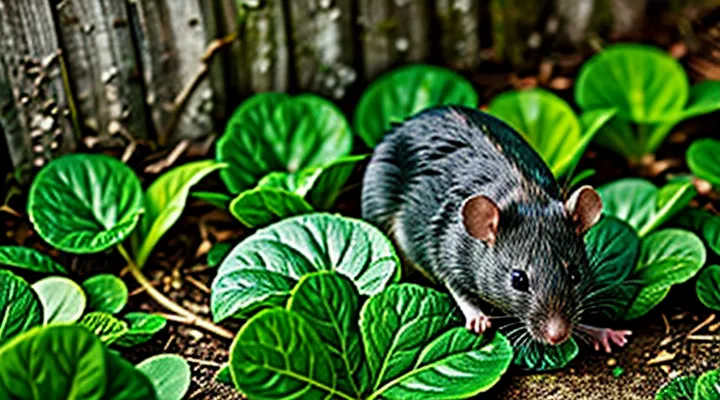
Nutritional Benefits of Greens for Rats
Essential Vitamins and Minerals
Rats require a balanced supply of vitamins A, C, K, and several B‑complex vitamins, as well as minerals such as calcium, phosphorus, magnesium, potassium, and iron. Leafy vegetables provide these nutrients in bioavailable forms, supporting vision, immune function, blood clotting, bone health, and metabolic processes.
- Kale – high in vitamin A, vitamin K, calcium, and iron.
- Spinach – rich in vitamin K, magnesium, potassium, and folate.
- Romaine lettuce – supplies vitamin A, vitamin C, and calcium.
- Swiss chard – contains vitamin K, vitamin C, magnesium, and iron.
- Collard greens – offers vitamin A, vitamin K, calcium, and potassium.
- Broccoli florets – provides vitamin C, vitamin K, and calcium.
Portion control prevents excess calcium or oxalates; a daily serving of 1–2 teaspoons per 100 g body weight maintains nutrient balance without overloading the digestive system. Wash greens thoroughly, remove tough stems, and serve raw or lightly steamed to preserve vitamin content. Rotate varieties to avoid nutrient gaps and monitor for signs of deficiency or excess, adjusting the diet accordingly.
Fiber and Digestion
Leafy vegetables rich in dietary fiber support normal gastrointestinal motility in pet rodents. Soluble fiber, found in spinach and romaine lettuce, forms a gel that slows nutrient absorption, moderates blood glucose, and promotes the growth of beneficial gut bacteria. Insoluble fiber, abundant in kale, dandelion greens, and collard leaves, adds bulk to feces, stimulates peristalsis, and reduces the risk of constipation.
Key fiber sources for rats include:
- Kale – high in cellulose and lignin; enhances stool formation.
- Collard greens – provides both soluble pectin and insoluble fiber; aids microbial balance.
- Dandelion leaves – rich in inulin, a prebiotic that fuels probiotic species.
- Swiss chard – offers moderate fiber with low oxalate content.
- Romaine lettuce – supplies soluble fiber without excessive water load.
Adequate fiber intake prevents digestive disorders such as ileus and hindgut dysbiosis. Over‑supplementation may cause diarrhea; a daily serving of 1–2 teaspoons of fresh greens per 100 g body weight maintains optimal stool consistency. Introduce new greens gradually to allow microbial adaptation and monitor fecal output for signs of imbalance.
Proper hydration complements fiber’s mechanical action. Fresh water should be available at all times, especially when feeding high‑fiber greens, to facilitate smooth transit through the colon. Regular observation of droppings—color, shape, and moisture—provides a practical indicator of digestive health and the suitability of the chosen leafy vegetables.
Hydration
Hydration is a critical factor in a rat’s diet, and leafy vegetables supply a substantial portion of the daily water requirement. Fresh greens deliver moisture directly, reducing the need for supplemental water sources and supporting kidney function.
- Romaine lettuce: approximately 95 % water, low fiber, easy to digest.
- Spinach: about 91 % water, rich in electrolytes, moderate oxalate levels.
- Kale: roughly 84 % water, high in calcium and vitamin C.
- Swiss chard: near 92 % water, contains magnesium and potassium.
- Bok choy: around 95 % water, low in oxalates, provides vitamin K.
When selecting greens, prioritize those with the highest water content and minimal antinutrients. Offer small, fresh portions twice daily to maintain consistent fluid intake. Replace wilted or dried leaves promptly, as reduced moisture diminishes the hydration benefit. Monitoring the rat’s water bottle alongside green consumption ensures the animal receives adequate total fluid volume.
Safe Greens for Rats
Leafy Greens
Kale
Kale provides a high concentration of vitamins A, C, and K, along with calcium, iron, and fiber, making it a nutrient‑dense addition to a rat’s diet. The leafy vegetable also supplies antioxidants that support immune function and eye health.
- Vitamin A: promotes vision and skin integrity.
- Vitamin C: aids tissue repair and enhances resistance to infection.
- Vitamin K: essential for blood clotting.
- Calcium: contributes to bone development.
- Iron: supports oxygen transport.
- Fiber: encourages gastrointestinal motility.
When offering kale, present only fresh, washed leaves, removing any wilted sections. Limit portions to approximately one teaspoon of chopped kale per 100 g of body weight per day to avoid excess calcium. Combine with a balanced mix of pellets, protein sources, and other vegetables to maintain dietary diversity.
Potential concerns include oxalic acid, which can interfere with calcium absorption if consumed in large quantities. Monitor rats for signs of digestive upset, such as loose stools, and adjust the amount accordingly. Rats with a history of urinary stones should receive kale sparingly.
Store kale in a sealed container in the refrigerator, preferably in a damp paper towel, and use within three to five days to preserve nutrient content. Discard any leaves that develop discoloration or slime.
Spinach
Spinach is a widely available leafy green that can enrich a rat’s diet when offered responsibly.
The vegetable supplies vitamins A, K, and C, along with folate, calcium, iron, and dietary fiber. A 100‑gram portion provides roughly 28 µg vitamin A, 483 µg vitamin K, 28 mg vitamin C, 194 mg calcium, 2.7 mg iron, and 2.2 g fiber. The low caloric content (23 kcal) makes it suitable for weight‑controlled feeding plans.
Vitamin A supports ocular health, vitamin K contributes to blood clotting, and vitamin C enhances immune defenses. Calcium and fiber promote skeletal strength and gastrointestinal motility, respectively.
Oxalates present in spinach can bind calcium, increasing the risk of kidney stone formation if the vegetable is over‑served. High calcium levels may also strain rat kidneys when combined with other calcium‑rich foods. Residual pesticides pose additional health concerns; thorough washing is essential.
Feeding recommendations
- Offer fresh, washed spinach no more than 2–3 g per 100 g of body weight per day.
- Provide in small, bite‑size pieces to prevent choking.
- Rotate with other greens to maintain a balanced nutrient profile.
- Limit to 2–3 servings per week; monitor for signs of urinary discoloration or digestive upset.
Store spinach in a sealed container in the refrigerator, consume within 3 days of purchase, and discard wilted or slimy leaves. Preparing the green by rinsing under running water and removing any damaged sections ensures minimal contaminant exposure.
Romaine Lettuce
Romaine lettuce is a commonly recommended leafy green for pet rats because it supplies essential nutrients while remaining low in calories.
The vegetable’s nutritional profile includes:
- Vitamin A (β‑carotene) for vision and immune function
- Vitamin K for blood clotting and bone health
- Vitamin C, which rats cannot synthesize themselves
- Folate, supporting cell division and DNA synthesis
- Calcium, phosphorus, and potassium in modest amounts
- Dietary fiber that promotes gastrointestinal motility
These components contribute to hydration, weight control, and dental wear, all of which are relevant to a rat’s physiology.
Potential concerns involve pesticide residues and natural oxalates. Oxalates can interfere with calcium absorption if consumed in large quantities. Therefore, each leaf should be rinsed thoroughly under running water and, when possible, sourced from organic growers.
Feeding guidelines recommend offering romaine lettuce in small, bite‑sized pieces two to three times per week. A typical serving size for an adult rat is approximately one tablespoon of chopped leaf. Introduce the green gradually to monitor tolerance and avoid sudden changes that may cause loose stools.
Store fresh romaine lettuce in the refrigerator’s crisper drawer, wrapped loosely in a damp paper towel. Use within three to five days to preserve crispness and nutrient integrity. Discard any wilted or discolored portions before serving.
Arugula
Arugula (Eruca sativa) offers a high concentration of vitamins A, C, and K, which support retinal health, immune function, and blood clotting in pet rodents. The leaf tissue contains calcium and magnesium, contributing to bone development and muscular activity. Its natural peppery flavor encourages voluntary consumption, helping to increase overall vegetable intake.
Nutritional profile per 100 g fresh arugula:
- Vitamin A: 237 µg (26 % of daily rat requirement)
- Vitamin C: 15 mg (25 % of daily rat requirement)
- Vitamin K: 108 µg (90 % of daily rat requirement)
- Calcium: 160 mg (16 % of daily rat requirement)
- Magnesium: 10 mg (2 % of daily rat requirement)
Feeding guidelines:
- Offer fresh, washed leaves in small portions (5–10 g per 100 g body weight) to prevent overconsumption of oxalic acid.
- Remove wilted or bruised sections before serving.
- Introduce gradually over three days to monitor tolerance and avoid digestive upset.
Potential concerns:
- Oxalic compounds may contribute to kidney stone formation if supplied in excess; limit daily intake to no more than 10 % of the total vegetable ration.
- Pesticide residues pose health risks; source organic or thoroughly rinse with a dilute vinegar solution.
Storage recommendations:
- Keep leaves in a perforated plastic bag within the refrigerator’s crisper drawer.
- Use within three to five days of harvest to maintain nutrient density and palatability.
When incorporated correctly, arugula serves as a nutrient‑dense component of a balanced rodent diet, enhancing vitamin intake while providing a stimulating taste experience.
Herbaceous Greens
Parsley
Parsley (Petroselinum crispum) offers a high concentration of vitamins A, C, and K, as well as folate and iron, making it a valuable supplement for the diet of laboratory and companion rats. The herb’s antioxidant properties support cellular health, while its calcium content contributes to bone development.
Key nutritional attributes:
- Vitamin A: approximately 470 µg per 100 g, essential for vision and immune function.
- Vitamin C: around 130 mg per 100 g, aids in collagen synthesis and oxidative stress reduction.
- Vitamin K: roughly 1640 µg per 100 g, critical for blood clotting.
- Folate: 152 µg per 100 g, supports DNA synthesis.
- Iron: 3.2 mg per 100 g, facilitates oxygen transport.
Advantages for rats include rapid growth of fur, enhanced dental health due to the herb’s fibrous texture, and stimulation of natural foraging behavior. Fresh parsley should be washed thoroughly to remove pesticide residues and offered in small, bite‑size portions to prevent overconsumption of oxalates, which can interfere with calcium absorption.
Recommended serving protocol:
- Provide 1–2 g of fresh parsley per 100 g of body weight, divided into two daily feedings.
- Introduce gradually, observing for signs of gastrointestinal upset.
- Replace uneaten portions within two hours to maintain freshness.
Storage guidelines: keep parsley in a sealed container with a damp paper towel in the refrigerator; use within three days to preserve nutrient integrity. Freezing is unsuitable because it degrades vitamin C content.
Overall, parsley constitutes a nutrient‑dense green that, when administered responsibly, enhances the health profile of pet rats without introducing significant health risks.
Cilantro
Cilantro is a safe and nutritious leafy option for pet rats. It supplies vitamins A, C, and K, as well as potassium, calcium, and iron. The herb also contains antioxidants that support immune function.
- Vitamin A: promotes healthy vision and skin.
- Vitamin C: aids tissue repair and antioxidant defense.
- Vitamin K: essential for blood clotting.
- Minerals: calcium and potassium contribute to bone strength and electrolyte balance.
Offer fresh cilantro in small quantities, such as a pinch of finely chopped leaves per rat, two to three times weekly. Rinse thoroughly to remove soil and pesticide residues before serving. Incorporate cilantro into a varied diet that includes other greens, grains, and protein sources.
Avoid overfeeding; excessive cilantro may cause digestive upset due to its natural oils. Ensure the herb is pesticide‑free and free of wilting or mold. Monitor rats for any adverse reactions when introducing the herb for the first time.
Basil
Basil (Ocimum basilicum) offers a range of nutrients suitable for pet rats. The herb supplies vitamin K, vitamin A, calcium, and small amounts of iron, contributing to bone health and blood clotting. Its essential oil, linalool, possesses mild antimicrobial properties that can support digestive balance when offered in moderation.
When incorporating basil into a rat’s diet, observe the following guidelines:
- Provide fresh leaves, washed thoroughly to remove pesticides or soil residues.
- Limit portions to no more than one teaspoon of chopped basil per day for an average‑sized adult rat.
- Introduce gradually, monitoring for signs of gastrointestinal upset or reduced appetite.
- Avoid dried or seasoned basil, as dehydration reduces nutritional value and added salt or spices can be harmful.
Basil should complement, not replace, a varied selection of leafy greens such as romaine lettuce, kale, and dandelion. Regular rotation of greens ensures balanced intake of fiber, vitamins, and minerals, reducing the risk of nutrient deficiencies.
Storage: Keep fresh basil in a sealed container in the refrigerator for up to three days. Discard any wilted or discolored leaves before feeding.
Overall, basil serves as a safe, nutrient‑dense addition to a rat’s green vegetable regimen when administered responsibly.
Greens to Avoid for Rats
Harmful Vegetables
Onions
Onions are occasionally mentioned among leafy foods for pet rodents, yet their chemical makeup makes them unsuitable for regular consumption. The vegetable contains flavonoids, vitamin C, and modest amounts of fiber, but it also holds sulfur‑based compounds such as thiosulphates.
Thiosulphates interfere with hemoglobin function in rats, leading to oxidative damage of red blood cells. Exposure can result in hemolytic anemia, weakness, and, in severe cases, death. The risk applies to raw, dried, and powdered forms; cooking reduces, but does not eliminate, the toxic potential.
Consequently, onions should be excluded from a rat’s diet. If accidental ingestion occurs, monitor the animal for signs of lethargy, pale gums, or rapid breathing and seek veterinary care promptly.
For a balanced selection of safe greens, consider the following options:
- Romaine lettuce
- Kale (in limited quantities)
- Spinach (moderate amounts)
- Dandelion leaves
- Swiss chard
These vegetables provide essential nutrients without the hemolytic risk associated with onions.
Garlic
Garlic is occasionally offered to pet rats as a supplemental green, but its suitability requires careful evaluation. The bulb contains allicin, a compound with antimicrobial properties, and modest amounts of vitamin C, manganese, and selenium. These nutrients can complement a balanced rat diet when administered in limited quantities.
Potential advantages include mild antibacterial effects that may support gut health and a source of trace minerals essential for metabolic processes. However, garlic also possesses strong sulfur compounds that can irritate the gastrointestinal tract, leading to diarrhea or reduced appetite if over‑fed. Rats metabolize these compounds differently from humans, and excessive intake may cause hemolytic anemia.
- Offer no more than a thin slice (approximately 0.5 g) once or twice weekly.
- Introduce gradually, observing for changes in fecal consistency or behavior.
- Combine with other low‑oxalate greens such as kale, romaine lettuce, or dandelion leaves to ensure dietary diversity.
- Discard any uneaten portion after 30 minutes to prevent spoilage.
When incorporated sparingly and monitored closely, garlic can serve as an occasional additive within a broader selection of leafy vegetables for rats. Regular assessment of health indicators remains essential to confirm tolerance.
Rhubarb
Rhubarb stalks can be included in a rat’s diet as an occasional source of greens, provided the toxic leaves are completely removed.
The edible portion supplies dietary fiber, calcium, vitamin K, and modest amounts of vitamin C and potassium. Fiber supports gut motility; calcium contributes to skeletal strength; vitamin K participates in blood clotting.
Oxalic acid present in rhubarb limits the safe quantity; excessive intake may interfere with calcium absorption and cause urinary crystal formation. The plant’s leaves contain high concentrations of oxalic acid and other toxins, making them lethal if ingested.
Safe handling requires thorough washing, trimming of any leaf remnants, and cutting stalks into bite‑size pieces no larger than a rat’s forepaw. Offer rhubarb no more than two to three small pieces (approximately 5 g) per week, monitoring for signs of digestive upset.
Feeding checklist
- Wash stalks under running water.
- Remove all leaf material and any remaining tendrils.
- Cut stalks into 1–2 cm segments.
- Limit servings to 5 g, twice weekly.
- Observe the rat for diarrhea or reduced appetite after consumption.
When these precautions are followed, rhubarb stalks serve as a nutritionally valuable, low‑calorie green that diversifies a rat’s vegetable selection.
Avocado
Avocado is frequently considered a green food for small mammals, but its suitability for rats is limited. The fruit contains persin, a toxin that can cause respiratory distress and gastrointestinal irritation in rodents. Even small quantities may lead to vomiting, diarrhea, or lethargy. Because rats have a high metabolism and sensitive digestive systems, exposure to persin poses a measurable health risk.
Nutritional aspects of avocado include monounsaturated fats, potassium, and vitamins A, E, and C. While these nutrients benefit many species, rats obtain adequate amounts from safer leafy greens such as kale, romaine lettuce, and dandelion leaves. Introducing avocado does not provide a unique advantage and may disrupt the balance of a rat’s diet.
Key considerations for avocado in a rat’s diet
- Persin content: toxic at low doses
- Digestive tolerance: prone to upset stomach
- Nutrient redundancy: comparable nutrients available in non‑toxic greens
- Recommended practice: exclude avocado, offer only proven safe greens
Overall, avocado should be omitted from a rat’s regular menu and reserved for cases where a veterinarian explicitly approves its use.
Potential Toxins
Uncooked Beans
Uncooked beans provide rats with protein, fiber, and essential minerals such as iron, magnesium, and potassium. The high protein content supports muscle development, while soluble fiber promotes digestive regularity. Beans also contain vitamins B1, B6, and folate, which contribute to energy metabolism and red blood cell formation.
Advantages
- Rich protein source
- Significant dietary fiber
- Contains iron, magnesium, potassium
- Supplies B‑vitamins and folate
Potential concerns
- Raw beans contain lectins that can irritate the intestinal lining
- Certain varieties, especially raw kidney beans, possess phytohemagglutinin levels toxic at high doses
- Excess protein may strain kidneys if not balanced with other foods
Feeding guidelines recommend soaking beans for at least eight hours, discarding the soaking water, and cooking them until soft before offering small portions. For a balanced diet, limit beans to no more than 5 % of total daily intake and combine with a variety of leafy vegetables, grains, and a protein‑rich pellet mix. Monitor rats for signs of gastrointestinal upset, and discontinue if adverse reactions appear.
Wild Plants
Wild plants provide rats with essential nutrients, fiber, and natural foraging stimulation. When selecting field‑grown greens, prioritize species that are non‑toxic, readily available, and nutritionally dense.
- Dandelion (Taraxacum officinale) leaves: high in calcium, vitamins A and K; mild bitterness encourages chewing.
- Chickweed (Stellaria media): soft texture, rich in vitamin C and folate; safe for daily inclusion.
- Plantain (Plantago major): contains antioxidants and anti‑inflammatory compounds; suitable for occasional feeding.
- Lamb’s quarters (Chenopodium album): source of protein, iron, and B‑complex vitamins; offers a leafy texture rats enjoy.
- Wild mustard (Brassica spp.) leaves: supply glucosinolates that support immune function; feed in limited amounts to avoid excess goitrogenic effect.
Safety considerations include harvesting from pesticide‑free areas, rinsing thoroughly to remove soil and insects, and introducing new plants gradually to monitor tolerance. Avoid species known to cause toxicity, such as nightshade, hemlock, and foxglove. Provide greens in moderation, complementing a balanced commercial diet to prevent nutritional imbalances.
How to Introduce Greens to Your Rat's Diet
Gradual Introduction
Introducing new leafy vegetables to pet rats requires a measured approach to prevent gastrointestinal distress and ensure acceptance. Sudden changes can trigger diarrhea, reduced appetite, or refusal to eat. Veterinary advice emphasizes a step‑by‑step protocol that balances nutritional benefits with the animal’s tolerance.
- Begin with a single, mild‑tasting green such as romaine lettuce; offer a small leaf (approximately 1 cm²) once daily.
- Observe the rat for 24 hours; note any signs of loose stools, reduced activity, or aversion.
- If no adverse reaction occurs, increase the portion by 20 % each day for three consecutive days.
- Introduce a second green, selecting one with a complementary flavor profile (e.g., spinach). Repeat the observation and gradual increase cycle before adding additional varieties.
- Maintain a total green intake of 10–15 % of the rat’s daily diet, adjusting based on body condition and activity level.
The following leafy options are frequently recommended for their nutrient density and palatability; each should follow the gradual protocol described above:
- Romaine lettuce – high water content, low oxalate level; ideal for initial exposure.
- Spinach – rich in iron and calcium; introduce after tolerance to milder greens is established.
- Kale – source of vitamin C and fiber; serve in small, finely chopped pieces to reduce choking risk.
- Swiss chard – provides magnesium and potassium; monitor for occasional oxalic acid sensitivity.
- Arugula – distinctive peppery flavor; useful for variety once basic greens are accepted.
Consistent monitoring and incremental increases enable rats to adapt physiologically and develop a preference for a diverse range of nutritious greens, supporting optimal health and digestive function.
Proper Preparation
Washing
When offering leafy vegetables to pet rodents, proper cleaning is essential to prevent ingestion of contaminants. Unwashed greens may contain pesticide residues, soil-borne pathogens, or insects that can cause gastrointestinal distress or illness in rats.
Effective cleaning involves three steps:
- Rinse each leaf under cool running water, allowing water to flow over both sides to dislodge surface particles.
- Submerge the greens in a bowl of cold water for 2–3 minutes, gently agitating to release trapped debris.
- Pat dry with a clean kitchen towel or use a salad spinner to remove excess moisture, reducing the risk of mold growth during storage.
Only use fresh, uncontaminated water; replace it if it becomes cloudy. After washing, store the greens in a perforated container within the refrigerator, limiting storage time to 24–48 hours to preserve nutritional value and prevent spoilage.
Avoid pre‑soaking greens in vinegar or bleach solutions; such chemicals can leave residues harmful to rodents. If a wash is performed immediately before feeding, a brief rinse and dry suffice, ensuring the vegetables remain crisp and appealing to the animal.
Chopping
When preparing leafy vegetables for pet rodents, the size and uniformity of the pieces directly affect consumption and digestion. Cut each leaf or stem into bite‑sized fragments, roughly ¼ to ½ inch (0.6–1.3 cm) long. This dimension matches the average rat’s mouth opening, encourages thorough chewing, and reduces the risk of choking.
Key considerations for chopping:
- Use a clean, sharp knife to produce clean cuts; ragged edges can cause bruising and accelerate spoilage.
- Remove thick stems or veins before cutting, as these parts are difficult to chew and may irritate the gastrointestinal tract.
- Rinse greens under cool running water, then pat dry to eliminate surface contaminants and excess moisture that can promote mold after chopping.
- Portion the chopped material into daily serving sizes and store in an airtight container in the refrigerator. Consume within 24 hours to preserve nutrient integrity and prevent bacterial growth.
Consistent chopping practice supports a balanced diet by ensuring rats receive the intended amount of fiber, vitamins, and minerals from each serving of greens.
Portion Control
When feeding leafy vegetables to pet rats, precise portion sizes prevent digestive upset and maintain a balanced diet. Small rodents process fiber efficiently only in limited quantities; excess greens can cause diarrhea or nutrient imbalance. Measure each serving by weight rather than visual estimate to ensure consistency.
Recommended daily portions for common rat-friendly greens:
- Romaine lettuce: 5 g (approximately one tablespoon, shredded)
- Spinach: 3 g (one teaspoon, finely chopped)
- Kale: 4 g (one teaspoon, shredded)
- Swiss chard: 4 g (one teaspoon, chopped)
- Bok choy: 5 g (one tablespoon, shredded)
Adjust amounts based on the animal’s weight, activity level, and overall diet composition. Record servings in a log to track intake and identify any adverse reactions promptly.
Signs of Digestive Upset
Diarrhea
Rats readily consume leafy vegetables, but some greens can trigger or worsen diarrhea. Identify and avoid varieties known for high fiber, laxative effects, or natural sugars that ferment in the gut.
- Romaine lettuce: low fiber, safe in moderation.
- Kale and collard greens: high calcium and oxalic acid; excess can irritate the digestive tract.
- Spinach: oxalates and nitrates may contribute to loose stools if fed in large amounts.
- Arugula and mustard greens: peppery compounds can stimulate intestinal motility, leading to watery feces.
- Dandelion leaves: mild diuretic properties; occasional use is acceptable but frequent feeding may cause diarrhea.
When diarrhea occurs, follow these steps:
- Reduce green intake to a minimal amount for 24–48 hours.
- Offer plain, cooked rice or plain oatmeal as a bland carbohydrate source.
- Ensure constant access to fresh water to prevent dehydration.
- Monitor stool consistency; if it remains liquid after 48 hours or is accompanied by lethargy, seek veterinary care.
Selecting greens with moderate fiber and low irritant compounds reduces the risk of digestive upset while providing essential vitamins and minerals for healthy rats.
Lethargy
Lethargy in pet rats appears as reduced activity, sluggish movement, and diminished curiosity. Common triggers include illness, stress, dehydration, and nutritional deficiencies. When diet lacks essential micronutrients, energy metabolism slows, and the animal may become apathetic.
Leafy vegetables supply vitamins A, C, K, and minerals such as iron and magnesium, all critical for mitochondrial function and oxygen transport. Adequate fiber promotes gut health, preventing constipation that can further reduce vigor. Selecting greens with high nutrient density helps maintain normal activity levels.
- Kale – rich in vitamin K and calcium; supports blood clotting and muscle function.
- Spinach – provides iron and folate; aids oxygen delivery and red blood cell production.
- Swiss chard – contains magnesium and potassium; contributes to nerve signaling and energy balance.
- Romaine lettuce – offers vitamin A and fiber; assists vision and digestive transit.
- Collard greens – high in vitamin C and calcium; enhances immune response and bone health.
Offer a small portion (approximately 1‑2 cm³ per 100 g body weight) daily, washed thoroughly to remove pesticides. Rotate varieties to prevent nutrient excess, such as oxalates in spinach, which can impair calcium absorption. Monitor the rat’s response; increased alertness and regular exploration indicate that the greens are effectively counteracting lethargy. If symptoms persist despite dietary adjustment, seek veterinary assessment.
Loss of Appetite
Loss of appetite in pet rats often signals stress, illness, or dietary imbalance. Early detection allows prompt intervention before weight loss becomes severe.
Leafy vegetables provide essential vitamins, minerals, and fiber that can stimulate chewing activity and increase overall food intake. Selecting varieties with strong aroma and crisp texture encourages rats to explore the offering and resume normal eating patterns.
- Romaine lettuce: high water content, mild flavor, low oxalate level.
- Kale: rich in vitamin C and calcium, slightly bitter taste can excite palate.
- Dandelion greens: natural diuretic, contains carotenoids that may boost appetite.
- Swiss chard: offers magnesium and iron, tender leaves are easy to bite.
- Arugula: peppery notes often attract reluctant eaters.
Introduce greens gradually, mixing a small amount with the regular pellet diet. Observe the rat’s response for 24‑48 hours; increase the portion if consumption rises, otherwise rotate to a different leaf. Ensure greens are washed thoroughly and served fresh to avoid bacterial contamination. Regular inclusion of these vegetables supports digestive health and helps restore normal feeding behavior.
Frequently Asked Questions
How Often Can Rats Eat Greens?
Rats require a diet that includes fresh leafy vegetables to supply essential vitamins, minerals, and fiber. Introducing greens should complement a balanced pellet or mash base, not replace it.
A typical feeding schedule for healthy adult rats is:
- Daily offering: Small portions (approximately ½ to 1 cup) of mild, low‑oxalate greens such as romaine lettuce, kale, or spinach. Rotate varieties to prevent nutrient gaps.
- Every other day: Slightly larger servings (up to 1 ½ cups) of richer greens like collard, mustard, or beet tops, which contain higher levels of calcium and vitamin K.
- Weekly supplement: One to two servings of more fibrous or bitter greens—dandelion leaves, arugula, or endive—providing digestive support and variety.
Never exceed a total of 10 % of the rat’s overall diet by weight; excess greens can cause diarrhea or nutrient imbalance. Observe individual tolerance; if stool consistency changes, reduce portion size or frequency. Freshness is critical—serve greens within a few hours of preparation and discard any wilted material.
Can Baby Rats Eat Greens?
Baby rats can be introduced to leafy vegetables after they are fully weaned, typically at four weeks of age. At this stage their digestive system can handle small amounts of fibrous food, but the transition must be gradual to avoid diarrhea or nutrient imbalance.
Suitable greens for young rats include:
- Romaine lettuce – low in oxalates, high water content; offer in tiny, shredded pieces.
- Spinach – rich in iron and calcium; limit to occasional servings because of oxalic acid.
- Kale – source of vitamin C and fiber; provide in very small quantities to prevent gas.
- Swiss chard – contains beta‑carotene; feed sparingly due to moderate oxalate levels.
- Bok choy – mild flavor, low in anti‑nutrients; cut into bite‑size strips.
Greens that should be avoided for juveniles:
- Iceberg lettuce – minimal nutrients, high water, may cause loose stools.
- Arugula – high in nitrates, can irritate delicate intestines.
- Cabbage family (e.g., broccoli, cauliflower) – can produce excess gas and bloating in young rats.
Preparation guidelines:
- Wash all vegetables thoroughly to remove pesticides and contaminants.
- Remove tough stems and cut leaves into pieces no larger than a few millimeters.
- Introduce one new green at a time, monitoring stool consistency and appetite for 24‑48 hours.
- Limit total green intake to 5‑10 % of the juvenile’s daily diet; the majority should remain a balanced commercial rodent pellet formulated for growth.
If any signs of digestive upset appear—soft stool, reduced feeding, or lethargy—discontinue the new green and revert to the pellet diet while consulting a veterinarian experienced with rodents.
What About Frozen Greens?
Frozen leafy vegetables can be a practical supplement to a rat’s diet when fresh greens are unavailable or when owners need to store produce for extended periods. The freezing process preserves most vitamins and minerals, though water‑soluble nutrients such as vitamin C and certain B‑vitamins experience modest degradation. Fiber content remains largely intact, supporting digestive health.
Advantages of frozen greens include:
- Consistent availability regardless of season.
- Reduced spoilage risk compared to fresh leaves.
- Ability to portion and store in airtight containers, minimizing waste.
Potential drawbacks:
- Slight loss of heat‑sensitive vitamins.
- Texture change after thawing, which may be less appealing to some rats.
- Necessity of proper thawing to avoid bacterial growth.
Feeding guidelines:
- Thaw frozen greens in the refrigerator overnight or under cold running water; avoid microwave heating.
- Rinse thawed leaves briefly to remove any ice crystals or freezer burn residue.
- Offer a small portion (approximately 1‑2 teaspoons per 100 g of body weight) and observe acceptance.
- Rotate frozen varieties with fresh greens to ensure a balanced intake of different nutrients.
When incorporated correctly, frozen vegetables such as spinach, kale, and romaine lettuce provide a reliable source of essential nutrients, complementing fresh produce and contributing to a well‑rounded diet for pet rats.