
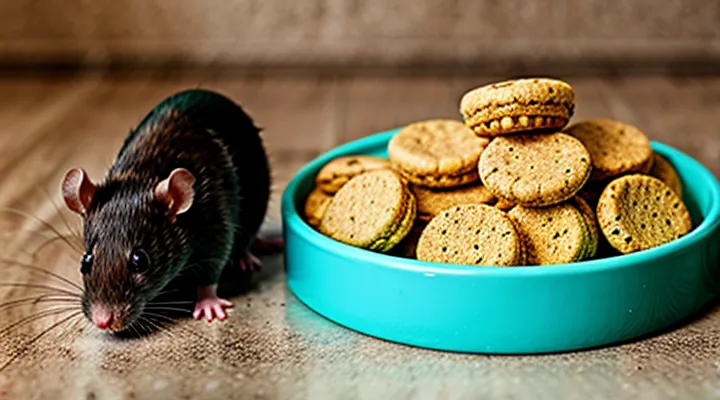
The Importance of Appropriate Rat Treats
Nutritional Considerations
Balanced Diet
A balanced diet for pet rats combines a high‑quality base food with carefully selected treats that supply essential nutrients without excess calories. Commercial rat pellets should constitute the majority of the diet, providing protein, fiber, vitamins, and minerals in calibrated ratios. Treats complement the staple feed, adding variety and reinforcing training, but must be limited to maintain nutritional equilibrium.
Suitable treats fall into three categories: protein‑rich, fiber‑rich, and vitamin‑rich. Each category contributes specific benefits, and the overall intake should not exceed 10 % of daily calories.
- Protein‑rich: cooked egg white, plain cooked chicken, low‑fat cheese, mealworms (dry‑roasted).
- Fiber‑rich: fresh leafy greens (romaine lettuce, kale), carrots, broccoli florets, small pieces of apple (seedless).
- Vitamin‑rich: bell pepper strips, blueberries, small portions of papaya, unsweetened pumpkin puree.
Treat frequency should align with the rat’s size and activity level. Provide 1–2 small pieces per day, adjusting portions to avoid weight gain. Monitor body condition regularly; a healthy rat maintains a sleek silhouette with a visible waistline.
Avoid sugary, salty, or processed foods such as candy, chips, and chocolate, as they introduce imbalanced nutrients and toxic compounds. Ensure all fresh items are washed, pesticide‑free, and cut into bite‑size pieces to prevent choking. Consistent application of these guidelines supports optimal health, longevity, and behavior in domesticated rats.
Avoidance of Harmful Ingredients
Choosing snacks for pet rats demands strict exclusion of substances known to cause toxicity or digestive distress.
Commonly encountered harmful components include:
- Chocolate, cocoa, or any products containing theobromine
- Caffeine‑containing beverages or foods
- High‑sugar candies and syrups
- Artificial sweeteners, especially xylitol
- Citrus peels and large amounts of citrus juice
- Raw onion, garlic, or chives
- Processed meats with added nitrates or high salt content
- Moldy or spoiled grains
These ingredients can trigger liver failure, cardiac arrhythmias, severe gastrointestinal upset, or irreversible neurological damage in rodents. Even low‑dose exposure may accumulate, leading to chronic health issues.
Safer options focus on natural, low‑fat, low‑sugar foods that align with a rat’s omnivorous diet. Recommended alternatives are:
- Fresh fruits such as apple slices (seed‑free), blueberries, and strawberries
- Vegetables like carrot sticks, broccoli florets, and kale leaves
- Small portions of plain, unsalted nuts (e.g., almonds, walnuts)
- Whole‑grain cereals without added sugar or salt
- Commercial rodent treats formulated without the listed toxins
Providing treats that omit the identified hazards supports optimal weight management, immune function, and overall vitality in pet rats.
Health Benefits of Treats
Mental Stimulation
Treats that engage a rat’s problem‑solving abilities enhance cognitive health while rewarding the animal. Puzzle feeders that require the rat to manipulate a container to release food encourage exploration of cause and effect. Small pieces of dried beans or pumpkin seeds placed inside a hollow wooden block create a foraging scenario that mimics natural searching behavior. Chewing sticks embedded with hidden kibble stimulate both dental wear and mental focus, as the rat must locate the morsel within the wood. Interactive balls with removable compartments allow the animal to roll the toy, discover a treat hidden inside, and practice spatial reasoning.
Examples of cognitively stimulating snacks
- Dried lentils or split peas, mixed with a few drops of millet oil, placed in a cork‑stopper maze.
- Thin slices of apple or carrot inserted into a cardboard tube, sealed with a paper clip.
- Small cubes of low‑fat cheese hidden under a layer of shredded paper in a nesting box.
- Freeze‑dried insects tucked into a hollow plastic egg that must be cracked open.
Providing these mentally engaging treats alongside a balanced diet supports learning, reduces boredom, and promotes overall well‑being in pet rats.
Dental Health
Rats require constant tooth wear to prevent overgrowth, and the choice of treats directly influences dental health. Hard, natural foods stimulate gnawing and promote enamel wear while providing nutritional value.
- Uncooked apple slices (thin, crisp)
- Small pieces of raw carrot
- Whole grain barley stalks
- Dried rosemary sprigs
- Mineral-rich chew blocks designed for rodents
These items maintain proper tooth length, reduce plaque formation, and supply essential vitamins and minerals. Monitor intake to avoid excessive sugar and ensure fresh water is always available. Regular dental checks complement dietary management and support long‑term oral health.
Recommended Treat Categories
Fruits and Vegetables
Safe Options
Veterinary guidelines identify several food items that provide nutrition without compromising health for pet rodents.
- Fresh vegetables such as broccoli florets, carrot slices, and spinach leaves, washed thoroughly and offered in small portions.
- Fruit pieces limited to low‑sugar options like apple (seedless), blueberries, and kiwi, presented no larger than a pea.
- Whole‑grain cereal products, for example unsweetened oatmeal or plain whole‑wheat crackers, softened with water to ease chewing.
- Protein sources including cooked chicken breast, hard‑boiled egg white, or plain tofu, cut into bite‑size cubes.
- Commercially formulated rodent treats that list natural ingredients, contain no added sugars or artificial preservatives, and meet the recommended calcium‑to‑phosphorus ratio.
Safe feeding practices require daily inspection of treats for spoilage, removal of any moldy or wilted pieces, and strict adherence to a limit of 10 % of total caloric intake. Portion sizes should correspond to the rat’s weight; a 300‑gram adult typically receives no more than 1–2 grams of treat material per day.
Preparation steps include washing produce under running water, removing seeds and pits, and cooking animal proteins without seasoning, oil, or sauces. Store leftovers in airtight containers within 24 hours to prevent bacterial growth.
By selecting these options and following the outlined protocols, owners can enrich their pets’ diets while maintaining optimal health standards.
Portion Sizes
Rats require small, controlled portions of treats to maintain a balanced diet and prevent obesity. A typical treat serving should not exceed 5 % of a rat’s total daily caloric intake, which averages 30–40 kcal for an adult of 200–250 g.
- Fresh fruit pieces: ¼ inch cubes, no more than one‑two pieces per day.
- Dried insects: 1–2 g, offered 3–4 times weekly.
- Commercial seed mixes: ½ teaspoon, limited to twice weekly.
- Small cheese cubes: ¼ inch, occasional reward, not more than once every five days.
Portion size must be adjusted for age, activity level, and health status. Juvenile rats tolerate slightly larger portions relative to body weight, while senior or less active individuals need reduced quantities. Monitoring body condition and weight weekly provides feedback for fine‑tuning treat amounts.
Over‑feeding leads to rapid weight gain, dental problems, and gastrointestinal upset. Therefore, treat distribution should be measured with a kitchen scale or calibrated spoon, and leftovers removed after two hours to avoid spoilage.
Consistent adherence to these guidelines ensures that treats enhance enrichment without compromising the rat’s nutritional health.
Grains and Seeds
Whole Grains
Whole grains are a valuable addition to a pet rat’s diet because they supply complex carbohydrates, dietary fiber, and essential B‑vitamins. The fiber supports gastrointestinal health, while the steady release of glucose from complex carbs helps maintain stable energy levels.
Common whole grains suitable for rats include:
- Oats (rolled or steel‑cut, uncooked)
- Brown rice (cooked, without added salt or seasoning)
- Quinoa (rinsed and cooked)
- Barley (hulled, cooked)
- Whole‑grain wheat berries (cooked)
When offering whole grains, follow these guidelines:
- Serve in small portions; a teaspoon of cooked grain per day meets the dietary requirement for most adult rats.
- Ensure grains are plain, free of sugar, salt, butter, or spices, which can cause digestive upset.
- Provide grains as part of a balanced diet that also contains fresh vegetables, high‑quality protein, and a limited amount of fruit.
- Store dry grains in airtight containers to prevent mold growth and preserve nutritional integrity.
- Observe the rat for any signs of intolerance, such as loose stools or reduced appetite, and adjust the amount accordingly.
Whole grains complement other treats by delivering sustained energy without the rapid blood‑sugar spikes associated with sugary snacks. Their inclusion enhances overall nutrition while keeping the diet diverse and engaging for the animal.
Seeds in Moderation
Seeds provide protein, essential fatty acids, and fiber that many pet rodents enjoy, yet their high fat content demands careful portion control. Excessive seed consumption can quickly lead to weight gain, liver stress, and gastrointestinal disturbances.
- Sunflower (unshelled, de‑hulled)
- Pumpkin
- Hemp
- Flax
- Millet
- Canary seed (limited)
Each seed type offers a distinct nutrient profile; for example, hemp delivers omega‑3 fatty acids, while pumpkin supplies vitamin E and calcium. Selecting low‑oil varieties and removing shells reduces caloric density and choking risk.
Guidelines for daily intake:
- Limit total seed weight to 1 – 2 grams per 100 g of body weight.
- Offer seeds no more than three times per week.
- Distribute portions throughout the day to prevent binge eating.
- Pair seeds with fresh vegetables or high‑quality pellets to maintain a balanced diet.
Potential hazards include:
- Rapid calorie surplus leading to obesity.
- Oxidized fats causing liver strain.
- Mold or pesticide residues in improperly stored seeds.
- Small seeds that may obstruct the airway if not pre‑soaked.
To mitigate risks, store seeds in airtight containers kept cool and dry, discard any that smell rancid, and consider lightly sprouting or soaking them before serving to improve digestibility. Regular weight monitoring and veterinary check‑ups ensure that seed treats remain a safe, enjoyable supplement to a rat’s primary nutrition.
Proteins
Cooked Meats
Cooked meats provide high‑quality protein and essential amino acids that support growth, muscle maintenance, and immune function in rats. The nutritional density of meat makes it a valuable supplement to a balanced grain‑based diet, especially for young, pregnant, or recovering animals.
Suitable options include:
- Chicken breast, skinless and boneless, boiled or baked without seasoning.
- Turkey thigh or breast, cooked thoroughly and trimmed of fat.
- Lean beef cuts such as sirloin, steamed or grilled without oil.
- Rabbit meat, poached or roasted, free of bones.
- Fish fillets like salmon or whitefish, baked and deboned.
Preparation guidelines:
- Cook to an internal temperature of at least 165 °F (74 °C) to eliminate pathogens.
- Remove all bones, cartilage, and visible fat to prevent choking and digestive upset.
- Avoid added salt, spices, sauces, or marinades that may contain toxic ingredients.
- Cool the meat to room temperature before offering to prevent burns.
Feeding recommendations:
- Offer 1–2 grams of cooked meat per 100 grams of body weight, once or twice weekly.
- Observe individual tolerance; discontinue if diarrhea, lethargy, or loss of appetite occurs.
- Rotate meat types to provide varied nutrient profiles and reduce the risk of nutrient imbalances.
Integrating properly prepared cooked meats into a rat’s diet enhances protein intake while maintaining overall health when administered responsibly.
Dairy Products
Dairy products can serve as occasional treats for pet rats when offered in moderation.
- Plain yogurt (unsweetened, low‑fat)
- Low‑fat cheese (e.g., mozzarella, cottage cheese)
- Kefir (plain, unflavored)
- Small portions of milk (lactose‑free or limited to tolerant individuals)
These items supply protein, calcium, and beneficial bacteria that support digestive health.
- Protein contributes to muscle maintenance and growth.
- Calcium strengthens teeth and bone density.
- Probiotic cultures promote a balanced gut microbiome.
Rats may experience lactose intolerance; excess lactose can cause diarrhea and discomfort. High‑fat cheeses increase caloric intake and risk of obesity. Avoid flavored, sweetened, or processed dairy products that contain additives, artificial sweeteners, or excessive salt.
- Offer no more than a teaspoon of yogurt or cheese per rat per day.
- Introduce new dairy items gradually and observe for adverse reactions.
- Limit treat frequency to two to three times per week.
- Provide fresh water alongside dairy treats.
Consistent monitoring of weight, coat condition, and stool consistency ensures dairy treats remain beneficial without compromising overall health.
Commercial Rat Treats
Reading Labels
When selecting premium rat snacks, the product label provides the only reliable source of factual information.
- Ingredient list – Look for whole‑food components such as dried fruits, nuts, or vegetable powders. Avoid items that list sugar, corn syrup, or artificial flavors among the first three ingredients.
- Nutritional values – Verify protein, fiber, and fat percentages align with a rodent’s dietary needs; a balanced treat typically contains 10–15 % protein, 5–10 % fiber, and less than 5 % fat.
- Additive warnings – Identify preservatives (e.g., BHT, BHA) or colorants; these substances can cause digestive upset in small mammals.
- Allergen alerts – Check for common allergens such as peanuts or dairy, especially if the rat has a known sensitivity.
- Expiration date – Confirm the product is within its shelf life; stale treats lose nutritional value and may develop mold.
Reading the label also reveals manufacturer credentials. Brands that hold pet‑food certifications or adhere to FDA guidelines demonstrate compliance with safety standards.
By scrutinizing each of these label elements, caretakers can ensure that the treats offered support health, avoid harmful substances, and meet the nutritional profile required for optimal rat wellbeing.
Occasional Use
Occasional treats should complement a balanced rat diet without replacing staple foods. Choose items low in sugar and fat, offering occasional enrichment rather than regular nutrition.
- Small pieces of fresh fruit such as apple or blueberry, limited to a few bites per week.
- Tiny portions of cooked lean protein, like chicken or boiled egg, offered no more than twice weekly.
- Commercial rat treats formulated for occasional feeding, typically containing 5–10 % of the daily caloric intake.
- Natural nuts, for instance unsalted almonds or walnuts, cut into tiny fragments and given once a week.
When offering a treat, monitor the rat’s weight and behavior. If the animal shows signs of excess weight or digestive upset, reduce or discontinue the treat. Store perishable treats in the refrigerator and discard any that become moldy or stale. Use occasional snacks as a tool for training, bonding, or environmental enrichment, not as a primary food source.
Treats to Avoid
Sugary and Processed Foods
Candies and Chocolates
Candies and chocolates are popular human treats, but they present significant health risks for pet rats. Rats lack the enzyme systems needed to metabolize theobromine and high sugar loads, leading to potential cardiac arrhythmias, seizures, and gastrointestinal distress. Even small quantities of dark chocolate can exceed a rat’s tolerable theobromine threshold, while milk chocolate contains similar toxins in lower concentrations but remains unsafe.
If a rat consumes any candy or chocolate, immediate observation for signs of hyperactivity, vomiting, or tremors is essential. Veterinary intervention may be required to prevent severe complications. Consequently, these sweets should be excluded from a rat’s diet.
Safer alternatives that satisfy a rat’s preference for sweet flavors include:
- Fresh fruit pieces (apple, pear, berries) in limited portions
- Small cubes of unsweetened banana or melon
- Commercially formulated rodent treats with low sugar and no cocoa
When offering any treat, ensure it constitutes no more than 5 % of daily caloric intake and is introduced gradually to monitor tolerance.
Human Junk Food
Human junk food frequently appears in households where pet rats live, yet its nutritional profile differs sharply from species‑appropriate snacks. Processed items contain high levels of sugar, salt, and unhealthy fats, which can disrupt a rat’s digestive balance and promote obesity, dental disease, and metabolic disorders.
-
Safe occasional treats
• Plain, unsalted popcorn (air‑popped) – low‑calorie, limited fiber.
• Small pieces of plain baked potato chips – minimal oil, no flavor additives.
• Plain pretzel sticks – low sugar, moderate sodium; limit to one‑two centimeters per rat. -
Problematic items
• Candy, chocolate, and sugary pastries – excessive sugar, toxic theobromine in chocolate.
• Fried foods (e.g., French fries, chicken nuggets) – high fat, trans‑fat content, salt.
• Processed meats with preservatives (e.g., pepperoni, hot dogs) – nitrates, high sodium, potential carcinogens.
When offering permitted junk‑food items, restrict portions to no more than 5 % of daily caloric intake. Provide the treat once or twice per week, monitor for changes in weight, stool consistency, and activity level. Replace frequent junk‑food exposure with species‑specific vegetables, fruits, and commercial rat treats to maintain optimal health.
Foods High in Fat and Salt
Fried Foods
Rats can enjoy occasional fried items, but only when the food meets strict nutritional and safety criteria.
- Use low‑fat, lightly battered vegetables such as zucchini or sweet potato.
- Avoid breaded meats; high saturated fat and sodium increase the risk of obesity and heart disease.
- Prepare at home: cut pieces to ¼‑inch cubes, coat with a thin layer of whole‑grain flour, and fry in a small amount of vegetable oil heated to 350 °F. Drain on paper towels and let cool completely before offering.
When selecting fried treats, prioritize ingredients that provide fiber, vitamins, and minimal additives. Whole‑grain flours, unsalted oil, and natural seasonings (e.g., a pinch of dried herbs) keep the snack within a healthy calorie range.
Potential hazards include:
- Excess fat leading to weight gain and hepatic lipidosis.
- Salt or seasoning residues causing electrolyte imbalance.
- Oil residues that may become rancid, introducing toxins.
Limit fried offerings to no more than one small piece per week, and always monitor the rodent for signs of digestive upset or changes in behavior. For a balanced diet, replace fried treats with raw or steamed vegetables, fruits, and commercially formulated rat pellets.
In summary, fried foods can be incorporated sparingly into a rat’s diet if they are low‑fat, low‑salt, and prepared under controlled conditions, ensuring the snack contributes nutrients without compromising health.
Salty Snacks
Salty treats can be a valuable addition to a rat’s diet when chosen carefully. Small quantities of low‑sodium options provide mineral balance without overwhelming the animal’s renal system. Commercially prepared rodent treats labeled “lightly salted” typically contain less than 0.1 % sodium, a level that aligns with the species’ physiological tolerance.
Recommended salty snacks include:
- Unsalted or lightly salted popcorn kernels, broken into bite‑size pieces.
- Dried seaweed strips (nori) with reduced sodium content.
- Small cubes of low‑sodium cheese, such as mozzarella or cottage cheese.
- Dehydrated beet chips seasoned with a pinch of salt.
When offering these items, observe the following guidelines: limit portions to no more than one teaspoon per day; monitor the rat for signs of dehydration or excessive thirst; rotate snack types to prevent dietary monotony; and ensure fresh water is always available. Selecting products with verified sodium levels and avoiding heavily seasoned human foods reduces the risk of hypertension and kidney strain, supporting overall health while satisfying the animal’s preference for salty flavors.
Toxic Plants and Ingredients
Common Household Dangers
When providing premium snacks to pet rats, owners must recognize everyday hazards that can turn a treat into a health risk.
- Toxic foods such as chocolate, caffeine, onion, garlic, and processed meats.
- Small objects like plastic beads, rubber bands, and loose screws that can be swallowed or cause intestinal blockage.
- Open electrical cords and exposed wiring that may be gnawed, leading to burns or shock.
- Household cleaners, pesticides, and essential oils stored within reach, which can cause poisoning if ingested or inhaled.
- Loose litter, paper towels, and fabric scraps that present choking or entanglement dangers.
Mitigation requires securing food in rat‑safe containers, inspecting the cage area for stray items, covering or routing cords away from reach, and storing chemicals in locked cabinets. Regularly audit the environment to eliminate new risks as the rat explores. Maintaining a controlled setting preserves the nutritional benefits of top‑quality rat treats while preventing accidental injury or illness.
Foods with Potential Allergens
Rats can develop sensitivities to specific proteins, fats, or additives found in common treat ingredients. Recognizing these triggers helps prevent respiratory irritation, skin inflammation, or gastrointestinal upset.
- Dairy products – lactose and casein may provoke digestive distress and skin reactions in susceptible individuals. Offer only minimal amounts of plain cheese or yogurt, and monitor for swelling or diarrhea.
- Eggs – albumin is a known allergen for many mammals. Raw or lightly cooked eggs should be avoided unless a tolerance test confirms safety.
- Nuts and seeds – peanuts, almonds, and sunflower seeds contain high‑fat proteins that can elicit immune responses. Use unsalted, unroasted varieties sparingly and observe for hives or respiratory changes.
- Soy derivatives – soy protein isolate and tofu are frequent components of commercial treats. Some rats exhibit hypersensitivity, manifested by itching or loose stools.
- Gluten‑containing grains – wheat, barley, and rye provide gluten, which may trigger dermatitis or gut inflammation. Opt for gluten‑free grains such as rice or quinoa when testing tolerance.
- Artificial flavorings and colorings – synthetic additives can cause allergic skin lesions or behavioral agitation. Select treats labeled free of artificial compounds.
When introducing any new treat, administer a single, small portion and record the rat’s behavior, coat condition, and stool consistency for at least 48 hours. If signs of an allergic response appear, discontinue the item and consult a veterinarian. Substituting hypoallergenic alternatives—steamed sweet potato, fresh apple slices (without seeds), or plain pumpkin puree—provides safe enrichment without the risk of immune reactions.
Best Practices for Feeding Treats
Frequency and Amount
Daily vs. Weekly Treats
Rats thrive on a diet that balances staple nutrition with occasional indulgences. Daily treats should be low‑calorie, high‑fiber items that reinforce chewing behavior without displacing essential nutrients. Suitable options include small pieces of fresh carrots, cucumber, or a few unsalted peanuts. Limit portions to no more than 5 % of the total daily caloric intake to prevent weight gain.
Weekly treats serve as enrichment and can be richer in protein or fat, provided they are offered sparingly. Examples are boiled egg white, a slice of apple with skin, or a tiny dollop of plain yogurt. These foods supply nutrients that are not routinely present in the standard diet, but their frequency must remain limited to avoid digestive upset.
Comparison of daily and weekly treats
- Caloric load – Daily: ≤5 % of daily calories; Weekly: ≤10 % of weekly calories.
- Nutrient focus – Daily: fiber, moisture, mild taste; Weekly: protein, vitamins, occasional fats.
- Portion size – Daily: a few grams per day; Weekly: a single bite‑sized serving.
- Purpose – Daily: maintain dental health and habit; Weekly: provide novelty and supplemental nutrients.
Monitoring body condition and adjusting treat frequency ensures that rats receive the benefits of enrichment without compromising health. Regular veterinary check‑ups can confirm that the chosen schedule aligns with the animal’s specific metabolic needs.
Moderation is Key
Treat selection for pet rats should prioritize nutritional balance, not indulgence. Even the healthiest snack can disrupt digestion or cause weight gain if offered without limits.
- Fresh fruit cubes (e.g., apple, banana): 1–2 small pieces, no more than three times weekly.
- Vegetables such as carrot, broccoli, or bell pepper: ½ ‑ 1 cm strip, up to four times weekly.
- Protein treats (hard‑boiled egg, cooked chicken): ¼ ‑ ½ teaspoon, limited to twice weekly.
- Commercial rat treats: 1–2 grams, no more than once weekly.
Excessive quantities lead to soft stools, bloating, or obesity. Monitor body condition regularly; a visible waist and ability to feel ribs without excess fat indicate appropriate intake. Adjust portions immediately if any digestive irregularities appear.
Daily feeding should consist of a measured staple diet; treats supplement, not replace, this base. Provide treats in small, single‑serving portions and remove uneaten pieces within 24 hours to prevent spoilage.
Consistent moderation preserves health, encourages natural foraging behavior, and extends lifespan without sacrificing enjoyment.
Introduction of New Treats
Gradual Introduction
When offering new snacks to a pet rat, begin with a minimal amount to gauge acceptance and avoid digestive upset. Introduce a single bite-sized piece of the chosen treat and observe for signs of interest or aversion. If the rat eats the sample without hesitation, repeat the offering after a 24‑hour interval, gradually increasing the portion size.
Repeat the cycle for several days, monitoring weight, stool consistency, and overall activity. Should any adverse reaction appear—such as diarrhea, reduced appetite, or lethargy—discontinue the treat and revert to the regular diet. After confirming tolerance, incorporate the treat into a regular rotation, limiting it to no more than 5 % of daily caloric intake.
Step‑by‑step protocol
- Select a low‑sugar, low‑fat snack suitable for rodents.
- Offer one ¼‑inch piece on a clean surface.
- Wait 30 minutes; note whether the rat consumes the sample.
- If accepted, repeat after 24 hours, increasing the piece to ½ inch.
- Continue daily increments until the desired serving size is reached, then schedule the treat 2–3 times per week.
Consistent, measured exposure reduces the risk of food intolerance and helps the rat develop a positive association with new flavors. This method also allows owners to track preferences and adjust the treat lineup accordingly.
Monitoring for Reactions
When introducing new foods to pet rodents, systematic observation is essential to ensure safety and well‑being. Begin by offering a small portion of the selected snack and watch the animal for at least 30 minutes. Record any changes in behavior, appetite, or physical condition.
Key indicators to track include:
- Gastrointestinal signs – diarrhea, constipation, bloating, or reduced fecal output.
- Respiratory changes – labored breathing, sneezing, or nasal discharge.
- Dermatological reactions – itching, redness, or swelling around the mouth and paws.
- Neurological symptoms – tremors, disorientation, or loss of balance.
- General activity – lethargy, hyperactivity, or refusal to move.
If any adverse response appears, cease the treat immediately and consult a veterinarian. Maintain a log detailing the type of snack, quantity, time of administration, and observed reactions. This record supports trend analysis and informs future dietary choices, reducing the risk of repeat incidents.
Treat Dispensing Methods
Hand-Feeding
Hand-feeding allows owners to present treats directly to a rat, facilitating precise portion control and immediate observation of the animal’s reaction. The practice strengthens the bond between caregiver and pet while providing an opportunity to assess appetite and overall health.
Controlled portions reduce the risk of obesity and enable the introduction of new flavors without overwhelming the digestive system. Direct interaction also encourages trust, making future handling and veterinary examinations smoother.
Safe hand-feeding requires clean hands, small bite‑size pieces, and a calm environment. Offer one or two pieces at a time, wait for the rat to accept the treat, and withdraw the hand if the animal shows signs of stress. Limit sessions to a few minutes to prevent overstimulation.
- Small pieces of fresh apple (core removed)
- Tiny cubes of cooked sweet potato, cooled
- Bits of plain, unsalted cheese (no more than a pea‑size piece)
- Tiny rolls of boiled egg white, cut into 2‑mm segments
- Minute strips of dried millet or oat flakes, softened in water
Avoid foods that are toxic to rodents, such as chocolate, caffeine, onions, garlic, and raw beans. Limit sugary or fatty treats to prevent weight gain and dental issues. Regularly rotate treat options to maintain nutritional balance and prevent boredom.
Enrichment Toys
Enrichment toys that double as treats support dental health, mental stimulation, and natural foraging instincts in rats. Selecting items that are safe to chew and nutritionally beneficial maximizes the overall value of a snack regimen.
- Wooden chew blocks – untreated hardwood such as apple or willow provides fiber while encouraging gnawing, reducing overgrown incisors.
- Puzzle feeders – compartments that release small portions of dried legumes or seed mixes when manipulated, prompting problem‑solving behavior.
- Silicone tunnels with hidden food pockets – flexible material resists damage; hidden treats encourage exploration and activity.
- Natural rope bundles – twisted hemp or cotton rope infused with powdered vegetables releases tiny bites as the rat pulls, fostering tactile interaction.
- Interactive balls with treat chambers – rolling motion distributes occasional morsels of freeze‑dried fruit, reinforcing movement and reward cycles.
When integrating these toys, rotate options weekly to prevent habituation. Monitor each item for wear; replace any that show splintering or excessive fraying. Pair the toys with a balanced diet of grains, proteins, and fresh produce to maintain optimal health while delivering engaging treat experiences.
Frequently Asked Questions about Rat Treats
Are all fruits and vegetables safe?
Rats thrive on a balanced diet that includes fresh produce, but not all fruits and vegetables are appropriate. Safe options provide essential vitamins, minerals, and fiber without posing health risks.
- Apples (core removed, no seeds)
- Blueberries
- Strawberries (in moderation)
- Bananas (small pieces)
- Carrots (raw or lightly steamed)
- Bell peppers (all colors)
- Cucumber
- Zucchini
- Leafy greens such as romaine lettuce, kale, and spinach (limited due to oxalates)
- Broccoli florets
- Peas
Unsafe items contain toxins or compounds that can cause digestive upset, organ damage, or death. Rats should never receive these:
- Citrus fruits (oranges, lemons, grapefruits) – high acidity can irritate the stomach
- Avocado – persin is toxic to rodents
- Rhubarb leaves – contain oxalic acid
- Raw potato skins and green potatoes – solanine is poisonous
- Tomato leaves and stems – also high in solanine
- Onions, garlic, and chives – cause hemolytic anemia
- Chocolate, caffeine, and alcoholic beverages – not produce‑based but commonly mistaken as treats
Feeding guidelines:
- Introduce new produce gradually, observing for signs of diarrhea or loss of appetite.
- Offer only 10‑15 % of the total daily intake as fresh fruits or vegetables; the remainder should consist of a high‑quality rodent pellet and occasional protein sources.
- Wash all produce thoroughly to remove pesticides and contaminants.
- Cut items into bite‑size pieces to prevent choking.
Consistent monitoring and adherence to these selections ensure that fruit and vegetable treats enhance health without introducing avoidable hazards.
Can rats eat human food?
Rats can consume a variety of foods that humans also eat, but safety depends on species, preparation, and portion size.
Safe human foods for rats include:
- Fresh fruits such as apple (core removed), banana, berries, and melon.
- Vegetables like carrot, broccoli, cucumber, and leafy greens (e.g., romaine, kale) without thick stems.
- Cooked lean proteins: plain chicken, turkey, or boiled eggs, shredded into small pieces.
- Whole grains: oatmeal, whole‑wheat bread, and plain rice, offered in modest amounts.
- Unsalted nuts and seeds (e.g., almonds, sunflower seeds) as occasional treats, limited to a few pieces per week.
Foods that must be avoided because they are toxic or harmful:
- Chocolate, caffeine, and any products containing theobromine.
- Processed meats with high salt or spices, including bacon and sausage.
- Citrus peels, onion, garlic, and chives, which can cause hemolytic anemia.
- Sugary snacks, candy, and artificial sweeteners.
- Raw beans, especially kidney beans, which contain lectins harmful to rodents.
When offering human food, follow these guidelines:
- Serve only fresh, unseasoned items; remove seeds, pits, and skins that may contain toxins.
- Limit treats to no more than 10 % of the total daily caloric intake.
- Introduce new foods gradually, observing the rat for signs of digestive upset.
- Store leftovers in a refrigerator and discard any food that becomes stale or moldy.
Choosing appropriate human foods expands dietary variety while maintaining health. Consistent use of the safe items listed above provides enrichment without compromising the rat’s nutritional balance.
How often should I give my rat treats?
Treats should complement, not replace, a rat’s balanced diet. Offering them too often leads to obesity, dental issues, and nutrient imbalance; offering them too rarely deprives the animal of enrichment and motivation for training.
A practical schedule:
- Small daily treats – one or two pieces the size of a pea, given after a training session or as a brief reward.
- Larger treats – a bite‑sized piece of fruit, vegetable, or commercial snack, limited to three times per week.
- Special treats – high‑fat or sugary items (e.g., sunflower seeds, dried fruit) – no more than once a week and only for short periods.
Adjust frequency based on:
- Age – juveniles require fewer calories; limit treats to a few times weekly.
- Health status – overweight or diabetic rats need stricter limits, often only minimal daily treats.
- Activity level – highly active rats can tolerate slightly more frequent small treats.
Monitor body condition weekly; if weight gain exceeds 5 % over a month, reduce treat frequency or size. Consistent observation ensures treats remain a positive, health‑supporting addition to the rat’s diet.