
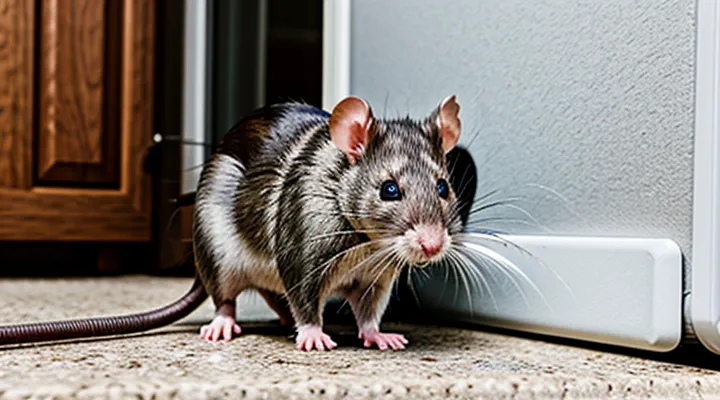
Understanding the Rat Problem
Signs of Rat Infestation
Common Indicators
Rats leave unmistakable signs that confirm an infestation and guide the selection of control measures. Recognizing these indicators early prevents structural damage and health risks.
- Droppings: Small, dark pellets, ¼‑inch long, found near food sources, in cabinets, or along walls.
- Gnaw marks: Fresh, clean cuts on wood, plastic, or wiring; teeth leave parallel scratches.
- Nest material: Shredded paper, fabric, insulation, or dried plant matter gathered in concealed corners.
- Odor: Strong, musky scent from urine and gland secretions, especially in confined spaces.
- Footprints and tail marks: Visible on dusty surfaces, often accompanied by small, dark smears.
- Sounds: Scratching or scurrying noises in attics, walls, or crawl spaces, most noticeable at night.
- Sightings: Live rats or fresh carcasses in basements, garages, or around garbage containers.
Each indicator points to specific activity zones, helping homeowners focus bait placement, trap installation, or professional intervention where it is most effective.
Where to Look
When hunting for effective rat‑control measures in a residence, begin by surveying the structure’s most vulnerable points. Inspect the foundation for gaps larger than a quarter‑inch, especially where utility lines enter the home. Examine the attic, crawl spaces, and under‑floor voids for gnaw marks, droppings, or shredded insulation. Outside, focus on the perimeter: check the roofline for broken tiles, seal any openings around vents, and verify that the drainage system directs water away from the foundation.
Identify storage areas that provide easy access to food or shelter. Kitchen cabinets, pantry shelves, and garbage bins should be cleared of crumbs and sealed with tight‑fitting lids. Outdoor sheds, compost piles, and garden sheds require regular cleaning and the removal of standing water.
For product acquisition, target the following sources:
- Specialized pest‑control retailers that stock rodent‑specific traps, bait stations, and exclusion kits.
- Large‑format home‑improvement chains offering a range of snap traps, electronic devices, and sealing materials.
- Certified online distributors that provide detailed product specifications, user manuals, and customer support.
Consult local health‑department guidelines to confirm that selected methods comply with regional regulations. When possible, request a professional inspection to pinpoint hidden entryways that may escape a visual survey. This systematic approach narrows the search to the most relevant locations and resources, ensuring an efficient deployment of rat‑control solutions.
Risks Associated with Rats
Health Hazards
Rats in residential environments pose a direct threat to human health through multiple pathways. Their presence introduces pathogens, triggers allergic reactions, and contaminates food and surfaces with urine, feces, and saliva.
- Disease transmission: Rats carry bacteria (e.g., Salmonella spp., Leptospira spp.), viruses (e.g., hantavirus), and parasites (e.g., Trichinella spp.) that can infect occupants via inhalation, ingestion, or skin contact.
- Allergen exposure: Proteins in rat urine, dander, and droppings provoke asthma attacks and allergic rhinitis, especially in children and sensitized adults.
- Food and water contamination: Secretions infiltrate stored food, kitchen utensils, and drinking water, creating conditions for foodborne illness.
- Secondary pest attraction: Rat waste supports fleas, mites, and flies, extending the vector network for additional diseases.
Effective rat management in a private dwelling reduces these hazards by eliminating sources of exposure. Primary control measures include:
- Mechanical trapping: Snap or electronic traps remove individual rodents, immediately decreasing waste accumulation and pathogen load.
- Rodenticides with bait stations: Enclosed bait reduces accidental poisoning while delivering lethal doses that cut population size, limiting disease reservoirs.
- Structural exclusion: Sealing entry points (gaps, vents, utilities) prevents new infestations, sustaining a low‑risk environment.
- Sanitation practices: Regular removal of food debris, proper waste storage, and prompt cleaning of droppings diminish attractants and reduce allergen concentration.
Implementing these interventions in a coordinated plan curtails the health risks associated with rat activity, safeguarding occupants without reliance on speculative assessments.
Property Damage
Rats inflict extensive property damage that directly compromises the safety and value of a residence. Their incisors gnaw through electrical wiring, creating fire hazards and costly repairs. Structural components such as wooden beams, insulation, and drywall suffer from burrowing and nesting, leading to weakened support and increased moisture intrusion. Contaminated food stores and surfaces become breeding grounds for disease, forcing replacement of pantry items and cleaning of affected areas.
Typical damage manifestations include:
- Severed or exposed electrical cables, raising the risk of short circuits.
- Compromised insulation, resulting in heat loss and higher energy bills.
- Holes in walls, floors, and foundations that facilitate further pest entry.
- Stained and chewed upholstery, carpet, and bedding requiring replacement.
- Contaminated storage containers and food supplies necessitating disposal.
Effective rat management strategies mitigate these losses by eliminating access points, employing proven baiting systems, and integrating monitoring devices. Sealing entryways, maintaining a clean environment, and selecting appropriate control products collectively reduce the likelihood of structural compromise and associated repair expenses.
DIY Rat Control Methods
Trapping Solutions
Snap Traps
Snap traps provide immediate, physical removal of rats in residential environments. The device consists of a spring‑loaded bar that closes rapidly when a rat activates a trigger mechanism, delivering a lethal blow to the neck or spinal column.
The action relies on a bait‑laden platform that releases stored tension. When the rodent applies pressure, the spring releases, driving the bar downward at speeds exceeding 30 m/s, ensuring swift incapacitation.
Advantages
- Instant kill eliminates disease transmission risk.
- No chemical exposure for occupants or pets.
- Reusable components reduce long‑term expense.
- Compact design allows placement in confined entry points.
Limitations
- Requires careful handling to avoid accidental injury.
- Effectiveness declines if bait is not attractive to local rat species.
- Visible traps may deter cautious rodents.
- Disposal of dead rodents must follow local sanitation regulations.
Choosing an appropriate snap trap involves evaluating:
- Bar length (minimum 2 inches for adult rats).
- Trigger sensitivity (adjustable settings accommodate cautious or aggressive rats).
- Construction material (stainless steel resists corrosion in damp basements).
- Bait compatibility (compatible with peanut butter, dried fruit, or commercial lure).
Optimal placement follows these principles:
- Locate along walls, behind appliances, and near known gnawing sites.
- Position bait side facing the wall to encourage entry.
- Set traps at a height of 2–4 inches above the floor, matching rat movement pathways.
- Rotate trap locations weekly to prevent habituation.
Safety measures include wearing thick gloves during setup, securing traps out of reach of children and non‑target animals, and using a disposable bag for carcass removal. After capture, seal the carcass, dispose of it according to municipal guidelines, and reset the trap with fresh bait.
Cost per unit ranges from $5 for basic models to $20 for premium, adjustable designs. Bulk purchasing can lower per‑trap expense, making snap traps a financially viable option for sustained rat management in a private home.
Live Traps
Live traps capture rats without killing them, allowing homeowners to relocate the animals safely. The devices consist of a sturdy cage, a trigger mechanism, and a secure door that closes once the rodent enters.
Key features of effective live traps include:
- Durable wire mesh that prevents escape.
- Sensitive trigger plates that activate with minimal weight.
- Easy‑to‑open doors for quick release.
- Size options ranging from small (for juvenile rats) to large (for adult specimens).
When selecting a live trap, consider the following criteria:
- Material strength – Heavy‑gauge steel resists gnawing and prolongs product life.
- Trigger sensitivity – Adjustable mechanisms accommodate different rodent weights, reducing false triggers.
- Ease of cleaning – Removable trays simplify sanitation after each capture.
- Portability – Compact models facilitate placement in tight spaces such as wall voids or attic corners.
Proper placement maximizes capture rates. Position traps along established runways, near walls, and close to food sources. Bait with high‑protein items—peanut butter, dried fruit, or fish—enhances attraction. Check traps at least twice daily; prolonged confinement raises stress for the captured rat and increases the risk of injury.
After capture, relocate the animal at least 200 meters from the residence, preferably in a wooded area with natural shelter. Release the rat facing away from the home to reduce the likelihood of immediate return. Clean the trap with hot, soapy water and disinfect to prevent disease transmission before redeployment.
Cost considerations: basic cage traps start around $15, while models with advanced triggers and larger capacities may reach $40. Bulk purchases often reduce per‑unit price, making widespread deployment feasible for severe infestations.
Live traps provide a humane alternative to lethal methods, enable targeted removal, and eliminate the need for chemical rodenticides. Their effectiveness depends on correct baiting, strategic placement, and diligent monitoring.
Glue Traps
Glue traps consist of a flat, adhesive‑coated surface that immobilizes rodents upon contact. The traps require no bait, making them a low‑maintenance option for indoor use.
Effectiveness depends on proper placement. Position traps along walls, behind appliances, and in areas with visible rodent activity. Check traps daily; captured rats remain stuck until removal.
Advantages
- Immediate capture without chemical exposure.
- Minimal visual impact; traps are thin and discreet.
- Low cost per unit, allowing widespread deployment.
Disadvantages
- Captured animals may suffer prolonged distress.
- Traps can attract non‑target species such as insects or small pets.
- Disposal requires careful handling to avoid accidental contact with adhesive.
Safety measures include sealing traps in a plastic bag before disposal and wearing gloves to prevent skin adhesion. Avoid placement where children or pets can reach the traps; consider mounting on a protective barrier or using a trap with a cover.
When selecting glue traps, evaluate:
- Adhesive strength – strong enough to hold a rat’s weight.
- Size – sufficient surface area to capture larger rodents.
- Material durability – resistant to moisture in kitchens or basements.
Proper disposal involves placing the entire trap in a sealed container, then discarding it according to local waste regulations. Replacing traps after each capture maintains effectiveness and reduces the risk of secondary infestations.
Baits and Lures
Commercial Baits
Commercial baits provide a targeted approach for eliminating rats in a household setting. Formulated for indoor and outdoor use, they deliver a controlled dose of rodenticide that disrupts blood clotting or interferes with the nervous system, leading to death after several days of consumption.
The most common active agents are anticoagulants such as bromadiolone and difethialone, neurotoxins like bromethalin, and vitamin‑D analogues such as cholecalciferol. Each agent operates through a distinct physiological pathway, allowing selection based on resistance patterns observed in local rodent populations.
Products appear as solid blocks, granular pellets, or pre‑sealed bait stations. Blocks and pellets are suitable for concealed corners, while stations protect the bait from non‑target animals and reduce accidental exposure. Stations are typically made of hardened plastic with a lockable latch, meeting regulatory standards for tamper‑resistance.
Safety protocols require placement at least 2 feet from food preparation surfaces, pet feeding areas, and children’s play zones. Stations should be mounted on walls or placed under eaves where rats travel but humans rarely reach. Monitoring involves weekly inspection of bait consumption, station integrity, and signs of new activity.
Advantages
- High lethality with minimal bait quantity
- Ability to address hidden infestations
- Compatibility with integrated pest‑management programs
Limitations
- Potential risk to pets and children if stations are breached
- Development of resistance if the same active ingredient is overused
- Legal restrictions on certain rodenticides in residential districts
When selecting a commercial bait, verify that the product is registered for residential use, matches the identified resistance profile, and includes a tamper‑resistant delivery system. Deploy stations strategically, maintain a log of bait placement and consumption, and replace any depleted units promptly. This disciplined application maximizes efficacy while maintaining household safety.
Natural Deterrents
Natural deterrents provide a chemical or sensory barrier that discourages rats without the use of poisons or traps.
- Peppermint oil: Concentrated oil applied to cotton balls or cloth strips creates a strong scent rats avoid. Replace every two to three days to maintain potency.
- Ammonia: A mixture of equal parts water and ammonia, placed in shallow containers near entry points, produces vapors that repel rodents. Ensure adequate ventilation to prevent irritation to humans and pets.
- Cayenne or chili powder: Sprinkling the powder along baseboards, behind appliances, and around holes creates an uncomfortable irritation on the rats’ mucous membranes. Reapply after cleaning or exposure to moisture.
- Predator urine: Commercially available urine from foxes, coyotes, or feral cats imitates the presence of natural enemies. Distribute in small sachets at suspected pathways; refresh weekly to sustain the scent.
- Vinegar: A 50 % vinegar solution sprayed on surfaces where rats travel interferes with their scent trails, making navigation difficult. Reapply after cleaning or rain.
Effective deployment requires identification of rat activity zones, sealing of obvious entry points, and regular monitoring. Combining two or more natural agents enhances coverage and reduces the likelihood of habituation. Safety measures include wearing gloves when handling concentrated oils or powders and storing all deterrents out of reach of children and domestic animals. Continuous observation will indicate which deterrent maintains the highest level of rodent avoidance, allowing for targeted adjustments without resorting to lethal methods.
Exclusion Techniques
Sealing Entry Points
Sealing entry points prevents rats from accessing a residence by eliminating the pathways they exploit for shelter and food. Identify potential openings by inspecting the building envelope: gaps around doors, windows, utility penetrations, vents, and foundation cracks. Measure each opening and match it with an appropriate barrier material.
- Steel wool or copper mesh: pack tightly into small holes (≤¼ in) before applying sealant; rodents cannot gnaw through metal.
- Expanding polyurethane foam: fill irregular gaps up to 2 in, then trim excess; select low‑expansion formula to avoid pressure damage.
- Cement‑based mortar or concrete patch: repair larger cracks in foundations and walls; ensure cure time before re‑exposure.
- Weather‑stripping and door sweeps: install on exterior doors to close gaps beneath thresholds; replace worn components annually.
- Metal flashing or hardware cloth: cover vents, exhaust pipes, and crawl‑space openings; secure with stainless‑steel screws to resist corrosion.
After installation, conduct a follow‑up inspection to confirm that no gaps remain, focusing on areas where sealing material may have contracted or detached. Reapply sealant as needed, especially after seasonal temperature fluctuations that can cause movement in building materials. Maintaining a fully sealed envelope reduces the likelihood of rat intrusion and supports long‑term pest‑management effectiveness.
Maintaining Property
Effective rat management begins with diligent property upkeep. A well‑maintained home reduces shelter and food sources that attract rodents, making control measures more reliable.
Regular inspection of the building envelope identifies gaps, cracks, and openings where rats can enter. Seal these points with steel wool, caulk, or metal flashing to create a barrier that withstands gnawing. Pay particular attention to areas around utility penetrations, foundation joints, and roof eaves.
Sanitation practices remove the attractants that sustain infestations. Store food in airtight containers, clean spills promptly, and keep garbage in sealed bins. Eliminate standing water and excess vegetation near the foundation, as moisture and dense plant growth provide favorable habitats.
Structural maintenance supports the longevity of control devices. Install snap traps or electronic bait stations in concealed locations, then verify that mounting brackets remain secure and that bait stations are not compromised by weather or pests. Replace damaged equipment immediately to preserve effectiveness.
Implement a schedule for ongoing monitoring:
- Quarterly visual inspection of exterior walls, vents, and crawl spaces.
- Monthly cleaning of kitchen surfaces, pantry shelves, and waste containers.
- Bi‑annual review of sealing materials and repair of any new openings.
- Annual professional assessment of trap placement and bait efficacy.
By integrating these maintenance actions, homeowners create an environment that discourages rat activity, enhances the performance of control solutions, and protects the property’s structural integrity.
Professional Rat Control Services
When to Call an Exterminator
Severe Infestations
Severe rat infestations demand immediate, coordinated action to protect health, property, and food supplies. The first priority is to assess the magnitude of the problem: count active burrows, droppings, gnaw marks, and live sightings. This data guides the selection of control measures and determines whether professional assistance is required.
Effective measures for intense infestations include:
- Snap traps – high‑impact, instant‑kill devices placed along walls, behind appliances, and in concealed pathways. Use multiple traps per location to increase capture rates.
- Electronic traps – deliver a lethal shock, allow safe disposal, and reduce the risk of non‑target injuries.
- Bait stations – sealed containers holding anticoagulant or non‑anticoagulant rodenticide. Position stations away from children and pets; replace them according to label instructions.
- Professional extermination – licensed technicians provide integrated pest management, combining toxic baits, fumigation, and structural sealing. Opt for this route when population density exceeds 50 individuals per 100 sq ft or when disease risk escalates.
- Exclusion – seal entry points larger than ¼ in using steel wool, metal flashing, or cement. Inspect foundations, vents, and utility openings weekly until no new activity is observed.
- Sanitation – eliminate food sources by storing grains, pet food, and waste in airtight containers; remove standing water; and clean debris that offers shelter.
Implementation sequence:
- Deploy traps and bait stations throughout the interior, focusing on high‑traffic zones.
- Conduct daily checks, record captures, and reset devices.
- Initiate exclusion work after initial reduction in activity; re‑inspect for new gaps.
- If capture numbers remain high after two weeks, schedule a professional service for comprehensive treatment.
Monitoring continues for at least one month after the last capture. Persistent signs—fresh droppings, gnaw marks, or new burrows—indicate incomplete eradication and require additional intervention. Maintaining a clean environment and regular inspection prevents re‑infestation and safeguards the household against future outbreaks.
Recurring Problems
Rats frequently reappear after an initial control effort, indicating that a single intervention rarely resolves an infestation. The most common causes are:
- Inadequate sealing of entry points, allowing new individuals to enter the home.
- Improper bait placement, resulting in avoidance or selective feeding.
- Use of traps that do not match rat behavior, leading to low capture rates.
- Failure to maintain sanitation, providing abundant food sources that attract rodents.
- Overreliance on chemical agents without addressing underlying habitat conditions.
These issues often coexist, creating a feedback loop that undermines control measures. For example, insufficient exclusion work permits continuous ingress, while scattered food debris sustains the population that evades bait stations. Ignoring any element of the cycle typically produces a resurgence within weeks.
Effective management requires simultaneous attention to structural, environmental, and behavioral factors. Regular inspection of foundations, consistent removal of food residues, strategic positioning of traps and baits, and periodic reassessment of exclusion integrity constitute a comprehensive response that interrupts the pattern of recurring infestations.
What to Expect from Professionals
Inspection Process
A thorough inspection establishes the baseline for any rat‑control strategy in a residence. Begin by identifying entry points: examine gaps around doors, windows, utility penetrations, and foundation cracks. Measure each opening and note the materials required for sealing, such as steel wool, caulk, or metal flashing.
Next, assess interior conditions that attract rodents. Look for food sources left uncovered, overflowing trash containers, and clutter that provides shelter. Document locations of standing water, leaky pipes, and damp basements, as moisture supports nesting.
Proceed to trace active pathways. Follow droppings, gnaw marks, and urine stains from suspected entry points toward nesting sites. Use a flashlight to inspect attic insulation, wall voids, and crawl spaces. Record the distance between entry and nesting areas to determine the most effective placement of traps or bait stations.
Finally, compile findings into a concise report. Include:
- List of all entry points with dimensions
- Inventory of attractants and recommended removal steps
- Map of rodent activity routes
- Suggested sealing materials and locations
- Recommended timing for deploying control devices based on observed activity patterns
The completed inspection guides the selection and placement of the most appropriate rat‑control solutions for the household.
Treatment Plans
Effective rat management in a residence begins with a structured treatment plan that integrates inspection, sanitation, exclusion, and targeted control measures.
A typical plan proceeds as follows:
- Inspection – Identify active nests, droppings, gnaw marks, and entry points. Use flashlights and mirror tools to assess concealed areas such as attics, crawl spaces, and behind appliances.
- Sanitation – Eliminate food sources by storing pantry items in sealed containers, removing pet food after feeding, and securing garbage bins with tight‑fitting lids. Clean spills promptly and dispose of clutter that offers shelter.
- Exclusion – Seal cracks, gaps, and utility openings larger than ¼ inch with steel wool, caulk, or metal flashing. Install door sweeps and repair damaged screens to prevent re‑entry.
- Control – Deploy a combination of bait stations, snap traps, and electronic traps according to the infestation level. Position devices along walls, near known activity, and away from children or non‑target animals. Rotate bait types periodically to counteract resistance.
- Monitoring – Check traps and bait stations daily for captures. Record locations and numbers to gauge progress and adjust placement as needed.
- Follow‑up – Conduct a secondary inspection after two weeks to confirm elimination of all signs. Repeat exclusion and sanitation steps if new activity emerges.
Documentation of each phase, including dates, locations, and product specifications, creates a traceable record that supports ongoing effectiveness and compliance with local pest‑control regulations. Continuous evaluation ensures that the treatment plan remains responsive to changes in rodent behavior and household conditions.
Prevention Strategies
Effective rat prevention begins with securing the environment that attracts rodents. Eliminate food sources, limit shelter, and block entry points to reduce the likelihood of infestation.
- Store pantry items in airtight containers; discard spilled grains or crumbs daily.
- Keep garbage cans sealed with tight-fitting lids; dispose of waste regularly.
- Remove outdoor debris such as piles of firewood, leaf litter, and compost heaps that provide nesting material.
- Trim vegetation away from the house foundation; maintain a clear zone of at least two feet around the exterior.
- Seal cracks, gaps, and holes in walls, floors, and around utility penetrations using steel wool, caulk, or metal mesh; prioritize openings larger than a quarter-inch.
- Install door sweeps and weather stripping on exterior doors and windows to prevent rodent entry.
- Inspect and repair roofing, eaves, and soffits; ensure vents are covered with mesh screens.
- Maintain cleanliness in pet feeding areas; clean bowls after each use and store pet food securely.
- Regularly inspect attic, basement, and crawl spaces for signs of gnawing or droppings; address any findings promptly.
Consistent application of these measures creates a hostile environment for rats, reducing the need for reactive control methods.
Integrated Pest Management (IPM) for Rats
Combining Approaches
Synergistic Strategies
Effective rat management in a private residence relies on the coordinated use of multiple control methods rather than isolated tactics. By aligning mechanical, chemical, and preventive measures, homeowners achieve higher success rates while minimizing exposure to hazards.
- Mechanical barriers – sealed entry points, steel mesh, and hardware cloth prevent rodent ingress.
- Live and lethal traps – snap traps, electronic devices, and multi‑catch models reduce existing populations.
- Rodenticides – targeted bait stations with anticoagulant or non‑anticoagulant formulations address hidden infestations.
- Sanitation practices – regular removal of food debris, secure storage of waste, and elimination of standing water remove attractants.
- Monitoring tools – adhesive boards, motion‑activated cameras, and inspection logs track activity and guide adjustments.
Integration follows a logical sequence: first, conduct a thorough inspection to locate entry points; second, install exclusion devices and seal gaps; third, deploy traps and bait stations in identified hotspots; fourth, enforce sanitation protocols to deny food sources; finally, review monitoring data weekly and refine placement of devices as needed. Each step reinforces the others, creating a feedback loop that sustains pressure on the rodent population.
The synergy of these actions yields three measurable outcomes: rapid decline in sightings, reduced risk of disease transmission, and long‑term prevention of re‑infestation. Consistent application of the combined strategy ensures durable control without reliance on a single method.
Long-Term Prevention
Long‑term rat prevention relies on eliminating conditions that attract rodents and maintaining barriers that keep them out. Effective measures combine structural sealing, sanitation, habitat management, and ongoing monitoring.
- Identify and seal all potential entry points: gaps around pipes, vents, doors, windows, and utility lines; use steel wool, copper mesh, or cement‑based sealants that rats cannot gnaw through.
- Maintain a clean interior: store food in airtight containers, promptly clean spills, and keep garbage in sealed bins with tight lids.
- Reduce exterior attractants: trim vegetation away from the foundation, remove debris piles, and keep compost bins inaccessible to rodents.
- Install and regularly inspect traps or bait stations: position devices along known travel routes, replace or reset them after each capture, and dispose of caught rodents safely.
- Conduct periodic inspections: schedule quarterly checks of the building envelope, drainage systems, and interior storage areas to detect new vulnerabilities early.
- Engage professional pest‑control services: obtain a detailed assessment, implement targeted exclusion techniques, and receive recommendations for ongoing maintenance.
Consistent application of these practices creates an environment where rats cannot establish colonies, ensuring sustained protection for the household.
Monitoring and Maintenance
Regular Inspections
Regular inspections form a core element of any effective rat‑management plan for a private residence. Systematic checks reveal early activity, confirm the integrity of barriers, and guide timely intervention before populations expand.
Inspections should occur at least once per month during active seasons (spring through fall) and quarterly during colder months. Additional visits are warranted after any structural work, utility outage, or observed rodent sighting.
During each visit, focus on three categories: evidence of presence, potential entry points, and environmental conditions that attract rats. Evidence includes droppings, gnaw marks, urine stains, and nesting material. Entry points comprise gaps around pipes, vents, doors, windows, and foundation cracks larger than ¼ inch. Attractive conditions involve food debris, unsecured trash, standing water, and cluttered storage areas.
- Examine exterior walls, roof eaves, and attic for holes or damage.
- Inspect interior cabinetry, pantry shelves, and behind appliances for chew marks.
- Verify that all doors and windows seal tightly; test with a flashlight or thin rod.
- Check utility penetrations (electric, plumbing, gas) for gaps; seal with steel wool and caulk.
- Review waste containers for lids that close securely and for overflow.
Record findings in a log that notes date, location, type of evidence, and corrective measures taken. Use the log to track trends, prioritize repairs, and schedule follow‑up checks. Prompt remediation of identified issues reduces the likelihood of infestation and supports the overall effectiveness of the chosen rat‑control methods.
Adapting Control Methods
Effective rat management in a residence requires flexibility. Standard traps, baits, and exclusion measures work only when applied in conditions that match the infestation profile. Adjustments improve success rates and reduce collateral damage.
Key adaptation practices include:
- Assess infestation intensity – Light activity warrants snap traps; heavy presence may demand multiple bait stations and live‑capture cages.
- Match device placement to rat habits – Position traps along walls, near food sources, and in concealed pathways; relocate if capture rates decline.
- Rotate bait formulations – Alternate anticoagulant and non‑anticoagulant poisons to prevent habituation and maintain lethality.
- Integrate physical barriers – Seal gaps larger than ¼ inch, reinforce openings around vents and utility lines, and install door sweeps after initial trapping.
- Modify timing – Deploy nocturnal traps during night hours; schedule bait replenishment before peak foraging periods such as early evening.
- Combine methods – Use snap traps for immediate reduction while bait stations sustain long‑term pressure; supplement with ultrasonic deterrents in rooms where traps are impractical.
Monitoring remains essential. Record capture numbers, bait consumption, and any non‑target activity weekly. Use the data to fine‑tune placement, bait type, and barrier reinforcement. Continuous adaptation ensures that control efforts remain effective as rat behavior evolves and environmental conditions change.