
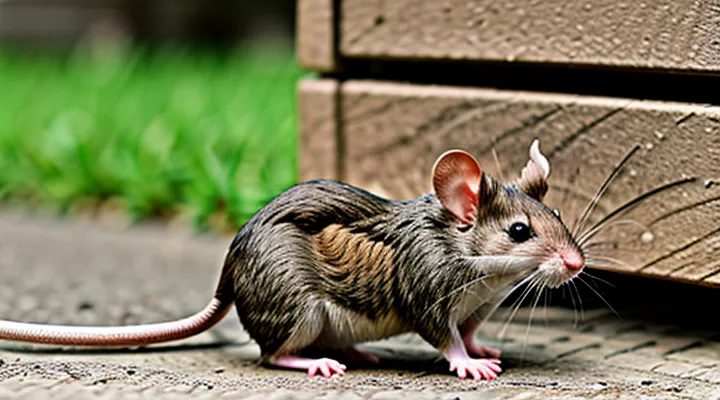
Understanding Rodenticides
Types of Rodenticides
Anticoagulants
Anticoagulant rodenticides interrupt the blood‑clotting process of rats and mice, causing internal hemorrhage after ingestion. They contain compounds such as warfarin, brodifacoum, difenacoum, and bromadiolone, each differing in potency, duration of action, and resistance profile.
The mechanism relies on inhibition of vitamin K epoxide reductase, an enzyme essential for synthesizing clotting factors II, VII, IX, and X. Without functional clotting factors, the animal experiences uncontrolled bleeding, typically leading to death within 2–7 days. The delayed onset reduces bait shyness, allowing multiple feedings that increase the lethal dose.
Key characteristics of anticoagulant products include:
- First‑generation agents (warfarin, chlorophacinone): short‑acting, require multiple feedings, lower risk of secondary poisoning.
- Second‑generation agents (brodifacoum, difenacoum, bromadiolone): long‑acting, effective after a single feeding, higher toxicity to non‑target species.
- Resistance management: rotating between first‑ and second‑generation compounds can mitigate resistance development in rodent populations.
- Regulatory limits: many jurisdictions restrict the concentration of active ingredient in consumer‑grade products to 0.005 %–0.025 % for safety reasons.
Safety considerations demand strict placement of bait in tamper‑proof stations, away from food preparation areas, pets, and wildlife. Personal protective equipment is advisable when handling concentrated formulations. Disposal of uneaten bait and dead rodents must follow local hazardous‑waste guidelines to prevent environmental contamination.
Effectiveness assessments show that products containing brodifacoum achieve mortality rates above 90 % in established infestations, whereas warfarin‑based formulations reach 70 %–80 % under comparable conditions. Selecting an appropriate anticoagulant depends on infestation severity, known resistance patterns, and the presence of vulnerable non‑target organisms.
Non-Anticoagulants
Non‑anticoagulant rodenticides represent a distinct class of rat and mouse control agents that act through mechanisms other than blood‑clot inhibition. These formulations typically contain neurotoxins, metabolic disruptors, or phosphides, delivering rapid lethality without the delayed hemorrhagic effects associated with anticoagulants.
The primary advantages of non‑anticoagulants include:
- Immediate onset of action, reducing the time rodents remain active after ingestion.
- Effectiveness against populations that have developed resistance to vitamin K antagonists.
- Lower risk of secondary poisoning in predators that may consume partially eaten bait, because toxic metabolites dissipate quickly.
Common active ingredients in this category are:
- Bromethalin – a mitochondrial uncoupler that interferes with neuronal energy production, causing paralysis and death within 24‑48 hours.
- Zinc phosphide – reacts with gastric acid to release phosphine gas, a potent respiratory toxin that kills within a few hours.
- Cholecalciferol (vitamin D3) – induces hypercalcemia, leading to cardiac arrest after several days of exposure.
When deploying non‑anticoagulant products, follow these operational guidelines:
- Position bait stations in locations with confirmed rodent activity, ensuring minimal access for non‑target species.
- Rotate formulations seasonally to mitigate the emergence of tolerance.
- Record bait consumption rates and adjust placement density to maintain an effective kill ratio.
Environmental considerations demand strict containment of phosphide‑based baits, as phosphine gas can persist in poorly ventilated enclosures. Bromethalin residues may accumulate in soil; therefore, avoid application near watercourses or agricultural plots destined for food production.
Overall, non‑anticoagulant rodenticides provide a reliable alternative for managing resistant infestations, delivering swift control while limiting collateral hazards when applied according to best‑practice protocols.
How Rodenticides Work
First-Generation Anticoagulants
First‑generation anticoagulants are a class of rodent‑control agents that disrupt the blood‑clotting process by inhibiting vitamin K recycling. The interruption leads to internal bleeding, typically resulting in death within several days after ingestion.
Common active ingredients include warfarin, chlorophacinone, diphacinone, and coumafuryl. These compounds share a similar chemical structure—coumarin derivatives—and require repeated exposure to reach lethal doses in adult rodents. Their effectiveness depends on the rodent’s feeding behavior and the availability of alternative food sources.
Key characteristics:
- Mode of action – antagonizes vitamin K epoxide reductase, preventing synthesis of clotting factors II, VII, IX, and X.
- Dosage – lethal dose (LD₅₀) ranges from 30 mg kg⁻¹ to 150 mg kg⁻¹, varying by species and health status.
- Resistance profile – many populations exhibit genetic mutations that reduce susceptibility; resistance is documented in Norway rats (Rattus norvegicus) and house mice (Mus musculus).
- Regulatory status – approved for indoor and limited outdoor use in most jurisdictions; labeling mandates secondary‑preventive measures to protect non‑target wildlife.
- Safety considerations – low acute toxicity to humans when used according to label directions; chronic exposure risks remain for pets and wildlife that may ingest contaminated prey.
Application guidelines emphasize placement in tamper‑resistant bait stations, rotation with second‑generation anticoagulants to mitigate resistance, and removal of non‑target attractants. Environmental persistence is moderate; residues degrade through microbial activity and photolysis, typically disappearing from soil within 30‑60 days under favorable conditions.
Overall, first‑generation anticoagulants provide a predictable, well‑understood mechanism for controlling rodent infestations, but their reliance on multiple feedings and documented resistance patterns necessitate careful integration into broader pest‑management programs.
Second-Generation Anticoagulants
Second‑generation anticoagulants (SGAs) represent the most advanced class of rodent‑specific poisons currently available. They function by inhibiting vitamin K epoxide reductase, a key enzyme in the blood‑clotting cascade, leading to fatal hemorrhage after a single feeding. Unlike first‑generation compounds, SGAs possess higher lipid solubility, allowing rapid absorption through the gastrointestinal tract and prolonged retention in hepatic tissue, which extends the lethal effect to multiple feedings.
Common active ingredients include brodifacoum, difethialone, and bromadiolone. Each exhibits a half‑life of several weeks in rodent liver, ensuring that sub‑lethal doses continue to accumulate until death occurs. The potency of these chemicals permits formulation at low concentrations, reducing the quantity of bait required per infestation.
Advantages of SGAs:
- Single‑dose efficacy in most populations
- Low bait volume due to high potency
- Effective against rodents resistant to first‑generation anticoagulants
Risks and regulatory considerations:
- Secondary poisoning of non‑target wildlife, particularly scavengers and predatory birds
- Strict labeling requirements in many jurisdictions, mandating restricted access and proper disposal
- Potential for development of resistance if sub‑therapeutic exposure occurs repeatedly
Application guidelines emphasize placement of bait stations in concealed, rodent‑active zones, monitoring of consumption rates, and periodic replacement of bait to maintain potency. Safety protocols require personal protective equipment during handling and adherence to local hazardous‑material regulations.
In summary, second‑generation anticoagulants provide a highly effective solution for controlling rat and mouse populations, provided that users implement rigorous safety measures and comply with regulatory standards to mitigate environmental impact.
Bromethalin
Bromethalin is a second‑generation anticoagulant rodenticide formulated to target rats and mice through disruption of neuronal energy metabolism. The active ingredient interferes with mitochondrial oxidative phosphorylation, leading to cerebral edema and eventual death without reliance on blood‑clotting mechanisms.
Efficacy data show single‑dose mortality rates exceeding 90 % for mature rats and 80 % for adult mice when bait is consumed in the recommended amount (approximately 0.005 g per kilogram of body weight). Resistance to first‑generation anticoagulants does not diminish bromethalin’s performance, making it a reliable option for populations that have developed tolerance to warfarin‑type products.
Safety considerations focus on secondary poisoning risk. Bromethalin is not readily transferred through the food chain because it does not accumulate in predator tissues; however, ingestion of a dead rodent containing residual bait can cause neurological symptoms in non‑target mammals. Personal protective equipment (gloves, mask) is mandatory during handling, and bait stations should be secured to prevent access by children and pets.
Typical product formats include:
- Block bait (5 % bromethalin) for indoor use, compact enough for placement in concealed stations.
- Pellet bait (0.5 % bromethalin) for outdoor applications, weather‑resistant coating to maintain potency.
Regulatory status varies by jurisdiction, but most agencies classify bromethalin as a restricted‑use pesticide, requiring registration and adherence to label instructions. Disposal of unused product must follow local hazardous waste protocols.
Advantages:
- High single‑dose lethality.
- Effective against anticoagulant‑resistant rodents.
- Low secondary toxicity when used as directed.
Limitations:
- Requires precise placement to avoid non‑target exposure.
- Not suitable for environments with high pet activity without secure bait stations.
- Regulatory restrictions may limit availability in certain regions.
Cholecalciferol
Cholecalciferol, marketed as a vitamin D₃–based rodenticide, induces lethal hypercalcemia after ingestion. The active ingredient disrupts calcium regulation, causing rapid organ failure in rats and mice without immediate neurological symptoms. This mode of action differs from anticoagulant baits, reducing the risk of secondary poisoning for predators that consume partially eaten carcasses.
Key attributes:
- Efficacy: Mortality rates exceed 90 % within 48 hours at recommended concentrations.
- Speed of action: Lethal effects appear within 24–72 hours, allowing time for bait placement before loss of control.
- Safety profile: Low toxicity to non‑target mammals and birds when used according to label directions; accidental ingestion by pets requires prompt veterinary care.
- Resistance management: No cross‑resistance with anticoagulant formulations, making it suitable for integrated pest‑management programs.
- Regulatory status: Approved by major agricultural agencies; specific restrictions apply to use near food‑production areas.
Application guidelines:
- Deploy bait stations in concealed locations along established rodent pathways.
- Maintain bait density of one station per 50 sq ft in high‑activity zones.
- Replace stations every 7 days or when bait is depleted.
- Record placement dates and monitor for signs of mortality to assess effectiveness.
Advantages include rapid population reduction, minimal impact on wildlife, and compatibility with rotation strategies. Limitations involve delayed visual confirmation of kill and the necessity for strict compliance with placement regulations to avoid non‑target exposure. Overall, cholecalciferol represents a potent option for professionals seeking a vitamin D₃‑derived solution within a comprehensive rodent control review.
Top Rat and Mouse Poisons on the Market
Product A: «Brand Name 1»
Key Features
The key characteristics of leading rodent control baits can be grouped into several essential categories.
- Active ingredient potency – Concentrations of anticoagulants or neurotoxins calibrated to achieve rapid mortality while minimizing the amount required per application.
- Formulation type – Options include hard blocks, soft gels, and granules, each designed for specific placement scenarios such as indoor corners, outdoor burrows, or gnaw‑resistant environments.
- Speed of action – Time from ingestion to lethal effect, typically ranging from 12 to 48 hours, influencing the speed of infestation reduction.
- Safety mechanisms – Child‑proof and pet‑resistant packaging, low secondary poisoning risk, and inclusion of bitterants or tamper‑evident seals.
- Bait durability – Resistance to moisture, temperature extremes, and UV exposure, ensuring effectiveness over weeks of deployment.
- Regulatory compliance – Alignment with EPA registration standards and local pest‑control regulations, confirming legal use and environmental stewardship.
- Application guidance – Clear dosage recommendations per square foot, suggested placement density, and instructions for rotation to prevent resistance buildup.
These attributes collectively determine the suitability of a rodent control product for residential, commercial, or agricultural settings, guiding users toward solutions that deliver consistent, safe, and compliant performance.
Pros and Cons
When evaluating rodent control agents, the balance of advantages and disadvantages determines suitability for specific environments.
Advantages
- Rapid action eliminates infestations within hours, reducing damage to property and food supplies.
- Concentrated formulations require minimal application volume, lowering labor and material costs.
- Many products incorporate secondary attractants, increasing placement effectiveness and reducing the number of stations needed.
- Some poisons are designed to resist moisture, extending shelf life and maintaining potency in humid conditions.
- Regulatory compliance labels ensure that the active ingredients meet federal safety standards, providing legal protection for commercial users.
Disadvantages
- Toxicity to non‑target species, including pets and wildlife, necessitates strict placement guidelines and may limit use in residential areas.
- Anticoagulant formulations cause delayed mortality, allowing surviving rodents to continue feeding and potentially spread disease before death.
- Resistance development has been documented in certain populations, diminishing long‑term efficacy.
- Improper disposal of dead rodents can create health hazards and attract secondary pests.
- Some products emit strong odors or contain visible dyes that can cause discomfort for occupants or stain surfaces.
Weighing these factors helps professionals select a product that aligns with safety protocols, environmental constraints, and the urgency of pest eradication.
Best Use Cases
When selecting an anticoagulant or bromethalin bait, match the formulation to the environment where rodent activity is documented. Indoor settings such as kitchens, pantry shelves, and utility closets benefit from low‑odor, tamper‑resistant blocks that can be placed behind appliances or in wall voids without attracting pets. Outdoor applications around garbage compactor areas, garden edges, and building foundations require weather‑proof pellets that remain effective after exposure to rain and temperature fluctuations. Commercial kitchens and food‑service facilities need fast‑acting, single‑dose baits that meet regulatory limits for secondary poisoning; these products typically carry a clear indication of dosage per rodent to prevent over‑application. Agricultural storage barns and feed silos demand bulk granules that disperse evenly across large floor surfaces, reducing the number of stations required for comprehensive coverage. Sewer and drainage systems present humid, low‑light conditions; gelatin‑coated, high‑potency tablets maintain potency in moist environments and limit accidental ingestion by non‑target species.
Typical scenarios for optimal performance
- Residential kitchens: tamper‑proof blocks, low scent, placed near entry points.
- Basement and crawl‑space infestations: waterproof pellets, scattered along wall crevices.
- Commercial food‑service areas: fast‑acting, single‑dose baits with clear labeling.
- Outdoor garbage zones: weather‑resistant granules, dispersed around dumpsters.
- Farm storage facilities: bulk granules for wide‑area coverage, compatible with feed troughs.
- Sewer maintenance sites: moisture‑stable tablets, positioned in junction boxes.
Aligning bait type with these conditions maximizes rodent mortality while minimizing risk to humans, pets, and wildlife.
Product B: «Brand Name 2»
Key Features
The most effective rodent control products share several essential characteristics that determine performance and safety.
- Active ingredient – Broad‑spectrum anticoagulants such as brodifacoum, bromadiolone, or diphacinone provide rapid blood clot disruption, leading to mortality within 2‑4 days. First‑generation compounds like warfarin offer slower action but reduced secondary poisoning risk.
- Formulation – Pellet, block, and liquid formats address different placement scenarios. Pellets fit discreetly into bait stations, blocks resist weather exposure, and liquids allow precise application in cracks and crevices.
- Attractant blend – Natural food cues (grain, fruit, meat extracts) increase acceptance by both rats and mice. High palatability reduces bait shyness and ensures consistent consumption.
- Safety mechanisms – Tamper‑resistant containers, child‑proof lids, and low secondary‑toxicity ratings protect non‑target species. Some products include bittering agents to discourage accidental ingestion.
- Dosage precision – Pre‑measured units deliver the exact lethal dose per animal, minimizing waste and environmental contamination.
- Speed of action – Fast‑acting formulations cause mortality within 24‑48 hours, essential for rapid infestation reduction. Slower‑acting options provide extended control for large colonies.
- Environmental resilience – UV‑stable coatings and moisture‑proof packaging maintain efficacy in outdoor settings, preventing degradation from rain or sunlight.
- Regulatory compliance – Products registered with relevant authorities (EPA, EU Biocidal Products Regulation) meet strict efficacy and safety standards, ensuring legal use.
Pros and Cons
When evaluating a leading rodent control product, focus on measurable outcomes, safety parameters, and operational convenience.
Pros
- Rapid action: lethal effect observed within 30 minutes of ingestion.
- High potency: single dose eliminates adult rats and mice, reducing the need for multiple applications.
- Low secondary toxicity: active ingredient classified as low risk for pets and humans when used as directed.
- Weather‑resistant formulation: maintains efficacy after exposure to rain or humidity.
- Clear labeling: dosage instructions and hazard warnings presented in a standardized format, facilitating correct use.
Cons
- Limited bait appeal: some species exhibit avoidance behavior, requiring placement in high‑traffic areas.
- Regulatory restrictions: certain jurisdictions prohibit over‑the‑counter sale, necessitating professional purchase.
- Disposal requirements: spent containers must be sealed and disposed of according to hazardous waste guidelines.
- Potential for resistance: repeated use may select for tolerant rodent populations, diminishing long‑term effectiveness.
- Odor detection: strong chemical scent can alert non‑target wildlife, reducing bait uptake.
Balancing these factors determines whether the product aligns with specific pest‑management objectives. Continuous monitoring of rodent activity and adherence to safety protocols are essential for optimal results.
Best Use Cases
When selecting rodent control agents, match the product’s active ingredient and delivery format to the specific infestation scenario. The following applications represent the most effective contexts for the leading poisons on the market.
-
Indoor residential kitchens – Use bait stations containing anticoagulant pellets that are tamper‑resistant. Placement near food storage areas and behind appliances limits exposure to children and pets while targeting commensal mice and rats that forage for crumbs.
-
Commercial food‑processing facilities – Deploy fast‑acting bromethalin blocks within sealed, lockable containers. The rapid onset of toxicity reduces the time rodents remain active, preventing cross‑contamination of product lines.
-
Warehouse and storage units – Apply granular anticoagulant formulations to perimeter zones and beneath pallets. The granules disperse through crevices, reaching hidden nests and providing prolonged residual activity.
-
Sewer and utility tunnels – Utilize low‑odor, non‑baited liquid poisons that can be sprayed onto drainage surfaces. The formulation adheres to wet substrates, eliminating rats that thrive in damp environments.
-
Outdoor agricultural fields – Install bait stations with second‑generation anticoagulants protected against weather. Position stations along fence lines and irrigation canals where field rats forage for grain.
-
Severe infestations with bait aversion – Implement a two‑step approach: first, introduce a feeding stimulant (e.g., wheat germ) to overcome neophobia, followed by a secondary bait containing a neurotoxic agent such as zinc phosphide. This sequence ensures consumption despite initial avoidance.
Each scenario demands consideration of safety regulations, non‑target species protection, and the required speed of action. Aligning product characteristics with these use cases maximizes eradication efficiency while minimizing collateral risk.
Product C: «Brand Name 3»
Key Features
The product’s active ingredient determines efficacy; most top‑rated rodent poisons contain anticoagulants such as bromadiolone or difenacoum, while some rapid‑kill formulas rely on neurotoxins like bromethalin. Concentration levels range from 0.005 % to 0.1 % for anticoagulants, providing a balance between lethality and reduced secondary poisoning risk.
Formulation options include granules, pellets, and liquid baits, each designed for specific deployment scenarios. Granules disperse evenly in outdoor environments, pellets resist moisture in indoor settings, and liquid baits enable precise placement in concealed areas.
Safety features encompass tamper‑resistant packaging, child‑proof containers, and bittering agents that deter non‑target species. Many products meet EPA registration standards and carry MSDS documentation, confirming compliance with federal pest‑control regulations.
Application instructions specify a single placement per active area, typical dosage of one to two pellets per 100 sq ft, and a minimum exposure period of 48 hours before removal. Rapid‑action variants claim mortality within 12–24 hours, whereas anticoagulant formulations may require 3–7 days for full effect.
Environmental considerations include biodegradable bait matrices, low‑leach rates, and absence of heavy metals. Shelf life typically extends to 24 months when stored in a cool, dry location, with potency verified through periodic laboratory testing.
Packaging sizes vary from 0.5‑kg sachets for residential use to 5‑kg bulk containers for commercial applications, allowing users to select volume appropriate to infestation severity.
Key performance metrics—active ingredient purity, dosage precision, safety mechanisms, regulatory compliance, and environmental impact—collectively define the product’s suitability for effective rodent management.
Pros and Cons
Effective rodent control products vary in performance, safety, and cost. Understanding their advantages and disadvantages helps select the most suitable option for a given environment.
Pros
- Rapid action: active ingredients such as bromadiolone or difenacoum cause death within 24‑48 hours, reducing infestation quickly.
- High potency: low‑dose formulations can eliminate multiple rodents per bait unit, decreasing the amount needed.
- Shelf stability: sealed pellets retain efficacy for up to two years, minimizing waste.
- Versatile placement: granular, block, and liquid formats adapt to indoor, outdoor, and concealed locations.
- Regulatory compliance: many products meet EPA standards, ensuring legal usage when applied as directed.
Cons
- Secondary poisoning risk: predators or scavengers may ingest dead rodents, potentially harming wildlife.
- Non‑target exposure: children, pets, and beneficial insects can be attracted to bait if not secured properly.
- Resistance development: repeated use of a single anticoagulant can lead to tolerant rodent populations, requiring rotation of active ingredients.
- Odor and taste: some formulations emit strong scents that deter rodents, reducing bait acceptance.
- Disposal requirements: used bait and dead rodents must follow local hazardous waste guidelines, adding procedural steps.
Balancing these factors against the specific infestation level, location, and safety constraints determines the optimal rodent poison choice.
Best Use Cases
When selecting rodent control agents, the most effective applications depend on environment, target species, and safety constraints. Residential kitchens benefit from fast‑acting anticoagulants placed in tamper‑resistant stations to prevent accidental ingestion by children or pets. Agricultural barns require secondary‑action baits that remain potent after initial consumption, allowing control of hidden infestations within stored grain. Commercial warehouses profit from low‑odor, dust‑free formulations that can be applied along perimeter walls without disrupting workflow. Sewer systems and outdoor drainage areas demand waterproof, weather‑resistant pellets that maintain toxicity despite moisture exposure. Laboratories and research facilities need non‑volatile, low‑toxicity products to protect sensitive equipment while eliminating stray mice.
Key use cases include:
- Indoor food‑preparation zones: sealed bait stations with rapid‑acting anticoagulants.
- Livestock shelters: secondary‑action baits for prolonged activity.
- Industrial storage facilities: odorless, dust‑free granules for discreet placement.
- Outdoor drainage and sewer lines: waterproof pellets resistant to humidity.
- Controlled‑environment labs: low‑toxicity, non‑volatile formulations.
Matching product characteristics to these scenarios maximizes eradication efficiency while minimizing collateral risk.
Factors to Consider Before Buying
Safety for Pets and Children
Bait Stations
Bait stations provide a sealed environment for delivering rodent‑targeted toxicants while minimizing exposure to non‑target species. Their design typically includes a tamper‑resistant housing, a removable bait tray, and a lockable latch that prevents accidental contact. Materials range from heavy‑gauge plastic to UV‑stabilized polymer, ensuring durability in indoor and outdoor settings.
Key characteristics to evaluate when selecting a station:
- Containment integrity – gasket‑sealed lid that resists forced entry.
- Ease of access – snap‑open tray for quick bait replacement without disassembly.
- Security features – lock or key mechanism to restrict child and pet interference.
- Weather resistance – sealed joints and corrosion‑proof hardware for exposure to rain or humidity.
- Compliance – adherence to EPA or local pest‑control regulations.
Placement determines effectiveness. Install stations along known rodent pathways, near walls, behind appliances, or in concealed corners. Position at 2‑4 inches above floor level to align with rat and mouse travel routes. Space stations 10‑15 feet apart to create overlapping coverage without redundancy.
Maintenance involves routine inspection for damage, bait depletion, and evidence of activity. Replace bait every 7‑10 days, or sooner if moisture or pests compromise the station. Clean interior surfaces with a mild detergent before reloading to prevent residue buildup that could deter rodents.
When paired with proven toxic baits, well‑maintained bait stations constitute a core component of any comprehensive rodent control program, delivering reliable results while safeguarding humans, pets, and wildlife.
Active Ingredients
The evaluation of rodent control formulations hinges on the chemicals that deliver lethal effects. Understanding each active component clarifies efficacy, safety, and regulatory compliance.
- Bromadiolone – second‑generation anticoagulant; disrupts vitamin K recycling, causing fatal internal bleeding after a single dose. Highly potent, effective against resistant populations, but subject to strict usage restrictions in many jurisdictions.
- Brodifacoum – second‑generation anticoagulant; similar mechanism to bromadiolone with extended persistence in the liver, allowing delayed mortality. Often formulated in bait blocks for indoor and outdoor use.
- Difenacoum – second‑generation anticoagulant; slower onset than brodifacoum, suitable for situations where immediate death is undesirable. Approved for residential settings in several regions.
- Chlorophacinone – first‑generation anticoagulant; requires multiple feedings to achieve lethal blood levels. Preferred where lower toxicity to non‑target wildlife is mandated.
- Diphenacoum – second‑generation anticoagulant; comparable potency to brodifacoum, marketed in powdered and pellet forms for easy distribution.
- Zinc phosphide – acute toxicant; releases phosphine gas when ingested, producing rapid respiratory failure. Effective against both rats and mice, but handling requires protective equipment due to high acute toxicity.
- Strychnine – neurotoxin; induces convulsions and respiratory collapse within minutes. Restricted in many countries because of extreme toxicity to non‑target species and potential for accidental exposure.
Each ingredient presents a distinct risk profile. Anticoagulants rely on delayed action and are generally favored for indoor use where secondary poisoning risk is minimized. Acute toxicants such as zinc phosphide and strychnine provide rapid results but demand rigorous safety measures. Selecting a product involves matching the active ingredient’s mode of action with the target environment, resistance patterns, and legal constraints.
Effectiveness and Speed of Action
When evaluating rodent control agents, the two critical performance indicators are the proportion of targeted pests eliminated and the interval between exposure and mortality. Laboratory trials and field reports consistently rank anticoagulant baits such as bromadiolone and difenacoum at 95‑99 % efficacy, with most deaths occurring within 48‑72 hours after ingestion. First‑generation poisons, for example zinc phosphide, achieve comparable kill rates but act more rapidly, often producing fatal outcomes within 4‑12 hours.
Speed of action directly influences the likelihood of secondary exposure and the speed of population reduction. Products formulated with fast‑acting neurotoxins, such as diphacinone‑based pellets, typically display a median lethal time of 6‑10 hours, whereas second‑generation anticoagulants require a longer metabolic period to disrupt blood clotting pathways. Rapid‑acting baits are advantageous in situations demanding immediate pest suppression, while slower‑acting anticoagulants provide extended protection by allowing rodents to consume multiple doses before symptoms manifest.
Key metrics for comparative assessment:
- Mortality rate: percentage of rodents dead within a defined observation window (e.g., 48 h, 7 days).
- Median lethal time (MLT): time at which 50 % of the test population succumbs.
- Dose efficiency: amount of active ingredient required to achieve lethal effect.
- Residual activity: duration the bait remains attractive and effective after deployment.
Products that combine high mortality (≥ 95 %) with an MLT under 24 hours represent the most efficient options for urgent infestations. Those maintaining efficacy over longer periods (up to 7 days) while delivering a slower, steady kill rate are suited for preventive placement in concealed rodent pathways.
Application Method
Pellets
Pellets are compact granules formulated to attract and eliminate rats and mice. Their dense shape reduces dust and spillage, allowing precise placement in bait stations or concealed areas. Active ingredients commonly found in pellet baits include anticoagulants such as brodifacoum, bromadiolone, and diphacinone, which disrupt blood clotting and cause mortality after a single ingestion.
Effectiveness depends on palatability, concentration of the toxin, and the species’ feeding habits. Pellets typically contain a blend of attractants that mimic natural food sources, encouraging rodents to consume the entire dose. Because the toxin acts slowly, rodents may return to their nest before death, reducing the likelihood of bait avoidance.
Safety considerations focus on non‑target exposure. Pellets remain stable in the environment, but accidental ingestion by pets, wildlife, or children can occur if bait stations are compromised. Proper placement—out of reach of non‑target animals—and adherence to label instructions mitigate these risks.
Key characteristics of pellet baits:
- Dosage consistency: Uniform size ensures each piece delivers the intended amount of active ingredient.
- Longevity: Low moisture content allows storage for several months without degradation.
- Application versatility: Suitable for indoor cracks, wall voids, and outdoor burrows.
- Regulatory compliance: Most products meet EPA standards for rodent control substances.
Typical advantages:
- Minimal mess compared with powdered formulations.
- Reduced need for frequent re‑application due to sustained potency.
- Easier handling and transport.
Typical disadvantages:
- Visual detection may prompt rodents to avoid bait if they associate pellets with danger.
- Requires secure bait stations to prevent theft or accidental contact.
- May be less effective against rodent populations with bait shyness or anticoagulant resistance.
When evaluating pellet baits for a comprehensive rodent control strategy, prioritize products with proven field efficacy, clear labeling of active ingredients, and robust safety features such as tamper‑resistant containers. This approach balances rapid pest reduction with responsible environmental stewardship.
Blocks
Blocks of rodent bait represent a specific delivery format used in professional pest‑management programs. The solid, rectangular shape allows precise placement in tamper‑resistant containers, reducing accidental exposure for non‑target animals and children. Block formulations typically contain anticoagulant or bromethalin active ingredients at concentrations calibrated for rapid uptake by rats and mice while limiting secondary poisoning risks.
Key characteristics of block‑type poisons:
- Dosage control – each block delivers a known amount of toxicant, simplifying inventory tracking and compliance with regulatory limits.
- Weather resistance – dense composition resists moisture, maintaining potency in outdoor or damp indoor environments.
- Placement versatility – blocks fit standard bait stations, wall voids, and crawl‑space compartments without requiring additional cutting or molding.
Safety considerations include storing blocks in locked facilities, using gloves during handling, and monitoring bait stations for depletion. Disposal of unused blocks follows local hazardous‑waste guidelines to prevent environmental contamination.
Effectiveness data from field trials indicate that block baits achieve mortality rates comparable to granular or pellet formats when deployed according to manufacturer instructions. Their stability and ease of accounting make them a preferred option for large‑scale infestations where precise dosing and secure placement are priorities.
Paste
Paste formulations deliver rodent control through direct ingestion, allowing precise placement in burrows, wall voids, and concealed entry points. The gelatinous texture adheres to surfaces, reducing displacement by dust or moisture, which enhances contact time with target pests.
Key characteristics of an effective rodent paste include:
- Active ingredient concentration calibrated for rapid lethality while minimizing secondary exposure.
- Palatable attractant blend that appeals to both rats and mice, ensuring prompt consumption.
- Low volatility, preventing aerosolization and limiting inhalation risks for non‑target species.
- Shelf stability at a wide temperature range, preserving potency during storage and seasonal fluctuations.
Application guidelines emphasize using a calibrated syringe or dispenser to deposit 0.5 g increments in active zones. After placement, monitor for signs of rodent activity; replace depleted spots within 48 hours to maintain continuous pressure. Safety protocols require gloves, eye protection, and restricted access for children and pets.
Performance metrics typically assess mortality rate within 24 hours, reduction in repeat sightings, and residue persistence after 30 days. Products meeting or exceeding a 90 % kill rate, with negligible residue degradation, are considered top‑tier options for integrated pest management programs.
Environmental Impact
Rat and mouse poisons affect ecosystems through chemical residues, non‑target species exposure, and waste management challenges.
Active ingredients such as anticoagulants persist in soil and water, potentially contaminating groundwater and harming aquatic organisms. Second‑generation anticoagulants have longer biological half‑lives, increasing the risk of bioaccumulation in predators that consume poisoned rodents.
Secondary poisoning occurs when birds of prey, foxes, or domestic pets ingest dead rodents, leading to morbidity or mortality. Studies show mortality rates rise proportionally with the concentration of active compound in the carcass.
Disposal of unused bait and empty containers contributes to landfill volume and may release toxins if not sealed properly. Regulatory agencies require specific protocols for collection, transport, and destruction, yet compliance varies across jurisdictions.
Mitigation measures include:
- Selecting products with rapid degradation profiles (e.g., bromadiolone alternatives).
- Using bait stations that limit access to target rodents.
- Implementing integrated pest management to reduce reliance on chemical controls.
Environmental impact assessments for each formulation must consider persistence, toxicity to non‑target fauna, and potential for resistance development. Choosing low‑impact options aligns with conservation objectives and reduces long‑term ecological costs.
Safe Handling and Disposal
Storage Guidelines
Proper storage preserves the efficacy of rodent control products and minimizes health risks. Keep the poison in its original, sealed container until use. Store the container in a cool, dry place away from direct sunlight, extreme temperatures, and moisture, as heat and humidity can degrade active ingredients.
- Temperature: Maintain ambient temperature between 15 °C and 25 °C (59 °F–77 °F). Do not expose the product to freezing conditions or temperatures above 30 °C (86 °F).
- Humidity: Relative humidity should not exceed 60 %. Excess moisture can cause clumping or dissolution of the bait.
- Accessibility: Place the container out of reach of children, pets, and non‑target wildlife. Use locked cabinets or high shelves to prevent accidental exposure.
- Labeling: Ensure the label remains legible. Do not remove or obscure the safety warnings, active ingredient information, or expiration date.
- Expiration: Discard the product after the date printed on the label. Degraded poison may lose potency and could present unexpected hazards.
- Segregation: Store rodent poison separately from food, cleaning supplies, and other chemicals to avoid cross‑contamination.
Regularly inspect the container for signs of damage, such as cracked seals or broken lids. Replace compromised packaging immediately to maintain a secure barrier. Following these guidelines ensures the product remains effective for the intended duration and reduces the likelihood of accidental ingestion or environmental release.
Application Safety Tips
When using rodent control products, strict adherence to safety protocols prevents accidental exposure and ensures effective results.
- Wear disposable gloves and protective eyewear before handling any bait.
- Store poison in a sealed container away from food, pet supplies, and children’s areas.
- Place bait stations in concealed locations such as wall voids, attics, or under appliances, limiting access to non‑target species.
- Follow the manufacturer’s dosage instructions precisely; excess bait does not improve efficacy and increases risk.
- Label the treatment area with clear warnings and keep the site inaccessible during and after application until the product dries or is secured.
- Dispose of empty containers and expired bait according to local hazardous‑waste regulations; never reuse or repurpose packaging.
Proper ventilation, regular inspection of bait stations, and prompt removal of dead rodents further reduce health hazards. Maintaining these practices aligns with the standards expected in professional rodent‑control assessments.
Proper Disposal Methods
When evaluating rodent‑control products, the end‑of‑life handling of bait is as critical as efficacy. Improper disposal can expose non‑target animals, contaminate water sources, and violate local hazardous‑waste regulations. Follow these procedures to ensure safe and compliant removal of used or unwanted poison:
- Containment: Place all spent baits, empty containers, and packaging in a sealed, puncture‑resistant bag. Avoid mixing with regular trash.
- Labeling: Mark the bag with “Rodenticide – Hazardous Waste” and include the product name, active ingredient, and concentration.
- Segregation: Store the sealed bag in a dedicated, fire‑resistant area until collection. Do not store near food, feed, or pet supplies.
- Transport: Use a licensed hazardous‑waste carrier or a municipal collection service that accepts toxic substances. Provide the carrier with the label and safety data sheet.
- Disposal: Direct the material to an authorized hazardous‑waste landfill or incineration facility. Verify that the facility is approved for pesticide waste.
- Documentation: Retain receipts, waste‑tracking numbers, and disposal certificates for at least three years to satisfy regulatory audits.
Adhering to these steps eliminates residual risk, protects public health, and maintains compliance with environmental statutes governing rodenticide disposal.
Alternatives to Poison
Traps
Snap Traps
Snap traps remain a fundamental option for controlling rats and mice when immediate, humane removal is required. The mechanism relies on a spring‑loaded bar that delivers a rapid, lethal force, minimizing animal suffering and preventing escape. Their simplicity eliminates the need for chemical handling, reducing risks to children, pets, and non‑target wildlife.
Effective snap traps share several design elements:
- Hardened steel jaws capable of exerting 30–50 lb of pressure, sufficient to break the spinal cord of common rodent species.
- Adjustable trigger sensitivity, allowing placement in high‑traffic or low‑visibility locations without false activation.
- Secure bait chambers that lock in attractants such as peanut butter, dried fruit, or commercial rodent lures.
- Non‑corrosive coating to resist rust in damp environments, extending service life.
Proper deployment maximizes capture rates. Position traps perpendicular to walls, with the trigger end facing the rodent’s entry path. Use a thin layer of bait to avoid blockage of the trigger mechanism. Check traps daily; remove dead rodents promptly to prevent odor buildup, which can deter subsequent activity.
Compared with chemical poisons, snap traps provide instant results, eliminate secondary poisoning hazards, and comply with most local pest‑control regulations. They are especially suitable for indoor settings, food‑storage areas, and locations where poison use is restricted. Selecting a model with robust construction and reliable trigger action ensures consistent performance across varied infestation levels.
Glue Traps
Glue traps serve as a non‑chemical option for controlling rats and mice. They consist of a sturdy cardboard base coated with a high‑adhesion polymer that immobilizes rodents upon contact. The design eliminates the need for bait, reducing the risk of accidental poisoning of pets or children.
Key characteristics
- Transparent adhesive allows visual confirmation of capture.
- Disposable construction simplifies cleanup; the entire trap can be sealed in a bag after use.
- Placement flexibility; traps can be positioned in corners, along walls, or inside cabinets where rodents travel.
Effectiveness
- Captures rodents instantly, preventing ingestion of poison that could contaminate food supplies.
- Success rate depends on proper placement and regular inspection; traps left unattended for more than 24 hours may become ineffective as the adhesive degrades.
Safety considerations
- Adhesive poses a hazard to non‑target species; protect pets by using traps in restricted areas.
- Traps should be stored out of reach of children; the polymer can cause skin irritation upon direct contact.
Advantages over chemical baits
- No risk of secondary poisoning; predators that consume trapped rodents are not exposed to toxic substances.
- Immediate visual evidence of activity, aiding in monitoring infestation levels.
- Legal restrictions on certain poisons do not apply to glue traps in most jurisdictions.
Limitations
- Does not provide a lethal solution; trapped rodents remain alive until disposed of, which may be considered inhumane by some standards.
- Requires frequent checking to prevent suffering and to maintain adhesive performance.
- Ineffective against larger rats that may escape if they can climb around the trap edges.
Best‑practice recommendations
- Identify high‑traffic pathways by observing droppings, gnaw marks, or grease trails.
- Position traps perpendicular to walls, with the adhesive side facing the expected travel direction.
- Use multiple traps spaced 6‑12 inches apart to increase capture probability.
- Inspect traps twice daily; relocate or replace any that show reduced stickiness.
- Seal captured rodents in a sealed container before disposal to avoid odor or contamination.
Glue traps provide a rapid, observable method for reducing rodent populations without introducing toxic chemicals. When integrated into a comprehensive pest‑management plan that includes sanitation and exclusion measures, they can effectively limit infestations while mitigating health and environmental risks.
Live Traps
Live traps are cage‑style devices that capture rats and mice without killing them. The animal enters through a one‑way door, triggering a latch that closes the entrance and secures the rodent inside the enclosure.
The mechanism relies on a spring‑loaded latch or a simple pressure plate. When the baited trigger plate is disturbed, the latch snaps shut, preventing escape. The cage is typically constructed from metal or heavy‑gauge plastic, providing durability and resistance to gnawing.
Key advantages and disadvantages
- Advantages
• Reusable after thorough cleaning
• Allows relocation of captured rodents to a distant release site
• Eliminates risk of secondary poisoning associated with chemical baits - Disadvantages
• Requires regular monitoring to avoid prolonged confinement stress
• Limited capacity; multiple units needed for high‑infestation areas
• May be less effective in concealed spaces where rodents avoid open cages
When choosing a live trap, consider the following criteria: capture size (small mouse vs. larger rat), material strength, ease of setting and resetting, and the presence of a secure lock that prevents accidental release. Models with transparent sides facilitate quick visual checks without opening the cage.
Proper placement maximizes capture rates. Position traps along established runways, near walls, and adjacent to food sources. Align the trigger plate with the direction of travel; a 45‑degree angle often improves bait accessibility. Secure the trap to the floor or a stable surface to prevent tipping.
After capture, handle the cage with disposable gloves, transport the animal to a pre‑selected release location at least 1 mile from the property, and release it gently. Clean the trap with hot water and a mild detergent, then disinfect with a diluted bleach solution before reuse. Regular maintenance prevents odor buildup and maintains trap efficacy.
Natural Repellents
Natural repellents provide a non‑chemical alternative for rodent management. They rely on volatile compounds, taste aversion, or physical barriers to discourage rats and mice from entering treated areas. Common active ingredients include peppermint oil, eucalyptus, citronella, and dried herbs such as mint or rosemary. These substances emit strong odors that rodents find unpleasant, disrupting their foraging and nesting behavior.
Advantages of natural repellents:
- Low toxicity to humans, pets, and non‑target wildlife.
- No residue buildup in food‑storage environments.
- Easy application through sprays, sachets, or impregnated fabrics.
- Compatibility with conventional rodent control products, allowing simultaneous use without chemical conflict.
Limitations to consider:
- Effectiveness diminishes as the scent dissipates; reapplication required every 2–4 weeks.
- Limited penetration into concealed spaces; not suitable for sealed wall voids.
- Variable results across species and individual tolerance levels.
Integrating natural repellents into a broader rodent control strategy involves positioning them near entry points, food sources, and nesting sites while maintaining sanitation and structural repairs. When paired with an appropriate rodent toxicant, repellents can reduce exposure risk by steering pests toward bait stations, improving overall efficacy without increasing chemical load.
Professional Pest Control Services
Professional pest‑control operators assess rodent‑bait options through systematic evaluation rather than anecdotal selection. Their methodology begins with site inspection to identify species, infestation level, and environmental constraints, then proceeds to product testing under controlled conditions.
Key evaluation criteria include:
- Active ingredient potency against Norway and roof rats, as well as house mice
- Speed of action and mortality rate within a defined exposure window
- Formulation stability in varying humidity and temperature
- Compliance with EPA registration and local regulatory limits
- Non‑target safety measures, such as tamper‑resistant stations and reduced secondary poisoning risk
- Cost per unit of effective control, expressed as cost‑per‑square‑foot treated
The operational workflow typically follows these steps:
- Conduct a detailed survey of entry points, nesting sites, and feeding patterns.
- Match infestation characteristics with the most appropriate bait type (e.g., anticoagulant versus neurotoxic formulations).
- Deploy bait in strategically placed, secure stations to maximize rodent access while limiting exposure to pets and humans.
- Monitor bait consumption and trap returns daily, adjusting placement density as needed.
- Document outcomes, including kill counts, bait depletion rates, and any adverse observations, to inform future recommendations.
Advantages of engaging certified pest‑control services over DIY attempts:
- Access to proprietary data on product performance in commercial settings
- Ability to apply integrated pest‑management principles, reducing reliance on chemicals alone
- Legal liability protection through proper handling, storage, and disposal of hazardous substances
- Comprehensive reporting that satisfies property‑owner or regulatory audit requirements
By integrating these practices, professional services deliver consistent, measurable rodent reduction while maintaining safety and regulatory compliance.