
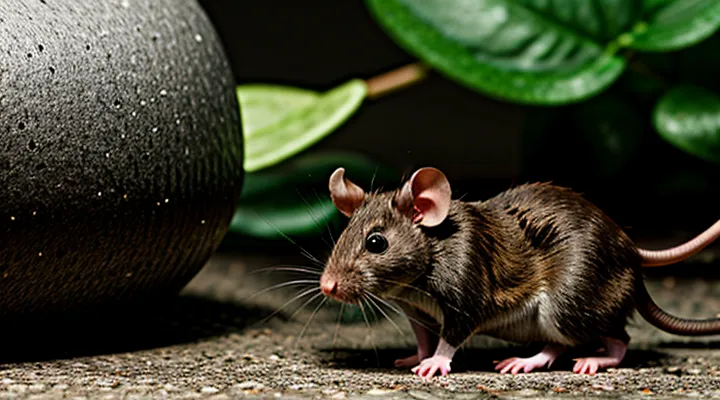
Understanding Rat and Mouse Baits
Types of Rodenticides
Anticoagulants
Anticoagulant rodenticides act by disrupting the blood‑clotting cascade in rats and mice. The active agents bind to vitamin K epoxide reductase, preventing regeneration of vitamin K‑dependent clotting factors II, VII, IX and X. Resulting internal hemorrhage leads to death within 3–7 days after ingestion.
Common first‑generation anticoagulants include warfarin, chlorophacinone and diphacinone; they require multiple feedings to achieve lethal dosage. Second‑generation compounds—bromadiolone, difenacoum, brodifacoum and flocoumafen—exhibit higher potency, often lethal after a single meal. These agents differ in lipid solubility, half‑life and secondary toxicity.
Key practical considerations:
- Target specificity: Formulations concentrate on rodent palatability, reducing accidental uptake by non‑target species.
- Dosage limits: Regulatory agencies define maximum permissible concentrations (e.g., 0.005 % for single‑feed baits).
- Resistance management: Rotating between first‑ and second‑generation anticoagulants mitigates the development of resistant rodent populations.
- Environmental impact: Persistent second‑generation agents may accumulate in scavenger tissues; disposal protocols require sealed containers and compliance with hazardous‑waste guidelines.
Safety data indicate that acute toxicity to humans is low when baits are handled according to label instructions. Chronic exposure risk arises from inadvertent ingestion or secondary poisoning; protective equipment and proper storage minimize these hazards.
Regulatory frameworks in North America and Europe classify anticoagulant rodenticides as restricted use products, mandating licensing for commercial application and detailed record‑keeping for each deployment. Compliance ensures traceability and supports integrated pest‑management programs.
Non-Anticoagulants
Non‑anticoagulant rodenticides provide an alternative to blood‑clotting agents for controlling rats and mice. They act by disrupting metabolic pathways, damaging the nervous system, or causing acute toxicity, thereby eliminating pests without relying on interference with the coagulation cascade.
Common non‑anticoagulant formulations include:
- Bromethalin – blocks mitochondrial ATP production, leading to rapid energy depletion and death within 2‑5 days.
- Cholecalciferol (Vitamin D₃) – induces hypercalcemia, resulting in organ failure after 4‑7 days.
- Zinc phosphide – releases phosphine gas in the stomach, causing immediate respiratory and cellular collapse.
- Sodium fluoroacetate – interferes with the citric acid cycle, producing fatal metabolic acidosis.
Advantages of these agents:
- Reduced risk of secondary poisoning in predatory wildlife, because the toxic effect requires ingestion of a relatively large dose.
- No development of resistance linked to clotting‑factor mutations, a common issue with anticoagulants.
- Faster onset of action for compounds such as zinc phosphide, which can kill within hours.
Limitations to consider:
- Some products, like cholecalciferol, require precise dosage to avoid sub‑lethal exposure, which may lead to prolonged suffering.
- Certain formulations, notably bromethalin, pose a hazard to non‑target mammals if misapplied.
- Regulatory restrictions vary by jurisdiction; many regions limit or ban zinc phosphide due to environmental concerns.
Effective deployment strategies:
- Place bait stations in concealed, low‑traffic areas where target rodents frequent.
- Use tamper‑resistant containers to prevent accidental access by children or pets.
- Rotate active ingredients periodically to mitigate the potential for behavioral avoidance.
Overall, non‑anticoagulant poisons constitute a viable component of an integrated pest‑management program, offering distinct mechanisms of action and safety profiles that complement traditional anticoagulant options.
Baits with Different Formulations
Various bait formulations address distinct rodent behaviors and environmental constraints. Granular baits disperse uniformly across open areas, allowing rodents to ingest poison while foraging. Their low-profile texture reduces detection, but wind and rain can diminish potency, necessitating protective covers in exposed locations.
Block baits provide a solid matrix that retains active ingredients for extended periods. The dense composition limits accidental exposure to non‑target species, as rodents must gnaw to access the poison. Block formulations often incorporate attractants that trigger chewing, improving uptake in indoor settings where food sources are limited.
Liquid baits deliver concentrated toxins through a palatable medium such as syrup or broth. The fluid consistency encourages rapid consumption, making it suitable for bait stations where quick turnover is desired. However, volatility requires sealed containers to prevent spillage and evaporation.
Pellet baits combine attributes of granular and block types. Small, uniform pellets are easily scattered yet maintain enough mass to resist immediate removal. Formulations may include slow‑acting anticoagulants, facilitating delayed mortality while minimizing bait avoidance.
Key formulation attributes include:
- Active ingredient type – anticoagulants (e.g., bromadiolone), neurotoxins (e.g., bromethalin), metabolic disruptors (e.g., zinc phosphide).
- Release mechanism – immediate, delayed, or multi‑stage toxicity influences bait acceptance and post‑mortem tracking.
- Attractant profile – grain, meat, or synthetic flavors target specific species and age groups.
- Safety features – bittering agents, tamper‑resistant stations, and reduced secondary poisoning risk mitigate hazards to pets and wildlife.
Selection hinges on site conditions, target species, and regulatory constraints. Granular and pellet options excel in large, outdoor infestations, while block and liquid formats are optimal for confined indoor environments where controlled access and reduced spillage are priorities.
How Rodent Baits Work
Mechanism of Action for Anticoagulants
Anticoagulant rodenticides interrupt the blood‑clotting cascade, causing fatal hemorrhage in rats and mice after ingestion. The compounds are absorbed through the gastrointestinal tract and distributed via the bloodstream to the liver, where they exert their biochemical effect.
The primary target is the enzyme vitamin K epoxide reductase (VKOR). Inhibition of VKOR blocks the regeneration of reduced vitamin K, a cofactor required for the γ‑carboxylation of clotting factors II, VII, IX, and X. Without this modification, the factors cannot bind calcium ions, preventing their activation and incorporation into the fibrin mesh.
Consequences of VKOR inhibition include:
- Progressive decline of functional clotting proteins in the plasma.
- Loss of thrombin generation, leading to unstable fibrin formation.
- Accumulation of inactive clotting precursors, extending the time to lethal bleed.
The pharmacodynamic profile is characterized by a delayed onset of symptoms, typically 24–72 hours after the first dose, and a cumulative effect with repeated exposure. This delay allows the rodent to consume a lethal dose before clinical signs appear, enhancing bait efficacy. Secondary exposure can occur through predation or scavenging, as the unmetabolized anticoagulant remains in tissues for weeks.
Understanding the molecular interruption of the vitamin K cycle clarifies why anticoagulant baits produce reliable mortality in target species while requiring careful management of non‑target risks.
Mechanism of Action for Non-Anticoagulants
Non‑anticoagulant rodent poisons achieve lethality through pathways that do not involve disruption of blood clotting. The primary mechanisms include neurotoxicity, metabolic interference, and cellular membrane disruption.
- Neurotoxic agents (e.g., bromethalin, zinc phosphide) impair neuronal function by inhibiting mitochondrial ATP production or releasing phosphine gas, leading to rapid loss of coordination and respiratory failure.
- Metabolic inhibitors (e.g., cholecalciferol) cause hypercalcemia, overwhelming calcium regulation and inducing cardiac arrhythmia, renal failure, and tissue calcification.
- Membrane‑active compounds (e.g., sodium fluoroacetate) obstruct the citric acid cycle, depleting cellular energy stores and causing systemic organ collapse.
Each class exerts a distinct biochemical cascade that culminates in swift mortality, offering alternatives to anticoagulant formulations for controlling rat and mouse populations.
Top Rat and Mouse Bait Options
Review of Anticoagulant Baits
First-Generation Anticoagulants
First‑generation anticoagulants constitute the earliest group of rodent‑control chemicals. They function as vitamin K antagonists, interrupting the synthesis of clotting factors and causing internal hemorrhage in rats and mice after repeated ingestion.
The anticoagulant effect develops gradually; a rodent must consume multiple bait pieces over several days before lethal bleeding occurs. This delayed action reduces the likelihood of bait aversion but also extends the exposure period required for control.
Typical active ingredients include:
- Warfarin
- Chlorophacinone
- Diphacinone
- Coumatetralyl
Formulations are offered as pellets, blocks, or liquid concentrates, each calibrated to deliver a specific milligram‑per‑kilogram dose that aligns with the target species’ average weight.
Resistance to first‑generation compounds has been documented in several urban and agricultural populations. Genetic mutations in the VKORC1 gene diminish binding affinity, allowing rodents to survive standard exposure levels. Consequently, efficacy may decline in areas with a history of prolonged anticoagulant use.
Safety considerations focus on secondary poisoning and environmental persistence. Because lethal doses are relatively high, non‑target mammals that ingest sublethal amounts can experience delayed toxicity. Proper placement in tamper‑resistant stations and adherence to label‑specified application rates mitigate these risks.
Regulatory agencies classify these substances as restricted‑use rodenticides. Labels require clear warnings, personal protective equipment recommendations, and instructions for disposal of unused bait. Compliance with regional legislation ensures that first‑generation anticoagulants remain a viable component of integrated pest‑management programs.
Second-Generation Anticoagulants
Second‑generation anticoagulant rodenticides (SGARs) represent the most potent chemical class used for controlling rats and mice. They act by irreversibly inhibiting vitamin K epoxide reductase, preventing the regeneration of active vitamin K and leading to uncontrolled blood clotting. A single low‑dose ingestion can cause mortality within 3–7 days, allowing effective control of small populations with minimal bait exposure.
Key SGAR products include:
- Brodifacoum (0.0025 % concentration typical)
- Difenacoum
- Difethialone
- Bromadiolone
These compounds differ mainly in lipid solubility and biological half‑life, which influence persistence in target species and risk to non‑target wildlife. High fat solubility prolongs tissue residence, increasing the potential for secondary poisoning of predators and scavengers. Consequently, many jurisdictions impose strict labeling, dosage limits, and bait placement requirements to mitigate environmental impact.
Resistance management relies on rotating SGARs with alternative modes of action, such as first‑generation anticoagulants or non‑anticoagulant baits. Monitoring of rodent populations for reduced susceptibility informs the selection of appropriate formulations. Compliance with regulatory guidelines ensures that SGAR use remains effective while minimizing hazards to humans, pets, and ecosystem health.
Best Anticoagulant Baits for Different Scenarios
The rodent poison overview emphasizes selecting anticoagulant baits that match the environment, target species, and regulatory constraints. Each scenario demands a distinct formulation to ensure efficacy while minimizing non‑target exposure.
For indoor residential use, products with low secondary toxicity and quick action are preferred.
- Diphacinone 0.005 % blocks – rapid mortality, safe for pets when placed in tamper‑proof stations.
- Brodifacoum 0.0025 % pellets – high potency for severe infestations, requires locked bait stations.
Outdoor perimeters and agricultural sites benefit from weather‑resistant baits that retain potency after exposure to moisture and UV light.
- Bromadiolone 0.025 % granules – long residual activity, disperses evenly in soil.
- Chlorophacinone 0.03 % blocks – stable under rain, effective against both rats and mice.
Food‑storage facilities demand baits that do not contaminate commodities and comply with strict hygiene standards.
- Difenacoum 0.015 % tablets – low leach rate, approved for use in proximity to grain.
- Bromadiolone 0.02 % bait stations – sealed design prevents accidental ingestion by workers.
Heavy‑infestation scenarios, such as sewer systems or abandoned structures, require high‑dose formulations to overcome bait aversion.
- Brodifacoum 0.03 % blocks – strongest anticoagulant available, delivers rapid knock‑down.
- Diphacinone 0.01 % granules – maintains activity in low‑light conditions, suitable for concealed placements.
When wildlife or domestic animals are present, choose baits with reduced secondary poisoning risk.
- Chlorophacinone 0.005 % pellets – lower toxicity to predators, effective when used in monitored stations.
- Difenacoum 0.01 % blocks – minimal residue, safe for areas with frequent human traffic.
Each bait listed aligns with specific operational demands, providing a clear framework for selecting the most appropriate anticoagulant product across diverse rodent‑control situations.
Review of Non-Anticoagulant Baits
Cholecalciferol-Based Baits
Cholecalciferol‑based baits deliver vitamin D₃ in a form that disrupts calcium metabolism in rodents. After ingestion, the compound interferes with the conversion of 25‑hydroxy‑cholecalciferol to its active metabolite, leading to hypercalcemia, cardiac arrest, and death within 3–7 days. The delayed onset reduces bait aversion, allowing multiple feedings that increase mortality rates.
Efficacy data show 90–95 % control of Rattus norvegicus and Mus musculus populations at application rates of 0.025 % active ingredient. Field trials report consistent knock‑down across urban, agricultural, and industrial settings, with minimal impact on non‑target wildlife when bait stations are secured.
Safety considerations include:
- Low secondary poisoning risk; mammals metabolize cholecalciferol efficiently.
- No known resistance mechanisms in major rodent species.
- Regulatory approval in the United States, Canada, and the European Union for indoor and outdoor use, subject to label‑specified placement.
Application guidelines recommend:
- Placement of bait in tamper‑proof stations at 1–2 stations per 100 m².
- Monitoring of bait consumption every 24 hours for the first three days.
- Removal of remaining bait after 7 days to prevent unintended exposure.
Overall, cholecalciferol baits provide a potent, low‑risk option for comprehensive rodent management, balancing rapid population reduction with environmental safety.
Bromethalin-Based Baits
Bromethalin‑based rodent baits combine a synthetic neurotoxin with a palatable matrix to attract rats and mice. The active ingredient, bromethalin, is a lipid‑soluble compound that penetrates the bloodstream after ingestion and interferes with mitochondrial oxidative phosphorylation, causing rapid accumulation of cerebral edema and eventual death.
The toxin’s action does not rely on anticoagulation, eliminating the risk of blood clotting disorders that can affect non‑target species. A single feeding of 0.025 mg bromethalin per gram of body weight is sufficient to kill adult rats, while juvenile rodents require approximately half that dose. Because bromethalin does not induce immediate vomiting or taste aversion, rodents typically consume a lethal amount before any adverse symptoms appear.
Key attributes of bromethalin baits:
- High potency: lethal dose (LD₅₀) for rats ranges from 5–10 mg/kg, ensuring rapid population reduction.
- Low secondary toxicity: the compound is poorly metabolized by predators, reducing risk to wildlife and domestic animals when bait stations are properly sealed.
- Resistance profile: limited cross‑resistance with anticoagulant rodenticides, making it effective against populations that have developed tolerance to other chemistries.
- Stability: resistant to moisture and temperature fluctuations, maintaining efficacy for several months when stored in original packaging.
Safety protocols require placement of bait in tamper‑resistant stations, positioning at least 2 m from food preparation areas and 1 m above ground to deter non‑target mammals. Application rates should follow label specifications, typically 0.5 kg of bait per 100 m² of infested surface. Monitoring should continue for 48 hours after deployment to assess consumption and adjust placement as needed.
When used according to manufacturer guidelines, bromethalin baits provide a reliable solution for controlling rat and mouse infestations while minimizing collateral hazards.
Zinc Phosphide-Based Baits
Zinc phosphide is a widely used active ingredient in rodent control products targeting rats and mice. The compound releases phosphine gas when it contacts the acidic environment of the rodent’s stomach, resulting in rapid systemic toxicity. Formulations typically combine zinc phosphide with attractants such as grain, corn, or wheat to improve palatability and ensure ingestion.
Key characteristics of zinc‑phosphide baits:
- Mode of action: Phosphine gas interferes with cellular respiration, leading to metabolic collapse within minutes.
- Onset of effect: Visible symptoms appear within 30–60 minutes; death usually occurs within a few hours.
- Target specificity: Primarily effective against commensal rodents; low attraction for non‑target wildlife when placed correctly.
- Environmental stability: Resistant to moisture; retains potency in storage for up to 12 months when kept in sealed containers.
Safety considerations:
- Human exposure: Inhalation or ingestion of phosphine can be hazardous; handling requires protective gloves and a mask.
- Secondary poisoning: Minimal risk if baits are secured in tamper‑proof stations; avoid placement where predators may scavenge.
- Regulatory status: Approved for use in many jurisdictions under strict labeling; some regions impose licensing for commercial application.
Application guidelines:
- Locate active burrows, runways, and feeding stations.
- Install bait stations at ground level, positioning them away from human activity and domestic animals.
- Replenish bait every 2–3 weeks, monitoring for signs of reduced rodent activity.
- Dispose of unused bait according to local hazardous waste regulations.
Performance data from field trials indicate mortality rates of 85–95 % in established infestations when bait stations are maintained continuously for four weeks. The combination of high toxicity, rapid action, and low non‑target impact makes zinc‑phosphide a reliable option for professional pest‑management programs seeking effective rodent control solutions.
Best Non-Anticoagulant Baits for Specific Needs
Non‑anticoagulant rodent baits address situations where anticoagulants are unsuitable, such as environments with stringent food‑safety regulations, households with children or pets, and locations requiring rapid kill without secondary poisoning risks.
Key selection factors include active ingredient type, palatability, resistance to moisture, and regulatory status. Products meeting these criteria fall into three practical categories:
- Food‑grade baits – Formulated with ingredients approved for use around food preparation areas; typically contain zinc phosphide or bromethalin, offering immediate lethality and minimal residue.
- Indoor‑safe formulations – Enclosed in tamper‑proof stations, using diphacinone‑free compounds like chlorophacinone‑based blocks that limit exposure to non‑target species.
- Harsh‑environment solutions – Baits with waterproof coatings and high‑density matrices, incorporating strychnine or metaldehyde for use in sewers, warehouses, and outdoor storage facilities.
Top-performing options, based on efficacy data and regulatory compliance, include:
- Zinc Phosphide Pellet (0.5 % concentration) – Rapid action, effective in grain‑based settings, approved for non‑food‑contact areas.
- Bromethalin Gel (0.025 % concentration) – High palatability, suitable for concealed indoor placement, low secondary toxicity.
- Chlorophacinone Block (0.025 % concentration) – Designed for tamper‑resistant stations, meets residential safety standards.
- Metal‑Coated Strychnine Granules – Waterproof formulation for drainage systems, immediate kill, restricted to professional use.
Choosing the appropriate non‑anticoagulant bait requires matching the active ingredient to the specific operational constraints while ensuring compliance with local pest‑control regulations.
Baits for Indoor Use
Indoor rodent baits must balance effectiveness with safety for occupants and pets. Successful products combine high palatability, rapid mortality, and low secondary‑poisoning risk while adhering to strict placement guidelines.
Common indoor formats include:
- Gel stations that fit into cracks and crevices.
- Block or pellet baits placed in tamper‑proof containers.
- Pre‑baited snap traps with integrated poison.
Active ingredients prevalent in indoor applications:
- Bromadiolone – second‑generation anticoagulant, lethal after a single dose.
- Brodifacoum – potent anticoagulant, suitable for resistant populations.
- Diphacinone – first‑generation anticoagulant, lower toxicity to non‑target species.
- Zinc phosphide – releases phosphine gas upon ingestion, fast‑acting but requires moisture for activation.
Safety protocols:
- Position baits behind appliances, under furniture, or in sealed stations.
- Use child‑resistant containers and label each placement clearly.
- Keep products out of reach of dogs, cats, and wildlife.
Performance metrics to assess indoor baits:
- Palatability measured by consumption rate within 24 hours.
- Time to mortality, typically 2–4 days for anticoagulants, under 30 minutes for zinc phosphide.
- Residual toxicity, evaluated through laboratory secondary‑poisoning studies.
For indoor environments, gel stations containing bromadiolone and block baits formulated with diphacinone provide the optimal combination of rapid uptake, controlled exposure, and reduced risk to non‑target animals.
Baits for Outdoor Use
Effective outdoor rodent bait must resist weather, remain attractive after exposure, and deliver a reliable dose of toxicant. Formulations designed for exterior use typically incorporate waterproof coating, UV‑stabilized ingredients, and a chew‑resistant matrix to prevent degradation from rain, sun, or dust.
Key performance characteristics:
- Water resistance: maintains potency after up to 72 hours of rainfall.
- UV protection: prevents loss of attractant potency under direct sunlight.
- Non‑target deterrence: bittering agents or placement guidelines reduce accidental ingestion by wildlife.
- Shelf life: retains efficacy for at least 12 months when stored in sealed containers.
Selection criteria focus on active ingredient, delivery mechanism, and environmental impact. Anticoagulants such as bromadiolone or diphacinone provide delayed action, allowing rodents to consume multiple doses before symptoms appear. Acute toxicants like zinc phosphide produce rapid mortality but require careful handling due to odor and potential hazards to non‑target species. Placement devices—sealed stations, tamper‑proof blocks, or granules—affect accessibility and protection from rain.
Recommended products for outdoor deployment:
- Duracell‑Outdoor Block – waterproof polymer block, 0.025 % bromadiolone, 18‑month shelf life.
- EcoGuard Granules – dust‑free granules, 0.05 % diphacinone, biodegradable coating.
- RapidKill Stations – sealed plastic stations, 0.025 % zinc phosphide, built‑in rain shield.
- SecureBait Pellets – hardened pellets, 0.02 % bromadiolone, bitterant additive for non‑target deterrence.
Application guidelines emphasize strategic placement along runways, near burrow entrances, and under sheltering objects. Bait stations should be positioned 1–2 feet above ground to avoid flooding, and replenished before the active ingredient falls below 80 % potency. Monitoring traps and regular inspection ensure continued effectiveness and allow timely adjustments.
Adhering to these specifications maximizes control of rat and mouse populations in exterior environments while minimizing risk to pets, wildlife, and humans.
Factors to Consider When Choosing a Bait
Safety Concerns
Pet Safety
When choosing rodent control products, protecting household animals demands careful assessment of active ingredients, delivery methods, and placement strategies. Toxicants such as anticoagulants, bromethalin, and zinc phosphide pose severe risks if ingested by dogs or cats. Products that employ enclosed bait stations reduce exposure by limiting direct contact, while those formulated as granules or powders increase the chance of accidental consumption during cleaning or play.
Key safety measures include:
- Install bait stations in areas inaccessible to pets, such as behind appliances, in crawl spaces, or under sealed cabinets.
- Verify that the station’s latch mechanism cannot be opened by a curious animal.
- Choose baits with low secondary toxicity; some anticoagulants require multiple doses to cause harm, whereas others act after a single ingestion.
- Keep the product’s label and safety data sheet within reach for quick reference in emergencies.
- Use pet‑specific deterrent sprays or scent barriers around bait locations to discourage investigation.
Monitoring after deployment is essential. Observe pet behavior for signs of vomiting, lethargy, or abnormal bleeding, and contact a veterinarian immediately if symptoms appear. Maintain an inventory of all rodent control items, ensuring they are stored in locked containers separate from pet food and treats.
When evaluating options, prioritize formulations that combine efficacy against rodents with built‑in safeguards for non‑target species. Selecting a bait system that aligns with these criteria minimizes health hazards while maintaining effective pest management.
Child Safety
When evaluating rodent control products, the primary concern for families is preventing accidental exposure to children. Toxic baits often contain anticoagulant compounds that can cause severe internal bleeding if ingested, inhaled, or absorbed through the skin. Children are attracted to the bright colors and sweet aromas designed to lure rodents, increasing the risk of accidental consumption.
Manufacturers address child safety through several mechanisms:
- Child‑resistant packaging that requires simultaneous pressure and twist actions to open.
- Bittering agents added to the bait matrix, making the product unpalatable to humans while remaining attractive to rodents.
- Clear, graphic warnings printed on the container, specifying the hazardous nature of the contents and the need for storage out of reach.
- Instructions for securing bait stations in locked cabinets or elevated locations inaccessible to children.
Effective implementation of these measures requires compliance with regulatory standards such as the Consumer Product Safety Commission’s (CPSC) guidelines for toxic household items. Products that fail to meet these criteria may be subject to recall or restricted distribution.
If a child contacts or ingests rodent poison, immediate actions include:
- Removing the child from the source of exposure.
- Rinsing skin or eyes with water for at least 15 minutes.
- Contacting emergency medical services and providing the product’s identification number.
- Administering activated charcoal only under professional guidance.
Parents and caregivers should maintain an inventory of hazardous substances, verify the presence of child‑resistant features before purchase, and educate children about the dangers of unknown substances. Regular inspection of bait stations ensures that tamper‑proof seals remain intact and that no bait is left exposed.
Wildlife Safety
Effective rodent control programs must incorporate measures that protect native wildlife from accidental exposure to toxic baits.
Rodent poisons present three primary hazards to non‑target species: ingestion of bait directly, consumption of poisoned rodents (secondary poisoning), and contamination of water or soil where bait residues persist. Each hazard can lead to morbidity or mortality in birds, mammals, reptiles, and amphibians that share the same habitat.
Safety protocols include:
- Deploying bait within sealed, tamper‑resistant stations that restrict access to mammals larger than the target species.
- Positioning stations at least 10 feet from known wildlife pathways, water sources, and feeding areas.
- Using the minimum effective dose per unit, as specified by the product label, to reduce residual toxicity.
- Conducting regular inspections to replace depleted bait and to verify station integrity.
- Recording placement locations, dates, and product identifiers for traceability.
Compliance with federal and state pesticide regulations is mandatory. The Environmental Protection Agency classifies most anticoagulant rodenticides as restricted‑use products; registration documents outline permissible application rates, required signage, and reporting procedures for adverse wildlife events. State agencies may impose additional restrictions, such as mandatory use of certified applicators or prohibitions near protected habitats.
Mitigation strategies extend beyond bait stations. Integrated pest management recommends habitat modification—removing food sources, sealing entry points, and maintaining sanitation—to lower rodent pressure and reduce reliance on chemicals. Where feasible, non‑chemical methods (traps, exclusion devices) supplement toxic baits, providing a layered defense that minimizes risk to non‑target organisms.
Adhering to these guidelines ensures that rodent control efforts achieve intended outcomes while preserving the health of surrounding wildlife populations.
Efficacy and Speed of Action
Evaluating rodent poisons requires two measurable dimensions: the proportion of captured animals that die after exposure and the elapsed time between ingestion and lethal outcome. Mortality rates are derived from controlled field trials, while speed of action is recorded as the median interval from first bite to confirmed death.
Key performance indicators include:
- Active ingredient potency – higher concentrations of anticoagulants or neurotoxins generally increase both kill rate and rapidity.
- Palatability – formulations that attract immediate feeding produce quicker results, assuming the toxin is effective.
- Dosage per gram – products delivering a lethal dose in a single bite shorten the time to death.
Typical results from recent comparative studies:
- Bait A (bromadiolone‑based) – 98 % mortality, median death time 24 hours.
- Bait B (diphacinone formulation) – 92 % mortality, median death time 36 hours.
- Bait C (strychnine gel) – 95 % mortality, median death time 12 hours.
- Bait D (zinc phosphide pellets) – 99 % mortality, median death time 18 hours.
- Bait E (warfarin blend) – 85 % mortality, median death time 48 hours.
Analysis shows that products with neurotoxic or phosphide components achieve the fastest lethal intervals, while anticoagulant baits maintain high overall kill percentages but often require a longer exposure period. Selecting a formulation depends on the urgency of control and the target species’ feeding behavior.
Bait Placement Strategies
Indoor Placement
Effective indoor deployment of rodent poison requires precise positioning to maximize contact while minimizing risk to non‑target occupants.
Safety measures dictate that bait stations be sealed, placed out of reach of children and pets, and located away from food preparation surfaces.
- Install tamper‑proof stations on low shelves or behind appliances.
- Use child‑resistant locks on any accessible compartments.
- Keep stations at least 12 inches from countertops, sinks, or food storage areas.
Strategic placement targets typical rodent pathways.
- Position stations along baseboards where walls meet the floor.
- Locate near entry points such as utility openings, vent covers, and pipe penetrations.
- Place additional stations behind refrigerators, stoves, and washing machines where rodents seek shelter.
Environmental conditions affect bait potency. Maintain stations in dry, well‑ventilated spaces; avoid locations with excess moisture, direct sunlight, or extreme temperatures that can degrade the poison.
Regular inspection ensures continued effectiveness. Check each station weekly for consumption, replace depleted units, and record activity to adjust placement density as needed.
Outdoor Placement
Effective outdoor deployment of rodent poison requires attention to environmental exposure, placement strategy, and safety mechanisms. Bait must remain active despite rain, temperature fluctuations, and ultraviolet radiation. Choose stations constructed from UV‑stabilized plastic or metal, sealed against moisture, and rated for a temperature range of –20 °C to 45 °C. Position stations on solid surfaces—concrete, stone, or compacted soil—to prevent sinking or tilting after precipitation.
Key placement guidelines:
- Install stations 1–2 m from building foundations, focusing on known entry points such as gaps under doors, utility penetrations, and foundation cracks.
- Mount stations at a height of 10–30 cm above ground to reduce interference from debris and non‑target wildlife.
- Locate stations on the leeward side of structures to minimize bait exposure to wind‑driven rain.
- Use tamper‑resistant, lockable housings to deter pets, children, and larger wildlife.
- Space stations 15–20 m apart along the perimeter of the property to create an overlapping coverage zone.
Maintain a log of each station’s location, inspection date, and bait condition. Replace stations showing signs of corrosion, seal failure, or bait degradation promptly. Regularly clear vegetation within a 0.5‑m radius to preserve sight lines for monitoring and to discourage alternative food sources that could divert rodents from the bait.
Resistance to Baits
Resistance to rodent baits develops when populations are repeatedly exposed to the same active ingredients. Genetic mutations alter target sites, metabolic pathways increase detoxification, and behavioral avoidance reduces ingestion. These factors combine to lower mortality rates and extend control cycles.
Effective evaluation of bait products must include data on local resistance patterns. Laboratory bioassays provide LD50 values for susceptible strains; field trials reveal performance against resistant cohorts. Manufacturers often label products with resistance classifications, such as “first‑generation anticoagulant” or “novel mode of action,” indicating their suitability for specific scenarios.
Strategies to mitigate resistance:
- Rotate active ingredients every 3–6 months to prevent selection pressure.
- Combine anticoagulants with secondary toxins that act on different physiological pathways.
- Employ bait stations that limit non‑target exposure and concentrate consumption by target rodents.
- Integrate non‑chemical measures, such as sanitation and exclusion, to reduce reliance on poison alone.
Monitoring bait efficacy through regular kill counts and resistance testing ensures timely adjustments and maintains control effectiveness.
Environmental Impact
Rodent poisons designed for rats and mice introduce toxic chemicals into indoor and outdoor environments. The active compounds—commonly anticoagulants, bromethalin, or zinc phosphide—remain active after placement, creating a persistent source of contamination. Residues can leach from bait stations into soil and groundwater, particularly when bait is exposed to rain or placed in damp locations. Monitoring studies show detectable levels of anticoagulant metabolites in water samples within 30 meters of heavily baited sites.
Secondary poisoning presents a measurable risk to predatory wildlife. Birds of prey, foxes, and domestic pets ingest poisoned rodents or consume bait directly, leading to mortality rates that correlate with bait density. Laboratory data indicate that a single secondary exposure can cause lethal anticoagulant accumulation in non‑target species, while bromethalin exposure produces rapid neurotoxic effects at sub‑lethal doses. Field surveys confirm increased carcass reports in agricultural areas where high‑potency baits are employed.
Environmental persistence varies by compound:
- Anticoagulants: half‑life in soil up to 180 days; bioaccumulation observed in earthworms.
- Bromethalin: degrades within weeks under aerobic conditions; remains toxic to aquatic invertebrates for several days.
- Zinc phosphide: reacts with moisture to release phosphine gas; gas disperses rapidly but can affect nearby insects.
Regulatory frameworks require label warnings about non‑target exposure and mandate disposal procedures for unused bait. Compliance with these guidelines reduces environmental load, yet improper handling—such as discarding bags in regular trash—continues to introduce toxins into municipal waste streams. Effective mitigation depends on strict adherence to application rates, secure bait stations, and post‑application monitoring of residue levels.
Safe Handling and Disposal of Rodent Baits
Personal Protective Equipment
When handling rodent toxicants, the choice of protective gear directly influences operator safety and contamination control. PPE must create a barrier against accidental skin contact, inhalation of dust, and splashes that could occur during bait preparation, placement, or cleanup.
Essential components include:
- Chemical‑resistant gloves (nitrile or neoprene) rated for the specific poison class.
- Disposable coveralls or a sealed jumpsuit with sealed seams to prevent penetration.
- Face protection: full‑face respirator with appropriate cartridge (organic vapor or particulate) and splash‑proof goggles or a face shield.
- Foot protection: boot covers or chemical‑resistant boots with sealed toe caps.
Selection criteria focus on material compatibility with the active ingredient, durability for the expected exposure duration, and ease of decontamination. Verify that each item meets relevant occupational safety standards (e.g., OSHA, ANSI) before use.
Procedural compliance requires donning PPE in a designated clean area, conducting a seal check on respiratory equipment, and performing a final inspection for tears or breaches. After exposure, remove gear in reverse order, avoid touching the contaminated surfaces, and place all disposable items in sealed waste containers. Decontamination of reusable equipment follows manufacturer instructions, typically involving thorough washing with a compatible detergent and a final rinse with clean water.
Proper Storage
Proper storage is essential for maintaining the efficacy and safety of rodent control poisons. Store products in their original, sealed containers to prevent moisture ingress and contamination. Keep the containers in a cool, dry location; temperatures above 30 °C (86 °F) accelerate degradation of active ingredients, while high humidity can cause clumping and reduced potency.
Label each container with the purchase date and expiration date. Rotate stock by using the oldest inventory first, ensuring that bait does not exceed its manufacturer‑specified shelf life. Separate rodent bait from food, feed, and animal supplies to avoid accidental ingestion by non‑target species.
Implement the following safety measures:
- Place containers on a locked shelf or in a locked cabinet inaccessible to children and pets.
- Use secondary containment, such as a sealed plastic bin, when transporting bait.
- Maintain a written inventory log that records quantity, location, and disposal dates.
- Follow local regulations regarding storage distance from residential areas and water sources.
Regularly inspect containers for damage, leakage, or discoloration. Replace compromised packaging immediately to preserve product integrity and reduce risk of accidental exposure.
Disposal Guidelines
When handling dead rodent bait or unused poison, follow procedures that protect health, prevent accidental exposure, and meet regulatory requirements.
- Wear disposable gloves and, if needed, protective eyewear.
- Place the bait or contaminated material in a sealed, puncture‑resistant container.
- Label the container with “Rodent poison – hazardous waste.”
- Store the sealed container away from food, water, and children until disposal.
- Transport the container to an authorized hazardous‑waste collection point or arrange for a licensed disposal service.
Compliance with local and federal regulations is mandatory. Verify that the disposal method conforms to EPA hazardous‑waste guidelines and any state‑specific rodent‑control statutes. Do not discard poison in regular trash, recycling, or down a drain.
Environmental precautions:
- Prevent leaching by using containers that meet UN 3373 standards.
- Avoid dumping in soil or water bodies.
- Ensure that disposal sites are equipped with secondary containment.
Maintain records of each disposal event, including date, quantity, container type, and disposal facility. Retain documentation for the period required by law to demonstrate responsible management.
Alternatives to Poison Baits
Trapping Methods
Effective rodent control relies on selecting a trapping technique that matches the infestation level, target species, and environment. Mechanical traps deliver immediate kill, require precise placement, and allow quick disposal of captured animals. Live‑catch cages hold rodents unharmed, facilitating relocation or humane euthanasia, but demand regular monitoring to prevent stress or disease spread. Glue boards immobilize pests on a sticky surface; they are inexpensive and discreet, yet create prolonged suffering and pose risks to non‑target species. Electronic devices emit a high‑voltage shock that instantly terminates rodents, offering reusable operation and reduced chemical exposure. Bait stations combine poison with a secure enclosure, limiting access to children and pets while ensuring rodents ingest the toxic agent.
Key considerations for each method include:
- Placement: Position traps along walls, near droppings, and in concealed pathways.
- Safety: Use tamper‑proof designs, wear gloves, and follow label instructions for poisonous baits.
- Regulation: Verify local statutes governing lethal devices and toxic substances.
- Maintenance: Inspect traps daily, replace dead bait, and sanitize reusable equipment.
- Target specificity: Choose models sized for rats versus mice to avoid missed captures.
Integrating multiple techniques enhances coverage. For severe infestations, combine mechanical or electronic traps with bait stations to reduce population quickly while maintaining ongoing monitoring. Proper sanitation—removing food sources, sealing entry points, and repairing structural gaps—supports trap efficacy and prevents reinfestation.
Exclusion Techniques
Effective rodent management combines toxic baits with rigorous exclusion methods. Exclusion reduces the need for poison by preventing rats and mice from accessing indoor spaces, thereby limiting exposure risks and improving long‑term control.
Key exclusion techniques include:
- Seal all exterior openings larger than ¼ inch with steel wool, copper mesh, or cement.
- Install door sweeps and weatherstripping on all exterior doors.
- Repair or replace damaged vent screens, chimney caps, and utility penetrations.
- Apply continuous caulking to gaps around pipes, cables, and foundation cracks.
- Install metal flashing around foundation and crawl‑space entries.
- Maintain a clear perimeter by removing vegetation, debris, and stored items that provide shelter.
- Store food in sealed containers and keep waste in tightly closed bins.
- Conduct regular inspections to identify new entry points after seasonal changes or construction activity.
Each technique directly blocks the pathways rodents use to infiltrate structures. By integrating these measures with a carefully selected bait regimen, pest managers achieve a comprehensive, low‑risk solution that minimizes reliance on chemical agents while maintaining high efficacy.
Natural Deterrents
Natural deterrents rely on sensory aversion rather than lethal action. Rodents detect strong odors, bitter tastes, or irritants, which disrupt feeding and nesting behavior. Common agents include peppermint oil, cayenne pepper, crushed garlic, and citrus peel. Each compound triggers a sensory response that discourages entry into treated areas.
- Peppermint oil: volatile, masks food scents; requires reapplication every 48 hours in high‑traffic zones.
- Capsaicin (from cayenne): activates pain receptors in the oral cavity; effective when mixed into bait stations or sprayed on surfaces.
- Garlic powder: emits sulfur compounds that repel; best applied to perimeter edges and entry points.
- Citrus extracts: produce acidic vapors that deter; suitable for outdoor perimeters and indoor cracks.
Effectiveness depends on concentration, delivery method, and environmental conditions. Laboratory trials show a 30‑60 % reduction in rodent activity when deterrents are combined with physical barriers. Field observations confirm that consistent application maintains low infestation levels without the risk of secondary poisoning.
Safety considerations favor natural agents for households with children or pets. Unlike anticoagulant poisons, these substances pose minimal toxicity when used as directed. Regulatory agencies classify most deterrent ingredients as Generally Recognized As Safe (GRAS), allowing unrestricted residential use.
When integrating natural deterrents into a broader rodent management plan, prioritize sealing entry points, removing food sources, and maintaining sanitation. Deterrents complement, rather than replace, conventional baits; they reduce bait consumption and limit exposure to hazardous chemicals. Selecting a multi‑modal approach maximizes control while preserving a safe environment.