
Understanding Rat Bedding Needs
Why Proper Bedding Matters for Rats
Health Benefits of Good Bedding
Effective bedding directly influences rat health. Absorbent, dust‑free material maintains a dry environment, preventing skin irritation and respiratory problems. Clean substrate reduces bacterial growth, limiting infection risk. Soft, natural fibers encourage natural nesting behavior, supporting musculoskeletal development. Proper bedding also stabilizes cage temperature, decreasing stress‑related illnesses.
- Moisture control → reduced dermatitis and fungal outbreaks
- Low dust content → fewer respiratory infections
- Antimicrobial properties → lower bacterial load
- Nesting support → stronger bone and muscle health
- Thermal regulation → minimized stress responses
Moisture control prevents the skin from staying damp, which otherwise creates a breeding ground for pathogens. Dust particles can be inhaled, irritating the delicate respiratory tract and leading to chronic conditions such as pneumonia. Materials with inherent antimicrobial qualities inhibit colony formation of harmful microbes, lowering the probability of gastrointestinal and skin infections. Providing a substrate that rats can manipulate for nests promotes natural grooming and movement, reinforcing skeletal integrity and muscle tone. Consistent temperature buffering reduces cortisol spikes, contributing to overall immune resilience.
Behavioral Needs Addressed by Bedding
Rats instinctively construct nests, dig tunnels, and engage in scent‑marking activities. Appropriate bedding supplies the substrate necessary for these behaviors, supporting physiological and psychological stability.
- Nest building – Soft, absorbent material enables rats to create comfortable, insulated chambers that retain body heat and promote restful sleep.
- Burrowing – Granular or fibrous substrates encourage excavation, satisfying the species’ natural urge to tunnel and explore confined spaces.
- Scent marking – Natural fibers retain odor molecules, allowing individuals to leave scent trails that reinforce social hierarchy and territorial boundaries.
- Foraging simulation – Bedding that can be partially buried with treats mimics outdoor foraging, stimulating problem‑solving skills and reducing monotony.
- Temperature regulation – Materials with high moisture‑wicking capacity keep the cage dry, preventing heat loss and minimizing the risk of hypothermia in cooler environments.
- Stress mitigation – Consistent, clean substrate reduces exposure to irritants, decreasing cortisol spikes associated with environmental discomfort.
By meeting these specific behavioral requirements, bedding directly influences reproductive success, immune function, and overall vitality. Selecting a substrate that fulfills each need ensures a habitat that aligns with rats’ innate habits while minimizing health complications.
Common Issues with Poor Bedding Choices
Choosing unsuitable bedding for a rat cage creates several predictable problems.
- High dust content irritates respiratory passages, leading to sneezing, nasal discharge, and increased susceptibility to infections.
- Absorbency that is too low allows urine to pool, producing strong ammonia odor and accelerating respiratory irritation.
- Moisture retention promotes mold and bacterial growth, which can cause skin lesions and gastrointestinal upset.
- Certain materials, such as cedar or pine shavings, release volatile oils that damage fur and skin, resulting in hair loss and dermatitis.
- Poorly structured bedding encourages burrowing in the wrong places, making cage cleaning labor‑intensive and increasing the risk of hidden waste.
- Low‑quality substrates often break down quickly, requiring frequent replacement and raising overall maintenance costs.
- Some cheap options attract insects or rodents, creating a secondary infestation that compromises hygiene and animal welfare.
These issues directly affect rat health, cage sanitation, and the effort needed to maintain a stable environment. Selecting a bedding product that minimizes dust, controls moisture, and avoids harmful chemicals mitigates these risks.
Types of Bedding for Rat Cages
Absorbent Bedding Materials
Paper-Based Bedding
Paper-based bedding provides a dry, absorbent medium that manages moisture and odor effectively in rat enclosures. Its cellulose fibers create a soft surface that reduces the risk of foot injuries and supports natural digging behavior.
Key characteristics include:
- High absorbency, limiting ammonia buildup.
- Low dust production, minimizing respiratory irritation.
- Biodegradability, allowing composting after use.
- Compatibility with standard cage filters and liners.
Potential drawbacks are limited long‑term structural integrity and a tendency to compress under heavy use. To maintain performance, replace the bedding every 5–7 days or sooner if it becomes saturated.
Optimal usage guidelines:
- Spread a 1‑inch layer on the cage floor, ensuring even coverage.
- Combine with a small portion of shredded paper for enrichment, avoiding excessive bulk.
- Monitor humidity levels; replace the bedding promptly if dampness is observed.
- Store unused material in a sealed container to preserve dryness.
Hemp Bedding
Hemp bedding provides a natural, biodegradable substrate that absorbs moisture efficiently and reduces odor in rodent enclosures. Its fibrous structure creates a comfortable surface for chewing and nesting, while the low dust content minimizes respiratory irritation for both animals and caretakers.
The material is free of added chemicals, resists mold formation, and does not release volatile compounds that could affect sensitive respiratory systems. Its high absorbency allows a single layer to manage several days of waste before replacement is required.
Cost per kilogram is higher than paper-based products but comparable to premium wood shavings. Availability is increasing through specialty pet retailers and online suppliers. Replacement intervals typically range from three to five days, depending on cage size and occupancy level.
Comparison with common alternatives
- Paper pulp – low dust, moderate absorbency, inexpensive; lacks chewable texture.
- Aspen shavings – low dust, good absorbency, aromatic; may be more expensive and less biodegradable.
- Softwood shavings – cheap, high absorbency; higher dust and potential aromatic oils.
Hemp bedding combines low dust, high absorbency, and chewable texture, positioning it among the top choices for rat cages.
For optimal performance, spread a 1–2 cm layer across the cage floor, monitor moisture levels daily, and replace the entire substrate when it becomes saturated or soiled. Regular spot cleaning of wet spots can extend the interval between full changes.
Aspen Shavings
Aspen shavings provide a dry, low‑dust bedding option for rat enclosures. The wood fibers are soft enough to prevent foot injuries while maintaining structural integrity that resists compaction over time.
Key characteristics include:
- Minimal aromatic oils, reducing the risk of respiratory irritation.
- High absorbency, capable of holding several milliliters of urine per gram of material.
- Biodegradability, allowing safe disposal in compost or landfill without hazardous residues.
Considerations for optimal use:
- Replace the bedding weekly to prevent ammonia buildup, even though ash content remains low.
- Store shavings in a sealed container to preserve dryness; moisture accelerates mold growth.
- Monitor weight gain in the cage; excessive depth can impede movement and increase nesting material consumption.
When compared with alternatives such as paper pulp or hemp, aspen shavings excel in odor control and cost efficiency, though they may lack the natural nesting texture favored by some rodents. Selecting aspen shavings aligns with best practices for maintaining a clean, health‑conscious environment for pet rats.
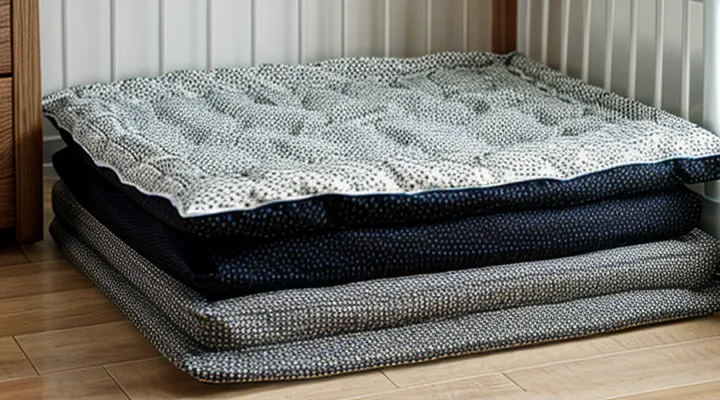
Fleece and Fabric Liners
Fleece and fabric liners provide a reusable surface that protects the cage base while offering a soft, absorbent layer for rats. The material’s high loft traps moisture, reduces odor, and minimizes the need for frequent litter changes. Because fleece does not disintegrate, it can be washed repeatedly without losing structural integrity, making it cost‑effective over the long term.
Key characteristics:
- Absorbency: Thick pile fibers retain urine and spills, keeping the cage floor dry.
- Durability: Reinforced seams prevent tearing, even with active rodents.
- Cleaning: Machine‑washable at 60 °C; quick‑dry fabrics return to service within hours.
- Safety: Non‑toxic, hypoallergenic fibers pose no risk of ingestion or skin irritation.
When selecting a liner, consider the following criteria:
- Weight: 300–350 gsm fleece offers optimal balance between softness and sturdiness.
- Size: Cut to match the exact dimensions of the cage floor, allowing a slight overlap to secure the edges.
- Fabric type: Micro‑fleece blends of polyester and cotton provide superior breathability; avoid pure polyester, which can generate static.
- Layering: Pair with a thin layer of wood shavings or paper bedding to enhance comfort and facilitate spot cleaning.
Maintenance protocol:
- Remove the liner weekly for a full wash; spot‑clean daily with a damp cloth.
- Rotate the liner after each wash to distribute wear evenly.
- Inspect seams before each use; replace if fraying appears.
Overall, fleece and fabric liners deliver reliable performance for rat housing, combining hygiene, comfort, and economic advantages that align with expert recommendations for optimal cage bedding solutions.
Nesting and Burrowing Materials
Shredded Paper
Shredded paper serves as a practical bedding option for rodent enclosures. It offers high absorbency, allowing waste moisture to be captured quickly and reducing the risk of odor buildup. The material is soft, minimizing the chance of foot injuries or skin irritation. Its lightweight structure promotes easy cleaning; portions can be removed and replaced without disturbing the cage’s overall setup.
Key characteristics:
- Absorption capacity: Holds several times its weight in liquid, suitable for daily waste management.
- Dust level: Low‑dust variants prevent respiratory irritation for both animals and handlers.
- Cost efficiency: Bulk purchase reduces expense compared to specialty substrates.
- Biodegradability: Decomposes naturally, supporting environmentally responsible disposal.
Considerations for optimal use:
- Choose paper without inks, dyes, or additives that could be toxic if ingested.
- Ensure the shred size is uniform, roughly 1–2 cm, to prevent compaction and maintain airflow.
- Replace bedding regularly, typically every 3–5 days, to sustain hygiene standards.
- Store unused material in a dry container to avoid moisture absorption before placement.
Implementation steps:
- Spread a 2‑inch layer of shredded paper across the cage floor.
- Observe the rats’ behavior; adjust depth if nesting material appears insufficient.
- Monitor moisture levels; add fresh layers when the base becomes damp.
- Dispose of soiled paper in a sealed bag to contain odor and contaminants.
When selected and maintained correctly, shredded paper provides a reliable, safe, and economical substrate for rat habitats.
Hay and Straw (with caveats)
Hay and straw are frequently offered to pet rats as bedding, yet both materials present distinct limitations that affect cage hygiene and animal health. Hay provides chewing opportunities and a natural scent that can reduce stress, but its loose fibers generate dust and can become compacted, creating a damp environment conducive to mold growth. Straw, typically derived from wheat or oat harvests, offers a sturdier substrate that absorbs moisture better than hay, yet its coarse texture may irritate sensitive respiratory passages and can be difficult for rats to manipulate for nesting.
Key considerations when using hay or straw:
- Choose dust‑free, pesticide‑free varieties; avoid aromatic woods such as cedar or pine, which release volatile compounds harmful to rodents.
- Limit the depth of the layer to 1–2 cm; excessive thickness retains humidity and encourages bacterial proliferation.
- Replace the material at least every 3–4 days, or sooner if it becomes soiled, wet, or moldy.
- Combine with a secondary, low‑dust bedding (e.g., paper pulp or aspen shavings) to improve absorbency and maintain a cleaner substrate.
- Monitor rats for signs of respiratory irritation—sneezing, labored breathing, or nasal discharge—and discontinue use if symptoms appear.
In practice, hay serves best as a supplemental enrichment item rather than a primary bedding, while straw can be employed intermittently for nesting material, provided the above precautions are observed. Regular cleaning and vigilant observation remain essential to prevent the drawbacks associated with these natural substrates.
Soft Fabric Scraps
Soft fabric scraps provide a low‑profile, absorbent surface that can be placed directly on the cage floor. The material is typically made from cotton, fleece, or other natural fibers, which retain moisture without becoming soggy. Because the fibers are fine, rats experience a comfortable, nest‑building substrate that mimics natural bedding.
Advantages include:
- High absorbency reduces the frequency of complete cage changes.
- Soft texture encourages nesting behavior and reduces stress on paws.
- Reusable after washing, lowering long‑term costs.
- Lightweight, allowing easy placement and removal.
Potential drawbacks to consider:
- Synthetic blends may shed fibers that can be inhaled or ingested.
- If not laundered regularly, fabric can develop mold or bacterial growth.
- Some dyes or chemical treatments may be toxic to rodents.
- Requires a waterproof liner beneath the fabric to prevent moisture seepage into the cage base.
Effective use of fabric scraps involves several steps. First, select 100 % natural fibers without added dyes or chemicals. Second, cut the material to fit the cage interior, leaving a small margin for secure placement. Third, place a water‑resistant liner (e.g., a thin plastic sheet) on the cage floor, then lay the fabric on top. Fourth, wash the fabric weekly in hot water (minimum 60 °C) with a mild detergent, rinse thoroughly, and dry completely before reuse. Finally, inspect the bedding daily for signs of dampness, odor, or mold, and replace it promptly if any issues arise.
Bedding to Avoid
Cedar and Pine Shavings
Cedar and pine shavings are frequently considered for rat enclosures because they provide absorbency and a natural scent. However, their chemical composition creates specific health considerations that outweigh the convenience they offer.
- Aromatic oils: Both woods contain phenols that can irritate the respiratory tract of rodents. Continuous exposure may lead to sneezing, nasal discharge, or chronic bronchitis.
- Dust production: Shavings generate fine particles that remain airborne, increasing inhalation risk, especially in poorly ventilated cages.
- Absorbency: While they soak up moisture better than some paper products, the moisture can become trapped within the wood fibers, fostering mold growth if not changed frequently.
- Durability: Cedar and pine degrade slower than cellulose bedding, reducing the frequency of full‑cage changes but also allowing contaminants to accumulate longer.
Given these factors, cedar and pine shavings are generally unsuitable for long‑term use in rat habitats. Safer alternatives—such as aspen shavings, recycled paper bedding, or hemp—provide comparable absorbency without the respiratory hazards associated with aromatic wood oils.
Scented Bedding
Scented bedding is occasionally marketed for rodent habitats, yet its suitability for rat cages requires careful assessment. The fragrance originates from chemical additives or natural essential oils, which can affect respiratory health, olfactory sensitivity, and stress levels in rats. Studies indicate that inhalation of volatile compounds may irritate nasal passages and exacerbate allergic reactions, potentially leading to reduced activity and compromised immunity.
Key considerations for selecting scented bedding include:
- Chemical composition: Verify that the scent derives from non‑toxic, low‑volatile substances; avoid products containing synthetic fragrances, parabens, or phthalates.
- Absorbency: Ensure the material retains moisture comparable to unscented alternatives; poor absorption increases ammonia buildup, undermining air quality.
- Dust generation: Low‑dust formulations reduce particulate exposure; high dust levels amplify respiratory irritation regardless of scent.
- Behavioral response: Observe rats for signs of avoidance, excessive grooming, or altered nesting patterns after introducing scented bedding; adverse behavior signals incompatibility.
- Longevity of scent: Rapid dissipation may render the fragrance ineffective, while persistent odors can lead to habituation and diminished welfare benefits.
Recommended practices:
- Conduct a trial period of 48–72 hours with a small quantity of scented bedding in a separate enclosure.
- Monitor weight, respiratory rate, and nesting activity daily; record any deviations from baseline.
- If no negative indicators emerge, integrate the bedding gradually, maintaining a 70 % unscented to 30 % scented mixture to dilute potential irritants.
- Replace bedding at least once weekly, or sooner if odor or moisture levels rise.
When the evaluation confirms safety and acceptance, scented bedding may serve as a mild environmental enrichment tool, providing pleasant olfactory stimuli without compromising health. In the absence of clear evidence of benefit, default to high‑quality, unscented, low‑dust substrates such as paper‑based or aspen shavings.
Dusty Bedding
Dusty bedding, typically composed of fine wood shavings, paper pulp, or commercial cellulose, releases particles that remain suspended in the air within a cage. Inhalation of these particles can irritate the respiratory tract of rats, leading to symptoms such as sneezing, nasal discharge, and increased susceptibility to respiratory infections. The fine texture also adheres to fur, facilitating ingestion during grooming and potentially causing gastrointestinal irritation.
When assessing bedding for a rat enclosure, consider the following criteria:
- Particle size: Larger, coarse fibers settle quickly and reduce airborne dust.
- Absorbency: Materials that wick moisture without breaking down minimize the need for frequent replacement.
- Chemical composition: Avoid bedding treated with aromatic oils, pesticides, or additives that may exacerbate respiratory issues.
- Longevity: Bedding that retains structural integrity over several days reduces disturbance to the animals.
Common alternatives that meet these criteria include:
- Aspen shavings – low in aromatic compounds, coarse enough to limit dust.
- Hemp bedding – high absorbency, minimal dust generation, biodegradable.
- Recycled paper pellets – compact, low-dust, easy to replace in portions.
Proper maintenance further mitigates dust accumulation. Remove soiled sections daily, replace the entire bedding weekly, and ensure adequate ventilation in the cage area. Using a sealed storage container for fresh bedding prevents moisture uptake, which can increase particle release when the material is disturbed.
Overall, selecting a low‑dust substrate and adhering to a disciplined cleaning schedule protects respiratory health and promotes a stable environment for laboratory or pet rats.
Newspaper Ink Concerns
Newspaper is occasionally chosen for its low cost and absorbency, yet the ink applied to most printed pages introduces health risks for rodents.
Typical newspaper ink contains petroleum‑derived solvents, carbon black, and trace heavy metals such as lead and cadmium. These substances release volatile organic compounds (VOCs) when dampened by urine or humidity inside the cage.
Rats exposed to ink‑derived VOCs may develop respiratory irritation, reduced mucociliary clearance, and chronic airway inflammation. Skin contact with soluble ink components can lead to dermatitis and systemic absorption of toxic metals, increasing the likelihood of organ damage over time.
To mitigate these hazards, consider the following actions:
- Use only the unprinted inner sections of the paper, where ink coverage is minimal.
- Select newspapers printed with soy‑based or vegetable‑oil inks, which emit fewer VOCs.
- Rinse printed sheets in warm water, squeeze out excess moisture, and allow thorough drying before placement.
- Replace newspaper with proven bedding materials such as paper pulp, aspen shavings, or kiln‑treated wood chips.
When evaluating bedding options, prioritize substrates that eliminate ink exposure, support dry litter conditions, and provide a safe, low‑dust environment for the animals.
Key Factors When Choosing Bedding
Absorbency and Odor Control
Importance of Ammonia Management
Effective ammonia control protects rat health and maintains cage hygiene. Ammonia originates from urine breakdown; concentrations above 25 ppm cause respiratory irritation, reduced growth, and increased susceptibility to infection. Persistent exposure also degrades bedding integrity, leading to higher maintenance costs.
Key practices for ammonia reduction:
- Select bedding with high absorbency and low nitrogen content, such as paper‑based or aspen shavings.
- Replace soiled bedding at least twice weekly; more frequent changes are required in densely populated cages.
- Implement daily spot cleaning to remove wet spots before ammonia accumulates.
- Ensure adequate cage ventilation; airflow of 0.5 – 1 m³ per hour per cage keeps ammonia levels below harmful thresholds.
- Monitor ammonia using colorimetric strips or electronic sensors; adjust cleaning schedule when readings exceed 20 ppm.
Consistent application of these measures minimizes toxic exposure, supports optimal respiratory function, and preserves the overall quality of the bedding environment.
Frequency of Bedding Changes
The frequency of bedding replacement directly affects rodent health, odor control, and cage hygiene. Fresh bedding should be introduced before waste accumulates to a level that compromises air quality or encourages bacterial growth.
Key factors determining change intervals:
- Bedding type – absorbent materials such as paper pulp or kiln‑treated wood chips retain moisture longer than corn‑based or shredded newspaper; they may require replacement every 7‑10 days, whereas less absorbent options need changing every 3‑5 days.
- Cage size and occupancy – a larger enclosure or a group of rats produces more waste; increase replacement frequency proportionally. A single rat in a standard 2‑ft³ cage typically allows a 7‑day interval, while four rats in the same space may need a change every 3‑4 days.
- Humidity and temperature – higher ambient humidity accelerates bedding saturation; under humid conditions shorten the schedule by 1‑2 days.
- Observation of odor or dampness – visible signs of wet spots, clumping, or strong ammonia odor indicate immediate replacement, regardless of the planned timetable.
Practical schedule:
- Initial assessment – after the first week, evaluate moisture level and odor; adjust the baseline interval accordingly.
- Routine changes – set a calendar reminder based on the determined interval; perform a full bedding overhaul, discarding all soiled material.
- Spot cleaning – between full changes, remove clumped waste and soiled sections to prolong overall bedding life and maintain cleanliness.
Consistent monitoring and adherence to these guidelines ensure optimal cage conditions, reduce disease risk, and maintain a comfortable environment for the rats.
Safety and Non-Toxicity
Dust Levels
Dust generation directly affects respiratory health in rats, making it a primary criterion when selecting cage substrate. High‑dust bedding can irritate nasal passages, exacerbate allergies, and increase the risk of respiratory infections such as Mycoplasma pulmonis. Evaluating dust levels involves measuring the amount of particulate matter released during normal handling, observing cloud formation when the bedding is disturbed, and noting any lingering residue on the cage floor.
Low‑dust bedding options include:
- Paper‑based pellets or shredded sheets: minimal airborne particles, absorbent, and easy to replace.
- Aspen wood shavings: naturally low in dust compared to pine or cedar, with a fine texture that does not become airborne.
- Hemp fiber bedding: coarse enough to stay on the surface, yet soft for the animals, producing negligible dust.
- Coconut coir granules: dense fibers that settle quickly, limiting aerosol formation.
High‑dust alternatives to avoid:
- Pine and cedar shavings: release aromatic oils and fine dust that can trigger respiratory irritation.
- Straw or hay: break apart easily, creating visible dust clouds during cleaning.
- Dusty cellulose powders: often marketed for scent control but produce significant airborne particulates.
When testing a new substrate, spread a thin layer (approximately 1 cm) in the cage, stir it gently, and observe the visibility of particles after 30 seconds. If a visible haze remains, the bedding exceeds acceptable dust thresholds for most pet rats. Selecting a low‑dust material reduces the need for frequent ventilation, supports healthier breathing, and contributes to overall welfare in rat housing.
Ingestibility Risks
When selecting bedding for a rat enclosure, the potential for animals to ingest material must be a primary safety consideration. Small, loose fibers can be swallowed unintentionally during foraging or grooming, leading to gastrointestinal blockage or irritation. Certain wood products release volatile compounds that can cause respiratory distress if inhaled, but they also pose an ingestibility hazard when pellets break down into fine particles.
Bedding options and associated ingestibility risks
- Paper‑based bedding (e.g., shredded paper, paper pellets) – low particle size, minimal toxicity; risk limited to occasional ingestion of soft fibers, which are generally passable.
- Aspen shavings – coarse texture reduces accidental swallowing; occasional ingestion of larger pieces may cause mild irritation but rarely leads to obstruction.
- Cedar and pine shavings – fine dust and aromatic oils increase the likelihood of ingestion and present additional toxic effects; avoid.
- Corncob bedding – granular structure can be chewed and swallowed; high fiber content may cause impaction in the digestive tract.
- Scented or chemically treated bedding – additives may be attractive to rats, encouraging ingestion; chemicals can be toxic if absorbed.
Mitigation strategies
- Choose bedding with larger particle size and low dust production.
- Replace soiled bedding regularly to prevent breakdown into finer, ingestible fragments.
- Monitor rats for signs of gastrointestinal distress, such as reduced appetite, lethargy, or abnormal stool.
- Provide ample chew toys and safe foraging material to divert gnawing behavior away from bedding.
By prioritizing substrates that minimize accidental ingestion, caretakers reduce the risk of blockages and toxicity, supporting overall health and longevity of the rodents.
Allergen Potential
Allergen potential directly influences both rat health and caretaker comfort. Materials that release dust, pollen, or fungal spores can trigger respiratory irritation, skin reactions, or asthma in sensitive individuals. Selecting low‑allergen bedding reduces these risks while maintaining a clean environment for the animals.
- Paper‑based bedding (e.g., shredded paper, cellulose pads) – minimal dust, low pollen content, biodegradable; suitable for most users with mild sensitivities.
- Aspen shavings – coarse texture, virtually dust‑free, low mold growth; preferred for rats with respiratory concerns.
- Coconut fiber (coir) – moderate dust, natural antimicrobial properties; may cause mild skin irritation in highly sensitive owners.
- Corncob bedding – high dust levels, known to provoke allergic reactions; generally avoided for allergy‑prone households.
- Scented or treated bedding – added fragrances or chemicals increase airborne irritants; contraindicated for both rats and allergic caretakers.
Testing a small sample of any new bedding before full implementation helps identify individual reactions. Rotate bedding types only after confirming that no allergic symptoms appear in rats or humans. Regular cage cleaning, adequate ventilation, and prompt removal of soiled material further diminish allergen exposure.
Comfort and Enrichment
Softness and Texture
Softness and texture directly affect a rat’s comfort and health. A substrate that feels gentle against paws and fur reduces the risk of skin irritation, encourages natural digging behavior, and supports proper grooming. Rough or abrasive materials can cause abrasions, trigger stress, and increase the likelihood of respiratory issues when dust accumulates.
Key characteristics to evaluate:
- Fiber diameter – finer fibers create a plush surface, while coarse fibers feel gritty.
- Compressibility – bedding that yields under pressure offers a cushioned layer for nesting.
- Moisture handling – materials that stay dry maintain softness; excessive dampness turns soft fibers into clumps that become hard and uneven.
- Dust content – low‑dust options preserve a smooth texture and prevent respiratory irritation.
Recommended substrates based on these criteria:
- Paper‑based pulp – ultra‑soft, low‑dust, high absorbency; maintains a consistent, cushiony texture even when slightly moist.
- Fleece blankets – washable, densely woven, provides a smooth, warm surface; retains softness after repeated cleaning.
- Coconut fiber (coir) – medium‑soft with a natural texture that encourages digging; low dust, but requires regular replacement to prevent hardness as it degrades.
- Shredded hemp – fine fibers create a velvety feel; excellent absorbency and minimal dust, though slightly more rigid when dry.
When selecting bedding, prioritize a substrate that feels gentle to the touch, remains pliable after moisture exposure, and produces negligible airborne particles. These attributes ensure rats experience a comfortable environment that mimics natural nesting conditions while minimizing health risks.
Burrowing Opportunities
Rats instinctively dig tunnels and create nests; providing a substrate that permits this behavior reduces stress and promotes natural activity.
Effective burrowing substrate must combine softness for excavation, sufficient depth for tunnel formation, low dust generation, and reliable absorbency to prevent ammonia buildup.
- Paper-based bedding (e.g., shredded newspaper, paper pellets) – soft, dust‑free, allows deep tunnels, moderate absorbency.
- Coconut husk (coir) chips – fibrous texture encourages digging, high moisture retention, minimal odor.
- Aspen shavings – fine particles support tunnel construction, low aromatic oils, good absorbency.
- Hemp bedding – natural fibers provide a plush digging surface, excellent moisture control, low dust.
Maintain burrowing zones by adding a minimum of 2–3 inches of bedding, refreshing the layer weekly, and monitoring for clumping or excessive moisture. Regular replacement of the top 1 inch preserves structural integrity while keeping the environment hygienic.
Cost and Availability
Choosing bedding for rat enclosures involves balancing price with market access. Retail pet chains typically stock paper‑based and wood‑chip products at $5–$12 per 5‑lb bag, suitable for small cages. Bulk suppliers and online marketplaces offer larger quantities—10‑lb bags for $8–$15 and 25‑lb bulk packs for $18–$30—reducing per‑unit cost but requiring storage space. Specialty bedding such as hemp or coconut fiber appears on niche e‑commerce sites at $12–$20 per 5‑lb bag, with limited shelf presence in physical stores, which can increase shipping fees. Seasonal demand spikes in spring and autumn may raise prices by 10–15 % and constrain stock levels, especially for popular paper products.
Key cost‑availability considerations:
- Price per square foot: paper bedding ≈ $0.10‑$0.15; wood chips ≈ $0.08‑$0.12; hemp/coconut ≈ $0.20‑$0.30.
- Source reliability: large chain retailers provide consistent inventory; direct manufacturer shipments guarantee bulk discounts but may have longer lead times.
- Geographic factors: urban areas often have multiple storefront options, while rural locations rely more on online ordering and mail‑order catalogs.
Effective budgeting combines regular small‑batch purchases for immediate needs with periodic bulk orders to offset higher per‑unit costs of premium materials.
Setting Up and Maintaining Rat Cage Bedding
Layering Techniques for Optimal Function
Absorbent Base
An absorbent base forms the foundation of any effective rat cage bedding system, providing a layer that captures urine and moisture before it reaches the cage floor. This layer reduces the risk of damp spots, limits bacterial growth, and simplifies cleaning routines.
Key characteristics include high liquid retention, minimal dust generation, non‑toxicity, and ease of removal. The material should remain stable when wet, retain its structure, and not release harmful particles that could irritate the animals’ respiratory systems.
Typical options for the base layer are:
- Paper‑based pellets or sheets – rapid absorption, low dust, biodegradable.
- Compressed wood shavings – moderate absorbency, readily available, may produce dust if not processed.
- Hemp fibers – excellent moisture wicking, natural antimicrobial properties, low odor.
- Coconut coir – good capillary action, sustainable, requires occasional drying to prevent mold.
When choosing an absorbent base, evaluate:
- Absorption capacity measured in milliliters per gram.
- Odor control effectiveness, often linked to moisture management.
- Cost per kilogram relative to cage size.
- Availability in the local market and ease of storage.
- Compatibility with other bedding layers, ensuring the base does not shift or clump excessively.
Maintenance practices enhance performance: replace the base when it reaches saturation, typically every 3–5 days for a single adult pair. Layer the base evenly, allowing a thickness of 1–2 centimeters to maximize liquid capture. After removal, dispose of the used material in sealed bags to prevent odor escape and wash the cage floor with a mild, animal‑safe disinfectant before installing fresh bedding.
Top Layer for Nesting
A suitable top layer for nesting provides insulation, softness, and absorbency while encouraging natural burrowing behavior. Materials such as compressed paper, shredded tissue, and untreated corn cob pellets meet these criteria. Each option offers distinct advantages: compressed paper retains shape under moisture, shredded tissue offers fine texture for comfort, and corn cob pellets supply structural support without excessive dust.
Selection should prioritize low dust production, absence of aromatic additives, and ease of cleaning. Low‑dust substrates reduce respiratory irritation, while fragrance‑free formulations prevent scent masking that can interfere with scent‑based communication. Materials that can be removed in bulk simplify spot cleaning and extend the lifespan of the underlying base layer.
Implementation involves placing a 1–2 inch depth of the chosen material over the primary bedding. The depth allows rats to construct nests without reaching the base, preserving the integrity of the lower absorbent layer. Regular inspection for clumping, moisture saturation, or contamination ensures the top layer remains functional and hygienic.
Key characteristics for an effective top layer:
- Minimal dust and allergens
- Non‑toxic, fragrance‑free composition
- Soft texture for nest building
- Structural stability when wet
- Simple removal for routine maintenance
Cleaning and Replacement Schedule
Daily Spot Cleaning
Daily spot cleaning removes waste, soiled bedding, and debris from specific areas of a rat cage without disturbing the entire substrate. Perform this task once each day to keep odor low, prevent bacterial growth, and maintain a comfortable environment for the animals.
- Identify high‑traffic zones such as feeding stations, water bottle rims, and nesting corners.
- Use a small scoop or soft brush to lift clumped bedding and droppings.
- Dispose of removed material in a sealed container before cleaning the cage.
- Replace the cleared spot with fresh bedding of the same type to preserve consistent depth and texture.
When selecting bedding, choose a material that allows easy removal of localized messes. Paper‑based or wood‑chip substrates break apart cleanly, enabling precise scooping. Avoid overly fibrous or sticky bedding that adheres to waste and complicates spot cleaning.
Consistent daily spot cleaning prolongs the lifespan of the primary bedding layer, reduces the frequency of full‑cage changes, and supports overall hygiene standards for rat colonies.
Full Bedding Changes
Full bedding replacement is a critical component of maintaining a healthy environment for pet rats. Removing all existing substrate eliminates accumulated urine, feces, and mold, thereby reducing the risk of respiratory irritation and skin infections.
The interval between complete changes depends on cage size, number of occupants, and bedding type. A typical schedule ranges from weekly to bi‑weekly for dense bedding such as paper pulp, while looser materials like wood shavings may require replacement every three to four days. Increased humidity, strong odors, or visible soiling dictate immediate action regardless of the regular timetable.
Procedure for a full bedding change
- Transfer rats to a secure temporary container with fresh water and food.
- Empty the cage, discarding all used substrate.
- Scrape the bottom surface to remove residual waste.
- Wash the cage with warm water and a mild, non‑toxic detergent.
- Rinse thoroughly until no soap residue remains.
- Apply a pet‑safe disinfectant, allow the recommended contact time, then rinse again.
- Dry the interior completely to prevent moisture buildup.
- Add the chosen fresh bedding to the appropriate depth (2–3 inches for most papers, 1–2 inches for wood shavings).
- Return the rats, monitor for stress, and replenish food and water.
After the change, inspect the cage for hidden debris, ensure the bedding remains dry, and verify that the rats exhibit normal behavior. Regularly rotating the bedding type can prevent habituation and limit allergen buildup.
Common errors include partial removal of old substrate, insufficient drying before adding new material, and using harsh chemicals that leave residues. Avoid these pitfalls to maintain optimal air quality and skin health for the animals.
Sanitation Best Practices
Effective sanitation preserves rat health and prolongs bedding performance. Replace soiled bedding at least twice weekly; more frequent changes are required after breeding cycles or illness outbreaks. Clean the cage interior with a mild, non‑iodine disinfectant, rinse thoroughly, and allow complete drying before adding fresh substrate.
- Select bedding that absorbs moisture quickly and resists clumping; paper‑based or aspen shavings meet these criteria.
- Apply a uniform layer of 2–3 cm depth; excessive depth traps urine and creates anaerobic zones.
- Spot‑clean daily: remove visible waste, urine‑soaked pads, and droppings to limit bacterial growth.
- Store unused bedding in a sealed container to protect against humidity and pest contamination.
- Rotate bedding types periodically to prevent pathogen adaptation; document material changes and observed rodent behavior.
Maintain a cleaning log that records date, bedding brand, disinfectant used, and any health observations. Consistent record‑keeping enables rapid identification of sanitation lapses and supports evidence‑based adjustments to bedding selection.
Troubleshooting Common Bedding Problems
Odor Issues
Odor control is a critical factor when selecting bedding for a rat enclosure. Persistent smells indicate inadequate moisture absorption, bacterial growth, or insufficient ventilation, which can affect both animal health and caretaker comfort.
Effective bedding materials share several characteristics: high absorbency to trap urine and droppings, low propensity for bacterial proliferation, and minimal dust generation. Materials that retain moisture without releasing it back into the cage environment reduce the likelihood of ammonia buildup. Low‑dust compositions prevent respiratory irritation while also limiting the spread of odor particles.
Recommended options for odor mitigation include:
- Paper‑based bedding (e.g., shredded paper, recycled pulp): absorbs up to 10 ml of liquid per gram, low dust, biodegradable.
- Aspen wood shavings: moderate absorbency, naturally antimicrobial, low scent compared with pine or cedar.
- Coconut fiber (coir) mats: high water retention, porous structure promotes airflow, minimal odor when kept dry.
- Corncob pellets: compact, absorb large volumes, can be broken into smaller pieces for better coverage.
Maintenance practices that further suppress odors:
- Spot‑clean daily by removing wet spots and soiled sections.
- Replace the entire bedding layer weekly, or sooner if moisture levels exceed 30 % of the material’s capacity.
- Clean the cage interior with a mild, non‑ionic detergent and rinse thoroughly to eliminate residual ammonia.
- Ensure adequate cage ventilation; airflow of at least 10 cubic feet per minute reduces odor concentration.
Selecting bedding with proven absorbent properties and adhering to a regular cleaning schedule provides the most reliable strategy for controlling odors in rat habitats.
Respiratory Irritation
Choosing bedding that minimizes airborne particles is essential for preventing respiratory irritation in rats. Dust‑free materials reduce the concentration of inhalable fibers, decreasing the risk of nasal congestion, sneezing, and chronic bronchitis. Moisture‑absorbing substrates also limit mold growth, which can release spores that exacerbate airway inflammation.
Bedding options with the lowest irritation potential include:
- Paper‑based products (e.g., shredded paper, cellulose pads) – virtually dust‑free, high absorbency, easy to replace.
- Aspen shavings – low lignin content, minimal dust generation, neutral scent.
- Hemp pellets – coarse texture limits dust, biodegradable, moderate absorbency.
- Coconut fiber (coir) – dense fibers trap particles, low dust, suitable for dry climates.
Materials to avoid because they commonly provoke respiratory issues:
- Pine or cedar shavings – contain aromatic oils and high dust levels that irritate mucous membranes.
- Straw – coarse, produces significant dust, may harbor fungal spores.
- Scented or chemically treated bedding – additives can trigger allergic reactions and airway sensitivity.
Regular cleaning schedules further protect respiratory health. Replace soiled bedding weekly, vacuum the cage interior to remove settled particles, and maintain ambient humidity between 40 % and 60 % to inhibit mold development. Implementing these practices supports clear airways and promotes overall well‑being in rat colonies.
Skin Irritation
Choosing bedding that minimizes dermatological problems is essential for rat health. Rough fibers, high dust production, and chemical additives can irritate the delicate epidermis of rodents, leading to redness, hair loss, or secondary infection. Materials such as shredded paper, kiln‑dried pine shavings, and scented wood pellets frequently contain abrasive particles or volatile compounds that compromise skin integrity.
Bedding options that support cutaneous wellbeing share these attributes:
- Low‑dust composition, reducing airborne particles that settle on fur and skin.
- Soft, absorbent texture that prevents friction against the hindquarters and flank.
- Absence of aromatic oils, phenols, or synthetic fragrances known to provoke allergic responses.
- High moisture‑binding capacity, limiting prolonged dampness that softens the epidermis and encourages microbial growth.
Empirical observations indicate that the following substrates meet the criteria:
- Paper‑based bedding (e.g., recycled newspaper, cellulose pads). Provides a gentle surface, negligible dust, and rapid wicking of urine.
- Aspen shavings. Lacks the resinous compounds found in pine or cedar, offers a fine grain, and maintains low dust levels when kiln‑dried.
- Fleece liners combined with a thin layer of absorbent pellets. The fleece eliminates direct contact with abrasive material, while pellets handle moisture without contaminating the fleece.
Maintenance practices further protect skin health. Daily spot cleaning removes soiled sections that could retain moisture against the animal’s coat. Weekly full substrate replacement eliminates accumulated dust and microbial colonies. Rinsing reusable liners with mild, unscented detergent and thorough drying prevents residual chemicals that might irritate skin.
When selecting bedding, prioritize low‑dust, soft, and chemically inert materials, and implement consistent hygiene protocols to preserve the integrity of the rat’s skin.