
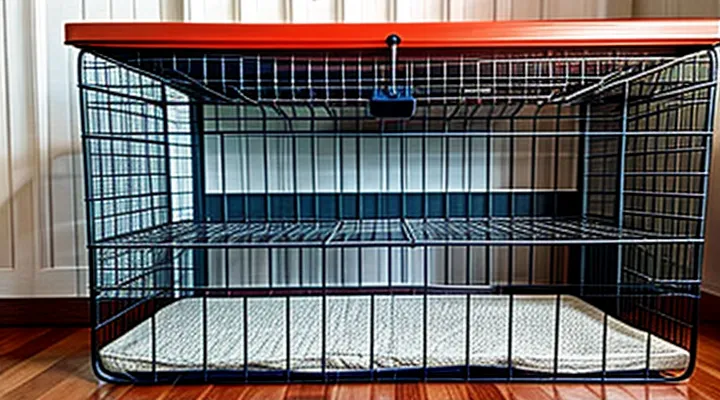
Understanding Rat Bedding Needs
Why Proper Bedding is Crucial for Rats
Health Benefits
Proper bedding material is a critical factor in maintaining rat health. It provides a clean environment, regulates temperature, and influences physiological functions.
Low‑dust substrates reduce airborne particles that can irritate the respiratory tract. Studies show that bedding with dust levels below 10 mg/m³ minimizes the incidence of nasal and lung inflammation. Absorbent media also control humidity, preventing mold growth that compromises breathing.
- High absorbency limits moisture accumulation.
- Minimal dust content protects nasal passages.
- Stable humidity discourages fungal spores.
Soft, non‑abrasive fibers support skin integrity. Rats housed on coarse or chemically treated bedding develop dermatitis and fur loss. Natural fibers such as processed paper or hemp maintain a neutral pH and prevent skin irritation, promoting healthy coat condition.
Consistent bedding depth encourages natural nesting behavior, which reduces stress hormones. Enriched nesting opportunities correlate with lower corticosterone levels, indicating improved welfare and immune function.
Effective waste containment is essential for disease control. Bedding that quickly traps urine and feces lowers bacterial load, decreasing the risk of gastrointestinal infections. Regular replacement of soiled material further limits pathogen exposure.
In summary, selecting a low‑dust, highly absorbent, and skin‑friendly substrate delivers measurable health advantages: respiratory protection, skin health, stress reduction, and infection prevention.
Behavioral Enrichment
Choosing bedding that supports natural foraging, nesting, and digging behaviors enhances rat welfare. Materials that retain shape when manipulated encourage construction of burrows and tunnels, while low‑dust substrates reduce respiratory irritation and allow prolonged exploration.
- Paper‑based pellets: compress easily, promote tunnel building, low odor, biodegradable.
- Aspen shavings: soft, absorbent, provide a loose surface for digging, free of aromatic oils that can affect scent marking.
- Coconut husk fiber: coarse texture stimulates gnawing, retains moisture without clumping, suitable for deep nest chambers.
- Hemp bedding: sturdy fibers resist compression, encourage burrow stability, minimal dust.
Effective enrichment combines tactile variety with scent‑free conditions. Rotate bedding types weekly to prevent habituation; observe changes in nesting complexity and activity levels. Replace soiled sections promptly to maintain hygiene while preserving the structural integrity needed for exploratory behavior.
Odor Control
Effective odor management begins with selecting material that absorbs moisture and traps volatile compounds. Absorbent substrates reduce the concentration of ammonia released from urine, limiting the smell that permeates the cage environment.
Materials with high cellulose content, such as shredded paper or wood pulp, retain liquid while allowing air circulation. These substrates also break down slowly, preventing rapid bacterial growth that accelerates odor. Low‑dust options, like aspen shavings, minimize airborne particles that can carry scent molecules.
Key considerations for odor‑controlling bedding include:
- High absorbency: capacity to hold several milliliters of liquid per gram of material.
- Low microbial activity: resistance to mold and bacterial proliferation.
- Minimal fragrance: avoid scented products that mask odor but may irritate respiratory systems.
- Easy replacement: lightweight and quick to change, encouraging frequent cleaning.
Routine maintenance amplifies the benefits of any bedding choice. Remove soiled sections daily, replace the entire layer weekly, and disinfect the cage bottom with a mild, non‑toxic solution. Ventilation complements bedding performance; ensure the enclosure has adequate airflow to disperse residual smells.
Combining an absorbent, low‑dust substrate with consistent cleaning and proper ventilation yields the most reliable odor control for rat habitats.
Types of Bedding Materials
Absorbent Bedding Options
Paper-Based Bedding
Paper-based bedding consists of shredded or compressed paper products designed to absorb moisture, control odor, and provide a comfortable substrate for rodents. Its composition allows rapid wicking of urine, which reduces the risk of bacterial growth and keeps the cage environment dry.
Key characteristics include:
- High absorbency: can hold up to three times its weight in liquid, minimizing the frequency of full‑cage changes.
- Low dust generation: fine particles are minimal, decreasing respiratory irritation for both rats and owners.
- Biodegradability: material breaks down naturally, facilitating composting or safe disposal.
- Soft texture: provides a gentle surface that protects delicate footpads and reduces the likelihood of sores.
Potential drawbacks:
- Cost: premium paper bedding often exceeds the price of wood shavings or corn cob alternatives.
- Limited structural support: thin layers may shift under heavy activity, requiring regular leveling.
- Availability: some specialized brands are sold only through pet‑specific retailers.
Implementation guidelines:
- Pre‑condition the bedding by allowing it to air out for several hours; this removes any residual processing odors.
- Spread a uniform depth of 1–2 inches across the cage floor; this balances absorbency with ease of cleaning.
- Replace the entire substrate when it becomes saturated or visibly soiled; partial spot cleaning is insufficient for paper products.
- Store unused material in a sealed container to preserve dryness and prevent mold formation.
When comparing options for optimal rodent substrates, paper-based bedding consistently ranks high for hygiene, animal comfort, and environmental impact. Its performance aligns with the criteria for superior cage linings, making it a reliable choice for responsible rat caretakers.
Recycled Paper Pellets
Recycled paper pellets provide a practical alternative for bedding in rat enclosures. The material consists of compressed, shredded paper that has undergone a sterilization process, ensuring a pathogen‑free substrate suitable for small mammals.
- High absorbency captures urine and reduces moisture buildup.
- Low dust generation protects respiratory health.
- Neutral pH minimizes skin irritation.
- Soft texture prevents foot injuries.
- Easy to replace in small sections, allowing targeted cleaning.
Cost efficiency stems from bulk packaging and the ability to reuse leftover pellets after thorough drying. Routine maintenance involves removing soiled clumps and adding fresh pellets to maintain a dry, odor‑controlled environment. The substrate retains shape under compression, supporting nest building without collapsing.
Environmental considerations include the use of post‑consumer paper, reducing landfill waste and lowering the carbon footprint compared with synthetic fibers. Limitations involve occasional clumping when exposed to high humidity and the need for regular replacement to prevent mold growth. Selecting recycled paper pellets aligns with both animal welfare and sustainable husbandry practices.
Shredded Paper
Shredded paper provides a dry, absorbent substrate that mimics the natural nesting material rats encounter in the wild. Its fine fibers create a comfortable surface for burrowing and allow easy construction of nests, which supports normal grooming and thermoregulation behaviors.
Key characteristics of shredded paper as a bedding option include:
- High absorbency; quickly captures urine and reduces moisture buildup.
- Low dust production; minimizes respiratory irritation for both rodents and handlers.
- Biodegradable; can be composted or disposed of with minimal environmental impact.
- Easy to replace; sheets can be torn into appropriate sizes without specialized tools.
- Cost‑effective; generally cheaper than specialty wood or paper‑based products.
Potential drawbacks to consider:
- Limited odor control; may require supplemental deodorizing agents in heavily soiled cages.
- Rapid breakdown when wet; excessive moisture can cause clumping and reduce structural integrity.
- Possible ingestion; ensure pieces are not overly large to avoid blockage risks.
When selecting a substrate, evaluate cage size, ventilation, and the number of occupants to determine whether shredded paper meets the required absorbency and hygiene standards for a healthy rat habitat.
Aspen Shavings
Aspen shavings are widely regarded as a viable option for rat enclosure flooring. The material consists of fine, soft wood particles that provide a comfortable surface for rodents to burrow and nest.
The fibers exhibit high absorbency, capturing urine and moisture while maintaining a dry substrate. Dust levels are low compared to many other wood‑based litters, reducing the likelihood of respiratory irritation. Untreated aspen lacks aromatic oils, preventing strong odors and minimizing ammonia buildup.
Health considerations focus on the absence of toxic compounds. Aspen does not contain phenols or resinous substances that can cause liver or kidney stress. The low dust profile supports airway health, especially in young or immunocompromised animals. Regular replacement, typically every 5–7 days, sustains hygiene and prevents bacterial growth.
Practical factors include moderate cost and broad availability in pet‑store and online inventories. The lightweight nature simplifies handling and cleaning; a thin layer (approximately 1–2 cm) suffices for effective moisture control. Because aspen is biodegradable, disposal poses minimal environmental impact.
Advantages
- High absorbency, reduces wet spots
- Minimal dust, protects respiratory health
- Odor‑free, limits ammonia formation
- Non‑toxic, free of phenolic compounds
- Lightweight, easy to replace
Disadvantages
- Requires regular renewal to maintain cleanliness
- May compact over time, necessitating occasional fluffing
- Slightly higher price than basic pine shavings
- Not suitable for cages with heavy moisture loads without frequent changes
Overall, aspen shavings meet key criteria for effective rat bedding: comfort, hygiene, safety, and manageability.
Hemp Bedding
Hemp bedding stands out among materials evaluated for rat enclosures due to its high absorbency, natural odor‑neutralizing properties, and low dust generation. The fibers retain moisture efficiently, reducing the frequency of full‑cage changes while maintaining a dry surface for the animals. Its plant‑based composition eliminates synthetic chemicals, minimizing the risk of respiratory irritation and allergic reactions.
The material’s structural integrity supports comfortable nesting; the soft texture encourages natural burrowing behavior without breaking down into fine particles. Hemp’s antimicrobial characteristics inhibit bacterial growth, contributing to a healthier microenvironment. Because the fibers are biodegradable, disposal follows standard composting or landfill protocols without environmental penalties.
Cost considerations place hemp bedding above basic wood shavings but below premium specialty products. Bulk purchase options lower unit price, making it viable for long‑term use. The bedding retains its shape after removal, simplifying scooping and spot cleaning. Replacement cycles typically span two to three weeks for a standard 20‑inch cage, depending on the number of occupants and humidity levels.
Key points
- High liquid absorption (up to 5 times its weight)
- Effective odor control without additives
- Dust levels below 5 % by weight, safe for respiratory health
- Biodegradable, environmentally friendly disposal
- Supports natural nesting and burrowing behavior
- Moderate price; bulk discounts improve cost efficiency
- Requires regular partial cleaning; full replacement every 2–3 weeks
Overall, hemp bedding fulfills essential performance criteria for rat habitats while offering a balance of safety, comfort, and sustainability.
Soft and Comfortable Bedding
Fleece Liners
Fleece liners provide a reusable surface for rat enclosures, reducing the need for disposable bedding. The fabric’s soft texture mimics natural nesting material, encouraging burrowing behavior while preventing contact with harsh substrates.
Key characteristics:
- Absorbency: High capacity for moisture; a single liner can remain effective for several days before washing.
- Durability: Reinforced stitching resists tearing, even with active rodents.
- Thermal insulation: Retains warmth, supporting thermoregulation in cooler environments.
- Ease of cleaning: Machine‑washable at 40 °C; quick‑dry options minimize downtime between changes.
Considerations:
- Initial cost: Higher upfront investment compared with bulk wood shavings.
- Maintenance schedule: Requires regular laundering to prevent odor buildup and bacterial growth.
- Fit: Must be sized precisely to the cage dimensions; gaps allow bedding to escape onto the cage floor.
Best practices for integrating fleece liners into a rat habitat:
- Place a thin layer of absorbent, non‑toxic bedding (e.g., paper pellets) beneath the liner to capture excess waste.
- Secure the liner with clips or elastic bands to prevent shifting.
- Launder after each full bedding change; use mild detergent and avoid fabric softeners that could irritate respiratory tracts.
- Inspect for wear after 6–12 months; replace if fraying or thinning occurs.
When combined with a modest amount of supplemental bedding, fleece liners deliver a hygienic, comfortable, and cost‑effective solution for maintaining optimal living conditions in rat cages.
Fabric Scraps
Fabric scraps offer a low‑cost, reusable option for lining rat cages. Their softness mimics natural nesting material, encouraging grooming and burrowing behavior. When selecting fabric, prioritize tightly woven, untreated cotton or linen; synthetic blends may shed fibers that rats could ingest. Pre‑wash all pieces to remove detergents and reduce bacterial load.
Advantages:
- Reusability after washing, extending lifespan compared to disposable litters.
- Minimal dust generation, decreasing respiratory irritation.
- Easy to cut to fit any cage shape, allowing precise coverage.
Limitations:
- Absorbency lower than paper‑based bedding, requiring more frequent changes to control odor.
- Potential for mildew if left damp for extended periods; prompt drying essential.
- Some fabrics retain static electricity, which can cause discomfort.
Maintenance guidelines:
- Cut fabric to cage dimensions, leaving a small margin to prevent slipping.
- Secure edges with cage-safe clips or non‑adhesive tape to avoid loose corners.
- Replace or launder every 2–3 days, depending on humidity and activity level.
- Inspect for torn threads or loose fibers before each use; discard compromised pieces.
Overall, fabric scraps serve as a practical component of a balanced bedding strategy, complementing more absorbent materials to achieve cleanliness, comfort, and cost efficiency in rat enclosures.
Bedding to Avoid
Pine and Cedar Shavings
Pine and cedar shavings are frequently offered as cage substrates for rats because they are inexpensive and readily available. Their natural aroma masks waste odors, and the loose texture provides a comfortable surface for nesting.
Pine shavings absorb moisture efficiently, reducing the frequency of full‑cage changes. Kiln‑dried pine contains minimal resin, limiting respiratory irritation. Aromatic pine, however, releases phenols that can cause nasal congestion and lung inflammation in small rodents. The material produces low dust when handled gently, but excessive shaking increases airborne particles.
Cedar shavings share the scent qualities of pine but contain higher concentrations of volatile oils, notably thujone. Thujone has been linked to liver stress and respiratory problems in rats. Cedar dust is finer than pine, raising the risk of inhalation exposure. Absorbency is comparable to pine, yet the stronger fragrance may overwhelm the animals’ olfactory sensitivity.
- Absorbency: both high; kiln‑dry pine slightly superior.
- Dust generation: pine lower; cedar higher.
- Scent strength: cedar strongest; pine moderate.
- Health risk: aromatic pine and cedar present respiratory irritants; kiln‑dry pine safest.
- Cost: pine generally cheaper; cedar similar or higher.
For an optimal substrate, select kiln‑dry, low‑resin pine shavings, avoid aromatic pine and all cedar varieties. Regular spot cleaning combined with full bedding replacement weekly maintains hygiene without exposing rats to harmful volatiles. Alternative substrates such as paper‑based bedding or aspen chips provide comparable performance without the associated risks of pine and cedar shavings.
Scented Bedding
Scented bedding introduces aromatic compounds to the substrate used in rodent habitats. Manufacturers add fragrances to attract buyers, but the impact on rats’ health and behavior requires careful evaluation.
Potential benefits
- Masks ammonia odor, reducing perceived unpleasantness for caretakers.
- May provide a mild enrichment scent that encourages exploration.
Potential drawbacks
- Rats possess a highly developed olfactory system; strong fragrances can cause stress, avoidance of the bedding, or reduced nesting activity.
- Essential oils and synthetic fragrances may irritate respiratory pathways, increasing the risk of upper‑airway inflammation.
- Fragrance degradation can produce secondary compounds that exacerbate ammonia buildup, negating the intended odor control.
When selecting scented bedding for a rat enclosure, prioritize products with low‑intensity, natural fragrances derived from safe, food‑grade ingredients. Verify that the manufacturer supplies a safety data sheet confirming the absence of known respiratory irritants. Conduct a short trial: observe the rats for changes in nesting, grooming, and activity levels within 48 hours. If any adverse behavior appears, replace the scented substrate with an unscented, absorbent alternative such as paper‑based or aspen shavings.
Dusty Bedding
Dusty bedding consists of fine particles that become airborne when rats move, nest, or chew. The particles can irritate the respiratory tract, trigger allergic reactions, and increase the risk of respiratory infections such as pneumonia. High dust levels also reduce air quality inside the cage, affecting both the animals and anyone handling them.
When assessing a bedding material, measure the amount of dust released during normal activity. Observe whether the bedding remains dry or becomes clumpy, as moisture can exacerbate dust generation. Choose products that list low dust content or provide test results confirming minimal particle emission.
If dusty bedding proves unsuitable, consider alternatives that combine absorbency with low particulate release:
- Paper‑based bedding (recycled newspaper, cellulose sheets) – high absorbency, virtually dust‑free.
- Aspen shavings – low resin content, minimal dust, good odor control.
- Coconut fiber (coir) – natural, low dust, provides nesting material.
- Hemp bedding – biodegradable, low dust, excellent absorbency.
Select the option that matches cage size, cleaning frequency, and the specific health needs of the rats. Regularly replace bedding to prevent dust buildup, and ventilate the enclosure to maintain optimal air quality.
Choosing the Right Bedding Combination
Factors to Consider
Rat Age and Health
Choosing substrate that aligns with a rat’s developmental stage and physiological condition directly influences comfort, hygiene, and disease risk. Young rats require a material that minimizes dust and provides gentle insulation, while mature and senior animals benefit from options that support joint health and ease of movement.
-
Neonates and juveniles (0‑4 weeks)
• Soft, low‑dust fibers such as finely shredded paper or processed wood pulp prevent respiratory irritation.
• High absorbency reduces moisture buildup, essential for preventing skin infections in delicate skin. -
Adult rats (2‑12 months)
• Moderate‑density bedding like kiln‑dried pine shavings offers sufficient cushioning without excessive weight.
• Slightly coarser textures encourage natural digging behavior, supporting mental stimulation. -
Senior rats (12 months +)
• Ultra‑soft, moisture‑wicking substrates—e.g., hemp or fleece liners—facilitate mobility and lessen joint strain.
• Low‑weight materials reduce the effort required to rearrange the nest, encouraging activity.
Health conditions dictate additional adjustments:
- Respiratory sensitivities – Opt for dust‑free, hypoallergenic options (paper‑based or hemp) and avoid aromatic woods (cedar, pine) that release volatile compounds.
- Digestive disorders – Provide bedding that does not encourage ingestion; non‑edible, tightly bound fibers limit accidental consumption.
- Skin lesions or wounds – Select highly absorbent, antimicrobial‑treated substrates to keep the area dry and reduce bacterial growth.
Regular monitoring of bedding condition—checking for clumping, odor, or increased moisture—ensures timely replacement, preserving optimal health across all life stages.
Cage Size and Ventilation
Choosing appropriate bedding depends on the physical environment of the cage. A cage that provides adequate floor space allows the substrate to spread thinly, reducing compaction and moisture buildup. Standard recommendations call for at least 12 in × 12 in (30 cm × 30 cm) of floor per rat, with a minimum height of 12 in (30 cm) to permit upright movement. Larger dimensions improve airflow across the bedding, preventing localized humidity that accelerates bacterial growth.
Ventilation directly influences bedding performance. Continuous air exchange removes ammonia and odor, preserving the substrate’s absorbency. Effective ventilation can be achieved through:
- Mesh side panels covering at least 30 % of the cage surface.
- Adjustable vent slots that provide a minimum airflow rate of 0.5 ft³/min per rat.
- Placement of cages away from stagnant air zones and direct drafts that could dry the bedding unevenly.
When the cage meets size and airflow criteria, bedding materials such as paper pulp, aspen shavings, or hemp retain their intended absorbency for longer periods. In undersized or poorly ventilated cages, even premium substrates become saturated quickly, leading to increased cleaning frequency and higher risk of respiratory issues. Therefore, evaluate cage dimensions and ventilation specifications before selecting a bedding type to ensure optimal hygiene and animal welfare.
Owner Preferences and Budget
When selecting substrate for a rat habitat, owners balance comfort, hygiene, and cost. Preference patterns emerge around texture, absorbency, and odor control. Soft, dust‑free materials such as paper pulp or kiln‑dried wood shavings satisfy rats’ need for nesting while minimizing respiratory irritation for both pets and handlers. Aromatic options like cedar are generally avoided because the scent can provoke respiratory issues, even though some owners value the natural fragrance. Reusable fabrics, for example fleece liners, appeal to caretakers seeking low‑maintenance solutions, yet they require regular washing to prevent bacterial buildup.
Budget constraints shape the choice of bedding material. Cost per cubic foot varies widely:
- Paper‑based pellets: moderate price, high absorbency, low dust.
- Kiln‑dried hardwood shavings: inexpensive, good for frequent changes, moderate dust.
- Reusable fleece liners: higher upfront expense, low recurring cost after initial purchase.
- Hemp or straw: low price, variable absorbency, higher dust potential.
Owners must calculate the total expense over a typical change cycle. For example, if a cage requires a 2‑inch layer and the animal is replaced every three years, the cumulative cost of disposable bedding can exceed that of a reusable liner plus laundering. Conversely, a limited budget may favor bulk‑purchased wood shavings despite the need for more frequent replacement. Ultimately, the decision reflects a trade‑off between initial outlay, ongoing maintenance, and the desired living environment for the rodents.
Layering Bedding for Optimal Comfort
Bottom Layer for Absorption
Choosing an effective bottom layer is essential for maintaining a clean and healthy rat cage. The layer must absorb urine quickly, control odor, and stay intact under the weight of the animals.
Materials commonly used for absorption include:
- Paper-based products (e.g., shredded paper, recycled paper pellets). They soak up moisture rapidly, are dust‑free, and can be disposed of without special handling.
- Wood shavings (aspen, pine, or hardwood). Aspen shavings provide good absorption while producing minimal aromatic oils that could irritate respiratory passages.
- Corncob bedding. The porous structure retains liquid efficiently and breaks down slowly, reducing the frequency of full‑cage changes.
- Cellulose crystals. These engineered fibers offer high absorbency per unit weight and produce a dry surface that discourages bacterial growth.
Key performance criteria:
- Absorption capacity – measured in milliliters per gram; higher values indicate longer intervals between complete bedding replacements.
- Dust production – low particulate release protects the rats’ respiratory system and prevents aerosolized contaminants.
- Ease of removal – a cohesive substrate that clumps when wet simplifies spot cleaning and reduces waste.
- Safety – free of toxic chemicals, mold, or strong fragrances that could stress the animals.
When configuring the cage floor, place the chosen absorbent material at a depth of 2–3 cm. This thickness ensures sufficient liquid capture while allowing the rats to dig and nest comfortably. Overfilling can impede ventilation and promote mold growth; underfilling reduces effectiveness and increases cleaning frequency.
Integrating a high‑performing bottom layer with a suitable top layer—such as a softer, nest‑friendly substrate—optimizes overall bedding performance, supports the rats’ natural behaviors, and minimizes caretaker workload.
Top Layer for Burrowing and Nesting
The top layer in a rat enclosure must provide a stable surface for digging while remaining soft enough for nest construction. Materials such as shredded paper, aspen shavings, and coconut fiber meet these criteria because they retain shape under pressure yet compress easily when rats manipulate them.
Key characteristics of an effective top layer:
- Low dust production to protect respiratory health.
- High absorbency to manage moisture from urine and droppings.
- Non‑toxic composition free of aromatic oils or chemicals.
- Texture that encourages natural burrowing behavior without causing paw injuries.
Shredded paper offers uniform particle size, facilitating consistent tunnels and easy cleaning. Aspen shavings combine absorbency with a coarse structure that supports robust burrow walls. Coconut fiber provides a fibrous matrix that mimics natural nesting material, promoting warmth and comfort.
When selecting the top layer, consider the cage size and the number of occupants. A depth of 2–3 inches ensures sufficient volume for extensive tunneling while preventing the substrate from reaching the cage floor, where waste accumulates. Regular replacement—once weekly for paper or coconut fiber, and bi‑weekly for wood shavings—maintains hygiene and preserves the material’s structural integrity.
Bedding Maintenance and Hygiene
Daily Spot Cleaning
Effective daily spot cleaning preserves the integrity of the substrate used in rat enclosures and prevents odor buildup. Removing soiled sections each day limits bacterial growth, reduces ammonia levels, and extends the life of the chosen bedding material.
- Identify visibly contaminated areas, such as urine‑stained spots or fecal clumps.
- Scoop out waste with a small hand scoop or disposable paper towel.
- Replace the removed portion with fresh bedding of the same type.
- Lightly stir the surrounding substrate to distribute moisture evenly and avoid compacted zones.
A lightweight dust‑free scoop, disposable gloves, and a small brush are sufficient tools. Use a bedding that matches the cage’s size and the rat’s activity level; common options include paper‑based pellets, aspen shavings, or hemp fiber.
Perform spot cleaning once per day, preferably in the morning when activity is highest. Consistent timing creates a predictable routine for the animals and simplifies maintenance.
Regular removal of localized waste maintains the overall cleanliness of the bedding, supports respiratory health, and reduces the need for complete substrate changes, saving time and resources.
Weekly Full Cage Cleaning
A weekly full‑cage cleaning is essential for maintaining a healthy environment when using high‑quality bedding for rodent enclosures. The process removes accumulated waste, controls odor, and prevents the growth of bacteria and parasites that can compromise animal welfare.
Procedure
- Remove the rat(s) and place them in a secure temporary carrier.
- Discard the used bedding entirely; do not attempt to salvage portions.
- Wash the cage interior with hot water and a mild, non‑toxic detergent. Rinse thoroughly to eliminate any residue.
- Sanitize the cage using a solution of diluted white vinegar or an approved laboratory disinfectant; allow a contact time of at least five minutes.
- Rinse again with clean water and dry completely to avoid moisture retention.
- Re‑line the cage with fresh, appropriate bedding, ensuring an even depth of 2–3 cm for optimal absorbency and comfort.
- Return the rat(s) to the cleaned cage, checking for signs of stress or injury.
Key considerations
- Conduct the cleaning on a consistent schedule; a seven‑day interval balances hygiene with minimal disruption to the animals’ routine.
- Use bedding materials that are dust‑free, absorbent, and non‑allergenic to reduce respiratory irritation during the cleaning cycle.
- Record the date of each cleaning in a log to track compliance and identify any patterns of increased waste or odor that may indicate health issues.
By adhering to this regimen, caretakers ensure that the bedding’s performance remains effective and that the rats enjoy a clean, safe habitat throughout the week.
Recognizing Bedding Issues
Identifying problems with cage substrate is essential for maintaining rat health and preventing environmental degradation. Early detection prevents respiratory irritation, skin lesions, and bacterial growth.
- Strong, sour odor indicating ammonia accumulation
- Visible dampness or clumping of material
- Presence of mold, mildew, or fungal spots
- Excessive dust clouds when disturbed
- Insect or mite activity within the bedding
- Rats avoiding the area, showing increased scratching or nesting elsewhere
Assessment relies on direct observation and simple tests. Conduct a visual sweep of the entire floor daily; note any discoloration or moisture patches. Perform a brief smell check near the cage opening; a sharp, pungent scent signals nitrogen waste buildup. Use a handheld ammonia detector if available, aiming for levels below 25 ppm. Observe rat behavior for signs of discomfort, such as frequent grooming or reluctance to enter the nesting zone.
Unchecked bedding issues compromise airway function, predispose to dermatitis, and encourage pathogen proliferation. Prompt removal of contaminated material and replacement with a dry, low‑dust alternative restores a safe habitat and supports optimal welfare.