
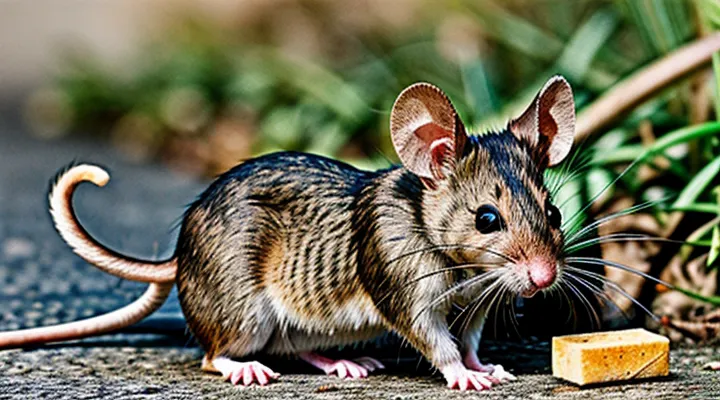
Understanding Rabies
What is Rabies?
Rabies is an acute, fatal encephalitis caused by the rabies virus, a member of the Lyssavirus genus. The virus replicates in muscle tissue at the site of entry, then travels via peripheral nerves to the central nervous system, where it induces widespread neuronal dysfunction. Transmission occurs primarily through the saliva of infected mammals, most often via bites, but also through scratches or mucosal exposure to infectious fluids.
The disease progresses through three stages:
- Incubation: Variable period (days to months) during which the virus migrates to the brain without visible symptoms.
- Prodromal phase: Subtle behavioral changes, such as irritability or decreased appetite.
- Neurologic phase: Aggressive behavior, hypersalivation, paralysis, and eventual respiratory failure.
Because the virus targets the nervous system, clinical manifestations differ among species but share the hallmark of progressive neurological impairment. Early detection relies on recognizing these signs before the onset of irreversible brain damage.
How Rabies Affects the Nervous System
Rabies virus targets the peripheral nervous system immediately after a bite, entering motor‑endplate synapses and using retrograde axonal transport to reach the spinal cord and brain. Within neurons, the virus hijacks microtubule‑based motor proteins, allowing rapid movement toward the central nervous system. Replication in neuronal cell bodies triggers inflammation, disrupts ion channel regulation, and impairs neurotransmitter release, leading to loss of coordinated muscle control.
In the brain, viral spread concentrates in the hippocampus, thalamus, and brainstem. Neuronal degeneration and glial activation produce hyperexcitability, causing seizures, paralysis, and altered behavior. The virus also interferes with the autonomic centers that regulate salivation and respiration, producing the characteristic drooling and respiratory distress observed in infected rodents.
Mice display several neurological manifestations that signal rabies infection:
- Progressive ataxia and loss of balance
- Hyperactivity alternating with lethargy
- Twitching or generalized seizures
- Excessive salivation and facial droop
- Respiratory irregularities and occasional apnea
These signs develop within days of exposure and reflect the underlying disruption of neuronal pathways by the rabies pathogen. Early detection of the listed symptoms enables timely intervention and containment of the disease.
Recognizing Rabies in Mice
Behavioral Changes
Aggression and Irritability
Aggression and irritability are among the earliest behavioral alterations observed in rodents infected with the rabies virus. Affected mice display sudden attacks on conspecifics, humans, or objects, often without provocation. The usual timid disposition gives way to heightened hostility, manifested by lunging, biting, or persistent scratching.
Key manifestations include:
- Unprovoked biting of cage mates or handlers.
- Persistent vocalizations accompanied by rapid, erratic movements.
- Frequent attempts to escape confinement, coupled with heightened defensive posturing.
- Rapid escalation from mild agitation to full‑blown attacks within minutes.
These signs frequently precede neurological deterioration such as paralysis or loss of coordination. Early detection of heightened aggression and irritability enables timely intervention, reducing the risk of transmission and improving animal welfare outcomes.
Disorientation and Staggering
Disorientation and staggering represent the most evident behavioral changes when a mouse is infected with rabies. The animal loses its ability to orient itself within familiar surroundings, often moving in circles, repeatedly bumping into cage walls, or abandoning usual nesting sites. This loss of spatial awareness signals neurological disruption caused by the virus.
Staggering manifests as an unsteady gait, frequent loss of footing, and an inability to maintain normal locomotion. Affected mouse may sway side‑to‑side, collapse repeatedly, or appear to drag its hind limbs. The movement pattern differs from normal clumsy behavior, showing a progressive decline in coordination.
Practical observation points:
- Repeated circling or aimless wandering without reaching a destination.
- Frequent collisions with enclosure boundaries.
- Inconsistent foot placement, sudden swaying, or falling while attempting to run.
- Absence of normal grooming or feeding activities due to motor impairment.
- Rapid escalation of these signs over a period of hours to days.
When disorientation and staggering appear together, they usually precede the furious or paralytic phases of rabies and indicate a high probability of viral spread to the central nervous system. Immediate isolation of the animal, use of protective equipment, and prompt veterinary consultation are required to prevent further transmission and to confirm diagnosis.
Loss of Fear of Humans
Loss of fear toward humans is a distinct behavioral alteration in mice infected with the rabies virus. The virus attacks the central nervous system, disrupting the amygdala and other structures that normally mediate predator avoidance. As a result, affected rodents may approach people without hesitation, even when handled.
Observable signs include:
- Approaching caregivers or researchers at close distance.
- Remaining calm when hands are placed near or on the animal.
- Ignoring typical escape responses such as fleeing or freezing.
- Exhibiting repetitive, unprovoked contact with human skin or clothing.
These behaviors contrast sharply with the innate skittishness of healthy mice and often precede more severe neurological symptoms, such as excessive salivation, tremors, and paralysis. Early detection of reduced wariness enables prompt isolation of the animal, reducing the risk of virus transmission to handlers and other laboratory subjects.
When loss of fear is noted, personnel should wear protective gloves, use bite‑proof containment, and report the observation to veterinary staff immediately. Rapid implementation of biosafety measures limits exposure and facilitates timely diagnostic testing.
Paralysis and Weakness
Paralysis and weakness constitute early neurological indicators of rabies infection in mice. Infected individuals often display reduced muscle tone, loss of coordination, and an inability to maintain normal posture. These deficits typically begin in the hind limbs and may progress to forelimbs as the virus spreads through the central nervous system.
Observable characteristics include:
- Diminished grip strength, causing the mouse to release objects or fail to climb.
- Unsteady gait, with frequent stumbling or dragging of paws.
- Inability to right the body when placed on its back.
- Progressive loss of reflexes, leading to flaccid or spastic paralysis depending on the disease stage.
The transition from weakness to full paralysis frequently coincides with other rabies signs such as excessive salivation and altered vocalizations. Early detection of motor impairment allows for prompt isolation of the affected animal and reduces the risk of transmission to other rodents or humans handling the colony.
Veterinary assessment should involve a thorough neurologic examination, documentation of onset timing, and, when available, laboratory confirmation through brain tissue analysis. Immediate quarantine and implementation of biosafety protocols are mandatory upon suspicion of rabies-related motor dysfunction.
Physical Symptoms
Salivation and Foaming at the Mouth
Excessive salivation and visible foam around the mouth are among the most reliable external indicators of rabies infection in mice. The symptom appears as a wet, glossy coat of saliva that may accumulate at the lips and whisker pads, sometimes forming a thin, frothy layer.
- Salivation results from viral interference with the autonomic nervous system, causing uncontrolled secretion from the salivary glands.
- Foaming develops when the mouse cannot swallow the excess fluid, leading to accumulation and aeration on the oral surfaces.
- The presence of foamy saliva often coincides with other neurological signs such as tremors, aggression, or paralysis, reinforcing the diagnostic value of this observation.
Early identification of this sign enables prompt isolation of the affected animal and reduces the risk of transmission to other rodents, predators, or humans handling the specimen. Veterinary assessment should include a physical examination focused on oral secretions, followed by laboratory confirmation when feasible.
Difficulty Swallowing
Difficulty swallowing, known medically as dysphagia, frequently appears early in mice infected with the rabies virus. The virus attacks brainstem nuclei that coordinate the muscles of the pharynx and esophagus, causing rapid loss of coordinated swallowing movements.
Affected mice often exhibit prolonged chewing, frequent spitting of saliva, and an inability to ingest solid food. In some cases, the animal will gulp water but fail to swallow, leading to accumulation of fluid in the oral cavity and subsequent aspiration risk.
Observers should watch for the following behaviors:
- Repeated attempts to eat that end abruptly
- Excessive drooling combined with a lack of gulping motion
- Audible choking or gagging when the mouse tries to swallow
- Reduced intake of both solid and liquid nutrition despite normal appetite cues
The onset of dysphagia signals progression toward the paralytic form of the disease, during which motor control deteriorates throughout the nervous system. Prompt identification of this sign allows veterinary professionals to confirm rabies exposure, implement quarantine measures, and protect handlers from potential transmission.
Self-Mutilation
Rabies infection in mice produces acute neurological disturbances that manifest as abnormal, self‑directed aggression. The virus attacks the central nervous system, causing loss of inhibition over motor control and pain perception. Consequently, affected rodents may bite or gnaw at their own limbs, tail, or facial tissues, resulting in visible lesions.
Typical clinical observations include:
- Self‑inflicted wounds on paws, ears, or tail
- Excessive grooming that progresses to tissue damage
- Unprovoked biting of own body parts
- Sudden onset of tremors and ataxia accompanying the self‑injury
- Rapid deterioration of behavior leading to paralysis and death
Veterinarians identify self‑mutilation as a reliable indicator of rabies progression in mice because it reflects the virus‑induced breakdown of normal defensive mechanisms and heightened pain‑insensitivity. Prompt recognition of these signs enables immediate containment measures and reduces the risk of transmission to other animals and humans.
Convulsions and Tremors
Convulsions in infected mice appear as sudden, uncontrolled muscle contractions that may involve the entire body or isolated limbs. Episodes often begin with facial twitching, progress to forelimb spasms, and can culminate in full‑body seizures lasting a few seconds to several minutes. The intensity and frequency of these episodes increase as the virus advances through the central nervous system.
- Rapid, irregular jerking motions
- Loss of coordination during the episode
- Post‑seizure lethargy or stupor
- Possible vocalizations or audible distress
Tremors constitute another early neurological manifestation. They present as rhythmic, low‑amplitude shaking that is most noticeable in the whiskers, ears, and tail. Unlike normal shivering, tremors persist at rest and may intensify when the mouse is handled or exposed to bright light.
- Continuous oscillation of facial hair and whiskers
- Visible shaking of the hind limbs while stationary
- Amplification of tremor intensity during stress or stimulation
- Progression to more violent shivering as the disease progresses
Both convulsions and tremors signal the spread of rabies virus within the mouse’s nervous system and should prompt immediate isolation and veterinary assessment. Early detection based on these motor abnormalities improves containment efforts and reduces the risk of transmission to other animals or humans.
Differentiating Rabies from Other Conditions
Common Mouse Illnesses
Mice are prone to several infectious and non‑infectious conditions that can mask or mimic the clinical picture of rabies. Understanding the typical manifestations of these diseases helps differentiate rabies from other ailments and improves early detection.
Common mouse illnesses include:
- Salmonellosis – diarrhea, weight loss, lethargy; bacterial culture from feces confirms diagnosis.
- Mycoplasma pulmonis infection – respiratory distress, nasal discharge, audible breathing; PCR testing of lung tissue is definitive.
- Encephalitozoon cuniculi (microsporidiosis) – neurologic signs such as tremors, ataxia, and occasional seizures; histopathology reveals intracellular spores.
- Lymphocytic choriomeningitis virus (LCMV) – fever, hypoactivity, and occasional paralysis; serology detects specific antibodies.
- Dermatophytosis (ringworm) – circular alopecia, crusted lesions; skin scrapings examined under microscopy identify fungal hyphae.
- Mite infestations (e.g., Myobia musculinus) – intense scratching, skin erythema; microscopic identification of mites from fur samples.
Rabies in mice presents with a distinct set of neurologic symptoms that differ from the above conditions. Key indicators include:
- Sudden aggression or uncharacteristic biting behavior.
- Hyperexcitability followed by periods of apparent paralysis.
- Excessive salivation and foaming at the mouth.
- Disorientation, circling, or inability to navigate familiar environments.
These signs develop rapidly after the incubation period and are typically accompanied by a fatal outcome if untreated. Laboratory confirmation requires detection of rabies virus antigen in brain tissue using direct fluorescent antibody testing.
Distinguishing rabies from other mouse diseases relies on observing the progression and nature of neurologic signs, corroborated by laboratory diagnostics. Prompt identification enables appropriate biosafety measures and prevents zoonotic transmission.
Effects of Pesticides or Toxins
Exposure to pesticides or other toxic agents can alter the clinical picture of rabies infection in laboratory mice, complicating early detection. Toxicants often produce neurological deficits that resemble the hallmark manifestations of rabies, such as tremors, ataxia, and altered behavior. When a rodent exhibits these signs, distinguishing between viral encephalitis and chemical poisoning requires careful assessment of exposure history and ancillary testing.
Key ways in which chemicals interfere with rabies diagnosis include:
- Neuromuscular impairment: Organophosphates inhibit acetylcholinesterase, leading to muscle fasciculations and paralysis that may be mistaken for rabies‑induced flaccidity.
- Cerebral edema: Heavy metals such as lead cause swelling of brain tissue, producing head tilting and circling movements similar to rabies‑related motor dysfunction.
- Behavioral changes: Rodenticides trigger lethargy, aggression, or hyperactivity, overlapping with the irritability and hypersalivation observed in infected mice.
- Immune suppression: Certain fungicides depress immune response, potentially delaying seroconversion and obscuring serological confirmation of viral infection.
Laboratory protocols should incorporate toxicology screening alongside viral assays. Tissue samples collected for rabies antigen detection must be examined for pesticide residues, and histopathological analysis should note lesions characteristic of chemical toxicity, such as necrosis of the hippocampus or demyelination of the spinal cord. By integrating toxicological data, researchers can reduce false‑positive interpretations of rabies signs and ensure accurate disease identification.
Importance of Professional Identification
Why Self-Diagnosis is Risky
Recognizing rabies infection in laboratory or pet mice demands precise observation of behavioral and physiological changes. Subtle signs—such as sudden aggression, excessive salivation, loss of coordination, or abnormal vocalizations—can mimic stress responses, making visual assessment unreliable without expert input.
Self-diagnosis introduces several hazards. First, misreading normal stress behaviors as rabies may trigger unnecessary euthanasia or quarantine, disrupting research protocols and animal welfare. Second, overlooking early rabies indicators because they appear mild can allow the virus to progress unchecked, increasing the risk of transmission to handlers and other animals. Third, lay interpretation lacks the diagnostic tools—such as fluorescent antibody testing or PCR—that confirm viral presence, leading to false conclusions. Fourth, personal bias may cause selective attention to familiar symptoms while ignoring atypical presentations, further compromising accuracy.
Professional evaluation mitigates these risks. Veterinarians employ standardized scoring systems, laboratory confirmation, and epidemiological knowledge to differentiate rabies from other conditions. Their involvement ensures appropriate containment measures, accurate reporting to health authorities, and preservation of scientific integrity. In environments where mouse colonies serve as experimental models, reliance on qualified diagnosis protects both the research outcomes and public health.
Role of Veterinary Professionals and Laboratories
Veterinary clinicians are the first point of contact when a mouse exhibits abnormal behavior, neurological signs, or unexplained mortality. They assess clinical presentation, isolate the animal in a secure environment, and obtain tissues—typically brain, salivary glands, or oral swabs—under strict biosafety protocols. Proper handling minimizes exposure risk and preserves specimen integrity for downstream analysis.
Diagnostic laboratories perform definitive identification of the virus. Standard procedures include:
- Direct fluorescent antibody testing of brain tissue to detect viral antigens.
- Reverse transcription polymerase chain reaction for viral RNA amplification.
- Virus isolation in cell culture for confirmation and strain typing.
Laboratories enforce quality‑assurance measures, validate assay performance, and communicate results promptly to treating veterinarians and public‑health authorities. This rapid feedback loop enables timely quarantine, treatment decisions, and epidemiological tracing to prevent further spread.
Preventing Rabies Transmission
Avoiding Contact with Wild Animals
Avoiding contact with wild rodents reduces the risk of encountering rabid mice and prevents exposure to the virus that causes severe neurological symptoms. Direct interaction—handling, feeding, or attempting to capture—creates a pathway for saliva or neural tissue to enter human skin or mucous membranes, especially when animals exhibit agitation, excessive droppings, or uncharacteristic aggression.
Key preventive actions include:
- Refrain from touching or approaching mice found outdoors, in barns, or near garbage sites.
- Secure doors, windows, and vents to block entry into homes and workplaces.
- Use traps or professional pest‑control services rather than manual removal.
- Wear thick gloves and protective clothing if removal is unavoidable; disinfect hands and tools immediately after use.
- Educate household members, especially children, about the dangers of handling unfamiliar rodents.
Implementing these measures limits opportunities to observe early clinical signs such as paralysis, hypersalivation, or altered behavior in infected mice, thereby decreasing the likelihood of accidental transmission. Maintaining a barrier between humans and wild rodents is a fundamental component of public‑health strategies aimed at controlling rabies spread.
Pet Vaccination
Pet vaccination is a critical preventive measure that directly influences the ability to detect and control rabies outbreaks in small mammals such as mice. Effective immunization programs reduce the likelihood that a mouse will become a carrier, thereby limiting the exposure risk to other pets and humans. Veterinarians recommend that owners of rodents, as well as owners of dogs and cats that may encounter wild mice, maintain up‑to‑date rabies vaccines.
Vaccination contributes to early recognition of the disease by:
- lowering the incidence of infection, which makes abnormal behavior in a mouse more likely to indicate a true case rather than a sporadic anomaly;
- providing a documented immunity status that aids veterinarians in differential diagnosis when neurological signs appear;
- supporting public health surveillance through mandatory reporting of vaccinated animals.
When assessing a mouse for possible rabies, clinicians should focus on specific clinical signs: excessive salivation, aggression, paralysis of the hind limbs, and erratic movements. The presence of these symptoms in an unvaccinated environment raises immediate concern and triggers quarantine and diagnostic testing.
Owners should schedule rabies booster shots according to the vaccine’s labeled duration, typically every one to three years, and keep vaccination records readily accessible. Prompt revaccination after any lapse prevents the emergence of the disease in rodent populations that share habitats with domestic pets.
What to Do if You Suspect Rabies
If a mouse exhibits abnormal behavior, drooling, paralysis, or excessive aggression, treat the situation as a potential rabies case. Immediate isolation of the animal prevents exposure to other pets and humans.
- Wear disposable gloves and a face shield before handling the mouse.
- Place the mouse in a sealed, ventilated container labeled “suspected rabies.”
- Contact a licensed veterinarian or local animal‑health authority without delay.
- Provide the professional with details of the mouse’s symptoms, recent exposure to wildlife, and any bites or scratches received.
- Follow instructions for specimen collection, if required, and arrange safe transport to a diagnostic laboratory.
- If personal contact involved a bite or saliva exposure, seek medical evaluation promptly; post‑exposure prophylaxis may be necessary.
- Disinfect all surfaces and equipment used during handling with a 10 % bleach solution or an EPA‑approved virucidal agent.
- Monitor other rodents and domestic animals for similar signs and report any new cases to the health department.
Document the incident, including dates, observed signs, and actions taken. Maintain records for veterinary follow‑up and for any public‑health investigations. Continuous compliance with veterinary guidance and local regulations reduces the risk of disease spread.