
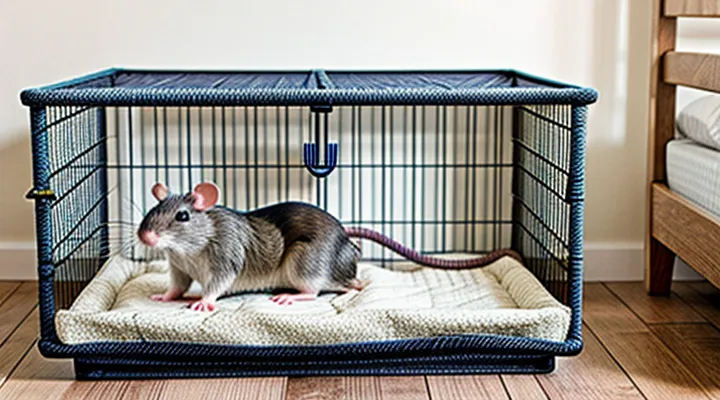
Understanding Rat Bedding Needs
Factors to Consider
Absorption
Absorption determines how effectively bedding controls moisture, urine, and droppings inside a rat enclosure. High‑absorbency reduces odor, prevents bacterial growth, and keeps the habitat dry, which is essential for the health of the animals.
Key properties influencing absorption include fiber structure, surface area, and moisture‑holding capacity. Materials with open, porous fibers trap liquid quickly, while dense fibers retain more volume before becoming saturated. The absorption limit is measured in grams of liquid per gram of dry bedding; higher values indicate superior performance.
When selecting bedding, consider the following options, ranked by typical absorption rates:
- Paper‑based shavings – 2.5 g g⁻¹; soft, low dust, rapid wicking.
- Aspen chips – 2.0 g g⁻¹; moderate moisture retention, minimal scent.
- Coconut husk (coir) – 1.8 g g⁻¹; high bulk, slower drying, good for larger volumes.
- Hemp fiber – 1.6 g g⁻¹; natural antimicrobial properties, moderate absorbency.
- Corncob granules – 1.4 g g⁻¹; low dust, limited liquid capacity.
Performance testing involves weighing a dry sample, adding a measured volume of water, and reweighing after saturation. The difference yields the absorption capacity, which can be compared across materials. Consistent monitoring of bedding weight and visual moisture cues helps maintain optimal conditions; replace or supplement bedding before the material reaches 80 % of its absorption limit.
In practice, combining a high‑absorbency base (e.g., paper shavings) with a secondary layer of low‑dust, breathable material extends usable time and improves overall hygiene. Regular removal of soiled sections and complete bedding changes every 1–2 weeks sustain a dry, odor‑free environment for laboratory‑grade or pet rat habitats.
Odor Control
Odor control determines the suitability of any substrate used in a rat enclosure. Effective bedding must trap urine and feces, prevent bacterial growth, and limit the release of volatile compounds.
Materials that excel in odor management share three characteristics: high absorbency, natural antimicrobial properties, and low dust generation. Absorbent fibers draw moisture away from the cage floor, reducing the medium in which bacteria thrive. Antimicrobial agents inhibit the breakdown of waste that produces foul smells. Minimal dust prevents particles from becoming airborne, which can carry odor and irritate the animals’ respiratory systems.
- Paper-based pellets – dense, highly absorbent, quick to lock in moisture; decompose slowly, limiting odor spikes.
- Coconut husk (coir) chips – porous structure holds liquid well, natural antifungal compounds suppress bacterial activity.
- Aspen shavings – low aromatic oils, moderate absorbency, minimal dust; suitable for short‑term use when frequent changes are possible.
- Heated clay granules – engineered to absorb and neutralize ammonia; requires regular stirring to maintain effectiveness.
Maintenance practices amplify the inherent odor‑reducing qualities of the bedding. Remove soiled spots daily, replace the entire substrate at least once a week, and ensure the cage receives adequate ventilation. Cleaning the cage with a mild, chlorine‑free disinfectant prevents residual odors from persisting after bedding changes.
Choosing a substrate that prioritizes moisture capture, antimicrobial action, and low particulate release provides the most reliable solution for controlling odor in a rat habitat while supporting overall hygiene.
Dust Levels
Dust produced by bedding directly affects respiratory health in rats and air quality in the enclosure. High‑dust substrates can irritate nasal passages, trigger sneezing, and increase the risk of pneumonia, especially in young or compromised animals.
Bedding materials differ markedly in particle size, density, and tendency to become airborne. Loose, fibrous litters generate more suspended particles, while compacted or absorbent substrates release fewer. Moisture content influences dust: dampened bedding settles, whereas dry bedding remains prone to dispersion during handling or cage cleaning.
- Paper‑based bedding (e.g., shredded newspaper, kiln‑dried paper pellets): minimal dust, high absorbency, easy to replace.
- Compressed wood shavings (e.g., kiln‑dried pine or aspen): low to moderate dust when dry; avoid untreated pine due to aromatic oils.
- Recycled cellulose pellets: dense, low‑dust profile; require soaking before use to reduce initial particle release.
- Corncob bedding: moderate dust; benefits from pre‑wetting to limit airborne particles.
- Hemp or straw: high dust, unsuitable for respiratory‑sensitive rats.
To maintain low dust levels, keep bedding slightly damp (approximately 30 % humidity) and replace it regularly. Use a fine‑mesh scoop to remove debris without stirring settled particles. Periodically vacuum the cage interior with a low‑suction, HEPA‑filtered device to capture residual dust without disturbing the rats.
Selecting a low‑dust substrate and managing moisture are essential steps in providing a healthy environment for pet rats.
Safety and Non-Toxicity
Choosing a substrate that does not introduce harmful chemicals is essential for maintaining rat health. Materials must be free of pesticides, flame retardants, and synthetic fragrances, all of which can cause respiratory irritation or systemic toxicity when inhaled or ingested.
Safe options include:
- Untreated paper pulp (e.g., shredded newspaper or commercial paper bedding)
- Aspen shavings, provided they are kiln‑dried and free of aromatic oils
- Coconut fiber (coir) that is unscented and washed thoroughly
- Hemp bedding, when processed without added binders or chemicals
Each of these substrates exhibits low dust generation, reducing the risk of nasal and lung inflammation. They also absorb moisture effectively, limiting ammonia buildup from urine, which can damage the respiratory tract.
Materials to avoid are pine or cedar shavings, which contain phenolic compounds known to cause liver and kidney stress, and scented litters that introduce volatile organic compounds. Plastic pellets and silica gel beads present ingestion hazards and provide no absorbency.
Regular monitoring of bedding condition—replacing soiled layers before they become damp or compacted—ensures that the environment remains non‑toxic and supports the rats’ natural digging behavior without compromising safety.
Comfort and Burrowing Potential
Choosing bedding that supports both comfort and burrowing ability is essential for a healthy rat habitat. Soft, absorbent material reduces skin irritation and maintains a stable temperature, while a loose, fibrous structure allows natural digging behavior, which alleviates stress and promotes muscular development.
Key characteristics to evaluate:
- Texture: Fine fibers provide a plush surface for resting; coarse strands encourage excavation.
- Moisture control: Materials that wick away humidity prevent soggy patches that can hinder burrowing and cause respiratory issues.
- Dust level: Low‑dust substrates protect respiratory tracts and keep tunnels clear.
- Durability: Bedding that retains structure after repeated digging ensures long‑term usability.
Examples that meet these criteria include shredded paper, which offers softness and easy tunneling; aspen shavings, which are low‑dust and maintain shape under excavation; and coconut coir, which supplies a sturdy yet pliable medium for extensive burrow networks. Selecting a combination that balances plushness with structural integrity maximizes both comfort and natural digging opportunities.
Cost-Effectiveness
When selecting bedding for a rat enclosure, cost-effectiveness hinges on material price, absorption capacity, and replacement frequency. Low‑cost options that meet these criteria include:
- Paper pulp pellets – inexpensive bulk rates, high absorbency, minimal waste per change.
- Recycled wood shavings (non‑cedar) – moderate price, adequate moisture control, requires weekly spot cleaning.
- Corncob granules – cheap per pound, good odor reduction, lasts longer than fine shavings.
Materials such as cedar or pine shavings should be excluded because they raise long‑term expenses through health‑related issues and higher replacement rates. Evaluate total cost per square foot per month by dividing purchase price by expected lifespan, then factor in labor for cleaning. The most economical choice combines low purchase price with extended usability, reducing both material outlay and maintenance effort.
Types of Bedding Materials
Paper-Based Bedding
Shredded Paper
Shredded paper serves as a viable bedding material for rat enclosures, offering a combination of absorbency and softness that aligns with the needs of small rodents. The material is readily available, inexpensive, and decomposes naturally, reducing environmental impact.
Key benefits include rapid moisture uptake, which helps maintain a dry environment and limits the growth of harmful bacteria. The texture provides a comfortable surface for nesting and burrowing, supporting natural behaviors. Because the fibers break down quickly, disposal is straightforward, and the bedding can be composted after use.
Potential drawbacks involve the risk of ingestion; rats may chew and swallow small fragments, which can cause gastrointestinal blockage. When damp, shredded paper can develop mold if not changed promptly. Fine particles may become airborne, posing respiratory irritation if ventilation is insufficient.
Practical recommendations:
- Select plain, untreated paper without inks, dyes, or adhesives.
- Shred to a length of 1–2 cm, ensuring pieces are large enough to reduce dust but small enough for nesting.
- Pre‑dry the material in a low‑heat oven (150 °F/65 °C for 15 minutes) to eliminate residual moisture before placement.
- Change the bedding completely every 5–7 days, or sooner if it becomes soiled or smells.
- Monitor for signs of mold, clumping, or excessive dust, and replace affected sections immediately.
By adhering to these guidelines, shredded paper can function effectively as a bedding choice, balancing comfort, hygiene, and cost considerations for rat habitats.
Recycled Paper Pellets
Recycled paper pellets constitute a viable substrate for laboratory‑grade and hobbyist rat enclosures. The material consists of compressed, untreated paper fibers, formed into small, uniform cylinders that resist crumbling and retain shape under repeated use.
The pellets exhibit high absorbency, capturing urine without saturating the cage floor. Their low dust profile minimizes respiratory irritation, a critical factor for small mammals prone to airway sensitivity. Odor is neutralized through the paper’s natural binding agents, reducing the need for supplemental deodorizers. The fibers are chemically inert, eliminating the risk of toxic leaching.
Practical considerations include:
- Cost: Moderate price point relative to hardwood shavings; bulk purchasing reduces per‑unit expense.
- Availability: Widely stocked by pet‑supply distributors and specialty laboratory vendors.
- Maintenance: Requires weekly spot cleaning; full replacement recommended every 2–3 weeks to maintain optimal hygiene.
- Compatibility: Fits standard cage trays without additional barriers; pellets can be layered to a depth of 2–3 cm for effective coverage.
Overall, recycled paper pellets meet the primary criteria for a safe, absorbent, and low‑maintenance substrate, making them a strong candidate among bedding options for rat habitats.
Crinkled Paper Bedding
Crinkled paper bedding is a widely used substrate for small‑rodent enclosures. It consists of shredded, non‑woven paper formed into a soft, fluffy layer that mimics natural nesting material.
The material offers high absorbency, capturing urine and droplet spills without forming clumps. Dust production is minimal, reducing respiratory irritation for both rats and caretakers. Odor is controlled through the paper’s inherent binding agents, which limit the release of ammonia when wet.
Advantages
- Low dust level protects airway health.
- Easy to replace; entire tray can be removed and disposed of without shredding.
- Chewable texture satisfies gnawing instincts, preventing over‑growth of incisors.
- Soft surface encourages nesting and burrowing behavior.
Disadvantages
- Higher price per kilogram compared with wood shavings or recycled newspaper.
- Requires frequent change (every 3–5 days) in high‑humidity environments to avoid mold.
- Provides limited thermal insulation; supplemental heating may be needed in colder rooms.
Effective use of crinkled paper bedding involves maintaining a depth of 2–3 cm across the cage floor, checking for damp spots daily, and replacing the substrate promptly when moisture exceeds 30 % of the total volume. Compatibility with plastic or wire-bottom cages is confirmed, but wire grids should be covered with a thin layer of paper to prevent tearing.
When evaluated against criteria such as hygiene, animal comfort, and ease of maintenance, crinkled paper bedding ranks among the most reliable options for rat habitats.
Wood-Based Bedding
Aspen Shavings
Aspen shavings provide a dry, low‑dust substrate that absorbs moisture quickly, helping to keep a rat enclosure dry and hygienic. The wood fibers are soft enough to prevent foot injuries while offering sufficient texture for nesting behavior.
Key characteristics:
- Absorbency: captures up to 2 times its weight in liquid, reducing the need for frequent complete changes.
- Dust level: less than 5 % particulate matter, minimizing respiratory irritation for both rats and handlers.
- Odor control: natural tannins neutralize ammonia, extending the interval between deep cleans.
- Safety: free of aromatic oils that can be toxic to rodents; does not promote mold growth when kept dry.
- Cost and availability: moderately priced, widely stocked in pet supply stores and online retailers.
Maintenance guidelines:
- Spot‑clean soiled areas daily; replace a section of shavings when damp.
- Perform a full substrate change every 2–3 weeks, or sooner if odor becomes noticeable.
- Store unused shavings in a sealed container to preserve dryness and prevent contamination.
Overall, as a primary substrate, aspen shavings combine effective moisture management, low respiratory risk, and adequate nesting material, making them a strong candidate for optimal bedding in a rat enclosure.
Kiln-Dried Pine Shavings
Kiln‑dried pine shavings provide a dry, low‑dust substrate that resists mold formation in a rat enclosure. The drying process eliminates most sap and volatile compounds, reducing the risk of respiratory irritation. The uniform particle size supports consistent absorption of urine, helping to maintain a dry cage floor.
Advantages include:
- Minimal ammonia buildup due to high absorbency.
- Stable structure that holds shape, preventing excessive displacement during cleaning.
- Natural aroma that does not overwhelm the animal’s sense of smell.
Potential drawbacks:
- Residual pine oil may cause mild irritation in highly sensitive rats.
- Faster degradation than some synthetic alternatives, requiring more frequent replacement.
- Slightly higher cost compared to untreated wood shavings.
Maintenance guidelines:
- Spread a 1‑inch layer across the cage bottom; adjust depth for larger enclosures.
- Replace the entire bedding weekly or when moisture levels exceed 30 % by weight.
- Vacuum or sift the shavings between changes to remove clumped waste and extend usability.
When selecting a bedding material for a rat habitat, kiln‑dried pine shavings meet the criteria of dryness, absorbency, and low particulate emission, making them a reliable option for owners seeking a balance between natural composition and hygiene control.
Cedar and Other Aromatic Woods «Avoid»
Cedar, pine, and other aromatic woods release volatile compounds that can harm rats. The oils and phenols in these woods irritate the respiratory tract, cause nasal inflammation, and may lead to chronic breathing problems. Additionally, aromatic oils can affect liver function and skin health, increasing the risk of dermatitis and systemic toxicity.
Reasons to avoid aromatic wood bedding:
- High concentration of aromatic oils (e.g., thujone, pinenes) that cause respiratory irritation.
- Potential liver enzyme induction, leading to metabolic stress.
- Persistent odor that masks early signs of illness.
- Difficulty in cleaning; wood particles embed in bedding, reducing absorbency.
Research indicates that rats thrive on bedding materials that are absorbent, dust‑free, and chemically inert. Paper‑based products, aspen shavings, and untreated hemp provide safe alternatives. These substrates maintain low humidity, limit ammonia buildup, and do not introduce harmful volatiles.
When selecting bedding, prioritize materials that support natural digging behavior without compromising health. Avoid any substrate with a strong scent or visible oil residue, and replace the bedding regularly to sustain a clean environment.
Fabric-Based Options
Fleece Liners
Fleece liners provide a reusable bedding layer that fits securely inside standard rodent cages. The fabric’s synthetic fibers trap moisture while allowing air circulation, creating a dry surface for the animals.
- High absorbency reduces the frequency of complete cage changes.
- Soft texture prevents skin irritation and encourages natural nesting behavior.
- Low odor retention keeps the enclosure environment pleasant for both pets and owners.
Potential drawbacks require attention. Moisture that remains trapped can foster mold growth if the liner is not thoroughly dried after cleaning. The initial cost exceeds that of disposable shavings, and the material may wear thin in high‑traffic areas, necessitating periodic replacement.
When choosing a fleece liner, consider the following criteria. Thickness should balance comfort with ease of cleaning; a medium‑weight weave offers durability without excessive bulk. Density influences how quickly the fabric absorbs liquid; a tighter weave holds more moisture per unit area. The dimensions must match the cage interior to avoid gaps where waste can accumulate.
Maintenance protocols extend the liner’s service life. After each full cage cleaning, launder the liner in warm water with a mild detergent, then rinse thoroughly. Air‑dry the fabric completely before reuse; tumble drying on low heat accelerates the process but may reduce fiber longevity over time. Inspect the material weekly for signs of thinning or discoloration, and replace when wear becomes apparent.
Cotton Bedding «Caution Advised»
Cotton bedding is frequently selected for rat enclosures because of its softness and absorbency. The material offers a comfortable substrate for nesting, reduces pressure on delicate paws, and readily retains moisture, which helps control odor when changed regularly.
Risks requiring attention
- Dust generation – Unprocessed or low‑grade cotton can produce fine particles that irritate respiratory passages, especially in young or compromised rats. Choose pre‑washed, low‑dust varieties.
- Mold susceptibility – Cotton retains humidity; if not removed promptly, damp spots foster fungal growth. Monitor humidity levels and replace soiled sections daily.
- Rodent chewing – Rats may gnaw on loose fibers, creating ingestion hazards. Provide sufficient chew toys and limit loose cotton to a thin layer.
- Cost and turnover – High‑quality cotton bedding is more expensive than alternatives and demands frequent replacement to maintain hygiene standards.
When employing cotton as a substrate, adopt a strict cleaning schedule: replace the entire bedding at least every 24 hours, spot‑clean wet areas immediately, and store fresh material in a sealed container to prevent contamination. Pair cotton with a well‑ventilated cage design to mitigate moisture accumulation. Under these conditions, cotton can serve as a viable option, provided that the outlined precautions are observed consistently.
Other Bedding Types
Hemp Bedding
Hemp bedding offers a balance of absorbency, odor control, and natural antimicrobial properties, making it a strong candidate for cage substrates used with rats. The fibers are derived from the hemp plant, providing a soft yet durable surface that tolerates frequent cleaning without disintegration.
Key characteristics:
- Absorption: Hemp fibers can hold up to three times their weight in liquid, reducing the frequency of full‑cage changes.
- Odor mitigation: Natural lignin content binds volatile compounds, keeping the enclosure smelling fresher.
- Dust level: Low particulate matter minimizes respiratory irritation for both rodents and owners.
- Biodegradability: The material breaks down naturally, allowing composting or environmentally friendly disposal.
- Chemical safety: Free from synthetic additives, fragrance, and preservatives that could provoke allergic reactions.
Considerations:
- Cost: Hemp bedding typically costs more per pound than paper‑based or wood‑chip alternatives.
- Availability: Distribution may be limited in some regions, requiring online ordering.
- Replacement schedule: While absorbent, the material still requires regular spot cleaning and complete replacement every 2–3 weeks to prevent mold growth.
Implementation tips:
- Layer 1–2 inches of dry hemp bedding on the cage floor, ensuring even coverage.
- Spot‑clean soiled areas daily with a small scoop; replace the entire substrate when saturation reaches the upper limit of absorption.
- Store unused hemp in a sealed container to preserve dryness and prevent pest infestation.
Overall, hemp bedding satisfies the primary performance criteria for rodent environments: moisture management, odor reduction, minimal dust, and safety, positioning it among the top choices for rat cage substrates.
Straw and Hay «Limited Use»
Straw and hay can serve as bedding for rats, but their application should be limited. Their absorbency is low, so moisture accumulates quickly, creating a damp environment that promotes bacterial growth and odor. Rats may ingest small amounts while foraging, which can lead to gastrointestinal blockage if consumption is excessive. The coarse texture can also cause paw irritation when the material becomes compacted.
When used, follow these guidelines:
- Provide a thin layer (no more than 1 cm) on the cage floor.
- Replace the material daily or whenever it becomes damp.
- Combine with a highly absorbent substrate such as paper pulp or wood shavings to manage moisture.
- Monitor rats for signs of respiratory irritation; remove the bedding immediately if symptoms appear.
Limited use of straw or hay is appropriate for enrichment rather than primary bedding. Offer small bundles for nesting and chewing, ensuring they are fresh and free of mold. This supplemental role supports natural behavior without compromising hygiene.
For most rat owners, a primary bedding that offers superior absorbency, dust‑free composition, and easy cleaning—such as paper‑based or aspen shavings—remains the preferred choice. Straw and hay should be reserved for occasional enrichment and never as the sole substrate.
Corn Cob Bedding «Not Recommended»
Corn cob bedding is generally unsuitable for rat habitats. The material produces fine dust that irritates respiratory tracts, increasing the risk of bronchitis and pneumonia. Its high absorbency leads to rapid saturation; once damp, the cob becomes a breeding ground for mold and bacteria, which can cause skin infections and gastrointestinal upset. Rats may gnaw and ingest fragments, resulting in intestinal blockages or impaction. Additionally, the decomposition process releases ammonia, elevating ambient ammonia concentrations to levels that damage nasal passages and impair olfactory function.
Key drawbacks of corn cob substrate:
- Excessive particulate matter → respiratory irritation
- Quick moisture retention → mold growth and bacterial proliferation
- Ingestion hazard → potential gastrointestinal blockage
- Ammonia emission → nasal and lung tissue damage
Because of these health concerns, corn cob should be excluded from any bedding regimen aimed at maintaining a clean, low‑odor, and safe environment for pet rats. Alternative options such as paper‑based, aspen, or kiln‑treated wood shavings provide lower dust, better moisture control, and minimal toxicity.
Best Practices for Bedding Management
Layering Bedding for Optimal Comfort
Layering bedding creates a stable environment that balances moisture absorption, temperature regulation, and softness for a pet rat. Begin with a thin, non‑absorbent barrier such as paper towel or a sheet of recyclable liner to protect the cage floor from leaks and to simplify cleaning. Place an absorbent core—shredded paper, kiln‑dried pine pellets, or high‑density wood shavings—directly on the barrier; this layer captures urine and reduces humidity. Finish with a top layer of soft, low‑dust material like fleece blankets or fine coconut fiber, providing a warm surface for nesting and resting.
The sequence of layers influences durability and health outcomes. A barrier prevents bedding from seeping through cage slats, extending the interval between full cleanouts. The absorbent core limits bacterial growth by keeping moisture away from the rat’s paws. The soft top layer encourages natural burrowing behavior while minimizing respiratory irritation caused by airborne particles.
Recommended materials for each tier:
- Barrier: paper towel, reusable plastic mat, or silicone liner.
- Absorbent core: shredded paper, kiln‑dried pine pellets, high‑density wood shavings.
- Comfort top: fleece blanket, fine coconut fiber, low‑dust hemp.
Replace the absorbent core when it becomes saturated; refresh the top layer weekly to maintain hygiene and comfort. This structured approach maximizes bedding performance while supporting the rat’s physiological needs.
Frequency of Bedding Changes
Changing the bedding in a rat enclosure is a critical component of maintaining a healthy environment. The interval between replacements depends on waste accumulation, odor control, moisture levels, and the type of material used.
- Standard litter (paper or wood shavings): replace every 5–7 days for a single rat, every 3–5 days for a group of three or more.
- Highly absorbent substrates (e.g., coconut coir): extend to 7–10 days for one rat, 5–7 days for multiple rats.
- Low‑absorbency options (e.g., pine shavings): limit to 3–4 days regardless of population size.
Additional considerations:
- Visible soiling: replace immediately when droppings or urine saturate the surface.
- Odor detection: a noticeable smell indicates that bacterial growth has begun; change bedding promptly.
- Health monitoring: increased respiratory issues or skin irritation warrant more frequent changes.
- Seasonal humidity: higher ambient moisture shortens the acceptable interval; reduce the schedule by 1–2 days in humid conditions.
A routine cleaning protocol supports the schedule: spot‑clean daily to remove clumped waste, then perform a full bedding change according to the timeline above. Consistent adherence prevents ammonia buildup, reduces parasite risk, and promotes overall rat well‑being.
Cleaning and Maintenance Tips
Choosing the appropriate substrate for a rat enclosure is only part of responsible care; regular cleaning and maintenance preserve hygiene and extend the bedding’s usefulness.
First, remove all soiled material daily. Use a shallow scoop to pull out urine‑saturated spots and feces, then replace the extracted portion with fresh substrate. This prevents ammonia buildup and limits odor.
Second, perform a full bedding change weekly. Empty the cage, wash all accessories with hot water and a mild, non‑toxic detergent, rinse thoroughly, and allow them to dry before reinstalling. Refill the cage with a fresh layer of bedding, aiming for a depth of 1–2 inches to provide adequate nesting material while facilitating waste removal.
Third, maintain a consistent schedule for spot‑cleaning and deep cleaning. A simple checklist can help:
- Daily: spot‑clean soiled areas, check water bottle for leaks.
- Every 3‑4 days: rotate bedding to expose hidden waste, clean food dish.
- Weekly: complete bedding replacement, cage disassembly, thorough washing of all components.
- Monthly: inspect cage for wear, replace damaged bars or plastic pieces, and evaluate bedding performance.
Fourth, monitor humidity. Excess moisture accelerates bacterial growth. If the bedding feels damp after spot‑cleaning, increase ventilation or add a thin layer of absorbent material such as paper-based bedding on top of the primary substrate.
Finally, store unused bedding in a sealed container to prevent contamination by insects or mold. Label the container with the purchase date; most bedding retains its absorbency for six months when kept dry and cool.
Following these procedures ensures a clean environment, reduces health risks, and maximizes the effectiveness of the chosen substrate.
Monitoring for Allergies and Respiratory Issues
Selecting appropriate substrate for a rat enclosure requires continual observation of the animals’ health, particularly regarding allergic reactions and respiratory distress. Allergens can originate from dust‑laden fibers, mold growth, or chemical treatments applied to the bedding material. Respiratory compromise often manifests as sneezing, nasal discharge, labored breathing, or reduced activity levels. Early detection prevents chronic conditions and supports overall welfare.
Key indicators to watch include:
- Frequent or intense sneezing episodes.
- Watery or mucus‑filled nasal passages.
- Audible wheezing or open‑mouth breathing.
- Lethargy, loss of appetite, or weight loss.
- Visible crusting or irritation around the snout and eyes.
Monitoring protocols should integrate both visual inspection and environmental measurement. Conduct daily visual checks at the same time each day to establish a baseline for normal behavior. Record any deviations in a log, noting the bedding type, humidity, and temperature. Use a hygrometer to maintain relative humidity between 40 % and 60 %; excessive moisture encourages mold, while overly dry conditions increase dust suspension.
If symptoms appear, implement a rapid response:
- Remove the suspect substrate immediately.
- Replace with a low‑dust, hypoallergenic alternative such as paper‑based or aspen shavings.
- Increase cage ventilation by adjusting airflow or adding additional vent holes.
- Clean all surfaces with a mild, non‑irritating disinfectant; avoid harsh chemicals that may leave residues.
- Observe the rats for 48 hours; if symptoms persist, consult a veterinarian specialized in small mammals.
Regular health assessments, combined with controlled environmental conditions, provide a reliable framework for identifying and mitigating allergy‑related or respiratory issues linked to cage bedding choices.