
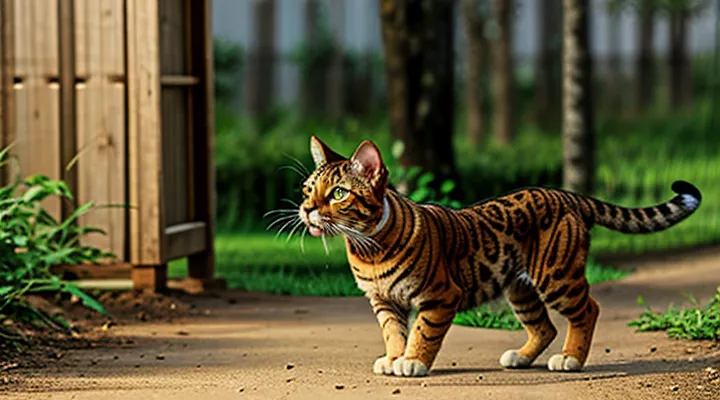
Bengal Cats: Wild Instincts Unleashed
The Ancestral Hunter
Asian Leopard Cat Heritage
Bengal cats trace their domestic lineage to deliberate crosses with the Asian leopard cat, a small wild felid native to South and Southeast Asia. The hybridization program, initiated in the mid‑20th century, introduced distinct genetic material that reshaped the breed’s phenotype and behavior.
The Asian leopard cat contributed several key characteristics:
- Spotted and rosette coat patterns derived from the wild ancestor’s camouflage.
- Muscular build and elongated limbs that enhance agility.
- Elevated predatory drive, manifested in rapid pounce and precise bite.
These inherited traits directly affect the breed’s proficiency in hunting rodents. The wild forebear’s instinctual stalking behavior combines with domestic adaptability, producing a cat capable of detecting, chasing, and subduing mice with minimal hesitation. Observations of Bengal cats in controlled environments reveal:
- Acute auditory sensitivity that isolates prey movements.
- Reflexive crouch‑and‑leap sequence mirroring the leopard cat’s ambush technique.
- Strong bite force sufficient to immobilize small mammals quickly.
Understanding this heritage informs responsible breeding practices and owner expectations. Maintaining genetic health requires careful selection to preserve wild‑type vigor while avoiding excessive aggression. Conservation programs for the Asian leopard cat benefit indirectly from the breed’s popularity, as increased public awareness supports habitat protection initiatives.
Domestication and Selective Breeding
Domestication of the Bengal line began in the 1960s when breeders crossed the wild Asian leopard cat (Prionailurus bengalensis) with domestic shorthairs. The goal was to retain the leopard cat’s striking coat pattern while introducing temperament suitable for a household companion. Early generations required careful socialization to reduce fear of humans and to encourage adaptability to indoor environments.
Selective breeding refined two critical aspects of the breed’s predatory capability: physical agility and instinctual drive. Breeders measured shoulder height, limb length, and muscle tone to ensure swift, low‑centered movement essential for catching small rodents. Simultaneously, they evaluated hunting response during standardized play sessions, selecting individuals that demonstrated focused stalking behavior without excessive aggression.
Key traits preserved through generations include:
- Dense, short coat with rosette and marbled markings that provides camouflage in varied lighting.
- High prey drive manifested by rapid pounce, precise bite, and efficient kill technique.
- Balanced temperament allowing interaction with humans while maintaining independent hunting instincts.
The result is a domestic cat that excels at controlling mouse populations in homes and farms, combining wild‑type appearance with a temperament compatible with modern living conditions.
The Feline Predator in Action
Natural Hunting Behaviors
Stalking and Ambush Tactics
Bengal cats rely on precise stalking to close the distance with a mouse before the prey detects movement. Their muscular build and flexible spine allow low‑profile advances, while keen eyesight tracks the target’s position against the floor or wall. Whisker sensitivity detects subtle air currents, alerting the cat to the mouse’s location even in low‑light conditions.
When the cat reaches an optimal range—typically one to two body lengths—it freezes, minimizing body sway and heart rate. This stillness reduces visual and auditory cues that could warn the mouse. The predator’s tail often curls slightly, providing balance for the impending leap.
The ambush phase follows a rapid, calculated burst:
- Rear legs generate explosive power.
- Front paws extend forward, claws unsheathed.
- Mouth opens to secure a grip on the neck or torso.
- Body lands on the prey, immobilizing it instantly.
Success depends on timing, angle of attack, and the cat’s ability to predict the mouse’s escape routes. By combining silent approach, sensory acuity, and a swift, directional strike, Bengal cats maximize capture efficiency while conserving energy.
The Kill Bite
The kill bite is a rapid, precise jaw closure that delivers lethal force to a rodent’s vital structures. Bengal cats employ this technique after a brief chase, using their muscular neck and strong incisors to target the neck or spinal region. The bite’s speed minimizes the prey’s chance to escape, ensuring a swift end to the struggle.
Key anatomical features that enable the kill bite include:
- Enlarged masseter muscles that generate high bite pressure.
- Sharp, retractable canines that penetrate deep tissue.
- Flexible cervical vertebrae that allow the cat to twist the head and align the jaws with the target’s vulnerable area.
Behavioral sequence typically follows these steps:
- Stalk or chase the mouse until it is within striking distance.
- Pounce, securing the prey with forepaws.
- Align the head, clamp the jaws around the neck or spine, and deliver the bite.
- Release the prey once the bite has caused fatal trauma, then consume the carcass.
The kill bite reduces the risk of injury to the cat by avoiding prolonged grappling. It also maximizes energy efficiency, allowing the animal to capture multiple rodents during a single hunting session.
Why Mice Are a Prime Target
Size and Accessibility
Bengal cats typically weigh between 8 and 15 pounds, with a muscular build that exceeds the dimensions of most house mice. Their compact bodies, flexible spine, and retractable claws allow them to navigate narrow gaps and climb vertical surfaces that are inaccessible to larger predators. Consequently, a single cat can pursue prey through floorboard cracks, under furniture, and within dense vegetation without obstruction.
Key factors influencing hunting efficiency:
- Body length versus prey size: A Bengal’s torso measures roughly 18–22 inches, while a common mouse spans 3–4 inches, creating a favorable size ratio for swift capture.
- Reach and agility: Front limbs extend up to 6 inches beyond the shoulder line, enabling the cat to strike from a distance that prevents escape.
- Environmental access: Urban apartments and rural yards provide varied entry points—ventilation ducts, garden beds, and pipe runs—each offering routes that match the cat’s size capabilities.
The combination of moderate mass, elongated limbs, and low-profile stature grants Bengal cats the physical advantage needed to infiltrate confined spaces where mice seek refuge. This spatial compatibility directly translates into higher capture rates across both indoor and outdoor environments.
Nutritional Value (or Lack Thereof)
Bengal cats frequently capture wild rodents, and the resulting meal provides a distinct nutrient profile. A standard house mouse (Mus musculus) supplies approximately 20 g of protein per 100 g, 5 g of fat, and 2 g of carbohydrate. Essential amino acids, including taurine, lysine, and methionine, appear in concentrations sufficient to meet feline requirements when the animal is consumed whole. Fatty acids such as linoleic and arachidonic acids are present, contributing to skin and coat health. Micronutrients include:
- Vitamin A: 300 IU per 100 g
- Vitamin B12: 1.5 µg per 100 g
- Calcium: 0.5 g per 100 g
- Phosphorus: 0.9 g per 100 g
- Iron: 1 mg per 100 g
Despite these benefits, mouse meat lacks several dietary components critical for domestic felines. Fiber content is negligible, and the omega‑3 to omega‑6 ratio may be imbalanced, potentially affecting inflammation control. Moreover, wild rodents can harbor parasites (e.g., Toxoplasma gondii, Hymenolepis spp.) and pathogens that pose health risks. Nutritional gaps and disease vectors necessitate supplemental feeding strategies.
Owners should complement rodent-derived meals with formulated cat food that provides balanced omega‑3 fatty acids, adequate fiber, and fortified vitamins and minerals. Regular veterinary screening for parasitic infection is advisable for cats that regularly ingest live prey.
Bengal Cats as Pest Control
Advantages in a Home Environment
Deterrent to Rodents
Bengal cats possess a strong predatory drive, making them effective natural deterrents against rodent infestations. Their muscular build, keen eyesight, and rapid reflexes allow them to detect and pursue small mammals with precision. When introduced into a household or barn, a single Bengal can reduce mouse activity by creating a persistent threat that rodents instinctively avoid.
Key characteristics that enhance their deterrent capability include:
- Heightened sensory perception: acute hearing and night vision detect rodents hidden in walls or attics.
- Territorial behavior: scent marking and patrolling establish a perimeter that discourages entry.
- High energy and playfulness: frequent hunting simulations maintain an active presence, preventing rodents from acclimating to a passive environment.
Effective deployment requires:
- Adequate space: provide climbing structures and safe hideaways to sustain the cat’s natural instincts.
- Regular health monitoring: ensure vaccinations and parasite control to protect both animal and human occupants.
- Consistent feeding schedule: maintain motivation without overfeeding, which could diminish hunting drive.
Studies of rodent population dynamics in settings with Bengal cats demonstrate a measurable decline in capture rates compared with environments lacking feline predators. The presence of a vigilant, agile cat creates a continuous psychological barrier that reduces the likelihood of rodent colonization, offering a cost‑effective and environmentally friendly alternative to chemical baits.
Entertainment for the Cat
Bengal cats possess a strong predatory drive that mirrors the instinct to chase and capture small rodents. Providing stimulation that imitates this behavior satisfies both mental and physical needs, reducing stress and preventing destructive habits.
Effective enrichment includes:
- Interactive toys that move unpredictably, such as battery‑powered mice or feather wands.
- Puzzle feeders that require manipulation to release food, encouraging problem‑solving and bite‑force exercise.
- Structured play sessions lasting 10‑15 minutes, repeated several times daily, to replicate short bursts of hunting activity.
- Environmental complexity, like climbing shelves and narrow tunnels, which forces the cat to navigate confined spaces similar to burrowed prey.
Regular rotation of toys prevents habituation; each new object reactivates the chase response. Monitoring the cat’s engagement level allows adjustment of difficulty, ensuring the activity remains challenging without causing frustration.
Consistent application of these strategies aligns the cat’s natural hunting rhythm with safe indoor entertainment, supporting overall health and behavioral stability.
Considerations for Owners
Potential for Injury to Prey
Bengal cats, bred from Asian leopard cat lineage, retain a strong predatory instinct that directs them toward small rodents. When a cat captures a mouse, the encounter typically results in physical trauma that can be fatal or cause lasting impairment.
Typical injuries include:
- Crushed skull or facial bones from a bite or bite‑and‑hold technique.
- Broken ribs or vertebrae caused by a swift neck snap.
- Lacerations of soft tissue from claw strikes.
- Internal hemorrhage due to deep puncture wounds.
Severity depends on several variables: the cat’s body mass, age, and hunting experience; the mouse’s size and health; the method of subdual (bite, claw, or suffocation); and the environment in which the kill occurs (confined indoor space versus open outdoor area). Larger, mature cats often inflict more extensive skeletal damage, while younger cats may rely on repeated clawing, producing multiple superficial wounds.
These injury patterns affect mouse survival rates. Immediate mortality is common, yet sublethal damage—such as broken limbs or internal bleeding—can lead to prolonged suffering or delayed death. For owners who allow indoor hunting, the risk of non‑fatal injury underscores the need for environmental enrichment that redirects predatory behavior away from live prey.
Dealing with «Gifts»
Bengal cats, prized for their instinctive pursuit of rodents, frequently bring home captured prey. When a cat presents a mouse as a “gift,” the owner must evaluate the item before allowing interaction.
Safety considerations include assessing the animal’s condition, checking for signs of disease, and confirming that the mouse is not a protected species. If the prey appears injured or dead, it should be disposed of promptly to prevent bacterial contamination. Live rodents intended as enrichment must be sourced from reputable suppliers that guarantee health‑tested stock.
Practical steps for handling cat‑delivered gifts:
- Inspect the mouse for wounds, parasites, or unusual behavior.
- Wear disposable gloves if contact is necessary.
- Place the animal in a sealed container for a brief observation period.
- If the mouse is dead, wrap it in a disposable bag and discard according to local waste regulations.
- For live prey, introduce it in a secure play area under supervision; remove the mouse if the cat shows excessive aggression.
- Clean any surfaces the mouse touched with a mild disinfectant.
Consistent application of these measures protects both the cat’s health and the household environment while respecting the breed’s natural hunting drive.
Ethical Considerations and Alternatives
The «Catch and Release» Dilemma
Humane Trapping Methods
Bengal cats possess a strong instinct to chase rodents, making effective mouse control essential for owners who wish to preserve this natural behavior while adhering to animal‑welfare standards.
Humane trapping refers to capture techniques that avoid injury, stress, or prolonged confinement. Devices are designed for rapid release, allowing the cat to continue hunting without exposing the prey to unnecessary suffering.
Common humane options include:
- Live‑catch box trap – hinged door closes when the animal steps on a trigger plate; interior padded to prevent bruising.
- Multi‑catch tunnel trap – series of connected chambers that capture several mice before requiring emptying; entry funnel limits escape.
- Low‑voltage electronic trap – delivers a brief, non‑lethal shock that immobilizes the rodent for immediate removal.
Effective deployment requires precise bait (e.g., peanut butter, sunflower seeds), placement along established runways near walls or concealed corners, and inspection at intervals of no more than two hours to minimize distress. Captured mice should be released at least 200 m from the residence, in habitats offering cover and food sources, and handled with gloves to reduce disease transmission. After each use, traps must be cleaned with mild disinfectant to prevent scent buildup that could deter future captures.
Implementing these practices supports the cat’s predatory drive, reduces rodent numbers, and complies with humane‑care guidelines, fostering a balanced indoor ecosystem.
Owner Intervention
Owner intervention directly influences the success and safety of a Bengal’s mouse‑hunting activities. Proper management reduces accidental injuries, limits unwanted predation on non‑target species, and maintains household harmony.
Effective measures include:
- Secure feeding schedule – Provide regular, high‑protein meals to prevent excessive hunger that drives risky hunting.
- Environmental enrichment – Install climbing structures, puzzle toys, and interactive play sessions to channel predatory instincts into controlled outlets.
- Controlled outdoor access – Use a cat‑proof enclosure or leash system when allowing outdoor time; this confines the cat to a safe area while preserving hunting opportunities.
- Health monitoring – Conduct routine veterinary checks for parasites, injuries, and nutrition deficiencies that could arise from frequent prey capture.
- Prey handling protocol – If the cat brings a mouse indoors, remove the animal promptly, disinfect the area, and assess the cat for any bites or scratches.
When owners implement these practices, the cat’s natural drive to chase rodents remains satisfied without compromising the animal’s wellbeing or the household’s cleanliness. Consistent application of the outlined strategies ensures that the breed’s predatory behavior aligns with responsible pet ownership.
Redirecting Hunting Instincts
Interactive Toys and Play
Interactive toys replicate the rapid, unpredictable movements that trigger a Bengal cat’s natural predatory response. When a toy mimics the darting motion of a mouse, the cat engages its visual tracking and pounce reflexes, providing both mental stimulation and physical exertion.
Effective play devices fall into three categories:
- Mechanized prey simulators – battery‑powered toys that scuttle, spin, or flutter erratically, encouraging repeated attacks.
- Puzzle feeders – containers that release treats only after the cat manipulates levers or slides panels, reinforcing problem‑solving skills.
- Wand and string toys – handheld implements with detachable feathers or ribbons that allow the owner to control speed and direction, facilitating targeted training sessions.
Regular sessions with these tools sustain the cat’s hunting instincts, reduce sedentary behavior, and prevent the development of undesirable habits such as excessive chewing or scratching. A typical routine includes several short bouts throughout the day, each lasting five to ten minutes, to align with the breed’s high energy level and short attention span.
Monitoring the cat’s response during play reveals preferences for specific motion patterns. Adjusting speed, height, and sound output tailors the experience, ensuring the activity remains challenging and rewarding. Consistent use of interactive toys therefore supports the health and behavioral balance of Bengal cats, mirroring the dynamics of their natural mouse pursuit.
Puzzle Feeders
Puzzle feeders provide a structured challenge that aligns with the instinctual predatory drive of Bengal cats. By requiring the animal to manipulate a device to release food, these toys simulate the problem‑solving aspect of tracking and catching small prey such as mice.
The primary advantages include:
- Enhanced mental stimulation – the cat must plan a sequence of actions, reinforcing neural pathways associated with hunting tactics.
- Improved motor coordination – paw and jaw movements used to access kibble mimic the precise strikes employed during a chase.
- Controlled calorie intake – the gradual release of portions prevents rapid consumption, supporting weight management for active felines.
Effective implementation follows a few guidelines:
- Choose a feeder with adjustable difficulty levels; start with low resistance and progress as the cat demonstrates proficiency.
- Position the device on a stable surface at the cat’s eye level to encourage natural stalking posture.
- Use high‑value, small‑sized treats that resemble the texture of live prey, reinforcing the link between the puzzle and real‑world hunting.
- Rotate between different feeder models to prevent habituation and maintain engagement.
Research indicates that Bengal cats, known for their agile pursuit of rodents, exhibit longer play sessions and reduced boredom when puzzle feeders are incorporated into daily routines. The tactile feedback and reward schedule replicate the sensory cues of a mouse capture, thereby satisfying both physical and cognitive needs.