
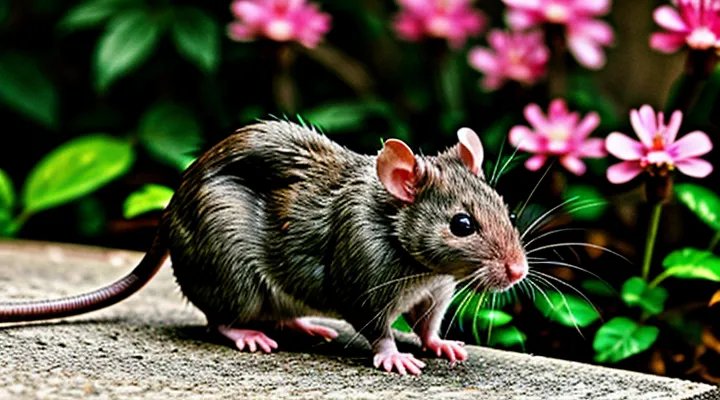
The Unseen Beauty of Rats: An Introduction
Why Rats Make Excellent Photo Subjects
Intelligence and Expressiveness
The visual archive of rat photography presents clear instances of cognitive activity and emotive display. Each image captures moments that reveal the species’ capacity for learning, adaptation, and interaction with its environment.
Photographic evidence highlights problem‑solving behavior. Rats navigate complex mazes, manipulate objects to obtain food, and exhibit memory retention across successive trials. Their actions demonstrate planning, flexibility, and the ability to modify strategies when confronted with obstacles.
The collection also records expressive cues. Facial tension, whisker positioning, and body posture convey states such as curiosity, alertness, and contentment. Social dynamics appear in group shots, where grooming, play, and hierarchical gestures are observable.
Key observations include:
- Rapid adjustment to novel apparatuses, indicating learning speed.
- Use of forepaws to lift or transport items, reflecting manual dexterity.
- Variation in ear and tail movements corresponding to emotional shifts.
- Cooperative behaviors, such as shared nesting and coordinated foraging.
These visual records provide concrete data for assessing rat intelligence and expressiveness, supporting scientific analysis without reliance on anecdotal description.
Unique Physical Characteristics
Rats featured in the photographic collection display a range of distinctive morphological traits that set each individual apart. Their fur exhibits diverse coloration patterns, ranging from solid black and brown to speckled gray and white patches. Some specimens possess unusually long whiskers, extending well beyond the typical length and enhancing tactile perception. Tail morphology varies, with certain individuals showing a sleek, hair‑less surface while others retain a fine covering of fur along the dorsal side. Ear size also differs markedly; a subset of rats presents enlarged, thin‑membraned ears that improve thermoregulation and auditory acuity.
Key physical attributes observed:
- Body size: Length from nose to base of tail spans 12–20 cm; weight fluctuates between 150 g and 350 g.
- Fur texture: Dense, soft undercoat paired with a coarser guard hair layer; occasional hairless sections on the tail or paws.
- Eye coloration: Ranges from dark brown to reddish amber, reflecting genetic variation.
- Dental structure: Prominent incisor curvature and continuous growth, characteristic of the species.
- Paw morphology: Presence of extra toe pads in some specimens, providing enhanced grip on smooth surfaces.
These characteristics contribute to the visual richness of the gallery, offering a comprehensive reference for researchers and enthusiasts examining phenotypic diversity within the species.
A Curated Gallery of Stunning Rat Photography
Portraits: Capturing Personality
Close-Ups: Focus on Features
Close-up images in a rat photography collection reveal anatomical details that broader shots conceal. By isolating facial structures, fur patterns, and limb morphology, the viewer gains direct access to the subject’s distinctive characteristics.
Technical execution relies on precise lighting, shallow depth of field, and macro-capable lenses. Soft, diffused illumination reduces harsh shadows, while a wide aperture isolates the focal point. Focus stacking compensates for limited depth, producing sharpness across the entire feature set.
Key visual elements emphasized in close-ups include:
- Whiskers: Fine, tactile hairs display length variation and curvature, indicating sensory function.
- Eyes: High-resolution capture of the iris and pupil highlights coloration and reflective qualities.
- Fur texture: Microscopic detail shows individual hair shafts, coloration gradients, and grooming patterns.
- Paws: Pad structure and claw shape become evident, illustrating locomotor adaptation.
- Tail segment: Scale arrangement and vascular markings emerge, offering insight into thermoregulation.
These focused representations support scientific observation, educational outreach, and aesthetic appreciation. By presenting each feature with clarity, the collection enhances understanding of rat morphology and enriches the visual narrative of the species.
Interactions: Rats in Social Settings
Rats exhibit complex social behavior that becomes evident in group photographs, providing insight into hierarchy, communication, and cooperation. Observations from a curated series of high‑resolution images reveal patterns of dominance, grooming, and shared nesting that correspond with established ethological research.
Key interaction categories documented in the visual collection include:
- Dominance displays: Elevated posture, tail flicking, and forward lunges indicate rank among conspecifics.
- Allogrooming: Mutual fur cleaning reinforces bonds and reduces parasite load.
- Play behavior: Chasing, gentle biting, and wrestling occur primarily among juveniles, supporting motor development.
- Cooperative nesting: Overlapping bodies and synchronized huddling maintain thermoregulation and predator avoidance.
These documented behaviors demonstrate that rat societies function through a balance of competition and cooperation, with visual evidence reinforcing theoretical models of rodent social structure.
Action Shots: Dynamic and Playful
Agility and Movement
The rat photography collection showcases the animal’s agility and movement through sharply focused frames that capture dynamic postures. Each image isolates a specific action, allowing viewers to analyze the mechanics of rapid locomotion.
Typical motions include:
- Vertical climbs along textured surfaces
- Horizontal sprints across open spaces
- Sudden leapt arcs over obstacles
- Precise turns while navigating tight passages
Photographic techniques reinforce the sense of motion. High shutter speeds freeze fleeting gestures, while burst sequences document successive stages of a single maneuver. Selective background blur isolates the subject, emphasizing muscular tension and limb extension.
The series provides insight into rat biomechanics. Observed patterns reveal coordinated fore‑ and hind‑limb cycles, balance adjustments during aerial phases, and the role of whisker positioning in spatial awareness. These visual data points support comparative studies of small‑mammal locomotion.
Exploration and Curiosity
The photographic collection showcasing rats offers a visual record of an often‑overlooked species. Each image captures a moment of the animal’s interaction with its environment, providing evidence of natural behavior and morphological variation.
Photographers approach the subject with deliberate curiosity, selecting angles that reveal texture, posture, and movement. The choice of lighting, depth of field, and composition reflects an investigative mindset, turning ordinary scenes into data points for visual analysis.
Exploration extends beyond the frame. Fieldwork occurs in urban alleys, rural barns, and laboratory settings, where investigators document habitat diversity and adaptive strategies. The resulting images support comparative studies of diet, social structure, and nocturnal activity.
Key elements illustrating exploration and curiosity include:
- Close‑up shots that expose whisker detail and fur pattern.
- Sequential series tracking a single rat’s navigation of obstacles.
- Infrared captures revealing behavior invisible to the naked eye.
- Contextual backgrounds that situate the animal within its ecological niche.
Artistic Interpretations: Beyond the Ordinary
Macro Photography: Unveiling Intricate Details
Macro photography reveals the fine structures of rodent fur, whisker patterns, and eye reflections that standard lenses cannot resolve. In a curated rat photo collection, each image demonstrates how close‑up imaging isolates textures, color gradients, and micro‑anatomy, providing viewers with a scientific perspective on a commonly overlooked subject.
The technique relies on precise lighting, depth‑of‑field control, and high‑resolution sensors. Key elements include:
- Ring flash positioned to eliminate shadows and highlight surface sheen.
- Aperture settings between f/2.8 and f/4 to isolate the subject from background clutter.
- Focus stacking to combine multiple focal planes, producing a uniformly sharp image across the entire subject.
Camera equipment selection influences detail capture. Full‑frame bodies paired with macro lenses of 90 mm to 105 mm focal length deliver the necessary magnification while maintaining image quality. Extension tubes or bellows increase magnification further, though they demand careful exposure compensation.
Post‑processing enhances the visibility of minute features. Adjustments to contrast and clarity emphasize hair strands and whisker edges, while selective sharpening accentuates eye iridescence without introducing artifacts. Color correction ensures that pigment tones remain true to the animal’s natural appearance.
When integrated into the rat photo gallery, macro images provide a visual narrative that complements broader compositional shots. The juxtaposition of expansive environmental photographs with extreme close‑ups educates viewers on the scale spectrum of rat anatomy, reinforcing the collection’s educational value and visual impact.
Thematic Compositions: Storytelling Through Imagery
The photographic collection of rats presents a platform for thematic compositions that convey narratives without words. By arranging subjects, backgrounds, and lighting, each image functions as a visual chapter, guiding the viewer through a sequence of emotions and ideas.
Effective storytelling through imagery relies on three core elements:
- Subject positioning – placement of the rat within the frame determines focus and suggests interaction with surrounding objects.
- Environmental cues – textures, colors, and props create context that hints at a larger storyline.
- Sequential flow – ordering images to build tension, climax, and resolution mirrors the structure of written narratives.
Technical choices reinforce the narrative intent. Low‑key lighting isolates the animal, emphasizing vulnerability; high‑contrast scenes highlight conflict; soft, diffused illumination evokes calm. Lens selection influences perspective: macro lenses reveal fine detail, while wide‑angle lenses situate the rat within expansive settings, suggesting scale and environment.
Curating the series demands consistency in theme while allowing variation in mood. Maintaining a unifying visual motif—such as recurring objects or color palettes—binds disparate shots into a coherent story, enabling the audience to infer plot development solely from visual cues.
Tips for Photographing Rats
Lighting Techniques for Optimal Shots
Natural Light Advantages
Natural light provides consistent color rendering, allowing the true hues of a rat’s fur and surroundings to be captured without the color shift often introduced by artificial sources. It eliminates the need for white‑balance correction in post‑processing, preserving detail in both shadows and highlights.
- Soft diffusion reduces harsh shadows, revealing texture on whiskers and skin.
- High dynamic range captures subtle variations in tone, enhancing depth perception.
- Absence of flicker ensures stable exposure across multiple frames, important for gallery presentation.
- Energy‑efficient illumination lowers operational costs and environmental impact.
By relying on daylight, photographers achieve images that reflect the organism’s natural environment, supporting a cohesive visual narrative throughout the rat photography collection.
Studio Lighting Considerations
Effective studio lighting is essential for capturing the fine details and natural texture of rats in a photographic collection. Proper illumination highlights fur patterns, eye reflections, and subtle body contours while minimizing shadows that obscure anatomy.
- Choose a color temperature between 5,200 K and 5,600 K to render true fur colors without unwanted tint.
- Apply diffusion material (softboxes, umbrellas, or a scattering panel) to soften harsh light and reduce specular highlights on glossy whiskers.
- Position the main light at a 45‑degree angle to the subject’s side, creating gentle modeling that reveals depth without casting deep shadows.
- Use a fill light or reflector opposite the key source to lift shadowed areas while preserving contrast.
- Select a light output that allows a shutter speed fast enough to freeze minor movements; typically, 1/200 s or faster is sufficient for alert rodents.
- Incorporate background illumination that separates the subject from the backdrop, preventing the rat from blending into dark or overly bright surfaces.
- Ensure all equipment is securely mounted and cords are out of reach to maintain animal safety during the shoot.
Set up the lighting rig before introducing the rat to the studio. Verify exposure by taking test shots, adjusting power and diffusion as needed. Consistent lighting parameters across sessions produce a cohesive visual series for the gallery.
Posing and Handling: Ensuring Comfort
Treats and Positive Reinforcement
Treats and positive reinforcement are essential tools for obtaining clear, expressive images of rats in a photographic collection. By pairing a desirable food reward with a specific behavior, handlers can guide subjects into natural poses, maintain focus, and reduce stress during sessions.
Effective implementation follows a consistent sequence:
- Present a small, high‑value treat (e.g., sunflower seed, dried fruit, or commercial rodent snack) immediately before the desired action.
- Deliver the treat the moment the rat complies, reinforcing the behavior through timing.
- Repeat the cycle, gradually increasing the complexity of the pose while keeping the reward size modest to prevent overfeeding.
Choosing appropriate treats requires consideration of nutrition and palatability. Preferred options include:
- Sunflower or pumpkin seeds – high in fat, attractive to most rats.
- Dried apple or banana chips – sweet, low‑calorie alternative.
- Commercial rodent biscuits – formulated for balanced intake.
Positive reinforcement extends beyond food. Gentle vocal cues and brief tactile contact, when paired with a treat, reinforce trust and encourage cooperation. Over time, rats associate the camera environment with rewarding outcomes, resulting in steadier positioning and clearer focus on facial features.
Consistent reinforcement schedules improve repeatability across multiple shoots. Handlers record which treats elicit the quickest response, adjust intervals between rewards, and monitor the subjects’ health to ensure that the feeding regimen supports both photographic goals and animal welfare.
Safe and Gentle Interaction
A collection of high‑quality rat photographs depends on interaction that protects the animal’s welfare and yields clear images.
Safe handling begins with calm, deliberate movements. Hold the rat only when necessary, supporting the body from behind and avoiding pressure on the spine. Keep the animal’s head upright to maintain normal breathing.
Gentle interaction follows these steps:
- Approach from the side, allowing the rat to see the photographer.
- Offer a familiar treat to encourage cooperation.
- Use a soft, non‑slip surface to prevent accidental slips.
- Limit restraint time to a few seconds; release the rat immediately after the shot.
The environment must reduce stress. Provide a quiet room, dim natural light supplemented by diffused artificial lighting to avoid glare. Ensure the floor is clean and free of sharp objects.
After the session, clean all equipment, check the rat for signs of injury, and return it to its regular enclosure with fresh bedding and water. Regular health monitoring confirms that the interaction remains non‑invasive and safe.
The Impact of Beautiful Rat Photography
Challenging Misconceptions
Debunking Negative Stereotypes
The collection of striking rat photographs offers a visual platform for challenging entrenched misconceptions about rodents. By presenting rats in well‑composed, high‑resolution images, the gallery demonstrates qualities—such as intelligence, cleanliness, and social complexity—that contradict common negative portrayals.
- Intelligence: Studies show rats excel in problem‑solving tasks, learning mazes faster than many other mammals. The photographs capture moments of curiosity and exploration, reinforcing evidence of cognitive abilities.
- Hygiene: Laboratory observations confirm rats groom themselves regularly, maintaining fur condition comparable to domestic pets. The visual clarity of the images highlights their well‑kept appearance.
- Social behavior: Group shots reveal structured hierarchies and cooperative interactions, mirroring social patterns found in other species. These depictions counter the stereotype of rats as solitary pests.
The visual evidence aligns with scientific literature, providing a factual basis for reassessing public perception. By replacing fear‑based narratives with documented attributes, the gallery contributes to a more accurate understanding of rats.
Promoting Empathy and Understanding
The curated collection of striking rat photographs offers viewers a direct visual encounter with an often misunderstood species. By presenting rats in natural, expressive poses and detailed settings, the images challenge preconceived notions and encourage observers to recognize shared emotional cues across species.
Key mechanisms that foster empathy and understanding include:
- Close-up perspectives that reveal individual facial features, prompting recognition of sentience.
- Contextual scenes illustrating rats’ social interactions, highlighting communal behaviors comparable to other mammals.
- Narrative captions that provide factual information about rat biology and habitat, grounding visual impressions in scientific context.
Through sustained exposure to these compelling visuals, audiences develop a nuanced appreciation for rats, reducing fear and fostering compassionate attitudes toward wildlife and urban ecosystems.
Inspiring Rat Ownership and Rescue
Showcasing Rats as Loving Companions
The gallery of rat photography presents visual evidence that rats form deep, affectionate bonds with their owners. High‑resolution images capture moments of gentle grooming, relaxed co‑sleeping, and playful interaction, illustrating the species’ capacity for trust and companionship.
Key observations derived from the collection:
- Rats frequently seek physical contact, curling around hands or nestmates in a manner comparable to other domesticated pets.
- Eye contact and vocalizations observed in the photographs correspond to established signs of social attachment in rodent behavior studies.
- The variety of coat colors and patterns displayed highlights the aesthetic appeal that can attract potential caretakers.
- Environmental enrichment, such as tunnels and climbing structures shown in the background, supports the well‑being of these animals and reinforces their willingness to engage with humans.
These visual records serve as a reference for prospective owners, veterinarians, and animal‑welfare advocates, demonstrating that rats provide reliable emotional support and enrich household dynamics. The evidence underscores the suitability of rats as loving companions, encouraging broader acceptance of the species in domestic settings.
Encouraging Responsible Pet Care
The photographic collection of rats showcases the species’ diverse appearances, inviting viewers to appreciate their charm while recognizing the obligations that accompany ownership. High‑quality images provide a realistic reference for potential caretakers, highlighting the physical traits that require specific attention.
Responsible rat ownership demands consistent health monitoring, proper habitat management, and balanced nutrition. Neglect in any area can lead to stress, disease, or premature loss, undermining the welfare reflected in the visuals.
- Provide a spacious cage with solid flooring, regular cleaning, and enrichment objects.
- Supply a diet rich in grains, fresh vegetables, and occasional protein sources; avoid sugary or processed foods.
- Schedule veterinary examinations at least twice yearly, and vaccinate against common pathogens where applicable.
- Ensure daily social interaction, either with compatible conspecifics or through gentle handling, to prevent loneliness.
- Monitor water quality, replacing it daily and using a bottle that prevents contamination.
Applying these standards sustains the health of pet rats and preserves the integrity of the visual showcase, allowing observers to enjoy the beauty of the animals responsibly.
Advanced Photography Techniques for Rat Enthusiasts
Lens Selection for Rat Photography
Prime Lenses for Sharpness
Prime lenses deliver consistent optical performance, making them ideal for capturing the fine details of small subjects such as rats in a photographic collection. Their fixed focal length eliminates the variability introduced by zoom mechanisms, resulting in higher resolution and reduced distortion.
A short focal length, typically 35 mm or 50 mm on a full‑frame sensor, provides a comfortable working distance while preserving background separation. Wide maximum apertures (f/1.4‑f/2.0) allow precise control of depth of field, isolating the animal from distracting elements and ensuring the eye and fur remain sharply rendered. High‑quality glass elements and advanced coatings minimize chromatic aberration and flare, preserving contrast in low‑light environments where rats are often photographed.
Key considerations for selecting a prime lens for this purpose:
- Focal length: 35 mm for tight framing; 50 mm for a more natural perspective.
- Maximum aperture: f/1.4 or f/2.0 for shallow depth of field and light gathering.
- Optical construction: Aspherical elements and extra‑low dispersion glass to maintain edge‑to‑edge sharpness.
- Autofocus speed: Fast, accurate focus motors to track quick movements.
- Build quality: Weather sealing and robust barrel for outdoor shoots.
When paired with a stable tripod or a handheld grip, a prime lens ensures the minute textures of whiskers, fur, and eyes appear crisp across the entire gallery. Consistent lens choice also simplifies post‑processing, as color rendition and sharpness profiles remain uniform throughout the collection.
Macro Lenses for Detail
Macro lenses enable the capture of fine textures that define the visual impact of a rat photography collection. Their short focal lengths and high magnification ratios reproduce whisker strands, fur patterns, and eye reflections without distortion. The result is a series of images where each anatomical detail contributes to the overall aesthetic of the gallery.
Key specifications for selecting a macro lens include:
- Minimum focusing distance under 10 cm, allowing close proximity to the subject while maintaining focus.
- Reproduction ratio of at least 1:1, ensuring true life‑size representation of minute features.
- Flat field performance, which preserves sharpness across the entire frame and prevents edge softening.
- Internal focusing mechanisms, reducing lens extension and minimizing disturbance to skittish rodents.
When paired with a stable platform, such as a tripod with a geared head, macro lenses deliver consistent framing across multiple shots. This consistency supports the assembly of a cohesive visual narrative, where each photograph highlights distinct aspects of rat anatomy while adhering to the gallery’s visual standards.
Proper lighting enhances the capabilities of macro optics. Ring flashes or twin‑light setups provide even illumination, reduce shadows, and accentuate surface textures. Combined with a lens that offers precise aperture control, photographers can isolate subjects against a smooth background, directing viewer attention to the captured details.
Post-Processing: Enhancing Your Rat Photos
Color Correction and Cropping
Color correction enhances the visual fidelity of each rat image, ensuring that fur tones, eye color, and background hues appear natural and consistent across the collection. Adjust white balance to remove color casts caused by artificial lighting; fine‑tune exposure to preserve detail in shadows and highlights; increase contrast modestly to define fur texture; and apply selective saturation to accentuate distinctive markings without oversaturation.
Cropping refines composition by isolating the subject, eliminating irrelevant elements, and aligning the frame with established photographic principles. Position the rat’s head or body along intersecting lines of a grid to achieve balanced placement; remove peripheral clutter that distracts from the animal; and adopt aspect ratios (e.g., 4:3 or 1:1) that suit the gallery’s display format.
Processing workflow
- Import raw file into editing software (e.g., Adobe Lightroom, Capture One).
- Apply lens correction profile to address distortion and vignetting.
- Set white balance using a neutral reference or the eye color of the rat.
- Adjust exposure, highlights, and shadows to retain fur detail.
- Increase contrast and clarity to emphasize texture.
- Modify saturation selectively for coat colors.
- Crop to a composition that follows the rule of thirds or central focus, preserving sufficient space around the subject.
- Export in the gallery’s required resolution and color space (sRGB, 72 dpi).
Consistent application of these steps produces a cohesive, high‑quality rat photo collection suitable for online presentation and print exhibition.
Ethical Retouching Practices
Ethical retouching in a rat photography showcase requires adherence to standards that safeguard authenticity while enhancing visual quality. Professionals must balance aesthetic improvement with truthful representation of the subject.
- Preserve original anatomy; avoid alterations that modify size, shape, or distinctive markings.
- Limit color correction to compensate for lighting conditions; do not introduce hues absent from the scene.
- Document every adjustment in metadata; retain a record of the unedited file for reference.
- Exclude any manipulation that suggests the animal’s behavior differs from what was captured.
- Ensure that enhancements do not obscure or diminish diagnostic details, such as fur texture or eye clarity.
Implementation begins with a clear workflow: capture raw images, create a duplicate for editing, apply only the approved adjustments, and save a final version alongside the original file. Transparency is maintained by embedding an edit log within the image file and providing a brief description of the changes on the gallery platform.
Consistent ethical practice builds trust among viewers, researchers, and conservationists. Accurate visual records support scientific observation, education, and appreciation of the species, while responsible editing upholds the integrity of the collection.