
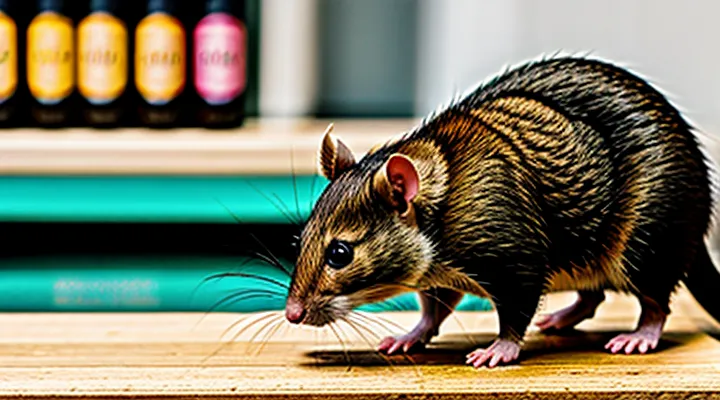
Understanding Bamboo Rats
What Are Bamboo Rats?
Species and Varieties
Bamboo rats belong to the genus Rhizomys and include three recognized species. Each species exhibits distinct size ranges, coat coloration, and habitat preferences, factors that influence suitability for captive care.
- Chinese bamboo rat (Rhizomys sinensis) – Largest of the group, weight up to 4 kg, dark brown to black fur, native to subtropical forests of southern China. Adaptable to indoor enclosures with ample bedding and climbing structures.
- Indian bamboo rat (Rhizomys pruinosus) – Medium size, 2–3 kg, grayish‑brown coat with a silvery sheen, originates from the Indian subcontinent’s forested valleys. Requires higher humidity levels and regular access to fresh bamboo shoots.
- Sumatran bamboo rat (Rhizomys sumatrensis) – Smallest species, 1.5–2 kg, reddish‑brown fur, found on the island of Sumatra. Prefers cooler temperatures and dense vegetation; thrives when provided with vertical tunnels and a diet enriched with leafy greens.
Selecting a species should align with the keeper’s space, climate control capabilities, and dietary provision. All three species share common care requirements: a spacious cage (minimum 1 m³), a substrate of shredded bark or coconut fiber, continuous access to fresh water, and a diet consisting primarily of bamboo shoots supplemented with high‑fiber pellets and occasional fruits. Regular health monitoring focuses on dental wear, weight stability, and coat condition; any deviation warrants veterinary consultation.
Natural Habitat and Characteristics
Bamboo rats inhabit dense bamboo forests and adjacent subtropical woodlands across Southeast Asia, including regions of Thailand, Vietnam, and southern China. They prefer low‑lying understory where mature bamboo culms provide both shelter and a reliable food source. Burrows are excavated at the base of bamboo clumps, often extending 1–2 meters underground and featuring multiple chambers for nesting, food storage, and waste disposal. Seasonal rains increase bamboo shoot growth, prompting rats to expand their tunnel networks to exploit the abundant fresh shoots.
Key physical traits include:
- Robust, elongated bodies measuring 30–45 cm in length, with a short, dense coat that varies from reddish‑brown to grayish tones.
- Strong forelimbs equipped with large, curved claws adapted for digging through fibrous bamboo roots.
- Large, prominent incisors that continuously grow, enabling the animal to gnaw bamboo stalks and penetrate tough plant material.
- A short tail, typically less than half the body length, covered in sparse hair and used for balance when navigating narrow bamboo culms.
Behaviorally, bamboo rats are nocturnal foragers, emerging after dusk to consume young shoots, stems, and occasionally bark. Their diet is highly selective, focusing on tender bamboo growth, which provides high moisture content and essential nutrients. Reproduction peaks during the rainy season; litters average three to five offspring, each born hairless and blind, relying on the mother’s warmth within the burrow until they develop sufficient fur and motor skills.
Adaptations such as reinforced jaw muscles, efficient digestive fermentation of cellulose, and a keen sense of smell enable bamboo rats to thrive in their specialized niche, where competition for bamboo resources is limited and predation pressure is mitigated by the complexity of their underground habitats.
Acquiring a Bamboo Rat
Sourcing Responsible Breeders
Ethical Considerations
Acquiring a bamboo rat demands verification that the animal originates from a legitimate, non‑wild‑capture source. Illegal harvesting depletes native populations and may violate international trade regulations; therefore, only breeders with documented permits should be considered.
Key ethical criteria for selecting a supplier:
- Proven registration with wildlife authorities or agricultural agencies.
- Transparent breeding records indicating captive‑origin lineage.
- Compliance with CITES or equivalent export‑import restrictions.
- Commitment to humane handling during transport, including appropriate packaging, temperature control, and minimal stress exposure.
Once the animal is in captivity, responsible care hinges on meeting its physiological and behavioral needs. Enclosures must provide ample space, climbing structures, and substrate that mimics natural burrows. Nutrition should consist of fresh bamboo shoots, supplemented with high‑fiber vegetables and protein sources, avoiding processed feeds that lack essential nutrients. Regular health assessments by a veterinarian experienced with exotic rodents are essential to detect disease early and to administer vaccinations when required.
Owners bear the duty to monitor legal obligations continuously, updating permits and adhering to any changes in wildlife legislation. Ethical stewardship also includes educating household members about the species’ specific requirements and ensuring that the animal’s welfare remains the primary priority throughout its lifespan.
Red Flags to Watch Out For
When evaluating a potential bamboo rat, certain indicators reveal poor health, unsuitable origin, or inadequate care standards.
- Unusual odor emanating from the animal or its enclosure.
- Visible parasites, skin lesions, or discharge from eyes, nose, or mouth.
- Inconsistent weight gain or sudden weight loss documented by the seller.
- Lack of a health certificate or recent veterinary examination report.
- Seller unable or unwilling to provide details about diet, housing, or lineage.
- Presence of aggressive or overly fearful behavior during handling.
- Inadequate cage size, missing enrichment, or absence of appropriate substrate.
During ongoing care, watch for signs that suggest underlying problems or neglect.
- Dull, brittle fur that sheds excessively or fails to regrow.
- Persistent lethargy, reduced activity, or refusal to eat familiar foods.
- Abnormal stool consistency, blood, or mucus.
- Respiratory sounds such as wheezing, coughing, or labored breathing.
- Unexplained swelling, lumps, or changes in body shape.
- Repeated injuries or self‑mutilation indicating stress or inadequate enclosure.
- Failure to thrive despite proper nutrition, temperature, and humidity control.
Pet Stores and Rescue Organizations
Advantages and Disadvantages
Bamboo rats present a distinct set of characteristics that influence their suitability as companion animals. Their natural diet consists primarily of bamboo shoots and grasses, which reduces feeding costs compared to grain‑based diets required by many small mammals. Their relatively large size and calm demeanor make them less prone to biting, facilitating handling for novice owners. Additionally, the species exhibits low odor output when housed in well‑ventilated enclosures, simplifying hygiene management.
However, several drawbacks merit consideration. Their specialized dietary needs demand a steady supply of fresh bamboo, which may be unavailable in certain regions and can increase logistical complexity. The animals produce substantial amounts of waste, necessitating frequent cleaning to prevent odor escalation and bacterial growth. Their size also requires spacious cages with reinforced bars, raising initial setup expenses. Finally, bamboo rats possess a longer gestation period and lower reproductive rate, limiting the availability of young specimens and potentially extending the procurement timeline.
Advantages
- Low feeding cost due to bamboo‑based diet
- Gentle temperament reduces risk of injury
- Minimal scent when housed properly
Disadvantages
- Dependence on fresh bamboo supply
- High waste volume demands regular maintenance
- Larger enclosure requirements increase initial investment
- Limited breeding frequency slows market availability
Legalities and Regulations
Local and National Laws
When acquiring a bamboo rat, compliance with legal requirements is mandatory. Federal regulations classify most bamboo rat species under the Convention on International Trade in Endangered Species of Wild Fauna and Flora (CITES). Importers must secure an appropriate CITES permit that confirms the animal was sourced legally and that trade does not threaten wild populations. The United States Department of Agriculture (USDA) also issues an Animal Welfare Act (AWA) license for facilities that house exotic rodents, and a USDA certificate is required for interstate transport.
State and local jurisdictions impose additional restrictions. Many states categorize bamboo rats as “restricted wildlife” or “non‑native species,” prohibiting private ownership without a permit. For example:
- California: requires a Department of Fish and Wildlife (DFW) registration and a special use permit for possession.
- Texas: allows ownership only if the animal is classified as a “domestic exotic” and the owner holds a DFW permit.
- New York: bans private keeping of bamboo rats altogether, permitting only accredited research institutions.
Municipalities may enforce zoning ordinances that limit the keeping of exotic rodents in residential areas. Residents should verify zoning codes before purchasing, as violations can result in fines or confiscation of the animal.
Compliance steps:
- Identify the species and confirm its CITES appendix status.
- Obtain a federal CITES export/import permit if the animal originates from abroad.
- Apply for a USDA AWA license if the business intends to sell or exhibit the rat.
- Check state wildlife agency websites for specific permit applications or ownership bans.
- Review local zoning regulations and obtain any required city or county permits.
- Keep all documentation readily available for inspection by regulatory authorities.
Failure to adhere to these regulations can lead to criminal charges, seizure of the animal, and permanent bans on future transactions. Legal compliance ensures responsible acquisition and safeguards both the buyer and the species.
Essential Care for Your Bamboo Rat
Housing Requirements
Enclosure Size and Type
A bamboo rat requires an enclosure that accommodates its large body and active digging behavior. Minimum floor space should be 4 ft × 4 ft (approximately 1.2 m × 1.2 m) for a single adult; larger individuals or pairs need at least 6 ft × 6 ft (1.8 m × 1.8 m). Height is less critical, but a minimum of 2 ft (0.6 m) allows for climbing structures and ventilation equipment.
Enclosure construction options include:
- Glass terrariums – provide clear visibility, easy cleaning, and secure sealing; must be reinforced with metal framing to prevent breakage.
- Wooden cabinets – offer natural insulation and aesthetic appeal; require waterproof lining and metal mesh for ventilation.
- Metal cages – durable and resistant to gnawing; must incorporate solid panels or acrylic doors to protect against escape.
Ventilation must supply fresh air without creating drafts. A continuous airflow of 0.5 CFM per square foot of floor area, achieved through adjustable vents or screened windows, prevents respiratory issues. Temperature should remain between 68–78 °F (20–26 °C); heating pads or ceramic heat emitters can maintain warmth in colder environments.
Substrate should be deep enough for burrowing, typically 4–6 inches (10–15 cm) of a mixture of aspen shavings, coconut fiber, and untreated soil. Layering a dry absorbent base beneath a moist top layer encourages natural digging while controlling odor.
Enrichment items—such as wooden logs, climbable branches, and hide boxes—must be securely anchored to avoid tipping. Regular inspection of locks, hinges, and mesh ensures the enclosure remains escape‑proof and safe.
Substrate and Bedding
Choose a substrate that retains moisture, mimics forest floor conditions, and resists gnawing. Good options include:
- Aspen shavings: low dust, not aromatic, safe for chewing.
- Coconut coir: high absorbency, encourages burrowing, requires regular replacement.
- Untreated pine or fir bedding: soft, but limit to thin layers to avoid respiratory irritation.
Avoid cedar, walnut, and scented woods; they contain oils toxic to rodents. Layer the substrate 2–3 inches deep to allow natural digging behavior and to absorb urine. Replace the entire base every 4–6 weeks, and spot‑clean daily by removing soiled clumps.
Add a bedding component for comfort and insulation. Suitable materials are:
- Soft fleece blankets: washable, reusable, provide warmth.
- Paper-based bedding: low dust, biodegradable, easy to replace.
- Hemp fibers: absorbent, odor‑controlling, minimal shedding.
Place bedding on top of the substrate, limiting thickness to 1 inch to prevent excess humidity. Rotate bedding weekly to maintain dryness and prevent mold growth.
Maintain hygiene by:
- Removing uneaten food and droppings each day.
- Spot‑cleaning wet spots with a damp cloth; avoid harsh chemicals.
- Disinfecting the enclosure with a diluted, rodent‑safe solution once a month before adding fresh substrate and bedding.
Monitor humidity levels; ideal range is 50–70 % relative humidity. Adjust by adding a shallow water dish with a stone to prevent drowning, or by misting the substrate lightly two to three times weekly.
Select substrate and bedding that support natural burrowing, provide safe chewing material, and allow easy maintenance; these factors contribute directly to the health and comfort of bamboo rats.
Enrichment and Hiding Spots
Enrichment for bamboo rats should mimic natural foraging and climbing behaviors. Provide a rotating selection of chewable materials such as untreated bamboo shoots, safe hardwood branches, and sisal rope. Include puzzle feeders that require manipulation to release food, encouraging problem‑solving and activity. Offer a variety of climbing structures—vertical bamboo poles, sturdy ladders, and textured platforms—to promote muscular development and exploration.
Hiding spots are essential for stress reduction. Place multiple concealed areas throughout the enclosure, using materials that retain moisture and scent, such as hollowed bamboo culms, stacked logs with drilled cavities, and thick layers of coconut fiber. Ensure each refuge is large enough for the rat to curl up comfortably and positioned away from high‑traffic zones to allow quiet retreat. Regularly rearrange enrichment items and hiding locations to maintain novelty and prevent habituation.
Diet and Nutrition
Staple Diet Components
Bamboo rats require a diet that mirrors their natural foraging habits to maintain health and vigor. The core components include:
- Fresh bamboo shoots or leaves, providing essential fiber and cellulose.
- Leafy greens such as kale, bok choy, and romaine lettuce, delivering vitamins A, C, and K.
- Low‑sugar fruits like apple slices, pear, or berries, offering occasional natural sugars and antioxidants.
- Protein sources such as boiled eggs, cooked chicken breast, or soybeans, supplementing muscle development.
- Clean, fresh water available at all times to prevent dehydration.
Supplementary items, like small amounts of nuts or seeds, can be introduced gradually to diversify nutrient intake, but should never exceed 5 % of the total diet. Consistency in feeding schedule and portion control reduces the risk of obesity and digestive upset. Regular observation of stool consistency and body condition will indicate whether adjustments are necessary.
Treats and Supplements
Treats and supplements should complement a bamboo rat’s primary diet of fresh bamboo shoots, leaves, and occasional grains. High‑quality treats provide enrichment and help prevent nutritional deficiencies, while supplements address specific health needs.
- Fresh fruit – small pieces of apple, pear, or banana, offered no more than once a week to avoid excess sugar.
- Vegetable sticks – carrot, cucumber, or bell pepper strips, suitable for daily rotation.
- Protein boosts – boiled egg white or a few cooked lentils, limited to two‑three times per month.
- Herbal bites – dried mint or rosemary leaves, given sparingly for digestive support.
Supplement selection must be based on veterinary guidance. Commonly recommended products include:
- Calcium‑phosphorus balance – powdered calcium carbonate mixed into fresh water, especially for breeding females.
- Vitamin B complex – liquid drops administered weekly to support metabolic health.
- Probiotic powder – a pinch added to feed to maintain gut flora during dietary changes.
- Omega‑3 fatty acids – micro‑encapsulated fish oil, applied once a week to improve coat condition.
When purchasing treats and supplements, choose reputable pet‑specialty retailers or certified online vendors. Verify product labels for purity, absence of artificial additives, and compliance with rodent‑safe standards. Store all items in airtight containers, away from direct sunlight, to preserve potency.
Monitor the animal’s response after introducing any new item. Observe feeding behavior, stool consistency, and weight. Discontinue any treat that causes refusal to eat regular diet or signs of gastrointestinal upset, and consult a veterinarian promptly. Consistent, measured use of appropriate treats and targeted supplements enhances welfare without compromising the bamboo rat’s natural dietary balance.
Water Provision
Bamboo rats obtain most of their moisture from fresh vegetation, but a reliable supply of clean drinking water is indispensable for health and digestion.
- Provide a water bowl large enough for the animal to reach comfortably; stainless steel or glazed ceramic are preferred for durability and ease of cleaning.
- Keep water at room temperature; avoid chilled or excessively warm liquids, which can deter drinking.
- Refill the bowl daily to ensure freshness; replace the entire water supply if it becomes cloudy or develops odor.
- Position the bowl away from food dishes and bedding to prevent contamination from droppings or spilled food.
Clean the water container with mild, unscented detergent and rinse thoroughly at least twice weekly. Inspect for cracks or scratches that could harbor bacteria and replace the bowl if damage is detected.
Monitor the rat’s intake by observing the water level each day. Reduced consumption, dry mouth, or sunken eyes indicate dehydration. If symptoms appear, increase water availability, verify the bowl’s cleanliness, and consider adding a small amount of electrolyte solution under veterinary guidance. Prompt correction prevents renal stress and supports normal metabolic function.
Health and Well-being
Common Health Issues
Bamboo rats kept as pets are prone to several recurring medical conditions that require prompt recognition and appropriate management.
Respiratory infections commonly manifest as sneezing, nasal discharge, or labored breathing. These symptoms often indicate bacterial or viral agents, especially in environments with poor ventilation or high humidity. Immediate isolation of the affected animal, veterinary assessment, and targeted antimicrobial therapy reduce morbidity and prevent spread to other rodents.
Skin disorders, including mange and fungal dermatitis, appear as alopecia, crusting, or intense itching. Infestations typically result from inadequate cage cleaning or exposure to wild rodents. Regular substrate replacement, thorough disinfection, and routine health checks help avert infestations. Effective treatment involves antiparasitic medication or antifungal creams prescribed by a veterinarian.
Gastrointestinal disturbances, such as diarrhea or constipation, frequently arise from dietary imbalances or sudden changes in food composition. High-fiber, low-sugar diets, coupled with consistent feeding schedules, support digestive health. If symptoms persist beyond 24 hours, fluid therapy and diagnostic testing are advisable.
Dental overgrowth is a persistent concern due to the rodent’s continuously erupting incisors. Overgrown teeth can impede eating and cause oral wounds. Providing chewable materials, such as untreated wood blocks, encourages natural tooth wear. Periodic dental examinations allow early detection and, if necessary, trimming by a qualified professional.
Metabolic disorders, notably obesity and diabetes, develop when caloric intake exceeds energy expenditure. Monitoring body condition, limiting high‑sugar treats, and encouraging regular activity mitigate these risks. Early intervention with dietary adjustments and veterinary guidance improves long‑term outcomes.
Preventive strategies encompass environmental control, balanced nutrition, regular veterinary examinations, and vigilant observation of behavioral changes. Prompt treatment of identified issues, combined with consistent husbandry practices, sustains the health and longevity of bamboo rats in captivity.
Veterinary Care
Veterinary care for bamboo rats requires species‑specific knowledge because these rodents differ markedly from common pet rats and mice. A qualified exotic‑animal veterinarian should be consulted before acquisition to confirm that the practice has experience with hystricognath rodents and can provide appropriate diagnostic services.
Routine health assessments focus on weight monitoring, dental examination, and respiratory evaluation. Dental overgrowth is common; regular trimming under anesthesia prevents malocclusion and associated pain. Respiratory infections, often caused by Streptococcus or Bordetella species, demand prompt culture and targeted antibiotic therapy. Parasite control includes quarterly fecal examinations and appropriate anthelmintics; external ectoparasites are rare but can be managed with safe topical products.
Nutrition supports veterinary health. A diet consisting of high‑fiber bamboo shoots, supplemented with fresh leafy greens, limited fruits, and a formulated rodent pellet provides essential nutrients while minimizing gastrointestinal disturbances. Sudden dietary changes increase the risk of dysbiosis and should be introduced gradually.
Environmental factors influence disease risk. Enclosures must maintain temperatures between 20 °C and 25 °C, humidity around 50 %, and provide solid flooring to prevent pododermatitis. Regular cleaning reduces bacterial load and fungal growth, decreasing the likelihood of skin infections.
Owners should recognize early signs of illness. Typical indicators include:
- Reduced activity or lethargy
- Loss of appetite or weight loss
- Nasal discharge, sneezing, or labored breathing
- Abnormal stool consistency or presence of blood
- Hair loss, skin lesions, or excessive scratching
When any of these symptoms appear, immediate veterinary consultation is essential. Emergency care may involve fluid therapy, analgesics, and supportive respiratory treatment.
Preventive measures, consistent monitoring, and access to a knowledgeable exotic‑animal veterinarian together ensure that bamboo rats remain healthy throughout their lifespan.
Signs of Illness
When evaluating the health of a bamboo rat, observe behavior and physical condition daily. Deviations from normal activity, appetite, and appearance often indicate underlying problems.
Common indicators of illness include:
- Lethargy or reduced movement
- Loss of appetite or refusal to eat bamboo
- Abnormal drooling or excessive salivation
- Discharge from eyes, nose, or mouth
- Diarrhea or abnormal stool consistency
- Respiratory sounds such as wheezing or persistent coughing
- Unexplained weight loss
- Rough, flaky, or discolored fur
- Swelling or lumps on the body
- Unusual aggression or sudden tameness
Any of these signs should prompt immediate veterinary consultation. Early detection and treatment improve recovery prospects and reduce the risk of complications.
Handling and Socialization
Taming Your Bamboo Rat
Taming a bamboo rat requires consistent, low‑stress interactions that build trust and reduce defensive behavior. Begin by providing a spacious enclosure with multiple hiding places, a solid floor, and a temperature range of 70‑80 °F. Fresh bamboo shoots, leafy greens, and occasional protein sources such as boiled egg or mealworms satisfy nutritional needs while encouraging positive association with the keeper.
- Initial exposure – Place a hand inside the cage for several minutes each day without attempting to touch the animal. Allow the rat to investigate the scent and texture of the hand at its own pace.
- Gentle contact – After the rat shows curiosity, offer a fingertip treat. When the rat accepts, pause briefly before slowly expanding contact to a palm hold. Keep holds short (10–15 seconds) and release immediately if the rat exhibits signs of stress.
- Routine handling – Schedule handling sessions at the same time each day. Repetition conditions the rat to anticipate human presence, reducing startled reactions.
- Positive reinforcement – Use small food rewards after successful handling or calm behavior. Consistent reinforcement strengthens the desired response.
- Environmental enrichment – Add tunnels, chewable branches, and climbing structures. Enrichment promotes natural activity, lowers aggression, and makes the rat more receptive to interaction.
Monitor body language closely: flattened ears, rapid breathing, or aggressive biting indicate discomfort and require a break from handling. Gradually increase session length as the rat relaxes, aiming for calm, brief contact before progressing to longer periods. Consistent, patient practice results in a sociable bamboo rat that tolerates handling and can participate in basic training cues such as “stay” or “come” when prompted with a gentle voice and treat.
Interaction and Bonding
Interaction with a bamboo rat begins with a calm environment. Keep the enclosure free of sudden noises and bright lights; the animal responds best to steady, low‑stress conditions. Approach the cage slowly, allowing the rat to observe your presence before reaching in.
Bonding develops through consistent, gentle handling. Follow a routine that includes:
- Daily short sessions of hand‑tasting food items the rat enjoys, such as fresh bamboo shoots or leafy greens.
- Light, brief petting of the head and neck area while the rat is perched on a stable perch.
- Placement of a soft, familiar object (e.g., a piece of cloth with your scent) inside the habitat to reinforce positive association.
Reward calm behavior with a treat immediately after the rat accepts contact. Over weeks, the animal will display reduced flight response and increased willingness to explore the hand.
Monitoring body language is essential. Signs of relaxation include relaxed ears, a steady breathing pattern, and occasional grooming of the fur. If the rat exhibits rapid breathing, flattened ears, or attempts to escape, pause the interaction and reassess the environment.
Successful bonding enhances overall health. A rat that trusts its caretaker typically consumes food more regularly, exhibits normal activity cycles, and shows fewer stress‑related illnesses. Consistent, respectful engagement therefore supports both emotional well‑being and physical condition.
Potential Challenges and Considerations
Longevity and Commitment
Owning a bamboo rat involves a long‑term responsibility that extends well beyond the initial purchase. These rodents typically live between eight and twelve years when provided with proper nutrition, veterinary oversight, and a stable environment. Their extended lifespan demands consistent attention to diet, habitat conditions, and health monitoring.
A reliable source for acquiring a bamboo rat must guarantee ethical breeding practices and health certifications. Prospective owners should verify that the supplier follows quarantine protocols, offers a health guarantee, and provides detailed care instructions. Selecting a reputable vendor reduces the risk of introducing disease and supports the animal’s longevity.
Sustaining a healthy bamboo rat requires daily and periodic tasks that reflect a firm commitment:
- Fresh, high‑fiber foods such as bamboo shoots, leafy greens, and occasional protein sources.
- Regular cleaning of enclosures to prevent bacterial buildup and maintain air quality.
- Quarterly veterinary examinations, including dental checks and parasite screenings.
- Monitoring temperature and humidity to replicate the species’ natural tropical habitat.
Failure to meet these obligations shortens the animal’s life expectancy and compromises welfare. Prospective caretakers must evaluate their capacity to fulfill these duties for the duration of the rat’s life before deciding to purchase.
Destructive Behaviors
Bamboo rats are powerful chewers; they may damage cage bars, wooden accessories, and plastic components. Their incisors continue to grow, prompting frequent gnawing on any hard surface within reach.
Common destructive actions include:
- Biting through wire mesh, creating escape routes.
- Scraping flooring material, exposing underlying substrate.
- Tearing fabric bedding, leading to loss of insulation.
- Chewing enclosure accessories such as water bottles and feeding dishes.
Preventive measures focus on material selection and environmental enrichment. Use stainless‑steel or reinforced acrylic cages that resist gnawing. Provide chewable items—untreated hardwood blocks, mineral chews, and safe plant stems—to satisfy the animal’s natural need to wear down teeth. Reinforce vulnerable points with metal mesh of at least 1 mm gauge. Rotate enrichment objects regularly to reduce boredom‑driven destruction.
If damage occurs, replace compromised components promptly to maintain a secure habitat. Monitor the rat’s behavior for signs of stress, such as excessive chewing, and adjust cage layout, temperature, and diet accordingly. Consistent observation and proactive enclosure design minimize destructive tendencies and support long‑term health.
Odor Management
Odor control is a critical aspect of maintaining a healthy environment for a bamboo rat. The animal’s natural scent, waste, and secretions can create unpleasant smells if not managed properly.
Effective odor management begins with enclosure selection. Choose a cage with smooth, non‑porous surfaces that can be cleaned thoroughly. Avoid wood that absorbs moisture, as it retains waste odors.
Implement a regular cleaning schedule:
- Remove solid waste daily; place droppings in a sealed bag before disposal.
- Spot‑clean wet spots and urine stains at least twice per day using a mild, unscented disinfectant.
- Perform a full cage overhaul weekly: empty all contents, scrub the interior with a diluted vinegar solution, rinse, and dry completely before re‑adding bedding.
Bedding choice influences odor intensity. Opt for low‑dust, highly absorbent materials such as paper‑based pellets or kiln‑dried hardwood shavings. Replace bedding every 3–5 days, or sooner if it becomes damp.
Dietary adjustments reduce odor production. Provide a balanced mix of fresh bamboo shoots, high‑fiber vegetables, and a limited amount of protein. Avoid overfeeding treats that are high in fat, as excess protein metabolism increases ammonia levels in urine.
Ventilation enhances air turnover. Position the cage near a window or use a small, quiet fan to circulate fresh air without creating drafts that stress the animal. An activated‑carbon filter placed near the enclosure can absorb volatile compounds.
Supplementary measures:
- Install a sealed, easy‑access waste drawer beneath the cage to contain odors.
- Use an odor‑neutralizing spray formulated for small mammals, applying it to the exterior of the cage only.
- Monitor humidity; keep it between 50–60 % to prevent mold growth, which contributes to foul smells.
Consistent application of these practices keeps odor levels low, supports the bamboo rat’s well‑being, and creates a pleasant living space for the owner.