
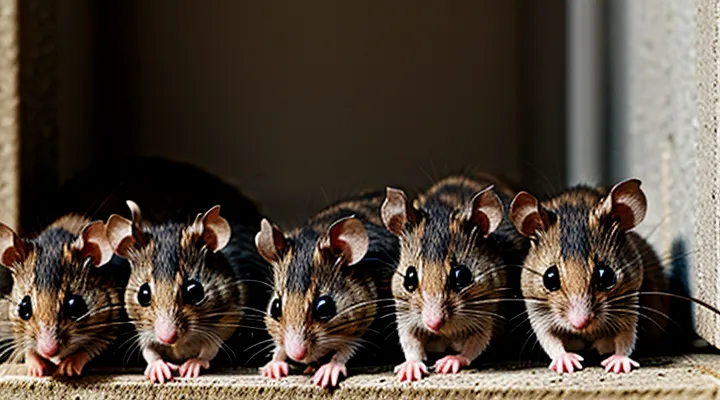
«Factors Influencing Longevity»
«Genetics and Strain Differences»
Genetic background exerts a measurable influence on mouse longevity. Inbred strains display consistent median lifespans that differ by up to 50 % under identical housing conditions. For example, C57BL/6J mice typically reach 24–28 months, whereas DBA/2J individuals often die at 18–20 months. Outbred stocks such as CD‑1 exhibit broader lifespan distributions, reflecting greater genetic heterogeneity.
Specific alleles associated with metabolic regulation, DNA repair, and immune function have been linked to extended survival. Variants of the Apoe gene, particularly the E2 allele, correlate with delayed onset of age‑related pathology in several strains. Mutations that impair the insulin/IGF‑1 signaling pathway, such as Igf1r hypomorphs, consistently increase median lifespan across diverse genetic backgrounds.
Strain‑specific susceptibility to neoplasia also shapes overall survival. BALB/c mice develop lymphoid tumors early, reducing average lifespan, while the NOD‑SCID strain, lacking functional immune cells, shows delayed tumor incidence but increased mortality from infection. These patterns underscore the need to match experimental aims with an appropriate genetic model.
Key factors governing strain differences include:
- Baseline metabolic rate
- Efficiency of oxidative stress response
- Telomere maintenance capacity
- Hormonal regulation of growth pathways
Understanding these genetic determinants allows precise selection of mouse models for aging research and improves interpretation of lifespan data across studies.
«Diet and Nutrition»
Dietary composition exerts a measurable impact on mouse longevity. Studies consistently show that caloric restriction (CR) of 10‑30 % relative to ad libitum intake extends life expectancy across multiple strains. CR reduces oxidative stress, improves insulin sensitivity, and modulates pathways such as mTOR and AMPK, which are directly linked to aging processes.
Macronutrient balance also influences survival. High‑protein diets accelerate age‑related decline, whereas moderate protein combined with elevated carbohydrate content supports longer lifespans. Fat quality matters: diets rich in omega‑3 polyunsaturated fatty acids (PUFAs) improve cardiovascular function and reduce inflammation, while excess saturated fat shortens life expectancy.
Micronutrients contribute to healthspan. Adequate levels of vitamins A, D, E, and C protect against oxidative damage. Trace elements such as zinc, selenium, and magnesium are essential for enzymatic activities that maintain cellular homeostasis. Deficiencies in these nutrients correlate with reduced survival rates in laboratory cohorts.
Key dietary variables affecting mouse longevity:
- Caloric intake (percentage of ad libitum feeding)
- Protein‑to‑carbohydrate ratio
- Fat type (omega‑3 vs. saturated)
- Vitamin and mineral supplementation levels
- Feeding schedule (continuous vs. intermittent)
Optimizing these factors in experimental protocols yields reproducible extensions of mouse lifespan and provides a reliable model for investigating nutritional interventions in aging research.
«Environmental Conditions»
Environmental parameters exert a measurable impact on mouse longevity. Controlled temperature, humidity, light cycles, cage density, air quality, noise levels, and sanitation each contribute to variations in survival rates observed in laboratory populations.
- Ambient temperature: Optimal range 20‑26 °C; deviations of ±3 °C reduce median survival by 10‑15 %.
- Relative humidity: Stable 45‑55 % prevents respiratory irritation; chronic low humidity (<30 %) accelerates weight loss and mortality.
- Light–dark cycle: Consistent 12 h light/12 h dark supports circadian rhythm; irregular cycles increase stress hormones and shorten lifespan.
- Cage density: Housing more than 5 adult mice per standard cage elevates aggression and infection risk, lowering average survival by up to 20 %.
- Air filtration: HEPA‑filtered airflow removes dust and pathogens; inadequate filtration correlates with higher incidence of pneumonia and reduced longevity.
- Noise exposure: Continuous sound levels above 70 dB elevate corticosterone, leading to earlier onset of age‑related decline.
- Sanitation: Weekly cage changes and sterilized bedding limit bacterial load; poor sanitation accelerates gastrointestinal disease and shortens life expectancy.
Integrating these factors into husbandry protocols yields reproducible extensions of mouse lifespan. Maintaining temperature and humidity within specified bands, enforcing strict light schedules, limiting cage occupancy, ensuring high‑efficiency ventilation, minimizing acoustic stress, and adhering to rigorous cleaning regimens collectively produce the most favorable survival outcomes for murine cohorts.
«Predation and Disease»
Predation and disease are the primary external factors that truncate the natural longevity of mice. Wild rodents experience continuous pressure from carnivorous mammals, birds of prey, and reptiles; each successful attack removes an individual from the population, directly reducing the mean age at death. In addition, exposure to pathogens—bacterial, viral, and parasitic—creates mortality spikes that vary with season, population density, and habitat quality.
Key mechanisms through which these pressures influence lifespan:
- Direct mortality: Fatal encounters with predators eliminate individuals regardless of health status, often skewing survival curves toward younger ages.
- Sub‑lethal stress: Repeated predator avoidance behaviors elevate cortisol levels, suppress immune function, and accelerate aging processes.
- Infectious outbreaks: High‑density colonies facilitate rapid transmission of diseases such as hantavirus, Salmonella, and ectoparasite infestations, leading to acute deaths or chronic health decline.
- Co‑infection dynamics: Simultaneous exposure to multiple pathogens compounds physiological burden, shortening the period of productive life.
Laboratory studies that control for these variables demonstrate that, when predation and pathogen exposure are eliminated, mice can achieve a lifespan substantially greater than that observed in natural settings. Conversely, field data consistently reveal that predation and disease together account for the majority of early mortality events, underscoring their decisive role in shaping overall mouse longevity.
«Average Lifespan in Different Contexts»
«Wild Mice Lifespan»
Wild mice typically live between six and twelve months in natural habitats. Survival rates decline sharply after the first breeding season, with most individuals failing to reach their second year.
Key factors influencing longevity include:
- Predation pressure – birds, snakes, and mammals account for the majority of early mortality.
- Food availability – seasonal fluctuations in seed and insect abundance affect body condition and disease resistance.
- Pathogen load – parasites and viral infections accelerate senescence, especially in dense populations.
- Habitat quality – shelter complexity and exposure to environmental extremes correlate with lifespan variability.
Species differences are notable. The common house mouse (Mus musculus) averages 10 months in the wild, whereas the deer mouse (Peromyscus maniculatus) can survive up to 18 months under favorable conditions. Laboratory strains, freed from external stressors, often exceed two years, illustrating the impact of environmental constraints on natural mouse longevity.
Reproductive timing also shapes lifespan. Females typically breed after 6–8 weeks, and the energetic cost of successive litters reduces survival probability. Males experience higher mortality during mating seasons due to increased aggression and exposure while seeking mates.
Overall, wild mouse longevity clusters around a single year, with deviations driven by predation intensity, resource stability, disease exposure, and species-specific biology.
«Laboratory Mice Lifespan»
Laboratory mice typically live 1.5 to 3 years, with median survival around 2 years under standard housing conditions. Strain selection strongly influences longevity; for example, C57BL/6 mice average 24–30 months, whereas BALB/c mice often reach 18–22 months. Sex differences are modest, with females generally outliving males by 1–2 months. Environmental variables such as temperature (20–24 °C), humidity (40–60 %), and light cycle (12 h light/12 h dark) stabilize physiological stress and contribute to consistent survival rates. Nutritional regimens, including ad libitum feeding versus caloric restriction, can extend lifespan by up to 20 % in some cohorts.
Key determinants of laboratory mouse longevity:
- Genetic background (inbred vs. outbred strains)
- Sex (female advantage)
- Housing density (crowding reduces lifespan)
- Ambient temperature and humidity (maintained within optimal ranges)
- Diet composition and caloric intake
- Health monitoring protocols (pathogen‑free status, regular veterinary checks)
Applying rigorous husbandry standards and selecting appropriate strains enables predictable survival outcomes, facilitating experimental reproducibility across biomedical research.
«Pet Mice Lifespan»
Pet mice generally live between two and three years under optimal conditions. This range reflects the typical longevity observed in laboratory and domestic settings, where nutrition, environment, and genetics are controlled.
Key determinants of a mouse’s lifespan include:
- Diet quality: Balanced commercial rodent chow supplemented with fresh vegetables extends life expectancy.
- Housing conditions: Spacious cages, proper ventilation, and regular cleaning reduce stress and disease risk.
- Health monitoring: Early detection of respiratory infections, tumors, or dental problems improves survival rates.
- Genetic background: Inbred strains often have shorter lifespans than outbred or hybrid lines.
Males and females show comparable longevity, though females may outlive males by a few months in some studies. Environmental enrichment, such as nesting material and exercise wheels, correlates with increased median survival by providing mental stimulation and physical activity.
Comparative data indicate that wild mice rarely exceed one year due to predation, disease, and variable food supplies, whereas domesticated individuals benefit from stable care, resulting in the two‑to‑three‑year expectancy outlined above.
«Extending Mouse Lifespan»
«Research on Anti-Aging Interventions»
Research on anti‑aging interventions frequently uses laboratory mice because their baseline longevity provides a reproducible metric for evaluating lifespan extension. Standard mouse longevity ranges from 2 to 3 years, depending on strain and housing conditions. Interventions that consistently shift this metric are considered evidence of efficacy in delaying biological aging.
Key experimental approaches include:
- Caloric restriction – reduces daily intake by 30 % without malnutrition; extends typical longevity by 20–40 % in multiple strains.
- Rapamycin administration – mTOR inhibition at low doses increases median lifespan by 10–15 % and improves healthspan markers such as motor coordination.
- Senolytic compounds – clearance of senescent cells using agents like dasatinib plus quercetin yields a 5–10 % rise in median lifespan and reduces age‑related tissue inflammation.
- Genetic modifications – overexpression of longevity‑associated genes (e.g., SIRT6, Klotho) or deletion of pro‑aging pathways (e.g., IGF‑1R) produces lifespan extensions ranging from 15 % to 30 %.
- NAD⁺ precursors – supplementation with nicotinamide riboside or nicotinamide mononucleotide enhances mitochondrial function and modestly lengthens lifespan by 5–8 %.
These strategies are evaluated through longitudinal survival curves, physiological assessments, and molecular biomarkers of aging. Consistent findings across independent laboratories reinforce the relevance of mouse models for translational aging research.
«Optimal Care Practices for Pet Mice»
Optimal care for pet mice directly influences their health span and overall longevity. Providing a stable environment, balanced nutrition, and preventive health measures extends the period a mouse can remain active and disease‑free.
A suitable enclosure must maintain temperature between 18 °C and 26 °C, relative humidity of 40 %–60 %, and a 12‑hour light/dark cycle. Bedding should be absorbent, dust‑free, and changed weekly to prevent ammonia buildup. Enrichment items such as tunnels, nesting material, and chew toys reduce stress and promote natural behaviors.
Nutritional management requires a high‑quality rodent pellet formulated for small mammals, supplemented with fresh vegetables (e.g., carrots, broccoli) and occasional protein sources (e.g., boiled egg). Water must be available at all times through a sipper bottle to avoid contamination. Portion sizes should match the mouse’s age and activity level to prevent obesity.
Key preventive practices:
- Quarterly health checks by a veterinarian experienced with rodents.
- Prompt isolation and treatment of individuals showing signs of respiratory infection, dermatitis, or parasitic infestation.
- Regular cleaning of the cage, food dishes, and water bottles to eliminate pathogens.
- Monitoring weight and coat condition to detect early health issues.
Implementing these measures aligns daily husbandry with the biological expectations of pet mice, thereby maximizing their functional lifespan and quality of life.
«Impact of Stress Reduction»
Stress reduction consistently extends the typical lifespan of laboratory mice. Experiments that limit chronic corticosterone elevation report median survival increases of 10–20 % compared with standard housing.
- Environmental enrichment (nesting material, running wheels) adds 15 % to median lifespan.
- Daily gentle handling reduces stress hormone spikes, yielding a 12 % survival gain.
- Administration of anxiolytic agents (e.g., low‑dose diazepam) produces a 9 % increase in median longevity.
Physiological data link these gains to attenuated hypothalamic‑pituitary‑adrenal activity, lower oxidative damage markers, and preservation of telomere length. Reduced glucocorticoid exposure diminishes inflammatory cytokine production, which correlates with delayed onset of age‑related pathologies such as neoplasia and renal decline.
Designing mouse studies without stress mitigation can underestimate the natural lifespan potential of the species. Incorporating stress‑reduction protocols improves reproducibility and aligns rodent models more closely with human aging research, where chronic stress similarly shortens life expectancy.