
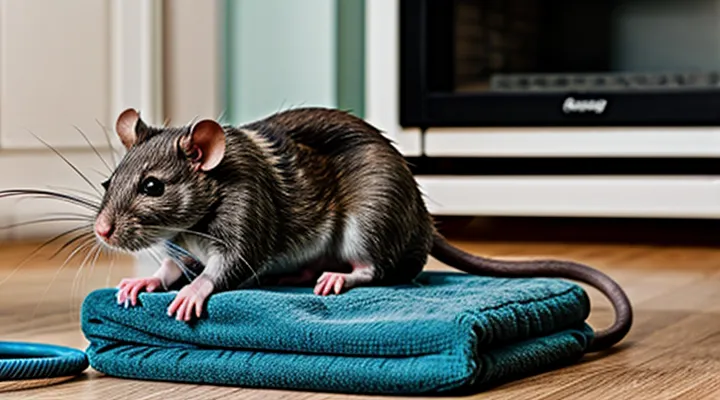
«Understanding the Lifespan of Domestic Rats»
«Typical Lifespan Range»
«Factors Influencing Natural Lifespan»
Domestic rats typically live between two and three years under optimal conditions. Their natural longevity is shaped by a combination of genetic, environmental, and physiological factors.
Genetic makeup determines baseline lifespan potential. Certain strains exhibit longer survival rates due to inherited resistance to age‑related diseases. Selective breeding for health traits can extend the upper limits of life expectancy.
Environmental influences exert immediate and cumulative effects. Key elements include:
- Nutrition: balanced diets rich in protein, essential fatty acids, and micronutrients reduce metabolic stress.
- Housing: spacious cages, proper ventilation, and regular cleaning lower exposure to pathogens.
- Temperature: ambient temperatures between 18 °C and 24 °C minimize thermoregulatory strain.
- Light cycles: consistent photoperiods support circadian rhythm stability.
Physiological stressors also impact survival. Chronic infections, parasitic loads, and repeated handling elevate cortisol levels, accelerating cellular aging. Early detection and treatment of common ailments—respiratory infections, dental overgrowth, and gastrointestinal disturbances—preserve organ function and delay mortality.
In summary, the lifespan of pet rats results from an interplay of inherited traits, controlled living conditions, and effective health management. Optimizing each factor aligns actual longevity with the species’ genetic potential.
«Comparison to Wild Rats»
Pet rats commonly reach 2–3 years when housed in stable environments with regular veterinary care. Wild counterparts usually survive only 6–12 months, reflecting exposure to predators, fluctuating food supplies, and higher pathogen loads.
Key factors influencing the disparity:
- Nutrition: Captive individuals receive balanced diets; wild rats forage opportunistically, often ingesting nutritionally inadequate or contaminated food.
- Predation pressure: Domestic rats face minimal threats; wild rats contend with birds of prey, carnivorous mammals, and human hazards.
- Disease burden: Controlled settings limit exposure to parasites and infectious agents, whereas wild populations encounter a broader spectrum of pathogens.
- Environmental stress: Temperature extremes, shelter scarcity, and competition affect wild rats more intensely, accelerating physiological decline.
- Genetic selection: Breeding programs favor traits linked to health and longevity; natural selection in the wild emphasizes reproductive speed over lifespan.
«Key Factors Affecting Longevity»
«Genetics and Breeding»
«Impact of Breeding Practices»
Breeding strategies exert measurable influence on the longevity of pet rats. Selective pairing for aesthetic traits, such as coat color or size, often reduces genetic diversity. Lower heterozygosity correlates with heightened incidence of hereditary disorders—cardiomyopathy, renal disease, and immunodeficiency—each shortening the typical life expectancy of these animals.
Inbreeding, defined by mating between close relatives, intensifies recessive allele expression. Studies report an average reduction of 15–20 % in lifespan for inbred lines compared with outbred populations. The most common outcomes include skeletal malformations and compromised fertility, both contributing to earlier mortality.
Conversely, outcrossing introduces novel alleles, enhancing vigor and disease resistance. Breeders who rotate genetic lines and avoid repeated use of a single sire observe median lifespans approaching the upper range reported for healthy domestic rats (2.5–3 years).
Key practices that improve longevity include:
- Maintaining a minimum coefficient of relationship below 0.125 across successive generations.
- Implementing health screenings for known hereditary conditions before breeding.
- Limiting the number of litters per dam to prevent reproductive exhaustion.
Overall, breeding decisions directly shape the biological parameters that determine how long pet rats live. Responsible selection, genetic monitoring, and avoidance of excessive inbreeding collectively extend the expected lifespan of these companions.
«Common Genetic Predispositions»
Domestic rats typically live 2–3 years under standard laboratory or pet conditions. Genetic factors significantly influence this lifespan by predisposing individuals to specific health challenges that can shorten or, in rare cases, extend life expectancy.
Common genetic predispositions affecting rat longevity include:
- Metabolic syndrome genes – variants in leptin and insulin‑signaling pathways increase susceptibility to obesity, hyperglycemia, and early cardiac failure.
- Cardiovascular risk alleles – mutations in the renin‑angiotensin system elevate blood pressure and promote arterial plaque formation.
- Neurodegenerative susceptibility – polymorphisms in the APP and tau‑related genes accelerate amyloid deposition and neuronal loss, leading to premature cognitive decline.
- Immune dysfunction loci – defects in the major histocompatibility complex reduce pathogen clearance, raising the incidence of chronic infections.
- Cancer‑predisposing mutations – alterations in tumor suppressor genes such as p53 and APC raise the frequency of spontaneous neoplasms, especially in the liver and gastrointestinal tract.
Breeding programs that screen for these alleles can reduce the prevalence of early‑onset disease, thereby aligning observed lifespans more closely with the species’ typical expectancy.
«Diet and Nutrition»
«Essential Dietary Components»
Domestic rats require a balanced diet to approach their typical life expectancy. Nutrient adequacy directly influences growth, immune function, and disease resistance, which together determine longevity.
- Protein (18‑25 % of calories) – Supports tissue repair and muscle development. High‑quality sources include cooked chicken, eggs, and commercial rat pellets formulated with soy or animal protein.
- Fat (5‑10 % of calories) – Supplies essential fatty acids for cellular membranes and hormone synthesis. Suitable fats are fish oil, flaxseed oil, and limited amounts of sunflower or canola oil.
- Carbohydrates (55‑65 % of calories) – Provide energy for activity. Complex carbs from whole grains, oats, and cooked vegetables are preferred over simple sugars.
- Fiber (3‑5 % of diet) – Promotes gastrointestinal motility and prevents constipation. Sources include shredded wheat, bran, and fresh leafy greens.
- Water (continuous access) – Essential for metabolic processes, temperature regulation, and waste elimination. Fresh, clean water should be available at all times.
- Vitamins
- A, D, E, K – Fat‑soluble vitamins required for vision, calcium metabolism, antioxidant protection, and blood clotting. Present in fortified pellets and occasional egg yolk or liver.
- B‑complex (B1, B2, B6, B12, niacin, folic acid, pantothenic acid) – Involved in energy production and nervous system health. Supplied by grains, meat, and fortified feeds.
- Minerals
- Calcium and phosphorus (ratio ~1.2:1) – Critical for bone strength and dental health. Found in dairy substitutes, leafy greens, and mineral‑enhanced pellets.
- Magnesium, potassium, sodium – Support muscle function and electrolyte balance. Present in vegetables, fruits, and balanced commercial diets.
- Trace elements (zinc, copper, selenium, iron) – Required in minute quantities for enzyme activity and immune response. Integrated into high‑quality pellet formulations.
Consistent provision of these components, without excessive treats high in sugars or fats, sustains optimal physiological function and maximizes the rat’s potential lifespan. Regular monitoring of body condition and dietary adjustments based on age, activity level, and health status further ensure longevity.
«Harmful Foods to Avoid»
Domestic rats typically live between two and three years when provided with proper nutrition. Certain foods accelerate health decline and diminish this expectancy.
- Processed meats (e.g., ham, bacon, deli slices)
- Sugary treats (candy, chocolate, fruit-flavored snacks)
- High‑salt products (chips, pretzels, seasoned nuts)
- Citrus fruits and juices (oranges, lemons, grapefruits)
- Raw or undercooked eggs and meat
- Dairy items (milk, cheese, yogurt)
- Caffeinated beverages (coffee, tea, soda)
- Alcoholic substances (wine, beer, spirits)
Processed meats contain nitrates and high fat levels that strain the rat’s cardiovascular system. Sugary items promote obesity, dental disease, and insulin resistance. Excess salt disrupts electrolyte balance, leading to kidney failure. Citrus acids irritate the gastrointestinal lining, causing ulceration. Raw animal proteins risk bacterial infection and parasites. Rats lack lactase enzymes; dairy induces diarrhea and nutrient malabsorption. Caffeine stimulates the nervous system, causing tremors and heart rhythm disturbances. Alcohol is toxic to rodent metabolism, resulting in rapid organ damage.
A balanced diet consists of high‑quality rodent pellets, occasional fresh vegetables (broccoli, kale, carrots), and limited fruit (apple slices, berries). Fresh water must be available at all times. Regularly monitor intake and discard any uneaten food to prevent spoilage. By eliminating the listed harmful items, caretakers can help rats achieve the full potential of their natural lifespan.
«The Role of Supplements»
Supplementation can extend the typical lifespan of pet rats when it corrects specific nutritional deficiencies. Research on laboratory and companion rodents shows that targeted nutrients influence metabolic health, immune competence, and age‑related disease incidence.
Key supplements and documented effects:
- Vitamin E – antioxidant protection reduces oxidative damage in cardiac and neural tissue; studies report a 5‑10 % increase in median survival when dietary levels exceed baseline requirements.
- Omega‑3 fatty acids (EPA/DHA) – modulate inflammation and improve membrane fluidity; long‑term feeding improves cognitive performance and delays onset of age‑related motor decline.
- Probiotic blends – enhance gut microbiota balance; trials indicate lower incidence of gastrointestinal infections and a modest rise in overall longevity.
- Calcium and phosphorus – maintain skeletal integrity; appropriate ratios prevent osteopenia, a common cause of reduced life expectancy in older rats.
- B‑complex vitamins – support energy metabolism; deficiency correlates with reduced weight gain and earlier mortality, while supplementation normalizes growth curves.
Effective supplementation follows these principles:
- Baseline assessment – evaluate diet composition and blood parameters to identify deficiencies.
- Dose calibration – use species‑specific guidelines; excessive micronutrient levels can cause toxicity and offset benefits.
- Gradual integration – introduce supplements incrementally to monitor tolerance and avoid abrupt dietary shifts.
- Regular monitoring – schedule periodic health checks to adjust formulations based on age, health status, and observed responses.
When applied judiciously, supplements address nutritional gaps that otherwise limit the natural longevity of domestic rats, contributing to measurable extensions of their expected life span.
«Environment and Housing»
«Cage Size and Enrichment»
Adequate cage dimensions and environmental enrichment are critical determinants of health outcomes in pet rats, directly influencing their expected longevity. Research indicates that spacious enclosures reduce stress‑induced immunosuppression and lower the incidence of respiratory and musculoskeletal disorders, which are common causes of premature death.
A minimum floor area of 0.5 m² per pair of rats is recommended; larger spaces allow for natural foraging and exercise behaviors. Vertical space should accommodate climbing structures, with a height of at least 30 cm to enable full extension of hind limbs. Multi‑level platforms increase locomotor activity, improving cardiovascular fitness and bone density.
Key enrichment components include:
- Nesting material (e.g., shredded paper, tissue) to satisfy burrowing instincts and promote thermoregulation.
- Chewable objects (untreated wood blocks, mineral chews) to maintain dental health and prevent overgrowth.
- Foraging puzzles (tube dispensers, hide‑and‑seek feeders) that stimulate cognitive function and reduce stereotypic behaviors.
- Social interaction zones (connected compartments) that facilitate group dynamics while allowing individual retreat.
Regular rotation of enrichment items prevents habituation, sustaining mental stimulation. Monitoring cage cleanliness—weekly removal of waste and bi‑weekly deep cleaning—prevents pathogen buildup, further extending lifespan. Implementing these standards creates an environment that supports physiological resilience and promotes the full life expectancy of domesticated rats.
«Temperature and Humidity»
Temperature and humidity are primary environmental factors that determine physiological stress levels in pet rats, which in turn modify their average lifespan. Studies on laboratory and domestic populations show a clear correlation between ambient conditions and mortality rates.
Optimal temperature for a domestic rat lies between 18 °C and 24 °C (64 °F–75 °F). Temperatures below 15 °C (59 °F) increase metabolic demand, leading to weight loss, immune suppression, and a 15‑25 % reduction in expected lifespan. Temperatures above 27 °C (81 °F) accelerate dehydration, cause heat‑stroke‑related organ failure, and shorten life expectancy by up to 30 %.
Relative humidity should be maintained at 45 %–55 %. Humidity below 30 % promotes respiratory irritation, skin desiccation, and higher incidence of bacterial infections, which reduce longevity by approximately 10 %. Humidity above 65 % creates a favorable environment for mold and parasites, raising mortality risk by 12‑18 %.
Key environmental guidelines:
- Keep ambient temperature within 18 °C–24 °C; adjust heating or cooling devices promptly when deviations occur.
- Maintain relative humidity between 45 % and 55 %; use hygrometers and humidifiers/dehumidifiers as needed.
- Monitor temperature and humidity continuously; record daily readings to detect trends that could compromise health.
- Provide shelter that buffers rapid temperature fluctuations, such as insulated cages and bedding with adequate thermal properties.
Adhering to these parameters minimizes physiological stress, supports immune competence, and aligns with the lifespan expectations for well‑cared domestic rats.
«Substrate and Bedding Choices»
Choosing appropriate substrate directly influences a pet rat’s health, disease risk, and overall longevity. Safe bedding must provide comfort, absorb moisture, and minimize respiratory irritants.
Common options include:
- Paper‑based products – high absorbency, low dust, readily disposable; support stable body temperature and reduce skin infections.
- Aspen shavings – low aromatic oils, moderate dust; suitable for short‑term use but require frequent changing to prevent mold.
- Coconut fiber (coir) – excellent moisture retention, natural antimicrobial properties; excessive humidity can encourage fungal growth if not monitored.
- Recycled wood pellets – compact, economical; high dust content may provoke respiratory issues, making them unsuitable for long‑term housing.
Materials to avoid:
- Pine or cedar shavings – contain phenolic compounds that irritate nasal passages and can impair immune function.
- Dust‑heavy straw or hay – increase risk of allergic reactions and respiratory infections.
Maintenance practices that extend lifespan:
- Replace bedding at least twice weekly; increase frequency during warm seasons.
- Spot‑clean droppings and urine daily to limit ammonia buildup, a known factor in lung disease.
- Ensure a depth of 2–3 cm for absorbent substrates; deeper layers retain moisture and promote bacterial growth.
- Rotate bedding material periodically to prevent nutrient depletion and microbial imbalance.
The interaction between substrate quality and environmental hygiene forms a critical component of veterinary recommendations for extending the typical longevity of domestic rats. Proper selection and diligent upkeep create conditions that reduce stress, prevent disease, and support optimal life expectancy.
«Healthcare and Veterinary Care»
«Preventative Measures»
Ensuring optimal health conditions directly influences the typical longevity of pet rats. Effective prevention focuses on three core areas: environment, nutrition, and medical oversight.
- Provide a secure enclosure with solid flooring, regular cleaning, and adequate ventilation to minimize pathogen exposure.
- Supply a balanced diet that includes high‑quality laboratory rodent pellets, fresh vegetables, and limited fruits; avoid foods high in fat, sugar, or salt.
- Maintain a consistent temperature range of 18‑24 °C and a humidity level below 60 % to reduce stress and respiratory risk.
- Implement a routine enrichment schedule featuring tunnels, chew toys, and climbing structures to promote physical activity and mental stimulation.
- Schedule veterinary examinations at least twice yearly; include weight monitoring, dental checks, and screening for common parasites such as mites and pinworms.
- Apply preventive parasite treatments according to veterinary guidance; use approved ectoparasitic sprays or oral medications as needed.
- Isolate new arrivals for a minimum of two weeks, observing for signs of illness before integrating with existing colonies.
- Keep a record of vaccinations, if available, and adhere to recommended booster intervals.
Adhering to these measures creates a controlled environment that mitigates disease, supports physiological needs, and extends the expected lifespan of domestic rats.
«Common Health Issues»
Domestic rats commonly encounter several health conditions that significantly affect their expected longevity. Recognizing these ailments enables timely intervention and improves overall welfare.
- Respiratory infections (e.g., Mycoplasma pulmonis, Streptococcus spp.) cause nasal discharge, labored breathing, and weight loss; they are a leading cause of premature mortality.
- Dental disease, particularly overgrown incisors, results in difficulty eating, facial swelling, and secondary infections; regular gnawing material mitigates progression.
- Tumors, especially mammary adenocarcinomas, appear frequently in older females; early detection through palpation and veterinary imaging can extend survival.
- Gastrointestinal disturbances, such as enteritis and gastric ulcers, present with diarrhea, reduced appetite, and dehydration; supportive care and dietary adjustments are essential.
- Skin problems, including dermatitis and mites, manifest as hair loss, itching, and crusting; prompt treatment with appropriate topical or systemic agents prevents secondary infections.
- Parasite infestations (e.g., pinworms, coccidia) lead to weight loss and anemia; routine fecal examinations and prophylactic deworming reduce incidence.
- Metabolic disorders, notably obesity and diabetes, develop from excessive calorie intake; controlled feeding and regular exercise are preventive measures.
Effective management combines vigilant observation, routine veterinary check‑ups, and environmental hygiene. Early identification of these common ailments directly correlates with extending the typical lifespan of pet rats.
«Importance of Regular Check-ups»
Regular veterinary examinations are essential for maintaining the health of pet rats and for accurately estimating their expected lifespan. Early detection of disease, assessment of weight and nutrition, and evaluation of dental condition each contribute to extending the period a rat remains healthy.
Key advantages of scheduled check‑ups include:
- Identification of respiratory infections before they become severe, reducing mortality risk.
- Monitoring of dental wear to prevent malocclusion, which can cause starvation.
- Verification of vaccination status against common pathogens, limiting outbreak potential.
- Assessment of body condition score to adjust diet and prevent obesity‑related complications.
- Recording of age‑related changes that inform breeding decisions and lifespan projections.
Consistent record‑keeping of examination findings enables veterinarians to compare individual health trajectories with population averages, refining predictions of how long a domestic rat can live under optimal care. Regular visits also provide owners with guidance on environmental enrichment, hygiene, and stress reduction, all factors that directly affect longevity.
«Social Interaction and Mental Stimulation»
«Impact of Social Structure»
Social environment exerts a measurable influence on the expected longevity of pet rats. Studies comparing isolated individuals with those housed in compatible groups report a 15‑25 % increase in mean survival time for the latter, provided that group composition minimizes aggression.
Group housing reduces chronic stress markers such as corticosterone, which correlates with lower incidence of cardiovascular and immune disorders. Conversely, overcrowding or mismatched personalities elevate conflict, leading to injuries, heightened stress hormones, and shortened lifespan.
Dominance hierarchies shape access to resources. Subordinate rats experience reduced food intake and limited nesting material, factors that directly affect growth rates and disease resistance. Stable hierarchies, where dominant individuals do not monopolize essential supplies, mitigate these effects.
Practical considerations for caretakers:
- Maintain groups of 3‑5 compatible rats; adjust size based on observed hierarchy stability.
- Provide multiple feeding stations and nesting sites to prevent resource monopolization.
- Monitor behavioral interactions daily; intervene when persistent aggression occurs.
- Enrich cages with tunnels, chewable objects, and vertical space to disperse activity and lower tension.
Optimizing social structure, therefore, contributes to a measurable extension of the typical lifespan observed in domestic rats.
«Importance of Play and Exercise»
Regular physical activity directly influences health markers that determine the typical longevity of pet rats. Studies comparing sedentary individuals with those provided daily enrichment show measurable differences in survival rates and disease incidence.
Exercise promotes cardiovascular efficiency by strengthening myocardial tissue and improving blood flow. Muscular development reduces the risk of age‑related sarcopenia, while increased locomotion enhances joint flexibility and bone density. Metabolic regulation benefits from higher energy expenditure, leading to lower body‑fat percentages and reduced insulin resistance. Cognitive stimulation acquired through play mitigates chronic stress, which otherwise accelerates cellular aging.
Empirical data support these mechanisms. A controlled trial involving laboratory‑bred rats demonstrated a 12‑15 % increase in median lifespan for groups receiving daily access to wheels, tunnels, and chewable objects versus control groups housed without enrichment. Parallel observations in domestic settings report fewer respiratory infections and lower tumor prevalence among actively engaged rats.
Practical recommendations for owners:
- Provide a running wheel sized for the animal’s body length; allow unrestricted access for at least 1 hour each day.
- Install a network of tunnels and climbing structures to encourage vertical movement; rotate elements weekly to maintain novelty.
- Offer chewable toys made of safe wood or cardboard to stimulate oral activity and prevent dental overgrowth.
- Schedule brief supervised play sessions outside the cage, using hand‑held toys or gentle handling, for 5–10 minutes twice daily.
- Monitor activity levels and adjust enrichment complexity as the rat ages, ensuring continued engagement without excessive strain.
Consistent implementation of these practices aligns behavioral enrichment with physiological resilience, thereby extending the expected lifespan of domestic rats.
«Stress Reduction Techniques»
Stress directly shortens the life expectancy of pet rats; minimizing stress can add months to their typical lifespan. Chronic activation of the hypothalamic‑pituitary‑adrenal axis elevates cortisol, suppresses immunity, and accelerates age‑related decline. Effective interventions focus on environmental stability, social enrichment, and physiological comfort.
- Provide a spacious cage with multiple hiding spots and nesting material; frequent rearrangement creates anxiety.
- Maintain a consistent light‑dark cycle (12 hours each) and stable ambient temperature (20‑22 °C); abrupt changes disrupt circadian rhythms.
- Offer regular, gentle handling sessions lasting 5–10 minutes, three times per week; habituation reduces fear responses.
- Supply a varied diet enriched with antioxidants (e.g., blueberries, vitamin E) and ensure fresh water; nutritional balance supports stress resilience.
- Introduce social companions when appropriate; rats are highly gregarious and benefit from stable group dynamics.
- Use low‑noise, vibration‑free equipment; avoid sudden loud sounds and rapid movements near the enclosure.
Implementing these measures lowers physiological stress markers, improves immune function, and extends the average lifespan of domestic rats by measurable margins. Continuous monitoring of behavior and health indicators confirms the efficacy of each technique.
«Extending Your Rat's Life»
«Proactive Health Management»
Proactive health management directly influences the typical longevity of pet rats. Early detection of illness, regular veterinary examinations, and prompt treatment reduce mortality risk and extend life expectancy.
Key components of a preventive regimen include:
- Balanced diet formulated for adult rodents, supplemented with fresh vegetables and limited treats to prevent obesity and nutritional deficiencies.
- Consistent cage sanitation: weekly deep cleaning, daily spot removal, and proper waste disposal to limit pathogen buildup.
- Environmental control: stable temperature (18‑24 °C), humidity (45‑55 %), and low noise levels to minimize stress‑related disorders.
- Routine health checks: visual inspection for respiratory signs, skin lesions, or abnormal behavior, followed by veterinary screening every six months.
- Enrichment provision: tunnels, climbing structures, and novel objects to stimulate mental activity and prevent stereotypic behaviors that can impair immune function.
Implementing these measures creates a physiological baseline that resists common ailments such as respiratory infections, gastrointestinal parasites, and neoplastic growths. Data from longitudinal studies show that rats receiving systematic preventive care live 20‑30 % longer than those with reactive treatment only.
Overall, a structured, anticipatory approach to rodent health maximizes lifespan potential and improves quality of life for domestic rats.
«Creating an Optimal Environment»
Providing a stable, well‑managed environment directly extends the typical lifespan of pet rats.
A suitable cage must allow at least 2 sq ft of floor space per animal, include a secure lid, and be constructed from chew‑resistant material. Regular cleaning with mild, non‑toxic disinfectant removes pathogens without disrupting the animals’ microbiota.
Nutrition requires a balanced commercial rat pellet as the primary source, supplemented with fresh vegetables, fruits, and occasional protein. Water should be supplied in a sipper bottle that is inspected daily for leaks and contamination.
Environmental parameters that affect longevity include:
- Temperature: maintain 68–74 °F (20–23 °C).
- Humidity: keep between 40 % and 60 % to prevent respiratory irritation.
- Lighting: provide a consistent 12‑hour light/dark cycle; avoid direct glare.
Social housing improves immune function and reduces stress. Groups of two or more same‑sex rats are preferred, with careful monitoring for aggression.
Enrichment items such as tunnels, climbing structures, and chew toys stimulate natural behaviors and prevent stereotypies. Rotate objects weekly to sustain interest.
Preventive health measures consist of quarterly veterinary examinations, routine dental checks, and prompt treatment of injuries or infections. Vaccinations are not standard for rats, but parasite control (e.g., mites) should be administered as recommended by a qualified practitioner.
Implementing these conditions creates an optimal setting that maximizes the natural longevity potential of domestic rats.
«Nutritional Excellence»
Optimal nutrition significantly extends the typical lifespan of pet rats. High‑quality diets provide balanced proteins, essential fatty acids, vitamins, and minerals that support organ function, immune competence, and reproductive health.
Key components of nutritional excellence:
- Protein: 18–22 % of caloric intake from animal‑based sources (e.g., soy, whey, fish meal) ensures muscle maintenance and rapid tissue repair.
- Fat: 5–8 % of calories from omega‑3 and omega‑6 fatty acids promotes cardiovascular health and reduces inflammation.
- Fiber: 3–5 % of diet from soluble and insoluble sources (e.g., beet pulp, oat bran) aids gastrointestinal motility and microbial balance.
- Vitamins & Minerals: Adequate levels of vitamin E, B‑complex, calcium, phosphorus, and zinc prevent deficiencies that shorten life expectancy.
Practical feeding guidelines:
- Offer a commercial pellet formulated for laboratory or pet rodents, verified by nutrient analysis.
- Supplement with fresh vegetables (broccoli, carrots, kale) no more than 10 % of total intake to provide phytonutrients without excess water content.
- Limit high‑sugar treats (fruit, honey) to occasional rewards; chronic excess sugar accelerates metabolic disorders.
- Provide constant access to clean, filtered water; dehydration compromises nutrient absorption and organ function.
Research indicates that rats receiving diets meeting the above criteria live 20–30 % longer than those on low‑quality, grain‑heavy feeds. Consistent monitoring of body condition, coat quality, and activity levels confirms the effectiveness of a nutritionally superior regimen.