
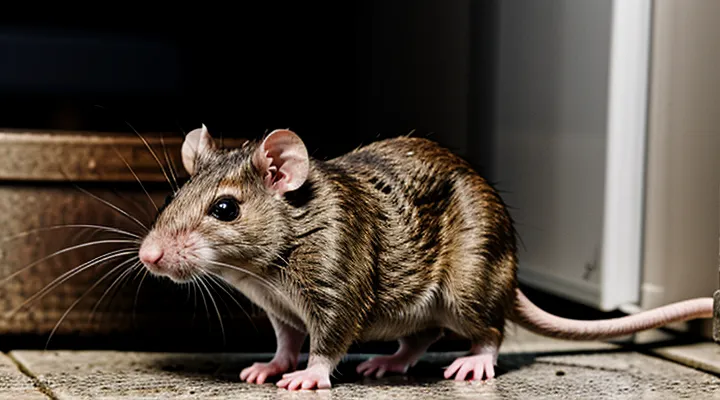
Understanding Rat Reproductive Cycles
Female Rat Reproductive Maturity
Puberty Onset
Female rats reach sexual maturity at approximately five to six weeks of age. The first estrus, marking the onset of puberty, typically occurs between 35 and 42 days after birth. Once this stage is reached, females can conceive if exposed to a fertile male.
Key factors influencing the timing of puberty:
- Genetic strain: some laboratory strains mature earlier than others.
- Nutrition: adequate protein and caloric intake accelerate development.
- Light cycle: a consistent 12‑hour light/dark schedule supports normal hormonal rhythms.
- Environmental stress: high density or poor housing can delay sexual maturation.
The estrous cycle of a mature female lasts about four to five days, providing regular windows for fertilization. Gestation lasts 21‑23 days, after which the litter is born. Male rats attain reproductive competence slightly later, usually between six and eight weeks, but the limiting factor for a breeding pair is the female’s puberty onset.
Consequently, a female rat becomes capable of pregnancy shortly after her first estrus, generally no earlier than five weeks of age, provided she is in a suitable environment and receives proper nutrition.
First Estrus Cycle
The first estrus, also called the puberty cycle, marks the onset of reproductive capability in female rats. It typically occurs between 28 and 35 days of life, depending on strain, nutrition, and environmental conditions. Hormonal changes—rising estrogen and a surge of luteinizing hormone—trigger the emergence of sexual receptivity and ovulation during this cycle.
During the initial estrus, the rat experiences a brief period of estrus lasting 12–15 hours, followed by a diestrus phase of 40–45 hours. Ovulation occurs spontaneously at the end of the estrus, making fertilization possible if a male is present. Consequently, conception can happen as early as the first ovulation, meaning that a female rat may become pregnant at roughly one month of age.
Key factors influencing the timing of the first estrus include:
- Genetic background (e.g., Sprague‑Dawley vs. Wistar strains)
- Body weight reaching 80–100 g
- Ambient temperature and photoperiod
- Adequate protein and calorie intake
Monitoring vaginal cytology or observing lordosis behavior provides reliable identification of the estrus stage. Early breeding programs often schedule mating shortly after confirming the first estrus to maximize reproductive efficiency.
Male Rat Reproductive Maturity
Sperm Production
Sperm production in laboratory and pet rats begins shortly after the onset of puberty. The hypothalamic‑pituitary‑gonadal axis activates around the fifth week of life, triggering a rise in luteinizing hormone and follicle‑stimulating hormone. These hormones stimulate Leydig cells to secrete testosterone, which in turn initiates spermatogenesis within the seminiferous tubules.
- First detectable spermatozoa appear at approximately 6 weeks of age.
- Peak sperm count is reached between 8 and 10 weeks.
- Mature, motile sperm are present in the epididymis by the end of the seventh week.
Testosterone levels plateau after the tenth week, maintaining steady sperm output. Adequate protein intake, stable ambient temperature, and minimal stress are essential for optimal spermatogenic efficiency. Deficiencies in any of these factors can delay the appearance of functional sperm, thereby postponing the earliest possible conception by a female rat.
Sexual Behavior Onset
Rats reach sexual maturity when physiological signs of puberty appear, typically between 5 and 7 weeks of age. At this stage, females experience their first estrus cycle and become capable of conception, while males exhibit increased testosterone and sperm production.
Key indicators of sexual behavior onset include:
- Vaginal opening in females, usually observed around day 30–35.
- First estrus, marked by a brief period of receptivity lasting 4–6 hours.
- Elevated luteinizing hormone (LH) and estradiol levels in females.
- Testicular enlargement and presence of motile sperm in males, detectable by day 35–45.
Variability arises from genetic strain, nutrition, and housing conditions. For example, Sprague‑Dawley rats tend to mature at the lower end of the range, whereas Long‑Evans rats may require an additional week. Poor diet or overcrowding can delay onset by several days.
Understanding the precise timing of sexual maturity is essential for planning breeding programs and experimental designs, ensuring that mating attempts occur when both sexes are physiologically prepared for successful conception.
Factors Influencing Pregnancy Onset
Nutritional Status and Diet
Nutritional adequacy directly influences the onset of reproductive capability in female laboratory rats. A diet providing 18‑20 % protein, balanced with essential amino acids, accelerates the development of the hypothalamic‑pituitary‑gonadal axis, allowing conception to occur earlier than in protein‑deficient subjects. Adequate calcium (0.8‑1.0 %) and phosphorus (0.6‑0.8 %) support skeletal growth, which correlates with the timing of sexual maturity.
Key dietary components affecting reproductive timing include:
- Energy density: 3.5‑4.0 kcal g⁻¹ ensures sufficient body weight gain; under‑nutrition delays estrus cycles.
- Fat content: 4‑6 % linoleic acid promotes prostaglandin synthesis, essential for ovulation.
- Vitamins: Vitamin E (30‑50 IU kg⁻¹) and vitamin C (0.2 %) reduce oxidative stress, improving oocyte quality.
- Minerals: Zinc (30‑50 ppm) and selenium (0.2 ppm) are critical for gonadal hormone synthesis.
Research shows that rats maintained on a standard chow meeting these specifications typically reach estrous readiness between five and six weeks of age, whereas diets lacking in protein or essential fatty acids extend this period by several weeks. Adjusting macronutrient ratios can therefore be used to modulate the age at which females become capable of pregnancy, providing a controllable variable for reproductive studies.
Environmental Conditions
Temperature and Humidity
Temperature directly influences the onset of sexual maturity in laboratory and pet rats. Optimal breeding temperatures range from 20 °C to 26 °C (68 °F–79 °F). Within this range, male and female rats reach puberty earlier, often by five weeks of age, allowing conception shortly after their first estrous cycle. Temperatures below 18 °C (64 °F) delay hormonal development, extending the period before females can become pregnant.
Humidity affects the same physiological processes by regulating body‑temperature homeostasis. Relative humidity between 45 % and 55 % maintains stable core temperatures, supporting normal gonadal function. Higher humidity (>70 %) can impair thermoregulation, leading to reduced appetite and slower growth, which postpones the age of first conception. Conversely, excessively low humidity (<30 %) increases evaporative loss, causing dehydration stress that also delays sexual maturation.
Key environmental parameters for breeding programs:
- Maintain ambient temperature at 22 °C ± 2 °C.
- Keep relative humidity at 50 % ± 5 %.
- Monitor temperature and humidity continuously with calibrated sensors.
- Adjust environmental controls promptly if values deviate from targets.
Adhering to these conditions shortens the interval between birth and the earliest possible pregnancy, ensuring reliable breeding schedules.
Stress Levels
Rats reach sexual maturity between five and six weeks of age, with females typically entering their first estrous cycle shortly after this period. Under optimal conditions, conception can occur soon after the initial cycle, provided the animal is not experiencing significant physiological stress.
Elevated stress levels accelerate the release of glucocorticoids, which suppress gonadotropin‑releasing hormone (GnRH) secretion. This suppression delays the onset of regular estrous cycles and reduces the likelihood of successful mating during the early reproductive window.
Key findings from rodent studies:
- Chronic restraint or unpredictable noise increases plasma cortisol by 30‑50 % and prolongs the interval between puberty onset and first successful pregnancy.
- Acute stressors applied within 24 hours of mating reduce implantation rates by up to 40 %.
- Environmental enrichment that lowers corticosterone levels restores normal cycle timing and improves conception rates in young females.
For laboratory breeding programs, managing stress is essential to achieve early pregnancies:
- Maintain stable temperature, humidity, and light cycles.
- Provide nesting material and hide areas to reduce anxiety.
- Limit handling to brief, consistent sessions.
- Avoid sudden changes in cage composition or group hierarchy.
By controlling these variables, female rats are more likely to conceive at the earliest possible age, aligning reproductive outcomes with experimental timelines.
Genetic Predisposition
Genetic factors determine the onset of sexual maturity in laboratory rats, thereby setting the earliest possible conception age. Specific alleles governing hypothalamic‑pituitary‑gonadal axis development accelerate or delay the rise of gonadotropin‑releasing hormone, which in turn advances or postpones estrus cycles. Strains such as Sprague‑Dawley, possessing a genotype that promotes earlier puberty, may reach fertile status as early as five weeks, whereas other lines with slower‑developing endocrine pathways often require eight to ten weeks before ovulation occurs.
Key genetic elements include:
- Mutations in the Kiss1 gene, which modulate GnRH pulse frequency.
- Variations in the estrogen receptor‑α (ERα) coding region, affecting feedback sensitivity.
- Polymorphisms in the leptin receptor (Ob‑Rb), influencing energy balance and reproductive timing.
Breeding programs that select for these traits can shift the average conception age by several days, demonstrating that hereditary predisposition directly shapes reproductive readiness in rats.
Social Dynamics
Female rats typically reach sexual maturity between five and six weeks of age, a milestone that reshapes the social structure of a colony. Early‑maturing individuals can enter breeding cycles while still subordinate, prompting shifts in dominance hierarchies as older, established females compete for access to males and resources. The introduction of fertile juveniles often triggers aggressive encounters, displacement of lower‑ranking members, and reallocation of nesting sites.
Male rats respond to the emergence of fertile females by increasing territorial patrols and scent marking, behaviors that reinforce their status within the group. The presence of multiple breeding‑capable females accelerates competition among males, leading to the formation of coalitions or the establishment of a single dominant sire. These dynamics influence litter distribution, with dominant pairs producing larger, more successful litters compared to peripheral breeders.
Social cohesion fluctuates with the timing of first pregnancies. When several females become fertile simultaneously, communal nursing—known as alloparental care—intensifies, enhancing pup survival rates. Conversely, staggered fertility can isolate litters, reducing cooperative caregiving and increasing stress among caregivers.
Key effects of early reproductive capability on colony dynamics:
- Accelerated hierarchy turnover as juveniles challenge established females.
- Heightened male aggression and territorial reinforcement.
- Increased incidence of alloparental behavior when multiple litters overlap.
- Redistribution of resources such as nesting material and food to support concurrent breeding.
Understanding these patterns provides insight into how the onset of fertility governs interaction networks, resource allocation, and stability within rat populations.
Optimal Breeding Age for Rats
Health and Litter Size Considerations
Female rats typically reach sexual maturity between five and six weeks of age. Breeding at this stage is physiologically possible, but the rapid onset of estrus can place stress on developing organ systems. Young breeders may exhibit lower body condition scores, delayed weight gain, and increased susceptibility to metabolic disorders. Monitoring weight, coat quality, and activity level provides early detection of health problems that could compromise pregnancy.
Optimal reproductive health requires a balanced diet rich in protein, calcium, and essential fatty acids. Deficiencies in these nutrients reduce ovulation efficiency and can lead to embryonic loss. Regular veterinary examinations should include assessment of uterine integrity, as premature breeding heightens the risk of uterine infections and dystocia. Providing a low‑stress environment—quiet housing, stable temperature, and minimal handling—further supports successful gestation.
Litter size varies widely among individuals. Factors influencing the number of pups include:
- Maternal age: older, fully mature females tend to produce larger litters than very young breeders.
- Genetic line: strains selected for high fecundity yield more offspring.
- Nutrition: adequate caloric intake and micronutrient availability correlate with increased pup counts.
- Parity: second and third pregnancies often result in larger litters than the first.
- Health status: absence of disease and proper body condition promote optimal ovulation rates.
Managing these variables enhances both the health of the dam and the viability of the litter, reducing the incidence of stillbirths and post‑natal mortality.
Avoiding Early or Late Pregnancies
Risks of Early Pregnancy
Rats reach sexual maturity as early as five weeks, and conception at this stage subjects the dam and offspring to several physiological and developmental hazards.
- Inadequate uterine growth limits space for embryos, increasing fetal mortality.
- Immature endocrine regulation elevates the likelihood of hormonal imbalance, leading to irregular estrous cycles after parturition.
- Maternal nutrient reserves are insufficient for gestation and lactation, causing severe weight loss and compromised immune function.
- Neonates born to very young mothers often display low birth weight, reduced thermoregulation, and impaired suckling reflexes, resulting in higher pup mortality.
- Early pregnancy accelerates skeletal development, predisposing the dam to pelvic fractures during delivery.
These factors collectively diminish reproductive efficiency and overall colony health, underscoring the necessity of delaying breeding until rats have attained full physiological maturity.
Risks of Late Pregnancy
Rats that become pregnant at an advanced age face a distinct set of health challenges. The reproductive system loses efficiency, leading to irregular estrous cycles and reduced conception rates. Hormonal imbalances increase the likelihood of implantation failure and miscarriage.
Key complications associated with delayed gestation include:
- Elevated maternal mortality caused by cardiovascular strain and weakened immune response.
- Higher incidence of dystocia, requiring intervention and often resulting in injury to the dam or offspring.
- Reduced litter size and lower pup birth weights, which correlate with poorer survival rates.
- Increased occurrence of congenital anomalies, such as skeletal malformations and organ defects.
- Prolonged recovery period after parturition, affecting the dam’s ability to care for the litter.
These risks stem from age‑related degeneration of uterine tissue, diminished placental function, and systemic physiological decline. Managing breeding programs to avoid breeding older females mitigates these adverse outcomes and supports healthier colonies.
Signs of Pregnancy in Rats
Behavioral Changes
Female rats reach reproductive competence at approximately five to six weeks of age. At this stage hormonal shifts trigger a set of observable behavioral modifications that signal readiness for breeding and, subsequently, for gestation.
- Increased scent marking on cage walls and objects, reflecting heightened territoriality.
- Intensified aggression toward unfamiliar males, while dominance over subordinate females may rise.
- Elevated activity during the dark phase, with more frequent exploration of the environment.
- Frequent grooming of the perineal region, indicating preparation for copulation.
- Development of nesting behavior: gathering of soft materials, arranging bedding, and constructing a compact nest.
- Altered feeding patterns, often showing a brief increase in food intake to support upcoming metabolic demands.
- Emergence of maternal responsiveness, such as crouching posture and gentle handling of pups after birth.
These changes appear consistently in laboratory and pet settings, providing reliable indicators that a rat has entered the fertile window and is likely to become pregnant shortly thereafter.
Physical Changes
Rats reach sexual maturity when their bodies undergo distinct physiological transformations. By the fourth to sixth week of life, females exhibit a rapid increase in body weight, development of mammary glands, and the onset of estrous cycles. The ovaries enlarge, producing follicles that become visible upon palpation, and the uterus expands in preparation for implantation. Concurrently, the vulva swells and the vaginal opening becomes more pronounced, indicating readiness for mating.
Key physical markers of reproductive readiness include:
- Body mass gain of approximately 20‑30 % above weaning weight
- Enlargement of the ovaries and uterus observable through gentle abdominal examination
- Development of functional mammary tissue, visible as small nodules along the thoracic region
- Visible changes in the genital area, such as vulvar swelling and increased moisture
These changes typically appear between 28 and 42 days of age, after which a female rat can successfully conceive.
Confirmation Methods
Rats reach sexual maturity around five to six weeks of age, making them capable of conceiving shortly after this developmental stage. Detecting pregnancy promptly is essential for research planning, colony management, and humane care.
Physical examination provides the first indicator. By the third week of gestation, abdominal distension becomes palpable, and a careful gentle palpation can reveal enlarged uterine horns. Consistent weight gain of 2–3 g per day, measured with a calibrated scale, corroborates the physical signs.
Laboratory techniques offer higher precision. Vaginal cytology, performed with a sterile swab, shows a shift from estrus to diestrus cells, indicating luteal activity associated with pregnancy. Serum progesterone assays detect elevated hormone levels, typically exceeding 10 ng/mL, confirming the luteal phase.
Imaging methods deliver direct visualization. High‑frequency ultrasound, applied transabdominally, identifies embryos and fetal heartbeats as early as day 10 of gestation. Radiography, reserved for later stages, displays fetal skeletons after day 15, supporting definitive diagnosis.
A concise protocol for confirming rat pregnancy includes:
- Daily body‑weight recording from expected conception date.
- Palpation of the abdomen beginning on gestation day 14.
- Vaginal smear collection for cytological assessment on days 7–10.
- Serum progesterone measurement if hormonal confirmation is required.
- Ultrasound examination on gestation day 10 or later for visual confirmation.
Combining physical, hormonal, and imaging data yields reliable confirmation, enabling timely interventions and accurate experimental scheduling.
Managing Rat Pregnancy and Litter
Pre-natal Care
Rats reach sexual maturity between five and six weeks of age, and females can become pregnant shortly after this point. Successful gestation depends on proper prenatal management, which includes nutrition, environment, health monitoring, and preparation for delivery.
Adequate nutrition is critical. Provide a diet rich in protein (18‑20 % of calories), calcium, and vitamin D. Offer fresh water continuously and supplement with high‑quality commercial rodent chow. Avoid sudden changes in feed composition, which can disrupt digestive stability.
Environmental conditions must remain stable. Maintain cage temperature between 20 °C and 24 °C and relative humidity of 40‑60 %. Ensure a quiet, low‑stress setting; limit handling to brief, gentle interactions. Provide nesting material such as shredded paper or tissue to encourage nest building.
Health monitoring should include:
- Weekly weight checks; expect a gradual increase of 2‑3 g per day during mid‑gestation.
- Observation for signs of distress, such as labored breathing or abnormal posture.
- Parasite control; administer approved dewormers before breeding and after weaning.
- Vaccination status; ensure immunity against common rodent pathogens prior to conception.
Preparation for parturition involves:
- Adding extra nesting material 48 hours before the expected delivery (gestation lasts ~21‑23 days).
- Reducing cage disturbance to allow the female to construct a secure nest.
- Keeping a record of the anticipated birth date to monitor for complications such as prolonged labor or dystocia.
Post‑delivery care includes providing the dam with increased caloric intake (approximately 10‑15 % more than during gestation) and monitoring litter size and pup development. Prompt veterinary attention is required if the dam shows signs of illness or if pups fail to thrive.
Post-natal Care
Rats may reach sexual maturity as early as five weeks, allowing conception shortly after. Once a female gives birth, immediate attention to post‑natal care determines the survival rate of both dam and litter.
Adequate nutrition supports milk production and recovery. Provide a high‑protein diet, supplement with fresh vegetables, and ensure constant access to clean water. Replace food daily to prevent spoilage.
A secure nest reduces stress and protects newborns. Supply soft bedding, such as shredded paper or aspen shavings, and maintain a temperature between 20 °C and 24 °C. Avoid drafts and direct sunlight.
Daily observation detects complications early. Check for signs of mastitis, excessive bleeding, or lethargy in the mother; monitor pup weight gain and responsiveness. Record any abnormalities for veterinary consultation.
Weaning should begin at three weeks of age. Gradually introduce solid food while reducing reliance on maternal milk. Separate pups from the dam once they consistently consume solid feed to prevent aggression.
Environmental hygiene prevents disease transmission. Clean the cage weekly, replace soiled bedding, and disinfect surfaces with a rodent‑safe sanitizer. Limit exposure to other rodents until the litter is fully weaned.
These practices form a comprehensive post‑natal protocol, ensuring optimal health outcomes for breeding rats and their offspring.
Weaning and Subsequent Litters
Rats typically leave the nest at three weeks of age, a process known as weaning. At this point the young are capable of solid food and begin to develop the physiological mechanisms required for reproduction. Sexual maturity follows shortly after weaning; most females exhibit their first estrus between five and six weeks of age, making conception possible soon thereafter.
Key factors influencing the timing of the first pregnancy include:
- Weaning age: 21 ± 2 days; marks the transition to independent feeding.
- Onset of estrus: 35–42 days; the first fertile cycle appears after the weaning period.
- Gestation length: 21–23 days; a short reproductive cycle enables rapid succession of litters.
- Post‑partum estrus: Occurs within 24 hours after giving birth, allowing immediate re‑breeding.
Because the interval between litters can be as brief as one month, a breeding female may produce several litters within a single year. Early litters are often smaller, while subsequent litters tend to increase in size as the dam’s physiological capacity expands. Proper management of nutrition and environment is essential to sustain the health of both the mother and her offspring throughout these rapid reproductive cycles.