
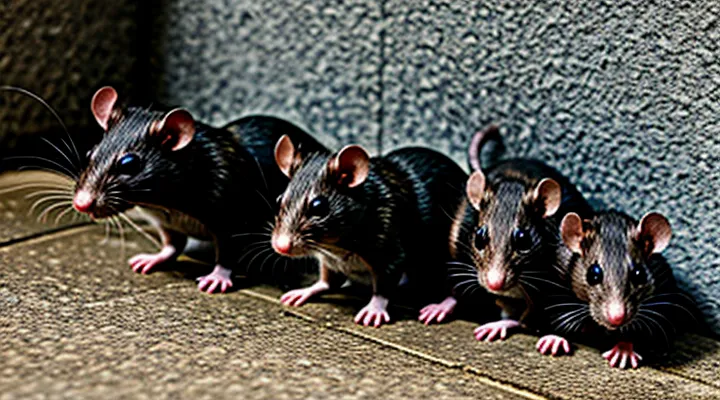
Understanding Rat Vision
The Basics of Rodent Eyesight
Rodent Eye Structure
Rodents possess a compact visual system adapted for low‑light environments. The eye comprises a small globe, a relatively large cornea, and a short axial length, which together produce a wide field of view but limited visual acuity. The retina contains a high proportion of rod photoreceptors—approximately 80 % of the total photoreceptor population—optimizing sensitivity to dim illumination while reducing color discrimination. Cone cells, concentrated in a central retinal region, provide limited color vision and are responsible for the modest visual acuity observed in species such as the Norway rat (Rattus norvegicus).
Key anatomical features include:
- Nictitating membrane – a translucent third eyelid that protects the cornea and maintains moisture without obstructing vision.
- Optic nerve – relatively small, reflecting the modest amount of visual information transmitted to the brain.
- Pupil dilation – rapid expansion under low light, facilitated by a thin iris musculature.
Genetic mutations can disrupt normal eye development, producing blind or severely visually impaired rats. Notable examples are:
- rd1 mutation – loss of phosphodiesterase 6B function, leading to rapid photoreceptor degeneration.
- rd10 mutation – defect in the beta subunit of rod cGMP phosphodiesterase, causing progressive retinal degeneration.
- Albinism – absence of melanin results in reduced retinal pigment epithelium function and heightened susceptibility to photic damage.
These conditions demonstrate that while the typical rodent eye supports functional vision, specific genetic alterations can render rats blind. Consequently, the existence of visually impaired rats is documented through both natural variants and experimentally induced models.
How Rats Perceive Light and Color
Rats possess a visual system that differs markedly from that of humans. Their retinas contain a high proportion of rods, cells specialized for low‑light detection, and a relatively small complement of cones, which mediate color discrimination. This anatomical arrangement grants rats acute sensitivity to dim environments while limiting their ability to resolve fine detail and distinguish hues.
Rod density in the peripheral retina exceeds that in the central region, allowing rats to detect motion and shapes across a wide field of view. Cones are concentrated near the optic nerve head, providing limited color perception primarily in the short‑wavelength (blue) range. Consequently, rats perceive a world dominated by shades of gray with occasional blue tinges, rather than the full spectrum experienced by humans.
Behavioral studies confirm these physiological constraints. Rats navigate mazes efficiently under low‑light conditions, yet performance declines when tasks rely on color cues. Experiments using colored stimuli demonstrate that rats can discriminate between blue and green objects but exhibit poor discrimination between red and orange, reflecting the spectral sensitivity of their cone population.
Key aspects of rat visual perception:
- Predominance of rod photoreceptors → high scotopic (night) vision.
- Limited cone population → restricted chromatic range, primarily blue sensitivity.
- Low visual acuity → blurred detail, reliance on motion and contrast.
- Behavioral adaptation → preference for dim lighting, minimal dependence on color cues.
Factors Affecting Rat Vision
Rats rely on a visual system adapted to low‑light environments, yet several biological and environmental variables can diminish visual acuity or cause complete blindness. Genetic mutations affecting photoreceptor development, such as disruptions in the rhodopsin gene, produce retinal degeneration that eliminates functional rods and cones. Nutritional deficiencies, particularly of vitamin A and essential fatty acids, impair phototransduction and retinal cell maintenance, leading to progressive vision loss. Exposure to intense light or ultraviolet radiation induces phototoxic damage, destroying photoreceptor layers and the retinal pigment epithelium.
Additional factors influencing rat vision include:
- Age – senescence reduces retinal cell density and slows neural processing.
- Disease – infections (e.g., toxoplasmosis), metabolic disorders (diabetes), and neurodegenerative conditions compromise optic nerve integrity.
- Environmental toxins – heavy metals (lead, mercury) and certain pesticides interfere with neurotransmitter function and retinal blood flow.
- Trauma – ocular injuries or head impacts can sever optic pathways or cause retinal detachment.
Experimental protocols that manipulate any of these variables must consider their impact on visual behavior. Accurate assessment of rat sight involves electrophysiological recordings (ERG), optokinetic tracking, and histological analysis of retinal structure. Recognizing the interplay of genetics, nutrition, age, disease, toxins, and trauma is essential for interpreting results related to the presence or absence of functional vision in laboratory rats.
Causes and Types of Blindness in Rats
Congenital Blindness
Genetic Predispositions
Genetic predisposition to ocular defects in rats results from mutations that disrupt retinal development, photoreceptor function, or optic nerve formation. Such mutations can produce complete or partial blindness, affecting both laboratory colonies and wild populations.
Key genes associated with rat blindness include:
- Pax6 – loss‑of‑function alleles impair eye morphogenesis, leading to anophthalmia or severe microphthalmia.
- Crb1 – missense mutations cause retinal degeneration and progressive loss of visual acuity.
- Rho – dominant mutations trigger rod photoreceptor apoptosis, eliminating scotopic vision.
- Rpe65 – recessive variants impair the visual cycle, resulting in congenital night blindness.
- Nrl – knockout alleles prevent rod differentiation, producing a retina dominated by cones with limited functionality.
Inheritance patterns vary by gene. Dominant mutations (e.g., Rho) manifest in heterozygotes, while recessive alleles (e.g., Rpe65) require homozygosity. Carrier frequencies in outbred colonies can reach 5 % for certain alleles, producing sporadic blind individuals without selective breeding.
Detection relies on genomic screening and phenotypic assays. Polymerase‑chain‑reaction genotyping identifies pathogenic variants; electroretinography confirms functional loss. Early identification prevents inadvertent inclusion of blind rats in experiments where visual perception is a variable.
Understanding these genetic factors clarifies the plausibility of blind rats, informs colony management, and guides the selection of animal models for ophthalmic research.
Developmental Issues
The question of vision‑deficient rodents prompts examination of developmental mechanisms that can produce blindness in laboratory rats. Evidence shows that specific genetic alterations disrupt ocular formation, leading to complete or partial loss of visual capacity.
Key genetic contributors include:
- Mutations in the Pax6 gene, which regulate eye field specification and lens development.
- Defects in the Shh (Sonic hedgehog) signaling cascade, causing midline abnormalities and cyclopia.
- Allelic variations in the Rax and Six3 loci, associated with anophthalmia and severe microphthalmia.
Embryonic processes governing eye morphogenesis are sensitive to timing and dosage of signaling molecules. Disruption of retinal progenitor proliferation, optic vesicle evagination, or lens placode induction can result in structural deficits that preclude functional photoreception.
Experimental models exploit these developmental pathways:
- Albino strains exhibit reduced melanin synthesis, affecting retinal pigment epithelium integrity and visual acuity.
- Transgenic lines with targeted knock‑outs of phototransduction genes produce retinal degeneration, mimicking progressive blindness.
- Chemical induction (e.g., intra‑uterine exposure to teratogens) yields congenital cataracts and optic nerve hypoplasia.
These models provide platforms for investigating neural plasticity, sensory compensation, and therapeutic interventions. Ethical protocols require justification of blindness induction, adherence to humane endpoints, and comprehensive reporting of developmental outcomes.
Acquired Blindness
Environmental Factors and Toxins
Scientific investigations into rat vision loss focus on external agents that can damage ocular structures or neural pathways. Researchers assess whether exposure to particular surroundings correlates with measurable blindness, using standardized visual acuity tests and histopathological analysis.
Key environmental contributors include:
- Elevated concentrations of lead, mercury, or cadmium in soil or water; these metals accumulate in retinal tissue and disrupt photoreceptor function.
- Chronic exposure to organophosphate pesticides; inhibition of acetylcholinesterase interferes with optic nerve signaling.
- High levels of airborne particulate matter; fine particles penetrate the cornea and induce inflammatory responses.
- Persistent illumination at intensities exceeding physiological thresholds; excessive light accelerates retinal degeneration.
Toxic agents implicated in rat blindness comprise:
- N-methyl-D-aspartate (NMDA) excitotoxins; overactivation of glutamate receptors leads to retinal ganglion cell death.
- Carbon monoxide; hypoxic conditions impair oxygen delivery to the retina, resulting in irreversible damage.
- Mycotoxins such as ochratoxin A; these compounds provoke oxidative stress and vascular leakage within ocular tissues.
- Synthetic dyes and solvents (e.g., benzene, toluene); systemic absorption disrupts the blood‑retina barrier, allowing neurotoxic substances to reach visual centers.
Controlled laboratory studies isolate each factor, quantify dose‑response relationships, and identify preventive measures. The compiled evidence demonstrates that specific environmental conditions and chemical exposures are sufficient to induce blindness in rats, providing a model for understanding similar risks in other mammals.
Diseases and Infections
Blind rodents, whether naturally sightless or rendered blind through genetic manipulation, serve as valuable models for studying disease dynamics. Their lack of vision does not shield them from pathogens; rather, it can influence exposure patterns and immune responses.
Common infectious agents affecting blind rats include:
- Bacterial: Salmonella enterica, Streptobacillus moniliformis, Clostridium perfringens.
- Viral: Rat coronavirus (RCV), lymphocytic choriomeningitis virus (LCMV), hantavirus.
- Parasitic: Syphacia muris (pinworm), Giardia muris, Trichinella spiralis.
- Fungal: Aspergillus fumigatus, Candida albicans.
Research indicates that visual impairment can alter grooming behavior, leading to higher rates of skin and respiratory infections. Stress associated with navigation challenges may suppress corticosterone‑regulated immunity, increasing susceptibility to opportunistic pathogens. In laboratory settings, blind rats are frequently used to evaluate the efficacy of antimicrobial therapies and to model ocular‑related infection routes, such as conjunctival inoculation.
Control measures for disease prevention in blind rat colonies involve strict barrier housing, routine health monitoring, and prophylactic antimicrobial regimens tailored to the identified pathogen spectrum.
Injury and Trauma
Blindness in rats frequently results from physical damage to ocular structures or neural pathways. Researchers induce vision loss to study neurodegeneration, pain perception, and recovery mechanisms. The process is deliberately controlled to produce reproducible injury patterns while minimizing unnecessary suffering.
- Optic nerve crush: compressive force applied to the optic nerve disrupts axonal transport, leading to rapid loss of visual function.
- Retinal detachment: surgical separation of the retina from the underlying pigment epithelium creates localized ischemia and cell death.
- Corneal abrasion: mechanical removal of epithelial layers produces acute pain and temporary visual impairment.
- Traumatic brain injury: blunt force to the skull can damage the visual cortex, resulting in cortical blindness without direct ocular injury.
Each injury triggers a cascade of cellular events. Primary damage includes necrosis of photoreceptors, loss of ganglion cells, and disruption of synaptic connections. Secondary processes involve inflammation, oxidative stress, and glial scar formation, which impede axonal regeneration. Pain pathways activate both peripheral nociceptors in the eye and central circuits in the thalamus, influencing behavioral responses.
Therapeutic strategies focus on neuroprotection, anti‑inflammatory agents, and regenerative techniques such as stem‑cell transplantation or gene editing. Quantitative assessments—electroretinography, visual‑evoked potentials, and behavioral tracking—provide objective measures of functional recovery. Data from blind‑rat models inform clinical approaches to human ocular trauma and neuro‑ophthalmic disorders.
Age-Related Vision Loss
Age‑related vision loss in rodents provides a valuable model for studying senescent ocular degeneration. Laboratory rats develop cataracts, retinal thinning, and reduced photoreceptor density as they age, mirroring many human conditions such as age‑related macular degeneration and presbyopia. These changes are measurable through electroretinography, optical coherence tomography, and histological analysis, allowing precise quantification of functional decline.
Key physiological alterations observed in senior rats include:
- Progressive lens opacification leading to decreased visual acuity.
- Loss of rod photoreceptor cells, resulting in diminished scotopic sensitivity.
- Thinning of the retinal pigment epithelium, impairing nutrient transport.
- Decreased vascular perfusion in the choroid, contributing to hypoxia‑induced damage.
Genetic studies have identified mutations in the rd1 and rd10 loci that accelerate retinal degeneration, while environmental factors such as chronic light exposure and dietary deficiencies exacerbate age‑related decline. Interventions—antioxidant supplementation, caloric restriction, and gene‑therapy vectors targeting neuroprotective pathways—demonstrate partial restoration of retinal function in aged cohorts.
The presence of severe visual impairment in elderly rats confirms that blindness can arise naturally in this species. Consequently, the rat model remains indispensable for testing therapeutic strategies aimed at preserving vision in the aging population.
Living with a Blind Rat
Identifying Blindness in Rats
Behavioral Indicators
Rats lacking functional vision exhibit distinct patterns that differentiate them from sighted conspecifics. Researchers rely on observable behaviors to infer visual impairment, especially when direct ophthalmic assessment is impractical.
- Failure to navigate mazes using visual cues; subjects rely exclusively on tactile or olfactory information.
- Absence of startle response to sudden light flashes or moving shadows.
- Persistent collisions with transparent barriers or open edges, indicating inability to perceive visual obstacles.
- Reduced exploration of brightly lit areas; preference shifts toward dim or dark environments.
- Lack of anticipatory head movements when approaching moving objects, such as rotating wheels or pendulums.
- Inconsistent performance in tasks that require discrimination of visual patterns, such as grating orientation tests.
Additional indicators emerge in social contexts. Blind individuals often exhibit increased reliance on whisker contact during interactions, heightened vocalization rates, and altered grooming sequences that prioritize tactile feedback over visual inspection.
Quantitative assessment combines these behaviors with control groups, establishing baseline metrics for normal visual function. Consistent deviation across multiple indicators provides robust evidence of blindness in laboratory rats.
Physical Signs
Rats that lack functional vision display a set of observable physical characteristics. The eyes may appear clouded, smaller, or recessed compared to typical specimens. Pupils often remain fixed and unresponsive to changes in ambient light, indicating a failure of the pupillary reflex. The cornea can be opaque or ulcerated, and the sclera may show signs of degeneration.
Behavioral cues accompany these anatomical signs. Blind individuals tend to move with reduced speed, frequently bump into obstacles, and exhibit a pronounced reliance on whisker contact. When exposed to sudden illumination, they do not display the usual blink or startle response. Grooming motions often focus on the facial area, attempting to compensate for sensory loss.
Key physical indicators include:
- Cloudy or absent lens clarity
- Absence of pupil dilation/constriction
- Diminished eye size or abnormal positioning
- Persistent head tilting toward tactile stimuli
- Unsteady gait and frequent collisions with enclosure walls
These markers allow researchers and caretakers to diagnose visual impairment in laboratory or pet rats without resorting to invasive testing.
Caring for Blind Rats
Modifying Their Environment
Vision‑deficient rats require environmental adjustments that compensate for the lack of visual information. Structures such as tunnels, ramps, and platforms should be constructed from materials that transmit tactile feedback, allowing the animals to navigate by touch and whisker input.
Texture variations on floor surfaces guide movement and indicate functional zones. Roughened pathways lead to food stations, while smooth sections direct toward rest areas. Consistent placement of these textures prevents disorientation and encourages efficient exploration.
Auditory cues enhance spatial awareness. Low‑frequency speakers can emit continuous tones near water sources, while intermittent clicks signal the presence of enrichment objects. Sound levels must remain within the species‑specific hearing range to avoid stress.
Key modifications include:
- Elevated ledges with textured edges for safe climbing.
- Modular maze elements that can be rearranged to introduce novel challenges.
- Adjustable lighting that creates shadows for sighted co‑habituants without affecting blind individuals.
- Scent markers (e.g., diluted vanilla or citrus) applied to critical locations to provide olfactory landmarks.
Regular monitoring of behavior confirms the effectiveness of these changes and informs further refinements.
Ensuring Safety and Well-being
Blind rodents can navigate environments despite lacking vision, but they require specific measures to protect health and prevent injury. Their heightened reliance on tactile and olfactory cues makes them vulnerable to hazards that sighted animals avoid.
- Maintain clear, clutter‑free pathways; eliminate protruding objects that could cause collisions.
- Use low‑profile bedding and chew‑resistant enclosure materials to reduce the risk of entanglement.
- Provide textured surfaces and scent markers to aid orientation and encourage natural exploratory behavior.
- Regularly inspect cages for wear, sharp edges, and accumulation of debris that may impede movement.
- Ensure lighting levels are stable; abrupt changes in illumination can disorient animals that depend on non‑visual cues.
- Supply enrichment items with distinct shapes and odors, such as wooden tunnels and scented nesting material, to stimulate sensory development.
Health monitoring should include frequent observation of gait, grooming habits, and response to tactile stimuli. Any signs of stress, such as excessive vocalization or reduced activity, warrant immediate veterinary assessment. Nutrition plans must account for potential difficulties in locating food; automated dispensers positioned at ground level and supplemented with aromatic attractants improve intake consistency.
In laboratory settings, protocols that limit sudden vibrations and maintain consistent temperature gradients reduce sensory overload. Personnel handling blind rats should employ gentle, predictable movements and use gloves scented with neutral odors to avoid startling the animals.
Adhering to these practices safeguards blind rodents, supports physiological stability, and upholds ethical standards for their care.
Enrichment and Interaction
Rats that cannot perceive visual cues require specialized environmental enrichment to maintain physiological health and behavioral stability. Sensory modalities other than sight become primary sources of information, shaping how these animals explore and interact with their surroundings.
Effective enrichment for visually impaired rodents includes:
- Textured bedding and nesting materials that provide tactile feedback.
- Complex maze structures built from scented polymers, encouraging olfactory navigation.
- Auditory devices emitting varied frequencies, stimulating hearing acuity.
- Objects with distinct shapes and temperatures, offering thermal and proprioceptive cues.
Interaction strategies focus on enhancing social and human contact while respecting sensory limitations:
- Pairing blind individuals with sighted conspecifics to promote social learning through vocalizations and grooming.
- Regular, gentle handling using consistent hand placement to convey safety and reduce stress.
- Positive reinforcement training employing scent‑based cues and sound signals, reinforcing desired behaviors.
- Scheduled auditory enrichment sessions, synchronizing with routine care to establish predictable patterns.
Implementation demands systematic observation: record activity levels, stress indicators, and weight changes weekly. Adjust enrichment complexity based on performance metrics, ensuring that stimuli remain challenging yet achievable. Consistent application of these practices yields measurable improvements in locomotor confidence, social engagement, and overall welfare for rats lacking visual perception.