
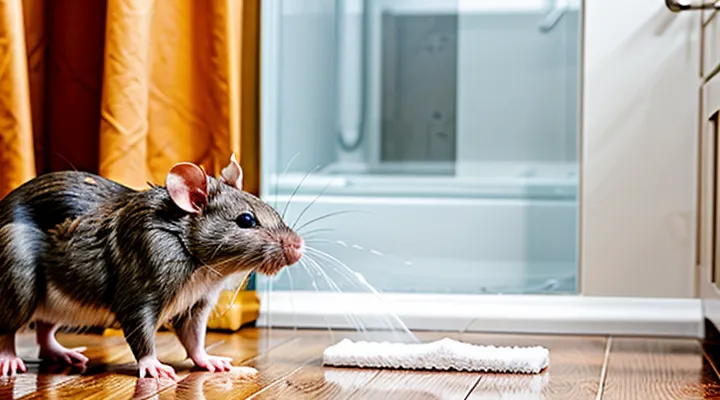
Understanding Rat Behavior and Pest Control
Common Rat Fears and Deterrents
Natural Predators and Their Impact
Rats encounter chemical agents such as bleach, but their survival also depends on interactions with native carnivores. Predator pressure can diminish the need for harsh disinfectants by naturally limiting rodent numbers.
- Owls (e.g., barn owl, great horned owl) hunt nocturnal rodents with silent flight and precise strikes.
- Hawks and falcons pursue rats in open fields, using speed and keen vision.
- Snakes, particularly rat snakes, locate prey through scent and heat detection, delivering constriction.
- Feral and domestic cats employ stalking and rapid pounce, often reducing indoor infestations.
- Raptors such as kestrels capture ground-dwelling rats in agricultural settings.
Consistent predation reduces rat activity, lowers breeding success, and forces survivors to adopt more cautious foraging patterns. These behavioral shifts limit exposure to contaminated surfaces, indirectly decreasing the efficacy required from chemical sanitizers.
Integrating habitat features—nesting boxes for owls, perches for hawks, and brush piles for snakes—creates an environment where predators thrive. This approach curtails rodent populations, reduces reliance on bleach and similar agents, and supports a sustainable pest‑control framework.
Ultrasonic Devices: Fact vs. Fiction
Ultrasonic emitters are frequently marketed as a non‑chemical solution for deterring rodents and enhancing sanitation. The devices generate sound waves above 20 kHz, a frequency range inaudible to humans but detectable by many mammals, including rats.
Scientific investigations reveal mixed outcomes. Controlled laboratory tests show that exposure to continuous ultrasonic tones can cause temporary startle responses in rats, yet habituation occurs within minutes, after which the animals resume normal activity. Field trials in commercial kitchens and storage facilities report negligible reductions in rodent sightings when ultrasonic units operate alongside standard sanitation protocols.
Common misconceptions:
-
Myth: Ultrasonic waves sterilize surfaces.
Fact: Sound energy does not disrupt microbial cell walls; chemical agents remain necessary for disinfection. -
Myth: Continuous emission guarantees permanent rodent avoidance.
Fact: Rats adapt quickly, rendering the effect short‑lived. -
Myth: One device can protect an entire building.
Fact: Sound waves attenuate sharply with distance and obstacles; coverage is limited to open spaces.
Effective use of ultrasonic technology depends on integration with proven measures: sealed entry points, regular cleaning with EPA‑approved disinfectants, and bait stations where appropriate. When deployed as a supplemental deterrent in confined areas, the devices may reduce nuisance activity for a brief period, but they should not replace comprehensive pest‑management and sanitation programs.
The Role of Scent in Rat Repulsion
Rats rely heavily on olfactory cues to assess food sources, nesting sites, and threats. Chemical signals that indicate danger trigger avoidance behaviors, making scent a primary factor in repelling these rodents.
Compounds that produce strong, unpleasant odors for rats include:
- Phenolic disinfectants (e.g., phenol, cresols)
- Ammonia and its derivatives
- Essential oils such as peppermint, eucalyptus, and citronella
- Capsaicin extracts from hot peppers
- Synthetic repellents containing naphthalene or pyridine
These substances interfere with the rats’ sensory receptors, causing discomfort or disorientation. The effectiveness of each scent varies with concentration, exposure duration, and environmental conditions. High volatility ensures rapid dispersion, while persistent odors maintain a deterrent effect over time.
When applied as part of a broader pest‑management strategy, scent-based repellents complement physical barriers and sanitation measures. Their utility lies in creating an environment that rats perceive as hostile, reducing the likelihood of ingress and habitation.
Bleach and Its Impact on Rats
Chemical Properties of Bleach
Toxicity to Mammals
Bleach, primarily sodium hypochlorite, exerts toxicity in mammals through oxidative damage to cellular membranes, hemoglobin oxidation, and disruption of respiratory enzymes. Acute exposure via ingestion or inhalation produces irritation of mucous membranes, pulmonary edema, and hemolysis; chronic exposure may lead to renal and hepatic impairment.
-
LD₅₀ values (oral, rat):
• Sodium hypochlorite (5 % solution): ≈ 1,200 mg kg⁻¹
• Hydrogen peroxide (3 % solution): ≈ 1,800 mg kg⁻¹
• Quaternary ammonium compounds: ≈ 2,500 mg kg⁻¹ -
LD₅₀ values (inhalation, mouse):
• Chlorine gas (released from bleach): 5 ppm for 30 min produces lethality in 50 % of subjects.
• Ethanol‑based disinfectants: 30 % concentration for 4 h yields LD₅₀ ≈ 2,800 ppm.
Human occupational limits reflect these hazards. The American Conference of Governmental Industrial Hygienists (ACGIH) sets a Threshold Limit Value (TLV) for chlorine gas at 0.5 ppm (8‑hour TWA). For sodium hypochlorite solutions, the National Institute for Occupational Safety and Health (NIOSH) recommends a ceiling limit of 10 mg m⁻³ for aerosolized particles.
Comparative mammalian toxicity among commonly used disinfectants:
- Sodium hypochlorite – high oxidative potential, low oral LD₅₀, strong respiratory irritant.
- Hydrogen peroxide – moderate oral toxicity, rapid decomposition reduces residual risk.
- Alcohol‑based formulations – relatively low acute toxicity, flammability concerns.
- Phenolic compounds – higher dermal absorption, risk of systemic toxicity at concentrations above 1 %.
Safety protocols mitigate mammalian risk: use dilute solutions (≤ 0.1 % for surface cleaning), ensure adequate ventilation, employ personal protective equipment (gloves, goggles, respirators when aerosol generation is probable), and store chemicals away from food sources. Monitoring of blood chlorine levels in exposed personnel provides early detection of systemic absorption.
Corrosive Effects on Skin and Respiratory System
Bleach and other chlorine‑based disinfectants release hypochlorous acid and chlorine gas when mixed with water or organic matter. Direct contact with skin produces immediate irritation, erythema, and chemical burns. Repeated exposure accelerates dermatitis, characterized by itching, scaling, and hyperpigmentation. Protective gloves made of nitrile or butyl rubber prevent permeation; washing with copious water for at least 15 minutes reduces injury severity.
Inhalation of vapors damages the respiratory tract. Acute exposure causes coughing, throat irritation, and bronchospasm. High concentrations lead to pulmonary edema, reduced oxygen saturation, and possible long‑term airway hyperreactivity. Symptoms appear within minutes and may progress despite removal from the source. Use of properly fitted respirators with organic vapor filters, adequate ventilation, and avoidance of aerosolization are essential controls.
The corrosive nature of these agents limits their practicality as a rodent deterrent. While strong odors may deter rats temporarily, the health risks to humans and non‑target animals outweigh any short‑term benefit. Safe application requires strict adherence to occupational safety guidelines, including personal protective equipment, exposure monitoring, and immediate decontamination procedures.
Rats' Aversion to Strong Odors
How Rats Detect Scents
Rats rely on a highly developed olfactory system to evaluate their environment. The nasal epithelium contains millions of sensory neurons, each expressing specific receptor proteins that bind volatile molecules. When a scent molecule contacts a receptor, it triggers an electrical signal that travels to the olfactory bulb and then to higher brain centers for identification and behavioral response.
Bleach releases chlorine gas and related compounds that are detectable at very low concentrations. Rats possess receptors sensitive to halogenated substances, allowing them to recognize bleach odor quickly. The detection threshold for chlorine derivatives is measured in parts per billion, far below levels that cause discomfort, which explains the immediate aversive reaction observed in laboratory settings.
Key aspects of rat scent detection relevant to disinfectant exposure:
- Broad receptor repertoire covering a wide chemical spectrum.
- Rapid signal transduction via G‑protein coupled pathways.
- Integration of olfactory input with the vomeronasal system for threat assessment.
- Behavioral output modulated by the amygdala, resulting in avoidance or escape.
Understanding these mechanisms clarifies why rats typically avoid areas treated with bleach. Their sensory apparatus identifies the chemical signature as harmful, prompting swift withdrawal from the contaminated zone.
The Pungency of Bleach for Rodents
Bleach releases chlorine and sodium hypochlorite vapors that stimulate the olfactory receptors of rodents. Laboratory measurements indicate detection thresholds for rats at concentrations as low as 0.5 ppm, far below levels that cause respiratory irritation. The sharp, acrid odor triggers immediate avoidance behavior, prompting rats to retreat from treated zones within seconds.
Behavioral assays reveal a dose‑response relationship: low concentrations elicit brief hesitation, while moderate levels (2–5 ppm) produce sustained displacement and reduced foraging activity. At concentrations exceeding 10 ppm, rats display signs of distress, including rapid breathing and reduced locomotion, suggesting that the pungency of bleach exceeds the species’ tolerance for chemical irritants.
Comparisons with other common disinfectants show that bleach’s volatile chlorine compounds generate a stronger aversive signal than alcohol‑based solutions or quaternary ammonium compounds. The heightened sensory impact results from the combination of high vapor pressure and the innate sensitivity of rodent nasal epithelium to halogenated compounds.
Practical implications for rodent management include the strategic placement of diluted bleach solutions in ingress points to exploit the rapid avoidance response. Continuous exposure, however, may lead to habituation; rotating disinfectants or integrating physical barriers sustains efficacy while minimizing chemical resistance.
Psychological vs. Physiological Effects of Bleach on Rats
Is It Fear or Avoidance of Harm?
Rats encountering bleach in a laboratory or domestic setting often retreat quickly and display heightened locomotor activity. This reaction can be interpreted in two ways: an emotional fear response or a direct avoidance of a harmful chemical.
Fear involves a specific neural circuit that generates anxiety, physiological arousal, and defensive behaviors such as freezing or vocal distress. Avoidance, by contrast, is a sensory‑driven response that prevents contact with substances that cause pain or toxicity. The distinction hinges on whether the animal perceives the stimulus as a threat to its emotional state or simply as a source of physical damage.
Research on rodent olfactory discrimination shows that chlorine and related compounds trigger strong aversive signaling in the olfactory bulb. In conditioned place‑avoidance tests, rats develop a robust preference for chambers without bleach exposure after a single pairing, indicating learned avoidance. Physiological measurements reveal increased heart rate and respiratory rate upon exposure, consistent with irritation rather than classic fear‑induced freezing.
Bleach’s caustic nature damages mucous membranes and lung tissue at concentrations commonly used for sanitation. The immediate discomfort and potential for tissue injury provide a clear adaptive advantage for rodents that withdraw from the odor source. Such a response minimizes exposure without invoking the full fear circuitry.
Empirical observations therefore favor avoidance of harm as the primary driver of rat behavior around bleach. While some stress markers appear, they align with nociceptive irritation rather than a dedicated fear state.
For pest‑management applications, the efficacy of bleach relies on its capacity to produce a strong aversive cue. Success depends on maintaining sufficient concentration to elicit irritation while ensuring safety for non‑target occupants. Continuous exposure may lead to habituation, reducing deterrent value over time.
Short-Term vs. Long-Term Exposure Risks
Bleach, a chlorine‑based sanitizer, produces immediate irritation when rodents encounter vapors or liquid contact. Acute exposure can cause loss of consciousness, respiratory distress, and rapid mortality.
- Nasal and ocular burning within minutes
- Inhalation of chlorine gas leading to pulmonary edema
- Gastrointestinal irritation if ingested
- Sudden collapse and death at concentrations above 5 %
Short‑term effects are observable within seconds to hours and typically result in observable distress or fatality.
Prolonged, low‑level exposure generates subtler but serious health problems. Chronic inhalation may induce bronchial hyper‑reactivity, persistent cough, and tissue fibrosis. Repeated skin contact can lead to dermatitis and systemic absorption affecting liver and kidney function. Studies indicate altered reproductive hormone levels and reduced litter viability after extended exposure to sub‑lethal bleach concentrations. Additionally, persistent disinfectant residues may select for microbial strains with reduced susceptibility, diminishing overall sanitation efficacy.
- Chronic respiratory inflammation and reduced lung capacity
- Cumulative organ toxicity (hepatic, renal)
- Hormonal disruption and impaired fertility
- Development of microbial resistance to chlorine compounds
Effective rodent management requires balancing immediate lethality with long‑term health considerations for non‑target species and humans. Application protocols should limit concentration to the minimum dose that achieves rapid incapacitation, avoid continuous low‑level dispersal, and ensure adequate ventilation to prevent buildup of residual chlorine. Monitoring for signs of chronic illness in surviving populations helps adjust treatment frequency and prevents unintended ecological impacts.
Disinfectants Beyond Bleach
Types of Disinfectants and Their Efficacy Against Pests
Ammonia-Based Cleaners
Ammonia‑based cleaners are common in households for removing grease, stains, and mineral deposits. Their active component, aqueous ammonia, raises the pH of surfaces, denatures proteins, and disrupts lipid membranes, producing a rapid cleaning effect. Unlike oxidizing agents such as bleach, ammonia does not release chlorine or generate harmful by‑products when mixed with water.
Rats detect ammonia through the olfactory system, which is highly sensitive to volatile nitrogen compounds. Exposure to concentrations above 5 ppm typically triggers avoidance behavior; rats will retreat from areas where ammonia vapors are present. This response is not a fear of the chemical itself but a reflex to an irritant that can impair respiratory function.
Key characteristics of ammonia cleaners in relation to rodent control:
- Deterrent effect: Strong odor repels rats temporarily; effectiveness declines as the scent dissipates.
- Surface safety: Suitable for metal, glass, and painted surfaces; may damage plastics, rubber, or delicate finishes.
- Human safety: Requires ventilation; inhalation of concentrated fumes can cause eye irritation and respiratory distress.
- Interaction with other disinfectants: Mixing ammonia with chlorine‑based products creates chloramine gases, which are toxic to both humans and animals.
When assessing whether ammonia cleaners can substitute bleach for rodent deterrence, consider the following:
- Duration of repellent action: Bleach’s chlorine odor persists longer than ammonia, offering extended deterrence.
- Environmental impact: Ammonia breaks down into nitrogen compounds that are less harmful to aquatic ecosystems than chlorine residues.
- Regulatory guidance: Occupational safety agencies set exposure limits for ammonia at 25 ppm (time‑weighted average); compliance ensures both human and animal safety.
In practice, ammonia cleaners may be employed as a supplementary measure to discourage rats in confined spaces, provided that ventilation is adequate and the chemical is not combined with chlorine‑based agents. For sustained control, integrating structural exclusion, sanitation, and targeted baiting remains essential.
Phenolic Disinfectants
Phenolic disinfectants belong to a class of antimicrobial agents derived from phenol and its derivatives. Common commercial formulations include ortho‑phenylphenol, chlorophenol, and bisphenol compounds. They are water‑soluble, stable at ambient temperature, and retain activity in the presence of organic matter.
The antimicrobial effect results from protein denaturation and disruption of cell membranes. At concentrations of 0.5 %–5 % (w/v), phenolics inactivate bacteria, fungi, and enveloped viruses within minutes. Their activity persists after drying, providing residual protection on treated surfaces.
For rodent control, phenolic agents do not repel rats directly, but they reduce pathogen loads in environments frequented by rodents. Compared with chlorine‑based bleach, phenolics exhibit lower volatility and minimal corrosive damage to metal or plastic fixtures. Their broader spectrum includes spore‑forming organisms that bleach may not fully eliminate.
Key considerations for phenolic use:
- Recommended concentration: 0.5 %–5 % depending on target organism.
- Contact time: 5–10 minutes for full efficacy.
- Material compatibility: safe for most plastics, limited effect on painted wood.
- Toxicity: acute oral toxicity higher than bleach; protective gloves and ventilation required.
Phenolics complement bleach in integrated sanitation programs, providing a non‑chlorine alternative with lasting antimicrobial activity while minimizing structural degradation.
Hydrogen Peroxide Solutions
Hydrogen peroxide solutions are oxidizing agents that decompose into water and oxygen, providing rapid antimicrobial action. At concentrations of 3 % the solution is suitable for surface sanitation, while 6–10 % formulations are employed for more resistant pathogens. Concentrations above 30 % become corrosive and require special handling.
When applied to environments inhabited by rodents, hydrogen peroxide does not emit a lingering odor that deters rats. Laboratory observations show that rats continue to explore areas treated with 3 % hydrogen peroxide after the solution has dried. The lack of a strong repellent scent differentiates it from chlorine‑based cleaners, which release volatile compounds that many rodents avoid.
Comparative effectiveness:
- 3 % hydrogen peroxide: kills bacteria and fungi within minutes; no measurable impact on rat behavior.
- 6–10 % hydrogen peroxide: enhances sporicidal activity; still no aversive response from rats.
- Sodium hypochlorite (bleach) at 5 %: produces chlorine gas that rodents typically avoid; also provides broad antimicrobial coverage.
Safety considerations include the potential for skin irritation at higher concentrations and the risk of material degradation on certain polymers. Proper ventilation mitigates the brief release of oxygen bubbles during decomposition.
In practice, hydrogen peroxide serves as a reliable disinfectant for cleaning rodent‑infested premises, but it should not be relied upon as a behavioral deterrent. Combining it with physical exclusion methods yields the most comprehensive control strategy.
Safe and Effective Disinfectant Usage
Proper Ventilation Techniques
When applying bleach‑based solutions to control rodent infestations, adequate airflow prevents harmful vapors from accumulating. Proper ventilation reduces respiratory irritation for occupants and wildlife, and it enhances the disinfectant’s contact with contaminated surfaces.
Effective ventilation can be achieved through the following methods:
- Cross‑draft ventilation – open windows or vents on opposite sides of the room to create a continuous air stream. Position fans to direct airflow from the clean side toward the treated area and out the opposite opening.
- Exhaust fans – install locally mounted exhaust units near the source of bleach application. Ensure the fan’s capacity exceeds the room’s volume by at least 10 air changes per hour.
- Mechanical ventilation systems – integrate supply and return ducts with filters rated for chemical vapors. Balance the system to maintain a slight negative pressure in the treated space.
- Portable air scrubbers – use units equipped with activated carbon or HEPA filters when permanent ventilation is unavailable. Operate the scrubber for a minimum of 30 minutes after the final application.
Calculate required airflow using the formula:
Air changes per hour (ACH) = (Fan flow rate × 60) ÷ Room volume (cubic feet).
A target of 6–12 ACH is recommended for spaces where bleach is heavily applied.
Seal gaps around doors and windows before starting treatment to control the direction of airflow. After completion, continue ventilation for at least 15 minutes or until odor dissipates, whichever is longer. This practice minimizes residual chlorine gas and protects both humans and rodents from exposure.
Dilution Ratios and Contact Times
Bleach solutions must be prepared with precise dilution ratios to achieve antimicrobial activity without posing unnecessary toxicity to rodents. A common recommendation for household bleach (5–6 % sodium hypochlorite) is a 1 : 32 dilution, producing approximately 250 ppm available chlorine. This concentration reliably inactivates most bacteria and viruses and is sufficient to deter rodents from contaminated surfaces.
For disinfection in areas where rats are present, the following dilution guidelines are widely accepted:
- Standard cleaning: 1 : 100 dilution (≈ 50 ppm) for routine surface wiping; effective for low‑level contamination.
- High‑risk zones: 1 : 32 dilution (≈ 250 ppm) for kitchens, storage rooms, and entry points; reduces pathogen load and weakens scent cues rats use for navigation.
- Severe infestation: 1 : 10 dilution (≈ 500 ppm) for deep cleaning of burrows, traps, and waste containers; maximizes chemical exposure while remaining safe for non‑target species when applied correctly.
Contact time—the period the solution remains wet on a surface—directly influences efficacy. Empirical data indicate:
- Minimum effective contact: 5 minutes for a 1 : 100 dilution; sufficient to inactivate most enveloped viruses.
- Recommended contact: 10 minutes for a 1 : 32 dilution; ensures complete bacterial kill and reduces odor cues.
- Maximum contact: 15 minutes for a 1 : 10 dilution; provides a safety margin for resistant spores and deep‑soil residues.
After the prescribed contact time, surfaces should be rinsed with clean water if they are likely to be contacted by food or pet items. Excessive bleach concentration or prolonged exposure can degrade certain materials (e.g., painted wood, rubber seals) and may cause respiratory irritation in mammals. Proper ventilation and personal protective equipment are essential during application.
Maintaining consistent dilution ratios and adhering to the specified contact times creates an environment that discourages rat activity while preserving the integrity of the treated area.
Disinfectants as a Component of Integrated Pest Management
Sanitation Practices and Rodent Control
Rats are not deterred by bleach in the same way they avoid strong odors or physical barriers. Bleach rapidly deactivates pathogens on surfaces but does not produce a lasting repellent effect. When applied to floors, countertops, or waste containers, the chemical neutralizes bacteria and viruses, yet the residue evaporates within minutes, leaving no odor that would discourage rodent activity.
Effective rodent management combines sanitation with structural and behavioral controls. Key practices include:
- Removing food sources by storing grain, pet food, and waste in sealed containers.
- Eliminating water access through prompt repair of leaks and regular cleaning of drip trays.
- Maintaining clutter‑free environments to reduce hiding places.
- Applying rodent‑resistant building materials such as metal or concrete for walls and floors.
- Installing sealed entry points, including gaps around pipes, vents, and doors.
Disinfectants other than bleach may offer limited repellent properties. Products containing ammonia, phenols, or strong citrus extracts emit odors that rodents find unpleasant, but their effectiveness diminishes after drying. For sustained control, integrate these agents with traps, bait stations, and regular inspections rather than relying on a single chemical.
Monitoring and documentation complete the program. Record sightings, trap counts, and sanitation schedules to identify trends and adjust interventions promptly. Consistent execution of these measures reduces rodent populations and limits disease transmission without depending on bleach as a repellent.
Combining Chemical and Non-Chemical Methods
Rats exhibit limited avoidance of bleach; the odor may cause brief hesitation but does not prevent entry or foraging. Bleach’s active ingredient, sodium hypochlorite, kills microorganisms on surfaces but lacks repellent properties strong enough to deter established rodent populations.
Chemical treatment provides rapid sanitation of contaminated areas, reduces disease risk, and can be applied to hard‑to‑reach spaces. Effectiveness declines when residues evaporate, when rats develop habituation, or when the substance contacts food sources, creating secondary hazards.
Non‑chemical tactics address behavior and habitat. Exclusion of entry points, removal of food debris, proper waste management, and placement of mechanical traps or electronic devices directly reduce access and survival opportunities. These measures target the environmental factors that attract rodents.
Combining both approaches creates an integrated control protocol:
- Apply a dilute bleach solution to high‑contact surfaces after debris removal; allow complete drying before reintroducing food supplies.
- Seal cracks, gaps, and utility openings with steel wool, cement, or metal flashing.
- Install snap traps or electronic kill stations along established runways, checking and resetting them daily.
- Conduct routine sanitation sweeps, eliminating spilled grain, garbage, and standing water.
- Monitor activity with motion‑activated cameras to adjust placement of chemical and mechanical interventions.
The synergy of immediate surface disinfection and sustained habitat modification produces consistent reductions in rodent presence, minimizes health risks, and limits reliance on any single method.
Humane and Effective Rat Control Strategies
Trapping Methods and Their Efficacy
Snap Traps and Live Traps
Snap traps and live traps remain primary mechanical controls for rodent infestations, independent of chemical disinfectants. Both devices target the same species but differ in outcome, placement requirements, and regulatory considerations.
Snap traps employ a spring‑loaded bar that delivers an instantaneous kill when a rat triggers the trigger plate. Their advantages include rapid mortality, low cost per unit, and minimal risk of disease transmission to handlers because the animal is contained within the mechanism. Limitations consist of potential for missed strikes, reduced effectiveness in cluttered environments, and the need for frequent inspection to prevent decay of captured carcasses.
Live traps consist of a concealed chamber with a one‑way entry door. When a rat enters, the door closes, allowing release elsewhere. Benefits are compliance with humane‑catch policies, avoidance of carcass disposal, and suitability for research or relocation programs. Drawbacks involve longer exposure to stress for the captured animal, higher initial purchase price, and the necessity of immediate monitoring to prevent prolonged confinement.
Key operational guidelines for both trap types:
- Position traps along established runways, near walls, and close to food sources.
- Use bait that appeals to rats, such as peanut butter, dried fruit, or commercial rodent attractants.
- Check traps at least twice daily to maintain efficacy and reduce secondary hazards.
- Rotate trap locations periodically to counter trap avoidance behavior.
- Record capture data (date, location, number) to assess population trends and adjust control measures.
When integrating mechanical traps with disinfectant strategies, the sequence matters. Eliminating active rodents first prevents recontamination of surfaces after chemical application. After traps have reduced the population, apply an appropriate disinfectant—preferably one with proven efficacy against rodent‑borne pathogens—to sanitize areas where traps were placed. This combined approach maximizes reduction of both live infestation and environmental contamination.
Baiting Strategies for Successful Trapping
Effective rat control relies on bait selection that overcomes natural aversions while maximizing lure potency. Studies show that the presence of strong oxidizing agents, such as sodium hypochlorite, can deter rodents. Consequently, bait formulations must exclude bleach or similar disinfectants unless combined with attractants that mask the repellent odor.
Key considerations for bait design include:
- Palatability: Use high‑protein or high‑fat foods (peanut butter, bacon grease, dried fish) to trigger feeding behavior.
- Scent masking: Incorporate natural aromatics (vanilla, almond extract) to conceal residual chemical odors that might signal danger.
- Moisture content: Maintain a moist matrix to prevent rapid desiccation, which reduces appeal.
- Placement timing: Deploy baits during nocturnal activity peaks (early evening to pre‑dawn) when rats are most foraging.
Trapping success improves when bait stations are positioned along known travel routes, near walls, and close to food sources. Seal alternative entry points to force rodents toward monitored zones. Regularly inspect and refresh bait to sustain freshness and prevent contamination that could trigger avoidance.
Integrating these strategies with a disinfectant protocol that avoids direct bleach exposure ensures both sanitation and effective rodent removal. Use EPA‑approved rodent‑safe cleaners after trap removal to eliminate pathogens without compromising future bait attraction.
Exclusion Techniques for Preventing Infestations
Sealing Entry Points
Sealing entry points is a prerequisite for any strategy that relies on chemical deterrents such as bleach. Without eliminating gaps, rodents can bypass treated areas, rendering disinfectants ineffective and allowing infestations to persist.
Effective sealing involves:
- Inspecting foundations, walls, and utility penetrations for cracks, holes, and gaps larger than ¼ inch.
- Using steel wool or copper mesh to fill openings before applying a sealant, preventing rodents from gnawing through softer materials.
- Applying a high‑quality, weather‑resistant caulk or expanding foam to create a permanent barrier.
- Reinforcing vulnerable sections with metal flashing or hardware cloth where structural movement may reopen gaps.
- Conducting a follow‑up inspection after a week to verify the integrity of the seals.
When entry points are securely blocked, the concentration of bleach or other disinfectants remains within the intended zones, increasing the likelihood that rodents encounter the chemical barrier. This combined approach maximizes the deterrent effect while reducing the need for repeated applications.
Maintaining Property Hygiene
Maintaining hygiene in residential and commercial spaces reduces the likelihood of rodent infestations and limits disease transmission. Clean surfaces, regular waste removal, and proper storage of food eliminate attractants that draw rats into buildings.
Rats possess a highly developed olfactory system; strong chlorine odors from bleach act as a deterrent. Laboratory observations show that exposure to bleach vapor triggers avoidance behavior, suggesting that the chemical’s scent can discourage rodent activity in treated areas.
Disinfectants serve two functions: they eliminate pathogenic microorganisms and, by creating an inhospitable environment, they indirectly influence rodent behavior. Effective products must meet the following criteria:
- Rapid microbe kill rate (≥99.9 % within 5 minutes)
- Low residue toxicity for humans and pets
- Strong, unpleasant odor to rodents (e.g., chlorine, phenolic compounds)
Applying these agents according to manufacturer instructions ensures surface safety while leveraging the repellent effect on rats.
For sustained property hygiene, adopt a routine that includes:
- Daily removal of food scraps and sealing of containers.
- Weekly application of an EPA‑approved disinfectant to high‑traffic zones.
- Periodic ventilation of spaces treated with bleach to maintain deterrent odor without compromising indoor air quality.
Consistent execution of these measures minimizes rodent presence and maintains a sanitary environment.
Professional Pest Control Interventions
When to Call an Exterminator
Rats may avoid areas treated with strong oxidizing agents, but bleach does not eradicate nests, food sources, or entry points. When household measures fail to reduce activity, professional intervention becomes necessary.
Typical indicators that an exterminator should be engaged include:
- Multiple droppings in kitchens, pantry shelves, or behind appliances.
- Gnaw marks on wiring, structural wood, or containers.
- Persistent odor of urine or feces despite cleaning.
- Sightings of live rats or carcasses over several days.
- Damage to stored food, packaging, or insulation.
If any of these conditions persist after thorough sanitation and targeted use of disinfectants, a licensed pest‑control service can assess structural vulnerabilities, apply rodent‑specific baits, and install exclusion devices. Prompt professional treatment prevents disease transmission, property damage, and population growth.
Long-Term Rodent Management Plans
Rats do not consistently avoid bleach; its odor may deter individuals briefly, but it does not provide lasting control. Effective long‑term rodent management requires a structured plan that integrates sanitation, exclusion, monitoring, and targeted treatments.
A sustainable program includes the following elements:
- Sanitation protocols – regular removal of food residues, spill cleanup, and waste container sealing reduce attractants. Bleach can be applied to disinfect surfaces after spills, but it must be part of a broader hygiene routine.
- Structural exclusion – sealing gaps larger than ¼ inch, installing door sweeps, and repairing damaged screens prevent entry. Physical barriers remain the most reliable defense against re‑infestation.
- Population monitoring – placement of snap traps, live‑catch devices, or electronic sensors provides data on activity levels. Recorded trends guide intervention timing and intensity.
- Targeted chemical use – placement of approved rodenticides in tamper‑resistant bait stations addresses established populations. Use of disinfectants alone does not achieve mortality; chemicals must be applied according to regulatory guidelines.
- Documentation and review – maintaining logs of inspections, actions taken, and outcomes enables periodic assessment. Adjustments based on observed efficacy ensure the plan remains effective over time.
Implementation steps:
- Conduct an initial site assessment to identify food sources, entry points, and current infestation signs.
- Establish a cleaning schedule that incorporates disinfectant application after each identified spill or contamination event.
- Install exclusion measures prioritized by risk assessment findings.
- Deploy monitoring devices in high‑traffic zones; review data weekly.
- Introduce rodenticide stations where monitoring confirms activity; rotate active ingredients to prevent resistance.
- Review logs monthly, refine actions, and re‑train staff on protocol adherence.
By coupling disinfectant use with rigorous sanitation, physical barriers, systematic monitoring, and regulated chemical controls, a long‑term rodent management plan achieves sustained reduction of rat populations, surpassing the limited deterrent effect of bleach alone.